


Researchers from the Xidian University and Xi'an Jiaotong University and Northwest Institute of Nuclear Technology have published a dissertation titled "Design of high-efficiency Ga2O3-based betavoltaic battery utilizing the MG-HJ-PND structure" in Applied Physics Letters.
Project Support
This work was supported in part by the National Natural Science Foundation of China under Grant No. 62204198, in part by Steady Support Fund for National Key Laboratory under Grant No. JBSY252800260, the State Key Laboratory of Wide-Bandgap Semiconductor Devices and Integrated Technology under Grant No. 2413S121, and the Fundamental Research Funds for the Central Universities under Grant No. xxj032025008.
Background
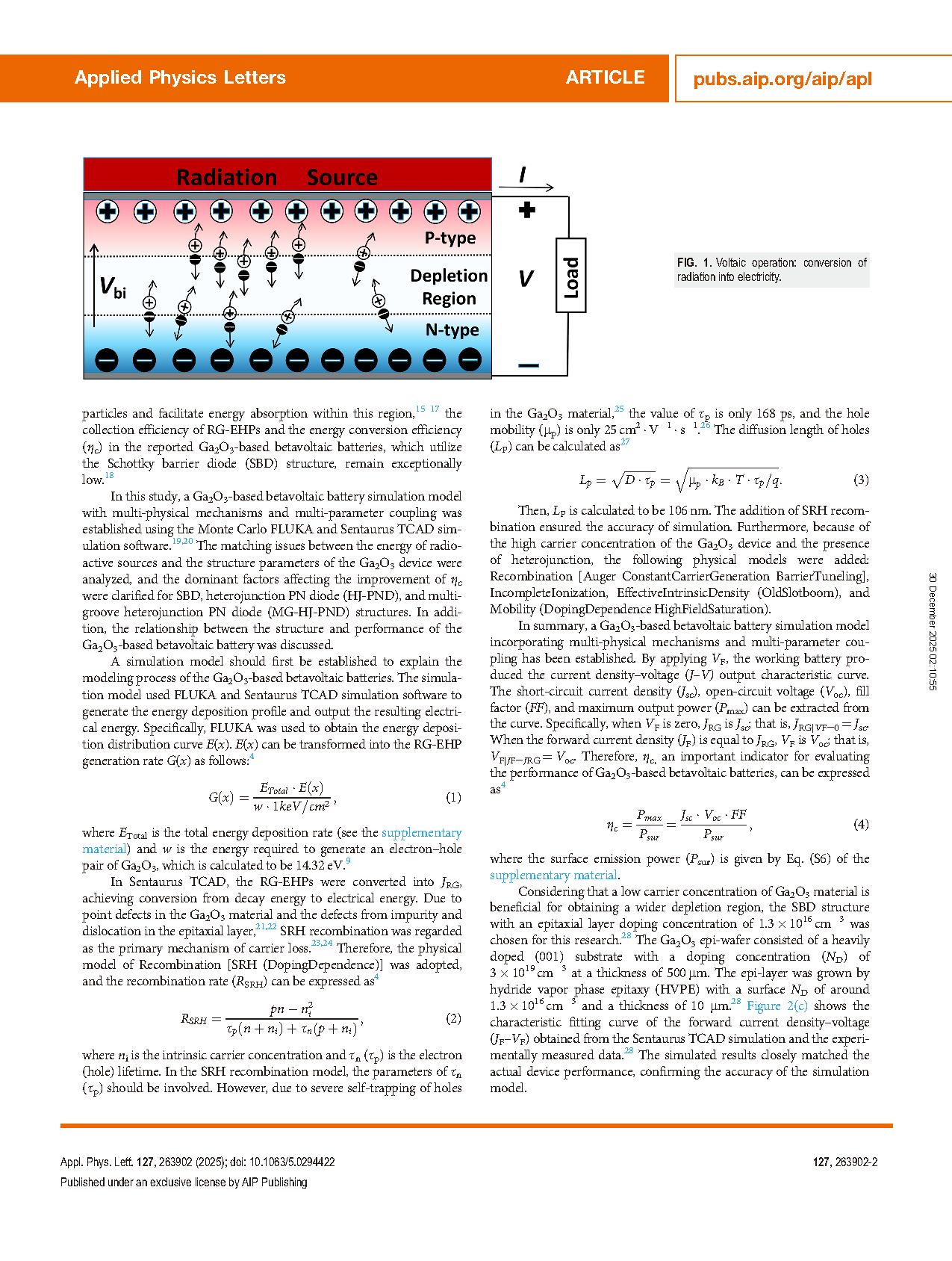
Voltaic batteries are widely applied in micro-electromechanical systems and implantable medical fields, representing vital choices for long-service, maintenance-free energy systems. Typically, the voltaic battery consists of a radioactive source and a semiconductor conversion device, and the fundamental principle of the voltaic nuclear battery is to convert energy from the decay energy of a radioactive source into electrical energy. Figure 1 shows that radioactive sources continuously generate radiation-generated electron–hole pairs (RG-EHPs) through ionization in the half-life period. The RG-EHPs in the depletion region are separated under the influence of the built-in electric field, giving rise to radiation-generated current density (JRG), which is converted into the electrical energy of the betavoltaic battery. In voltaic battery applications, miniaturization and ease of shielding are essential requirements. Short-range, low-energy, and long half-life beta (β) radioactive sources such as Ti3H2, 63Ni, and 147Pm2O3 are the optimal choices for miniaturization and shielding. Although the energy deposition depth of the β radioactive sources in the semiconductor conversion device is only a few micrometers, β radioactive sources still cause significant radioactive damage to the semiconductor conversion device. Gallium oxide (Ga2O3), an ultra-wide bandgap semiconductor, offers strong radiation resistance and has advanced rapidly in recent years. With broad applications in power electronics and radiation detectors, Ga2O3 is also a promising material for semiconductor conversion devices.
Abstract
Attributed to the wide bandgap property of gallium oxide (Ga2O3), Ga2O3-based betavoltaic batteries offer advantages such as small volume, strong radiation resistance, high-temperature stability, and chemical stability, demonstrating great potential for micro-medical devices, aerospace systems, and military equipment. Typically, betavoltaic batteries are based on a diode structure. However, the high carrier concentration in Ga2O3 material results in an excessively thin depletion region at zero bias. This limitation reduces the efficiency of collecting radiation-generated electron–hole pairs (RG-EHPs) in Ga2O3-based betavoltaic batteries, resulting in a low energy conversion efficiency (ηc), a crucial indicator for evaluating the performance of betavoltaic batteries. In this study, Ga2O3-based betavoltaic batteries utilizing diode structures were investigated using Monte Carlo FLUKA particle transport software and Sentaurus TCAD semiconductor device simulation software. A Ga2O3-based betavoltaic battery featuring a multi-groove heterojunction PN diode structure (MG-HJ-PND) was designed, with the radioactive source positioned within the grooves and p-nickel oxide (p-NiO) injected along the groove edges, which not only enhanced RG-EHP generation but also extended the depletion region, ultimately achieving a high ηc of 10.38% in the Ga2O3-based betavoltaic battery. Moreover, the performance of the Schottky barrier diode and heterojunction PN diode (HJ-PND) structures based on Ga2O3, silicon, and silicon carbide material was compared. The high-efficiency Ga2O3-based betavoltaic battery, based on the MG-HJ-PND structure, was shown to be a promising candidate for permanent micro-energy sources.
Conclusion
In summary, simulation models of Ga2O3-based betavoltaic batteries utilizing SBD and HJ-PND structures were established using the Monte Carlo FLUKA particle transport software and Sentaurus TCAD semiconductor device simulation software. By analyzing the J–V output characteristic curve, two effective ways to enhance ηc were identified: increasing the number of RG-EHPs and improving the collection efficiency from RG-EHPs to JRG. The increase in RG-EHPs was sequentially achieved by removing the metal electrodes, introducing the groove structure, and thinning the p-NiO layer. Moreover, by adding p-NiO and increasing the p-NiO length, the depletion region was enlarged, achieving the goal of improving the collection efficiency of RG-EHPs. These optimizations increased Jsc, Voc, and FF in the J–V output characteristic curve. Ultimately, this work improved the performance indicator of ηc by designing Ga2O3-based betavoltaic battery structures. High ηc values of 5.0% (Ti3H2), 10.4% (63Ni), and 2.3% (147Pm2O3) were achieved in Ga2O3-based MG-HJ-PND betavoltaic batteries. These high-efficiency Ga2O3-based betavoltaic batteries show strong potential for micro-electromechanical systems and implantable medical devices as maintenance-free energy sources.
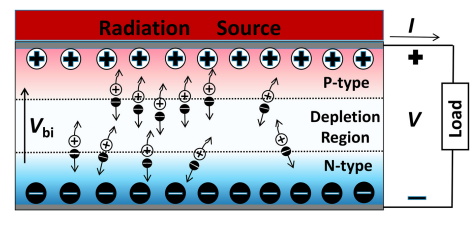
FIG. 1. Voltaic operation: conversion of radiation into electricity.
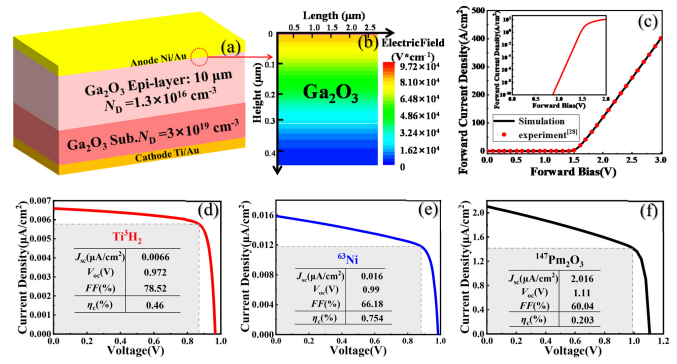
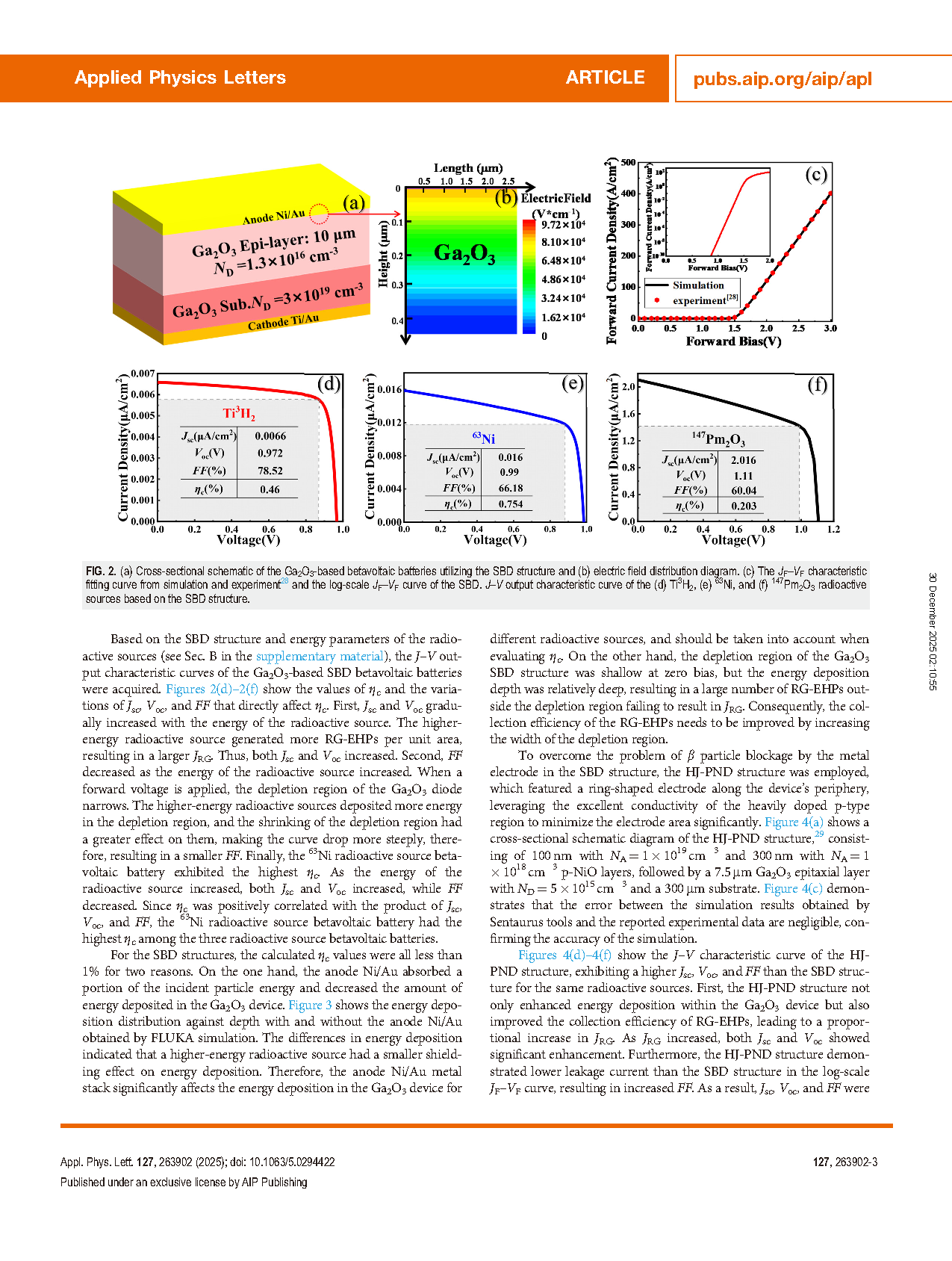
FIG. 2. (a) Cross-sectional schematic of the Ga2O3-based betavoltaic batteries utilizing the SBD structure and (b) electric field distribution diagram. (c) The JF–VF characteristic fitting curve from simulation and experiment and the log-scale JF–VF curve of the SBD. J–V output characteristic curve of the (d) Ti3H2, (e) 63Ni, and (f) 147Pm2O3 radioactive sources based on the SBD structure.
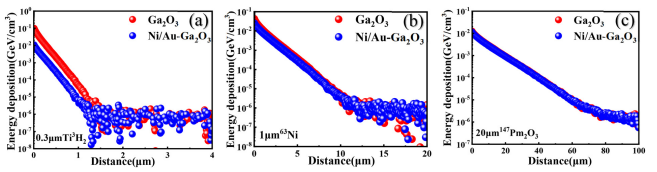
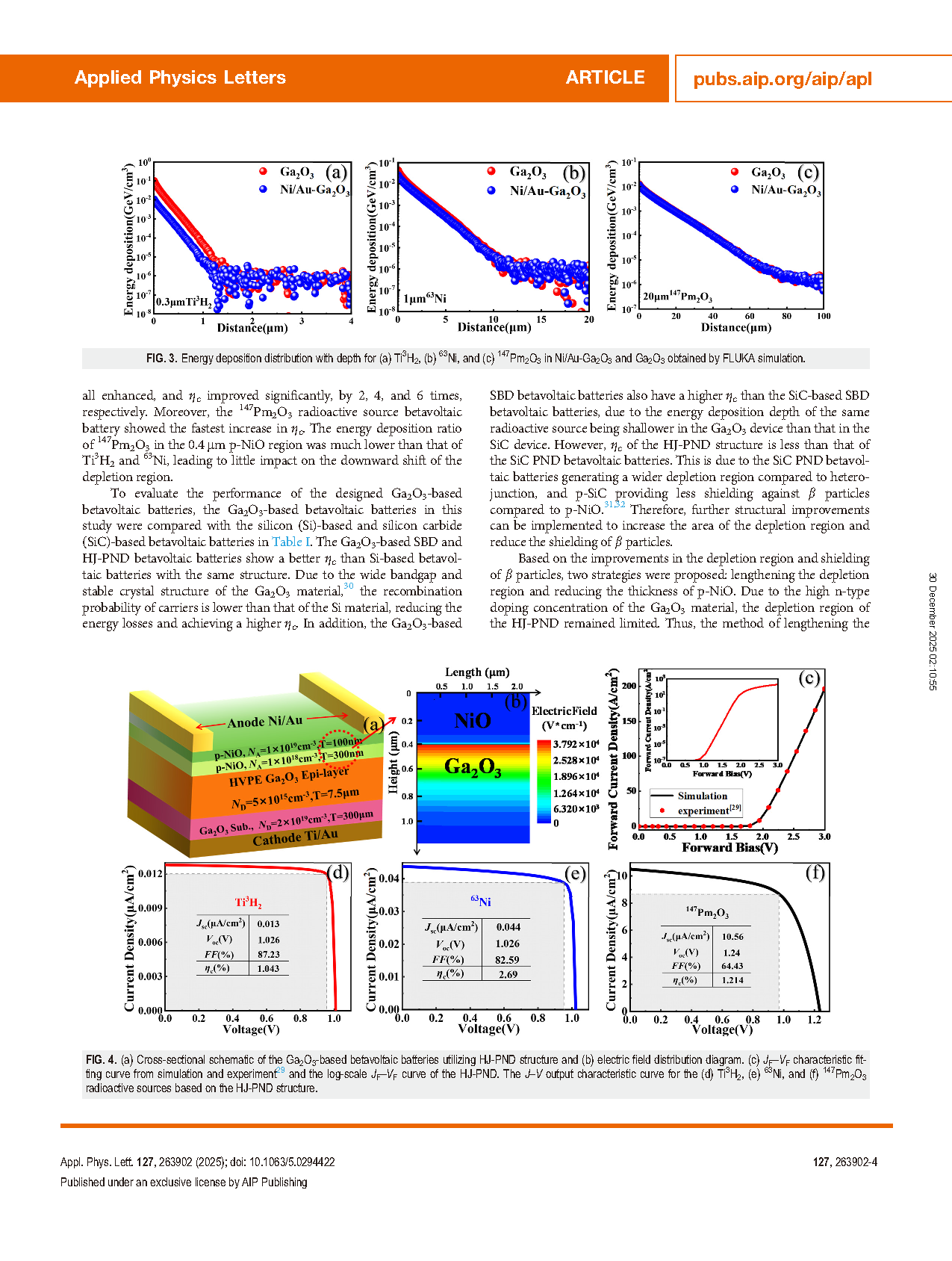
FIG. 3. Energy deposition distribution with depth for (a) Ti3H2, (b) 63Ni, and (c) 147Pm2O3 in Ni/Au-Ga2O3 and Ga2O3 obtained by FLUKA simulation.
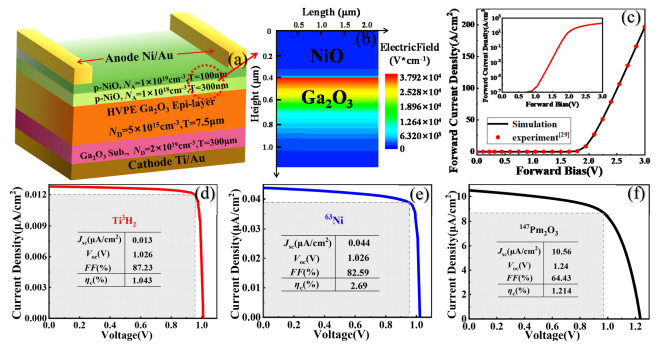
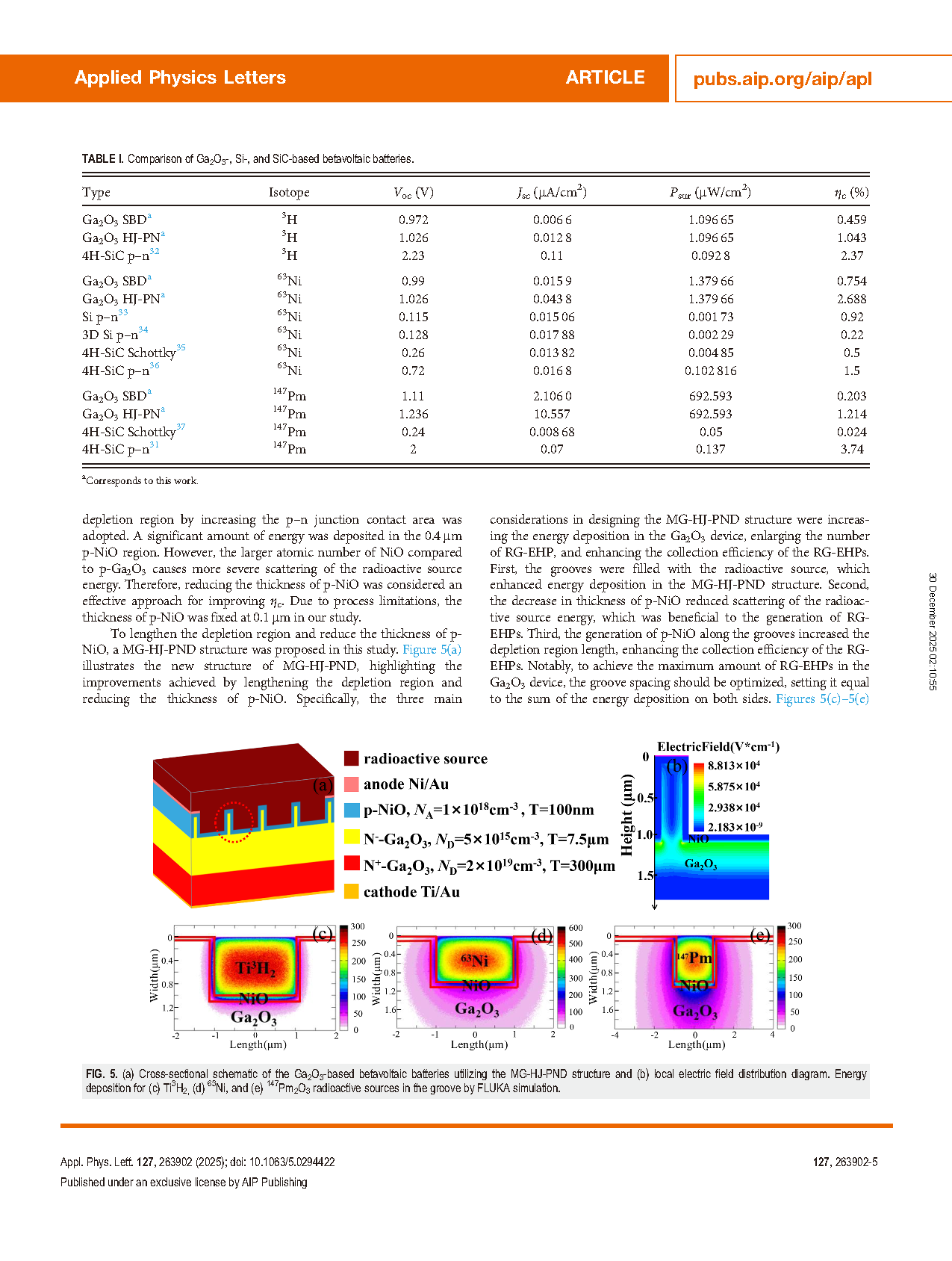
FIG. 4. (a) Cross-sectional schematic of the Ga2O3-based betavoltaic batteries utilizing HJ-PND structure and (b) electric field distribution diagram. (c) JF–VF characteristic fitting curve from simulation and experiment and the log-scale JF–VF curve of the HJ-PND. The J–V output characteristic curve for the (d) Ti3H2, (e) 63Ni, and (f) 147Pm2O3 radioactive sources based on the HJ-PND structure.
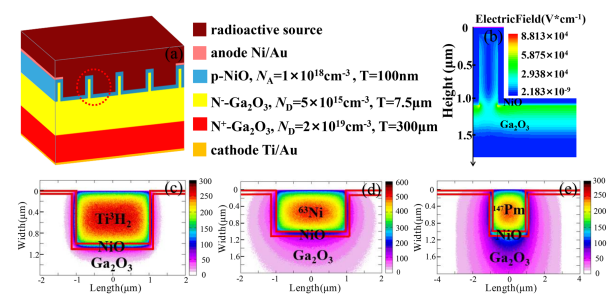
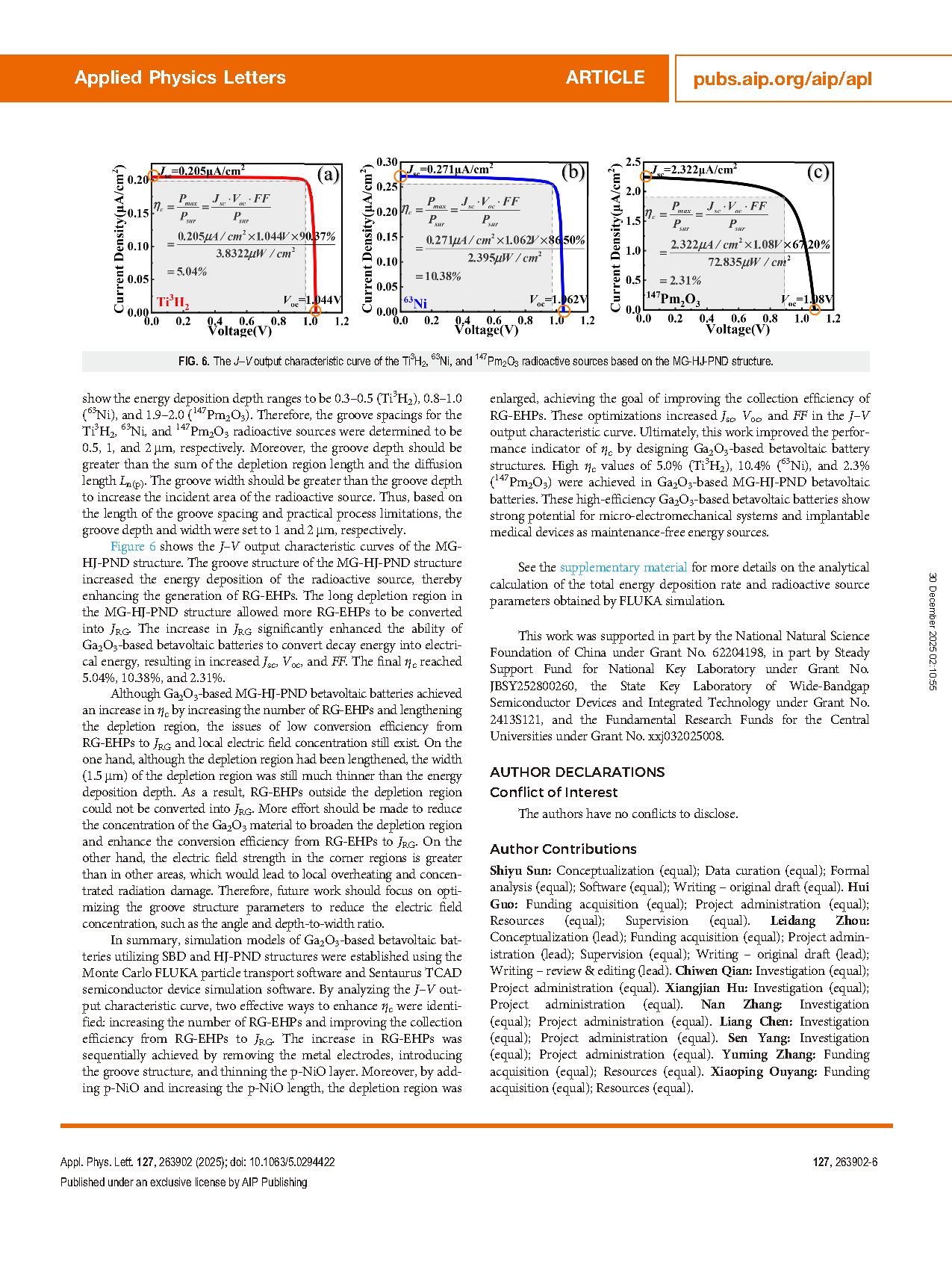
FIG. 5. (a) Cross-sectional schematic of the Ga2O3-based betavoltaic batteries utilizing the MG-HJ-PND structure and (b) local electric field distribution diagram. Energy deposition for (c) Ti3H2, (d) 63Ni, and (e) 147Pm2O3 radioactive sources in the groove by FLUKA simulation.
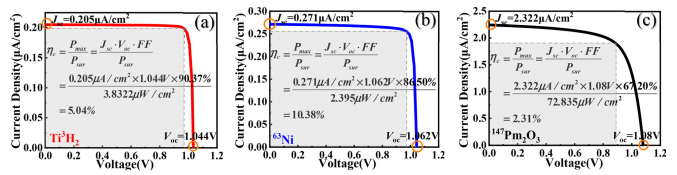
FIG. 6. The J–V output characteristic curve of the Ti3H2, 63Ni, and 147Pm2O3 radioactive sources based on the MG-HJ-PND structure.
DOI:
doi.org/10.1063/5.0294422
Instruction
Official Account

Cooperation
Top