


Researchers from the Leibniz-Institut für Kristallzüchtung (IKZ) and University of Florida have published a dissertation titled "Al composition dependence of band alignment in NiO/(AlxGa1−x)2O3 heterojunctions" in Journal of Vacuum Science & Technology A.
Background
The development of high-performance power electronics based on wide bandgap and ultrawide bandgap semiconductors is critical for advancing a wide range of applications, from electric vehicles to renewable energy systems. A key component in these systems is the power rectifier, which requires a high reverse breakdown voltage and low power dissipation. Conventional Schottky rectifiers, while effective, are often limited in their ability to achieve a high breakdown voltage due to their fundamental material properties. Heterojunction rectifiers, which combine materials with complementary electronic properties, offer a promising alternative. Among these, the p-type NiO and n-type Ga2O3 heterojunction has garnered significant attention due to the ultrawide bandgap of Ga2O3. By alloying Ga2O3 with aluminum (AlxGa1−x)2O3, it is possible to further enhance the bandgap and increase the reverse breakdown voltage of the resulting rectifiers, addressing a major limitation of their Schottky counterparts.
Abstract
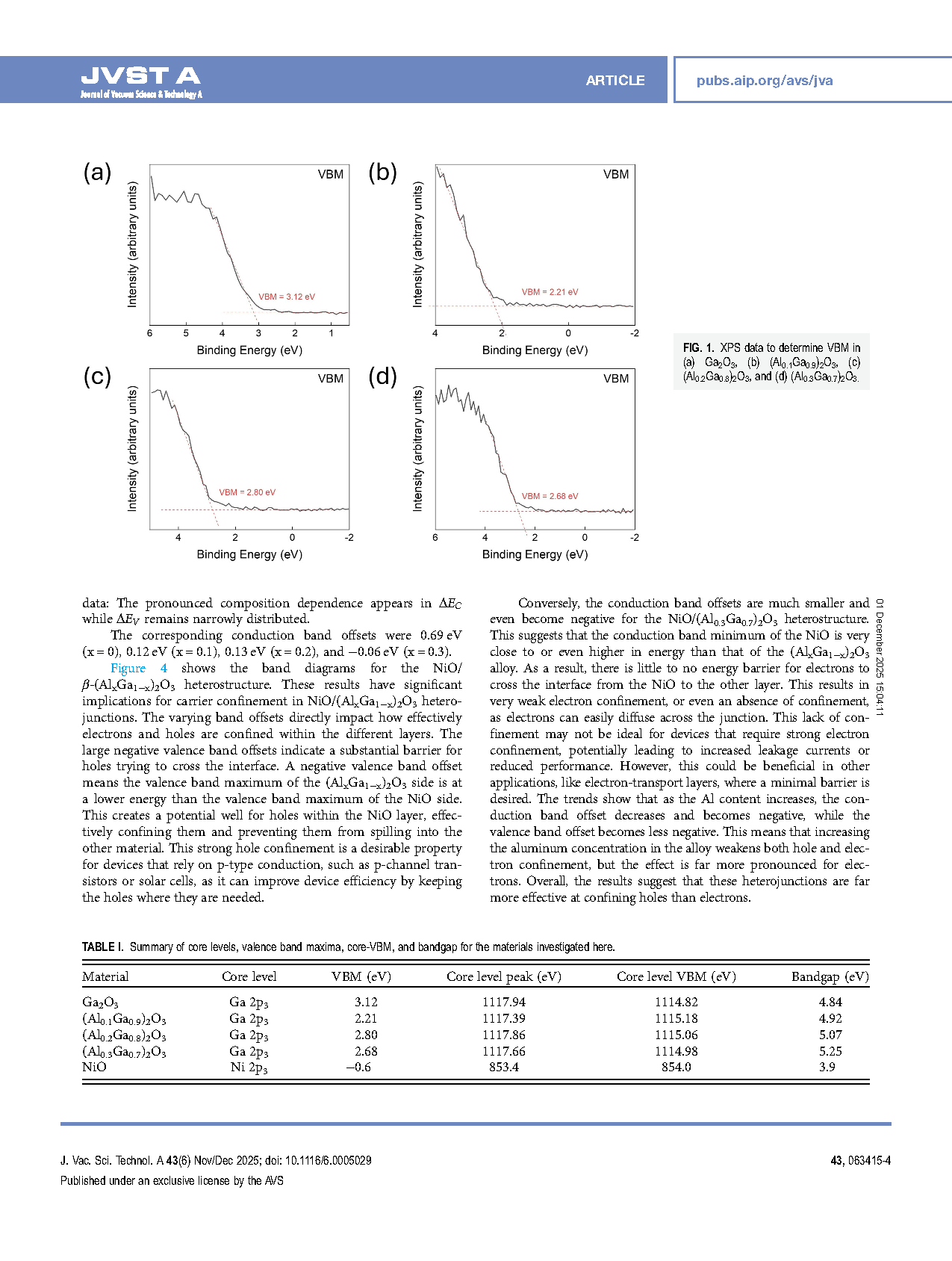
This study investigates the electronic band alignment of the p-NiO/n-(AlxGa1−x)2O3 heterojunction, a promising candidate for next-generation power electronics. High-quality β-(AlxGa1−x)2O3 thin films with varying aluminum content (x = 0.1, 0.2, and 0.3) were grown on sapphire substrates by metalorganic vapor-phase epitaxy, followed by the deposition of p-type NiO via magnetron sputtering. The band offsets were experimentally determined using x-ray photoelectron spectroscopy via the Kraut method. Our findings reveal a type-II, staggered band alignment at the interface. The valence band offset (VBO) was measured to be highly negative, ranging from −1.63 eV for x = 0 to −1.29 eV for x = 0.3. In contrast, the conduction band offset (CBO) was found to be smaller and decreased with increasing aluminum content, even becoming negative at the highest Al content. The large, negative VBO creates a significant barrier for holes, leading to strong hole confinement within the NiO layer. This is particularly beneficial for vertical power rectifiers, as it results in low reverse leakage currents and high breakdown voltages, addressing a major limitation of conventional Schottky rectifiers. Conversely, the small or negative CBO results in weak electron confinement, which poses a challenge for lateral field-effect transistors by potentially increasing gate leakage current. The ability to tune the band alignment by controlling the Al content provides a pathway for rational device design. This research provides crucial experimental data for the development of high-voltage NiO/(AlxGa1−x)2O3 power devices, positioning them as a viable alternative to established SiC and GaN technologies.
Conclusion
The NiO/(AlxGa1−x)2O3 heterojunction is a very promising candidate for high-voltage breakdown devices, especially for vertical rectifiers. The NiO/(AlxGa1−x)2O3 heterojunction provides a workaround for the lack of facile p-type doping in Ga2O3. By using p-type NiO, which has a decent bandgap (∼3.6–4.0 eV) and can be easily doped, a functioning p-n heterojunction is created. As seen from the band offset data, this junction has a large, negative valence band offset, creating a strong potential barrier for holes. In a reverse-biased rectifier, this barrier effectively blocks the flow of holes, leading to an extremely low reverse leakage current. This low leakage is critical for achieving a high breakdown voltage because premature breakdown is often caused by high reverse current.
Furthermore, the introduction of Al to form the (AlxGa1−x)2O3 alloy can be used to further optimize device performance. The increased bandgap of the alloy can raise the effective barrier for charge carriers and help manage the electric field distribution within the device, potentially pushing the breakdown voltage even higher. Recent research has shown significant progress, with vertical NiO/Ga2O3 rectifiers demonstrating breakdown voltages over 8 kV and lateral rectifiers reaching over 7 kV. This performance places them at the forefront of next-generation power electronics, often surpassing the performance of competing SiC and GaN devices. The large band offsets, combined with careful device design (like junction termination extension), make this heterojunction a highly effective structure for high-voltage applications.
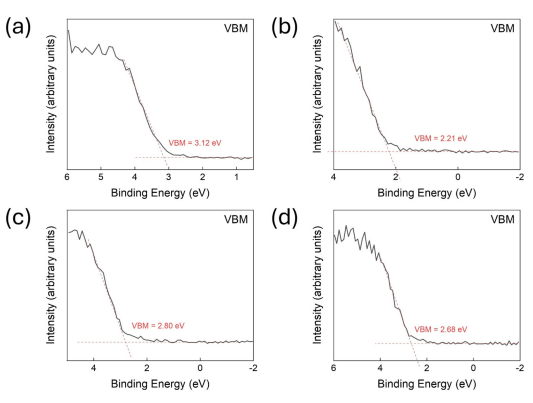
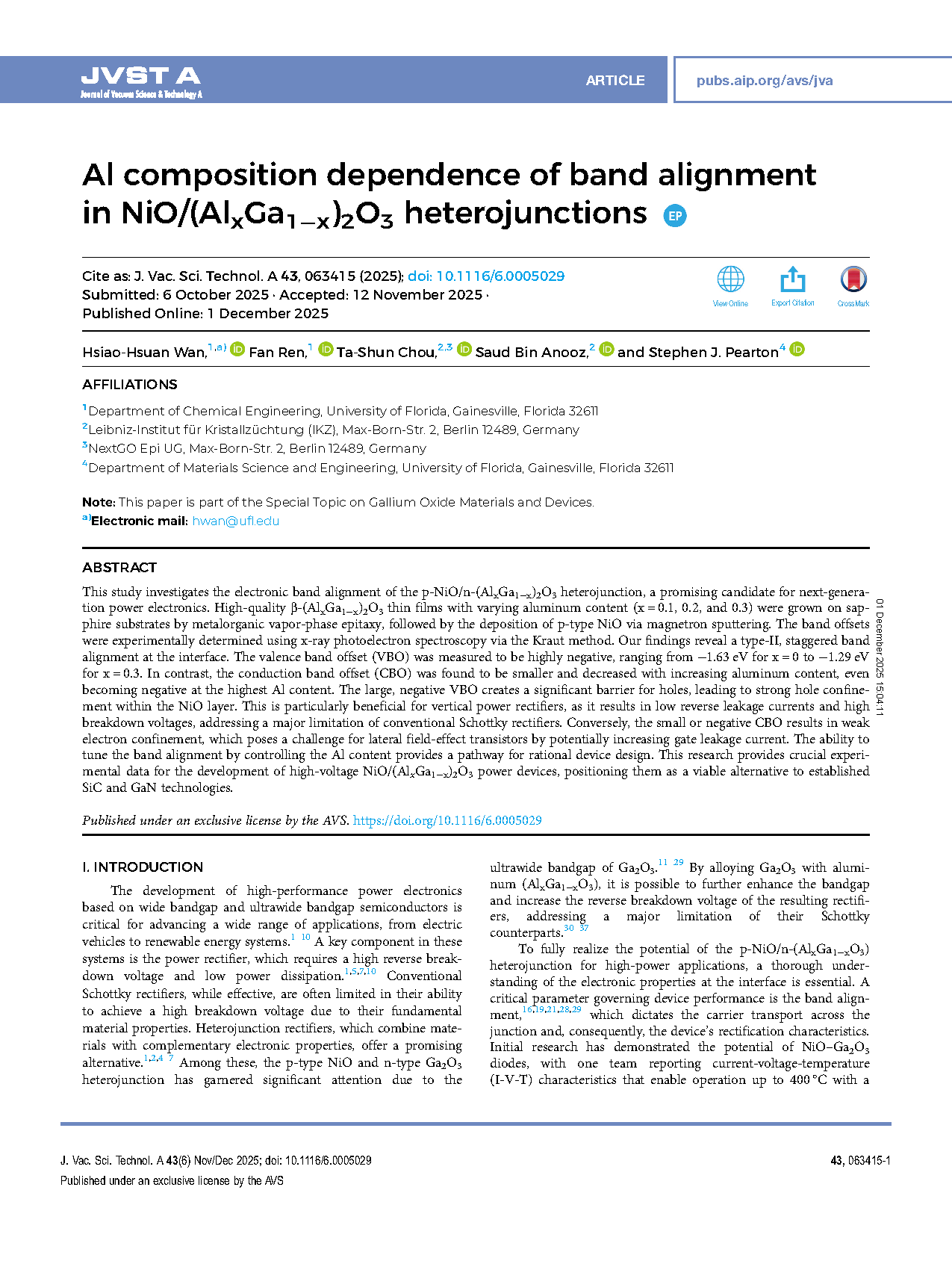
FIG. 1. XPS data to determine VBM in (a) Ga2O3, (b) (Al0.1Ga0.9)2O3, (c) (Al0.2Ga0.8)2O3, and (d) (Al0.3Ga0.7)2O3
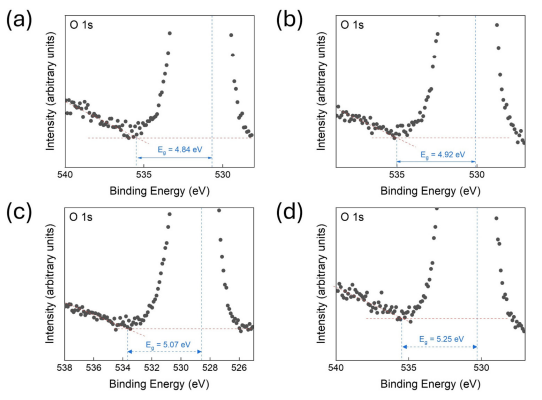
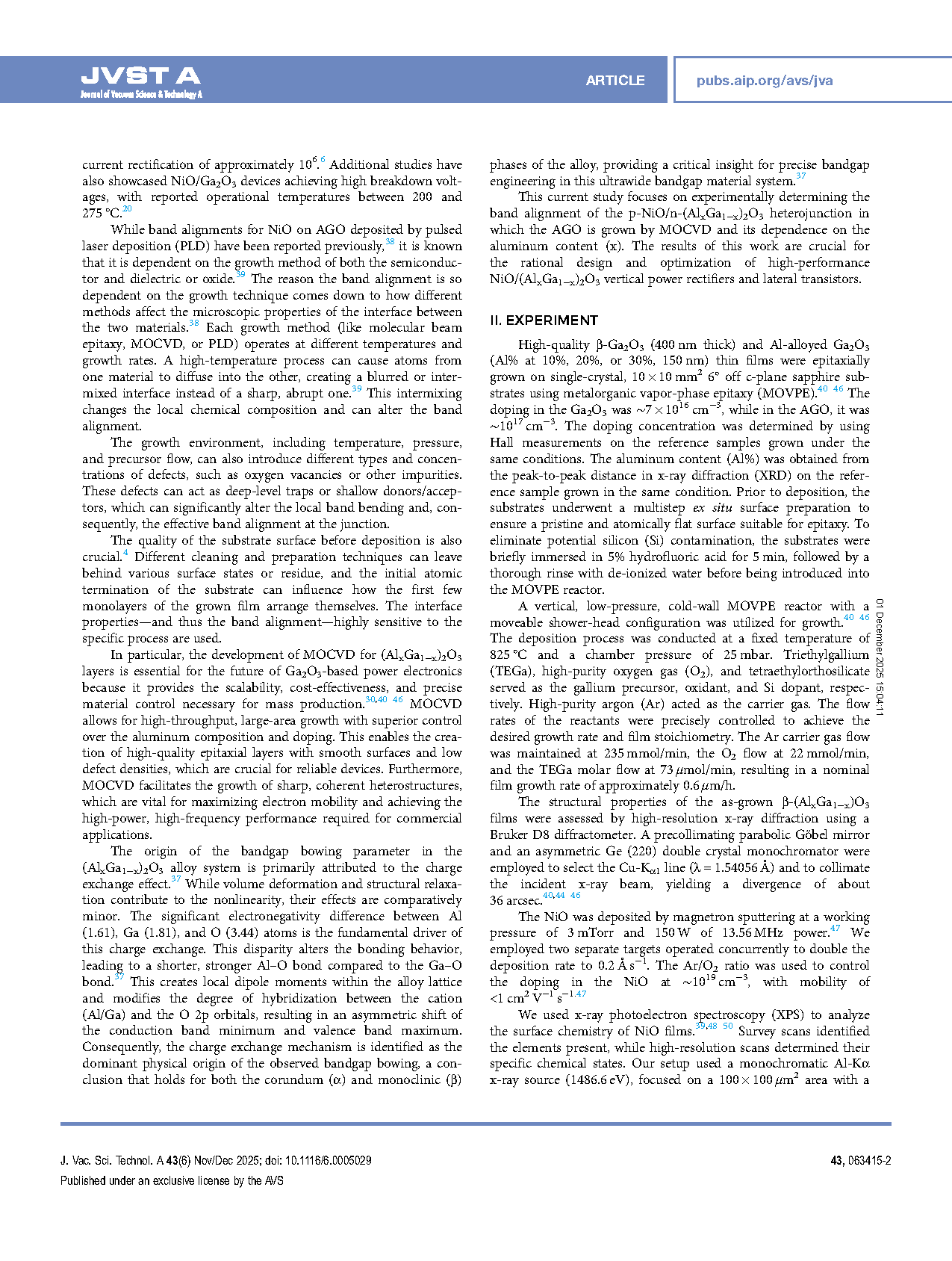
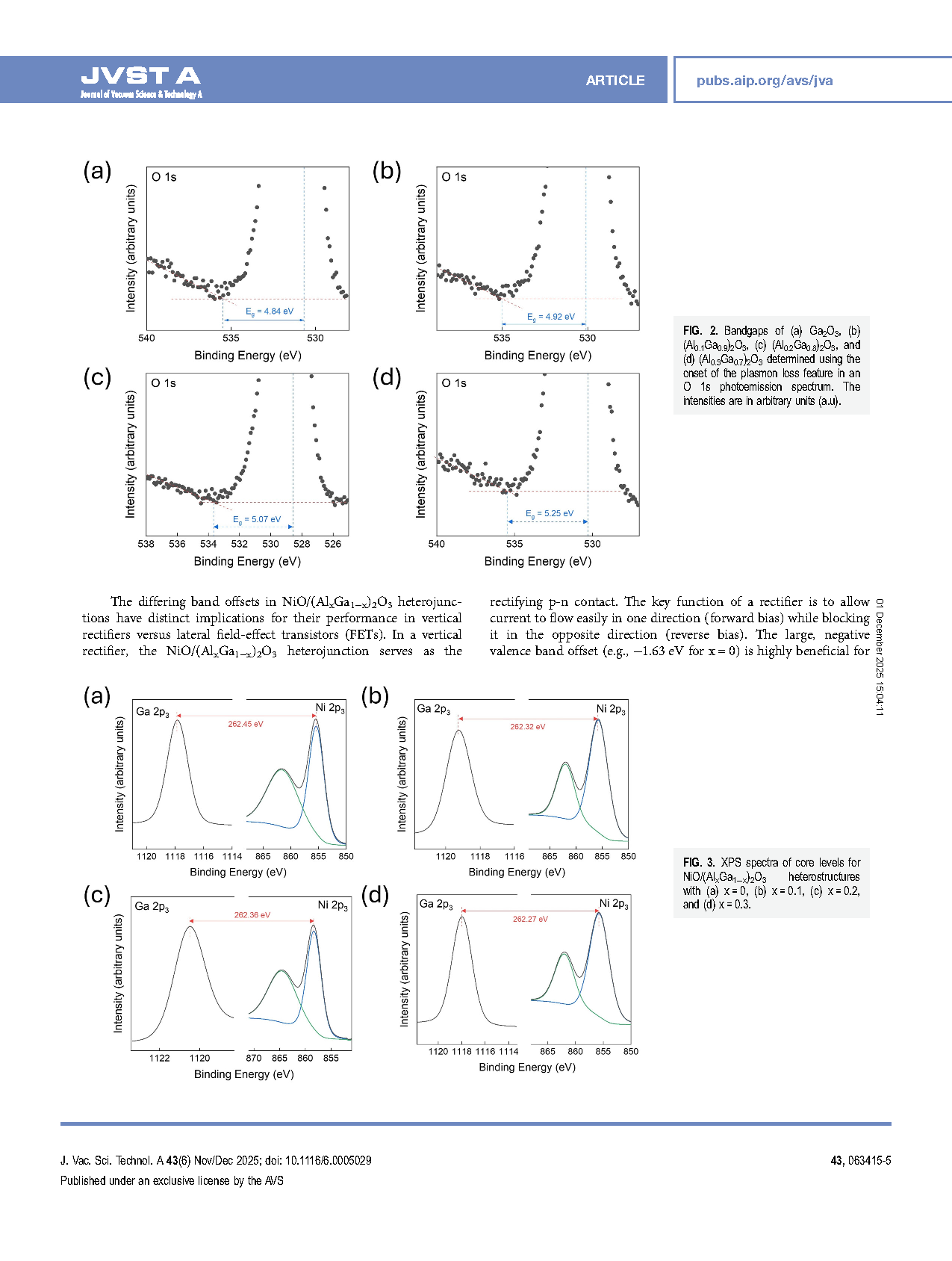
FIG. 2. Bandgaps of (a) Ga2O3, (b) (Al0.1Ga0.9)2O3, (c) (Al0.2Ga0.8)2O3, and (d) (Al0.3Ga0.7)2O3 determined using the onset of the plasmon loss feature in an O 1s photoemission spectrum. The intensities are in arbitrary units (a.u).
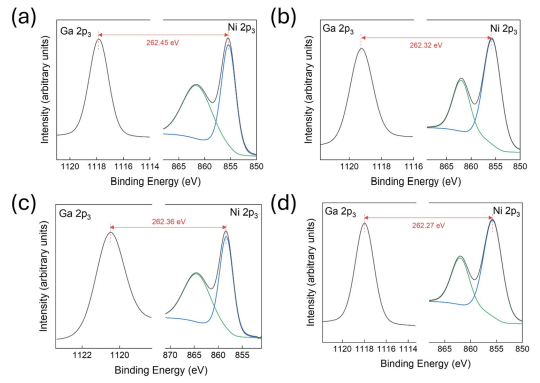
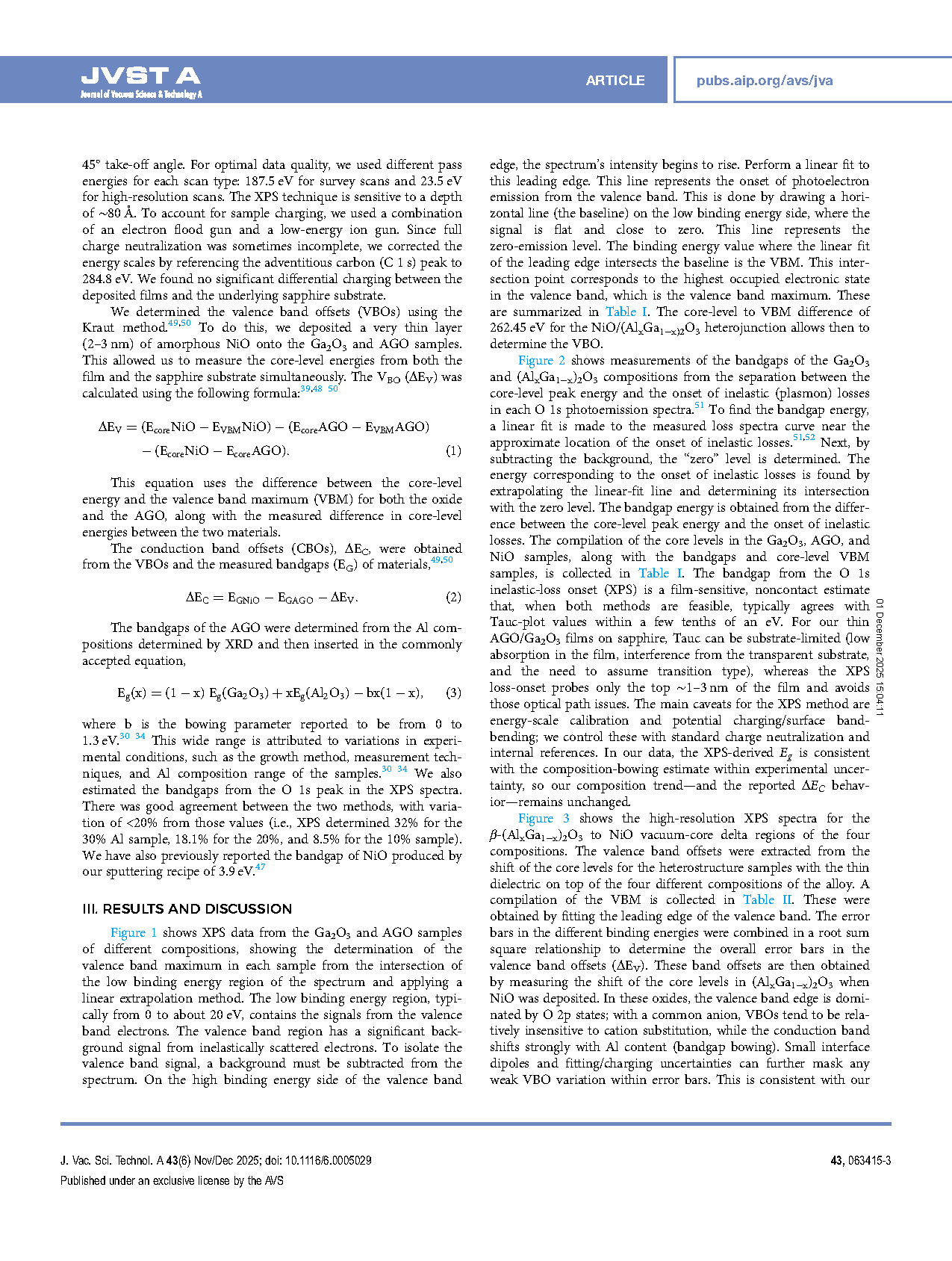
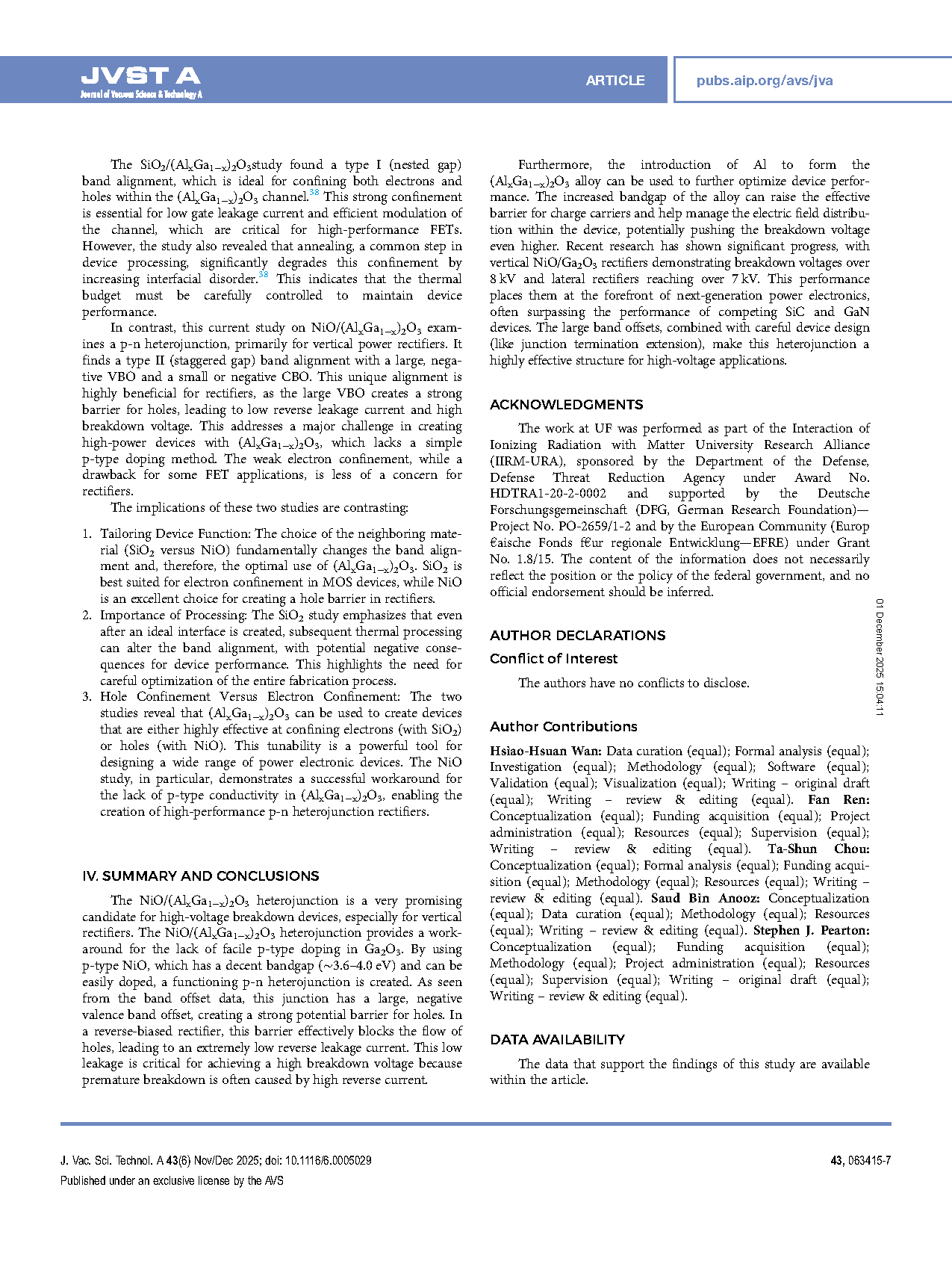
FIG. 3. XPS spectra of core levels for NiO/(AlxGa1−x)2O3 heterostructures with (a) x = 0, (b) x = 0.1, (c) x = 0.2, and (d) x = 0.3.
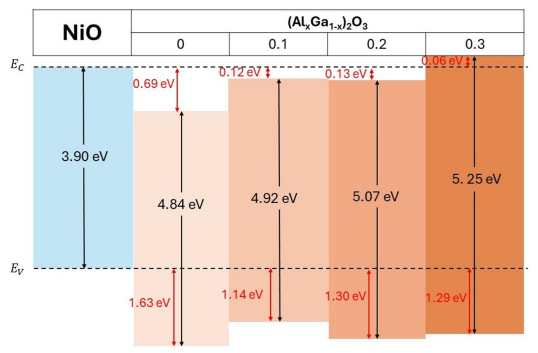
FIG. 4. Band diagrams for the NiO/(AlxGa1−x)2O3 heterostructure in which the NiO was deposited by sputtering.
DOI:
doi.org/10.1116/6.0005029

Instruction
Official Account

Cooperation
Top