


Researchers from the Harbin Institute of Technology have published a dissertation titled "Performance enhancement and defect evolution in β-Ga₂O₃ Schottky barrier diodes induced by 170 keV proton irradiation" in Applied Physics Letters.
Background
Benefiting from ultra-wide bandgap (4.9 eV), high critical breakdown field (8 MV/cm), and a Baliga merit value of approaching 3400, β-Ga2O3 shows a great potential application in next-generation high-power electronic devices. Because of higher threshold of atomic displacement energy, it is expected to exhibit better radiation hardness ability than GaN and SiC wide bandgap semiconductors, which endow β-Ga2O3 based electronic devices with potential application in space radiation environment. Due to the space radiation environment mainly composed of proton with a large energy range of tens of keV to several hundred MeV, lots of literature focus on the proton radiation experiments for β-Ga2O3 devices. Previous studies have shown that high-energy proton irradiation generally leads to device performance degradation, such as an increase in interface states, the introduction of deep-level defects, and a reduction in carrier concentration. However, the irradiation effects of low-energy protons (e.g., 170 keV) and their potential impact on device performance have not yet been thoroughly explored.
Highlight
1.A self-developed software, ERETCAD, was employed to simulate radiation-induced defect evolution under a 170 keV proton irradiation scenario, providing critical evidence for accurately revealing the underlying defect evolution mechanisms. By comparing experimentally extracted defect energy levels with the β-Ga2O3 defect database, radiation-induced electrically active defects were systematically identified and defined.
2.It was discovered that 170 keV low-energy proton irradiation can improve the electrical characteristics of β-Ga2O3 Schottky barrier diodes. The core mechanism lies in proton-induced defect evolution: incident protons passivate gallium vacancy-related defects, reduce the concentration of the E1 defect, and consequently lead to an increase in carrier concentration.
Conclusion
This work reports the effects of 170 keV proton irradiation on the electrical characteristics and defect evolution of n-type β-Ga2O3 Schottky barrier diodes. The results demonstrate that low-energy proton irradiation can significantly enhance device performance, manifested by a reduced turn-on voltage, increased forward current density, and elevated carrier concentration. Deep-level transient spectroscopy reveals the suppression of the E1 defect and the enhancement of the E2 defect, indicating that protons promote the evolution of intrinsic defects. Protons play a key role in passivating gallium vacancies and facilitating defect reconstruction. The absence of proton-passivation-related defect signatures in DLTS spectra is attributed to the fact that, in n-type devices, the corresponding charge transition levels are located far from the conduction band minimum. This study elucidates the microscopic mechanism of hydrogen-assisted defect evolution under low-energy proton irradiation and provides a new strategy for optimizing the electrical performance of β-Ga2O3 power devices.
Project Support
This work was supported by the National Natural Science Foundation of China (No. 12305300) and the Innovation Project of China Electronics Technology Group Corporation 46th Research Institute (No. WDZC202446008).
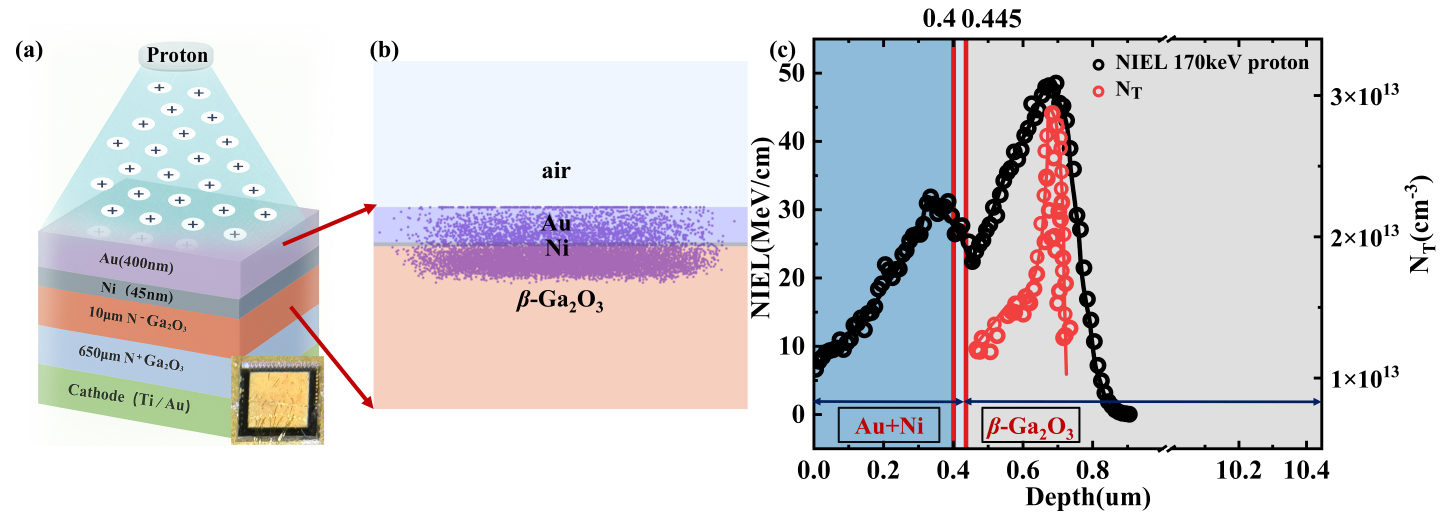
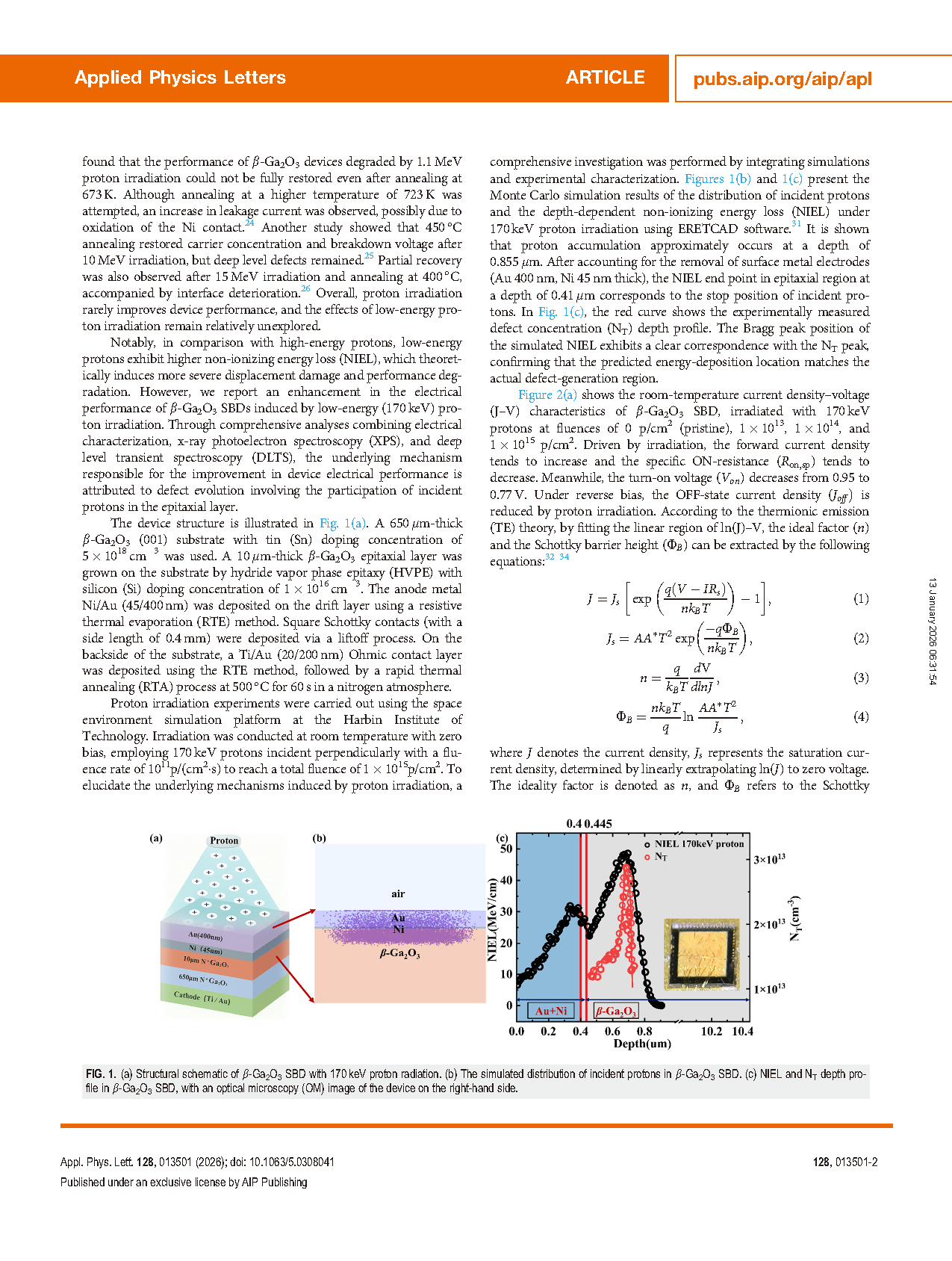
Fig. 1. (a) Structural schematic of β-Ga2O3 SBD with 170 keV proton radiation. (b) The simulated distribution of incident protons in β-Ga2O3 SBD. (c) NIEL and NT depth profile in β-Ga2O3 SBD, with an Optical Microscopy (OM) image of the device on the right side.
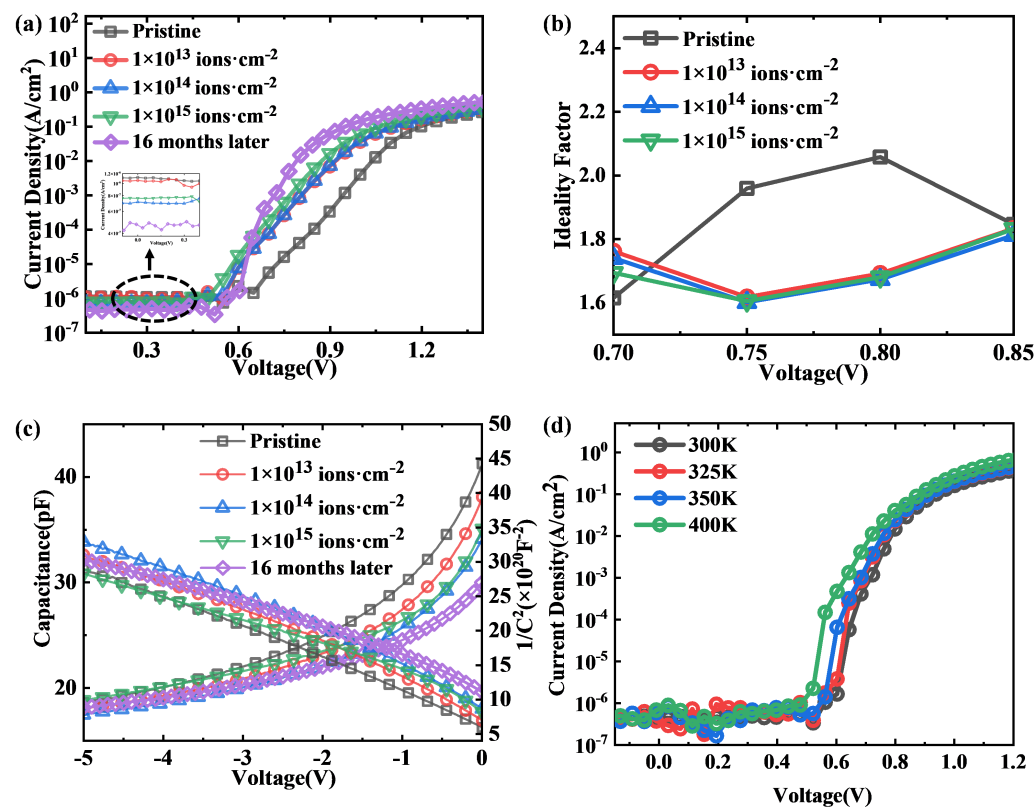
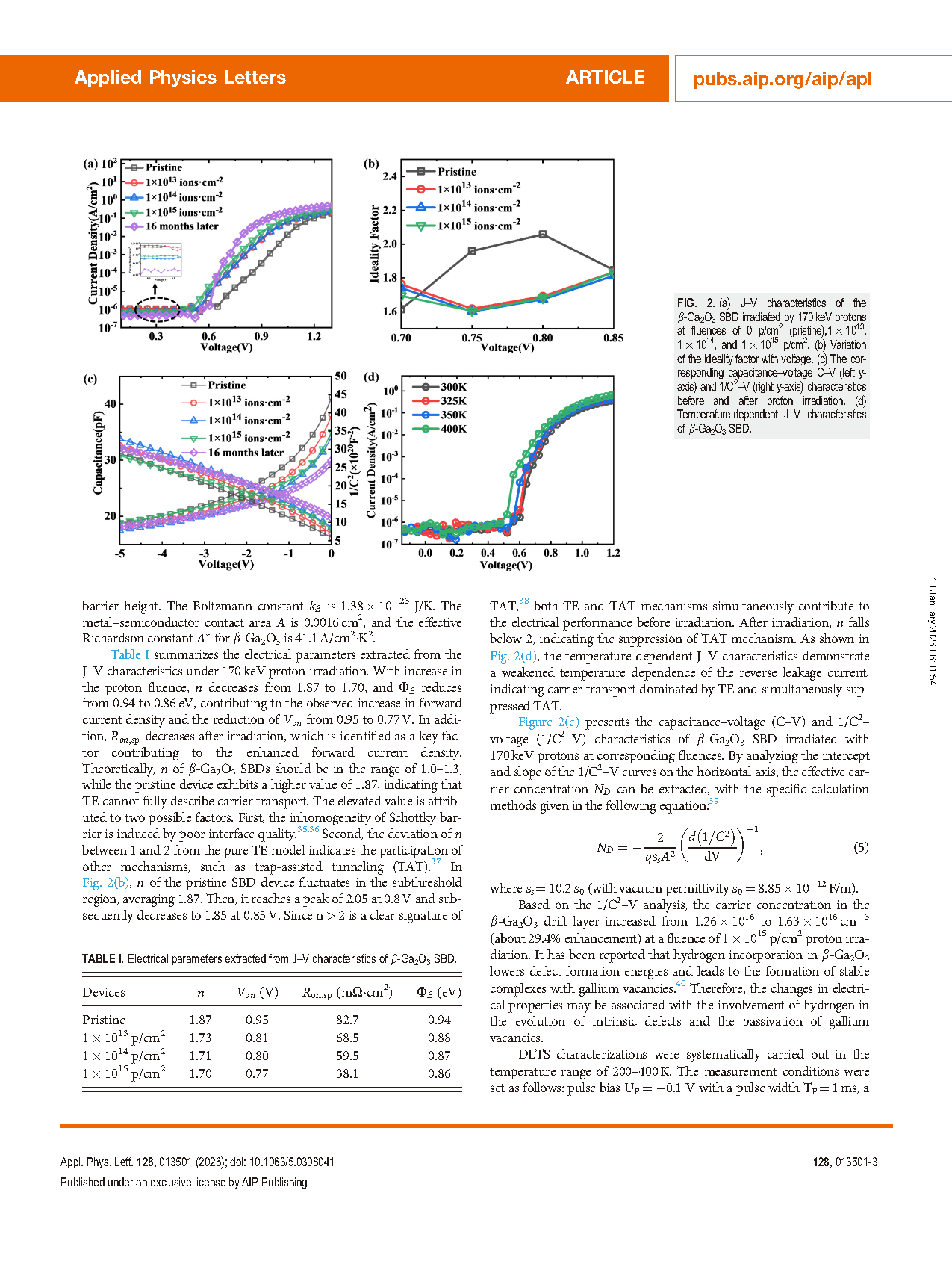
Fig. 2. (a) J-V characteristics of the β-Ga2O3 SBD irradiated by 170 keV protons at fluences of 0 p/cm2 (pristine),1×1013 p/cm2, 1×10¹⁴ p/cm2, and 1×10¹⁵ p/cm2. (b) Variation of the ideality factor with voltage. (c) The corresponding Capacitance-Voltage C-V (left y-axis) and 1/C2-V (right y-axis) characteristics before and after proton irradiation. (d) Temperature-dependent J-V characteristics of β-Ga2O3 SBD.
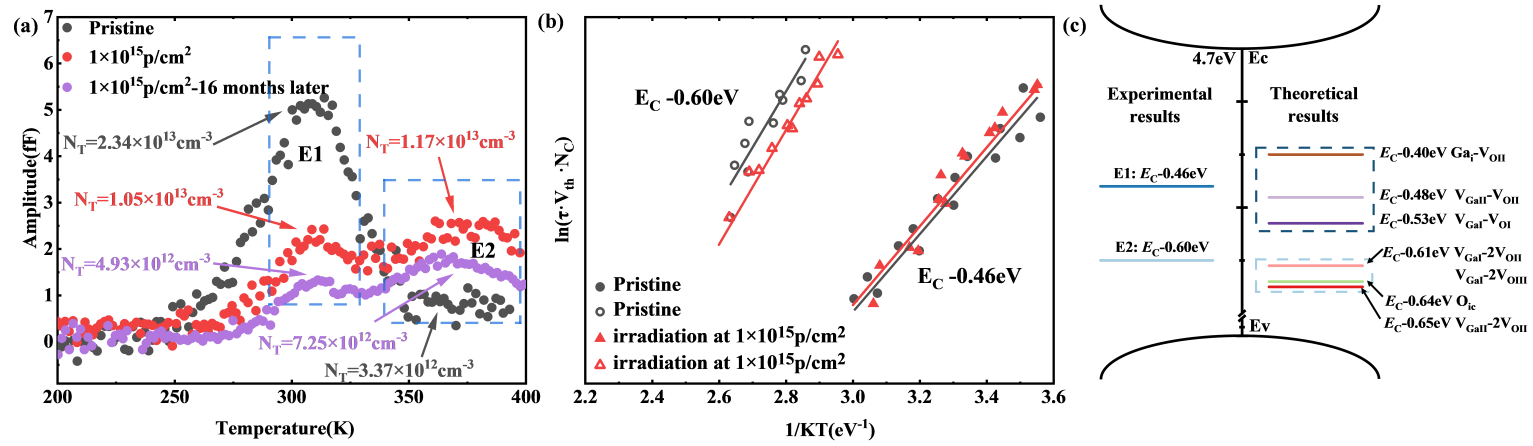
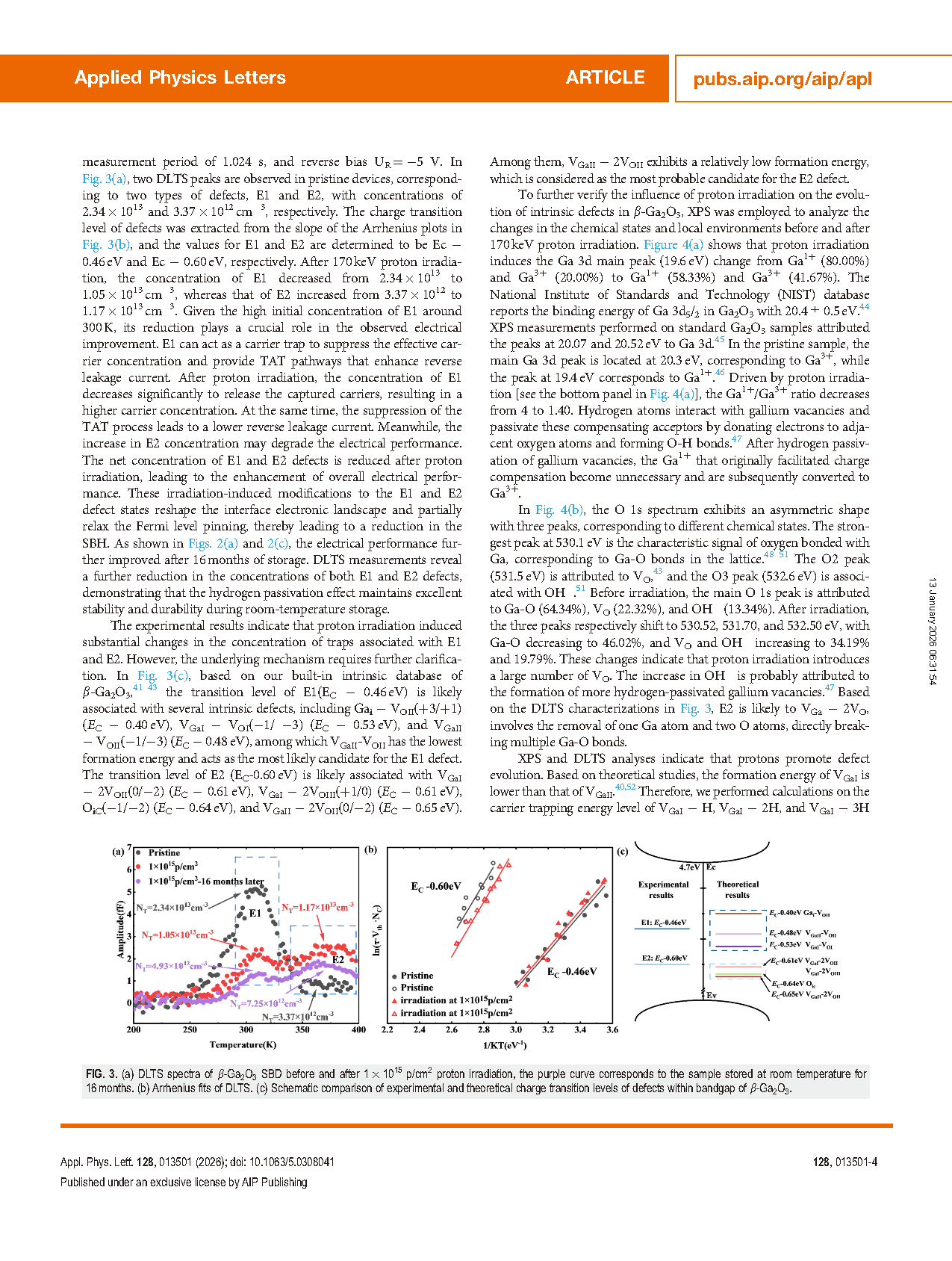
Fig. 3. (a) DLTS spectra of β-Ga2O3 SBD before and after 1×10¹⁵ p/cm2 proton irradiation, the purple curve corresponds to the sample stored at room temperature for 16 months. (b) Arrhenius fits of DLTS. (c) Schematic comparison of experimental and theoretical charge transition levels of defects within band gap of β-Ga2O3.
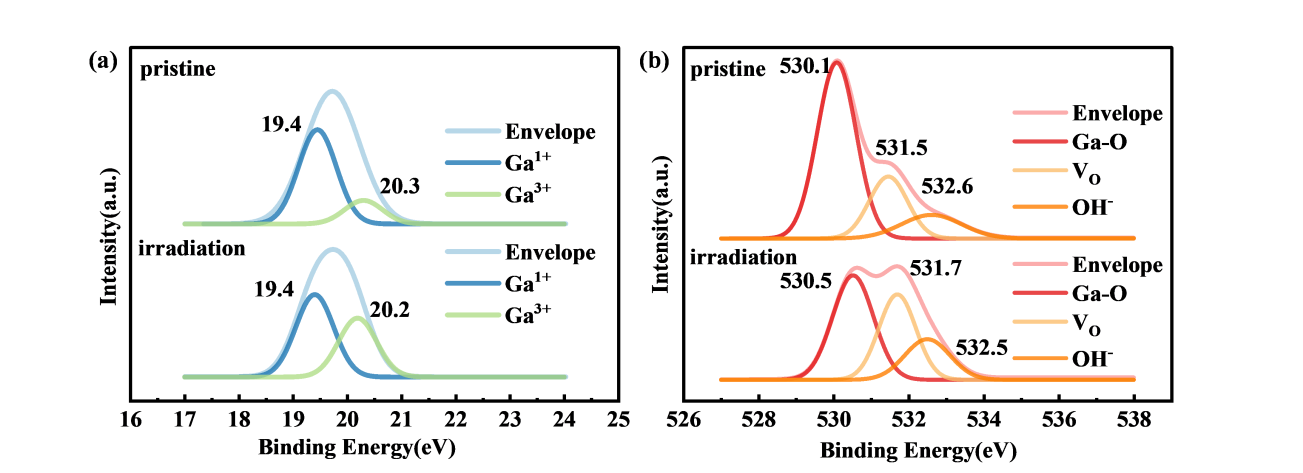
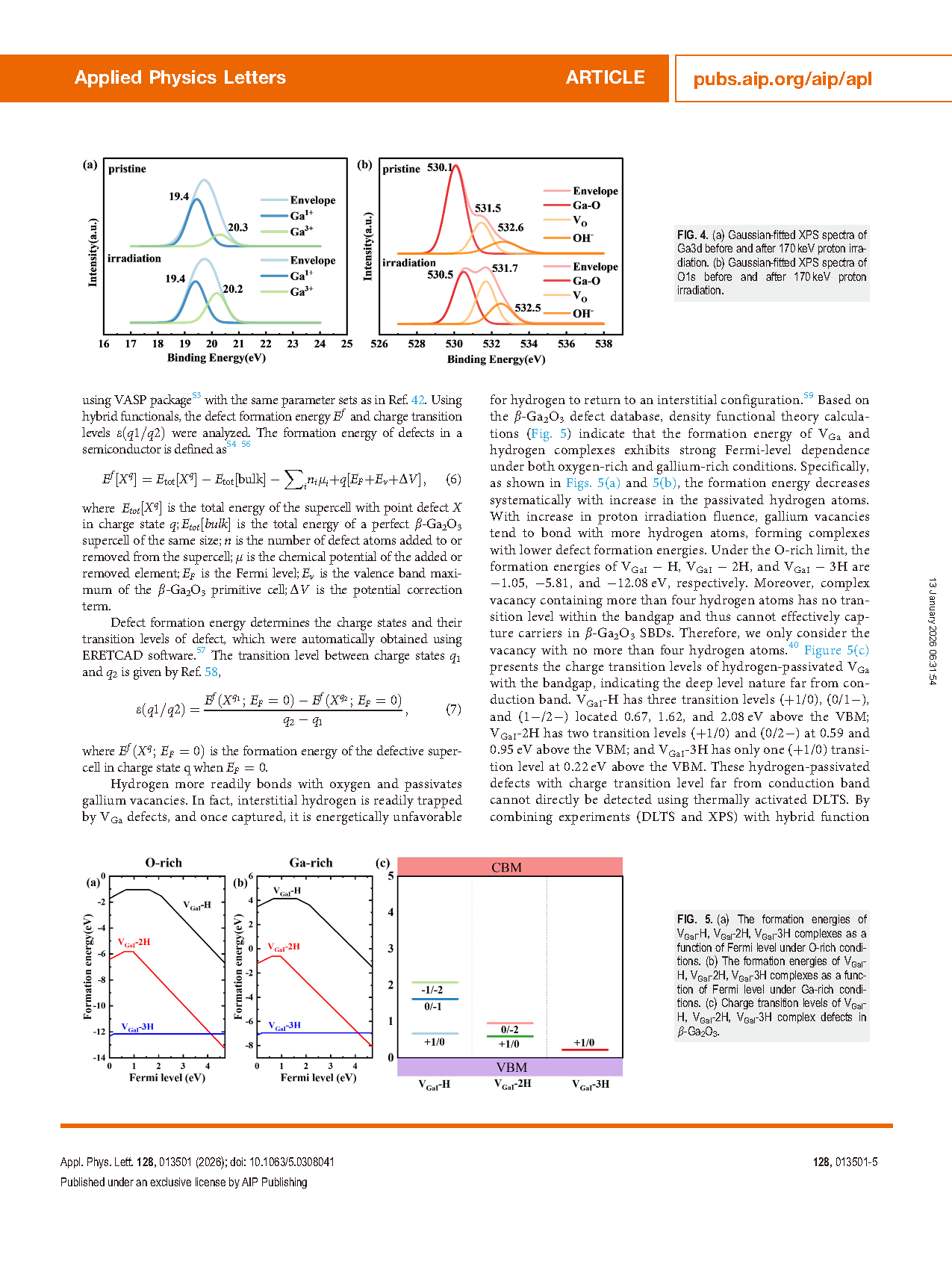
Fig. 4. (a) Gaussian-fitted XPS spectra of Ga3d before and after 170 keV proton irradiation. (b) Gaussian-fitted XPS spectra of O1s before and after 170 keV proton irradiation.
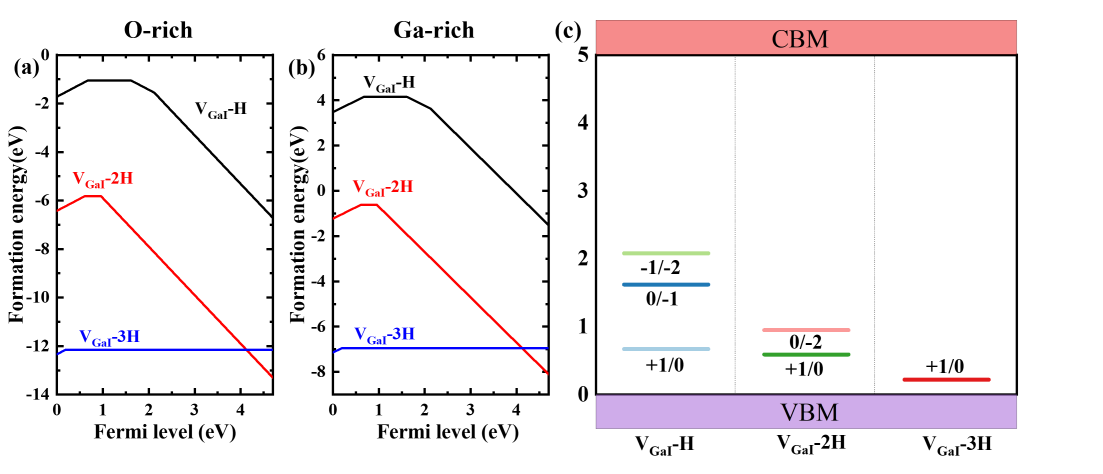
Fig. 5. (a) The formation energies of VGaI-H, VGaI-2H, VGaI-3H complexes as a function of Fermi Level under O-rich conditions. (b) The formation energies of VGaI-H, VGaI-2H, VGaI-3H complexes as a function of Fermi Level under Ga-rich conditions. (c) Charge transition levels of VGaI-H, VGaI-2H, VGaI-3H complexes defects in β-Ga2O3.
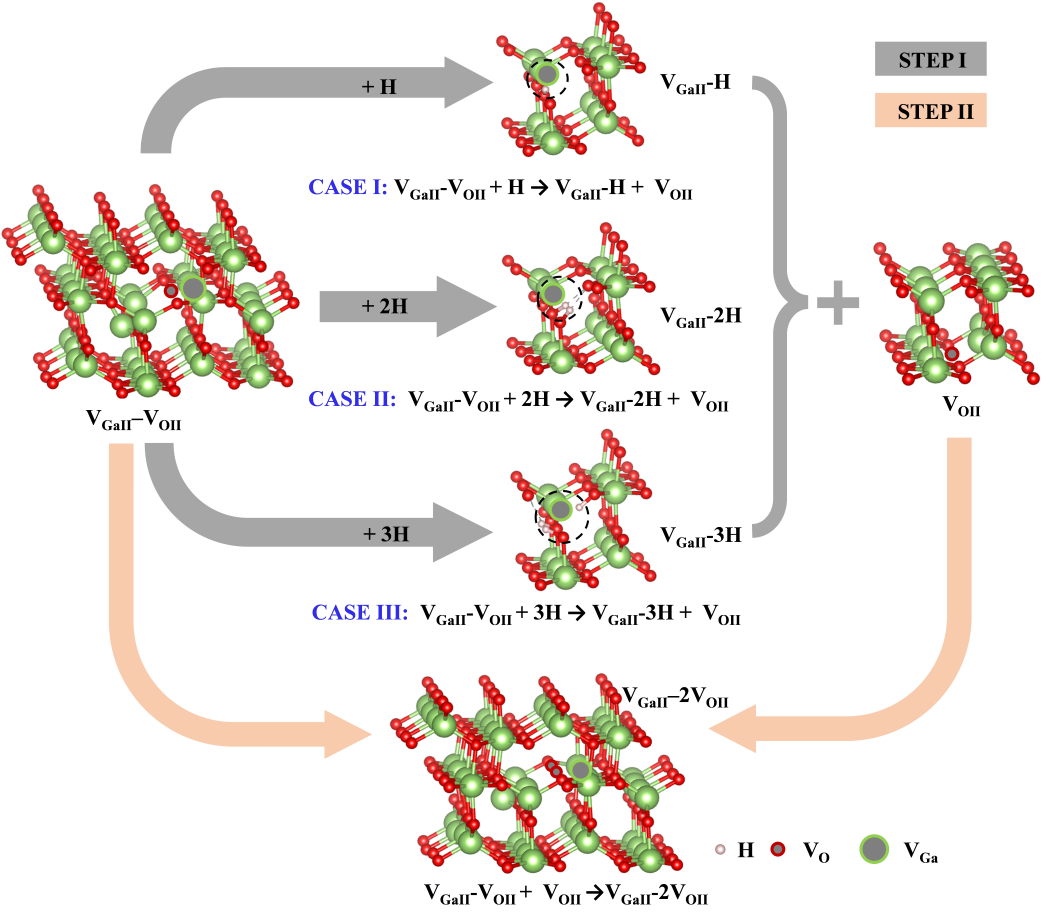
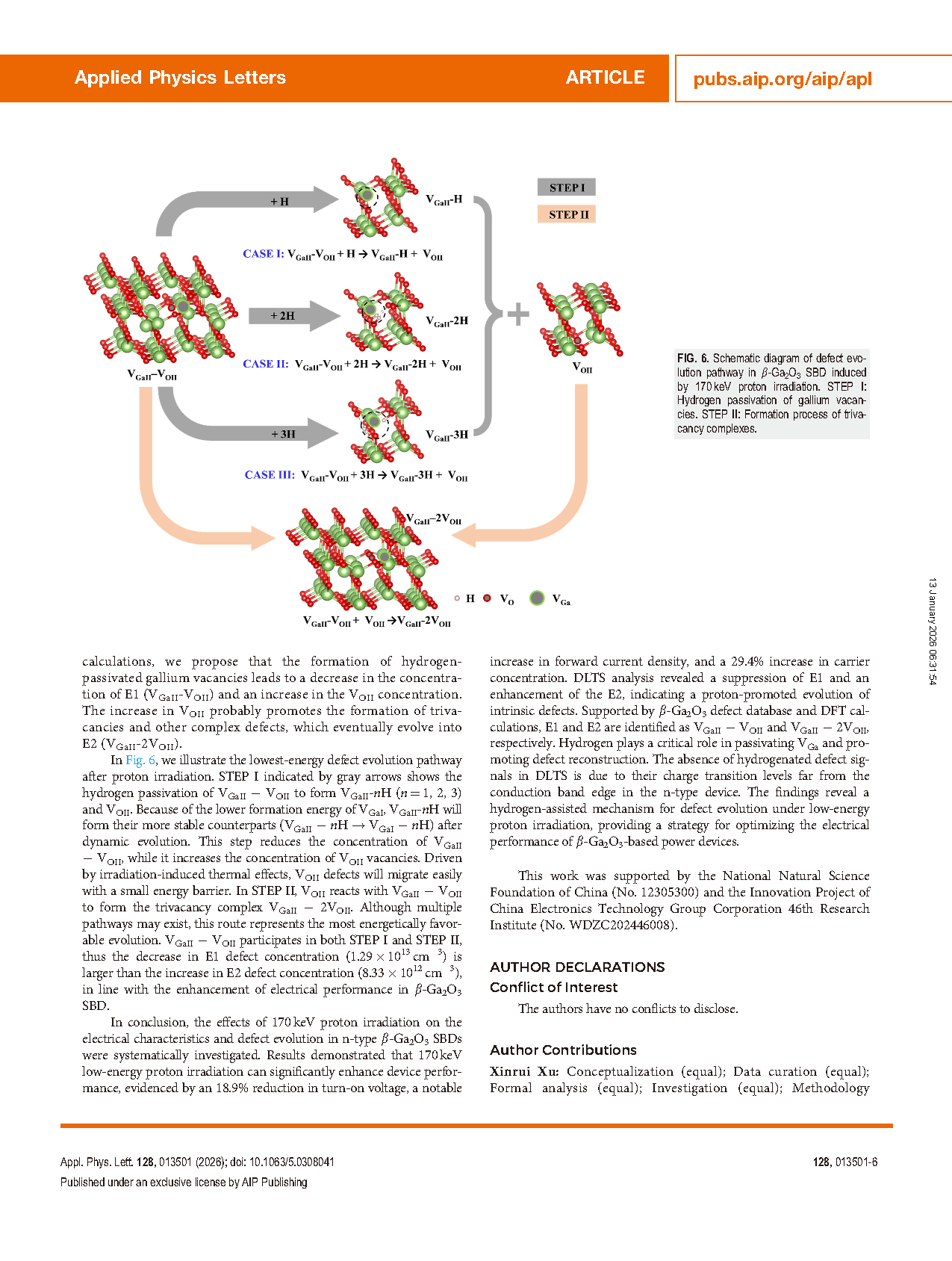
Fig. 6. Schematic diagram of defect evolution pathway in β-Ga2O3 SBD induced by 170keV proton irradiation. STEP I: Hydrogen passivation of gallium vacancies; STEP II: Formation process of trivacancy complexes.
DOI:
10.1063/5.0308041
Instruction
Official Account

Cooperation
Top
