


In recent weeks, word has been circulating within the community that the U.S. Department of Energy is preparing a new round of program planning for the 2027–2030 period. One of the key focus areas is fourth-generation semiconductor materials—Gallium Oxide and diamond—with the goal of advancing ultra-high-voltage pulsed power control at the ten-gigawatt (10 GW) scale.
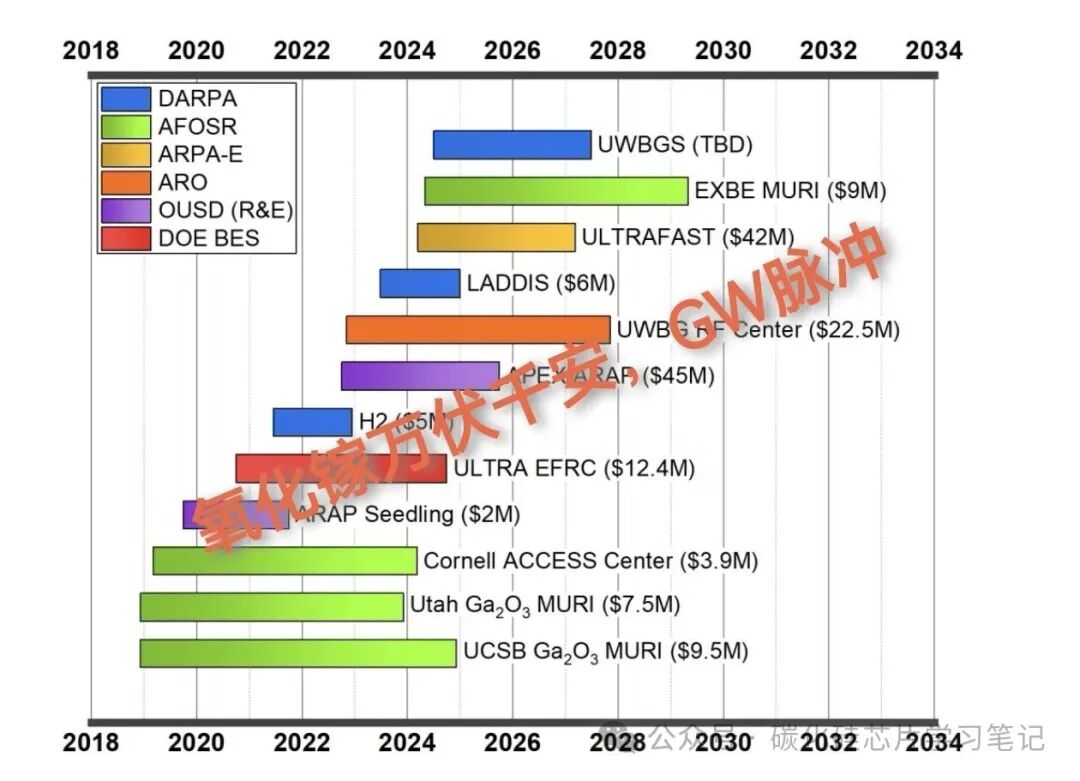
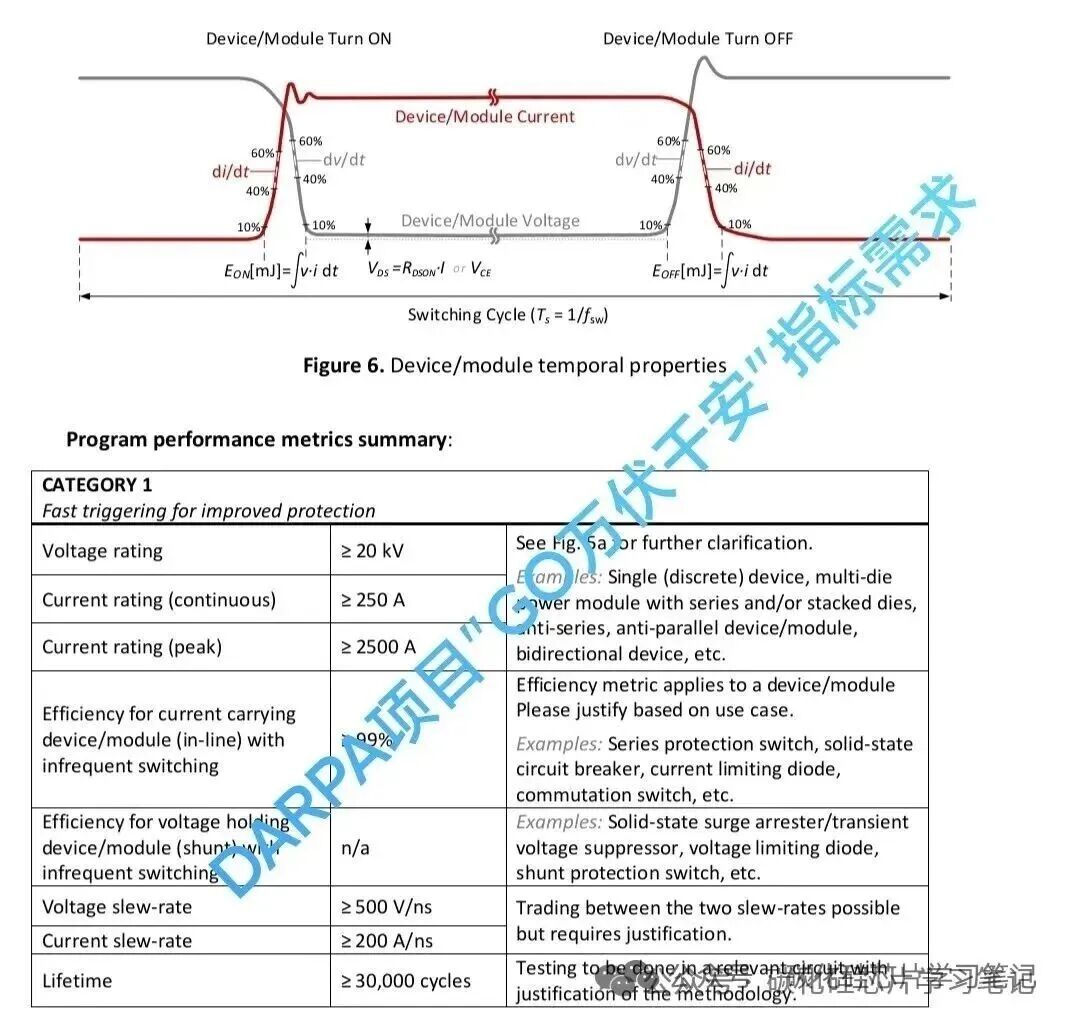
Among the proposed technical directions, a particularly important device concept is the development of 10 kV / kiloampere-class Gallium Oxide photoconductive-assisted switch (PCAS) devices. The rationale is straightforward: within wide- and ultra-wide-bandgap material systems capable of withstanding tens of kilovolts, diamond offers outstanding performance but remains expensive and limited in wafer size. Gallium Oxide, by contrast, is more cost-effective and available in larger substrate sizes, making it a more practical near-term solution.
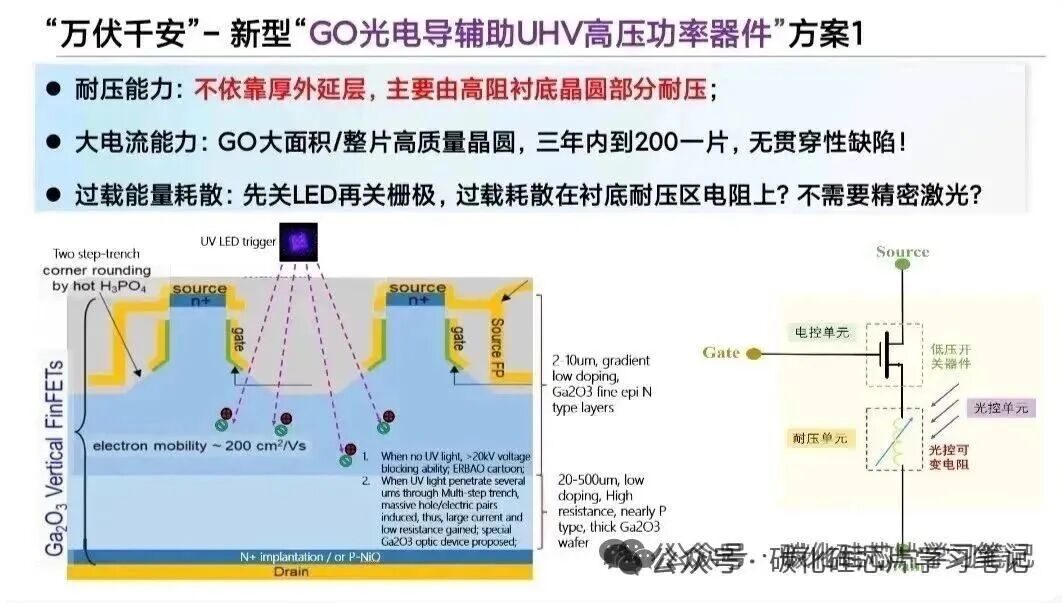
Why pursue photoconductive-assisted switches (PCAS) rather than traditional photoconductive semiconductor switches (PCSS)?
The answer lies in differences between material systems. First-generation photoconductive switches were largely based on silicon or GaAs. Although these materials have relatively low critical internal electric fields, they benefit from mature processing and low defect densities. As a result, trailing dark current and leakage are relatively manageable, allowing simple photoconductive resistor structures to operate with acceptable stability.
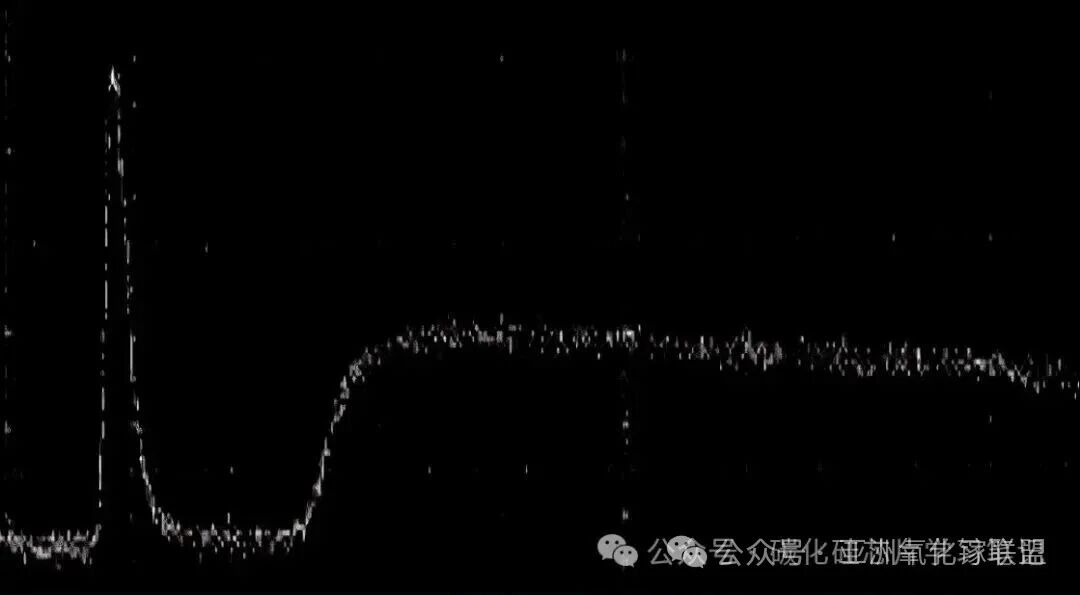
However, the situation changes significantly in ultra-wide-bandgap materials. If one were to directly adopt the conventional PCSS structure in Gallium Oxide, severe trailing leakage would occur. In practice, devices might fail after only a few pulses due to excessive energy dissipation. Structural design modifications are therefore necessary to introduce auxiliary control mechanisms, leading to the PCAS architecture, which suppresses trailing leakage and enhances device stability.
Interestingly, more than a decade ago, when I was still a student, I attended lectures on silicon photoconductive triggered switches and found the topic quite memorable. Later, in 2023, when I first began working on Gallium Oxide power switching devices, I observed that although substrate quality was relatively good, thick epitaxy remained difficult to fabricate, and high-voltage-capable vertical epitaxial wafers were hard to obtain. This led to a simple idea: could one directly utilize high-resistivity substrates to build a photoconductive-assisted switching structure and test its feasibility?
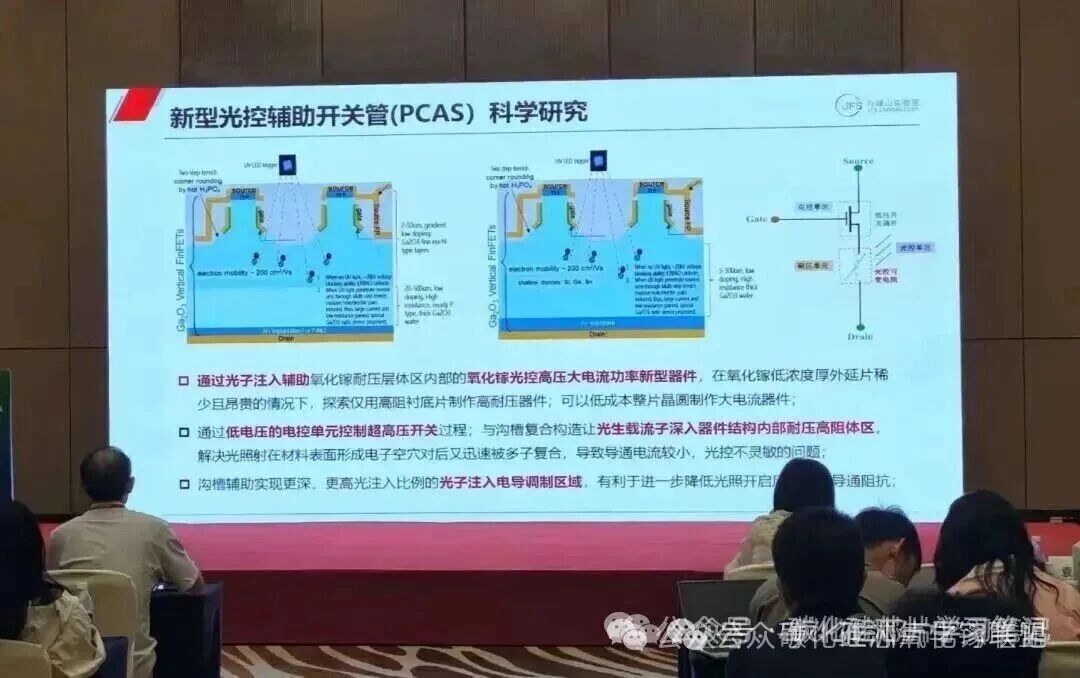
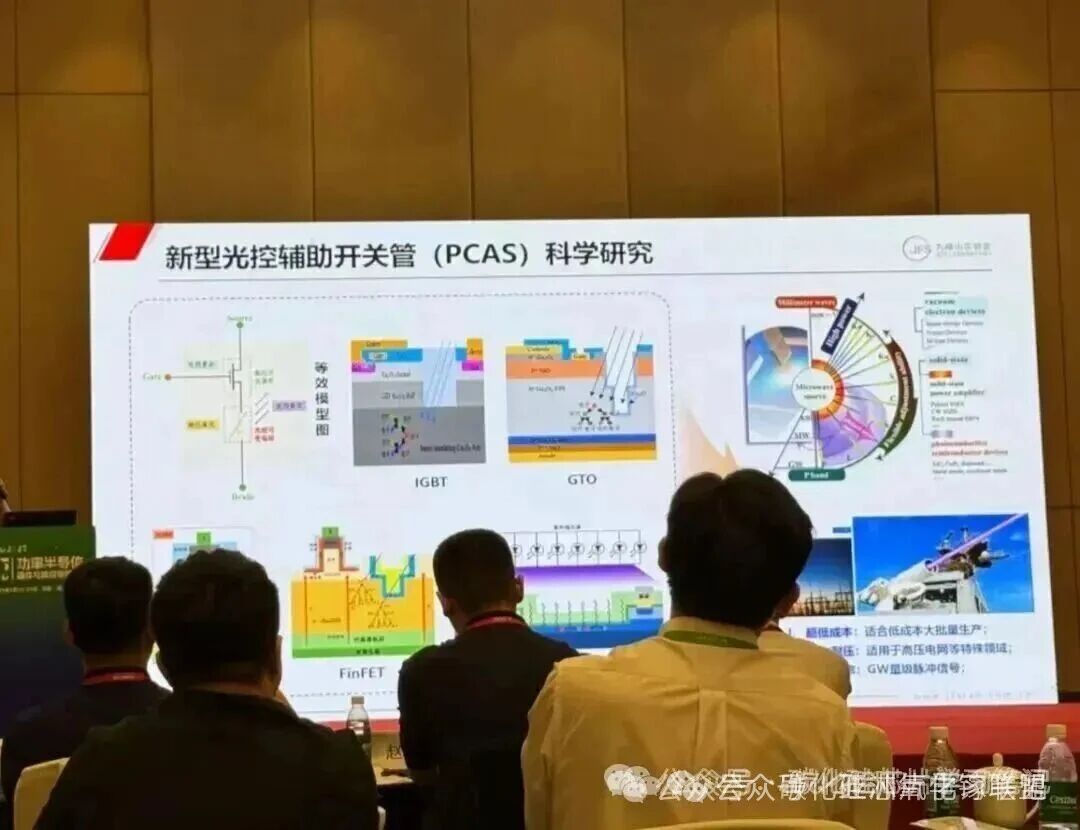
At the time, the idea was straightforward—develop an ultra-high-voltage switching device and explore whether it could replace certain zinc oxide–based stacked column structures used in high-voltage grid applications. Admittedly, this is a niche market with limited immediate commercial appeal, and not many people showed strong interest.
However, toward the end of 2024, I noticed that a series of projects released by the U.S. Department of Energy were explicitly targeting 10 kV / kiloampere-class Gallium Oxide photoconductive switches, and specifically emphasized structural protection designs capable of suppressing turn-off trailing leakage. Conceptually, this aligns very closely with what is now referred to as the PCAS architecture.
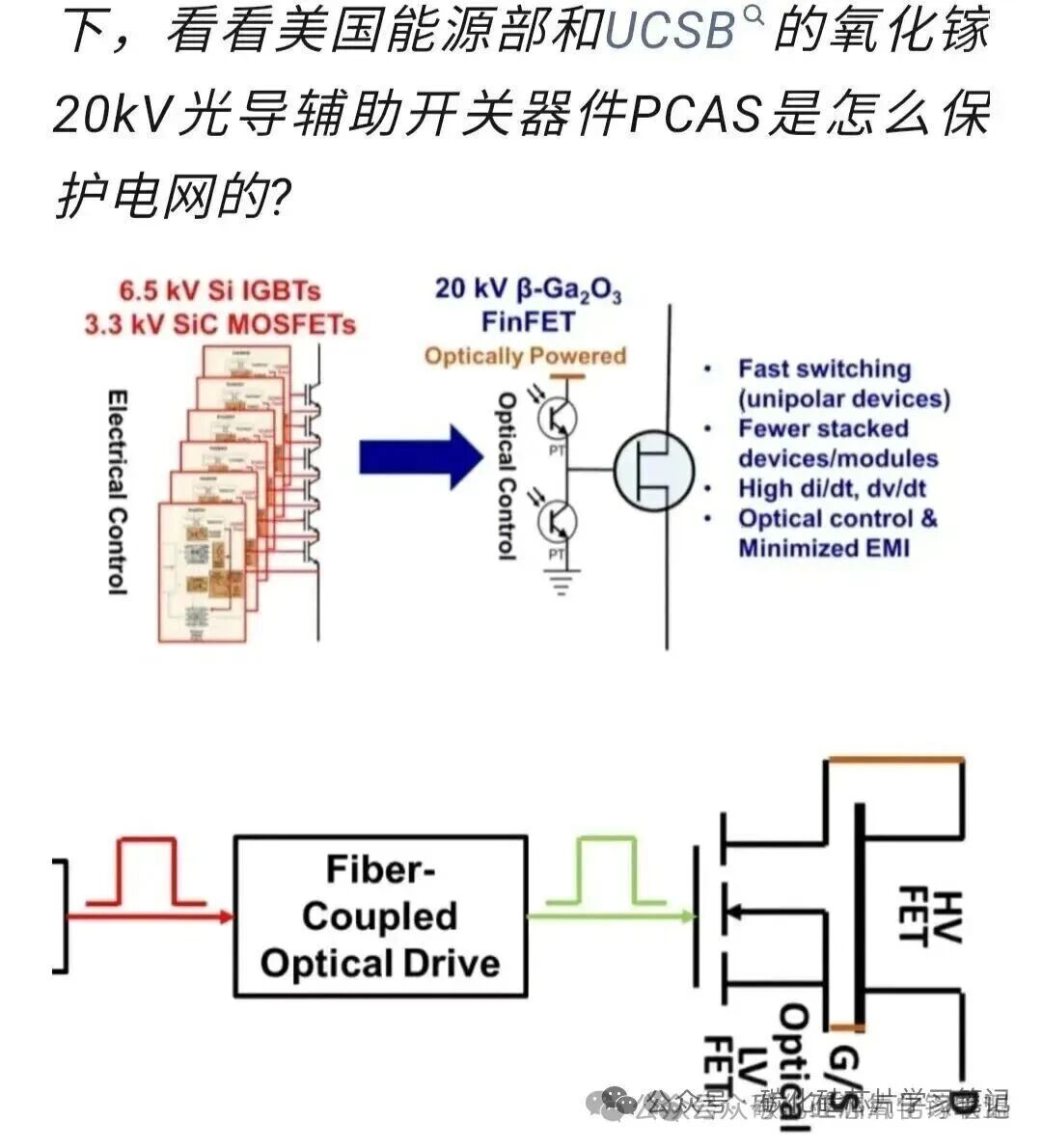
More recently, it has been reported that high-voltage, high-current Gallium Oxide PCAS devices have gained significant traction in the United States. Following news of these developments during the Spring Festival period this year, a wave of new fourth-generation semiconductor project proposals began emerging domestically as well, many focused on Gallium Oxide materials and device technologies.
A similar wave of intensified research interest occurred about a decade ago in the case of silicon carbide (SiC). Gallium Oxide materials and devices may now be entering a comparable new phase of heightened global research momentum.
Instruction
Official Account

Cooperation
Top