


Researchers from the Shandong University have published a dissertation titled "Interfacial thermal transport investigation of β-Ga2O3/4H-SiC power devices via active-learning-driven neuroevolution potential" in International Journal of Heat and Mass Transfer.
Project Support
The authors would like to appreciate the financial supports from the Taishan Industrial Experts Program, Shandong Provincial Natural Science Foundation (No. R2025ZD32), National Natural Science Foundation of China (Grant No. U20A20300), Shenzhen Fundamental Research Program (No. JCYJ20240813101231040, JCYJ20250604124217023), and Guangdong Basic and Applied Basic Research Foundation (No. 2025A1515012590).
Background
The exceptional physical properties of beta-gallium oxide (β-Ga2O3), such as ultra-wide bandgap (UWBG) (∼4.9 eV), high breakdown field (∼8 MV/cm), and outstanding Baliga's figure of merit (over 3000), position it as a competitive candidate for next-generation high-power systems. However, its relatively low thermal conductivity (k) (11–27 W m−1 K−1) presents a critical thermal management challenge, particularly in high-power-density scenarios where device miniaturization results in localized heat fluxes surpassing 1 cm-². Thermal management issues in high-power semiconductor devices can be effectively addressed by incorporating heterojunctions based on high-k materials. Among the potential candidates, 4H-silicon carbide (4H-SiC), with its superior k (280–490 W m−1 K−1) and tunable p-type doping capability, has emerged as a leading material for heterojunction integration with β-Ga2O3, attracting substantial research interest in recent years. In a notable study, Song et al. utilized hetero-integration with 4H-SiC substrates to achieve a 56 % drop in junction temperature, while achieving a performance benchmark of roughly 300 cm−2, representing the highest reported capability for such heterogeneous Ga2O3 devices. This systematic investigation establishes β-Ga2O3/4H-SiC heterostructures as technologically viable candidates for advanced power electronics and industrial application requirements.
Abstract
The development of β-Gallium oxide (β-Ga2O3), a material valued for its ultra-wide bandgap properties, is significantly challenged by its intrinsically low thermal conductivity. While integration with 4H-SiC offers a path toward improved thermal management, a major challenge in the system is the interfacial thermal boundary resistance (TBR). To address the inherent atomic-scale complexity of β-Ga2O3/4H-SiC interfaces and the limitations of empirical interatomic potentials, this study develops a neuroevolution potential (NEP) via an active learning framework. The obtained NEP demonstrates robustness across an extremely wide temperature range (10–1000 K), extensive structural configurations (22 configurations), and extended timescales (over 10 ns), providing a reliable tool for elucidating the underlying thermal transport mechanisms. Utilizing this accurate and comprehensive NEP model, we systematically investigate the atomic anisotropy, direction asymmetry, and temperature dependence on thermal transport across β-Ga2O3/4H-SiC heterointerfaces. Our results demonstrate that the TBR exhibits pronounced atomic anisotropy, directional asymmetry and temperature dependence, where the O- and C-termination interfaces under heat flows from 4H-SiC to β-Ga2O3 exhibit the lowest TBR, particularly at elevated temperatures. Through vibrational density of states (VDOS) analysis, phonon participation ratio (PPR) calculations, and spectral thermal conductance G(ω) evaluation, we elucidate the underlying mechanisms governing interfacial phonon coupling and transmission. By establishing an accurate interatomic potential for β-Ga2O3/4H-SiC systems and providing multidimensional analysis of interfacial thermal physics, this work delivers a theoretical framework and optimization strategies for thermal performance in Ga2O3-based electronics.
Highlights
Constructed the first β-Ga2O3/4H-SiC heterojunction active-learning-driven NEP.
Validated the NEP from 10-1000 K across 22 structures and in 10-ns MD simulations.
Revealed TBR atomic anisotropy, direction asymmetry, and temperature dependence.
Enhanced interfacial phonon coupling and transmission lead to TBR reduction.
Presented an ultralow TBR (1.29 m2 K GW−1) at the β-Ga2O3/4H-SiC heterojunction.
Conclusions
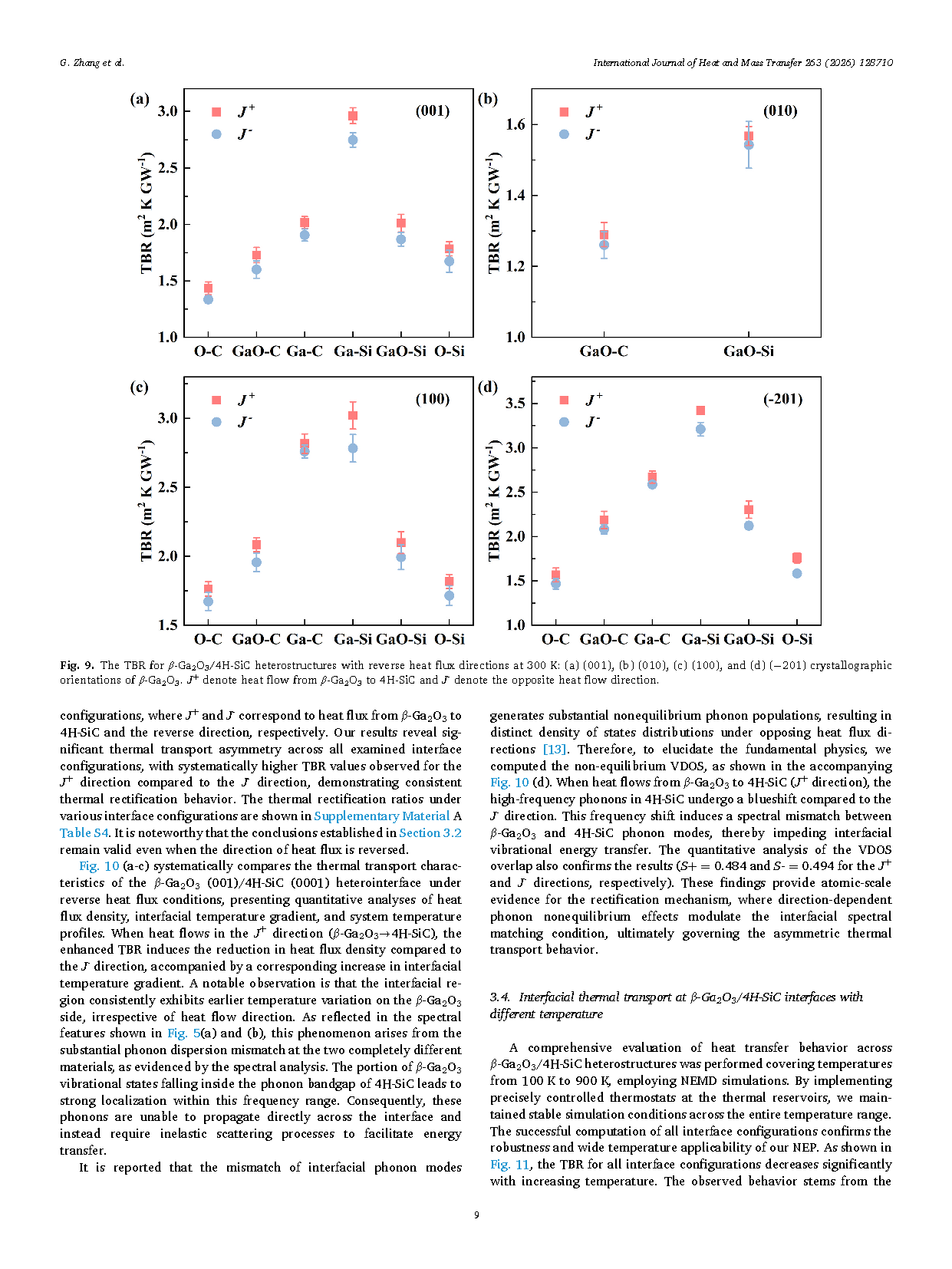
In summary, this study employs an accurate and comprehensive NEP developed via an active learning framework to systematically evaluate the influence of interface configuration, heat flux direction, and temperature on thermal transport across β-Ga2O3/4H-SiC heterointerfaces. The active-learning-driven NEP demonstrates exceptional transferability across an extensive temperature range (10–1000 K), accommodates diverse structural configurations (22 distinct structure types), maintains temporal stability beyond 10 ns while preserving high predictive accuracy. Our comprehensive analysis reveals three fundamental characteristics of β-Ga2O3/4H-SiC heterojunction interfacial thermal transport, including atomic anisotropy demonstrating TBR(010) < TBR(001) < TBR(100) & TBR(−201) with O-termination (β-Ga2O3) and C-termination (4H-SiC) interfaces showing minimal resistance, directional asymmetry revealing 2.3 %− 11.1 % higher TBR in J+ compared to J- , and temperature dependence exhibiting a monotonic decrease with rising temperature. The VDOS, G(ω) and PPR analysis correlate these phenomena to interfacial phonon mode coupling and enhanced cross-interface phonon transmission probabilities. Our study establishes a high-accuracy NEP that enables atomic precise characterization of thermal transport properties across β-Ga2O3/4H-SiC heterostructures, and establishes essential insights for improved thermal management of advanced Ga2O3-based electronics.
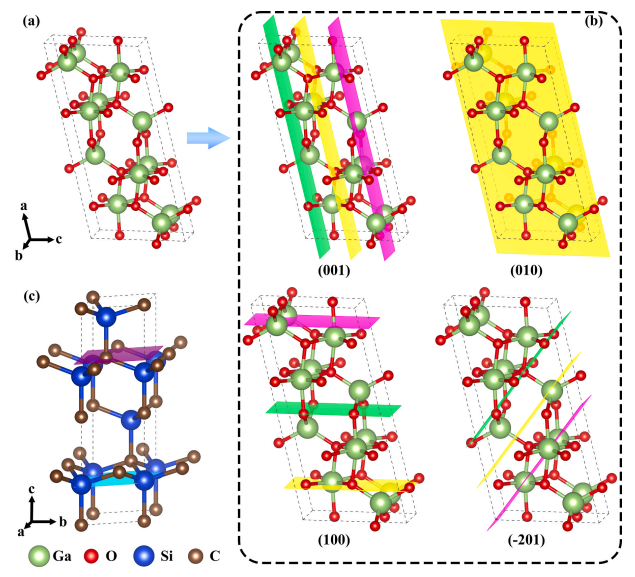
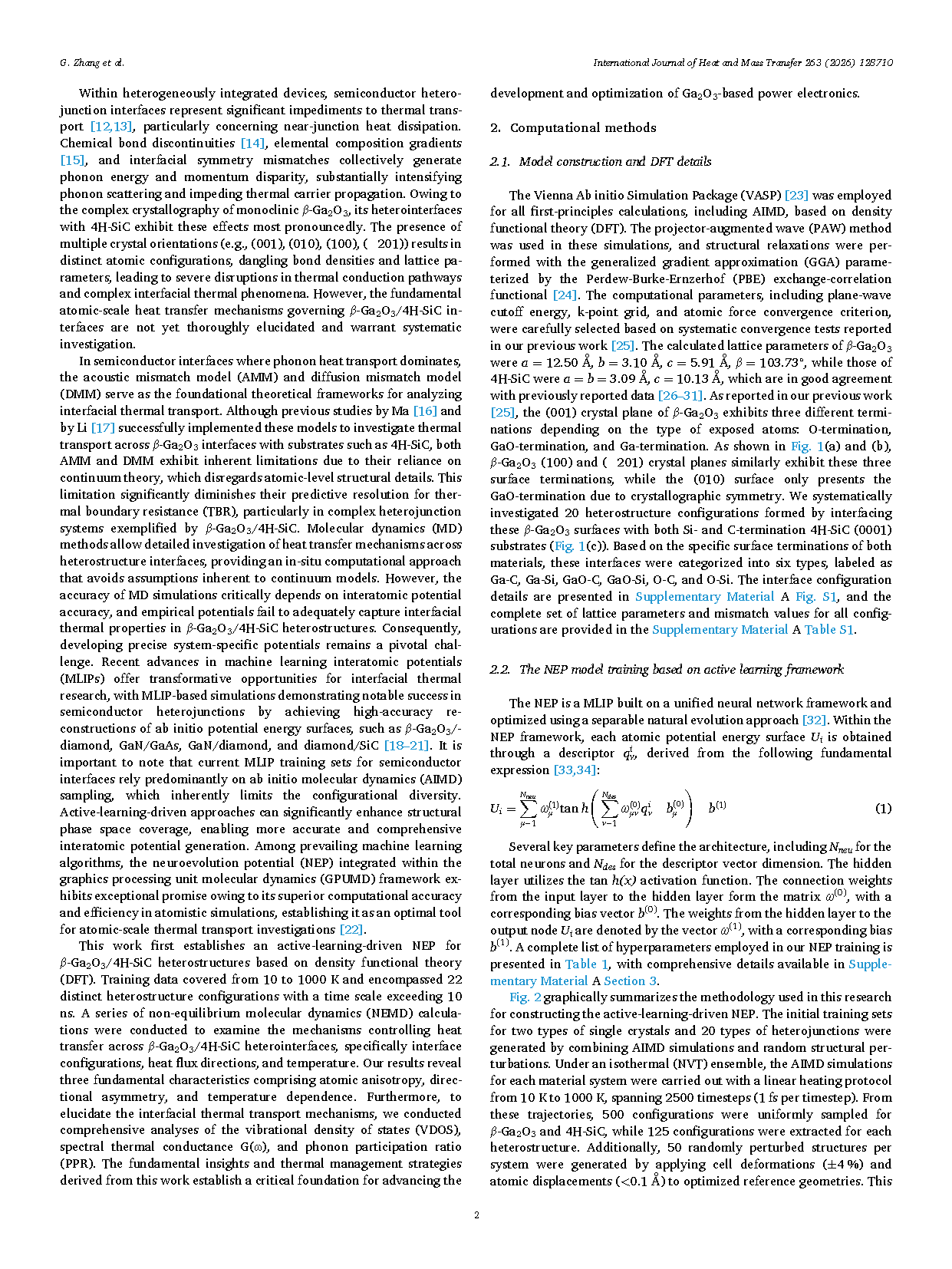
Fig. 1. Illustration of the (a) β-Ga2O3 conventional cell, (b) different terminations (Ga-termination, GaO-termination, O-termination) in different β-Ga2O3 crystal plane orientations ((001), (010), (100), (− 201)) and (c) 4H-SiC conventional cell. Distinct atomic terminations are depicted by these different planes.
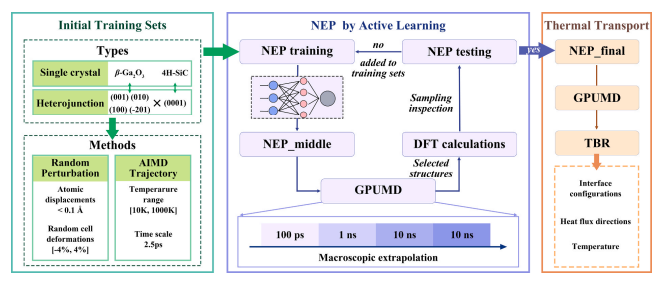
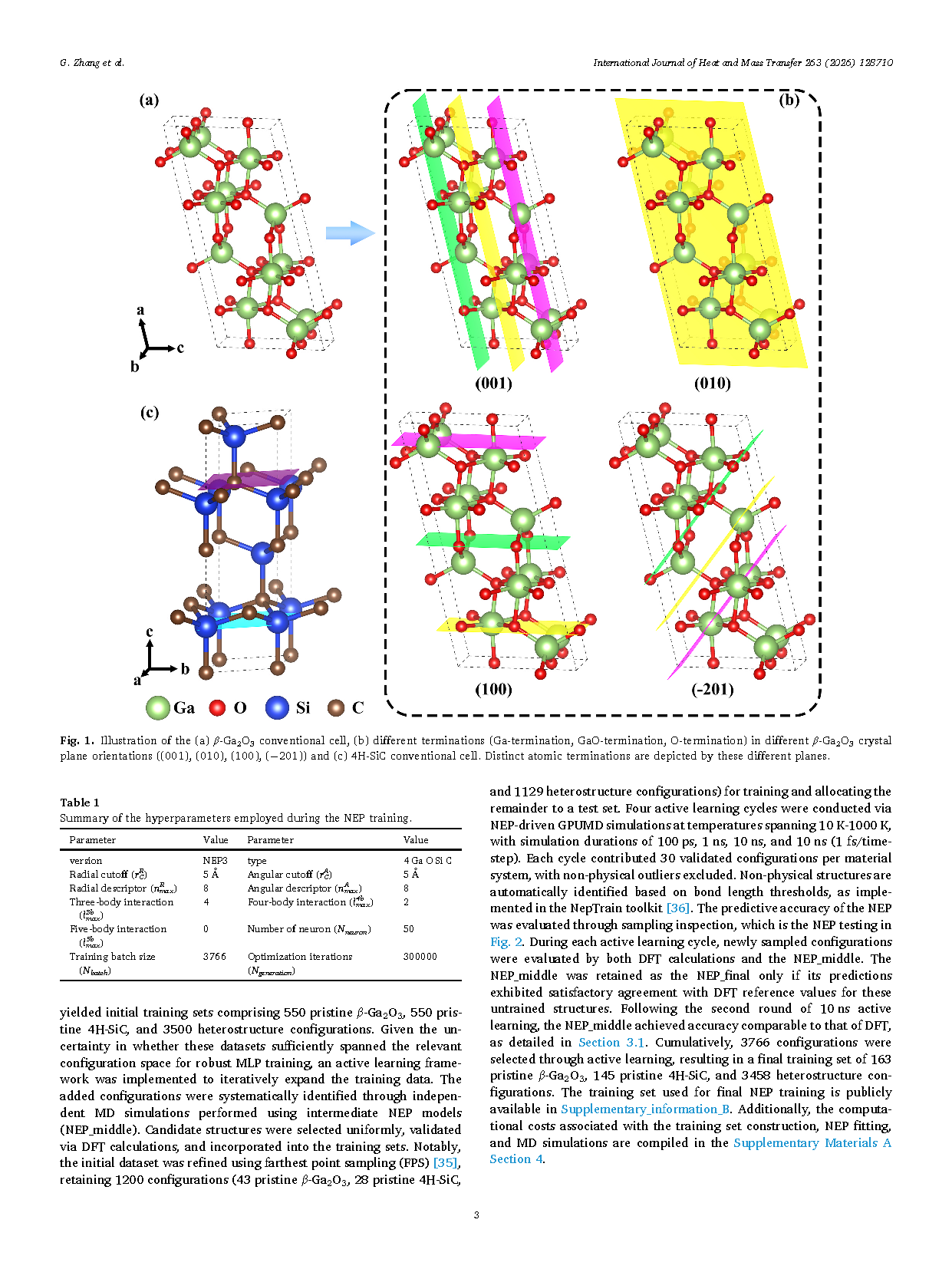
Fig. 2. The active-learning-driven NEP construction methodology involves: (i) Initial training sets generation via AIMD trajectory sampling and random structural perturbations; (ii) Iterative potential function refinement through active learning to ensure complete coverage of the system's structural configuration space; (iii) Thermodynamic property evaluation using the NEPfinal.
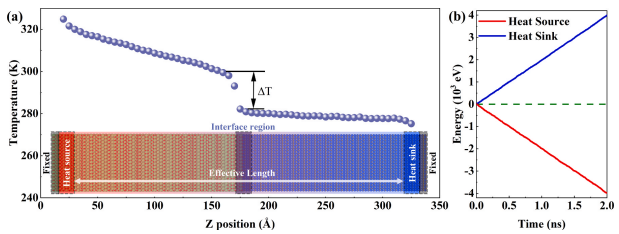
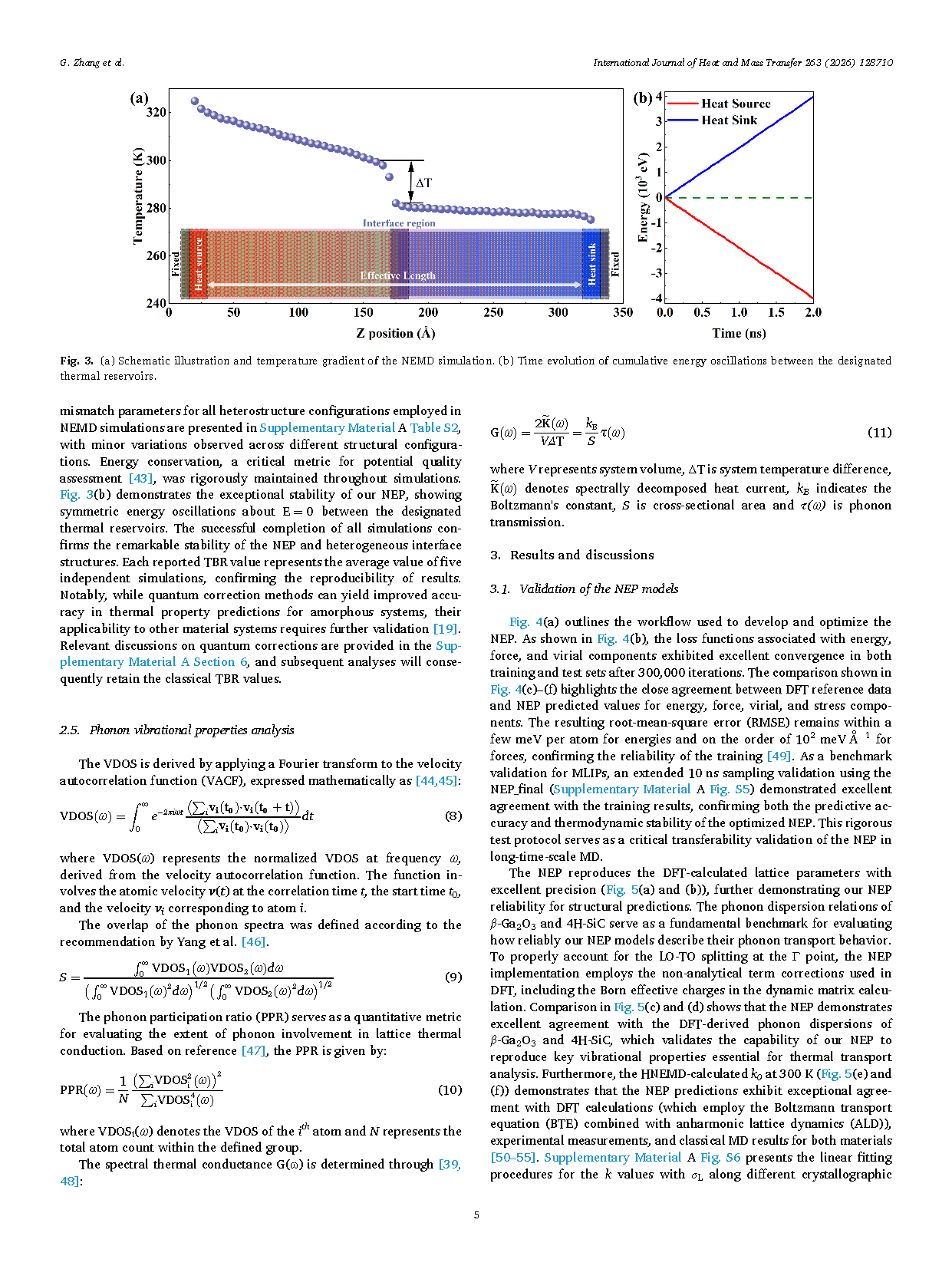
Fig. 3. (a) Schematic illustration and temperature gradient of the NEMD simulation. (b) Time evolution of cumulative energy oscillations between the designated thermal reservoirs.
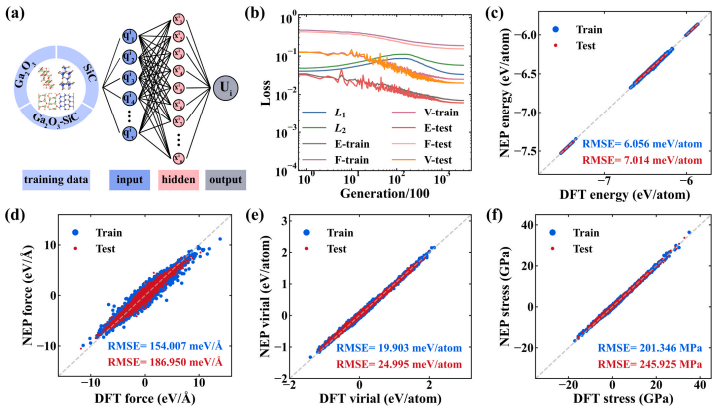
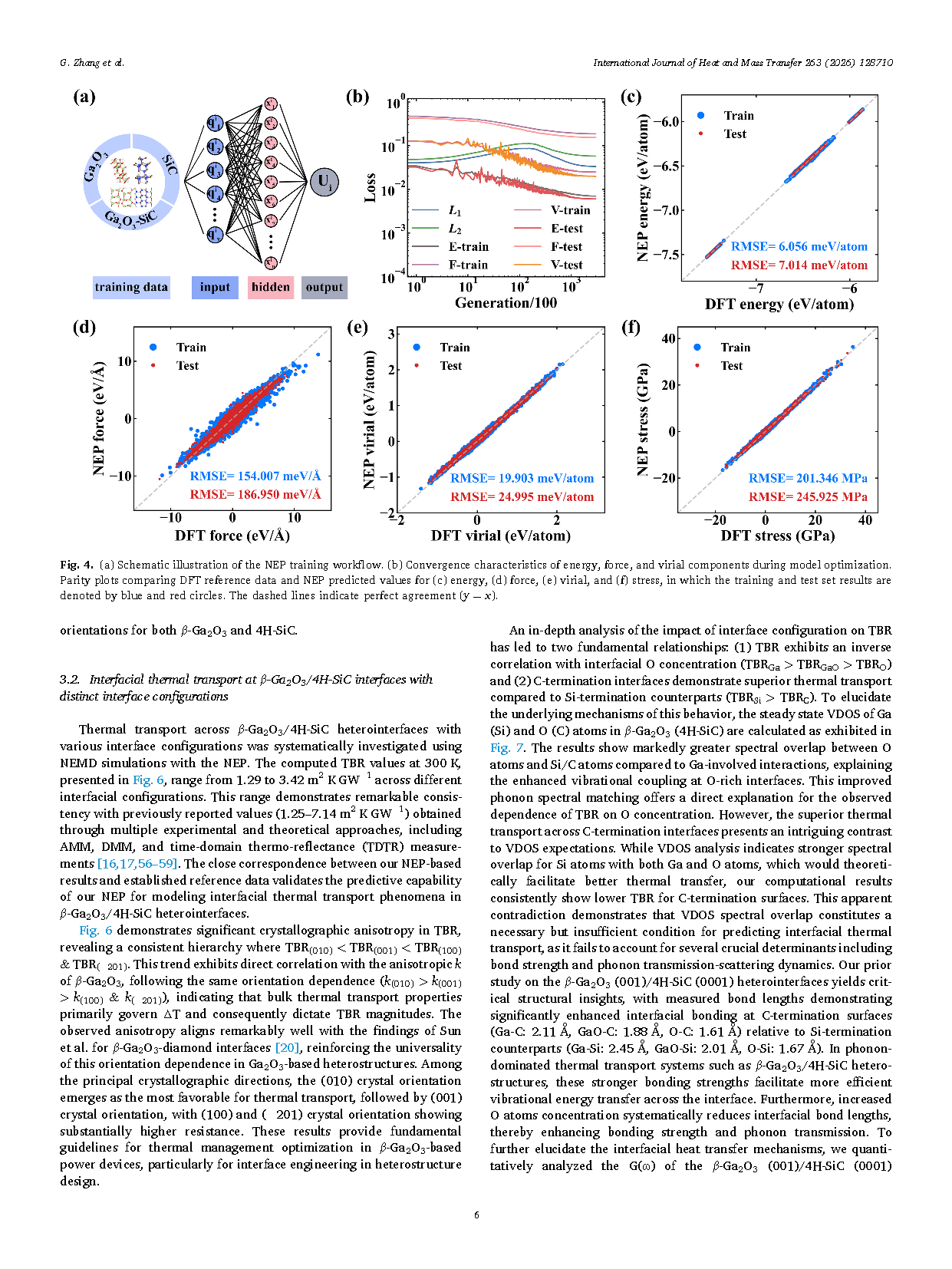
Fig. 4. (a) Schematic illustration of the NEP training workflow. (b) Convergence characteristics of energy, force, and virial components during model optimization. Parity plots comparing DFT reference data and NEP predicted values for (c) energy, (d) force, (e) virial, and (f) stress, in which the training and test set results are denoted by blue and red circles. The dashed lines indicate perfect agreement (y = x).
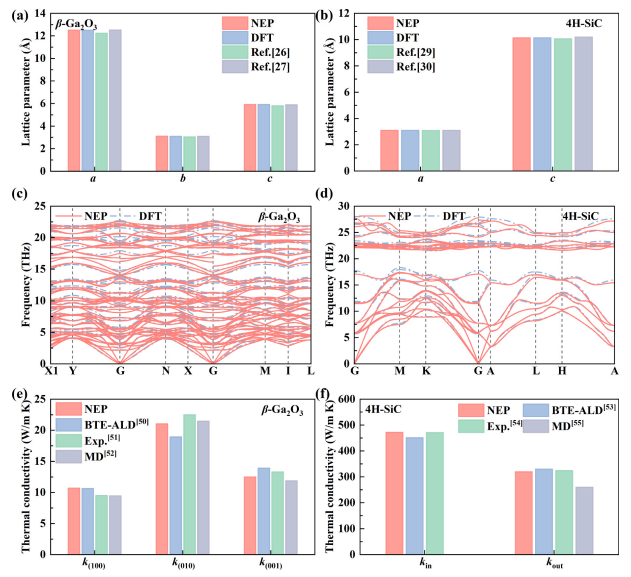
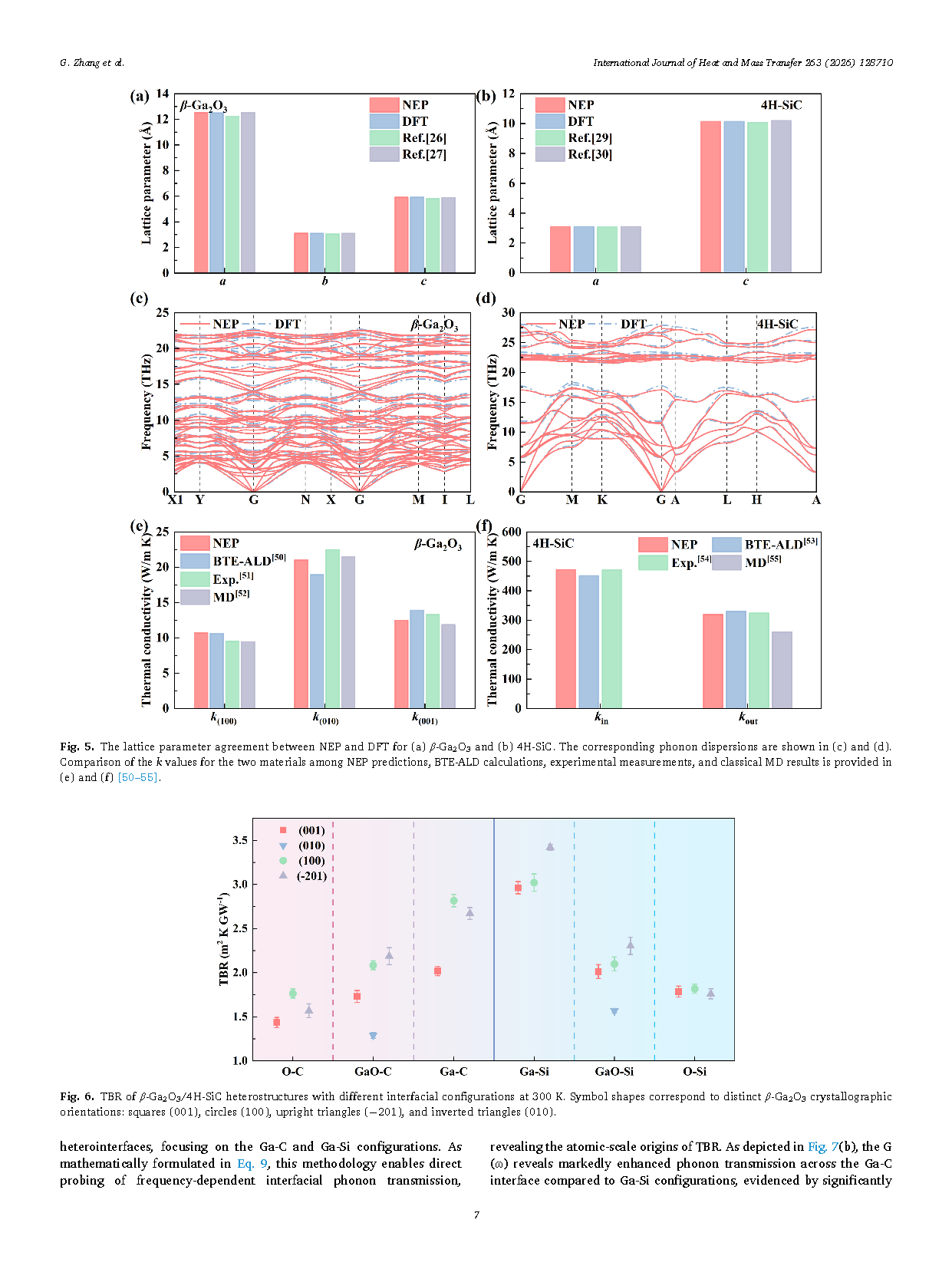
Fig. 5. The lattice parameter agreement between NEP and DFT for (a) β-Ga2O3 and (b) 4H-SiC. The corresponding phonon dispersions are shown in (c) and (d). Comparison of the k values for the two materials among NEP predictions, BTE-ALD calculations, experimental measurements, and classical MD results is provided in (e) and (f).
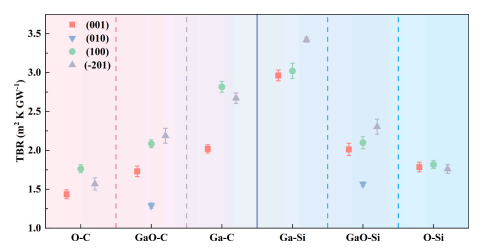
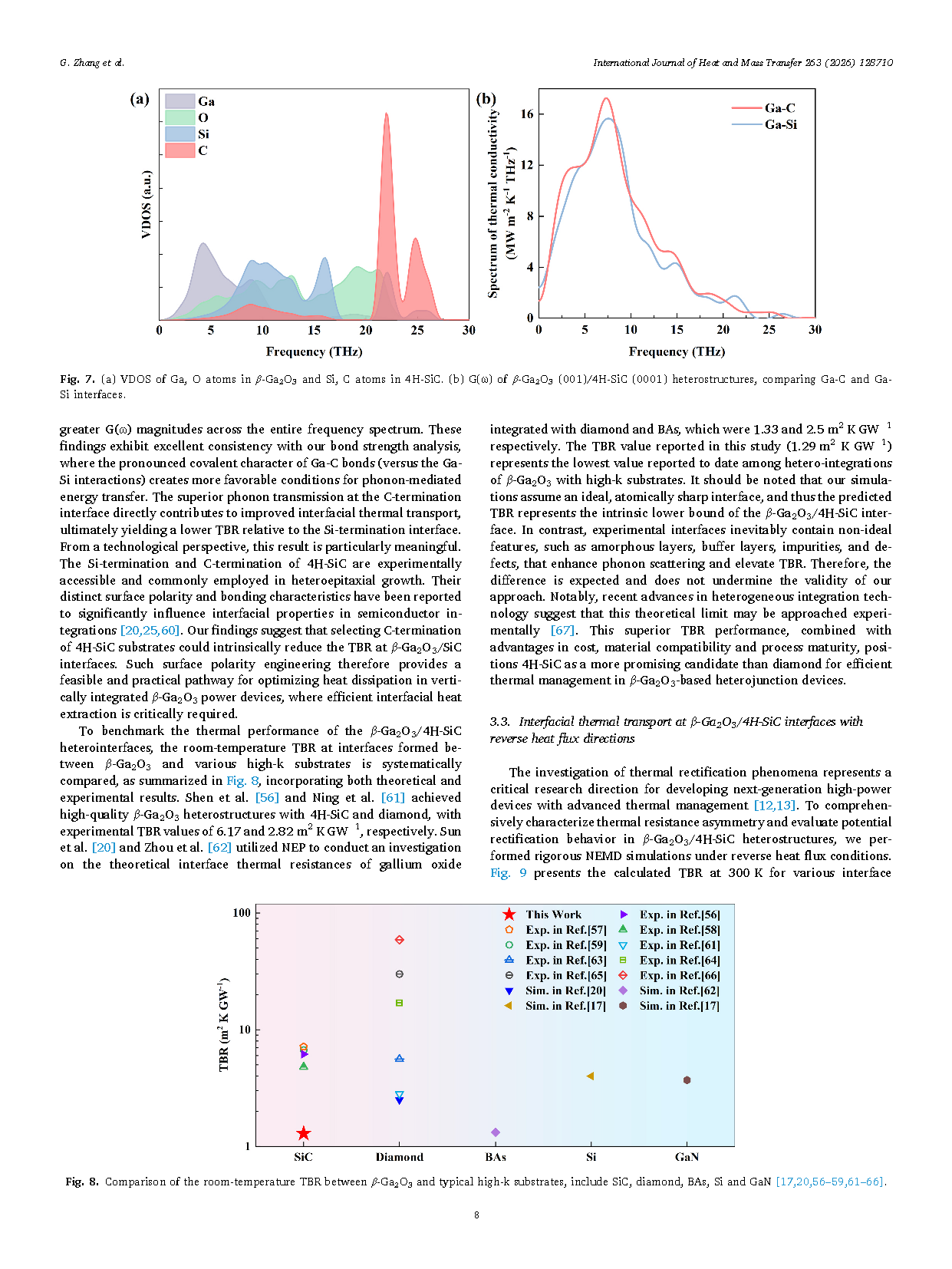
Fig. 6. TBR of β-Ga2O3/4H-SiC heterostructures with different interfacial configurations at 300 K. Symbol shapes correspond to distinct β-Ga2O3 crystallographic orientations: squares (001), circles (100), upright triangles (− 201), and inverted triangles (010).
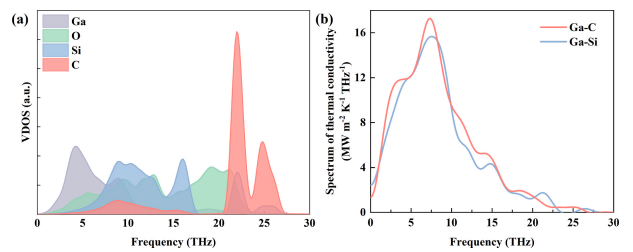
Fig. 7. (a) VDOS of Ga, O atoms in β-Ga2O3 and Si, C atoms in 4H-SiC. (b) G(ω) of β-Ga2O3 (001)/4H-SiC (0001) heterostructures, comparing Ga-C and GaSi interfaces.
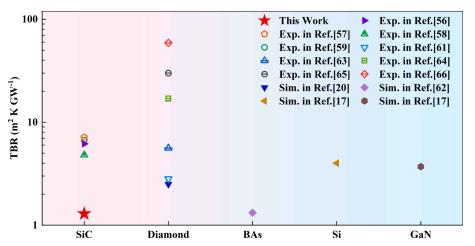
Fig. 8. Comparison of the room-temperature TBR between β-Ga2O3 and typical high-k substrates, include SiC, diamond, BAs, Si and GaN.
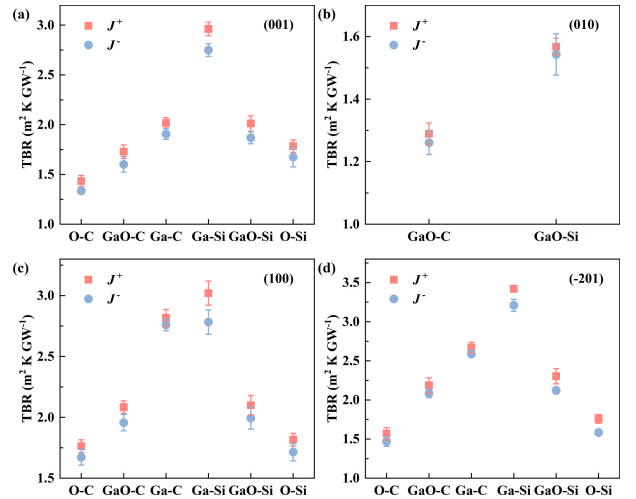
Fig. 9. The TBR for β-Ga2O3/4H-SiC heterostructures with reverse heat flux directions at 300 K: (a) (001), (b) (010), (c) (100), and (d) (− 201) crystallographic orientations of β-Ga2O3. J+ denote heat flow from β-Ga2O3 to 4H-SiC and J- denote the opposite heat flow direction.
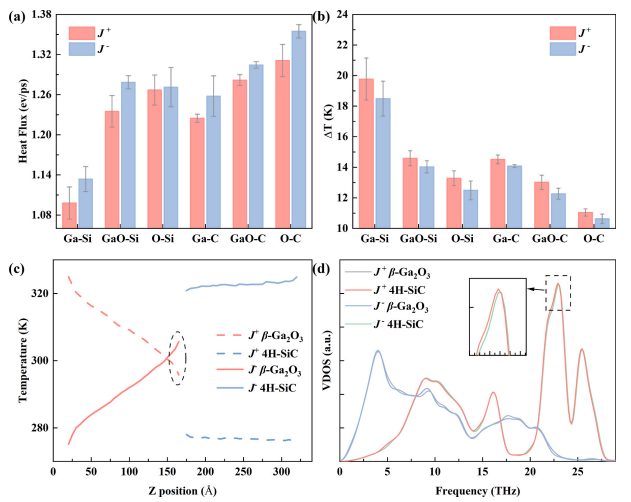
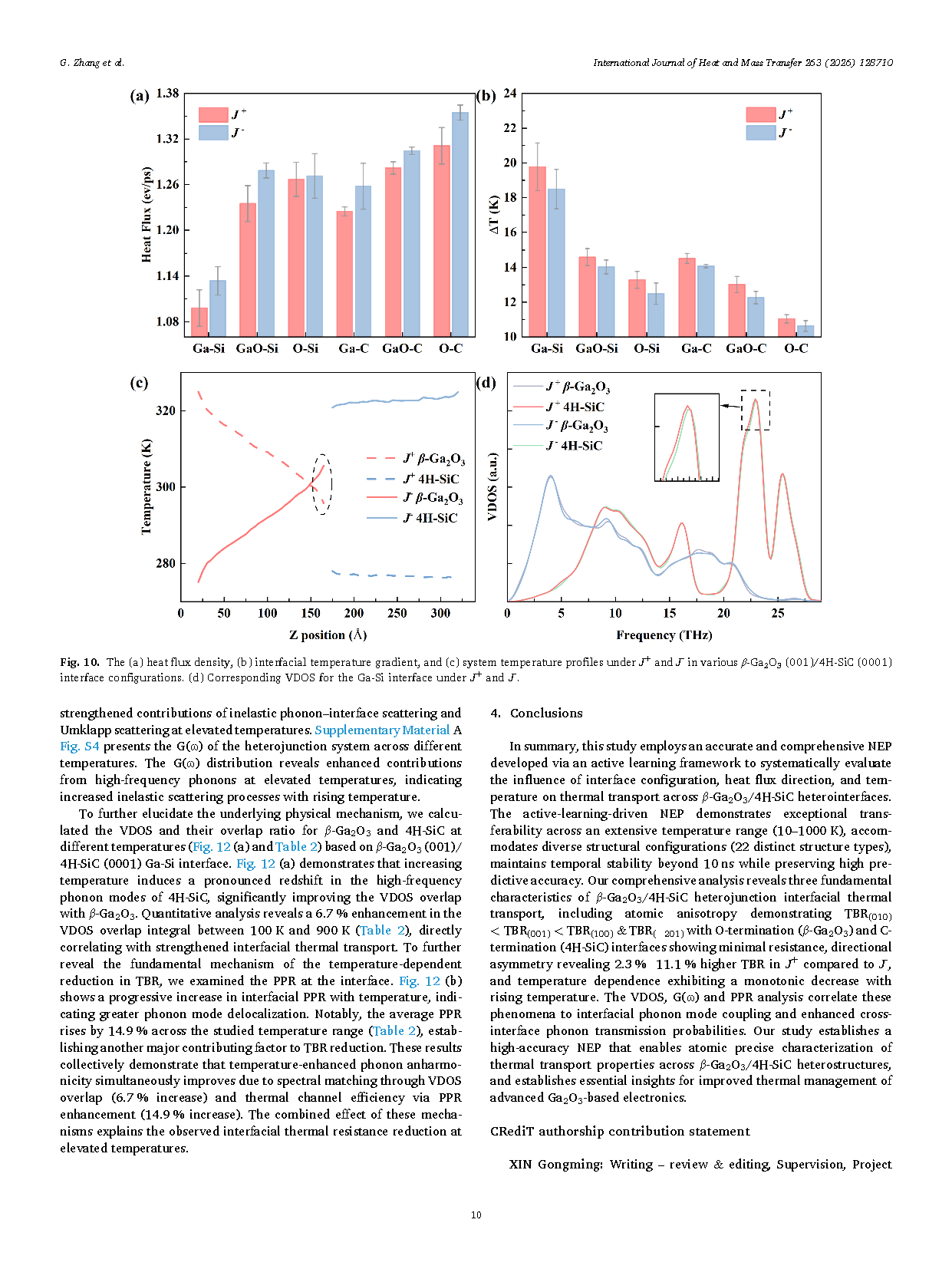
Fig. 10. The (a) heat flux density, (b) interfacial temperature gradient, and (c) system temperature profiles under J+ and J- in various β-Ga2O3 (001)/4H-SiC (0001) interface configurations. (d) Corresponding VDOS for the Ga-Si interface under J+ and J-.
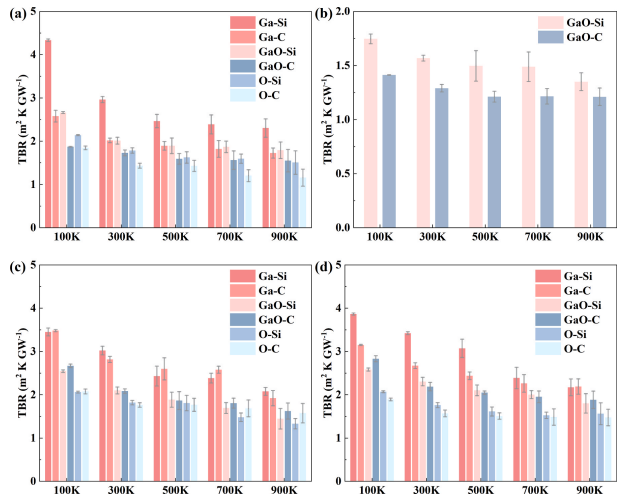
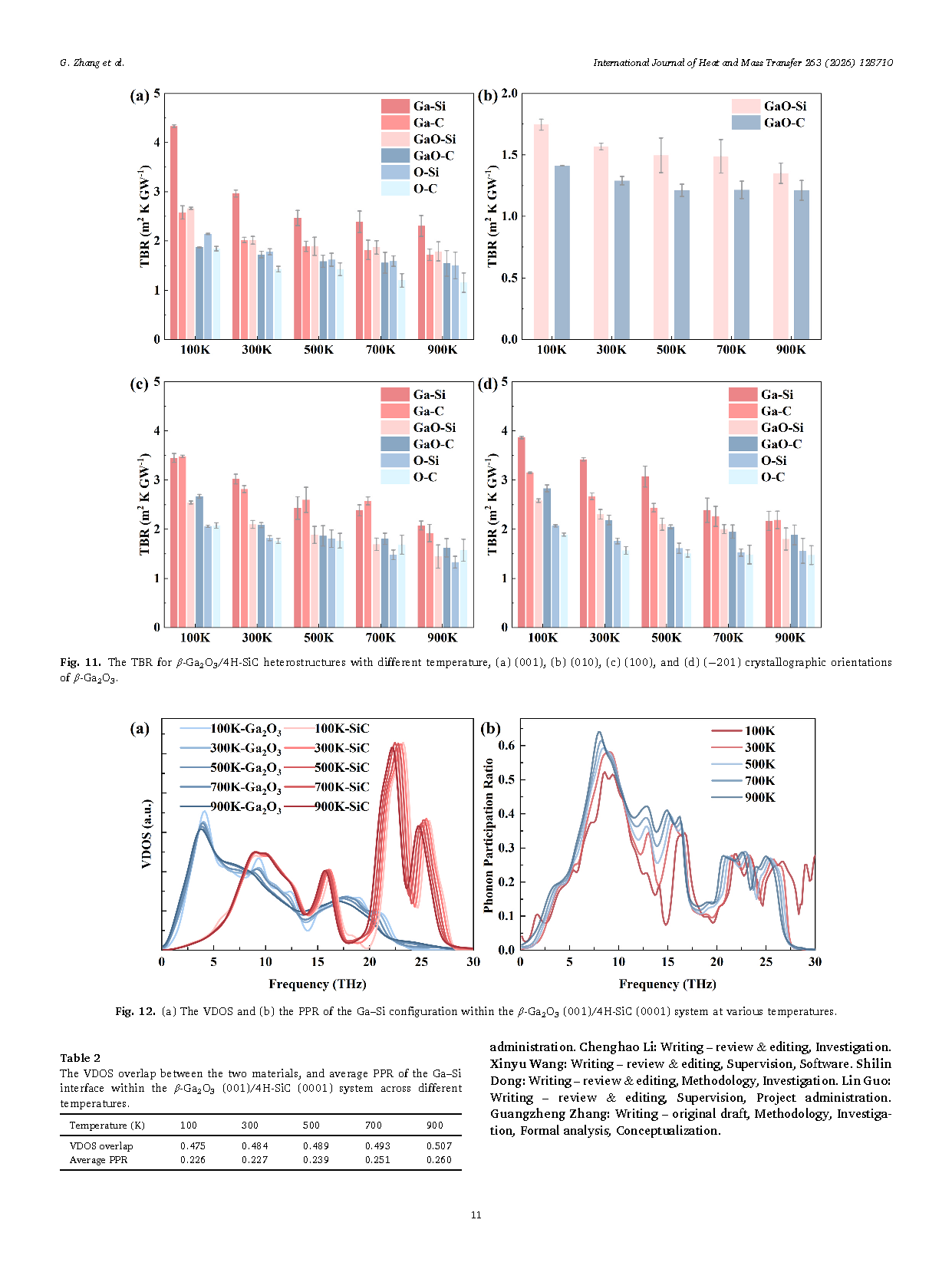
Fig. 11. The TBR for β-Ga2O3/4H-SiC heterostructures with different temperature, (a) (001), (b) (010), (c) (100), and (d) (−201) crystallographic orientations of β-Ga2O3.
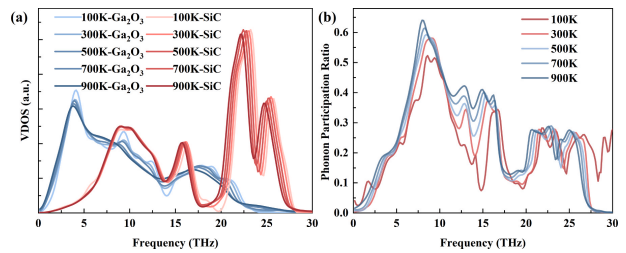
Fig. 12. (a) The VDOS and (b) the PPR of the Ga–Si configuration within the β-Ga2O3 (001)/4H-SiC (0001) system at various temperatures.
DOI:
doi.org/10.1016/j.ijheatmasstransfer.2026.128710
Instruction
Official Account

Cooperation
Top