


Researchers from Kyushu University have published a dissertation titled " Thermal simulation of KrF excimer laser doping into β-Ga2O3 based on TCAD" in Japanese Journal of Applied Physics.
Background
As global environmental issues become serious, high-efficiency power electronics technology plays an important role in achieving a low-carbon society. For decades, Si-based power devices have dominated the market due to mature manufacturing processes However, the performance of traditional Si-based power devices is approaching its physical limits, making it difficult to meet the demands for higher efficiency and power density. Consequently, the development of novel wide-bandgap semiconductor materials has emerged as a key research area. Next-generation wide-bandgap semiconductors, such as silicon carbide (SiC), gallium nitride (GaN), and gallium oxide (Ga2O3), show significant potential due to their superior physical properties. Among these, beta-gallium oxide (β-Ga2O3) possesses a bandgap of 4.7-4.9 eV and an insulating breakdown electric field strength of approximately 8 MV/cm, which is superior to SiC and GaN in achieving high power applications. Additionally, high-quality β-Ga2O3 single crystals can be produced by using melt-growth methods at relatively low cost, making it an attractive next-generation power semiconductor material." However, realizing these advantages in practical devices remains challenging. A critical issue is the high contact resistance at metal/Ga2O3 interface due to the Schottky barrier. A proven approach to reduce contact resistance is to form a heavily doped n region at the semiconductor surface to achieve ohmic contact characteristics.
Abstract
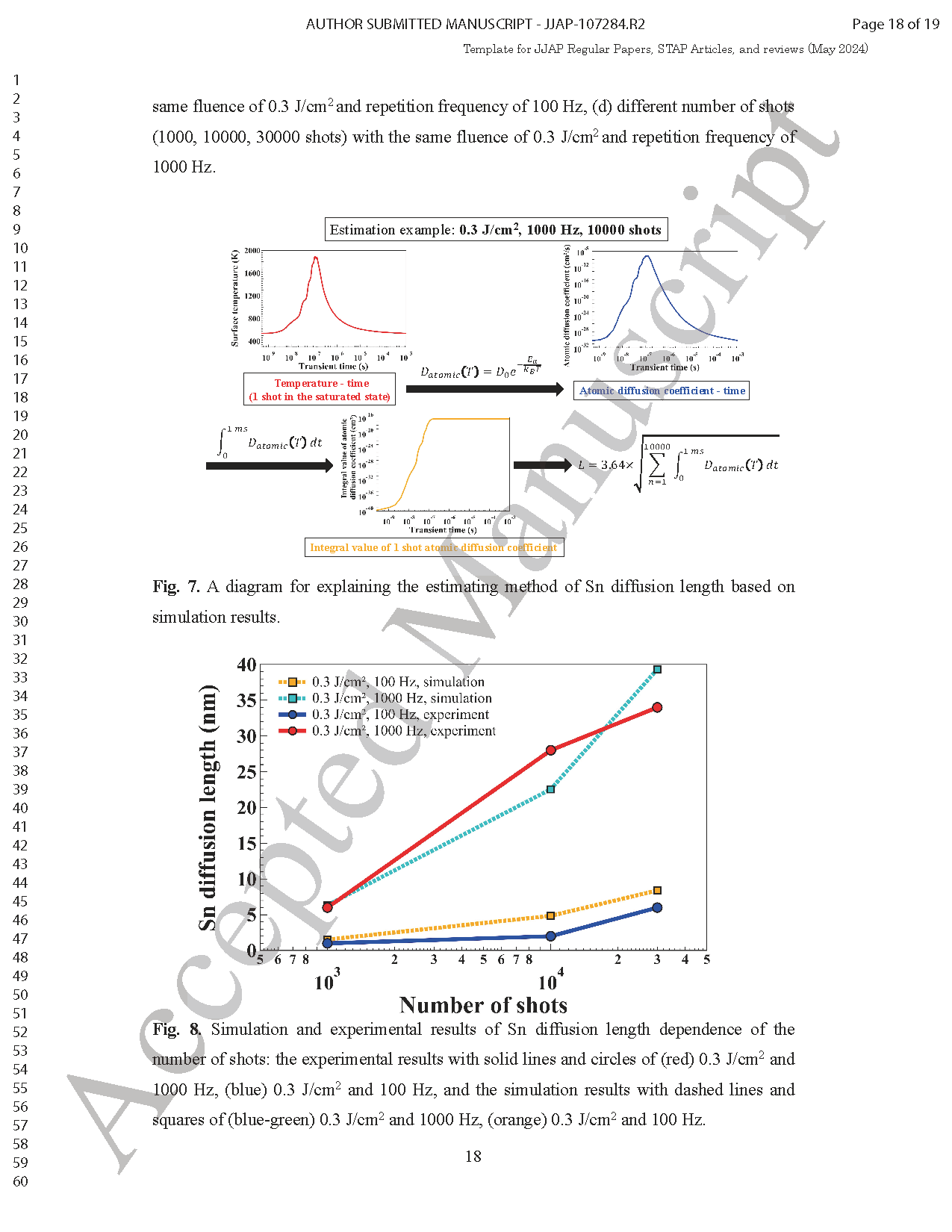
We present a thermal simulation study of the KrF excimer laser doping of Sn into β-Ga2O3 (010) from a SnO2 top layer. Under various conditions, the laser doping experiments and technology computer-aided design (TCAD) simulations were executed, and their results were comparatively analyzed. The transient temperature-field analysis revealed that each laser pulse induced an intense but transient (- 100 ns) temperature peak confined to a shallow surface region (sub-um). At a high repetition frequency of 1000 Hz, the incomplete cooling between pulses causes significant heat accumulation at the surface, resulting in enhanced Sn diffusion at 0.3 J/cm2, whereas it was negligible at 100 Hz. The diffusion lengths were estimated from the simulated temperature results, and they showed good agreement with the Sn depth profiles. These results demonstrate that TCAD-based thermal simulation is effective for describing the temperature field and the dopant diffusion in excimer laser doping of β-Ga2O3.
Highlights
●For the first time, a TCAD thermal simulation system for KrF excimer laser doping of β-Ga2O3 (010) with SnO2 as the top doping source was established in a targeted manner, which deeply integrates laser doping experiments with thermal simulation analysis.
●The transient thermal characteristics and frequency-dependent thermal accumulation effect of KrF laser pulses on the shallow surface of β-Ga2O3 were clarified, and the regulatory mechanism of laser frequency on the thermal process of β-Ga2O3 laser doping was elucidated.
●The Sn atomic diffusion length was quantitatively estimated from the simulated temperature results, and the values were in high agreement with the experimentally measured Sn atomic depth profiles, which verified for the first time the applicability of the TCAD-based thermal simulation method to the KrF excimer laser doping process of β-Ga2O3.
Conclusion
In this study, TCAD simulations of the transient temperature field induced by KrF excimer laser irradiation were performed. They elucidated the spatiotemporal evolution of temperature and its influence on Sn diffusion into β-Ga2O3, and the heat accumulation mechanism suggested by previous experiments.
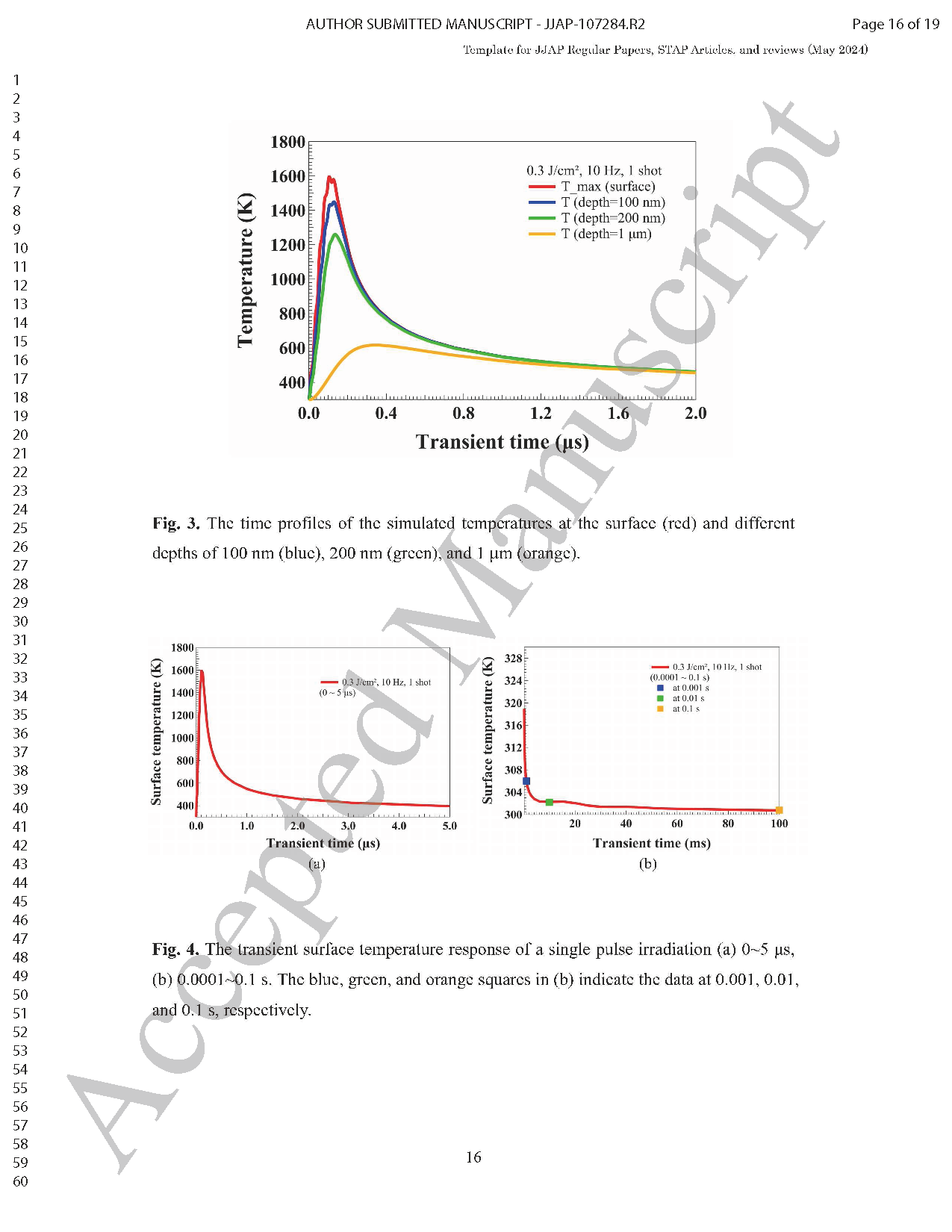
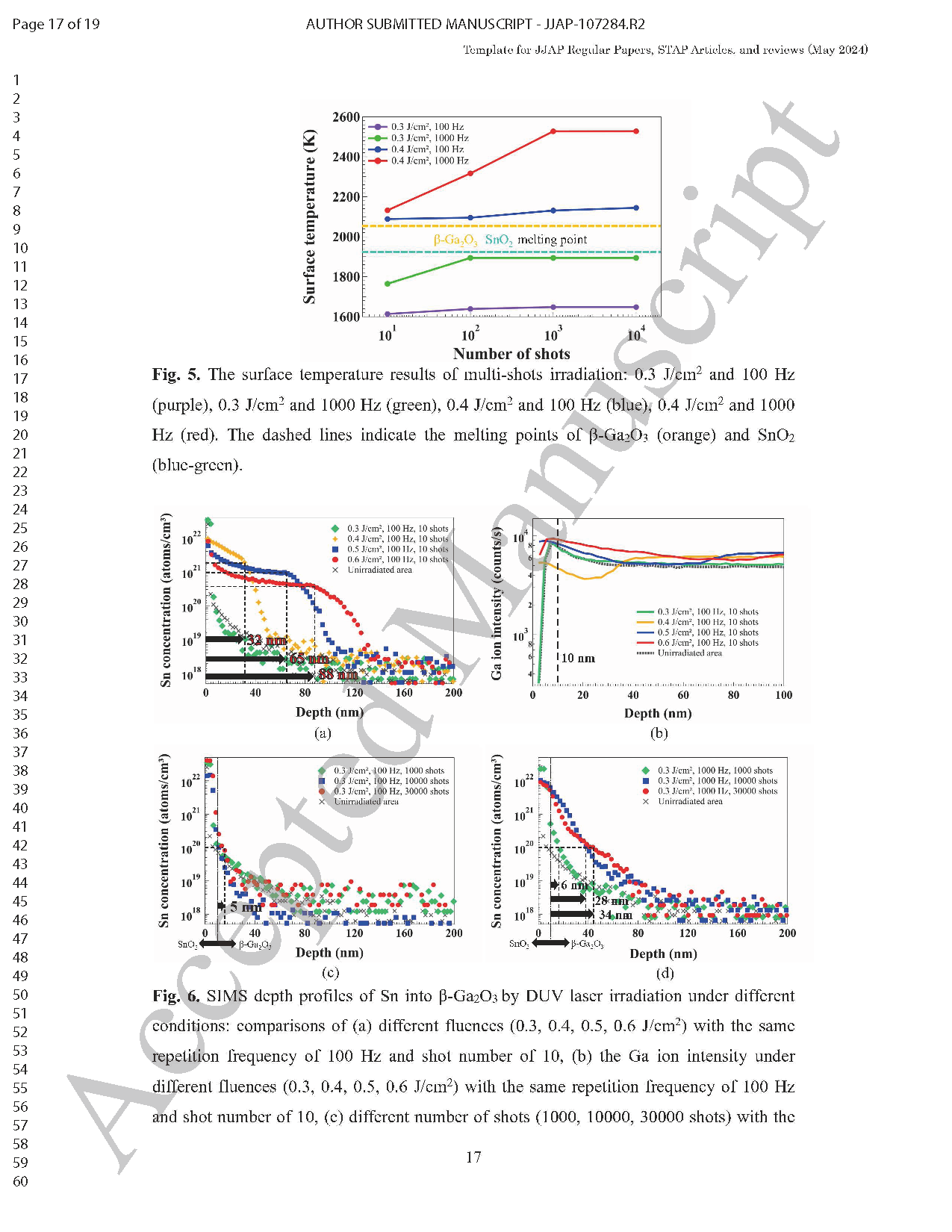
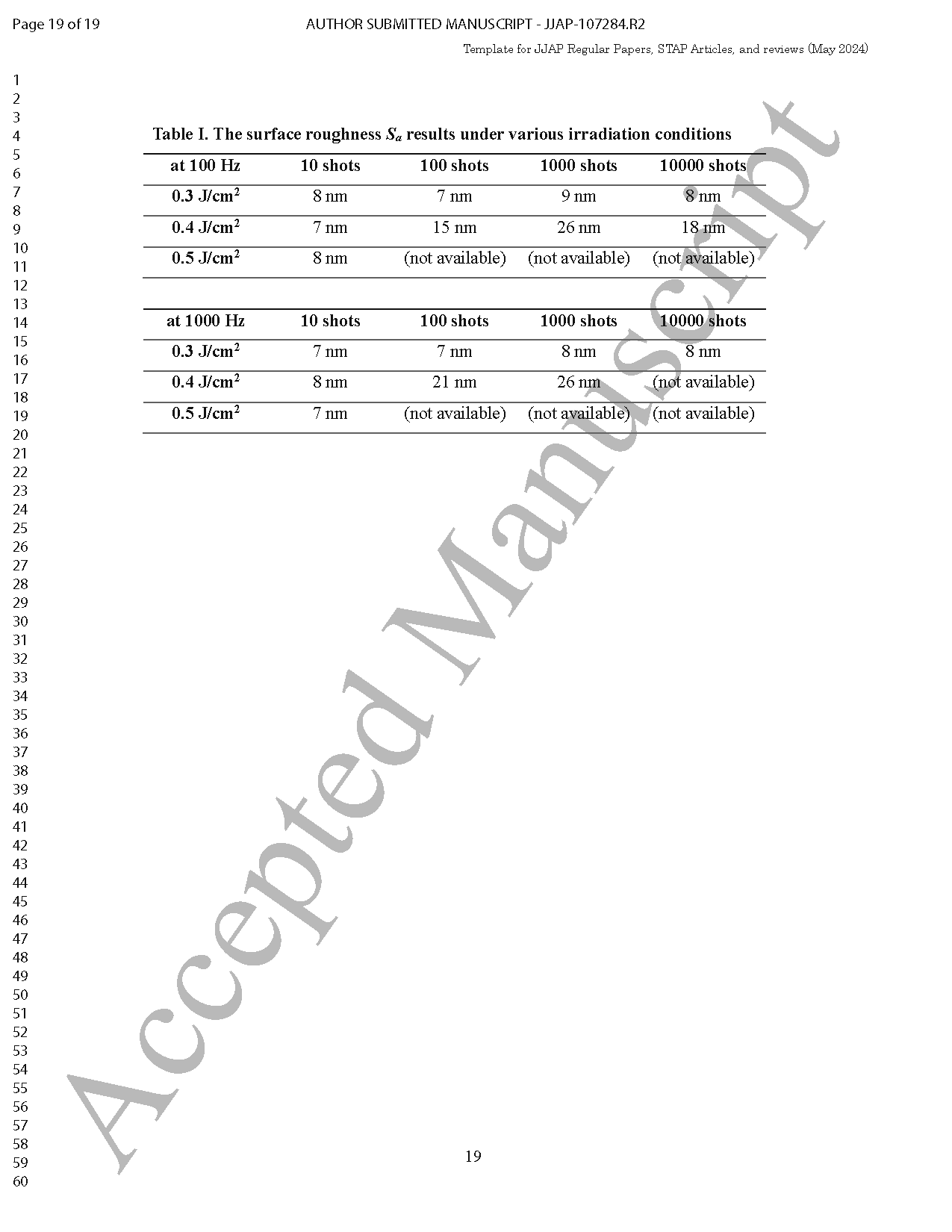
For a single laser pulse irradiation, the simulated temperature distribution exhibited an extremely transient (nanosecond scale) and highly localized (sub-micrometer scale) nature, indicating that the laser-induced temperature field is confined to a very shallow surface region and rapidly dissipates. Under multiple-pulses irradiation, the comparison between simulated temperature results and the changes in experimentally observed surface morphology confirmed the validity of the thermal model. Furthermore, it was clarified that the heat accumulation effect induced at high repetition frequencies and large number of shots conditions substantially enhance the effective diffusion coefficient and heating time, leading to an order-of-magnitude increase in the Sn diffusion length, even under the sub-threshold fluence of Sn diffusion.
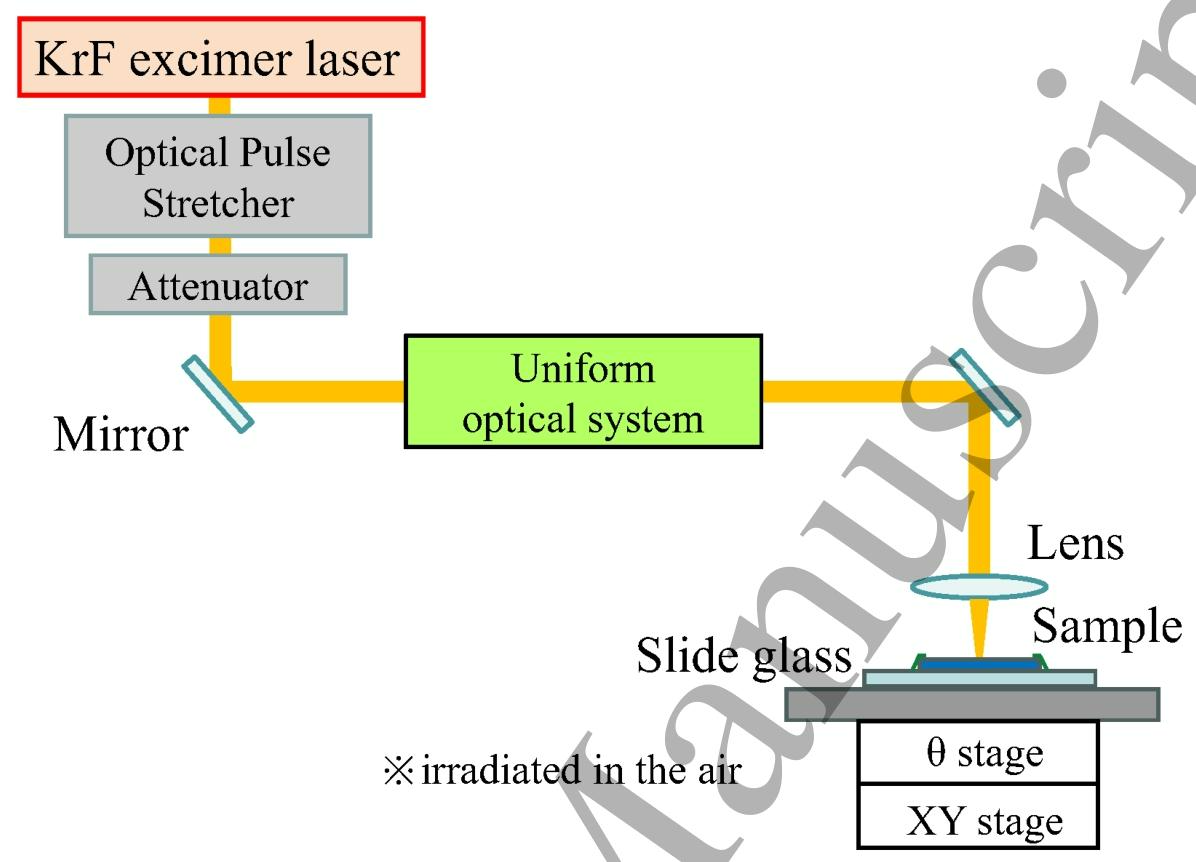
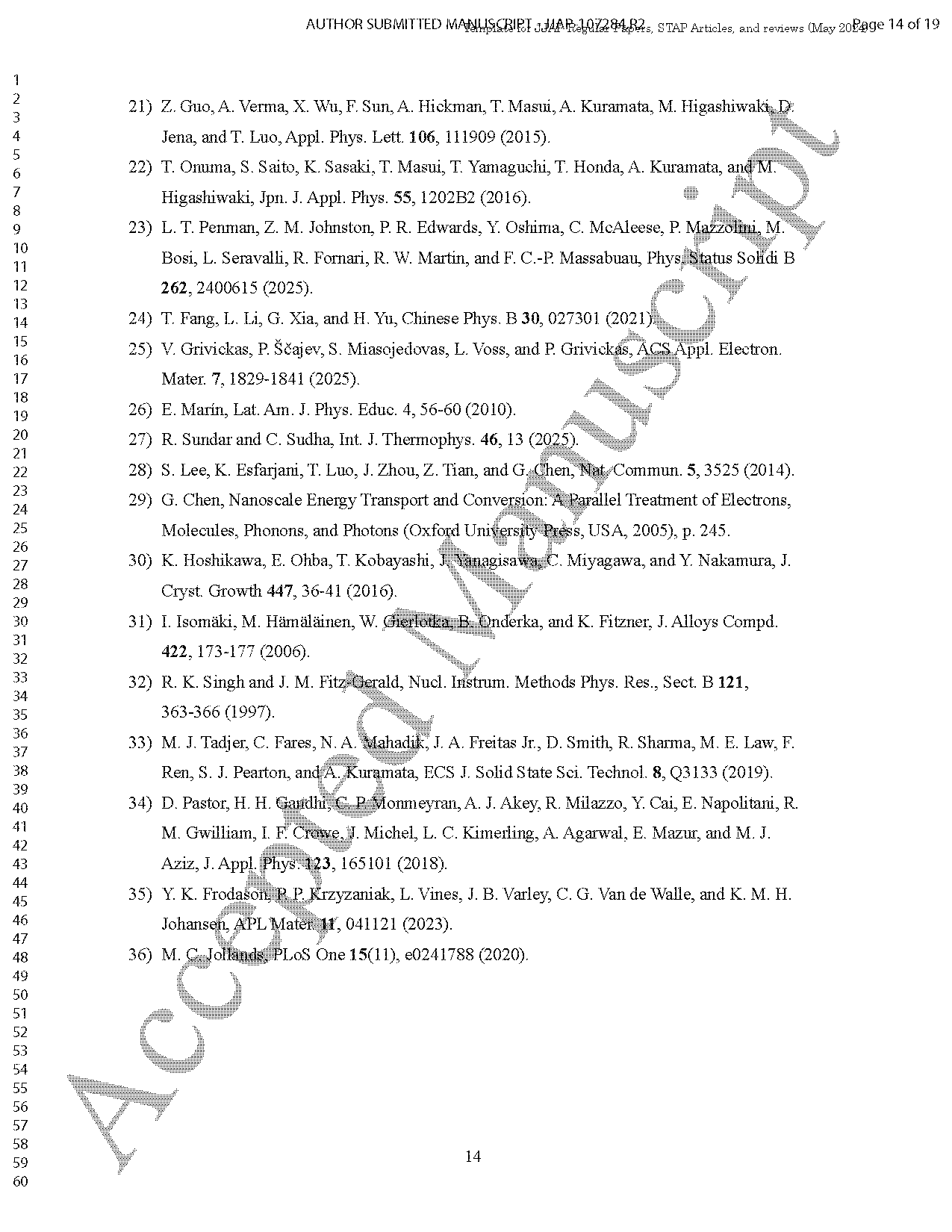
Fig. 1. Experimental setup of laser irradiation.
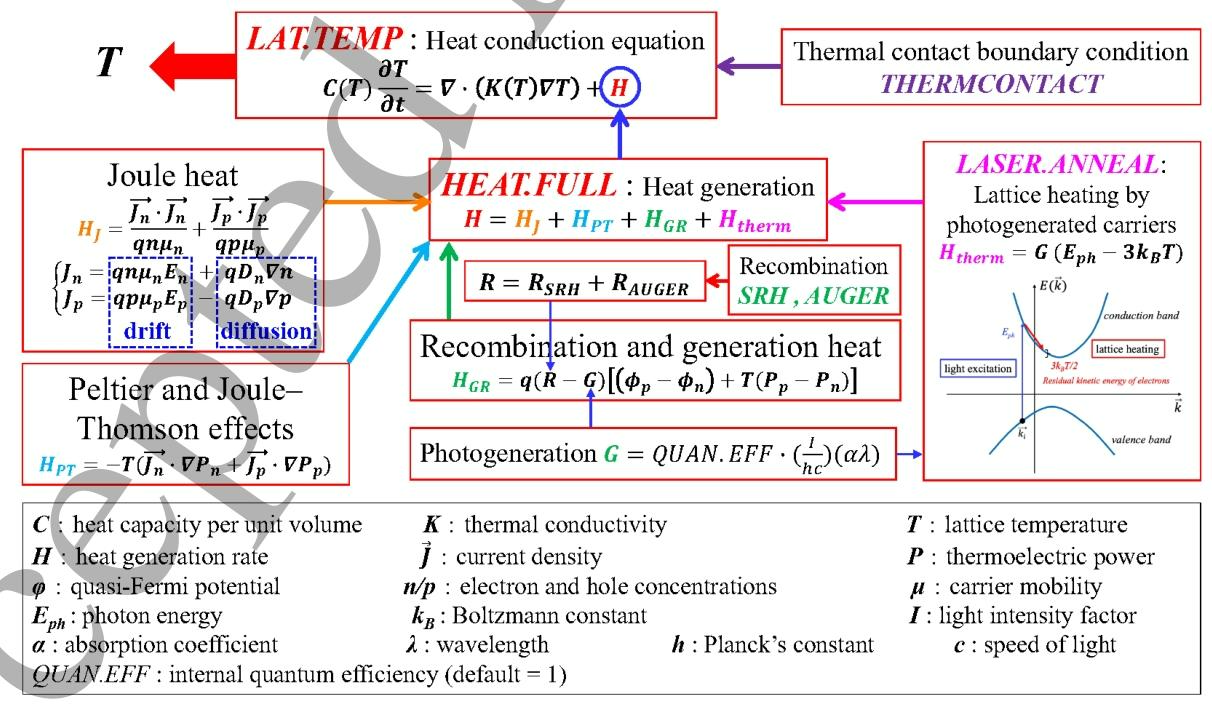
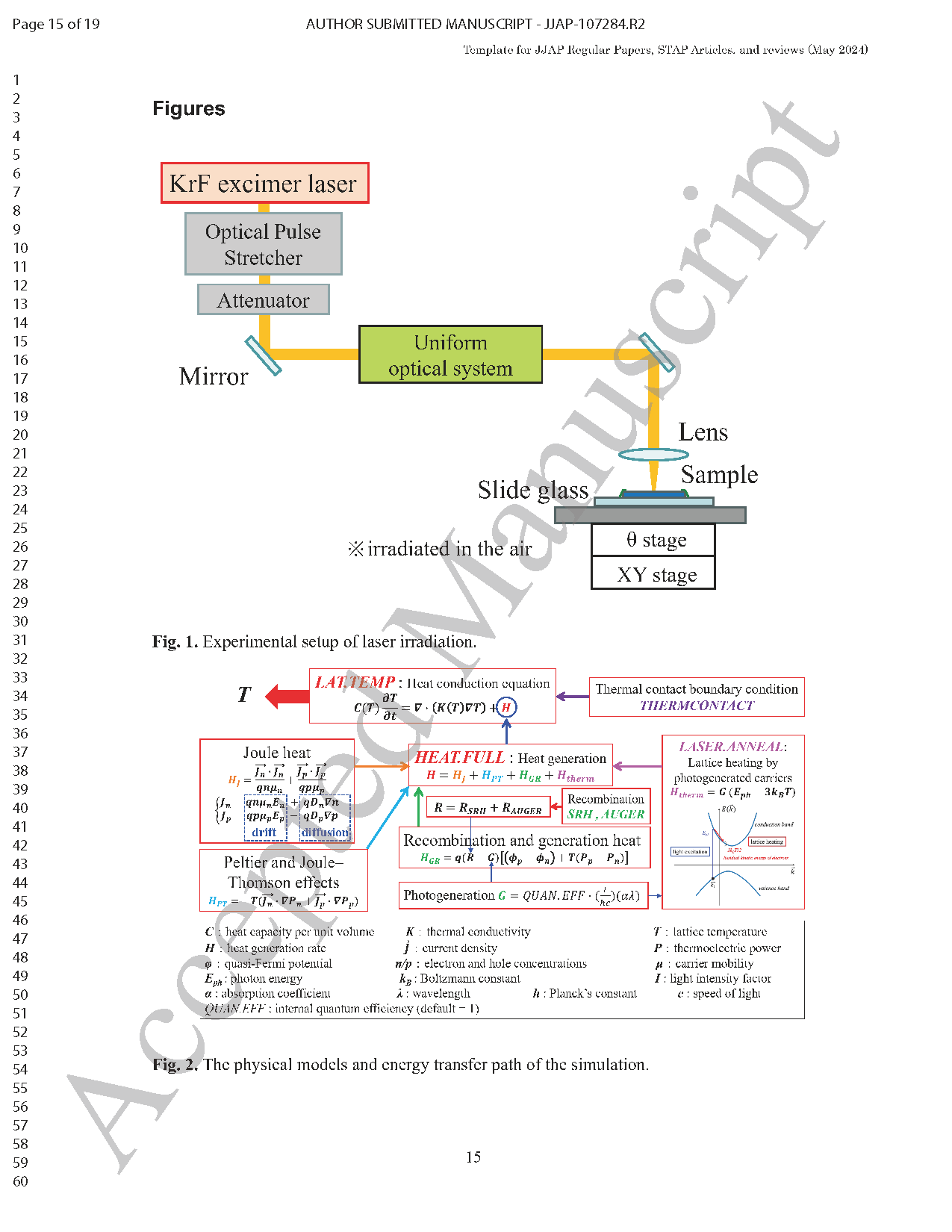
Fig. 2. The physical models and energy transfer path of the simulation.
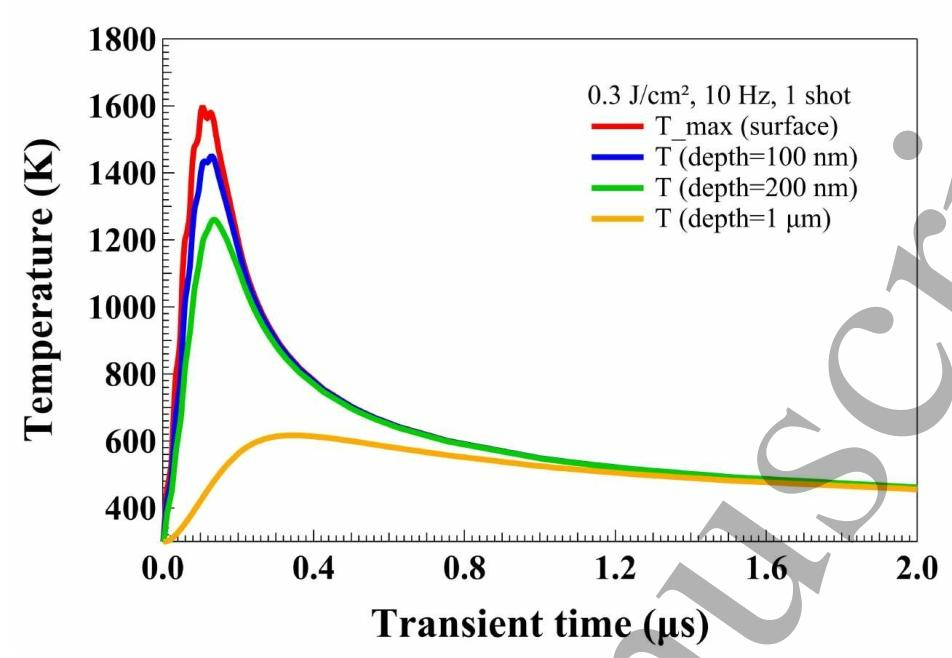
Fig. 3. The time profiles of the simulated temperatures at the surface (red) and different depths of 100 nm (blue), 200 nm (green), and 1 um (orange).
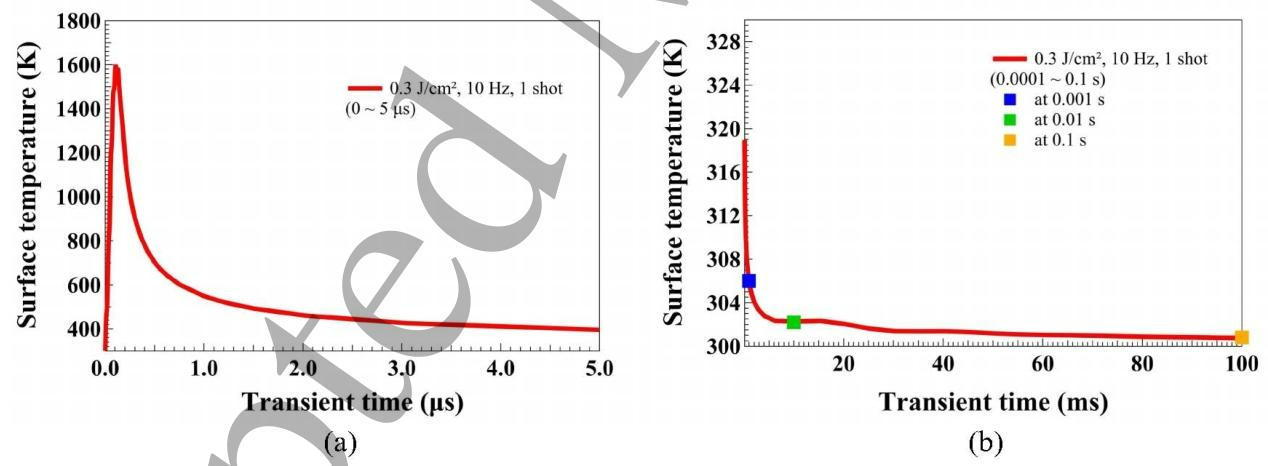
Fig. 4. The transient surface temperature response of a single pulse irradiation (a) 0~5 μs, (b) 0.0001-0.1 s. The blue, green, and orange squares in (b) indicate the data at 0.001, 0.01, and 0.1 s, respectively.
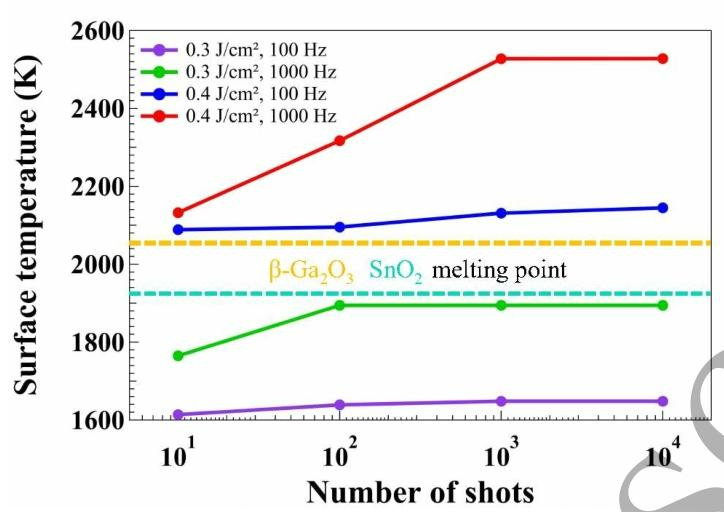
Fig. 5. The surface temperature results of multi-shots irradiation: 0.3 J/cm2 and 100 Hz (purple), 0.3 J/cm2 and 1000 Hz (green), 0.4 J/cm2 and 100 Hz (blue). 0.4 J/cm2 and 1000 Hz (red). The dashed lines indicate the melting points of β-Ga2O3 (orange) and SnO2 (blue-green).
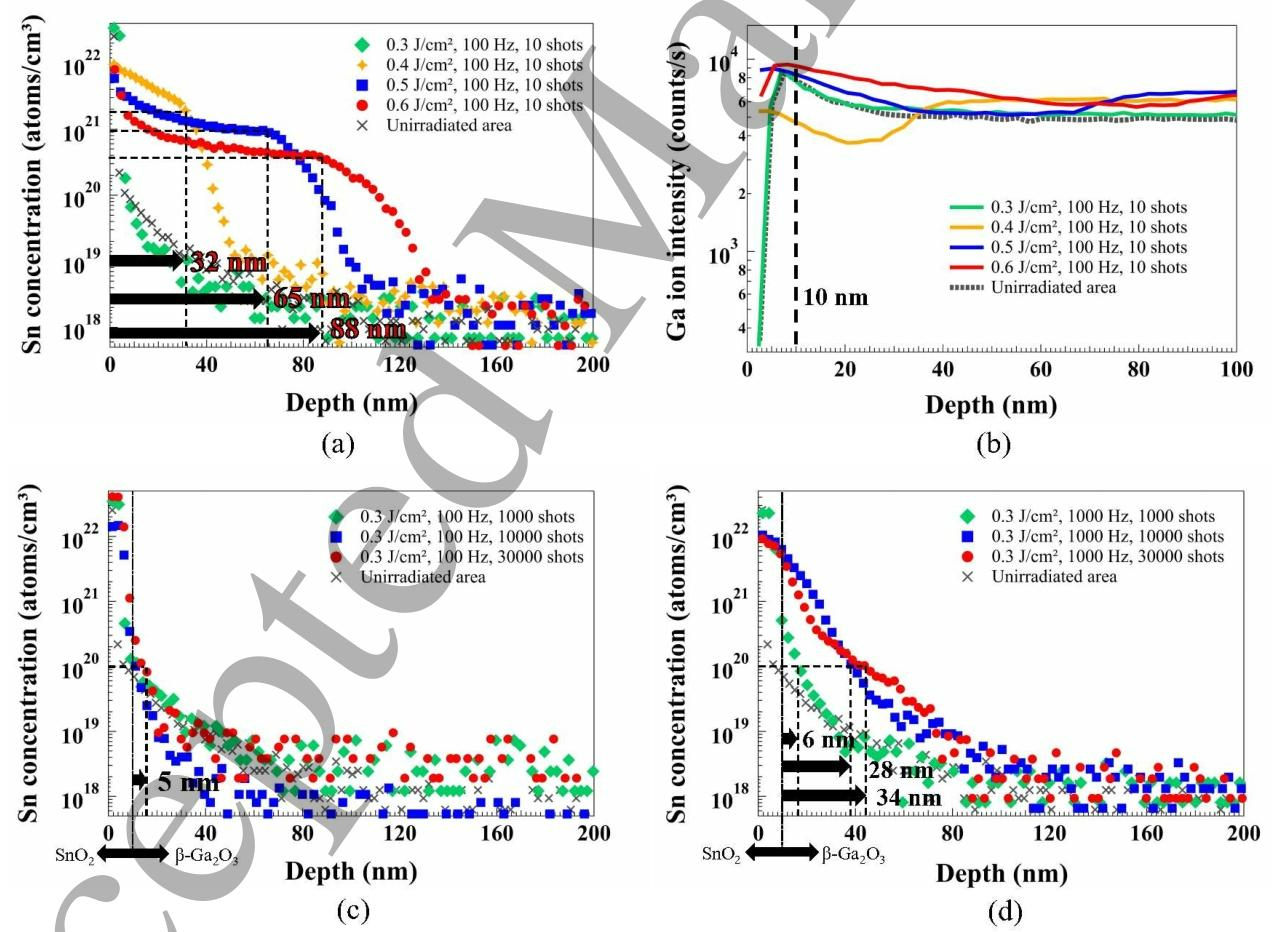
Fig. 6. SIMS depth profiles of Sn into β-Ga2O3 by DUV laser irradiation under different conditions: comparisons of (a) different fluences (0.3, 0.4, 0.5, 0.6 J/cm2) with the same repetition frequency of 100 Hz and shot number of 10, (b) the Ga ion intensity under different fluences (0.3, 0.4, 0.5, 0.6 J/cm2) with the same repetition frequency of 100 Hz and shot number of 10, (c) different number of shots (1000, 10000, 30000 shots) with the same fluence of 0.3 J/cm2 and repetition frequency of 100 Hz, (d) different number of shots(1000, 10000, 30000 shots) with the same fluence of 0.3 J/cm2 and repetition frequency of 1000 Hz.
DOI:
doi.ora/10.35848/1347-4065/ae54ee
Instruction
Official Account

Cooperation
Top