


Researchers Xiaolin Zhai and Biao Meng from the Central Research Institute of China Resources Microelectronics Limited, and Prof. Zhaofu Zhang from Wuhan University have published a dissertation titled "A Numerical simulation on the thermal field optimization and stress distribution in β-Ga₂O₃ single crystal grown by vertical Bridgman method" in Semiconductor Science and Technology.
Project Support
We acknowledge the funding from the Major Program (JD) of Hubei Province (Grant No. 2023BAA009), the National Natural Science Foundation of China (Grant Nos. 52302046, L2424216), the Open Fund of Hubei Key Laboratory of Electronic Manufacturing and Packaging Integration (Wuhan University) (Grant No. EMPI2025011). The numerical calculations in this paper have been done on the supercomputing system in the Supercomputing Center of Wuhan University.
Background
β-phase gallium oxide (β-Ga₂O₃), as an emerging ultra-wide bandgap (UWBG) semiconductor, possesses a bandgap of approximately 4.9 eV and a theoretical critical breakdown field as high as 8 MV/cm. Its Baliga's figure of merit (BFOM) significantly surpasses those of conventional SiC and GaN, endowing it with highly competitive application prospects in next-generation high-power, high-voltage electronic devices and deep-ultraviolet optoelectronics. Although β-Ga₂O₃ can be grown by various methods such as the edge-defined film-fed growth (EFG) and Czochralski (CZ) techniques, formidable challenges remain in producing large-size, low-cost, and high-quality crystals. In particular, the material exhibits substantial brittleness and anisotropic thermal conductivity, rendering it highly susceptible to cracking induced by thermal stress concentration during growth and cooling processes. Compared with other methods, the vertical Bridgman technique offers distinct advantages including a lower temperature gradient, the capability to grow crystals with circular cross-sections, minimal material loss, and reduced cost. It represents one of the ideal choices for the mass production of high-quality, large-diameter gallium oxide single crystals. Owing to the prohibitive expense of experimental investigations and the difficulty of real-time observation of the thermal field evolution inside the furnace cavity, finite element modeling (FEM) has become an indispensable tool for understanding and optimizing the crystal growth process. Through simulations, the temperature distribution, heat flow direction, and stress evolution can be accurately obtained within the growth system, thereby providing theoretical guidance for experiments. This study aims to establish a coupled thermal-mechanical model to investigate the influence of heater configuration and crucible geometry on the thermal field stability and stress distribution during the growth of β-Ga₂O₃ single crystals, with the ultimate goal of addressing the cracking problem encountered during growth.
Abstract
Gallium oxide is an emerging ultra-wide bandgap semiconductor with great potential for power electronics, yet large-sized crystal growth remains limited by defect and yield challenges. In this study, a coupled thermal-mechanical finite element model is established to analyze the thermal field optimization and stress distribution in gallium oxide crystals grown by the vertical Bridgman method. The results show that multi-heater configurations reduce power consumption and enhance radial uniformity in the furnace, but radiative shielding by the intermediate insulation layer increases axial gradients, confirming radiation as the dominant heat transfer mechanism. Stress analysis reveals that stress concentrates mainly in the shoulder and constant-diameter growth region due to crystal-crucible thermal expansion mismatch, and larger shoulder angles effectively alleviate stress in the process of single crystal growth. These findings highlight the importance of coordinated heater-insulation optimization and crucible design, providing guidance for high-quality and large-diameter gallium oxide crystal growth.
Conclusion
This paper establishes a coupled thermal-mechanical finite element model to investigate the growth process of β-Ga₂O₃ single crystals via the vertical Bridgman method, with particular emphasis on the critical influences of heater configuration, insulation design, and crucible geometry. Quantitative analysis of multiple heat transfer models confirms that radiation is the dominant heat transfer mechanism within the furnace. A multi-heater configuration improves radial temperature uniformity and reduces energy consumption; however, the radiation shielding effect of the intermediate insulation layer increases the axial temperature gradient compared to the single-heater case. The single-heater configuration favors growth stability due to smaller axial temperature fluctuations, whereas the multi-heater arrangement minimizes radial gradients, thereby helping to suppress cracking and promote crystal diameter expansion. Owing to the thermal expansion mismatch between the crystal and the crucible, thermal stress predominantly concentrates in the crystal shoulder region, and a larger shoulder angle effectively mitigates stress accumulation. Overall, optimizing the heater-insulation design and crucible geometry is crucial for stabilizing temperature gradients and fabricating high-quality, large-diameter β-Ga₂O₃ crystals.
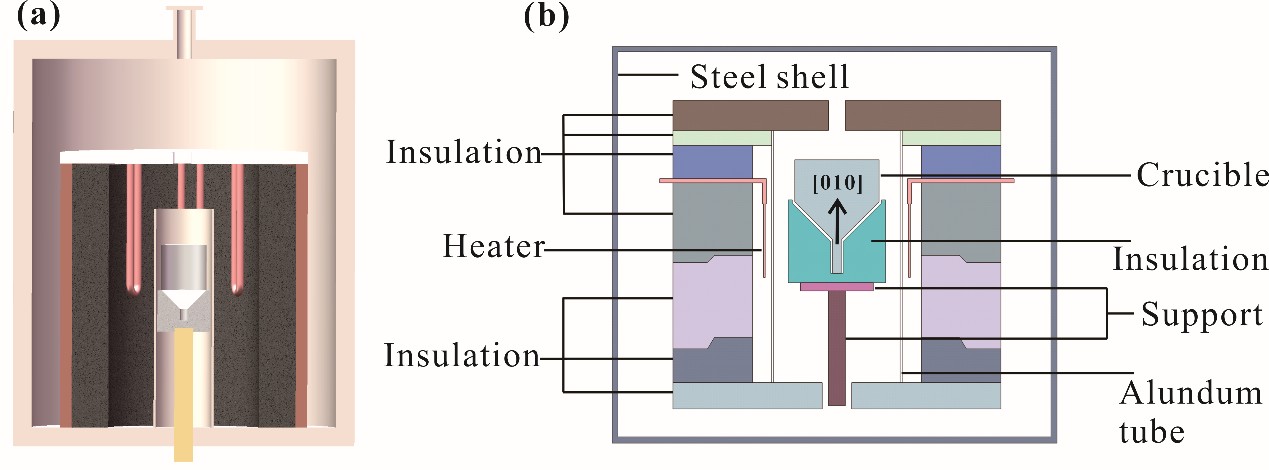
Figure 1. (a) Three-dimensional schematic diagram of the VB furnace used for β-Ga₂O₃ crystal growth. (b) Two-dimensional axisymmetric model of the growth system adopted for FEM simulation.
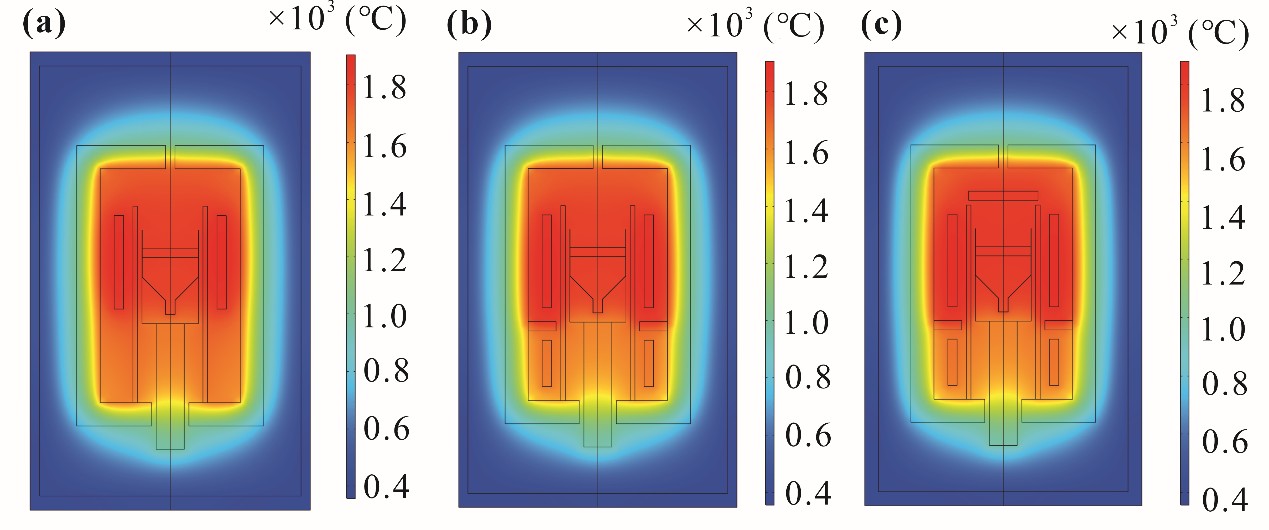
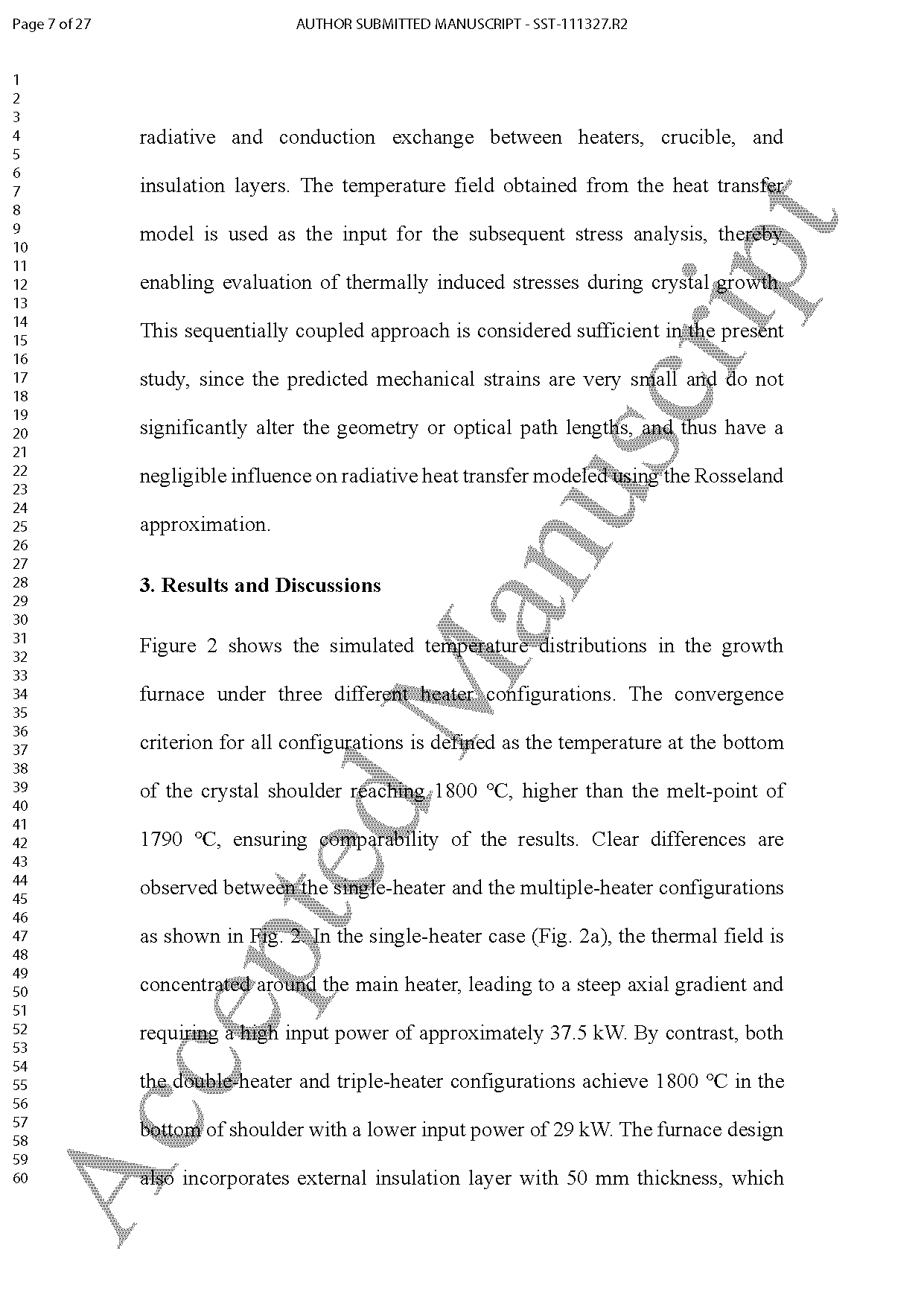
Figure 2. Temperature field distributions of the growth system under different heater configurations: (a) single-heater, (b) double-heater, and (c) triple-heater.
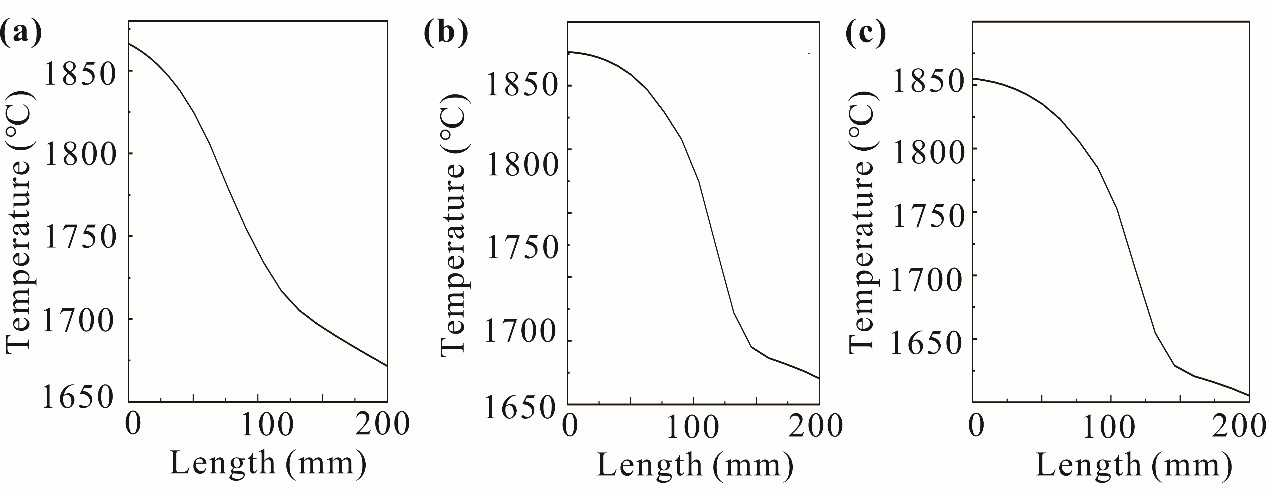
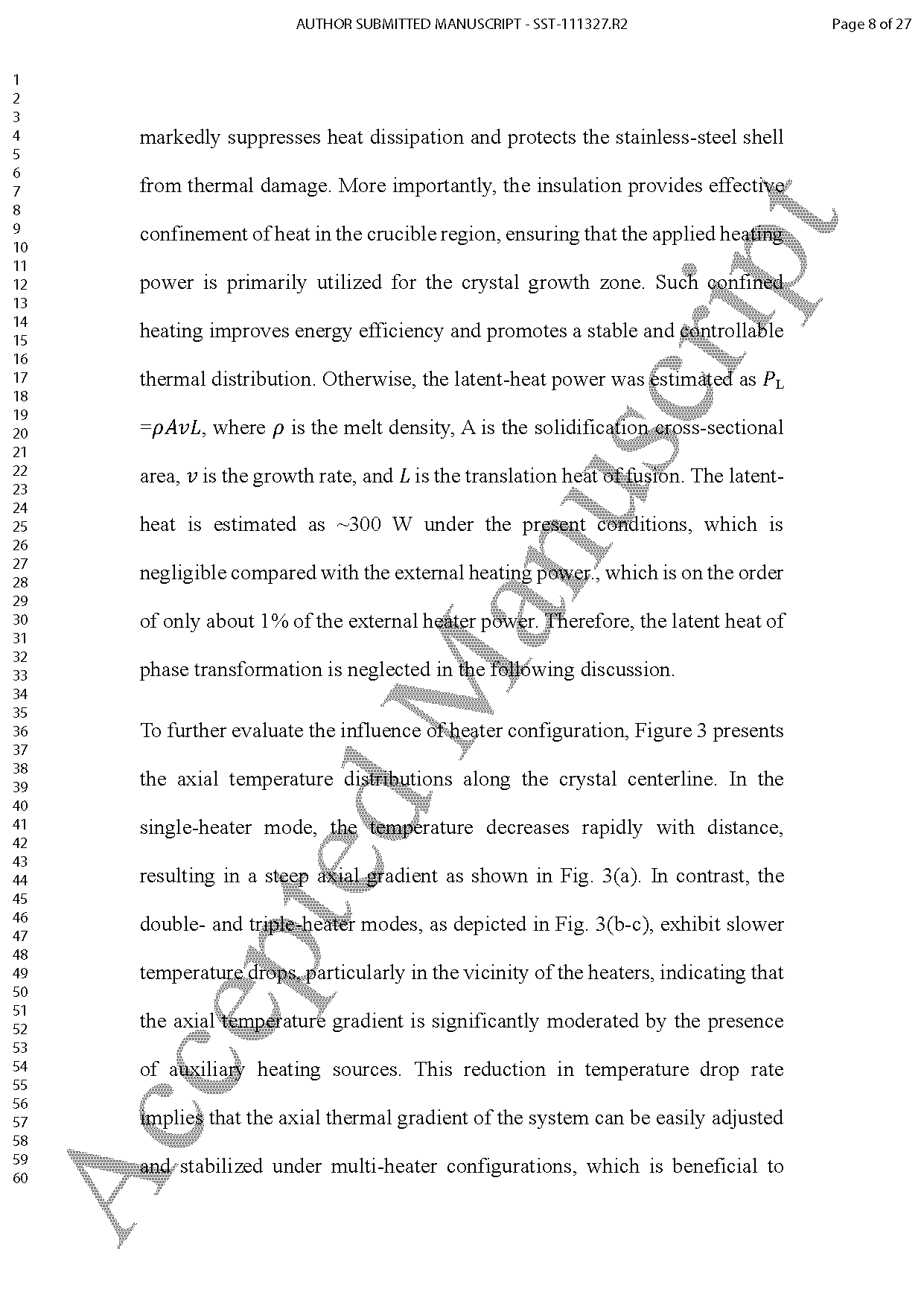
Figure 3. Axial temperature profiles along the crystal centerline for different heater configurations: (a) single-heater, (b) double-heater, and (c) triple-heater.
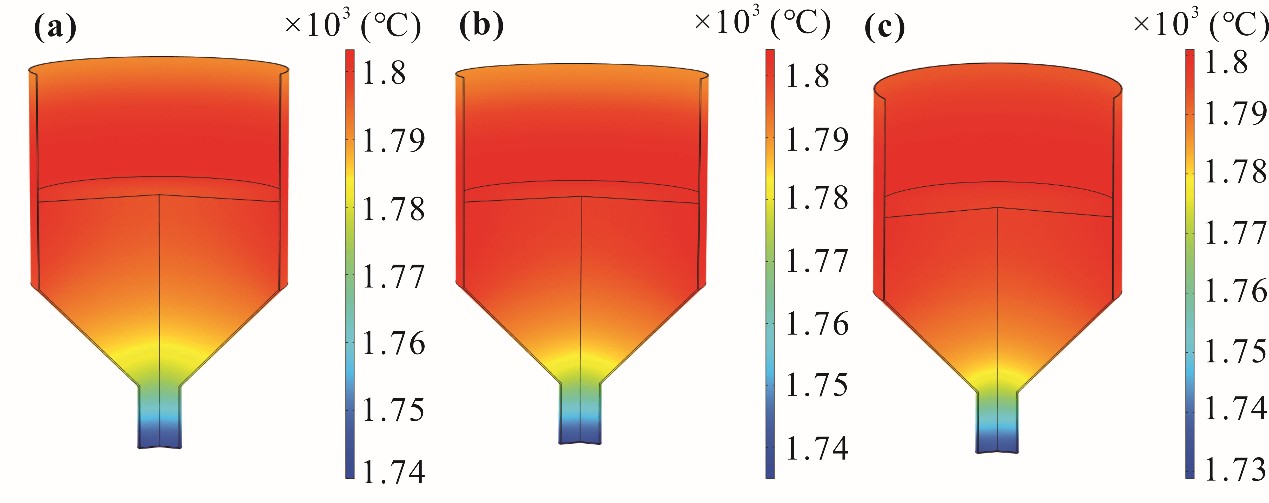
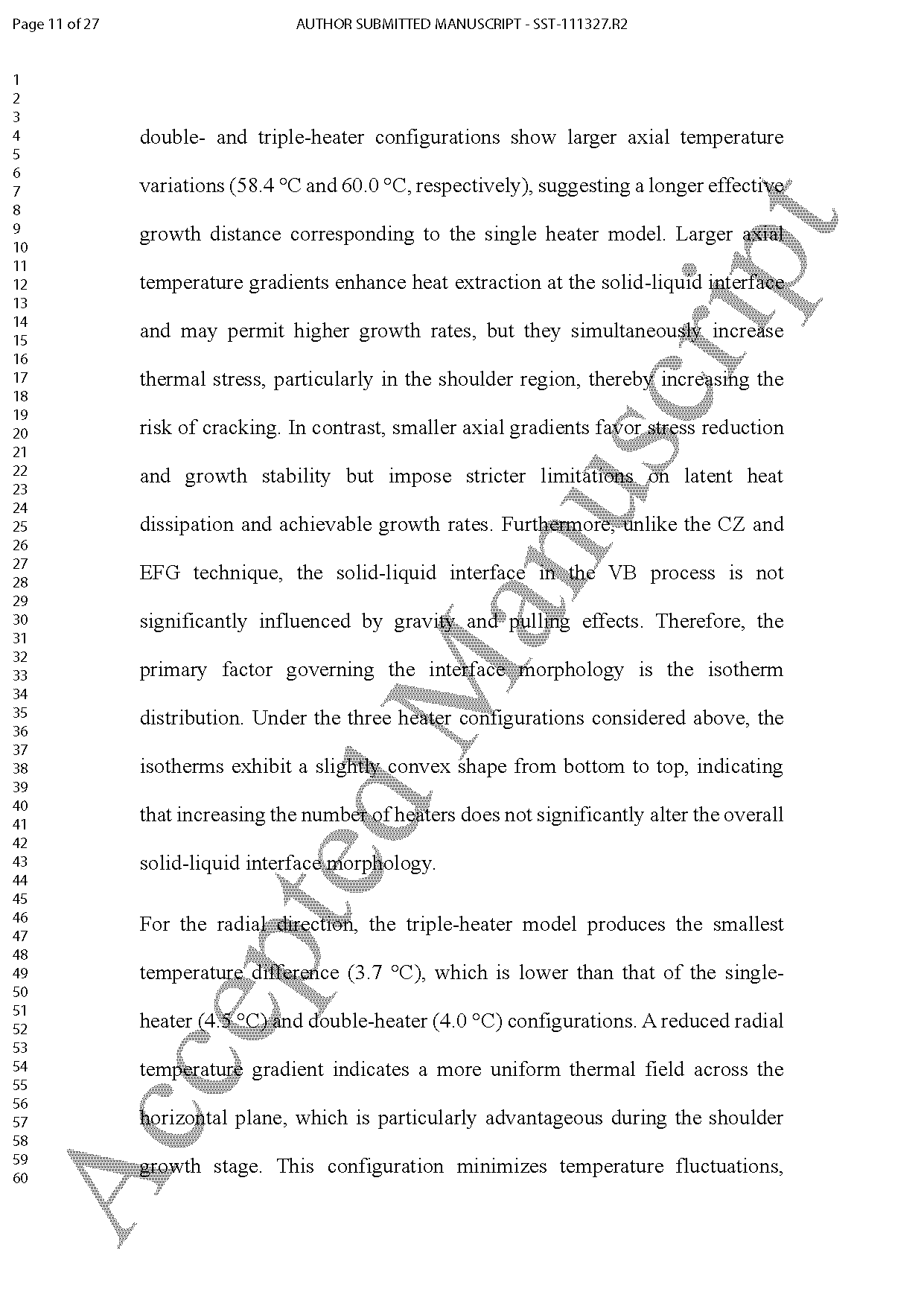
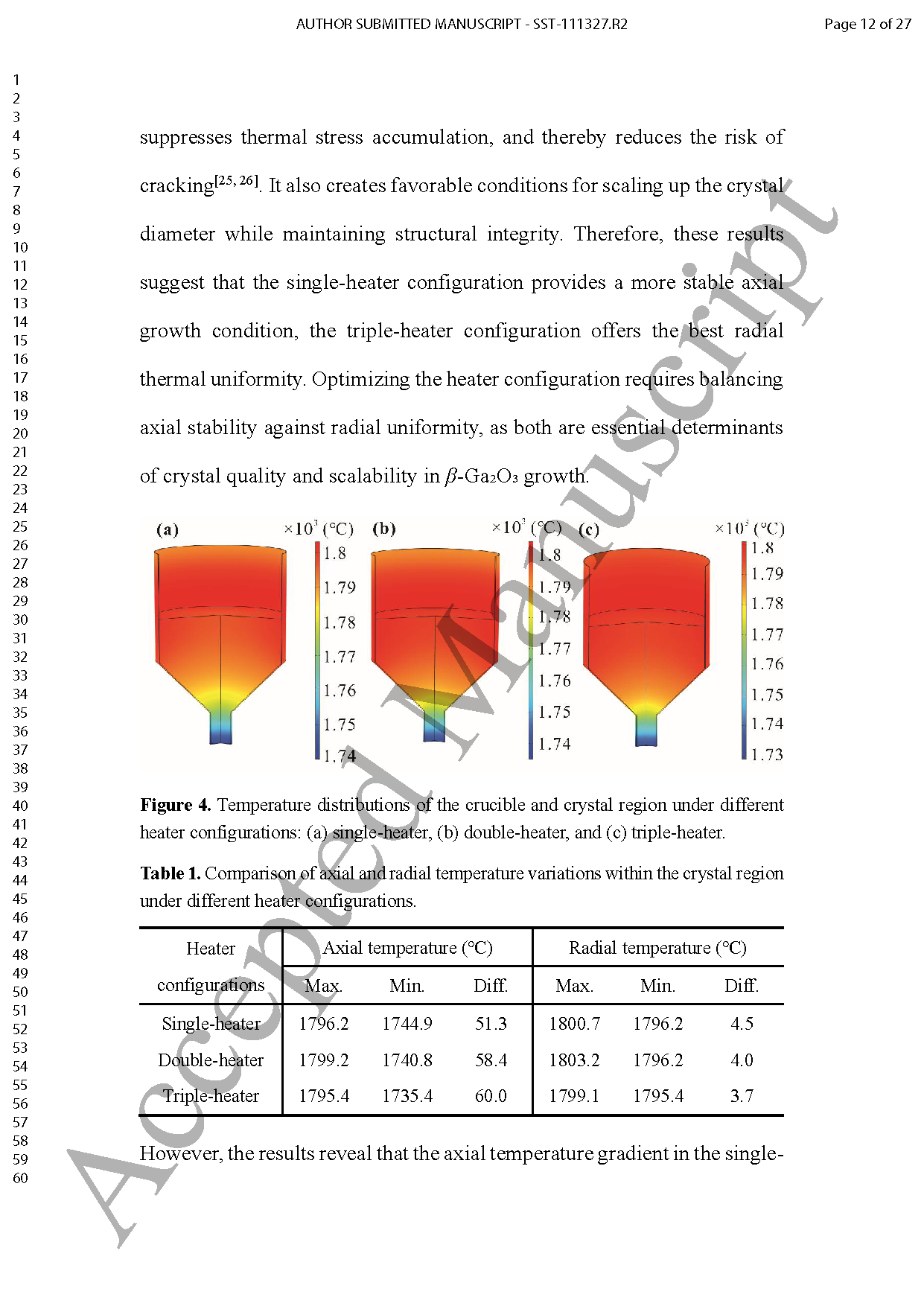
Figure 4. Temperature distributions of the crucible and crystal region under different heater configurations: (a) single-heater, (b) double-heater, and (c) triple-heater.
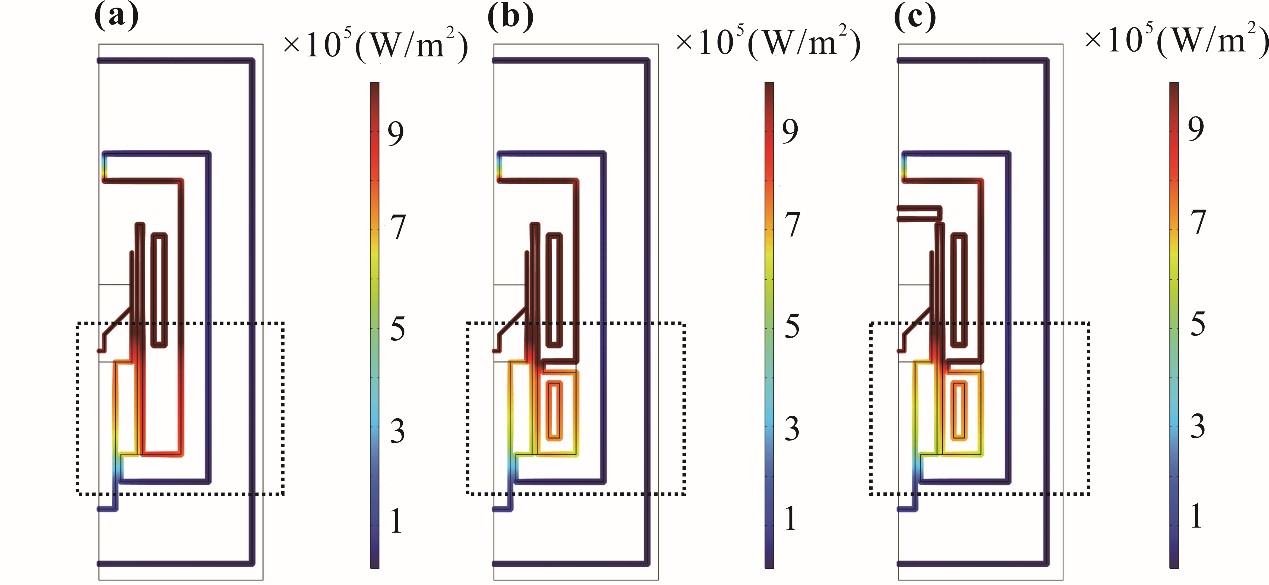
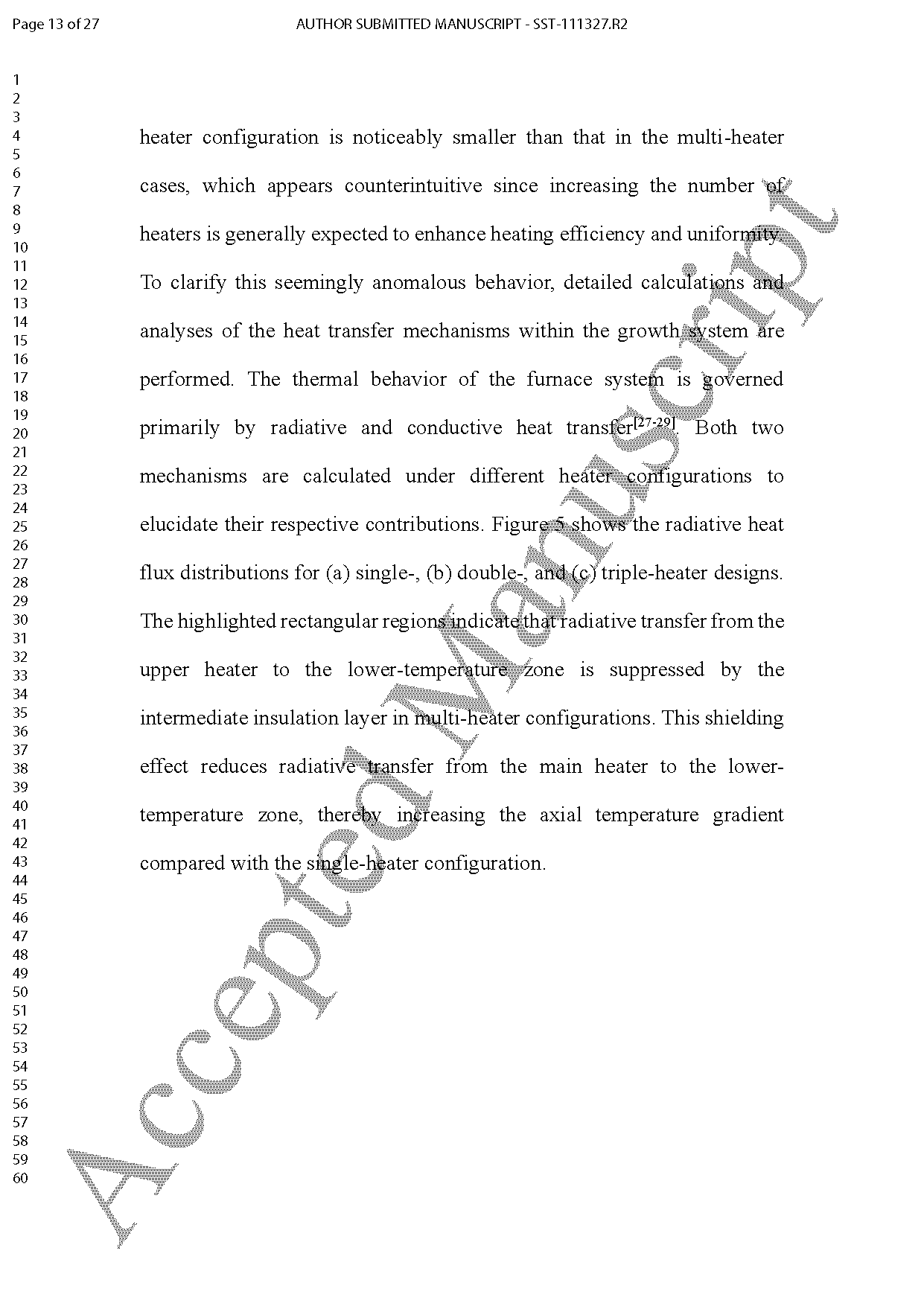
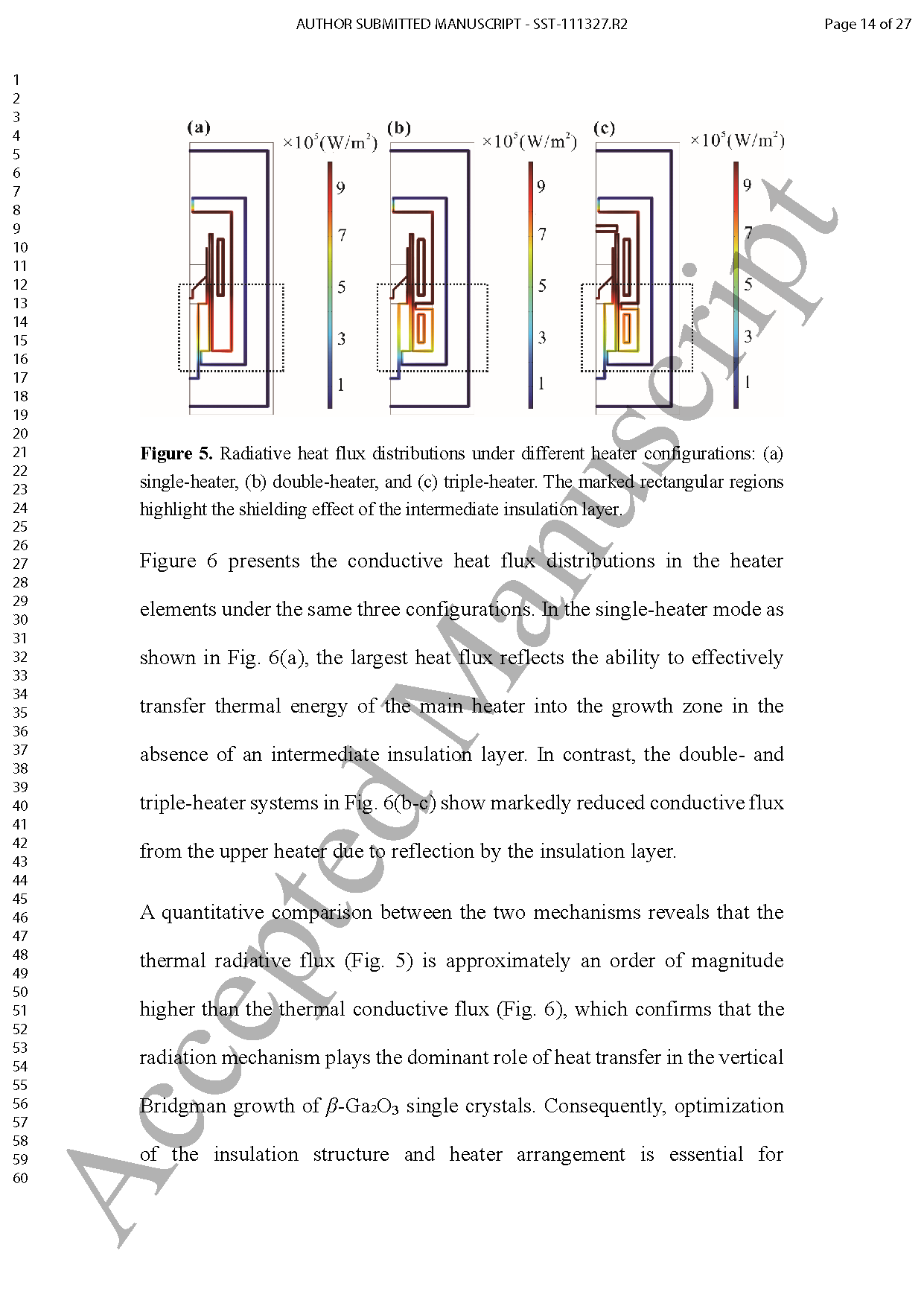
Figure 5. Radiative heat flux distributions under different heater configurations: (a) single-heater, (b) double-heater, and (c) triple-heater. The marked rectangular regions highlight the shielding effect of the intermediate insulation layer.
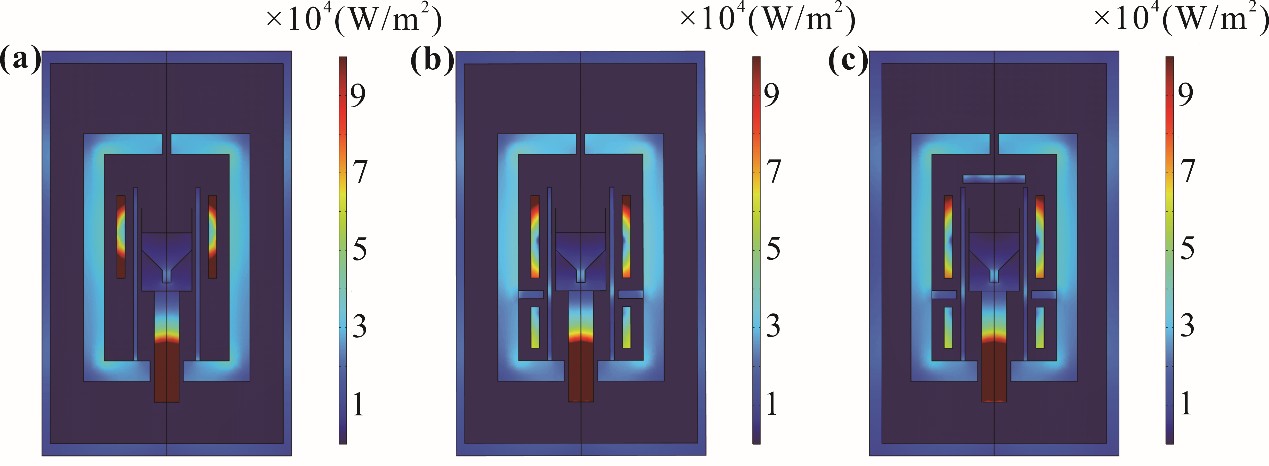
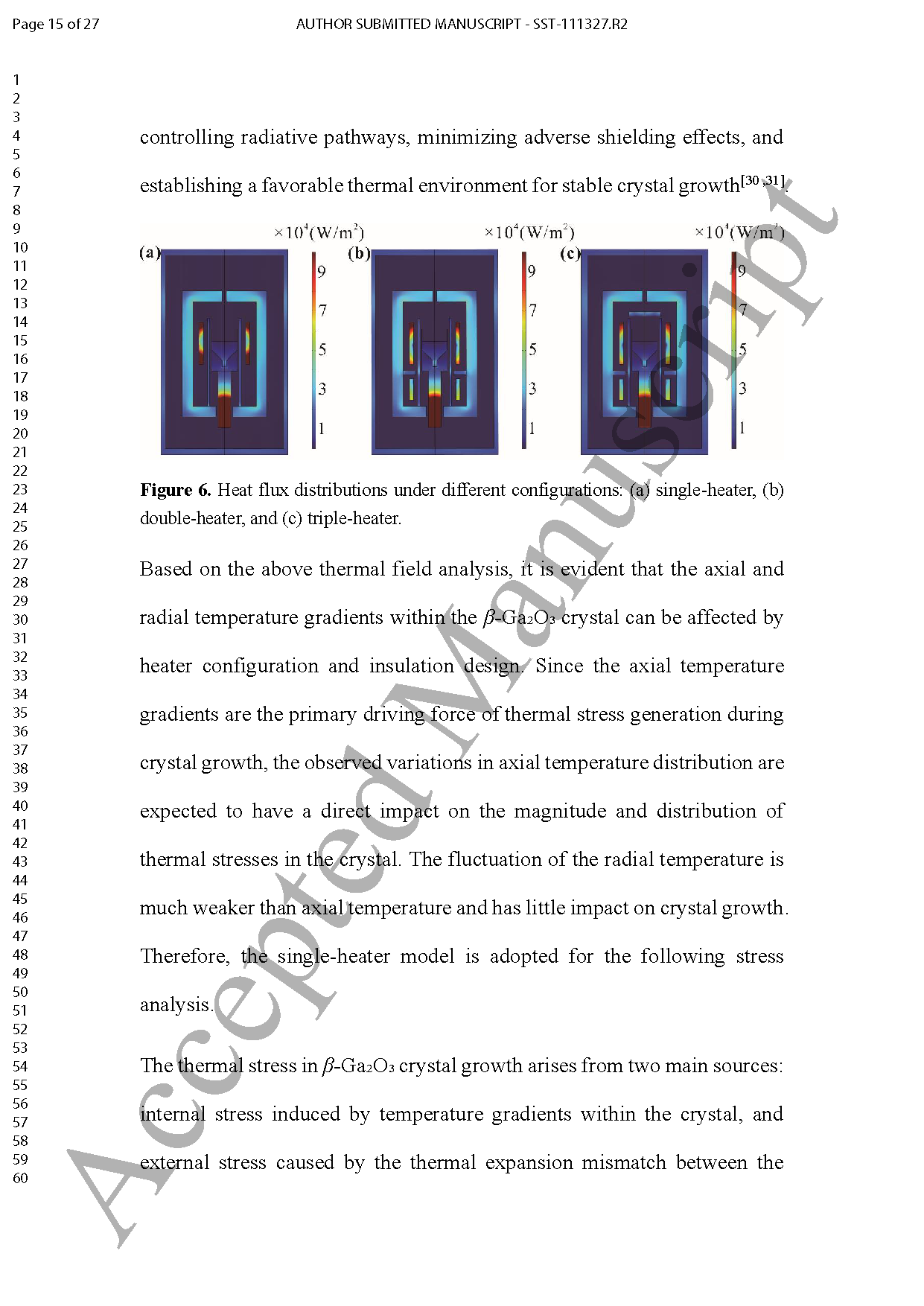
Figure 6. Heat flux distributions under different configurations: (a) single-heater, (b) double-heater, and (c) triple-heater.
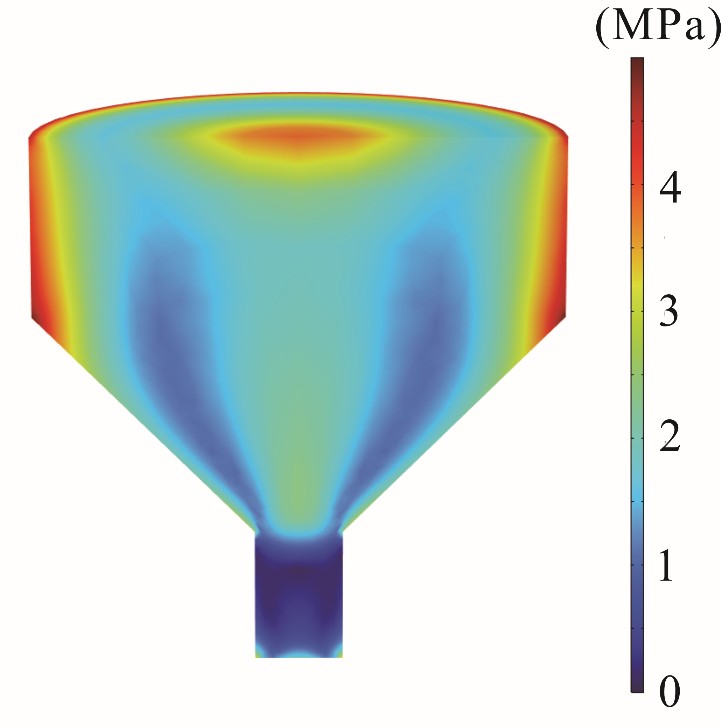
Figure 7. Thermal stress distribution in the crystal under the single-heater configuration.
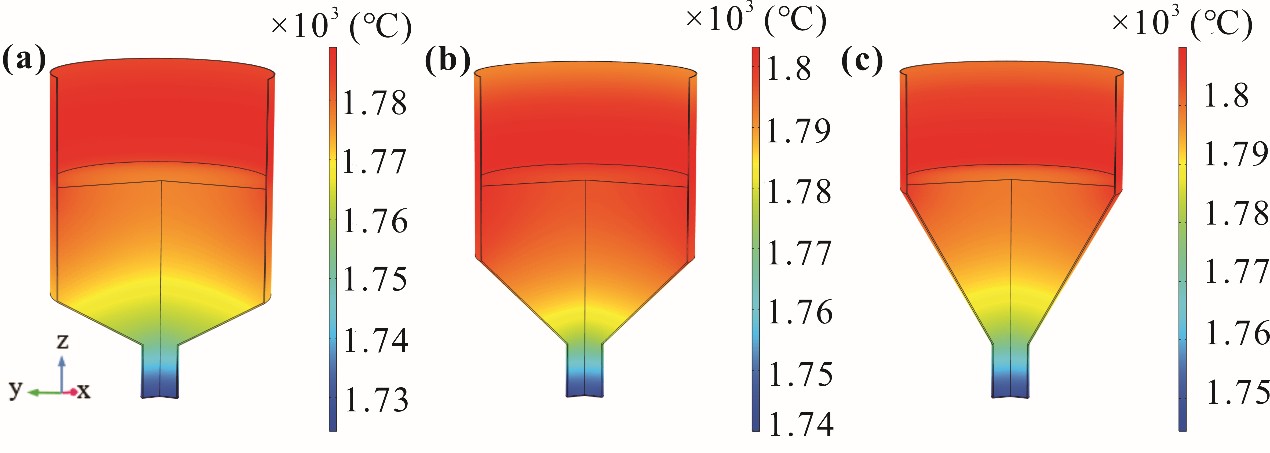
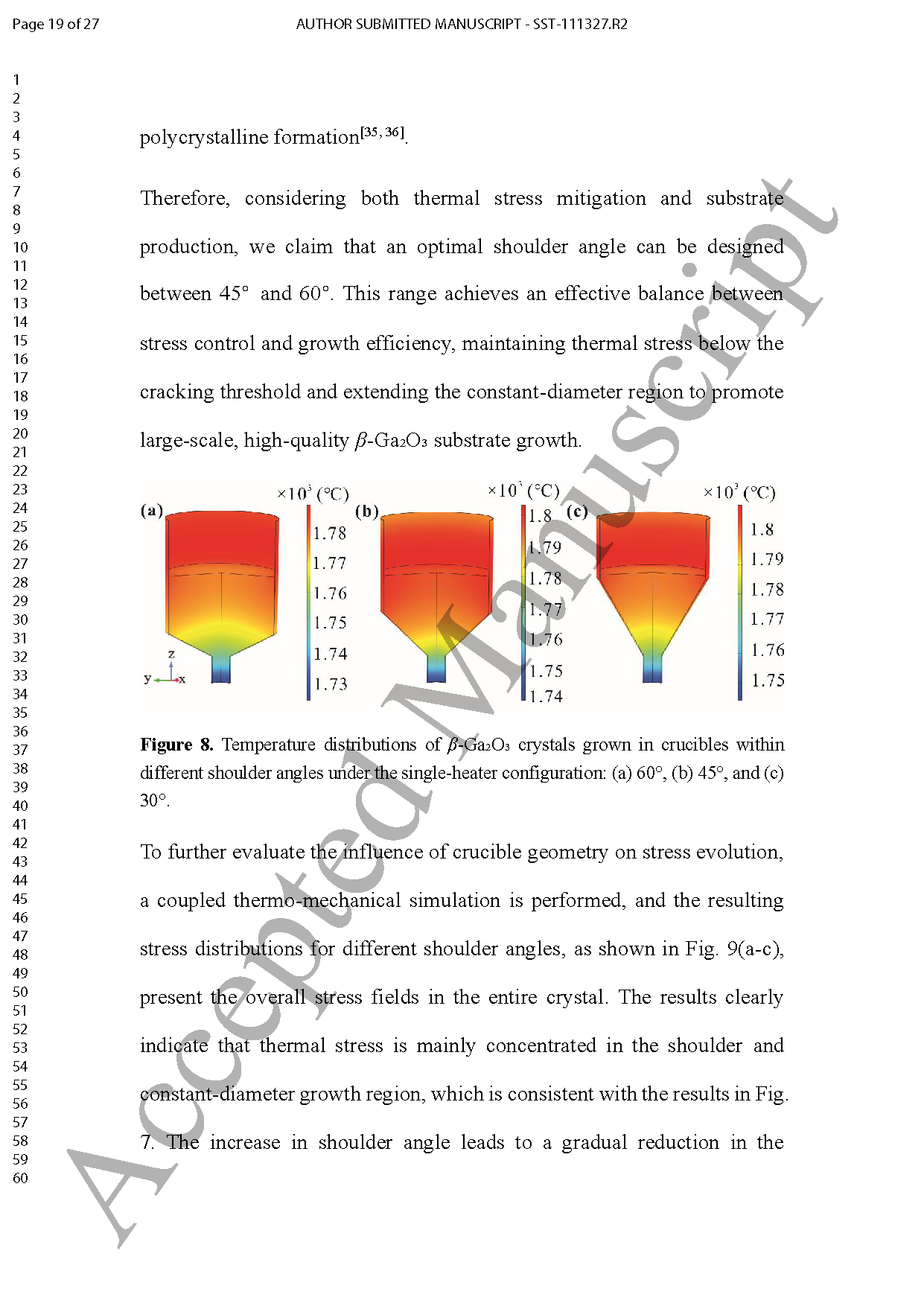
Figure 8. Temperature distributions of β-Ga₂O₃ crystals grown in crucibles within different shoulder angles under the single-heater configuration: (a) 60°, (b) 45°, and (c) 30°.
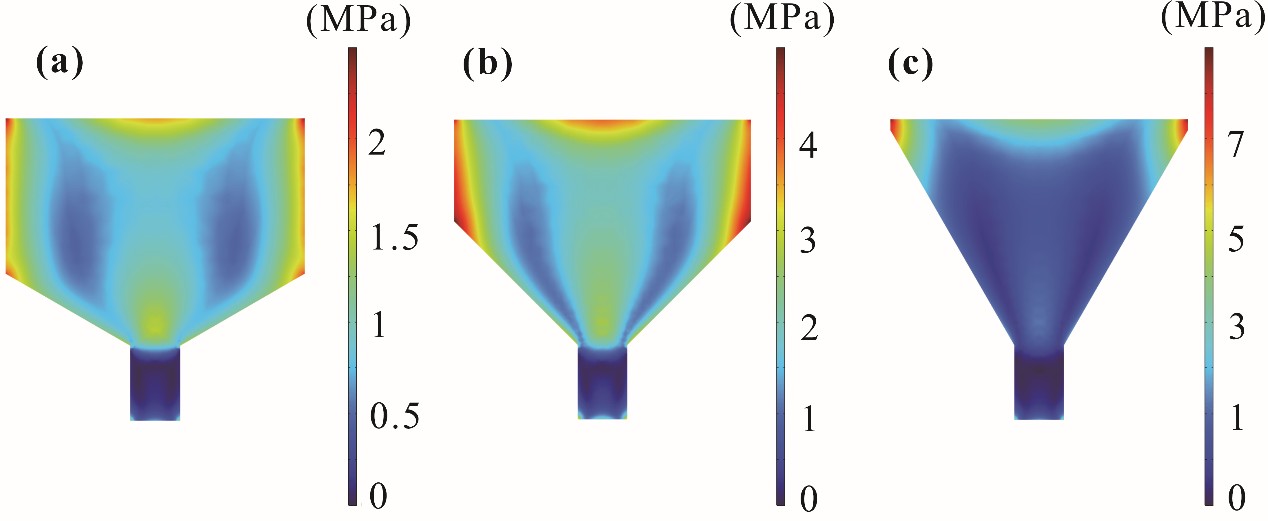
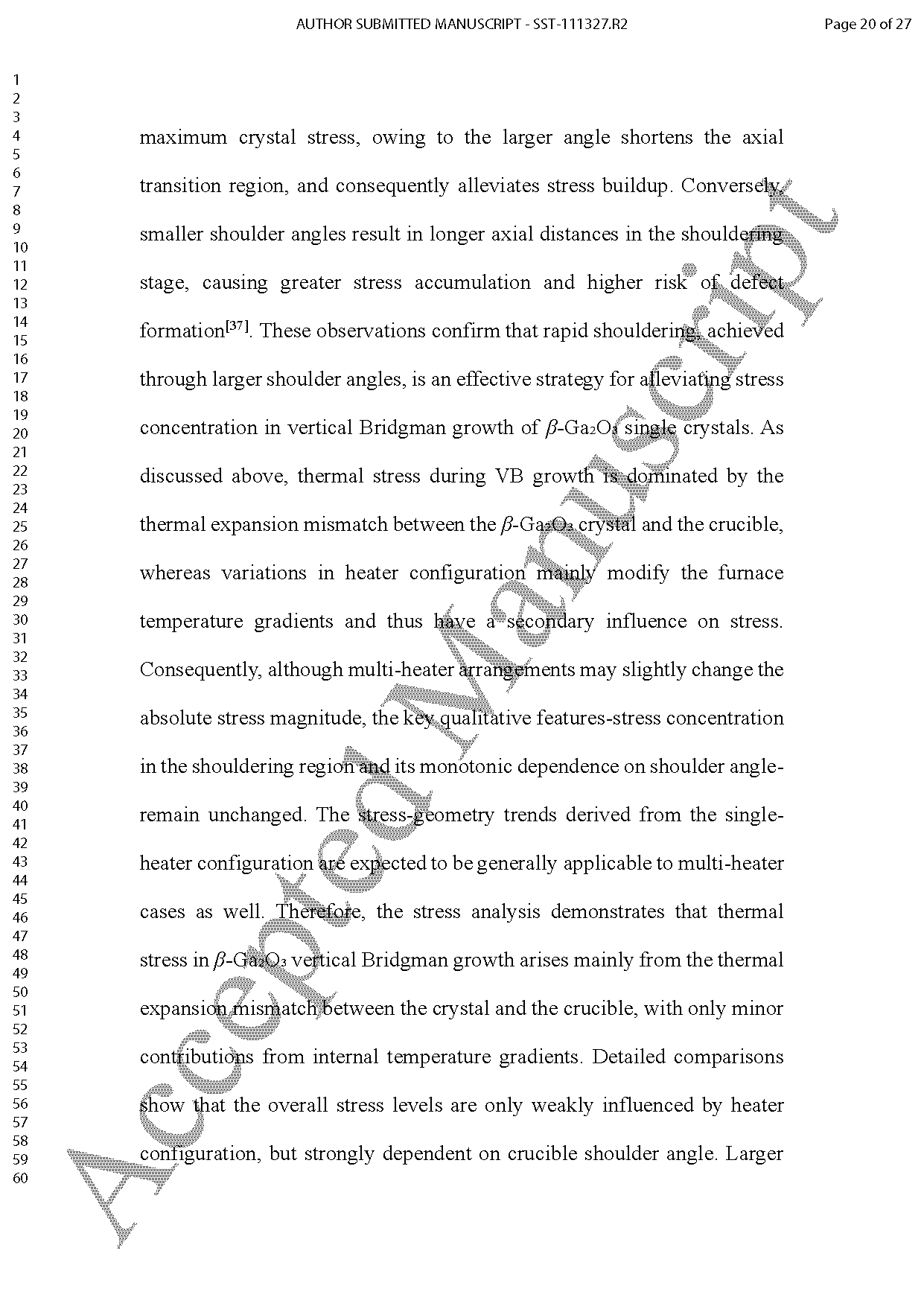
Figure 9. Thermal stress distributions in β-Ga₂O₃ crystals grown with different shoulder angles under the single-heater configuration: (a–c) overall stress fields in the full crystal with the angle of 60°, 45°and 30°.
DOI:
doi.org/10.1088/1361-6641/ae5684
Instruction
Official Account

Cooperation
Top