


Researchers from the Northwest University have published a dissertation titled "Flexible self-powered photoelectrochemical solar-blind light detector based on Ga₂O₃/NiO core-shell heterojunctions" in Journal of Alloys and Compounds.
Background
In recent years, flexible solar-blind ultraviolet photodetectors have gradually become a focal point of research and industry attention. Concurrently, deep ultraviolet (DUV) photoelectrochemical detectors based on α-Ga₂O₃ nanorod arrays (NRA) have garnered significant interest in the field of optoelectronics due to their wide bandgap, high-efficiency detection regions, and simple fabrication methods. In conventional gallium oxide-based PEC devices, carrier leakage between the semiconductor and electrolyte leads to carrier recombination, thereby limiting responsivity and severely hindering the practical application of photodetectors. The 200–280 nm solar-blind band is almost fully absorbed by the atmosphere, resulting in extremely low background interference, with wide applications in missile early warning, flame detection, ozone hole monitoring, secure communications, etc. Self-powered PEC devices operate without external bias, driven by the photoelectric effect, featuring fast response, simple process, low cost, reusability, and environmental friendliness. As a third-generation semiconductor, Ga₂O₃ is a natural solar-blind detection material, yet research on flexible Ga₂O₃-based PEC-type self-powered photodetectors remains scarce.
Abstract
This study employs a simplified hydrothermal method combined with magnetron sputtering to fabricate α-Ga₂O₃ nanorod arrays with NiO core-shell structures on flexible metallic titanium substrates. The resulting NiO-modified α-Ga₂O₃ photodetector exhibits self-powered photoresponse characteristics at 254 nm, achieving a photocurrent density of 46.62 μA/cm² under zero bias and a responsivity of 15.54 mA/W - a threefold improvement over pure Ga₂O₃. Furthermore, its detectivity reaches 13.79 × 10⁹ Jones. This improvement is attributed to the Type-II heterojunction formed between α-Ga₂O₃ and NiO, which effectively suppresses carrier recombination. Simultaneously, flexible bending and repeated testing validated the detector's exceptional flexibility and stability. This study highlights the immense potential of Ga₂O₃-based PEC photodetectors for future solar-blind detection applications, offering a novel pathway for manufacturing high-performance flexible solar radiation detectors.
Highlights
First construction of α-Ga₂O₃/NiO core-shell heterojunctions on flexible Ti substrates for self-powered solar-blind PEC detection.
Formation of Type-II heterojunction significantly suppresses carrier recombination, with responsivity tripled compared to pure Ga₂O₃.
The device features excellent flexibility and mechanical stability, retaining 80% performance after bending.
Simple fabrication (hydrothermal + magnetron sputtering), low cost, and suitable for large-scale production.
Conclusion
In summary, this study developed a flexible, self-powered, solar-blind ultraviolet photoelectrochemical detector. By combining hydrothermal and magnetron sputtering processes, an array of α-Ga₂O₃/NiO core-shell heterojunction nanorods was successfully fabricated on a flexible Ti substrate. Results demonstrate that NiO modification significantly enhances the solar-blind detection performance of α-Ga₂O₃ nanorod arrays (NRAs). At 254 nm wavelength and 0 V bias, the responsivity reaches 15.54 mA/W with a detectivity of 12.58 × 10⁹ Jones, exhibiting substantial improvement over the original device. This performance enhancement stems from the built-in electric field formed at the α-Ga₂O₃/NiO heterojunction, which promotes separation and directed transport of photo-generated carriers at the interface. The device maintains excellent flexibility and stability, with the best samples retaining 80% of their original photocurrent and responsivity after flexible bending tests. This study provides a novel approach for fabricating flexible Ga₂O₃-based solar-blind photodetectors.
Project Support
This research was supported by the Natural Science Foundation of Shaanxi Province (2023-JC-YB-015), the Shaanxi Province Key Research and Development Projects (2022GY-356) and the Shaanxi Universities' Youth Innovation Team, the Major Basic Research Program of Natural Science of Shaanxi Province (Grant No. 2021JCW-19), Northwest University's 2024 Graduate Research Innovation Project CX2024144.
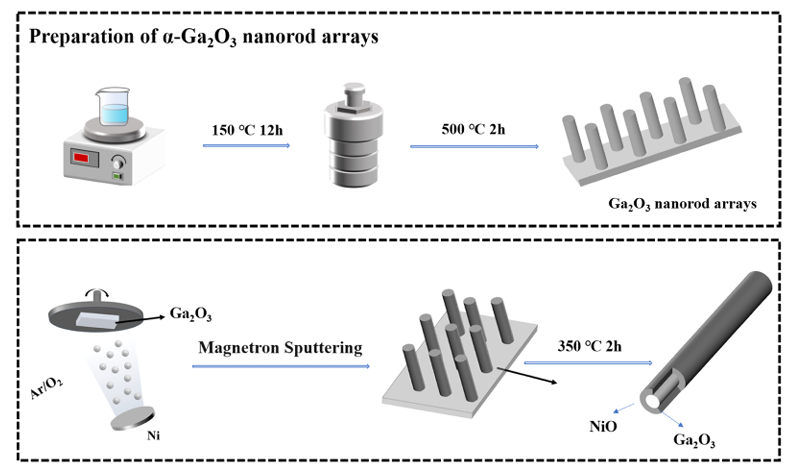
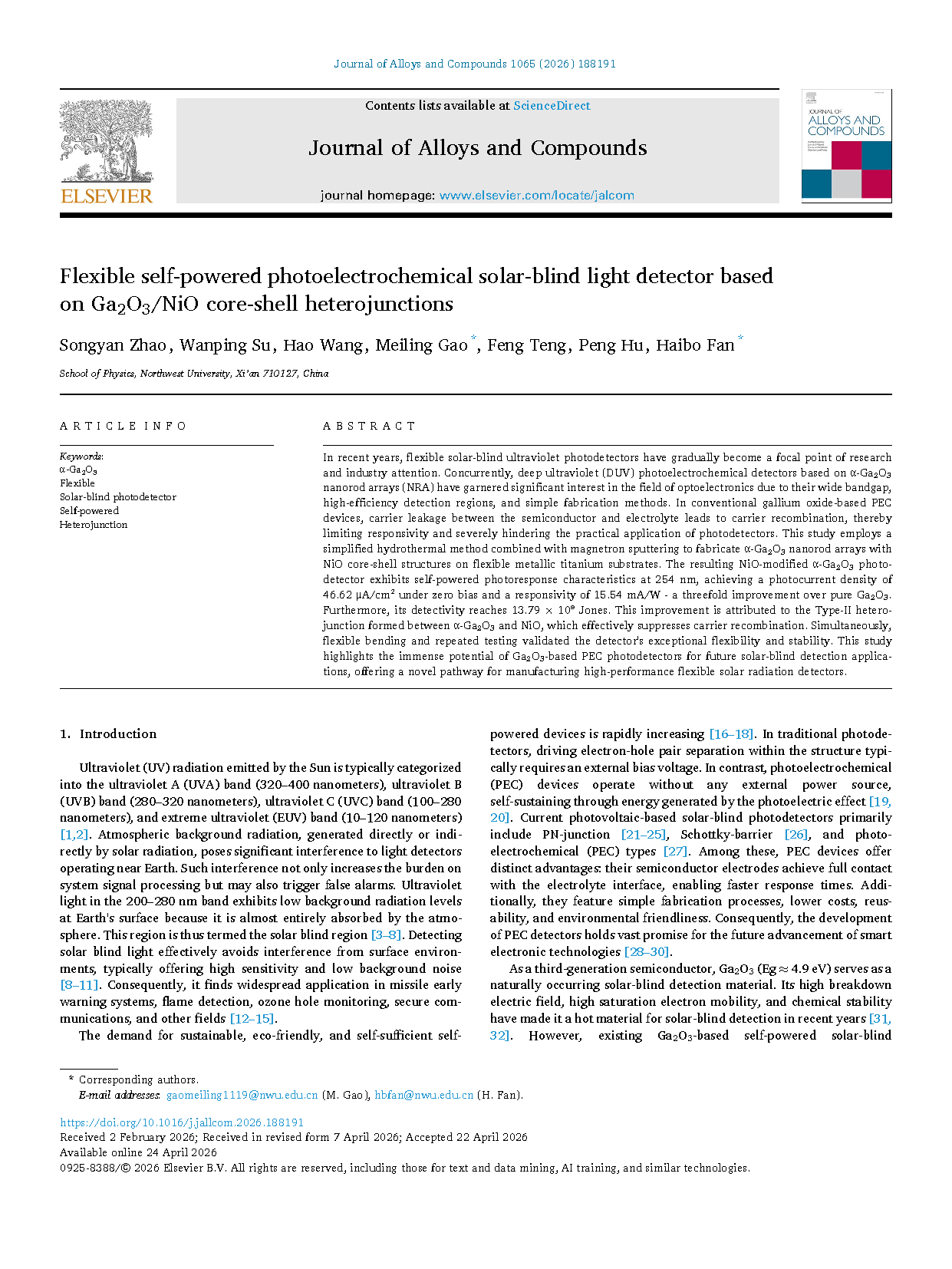
Figure 1 Preparation flow chart of Ga₂O₃/NiO composite structure photodetector.
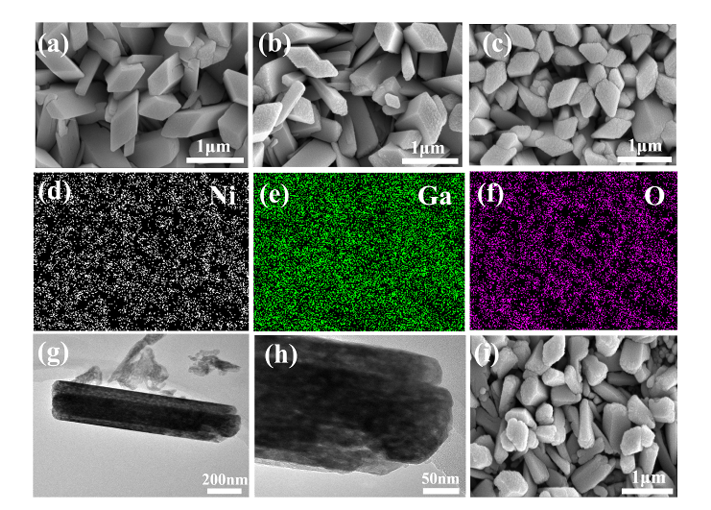
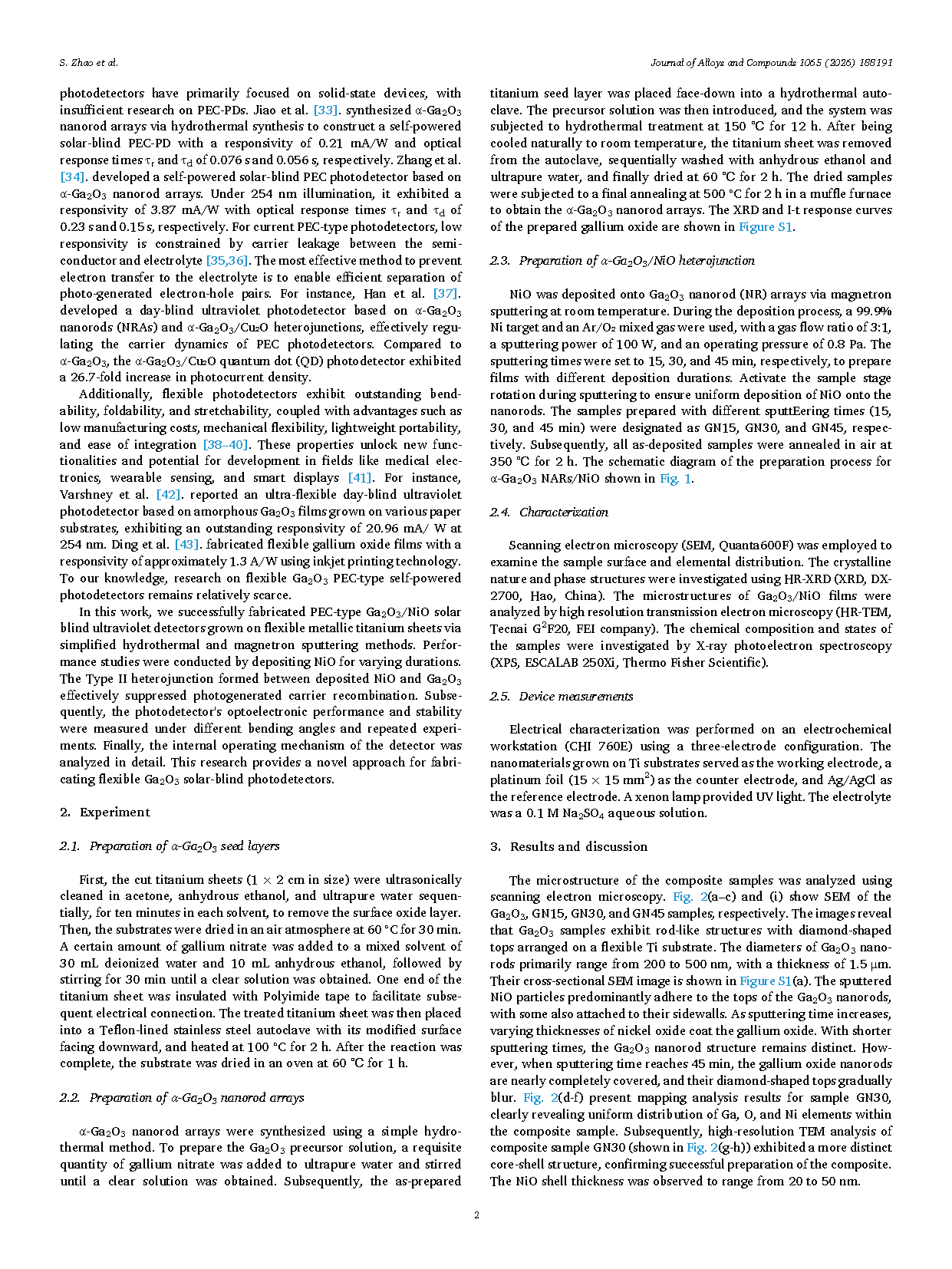
Figure 2 (a–c) SEM images of Ga₂O₃, GN15 and GN30 samples. (d–f) mapping images of GN30 sample. (g–h) TEM images of GN30. (i) SEM images of GN45.
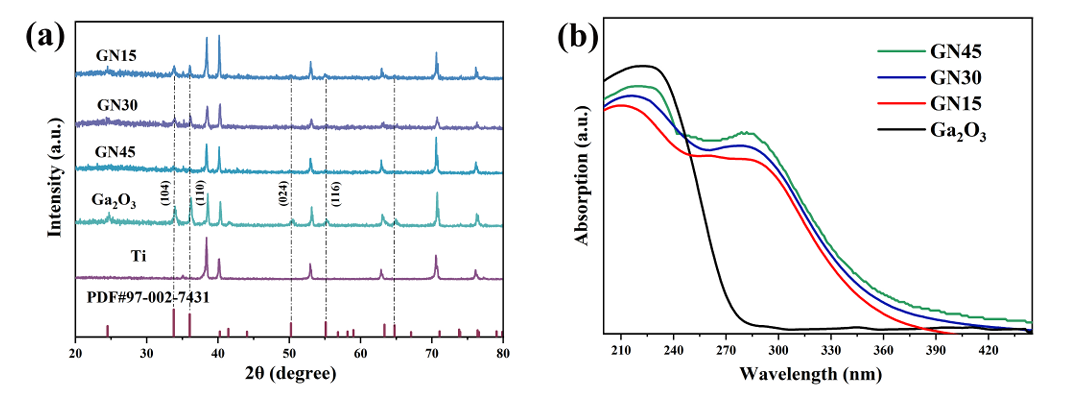
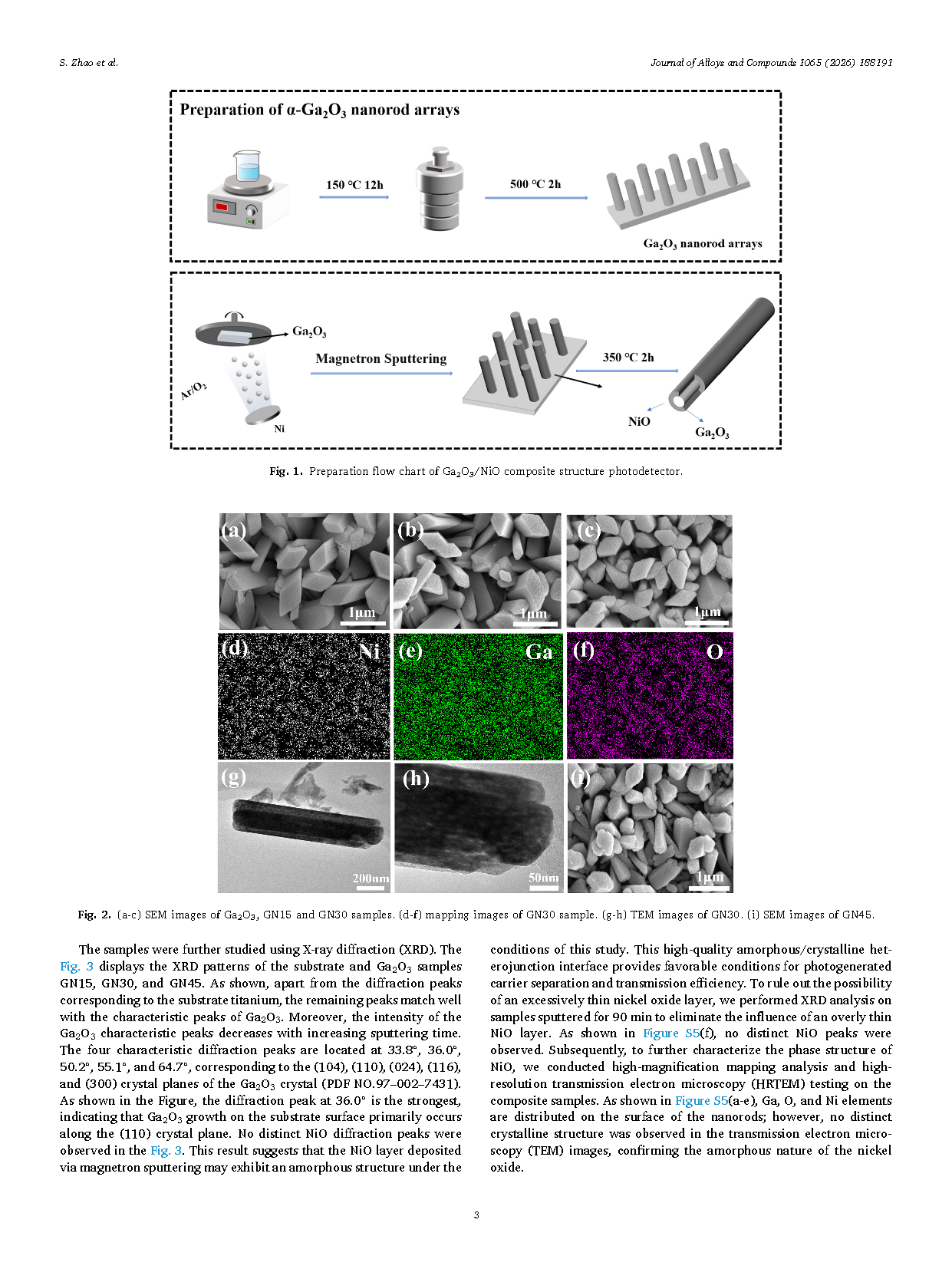
Figure 3 (a) XRD patterns of the substrate and samples Ga₂O₃, GN15, GN30, GN45; (b) Absorption spectra of different samples.
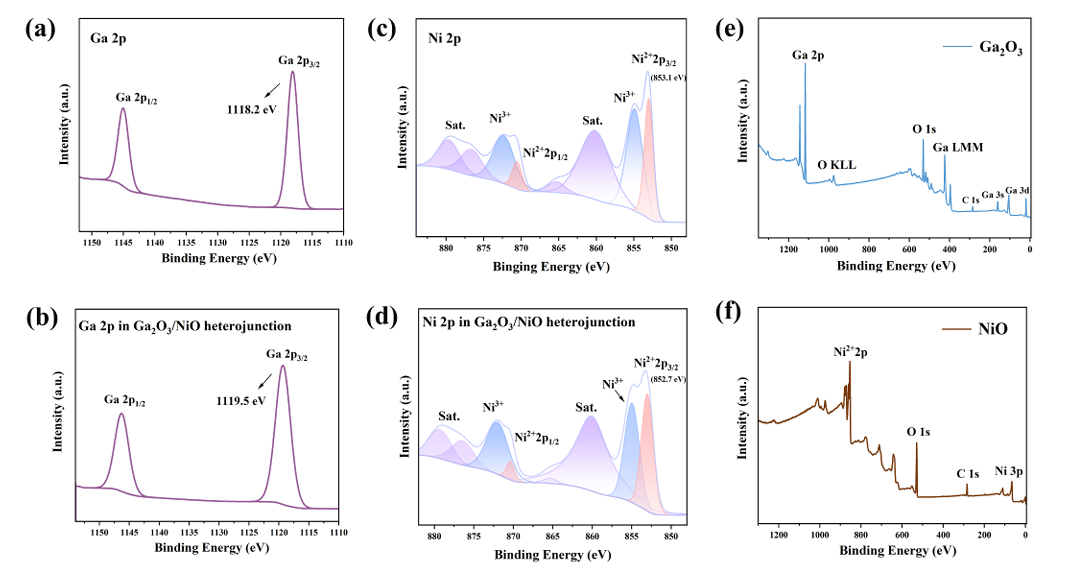
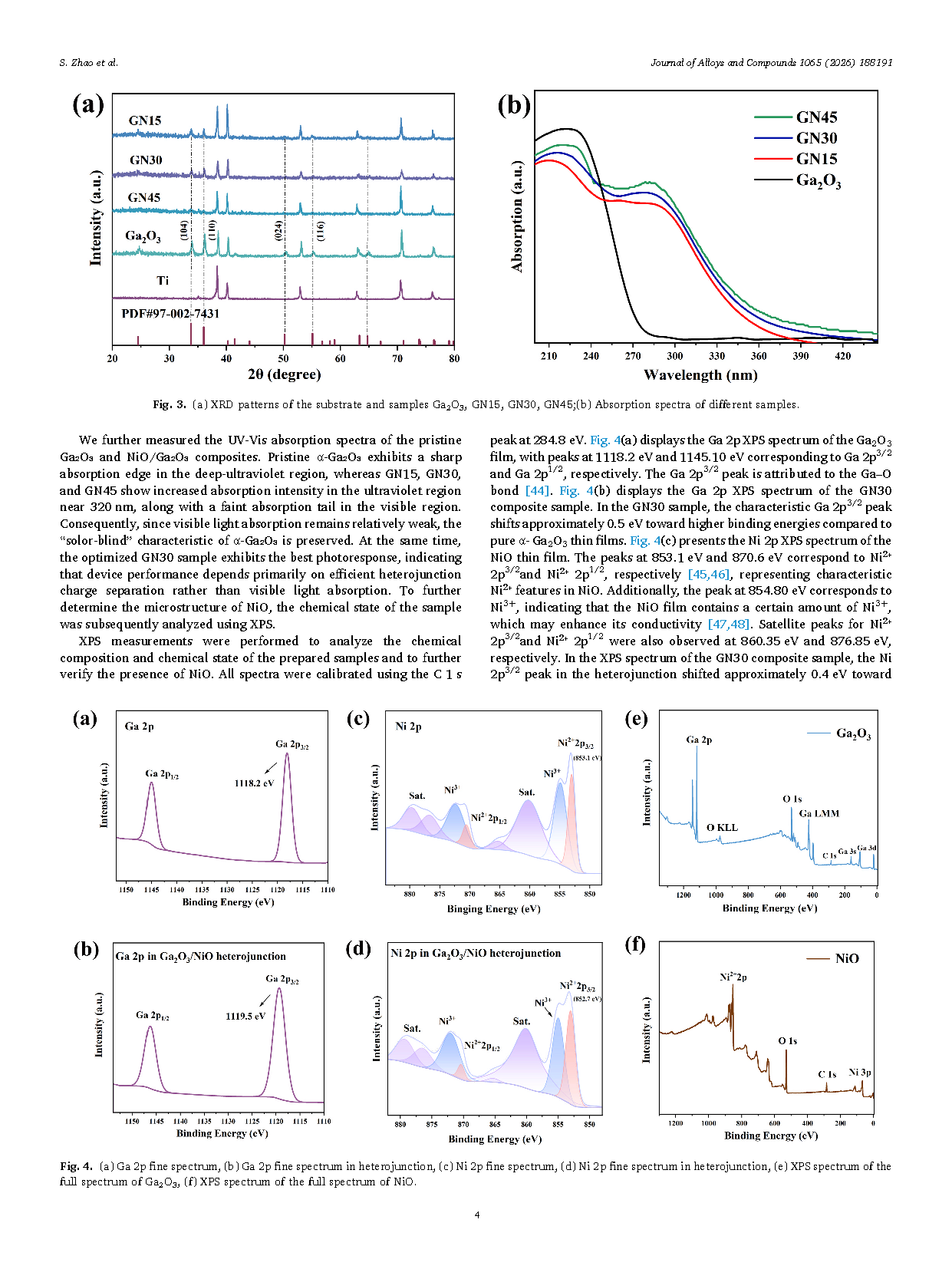
Figure 4 (a) Ga 2p fine spectrum, (b) Ga 2p fine spectrum in heterojunction, (c) Ni 2p fine spectrum, (d) Ni 2p fine spectrum in heterojunction, (e) XPS spectrum of the full spectrum of Ga₂O₃, (f) XPS spectrum of the full spectrum of NiO.
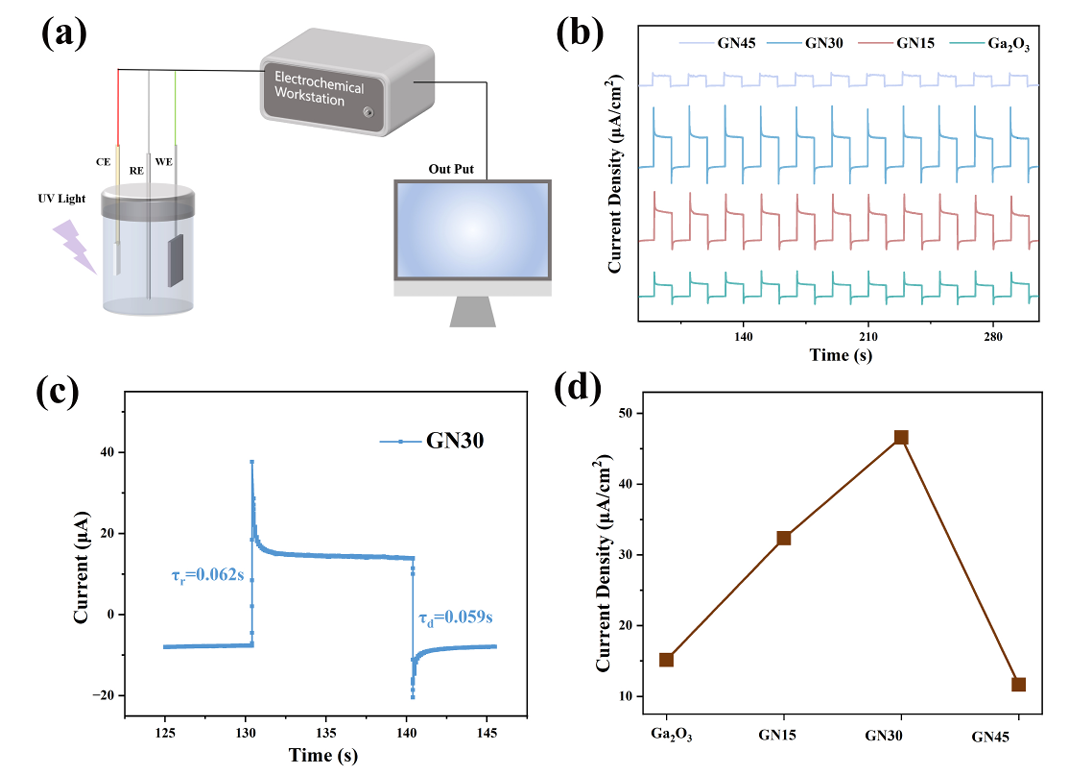
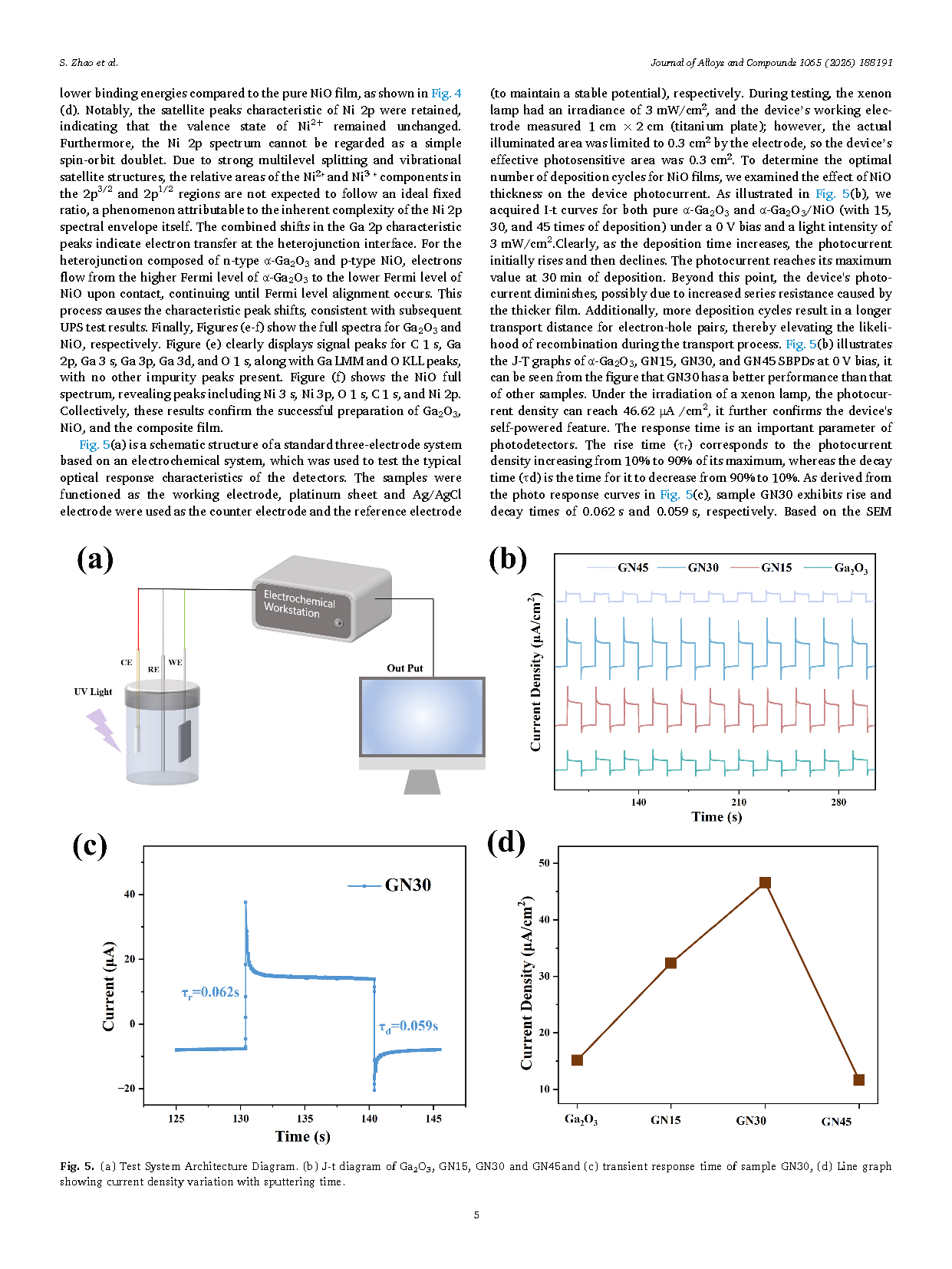
Figure 5 (a) Test System Architecture Diagram. (b) J-t diagram of Ga₂O₃, GN15, GN30 and GN45 and (c) transient response time of sample GN30, (d) Line graph showing current density variation with sputtering time.
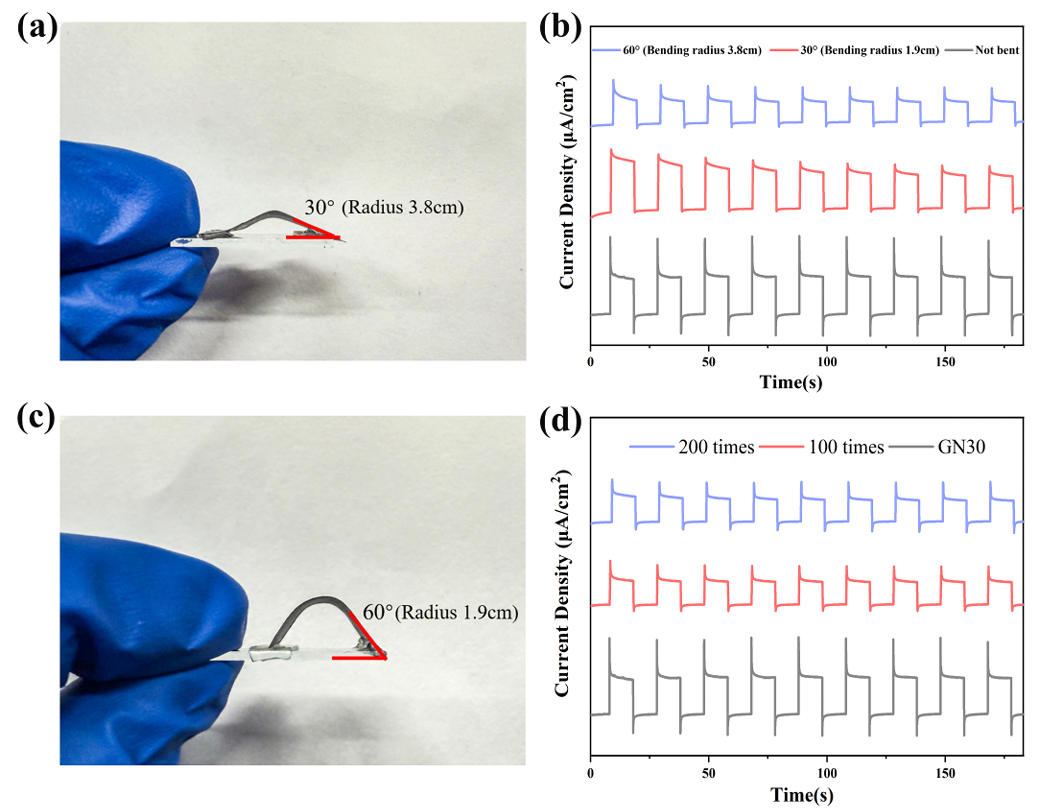
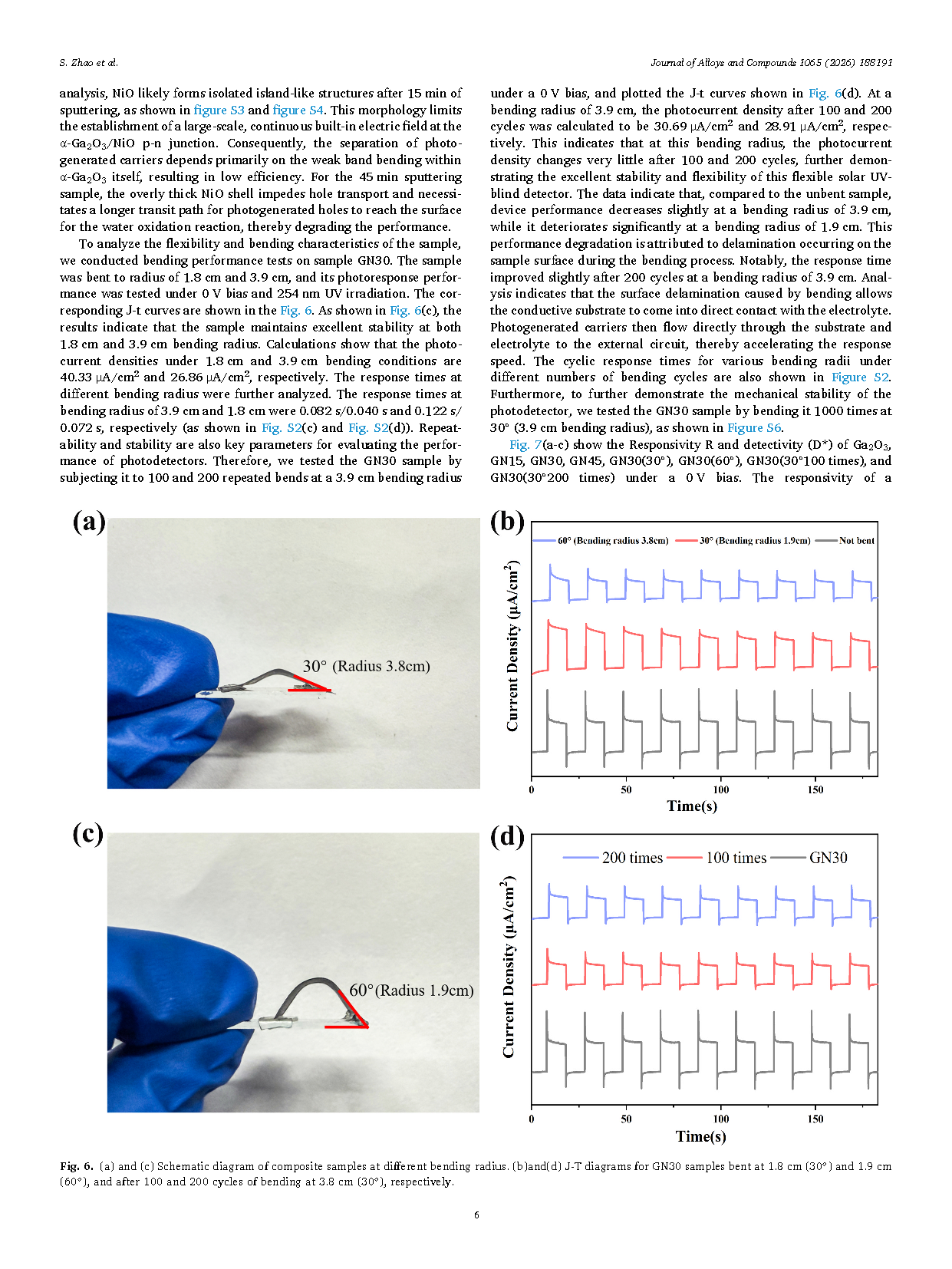
Figure 6 (a) and (c) Schematic diagram of composite samples at different bending radius. (b) and (d) J-T diagrams for GN30 samples bent at 1.8 cm (30°) and 1.9 cm (60°), and after 100 and 200 cycles of bending at 3.8 cm (30°), respectively.
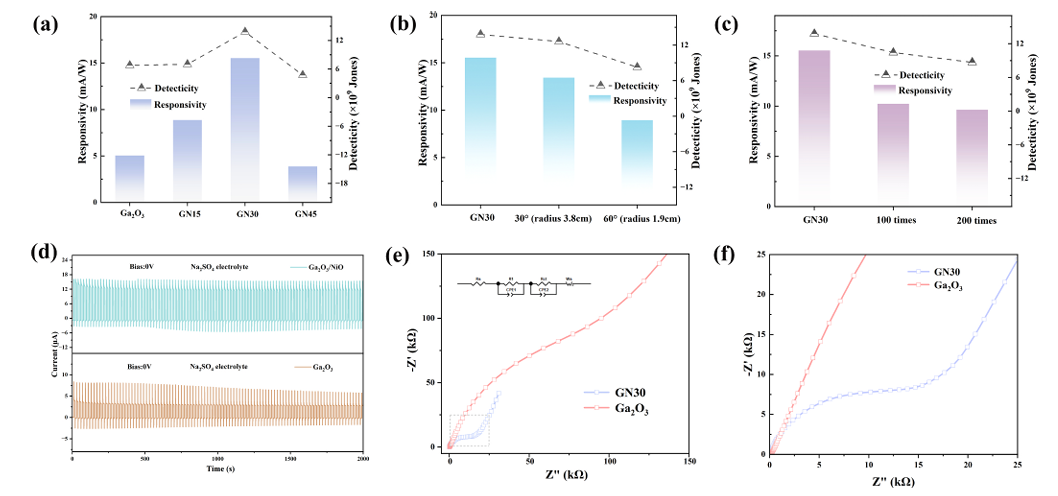
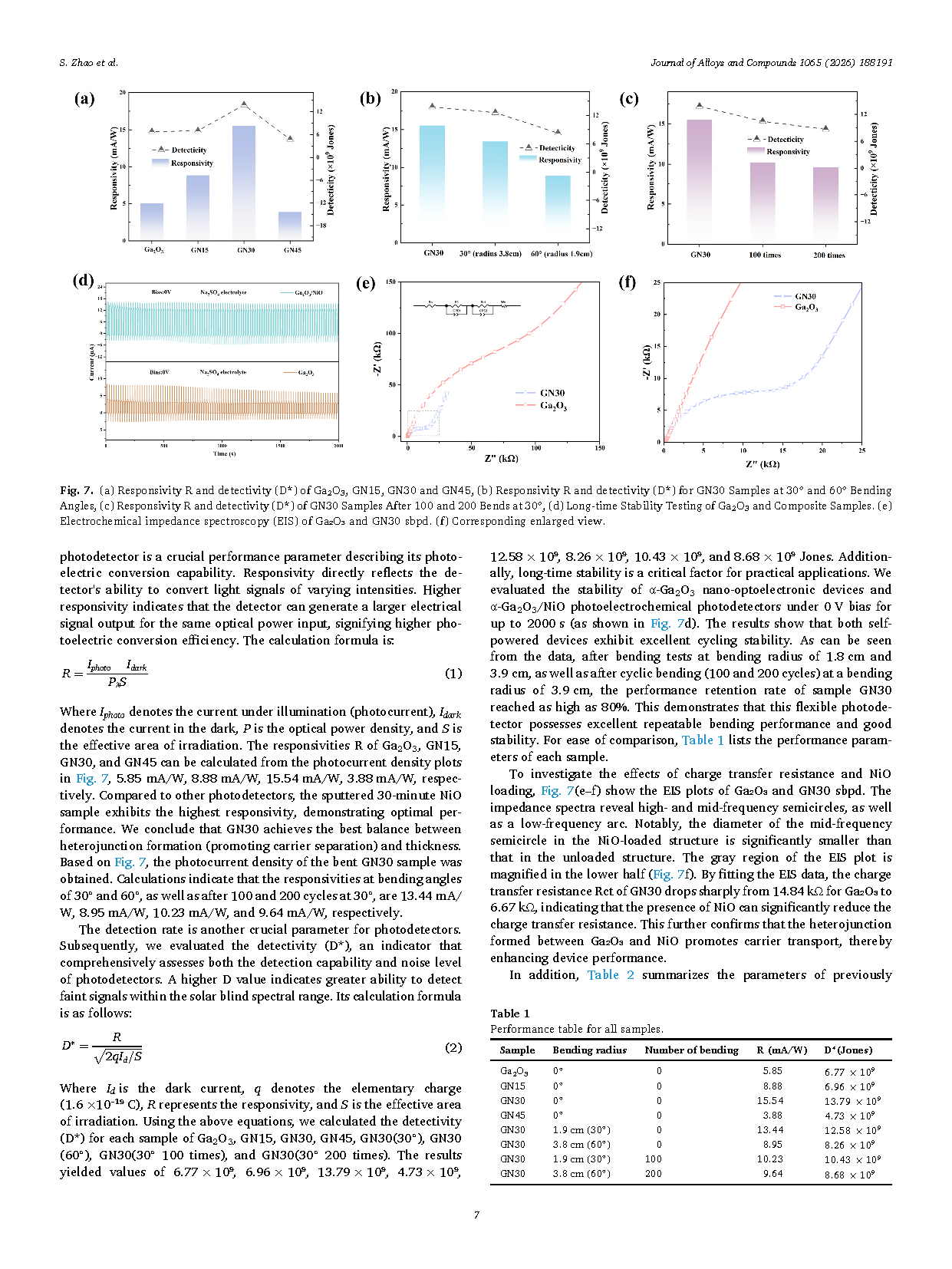
Figure 7 (a) Responsivity R and detectivity (D*) of Ga₂O₃, GN15, GN30 and GN45, (b) Responsivity R and detectivity (D*) for GN30 Samples at 30° and 60° Bending Angles, (c) Responsivity R and detectivity (D*) of GN30 Samples After 100 and 200 Bends at 30°, (d) Long-time Stability Testing of Ga₂O₃ and Composite Samples. (e) Electrochemical impedance spectroscopy (EIS) of Ga₂O₃ and GN30 sbpd. (f) Corresponding enlarged view.
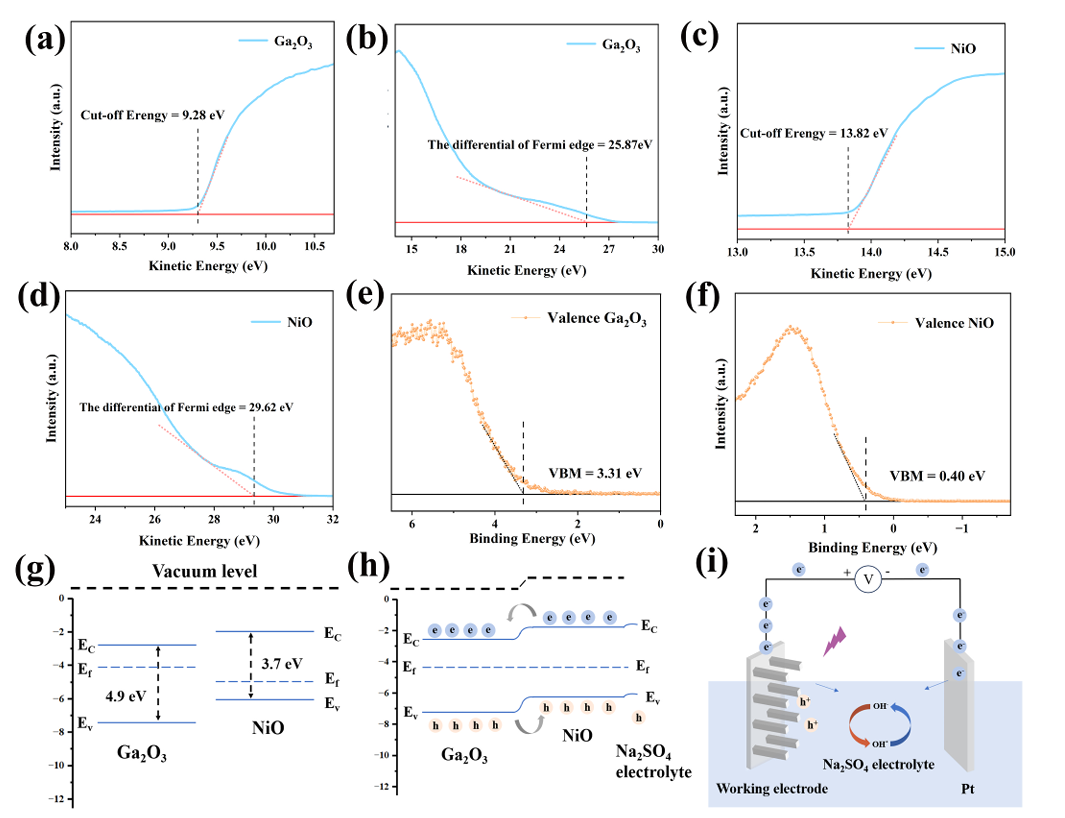
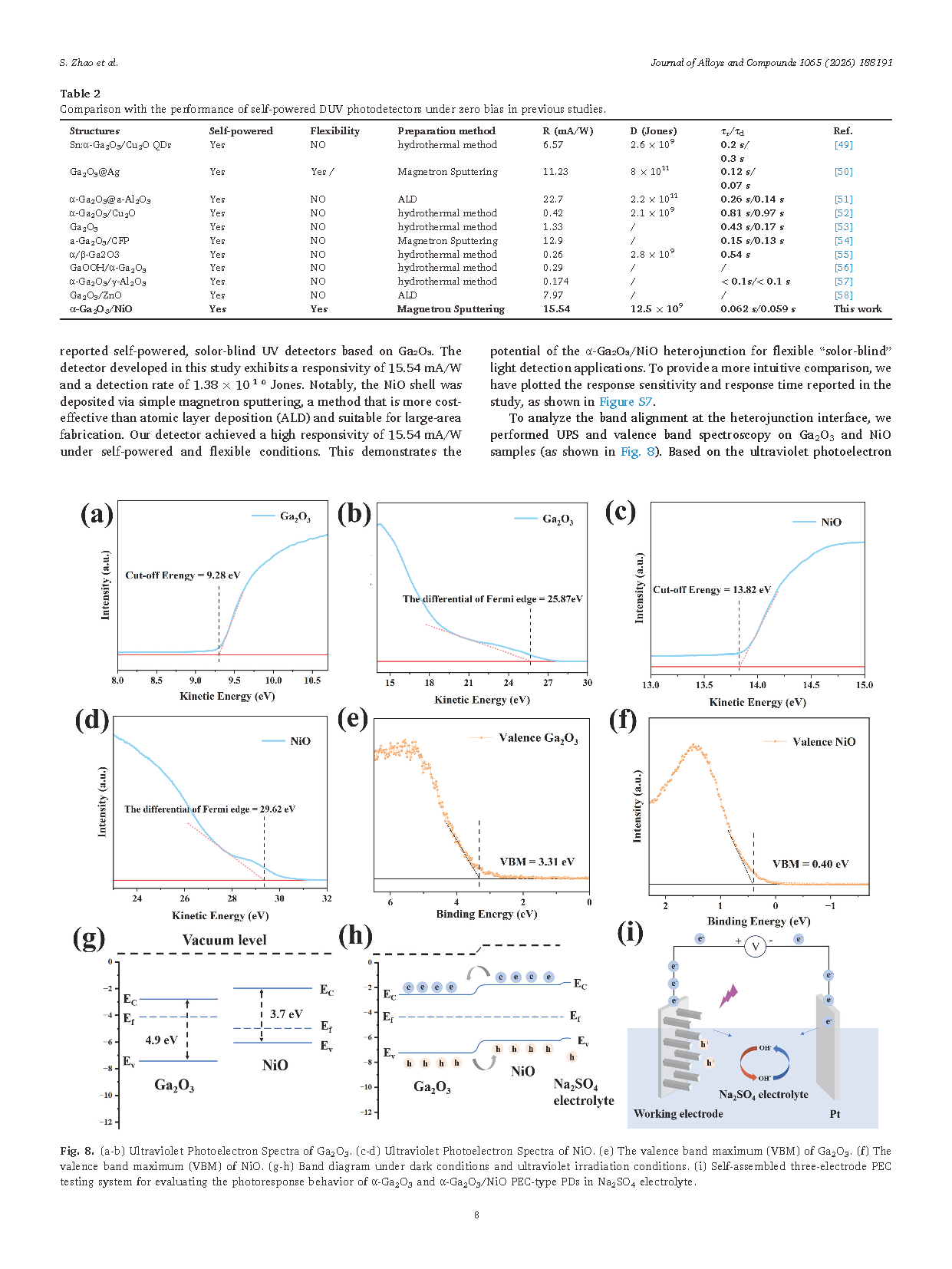
Figure 8 (a–b) Ultraviolet Photoelectron Spectra of Ga₂O₃. (c–d) Ultraviolet Photoelectron Spectra of NiO. (e) The valence band maximum (VBM) of Ga₂O₃ (f) The valence band maximum (VBM) of NiO. (g–h) Band diagram under dark conditions and ultraviolet irradiation conditions. (i) Self-assembled three-electrode PEC testing system for evaluating the photoresponse behavior of α-Ga₂O₃ and α-Ga₂O₃/NiO PEC-type PDs in Na₂SO₄ electrolyte.
DOI:
doi.org/10.1016/j.jallcom.2026.188191
Instruction
Official Account

Cooperation
Top