


Researchers from Hunan University and Suzhou Laboratory have published a dissertation titled “Structural evolution of amorphous SiO₂ and its impact on interfacial heat transport with β‑Ga₂O₃” in Journal of Non-Crystalline Solids.
Background
Amorphous SiO₂ is a core dielectric and structural material in microelectronics, optoelectronics, and power devices, whose structure and thermal properties strongly depend on atomic topology and fabrication processes. As a core ultra-wide bandgap material for power devices, β‑Ga₂O₃ has low intrinsic thermal conductivity, and the heterogeneous interface with amorphous SiO₂ dielectric layer introduces significant thermal resistance, restricting device heat dissipation. Most existing studies focus on phonon transport across crystalline interfaces, while the atomic mechanism of how quenching rate regulates the topological structure of amorphous SiO₂ and further affects the thermal conductance of β‑Ga₂O₃/SiO₂ interface is still unclear. There is a lack of systematic research linking amorphous structure, vibrational properties, and interfacial thermal transport.
Abstract
Amorphous silica (a‑SiO₂) serves as an essential dielectric and structural material in microelectronics, photonics, and advanced power devices. Its thermal and structural properties are strongly governed by variations in atomic topology, which are in turn highly sensitive to fabrication processing such as melt‑quench cooling. In this study, we employ a machine‑learning interatomic potential with DFT accuracy to systematically investigate the amorphization of SiO₂ over a wide range of quenching rates and to examine the implications of amorphous topology on thermal transport. Molecular dynamics simulations reveal that rapid quenching produces a highly disordered network with broad distributions of local defects, whereas slow quenching enables enhanced medium‑range ordering and densification. These structural differences lead to pronounced variations in thermal conductivity. Extending the analysis to β‑Ga₂O₃/a‑SiO₂ heterointerfaces, we show that the interfacial thermal conductance is strongly influenced by the vibrational spectrum of a‑SiO₂ and its quench‑rate‑dependent relaxation. This work establishes an atomistic link between amorphous topology, vibrational features, and interfacial heat transport, offering guidance for designing thermally efficient oxide heterostructures.
Highlights
A DFT-accurate machine learning potential is developed for SiO₂ to accurately describe amorphous and interfacial structures.
The effects of quenching rate on the structural evolution of amorphous SiO₂ are systematically revealed.
Slow quenching enhances medium-range ordering and densification, improving the thermal conductivity of a‑SiO₂.
Interfacial thermal conductance of β‑Ga₂O₃/a‑SiO₂ is determined by amorphous relaxation and crystal orientation.
An atomistic link between amorphous topology, vibration, and interfacial thermal transport is established.
Conclusion
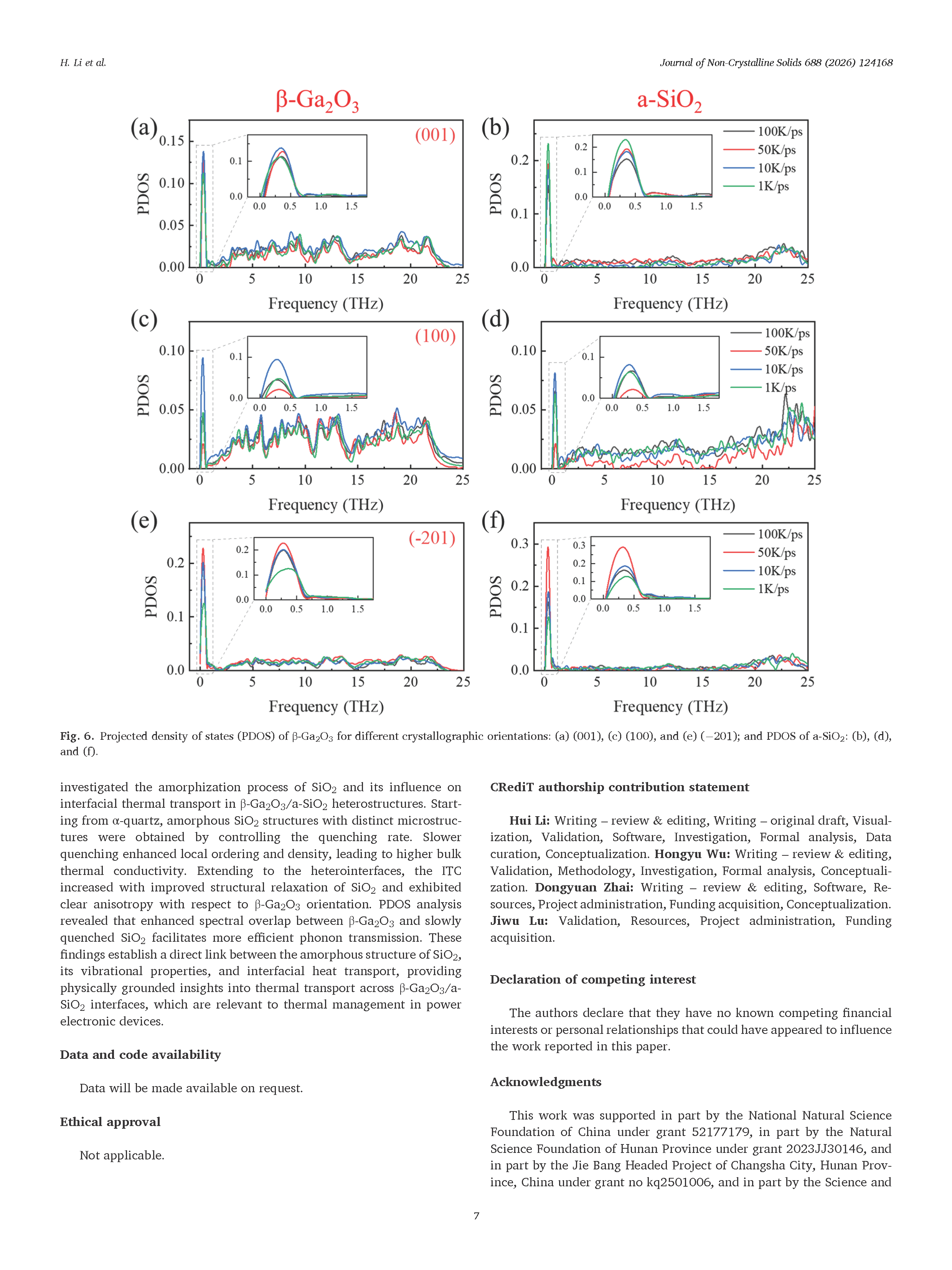
Using Deep Potential molecular dynamics, we systematically investigated the amorphization process of SiO₂ and its influence on interfacial thermal transport in β‑Ga₂O₃/a‑SiO₂ heterostructures. Starting from α‑quartz, amorphous SiO₂ structures with distinct microstructures were obtained by controlling the quenching rate. Slower quenching enhanced local ordering and density, leading to higher bulk thermal conductivity. Extending to the heterointerfaces, the ITC increased with improved structural relaxation of SiO₂ and exhibited clear anisotropy with respect to β‑Ga₂O₃ orientation. PDOS analysis revealed that enhanced spectral overlap between β‑Ga₂O₃ and slowly quenched SiO₂ facilitates more efficient phonon transmission. These findings establish a direct link between the amorphous structure of SiO₂ its vibrational properties, and interfacial heat transport, providing physically grounded insights into thermal transport across β‑Ga₂O₃/a‑SiO₂ interfaces, which are relevant to thermal management in power electronic devices.
Project Support
This work was supported in part by the National Natural Science Foundation of China under grant 52177179, in part by the Natural Science Foundation of Hunan Province under grant 2023JJ30146, and in part by the Jie Bang Headed Project of Changsha City, Hunan Province, China under grant no kq2501006, and in part by the Science and Technology Innovation Program Project of Hunan Province, China under grant no 2025QK3012.
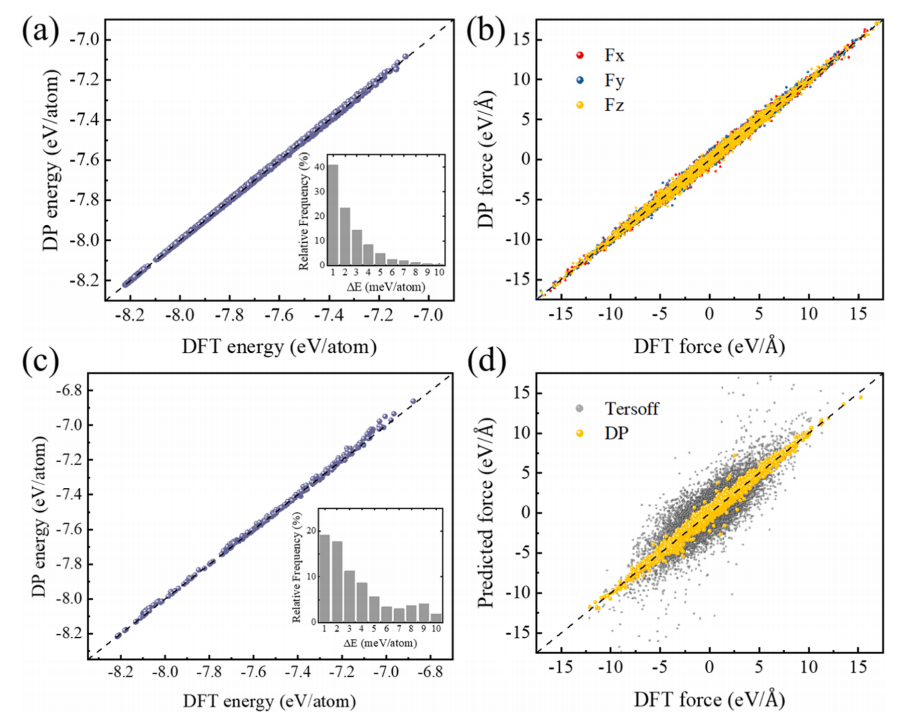
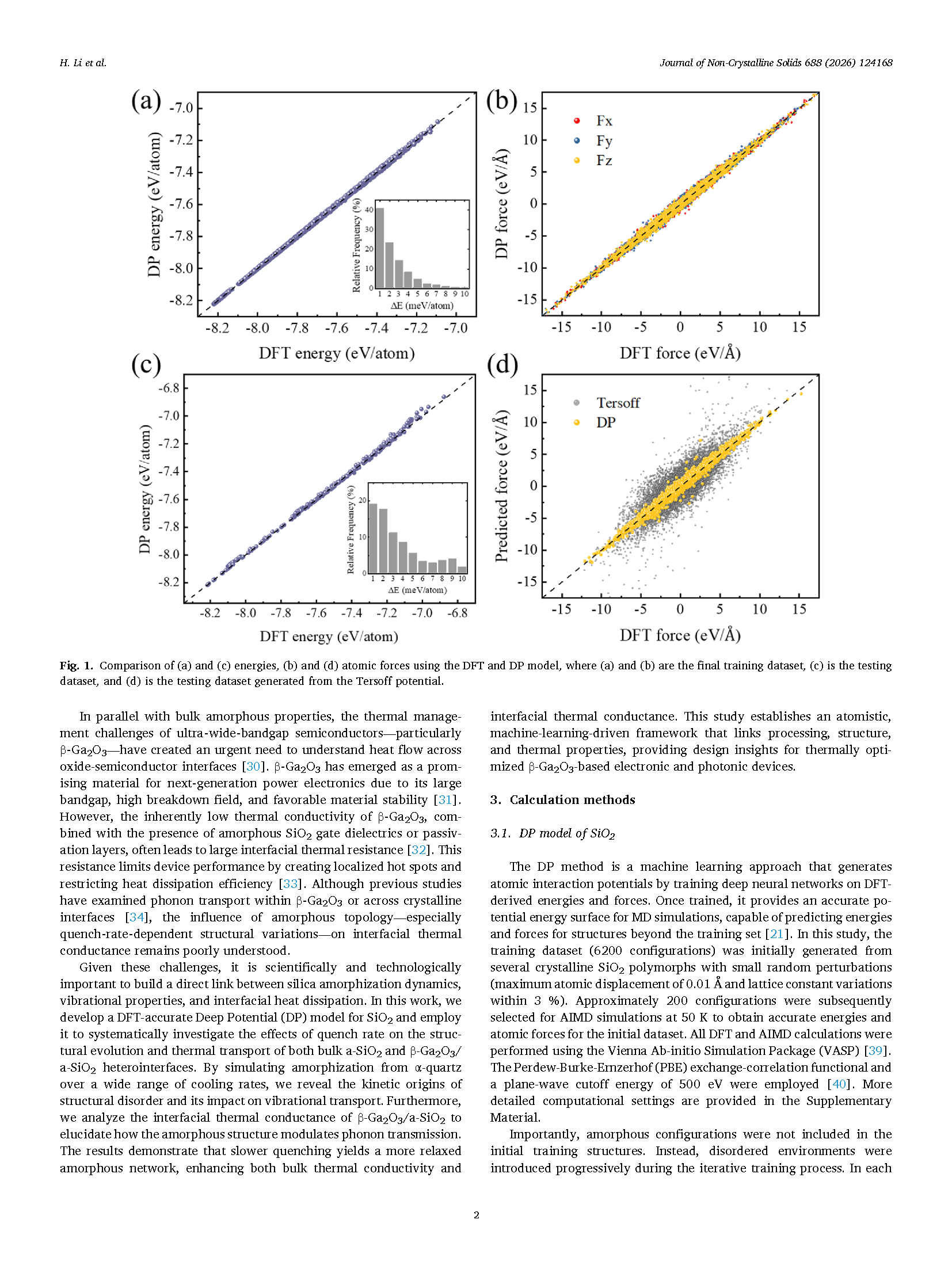
Fig. 1. Comparison of (a) and (c) energies, (b) and (d) atomic forces using the DFT and DP model, where (a) and (b) are the final training dataset, (c) is the testing dataset, and (d) is the testing dataset generated from the Tersoff potential.
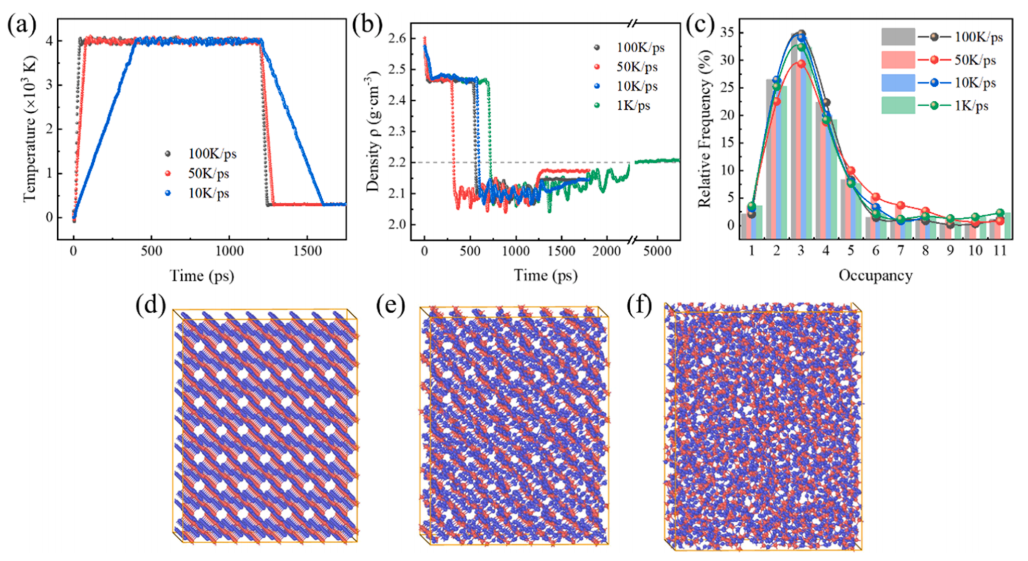
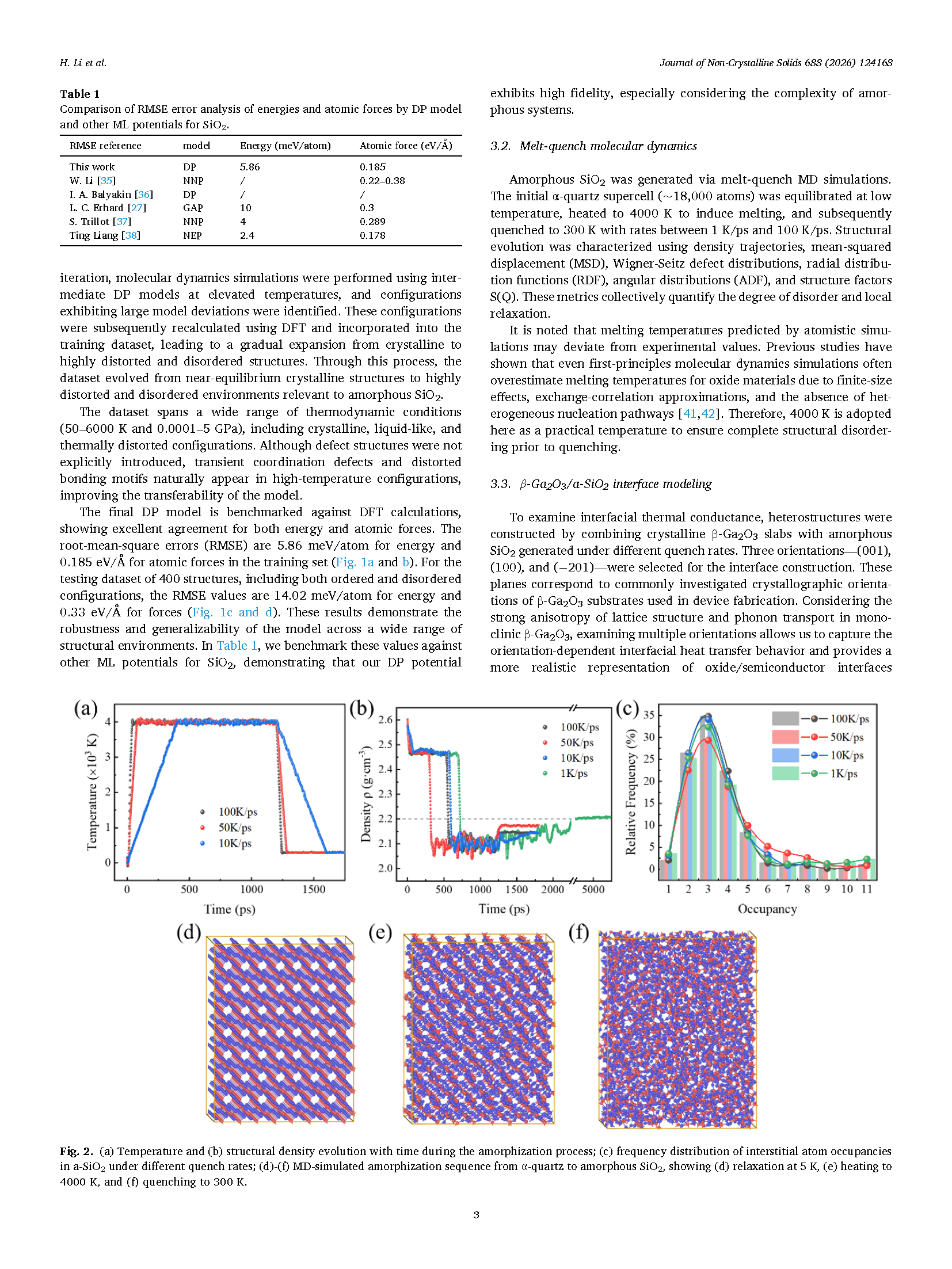
Fig. 2. (a) Temperature and (b) structural density evolution with time during the amorphization process; (c) frequency distribution of interstitial atom occupancies in a‑SiO₂ under different quench rates; (d)‑(f) MD‑simulated amorphization sequence from α‑quartz to amorphous SiO₂, showing (d) relaxation at 5 K, (e) heating to 4000 K, and (f) quenching to 300 K.
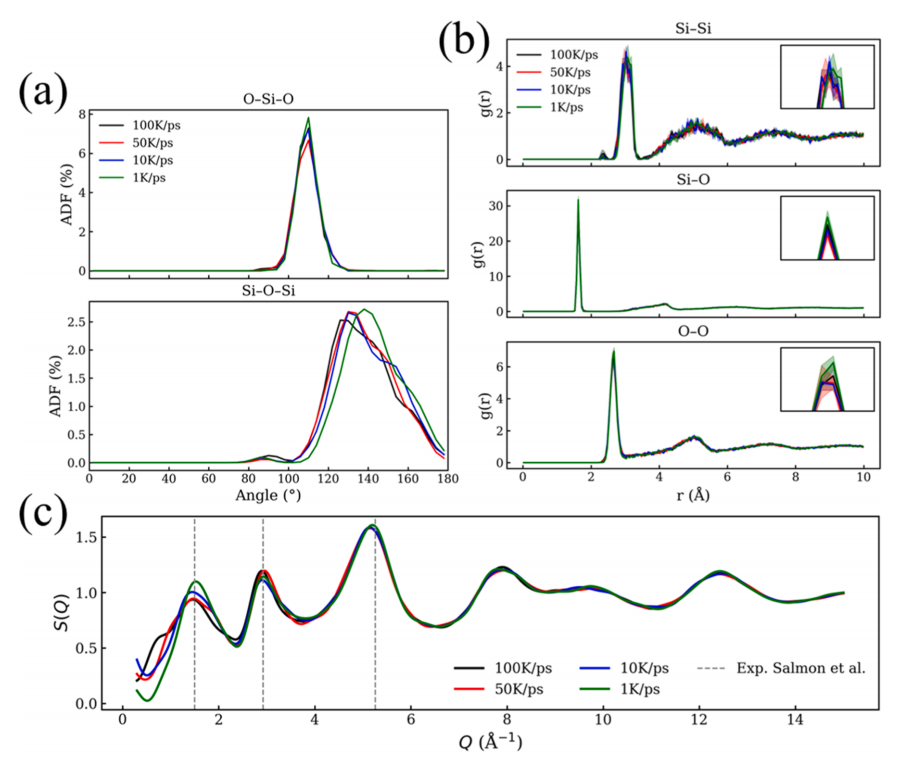
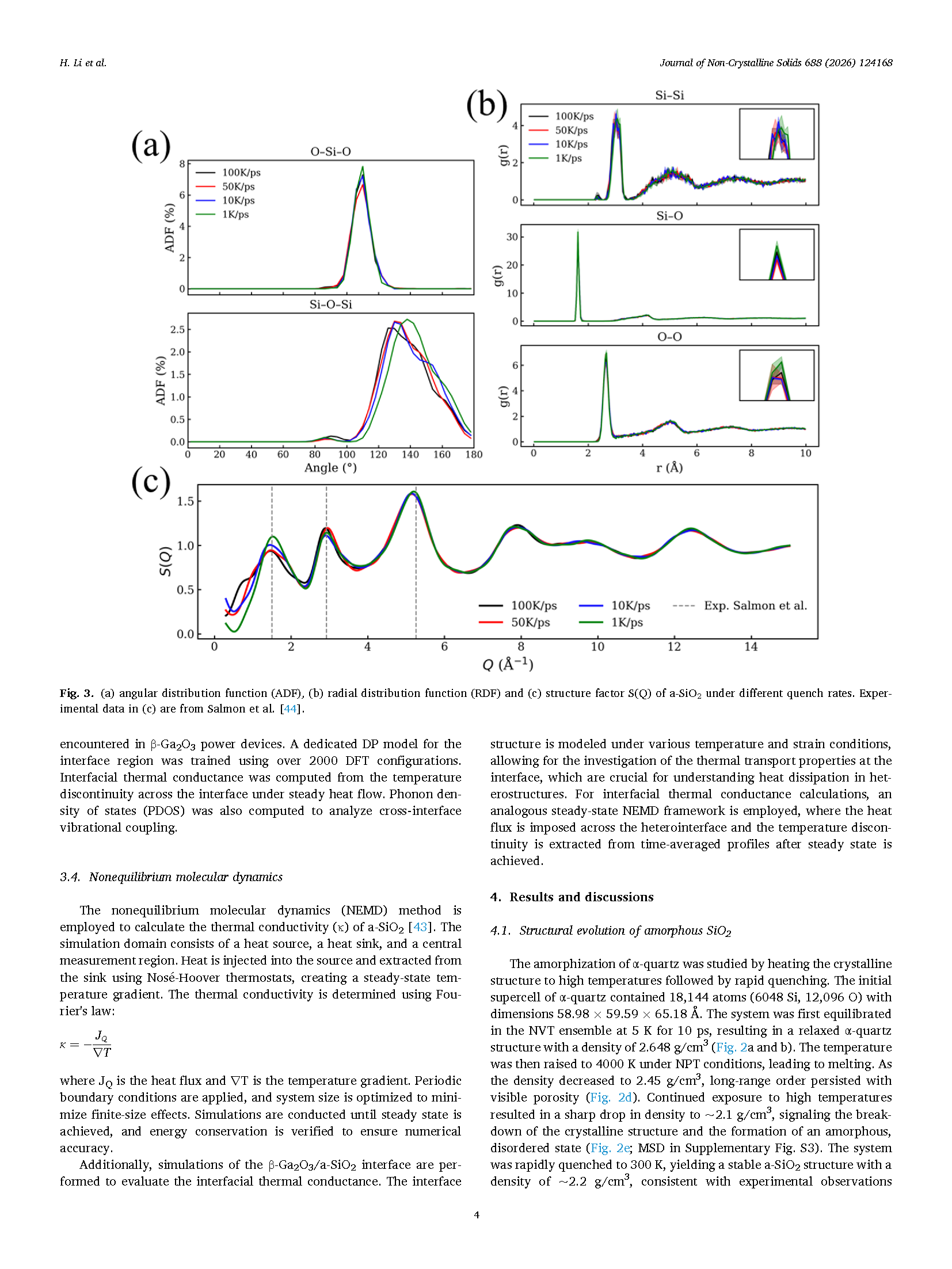
Fig. 3. (a) angular distribution function (ADF), (b) radial distribution function (RDF) and (c) structure factor S (Q) of a‑SiO₂ under different quench rates. Experimental data in (c) are from Salmon et al.
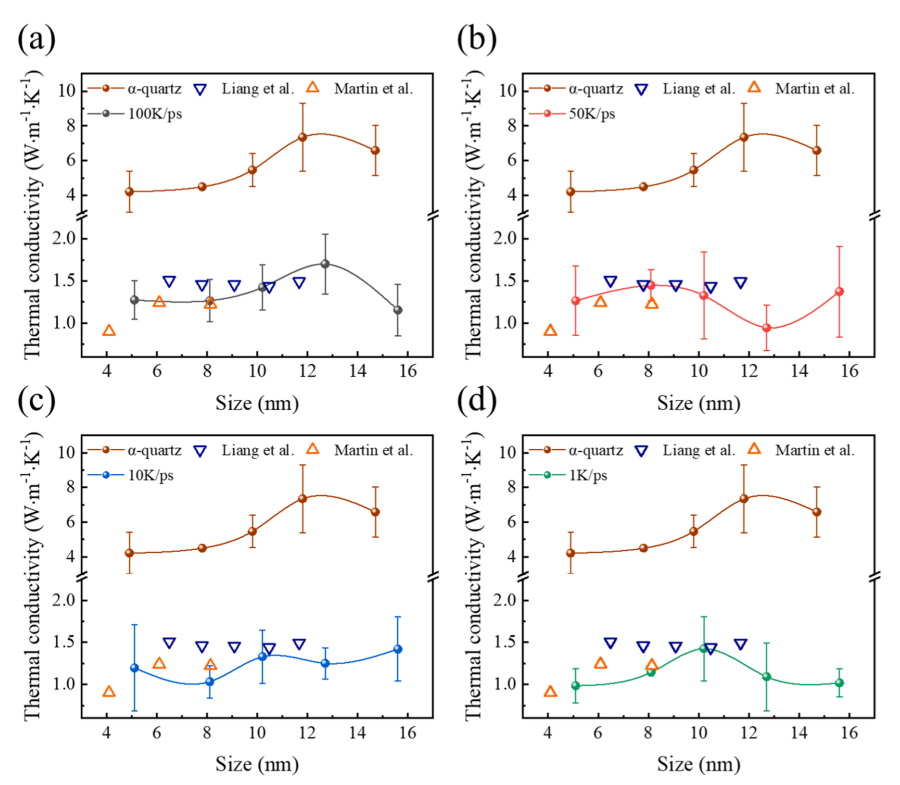
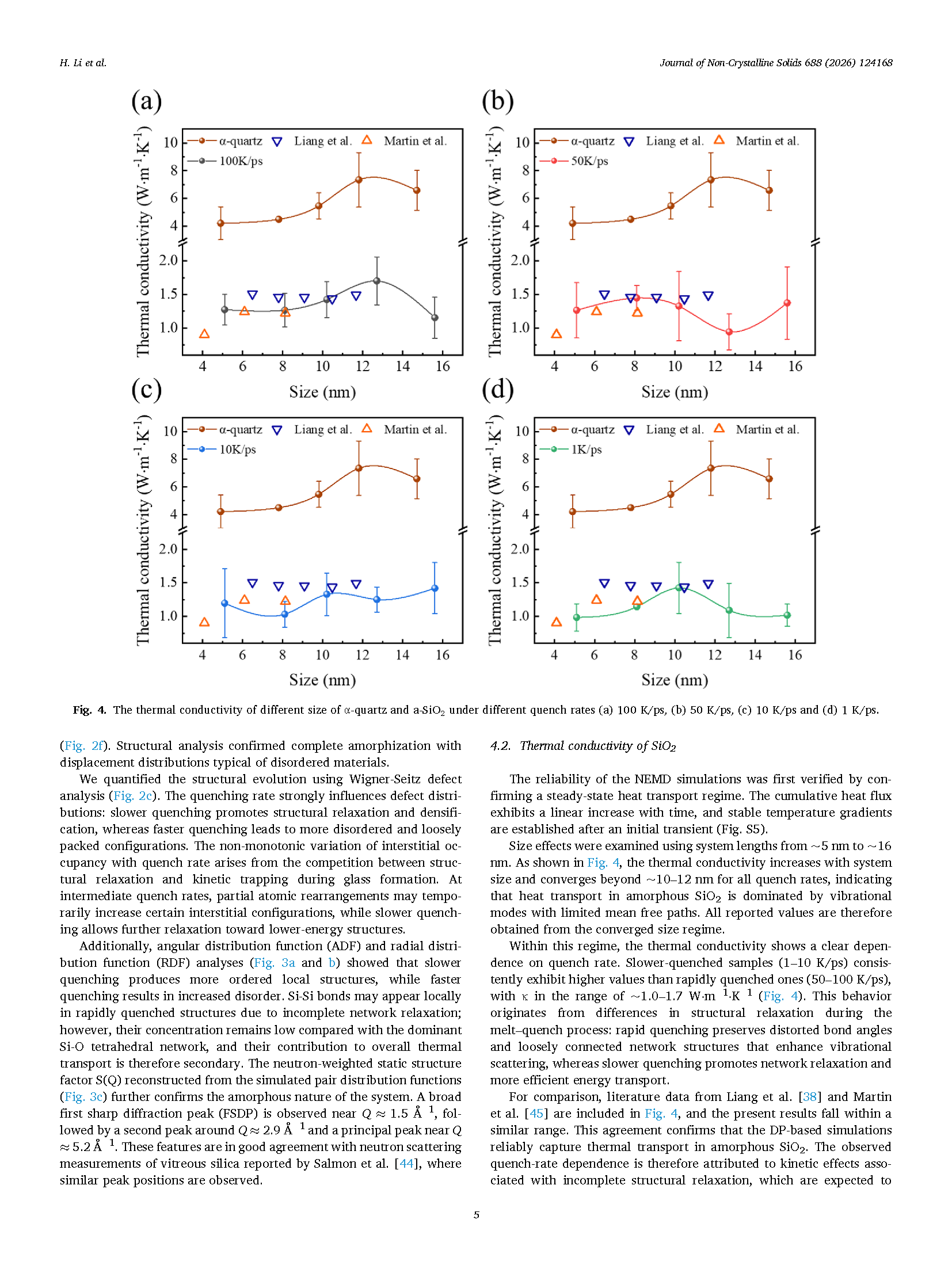
Fig. 4. The thermal conductivity of different size of α‑quartz and a‑SiO₂ under different quench rates (a) 100 K/ps, (b) 50 K/ps, (c) 10 K/ps and (d) 1 K/ps.
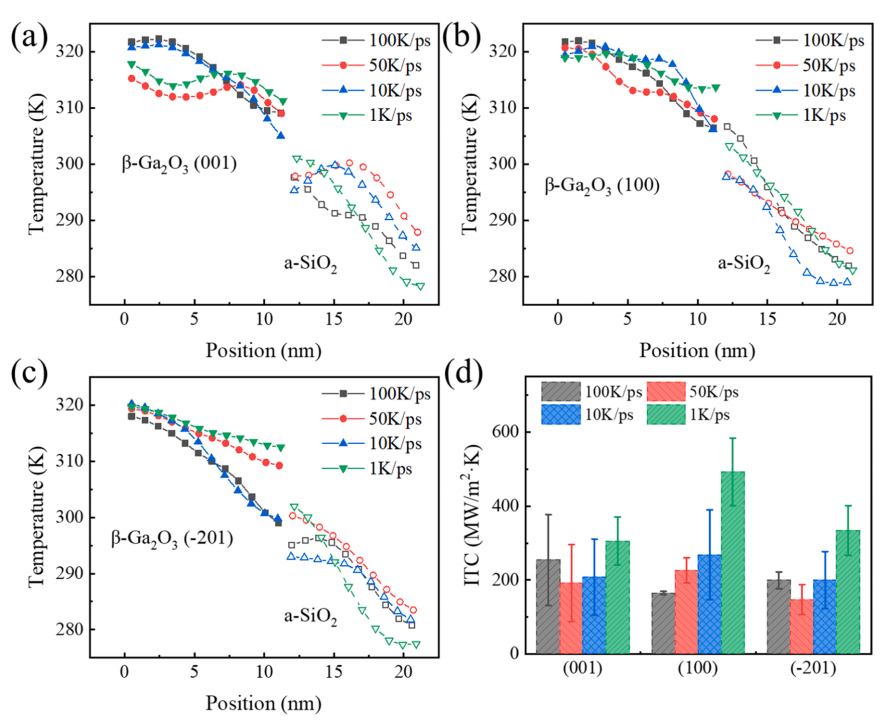
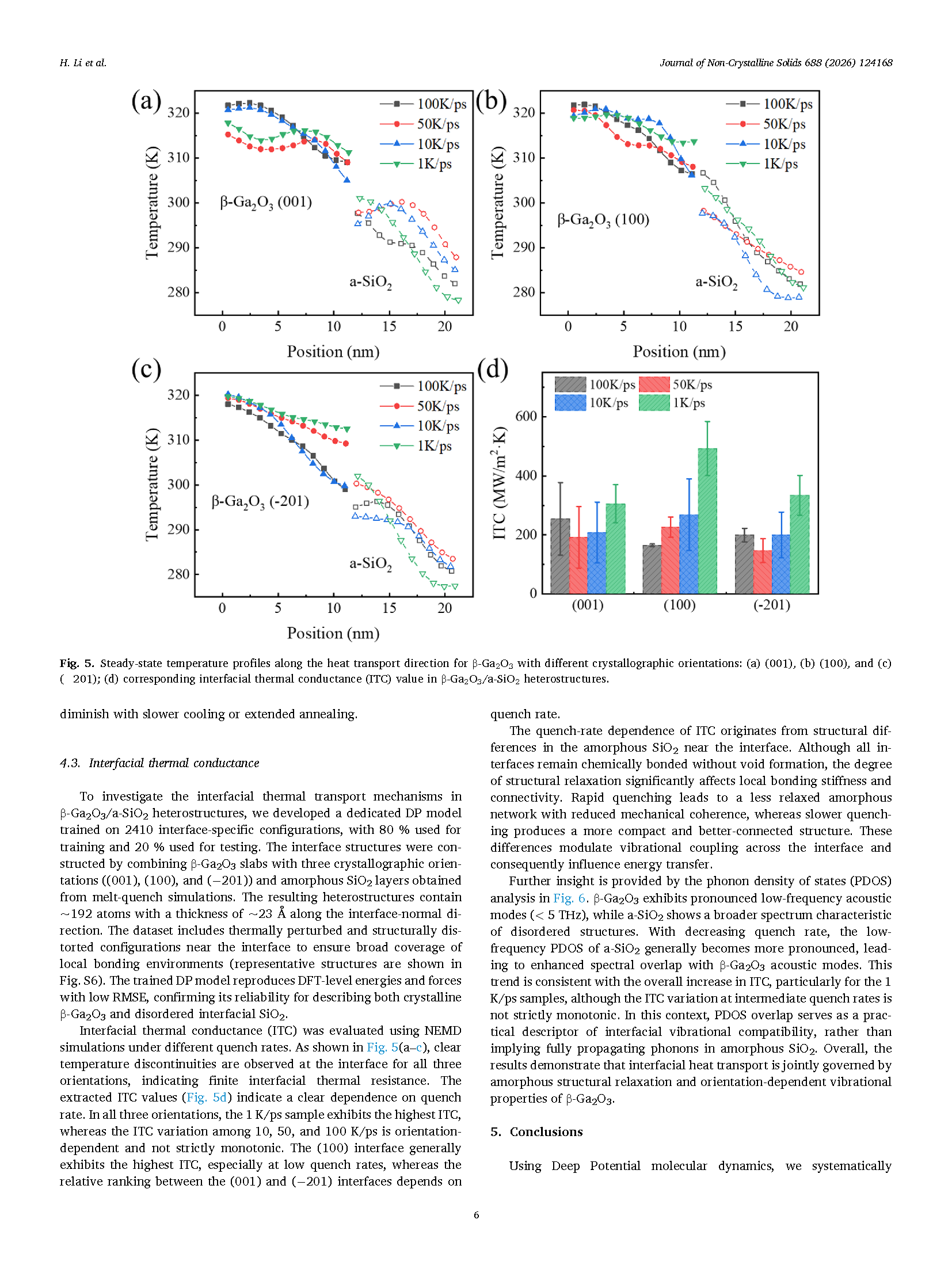
Fig. 5. Steady‑state temperature profiles along the heat transport direction for β‑Ga₂O₃ with different crystallographic orientations: (a) (001), (b) (100), and (c) (-201); (d) corresponding interfacial thermal conductance (ITC) value in β‑Ga₂O₃/a‑SiO₂ heterostructures.
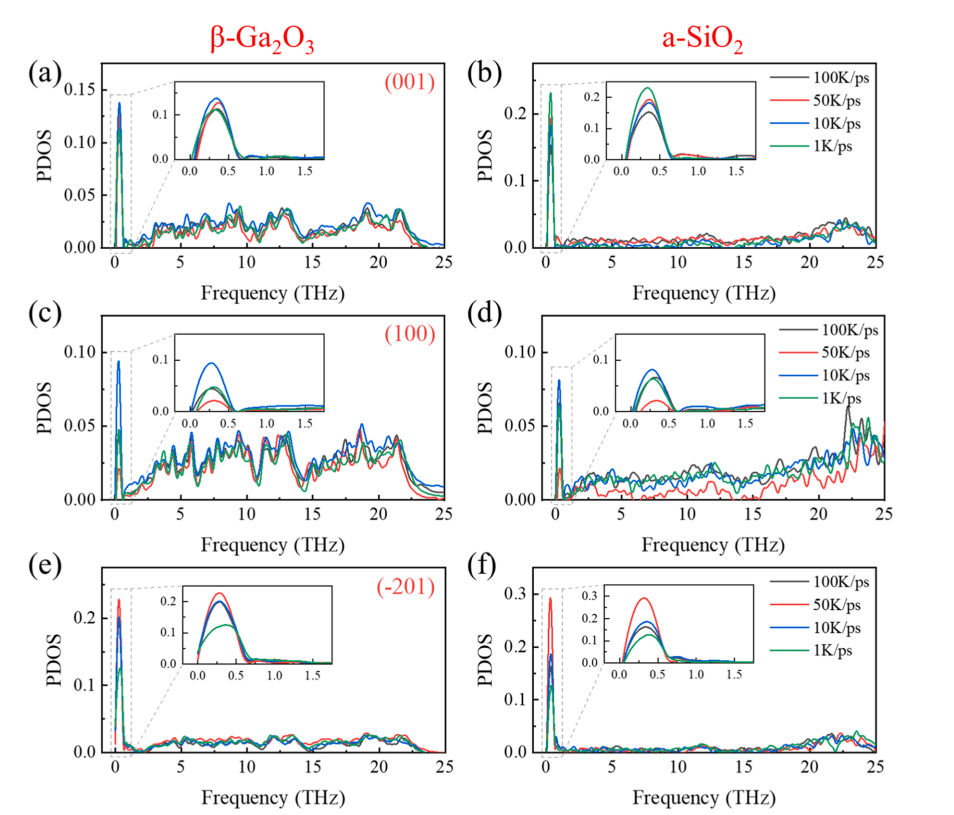
Fig. 6. Projected density of states (PDOS) of β‑Ga₂O₃ for different crystallographic orientations: (a) (001), (c) (100), and (e) (-201); and PDOS of a‑SiO₂: (b), (d), and (f).
DOI:
doi.org/10.1016/j.jnoncrysol.2026.124168
Instruction
Official Account

Cooperation
Top