


Researchers from the Changchun University of Science and Technology have published a dissertation titled " Effect of oxygen vacancy modulation on the photodetector performance of a single Ga2O3 microwire" in Materials & Design.
Background
Solar-blind photodetectors are a type of ultraviolet detection device operating in the 200–280 nm wavelength range. Since solar radiation in this band is almost completely absorbed by the atmospheric ozone layer, resulting in extremely low background interference on the Earth's surface, they possess the advantages of high signal-to-noise ratio and excellent detection accuracy, holding important application value in missile warning, fire monitoring, space communication, environmental monitoring, biomedical sensing and other fields. Ultra-wide bandgap semiconductors are the core materials for fabricating solar-blind photodetectors. Among them, gallium oxide (Ga₂O₃) has become a research hotspot in this field due to its ultra-wide bandgap of 4.5–4.9 eV, excellent physical and chemical stability, and mature preparation process.
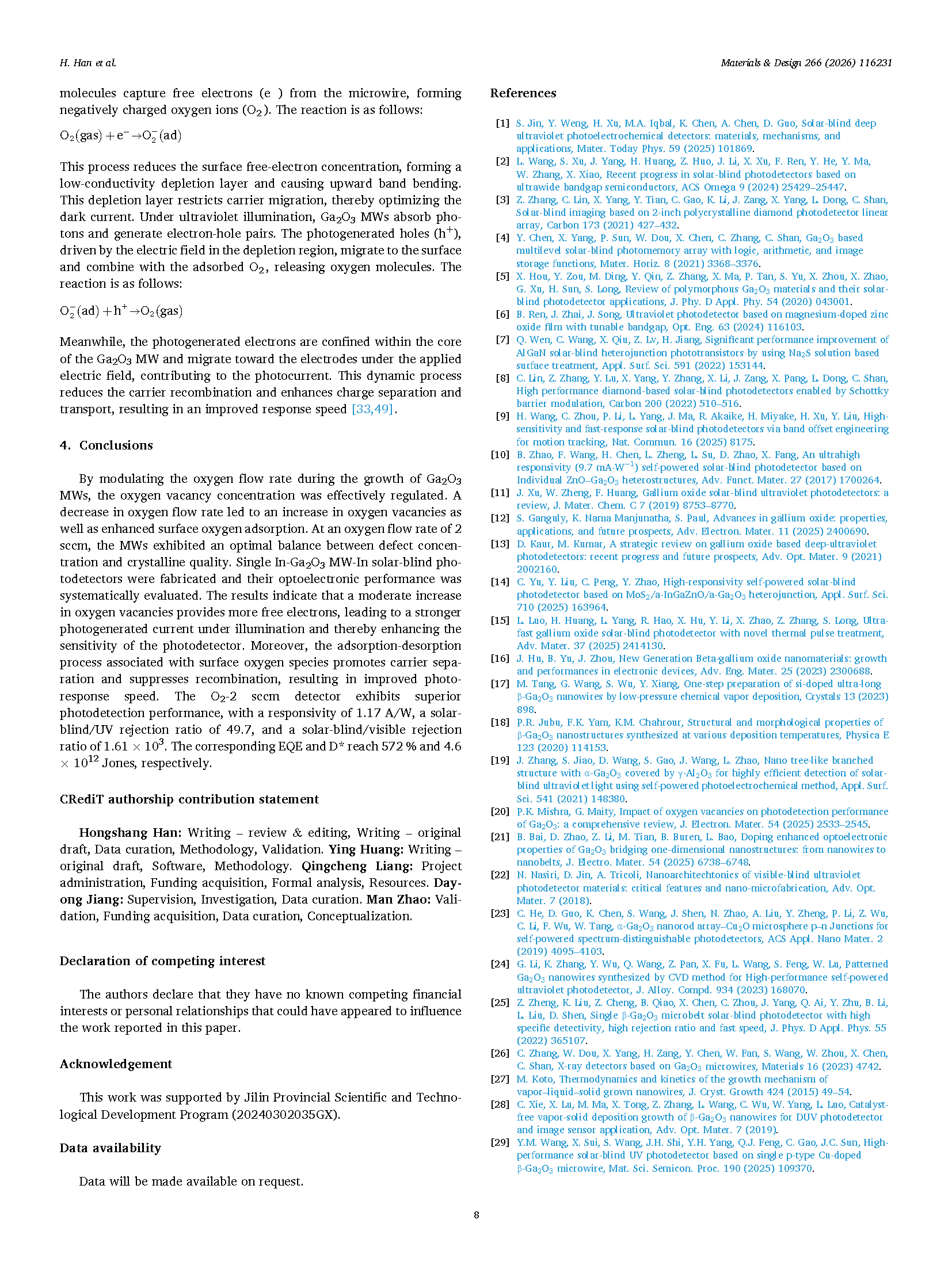
One-dimensional gallium oxide microwires (Ga₂O₃ MWs) have a higher specific surface area than thin films and nanowire arrays, which can fully exert the carrier confinement effect and surface effect of one-dimensional materials. Meanwhile, they exhibit excellent high-temperature stability and radiation hardness, making them an ideal platform for defect engineering such as oxygen vacancy modulation and high-performance solar-blind photodetection. As the dominant intrinsic defects in Ga₂O₃, oxygen vacancies play a critical role in governing its optoelectronic properties. An appropriate concentration of oxygen vacancies can act as donor states to enhance carrier concentration and photoresponse, while excessive oxygen vacancies tend to form deep-level recombination centers, leading to increased dark current and reduced response speed.
At present, most strategies for modulating oxygen vacancies rely on post-growth treatments (e.g., vacuum annealing and plasma treatment), which primarily affect the surface or local defect distribution and cannot achieve uniform control of defects throughout the material. In contrast, regulating the oxygen flow rate during the growth of Ga₂O₃ microwires enables precise control of the overall oxygen vacancy concentration. However, the underlying mechanism, particularly how the O₂ flow rate during growth influences oxygen vacancy concentration, surface adsorption behavior and photodetection performance, remains unclear. Therefore, it is urgent to carry out relevant research to provide a new strategy for the performance optimization of high-performance solar-blind photodetectors.
Abstract
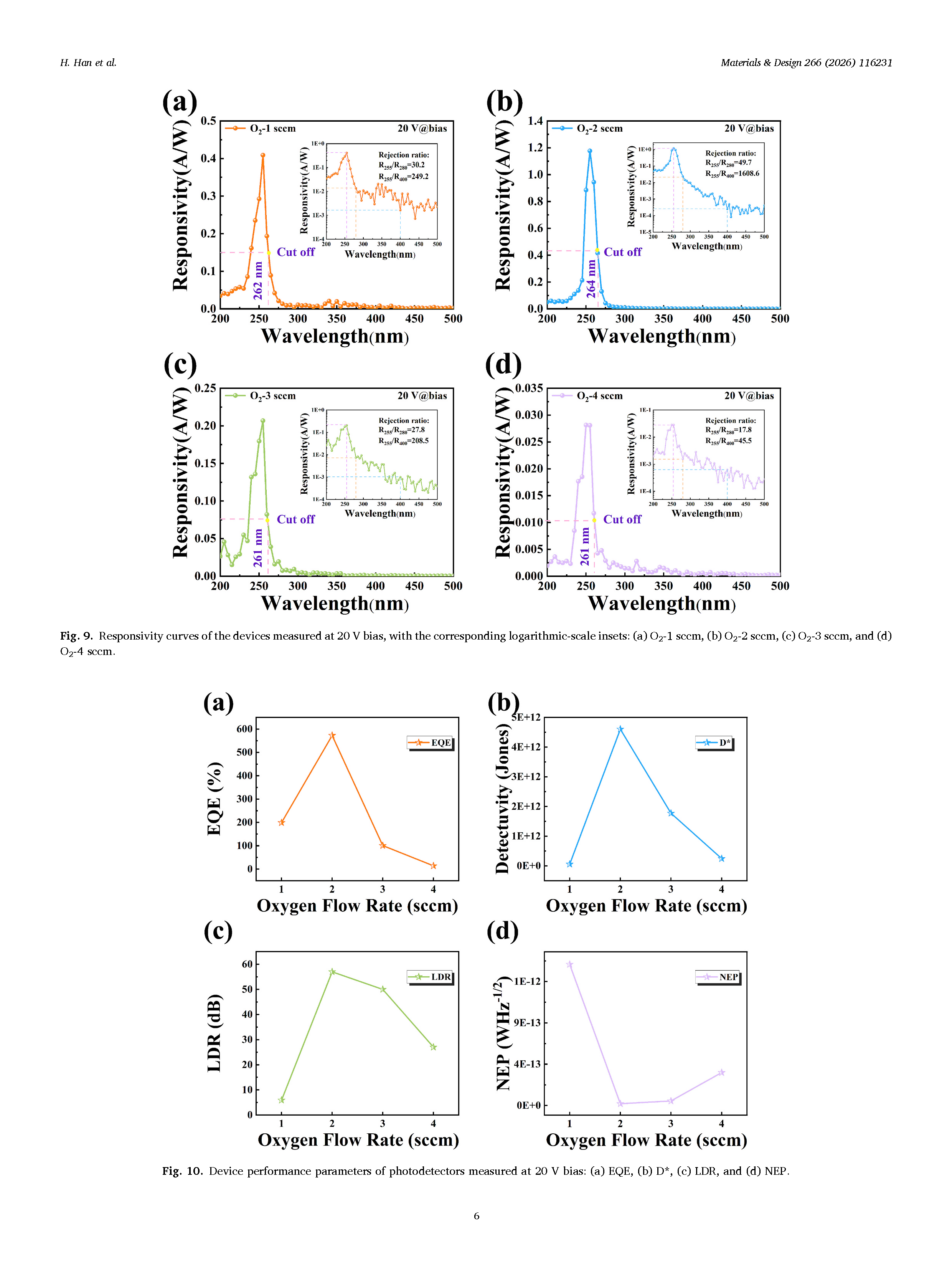
Highly crystalline Ga₂O₃ microwires were synthesized on sapphire substrates via a one-step chemical vapor deposition process. The concentration of oxygen vacancies was effectively controlled by adjusting the gas flow rate during growth. Single microwire-based solar-blind photodetectors were fabricated, and their photoelectronic properties were evaluated under different oxygen flow conditions. The device grown under an O₂ flow rate of 2 sccm exhibited exceptional performance. Under a 20 V bias and 255 nm illumination, it achieved a responsivity of 1.17 A/W, with a solar-blind-to-UV rejection ratio of 49.7 and a solar-blind-to-visible rejection ratio of 1.61×10³. The corresponding external quantum efficiency and specific detectivity were 572 % and 4.6×10¹² Jones, respectively. This enhanced performance is attributed to an optimal concentration of oxygen vacancies, which act as donor states to enhance photocurrent, while the high surface area of the microwire promotes an oxygen adsorption–desorption mechanism that improves response speed. This work demonstrates that precise control of oxygen vacancies during growth is a promising strategy for producing high-performance solar-blind photodetectors.
Highlights
The oxygen vacancy concentration in single Ga₂O₃ microwires is uniformly and precisely modulated by tuning the O₂ flow rate during one-step CVD growth, different from conventional post-growth treatments that only modify surface defects.
The internal correlations among O₂ flow rate, oxygen vacancy concentration, surface adsorption behavior and photodetection performance are systematically clarified, revealing the optimal balance between oxygen vacancy concentration and device performance.
The single Ga₂O₃ microwire solar-blind photodetector with optimal oxygen vacancy concentration (O₂ flow rate of 2 sccm) achieves excellent comprehensive performance with high responsivity, high rejection ratios, high specific detectivity and fast response speed.
The oxygen adsorption–desorption mechanism induced by the high surface area of microwires is demonstrated to play a key role in suppressing persistent photoconductivity and improving response speed.
Conclusion
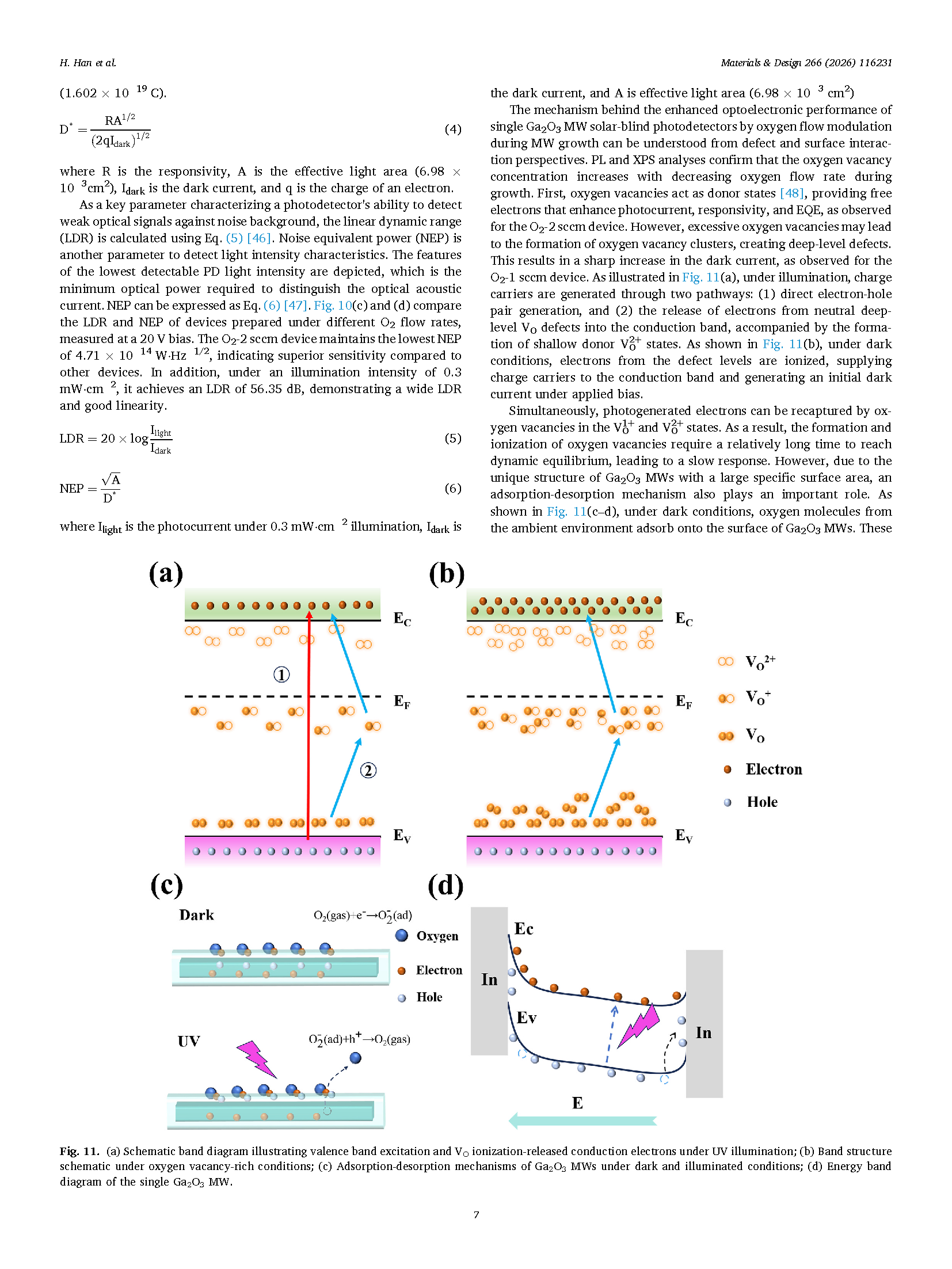
By modulating the oxygen flow rate during the growth of Ga₂O₃ MWs, the oxygen vacancy concentration was effectively regulated. A decrease in oxygen flow rate led to an increase in oxygen vacancies as well as enhanced surface oxygen adsorption. At an oxygen flow rate of 2 sccm, the MWs exhibited an optimal balance between defect concentration and crystalline quality. Single In-Ga₂O₃ MW-In solar-blind photodetectors were fabricated and their optoelectronic performance was systematically evaluated. The results indicate that a moderate increase in oxygen vacancies provides more free electrons, leading to a stronger photogenerated current under illumination and thereby enhancing the sensitivity of the photodetector. Moreover, the adsorption-desorption process associated with surface oxygen species promotes carrier separation and suppresses recombination, resulting in improved photoresponse speed. The O₂-2 sccm detector exhibits superior photodetection performance, with a responsivity of 1.17 A/W, a solar-blind/UV rejection ratio of 49.7, and a solar-blind/visible rejection ratio of 1.61×10³. The corresponding EQE and D* reach 572 % and 4.6×10¹² Jones, respectively.
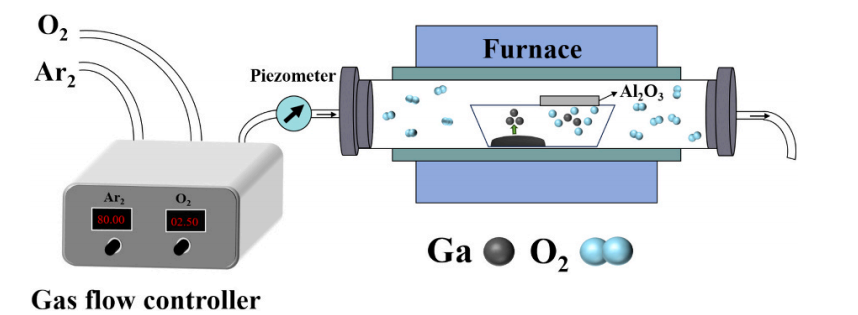
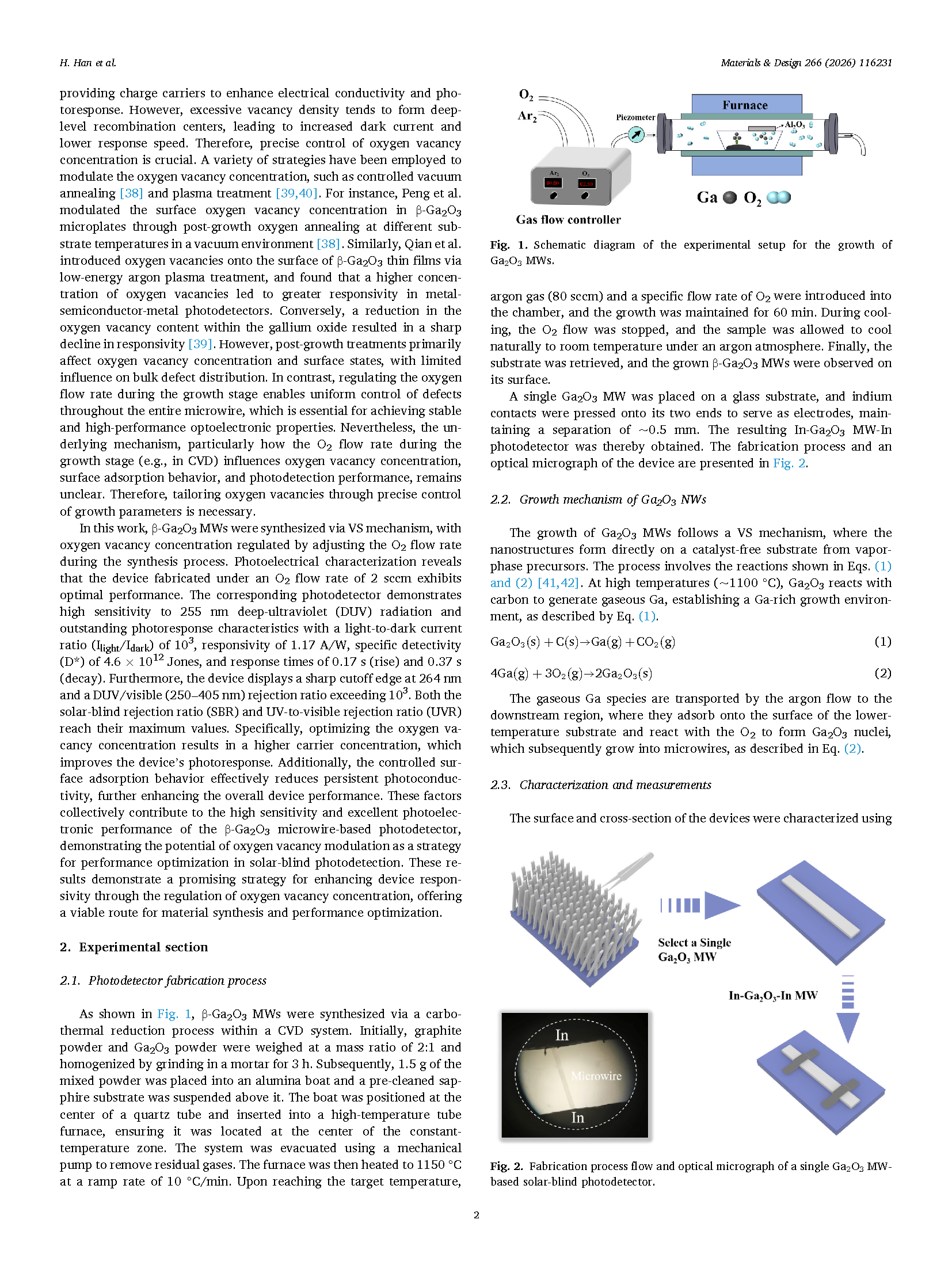
Fig. 1. Schematic diagram of the experimental setup for the growth of Ga₂O₃ MWs.
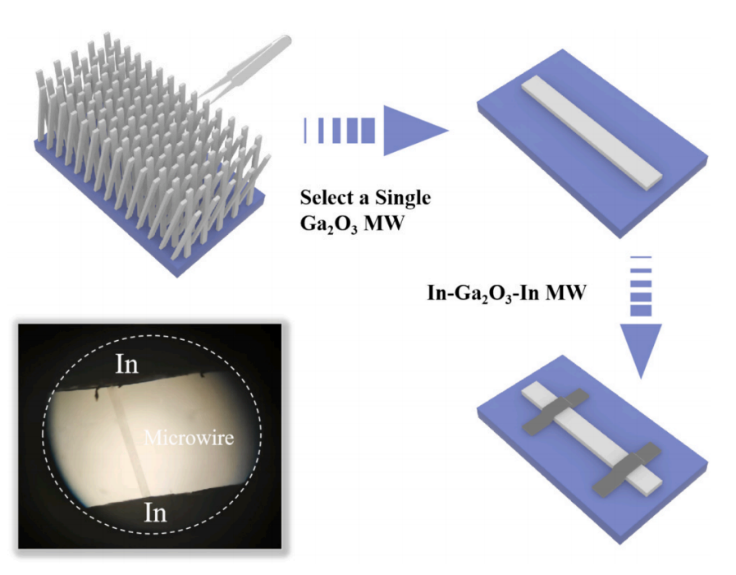
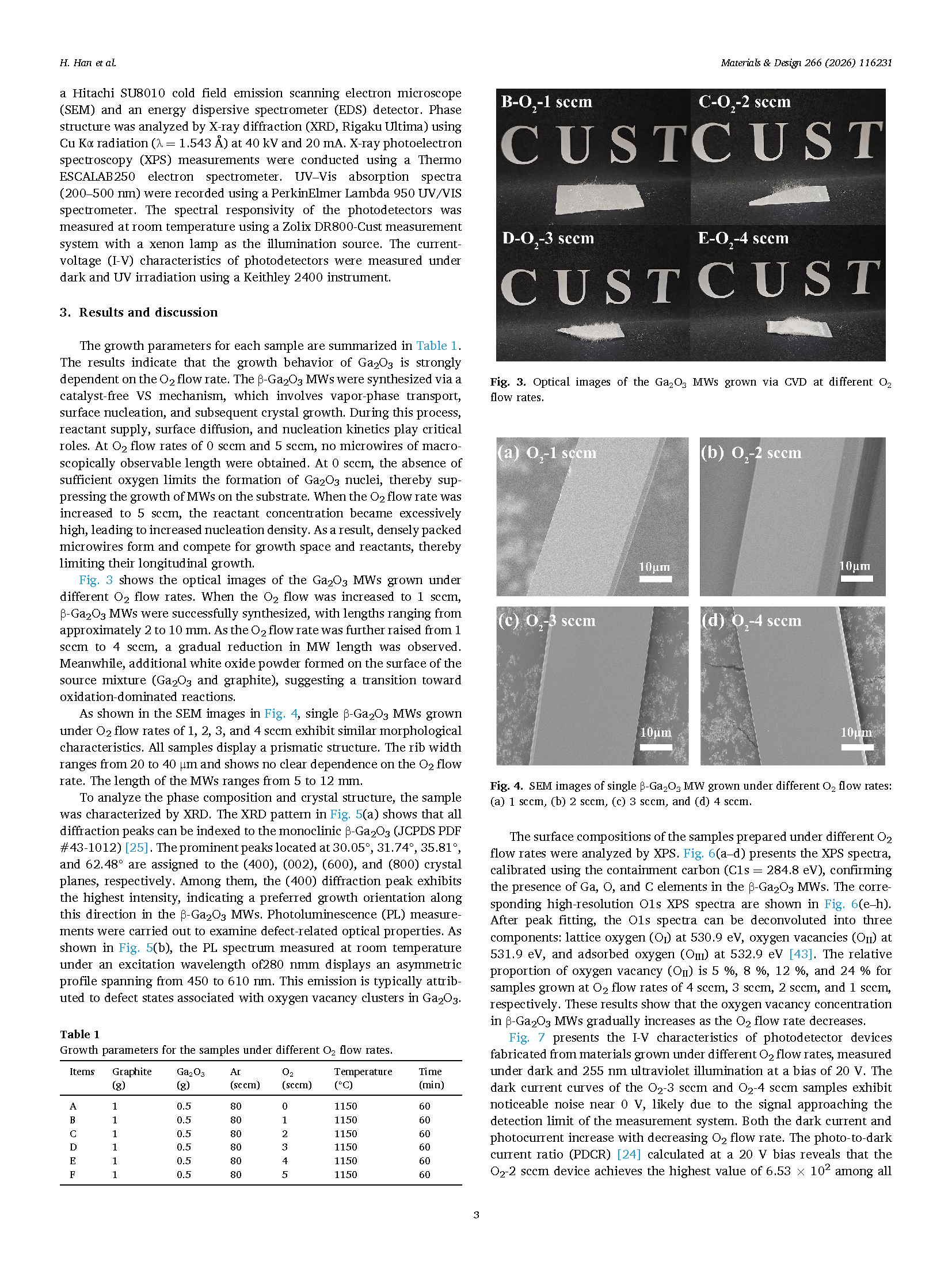
Fig. 2. Fabrication process flow and optical micrograph of a single Ga₂O₃ MW-based solar-blind photodetector.
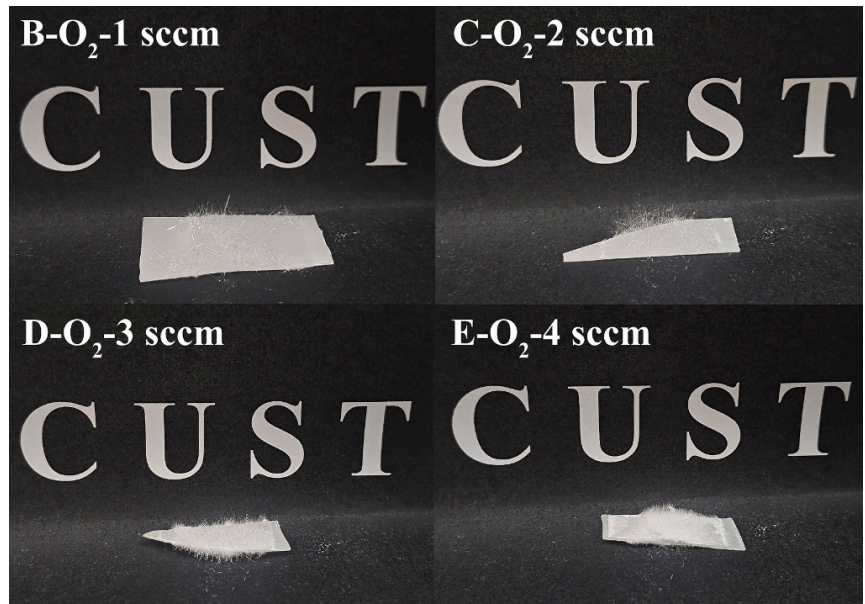
Fig. 3. Optical images of the Ga₂O₃ MWs grown via CVD at different O₂ flow rates.
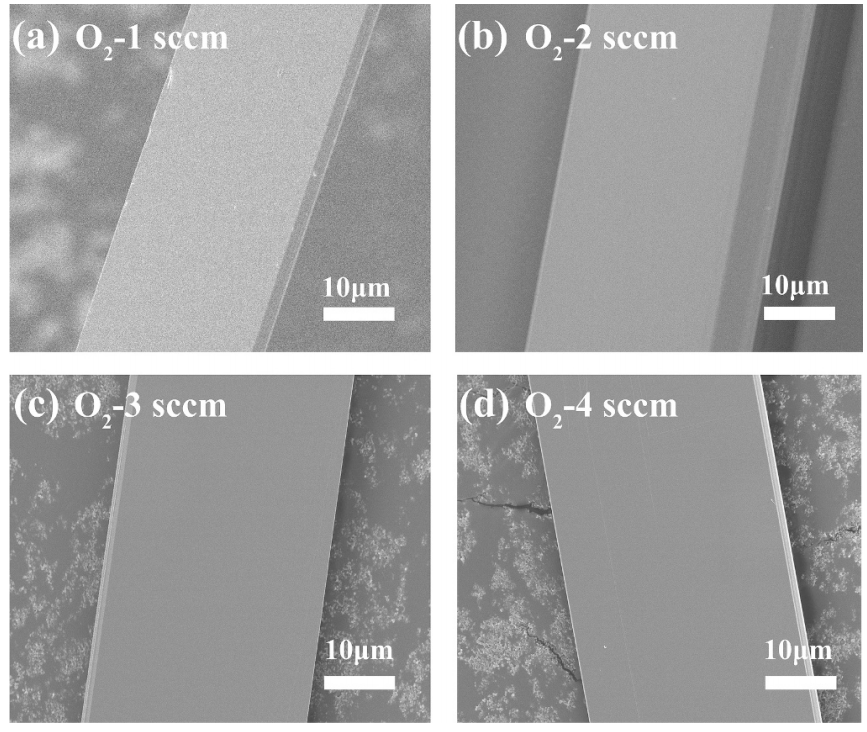
Fig. 4. SEM images of single β-Ga₂O₃ MW grown under different O₂ flow rates: (a) 1 sccm, (b) 2 sccm, (c) 3 sccm, and (d) 4 sccm.
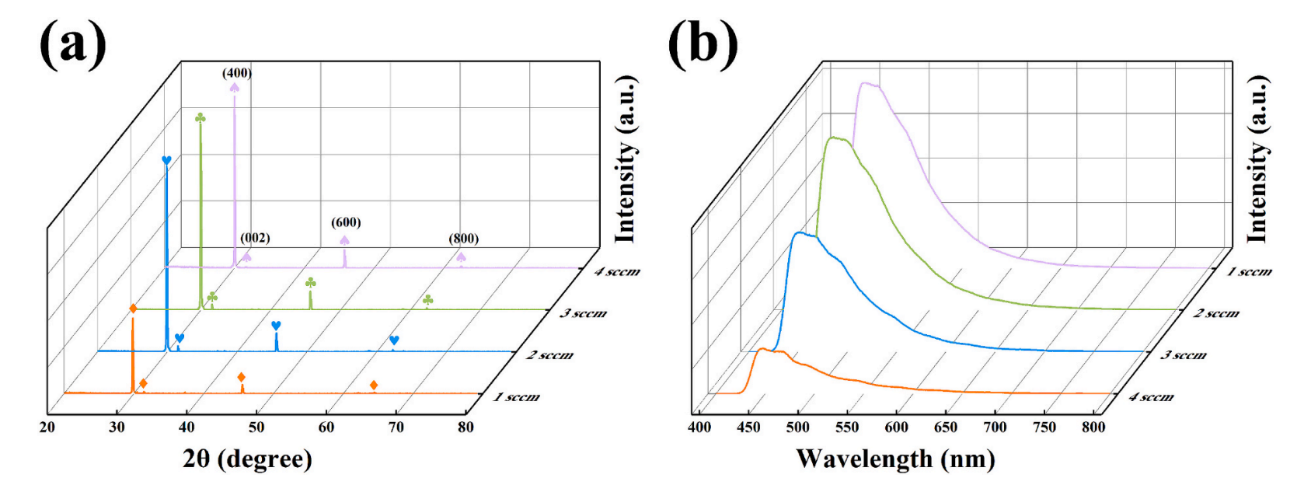
Fig. 5. (a) XRD patterns and (b) PL spectra of Ga₂O₃ MWs grown under different O₂ flow rates.
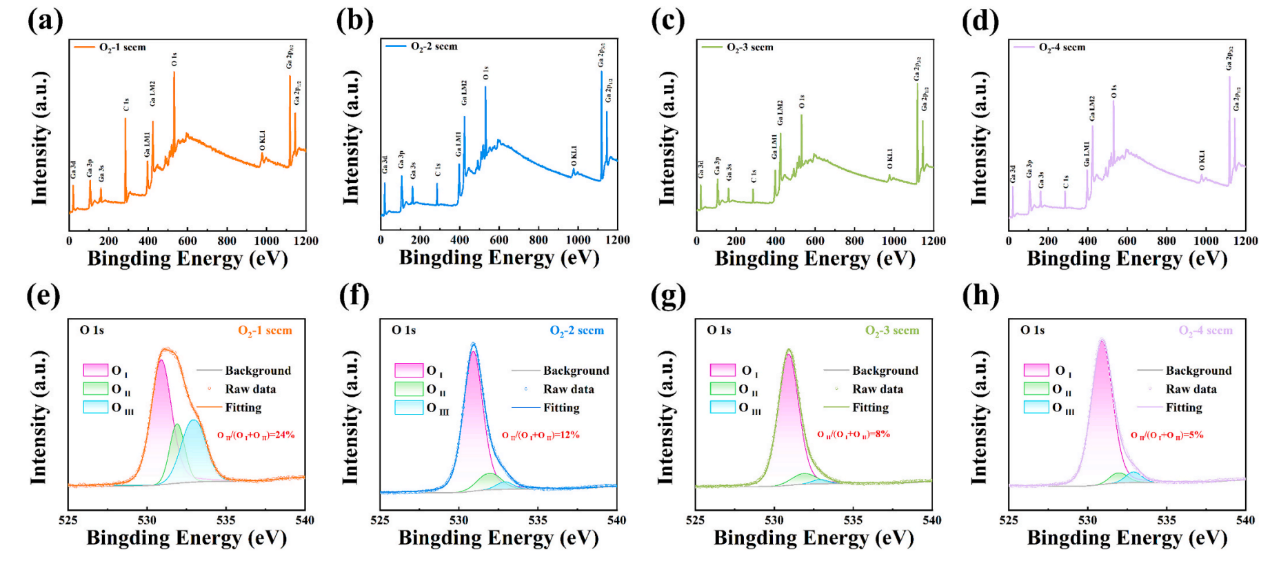
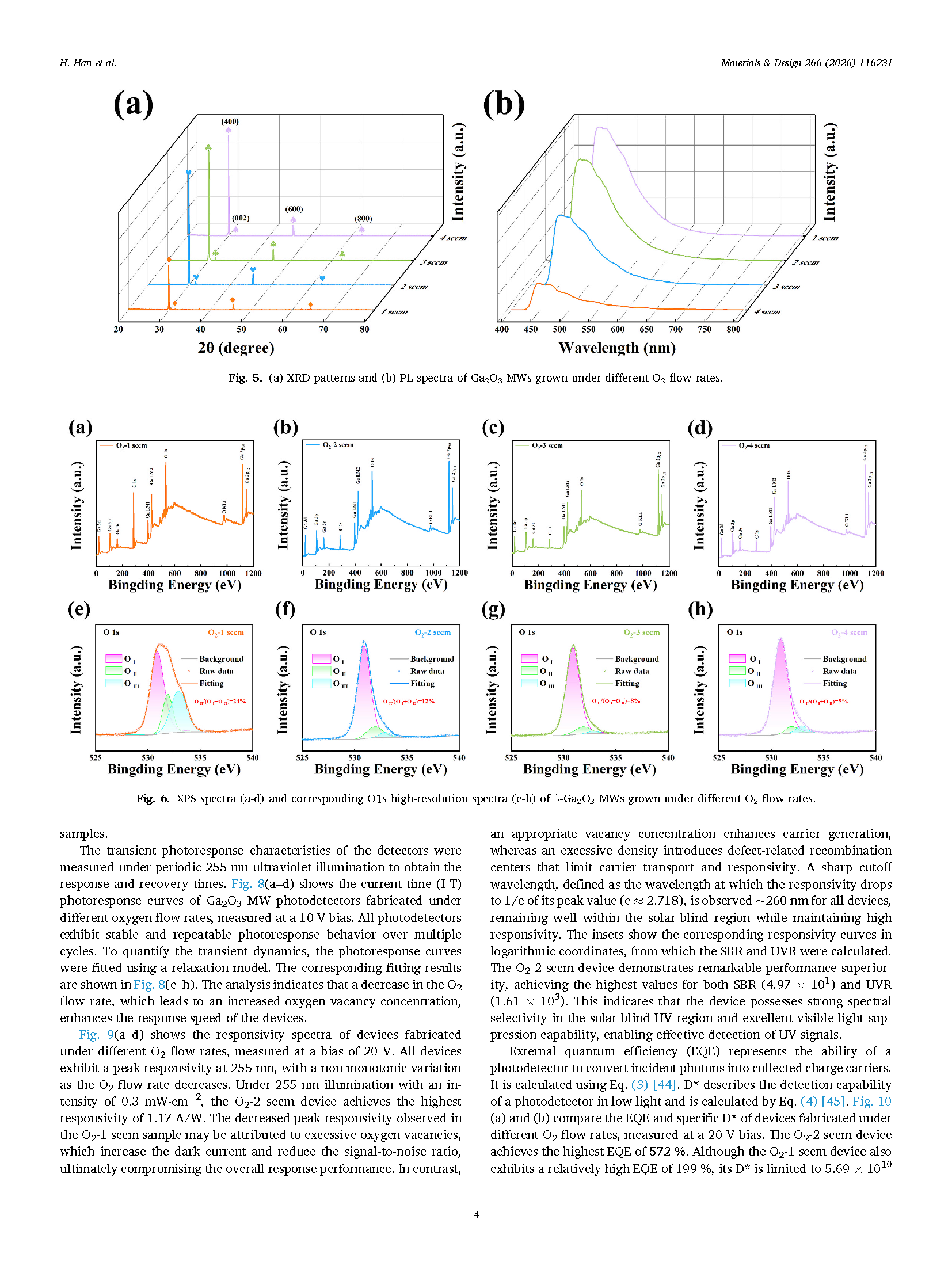
Fig. 6. XPS spectra (a-d) and corresponding O1s high-resolution spectra (e-h) of β-Ga₂O₃ MWs grown under different O₂ flow rates.
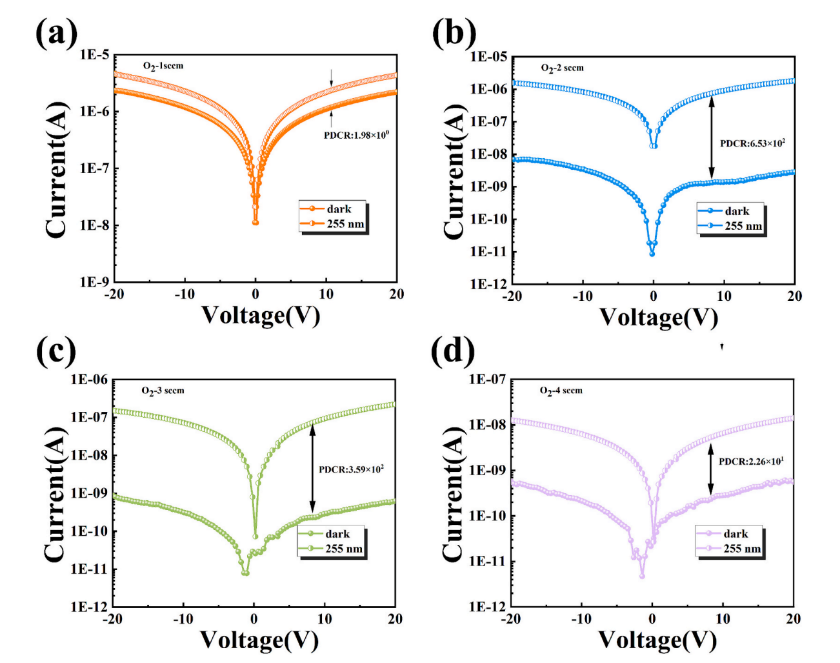
Fig. 7. I-V characteristics of devices fabricated under different O₂ flow rates measured at 20 V bias: (a) O₂-1 sccm, (b) O₂-2 sccm, (c) O₂-3 sccm, and (d) O₂-4 sccm.
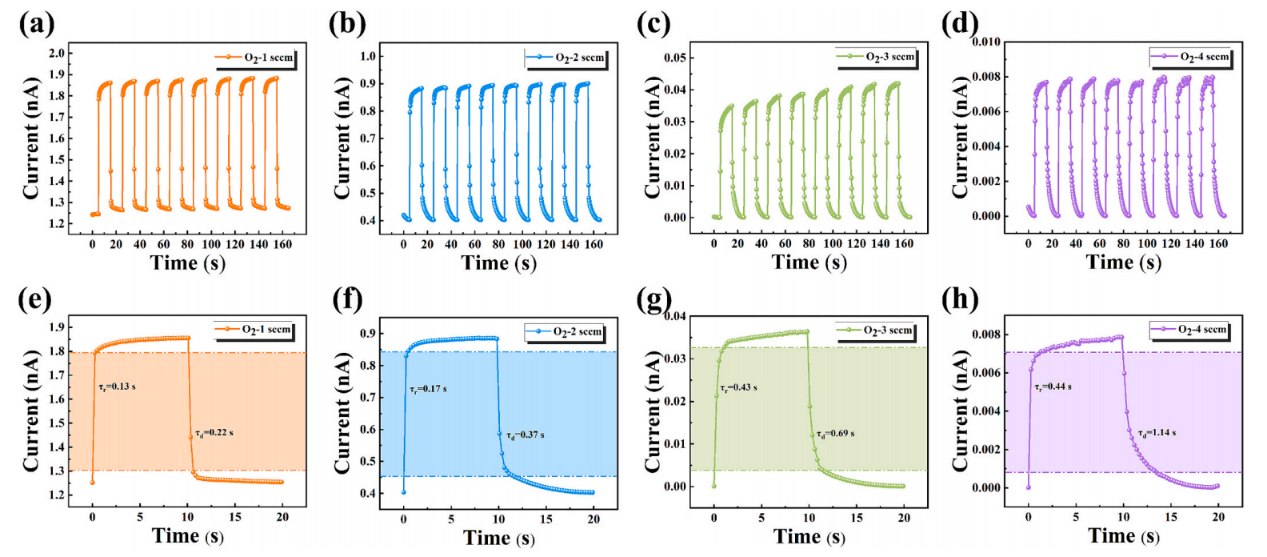
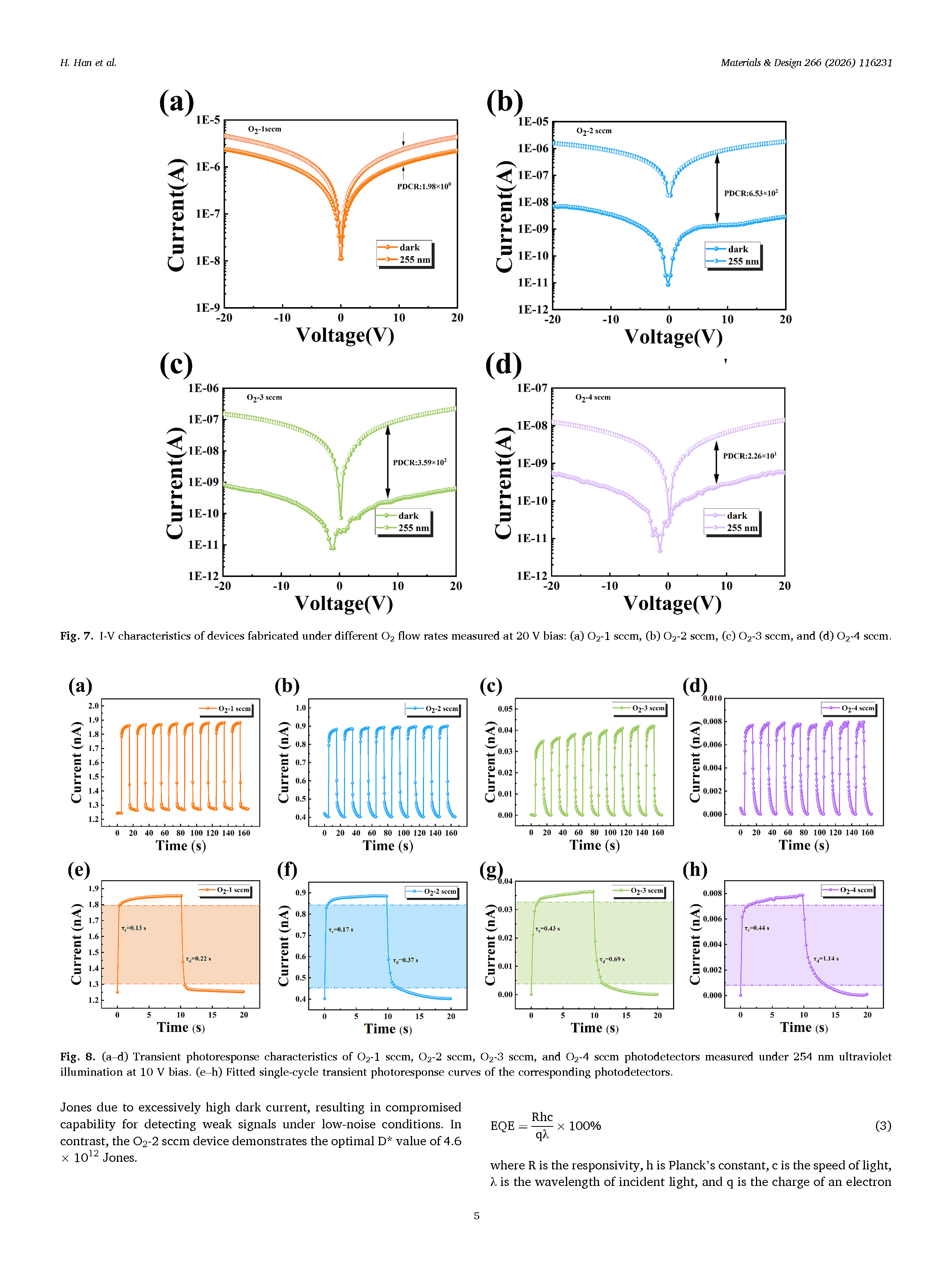
Fig. 8. (a–d) Transient photoresponse characteristics of O₂-1 sccm, O₂-2 sccm, O₂-3 sccm, and O₂-4 sccm photodetectors measured under 254 nm ultraviolet illumination at 10 V bias. (e–h) Fitted single-cycle transient photoresponse curves of the corresponding photodetectors.
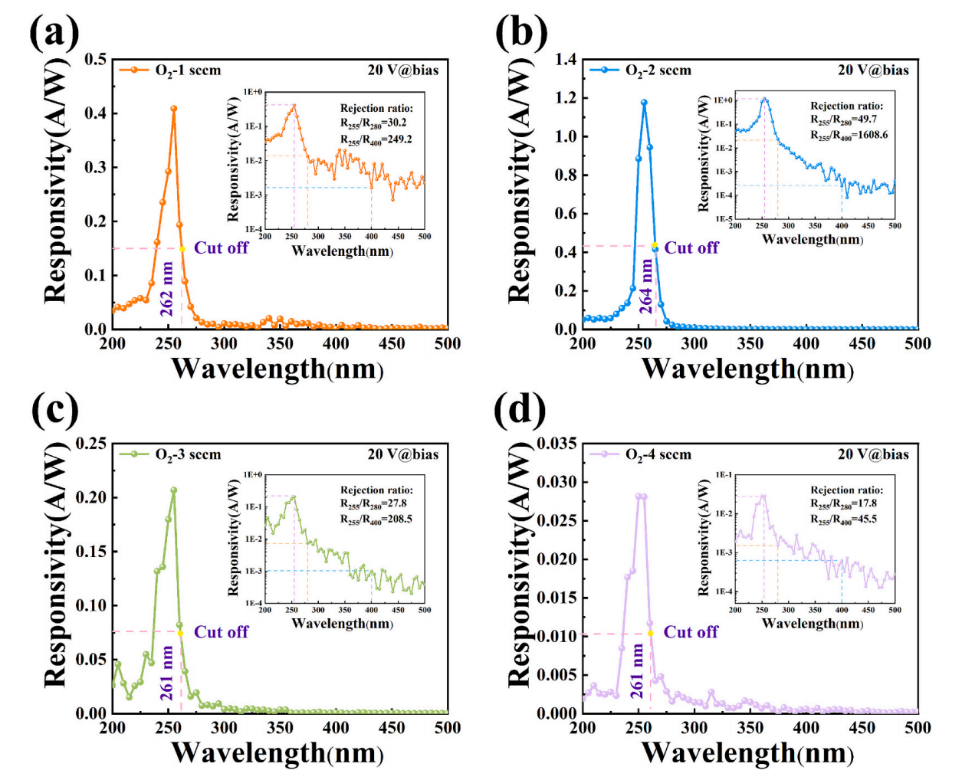
Fig. 9. Responsivity curves of the devices measured at 20 V bias, with the corresponding logarithmic-scale insets: (a) O₂-1 sccm, (b) O₂-2 sccm, (c) O₂-3 sccm, and (d) O₂-4 sccm.
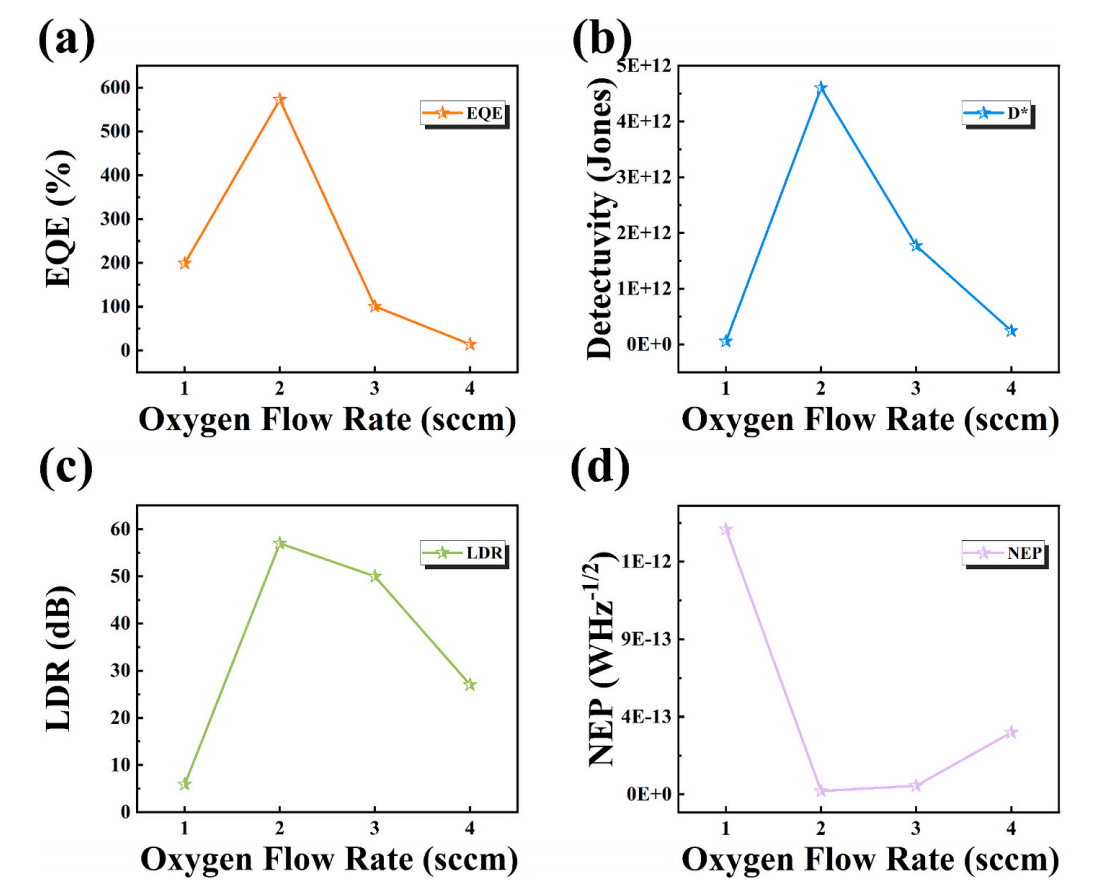
Fig. 10. Device performance parameters of photodetectors measured at 20 V bias: (a) EQE, (b) D*, (c) LDR, and (d) NEP.
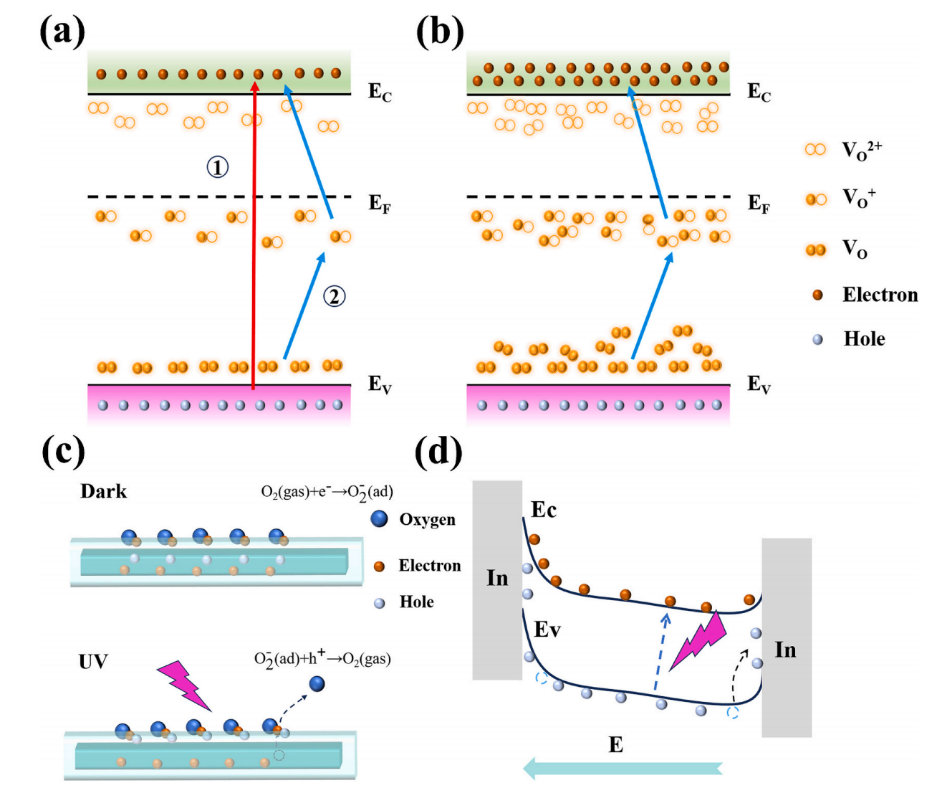
Fig. 11. (a) Schematic band diagram illustrating valence band excitation and vO ionization-released conduction electrons under UV illumination; (b) Band structure schematic under oxygen vacancy-rich conditions; (c) Adsorption-desorption mechanisms of Ga₂O₃ MWs under dark and illuminated conditions; (d) Energy band diagram of the single Ga₂O₃ MW.
DOI :
doi.org/10.1016/j.matdes.2026.116231
Instruction
Official Account

Cooperation
Top