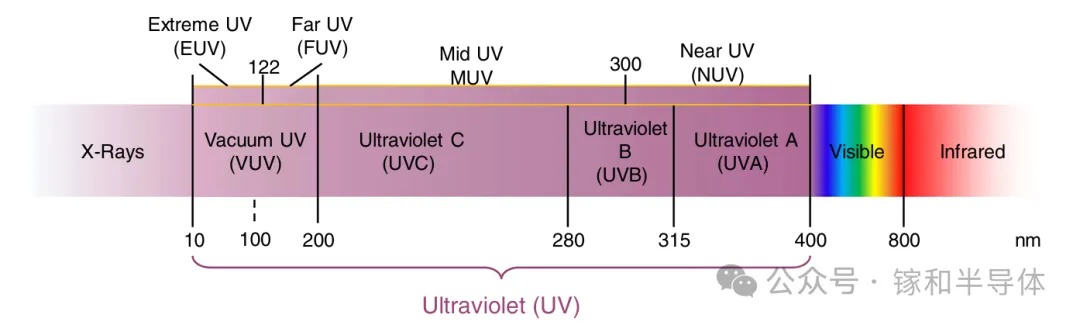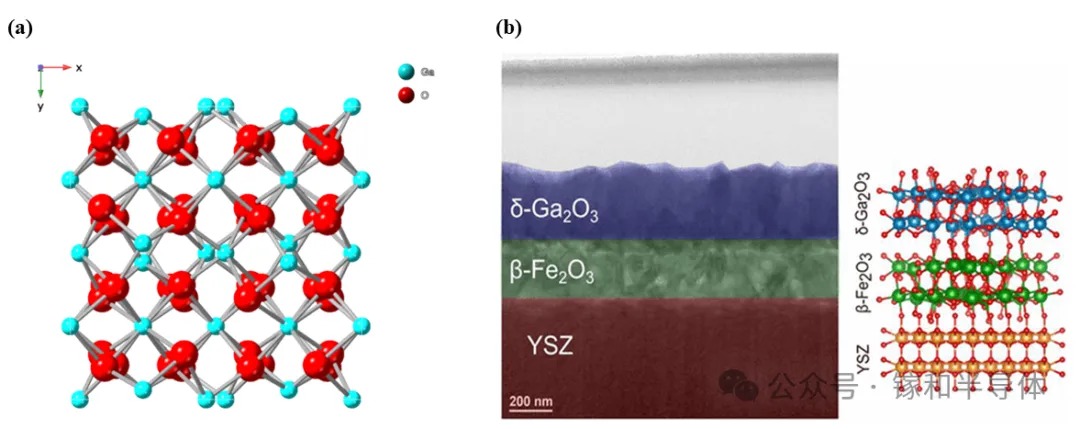


In the previous issue, we systematically introduced the importance of gallium oxide in the field of ultra-wide-bandgap semiconductors. As a new-generation semiconductor material that has attracted significant attention in recent years, gallium oxide features an ultra-wide bandgap of approximately 4.9 eV and a critical breakdown field strength of up to about 8 MV/cm. With these outstanding material parameters, Ga₂O₃ demonstrates broad application prospects in high-power electronics and solar-blind deep ultraviolet optoelectronic devices.
However, what makes gallium oxide particularly fascinating is not only its excellent electrical properties, but also its rich and unique crystallographic diversity. Unlike many semiconductor materials, Ga₂O₃ does not exist in a single stable phase; instead, it can form multiple polymorphs, including the α, β, γ, δ, and ε/κ phases. These different crystal structures arise from distinct atomic arrangements, leading to significant variations in bandgap, thermodynamic stability, polarity, defect behavior, and epitaxial growth characteristics.
This polymorphism endows gallium oxide with deeper scientific richness. Just as carbon can exist as layered graphite or as a three-dimensional covalent network in diamond, the different phases of Ga₂O₃ similarly reveal a profound relationship between crystal structure and material properties. Understanding these polymorphs is not only essential for grasping the fundamental physical and chemical nature of Ga₂O₃, but also provides important guidance for future device design, epitaxial engineering, and the expansion of application scenarios.
Part II: One Material, Five Polymorphs — A Complete Overview of Gallium Oxide Crystal Structures
If the bandgap and critical breakdown field determine the “performance ceiling” of gallium oxide, then its complex and diverse crystal structures define the material’s most distinctive character. From the thermodynamically stable β-phase to a variety of structurally distinct metastable polymorphs, gallium oxide exhibits a uniquely rich polymorphic nature.
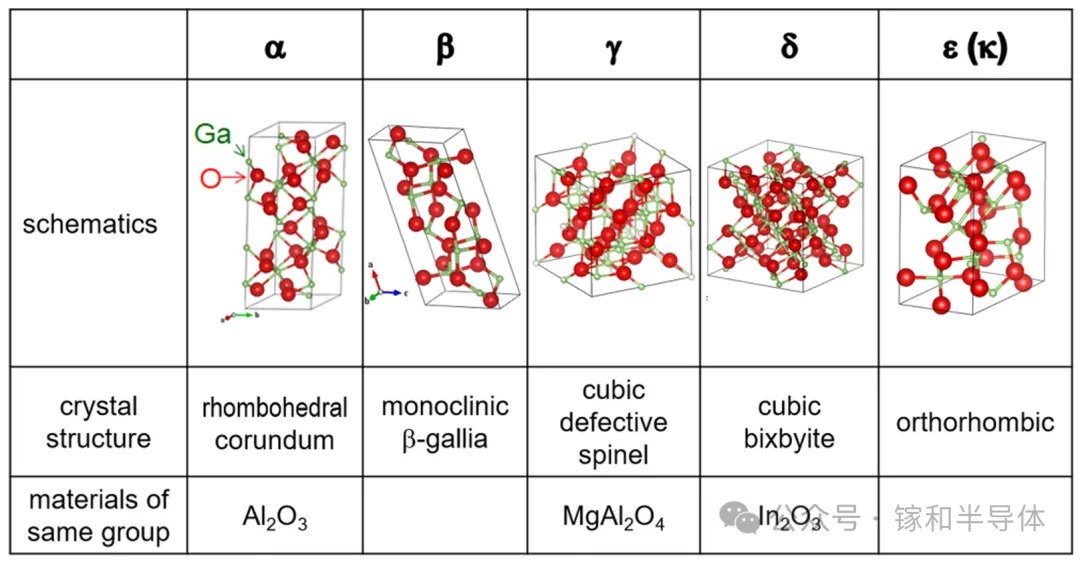
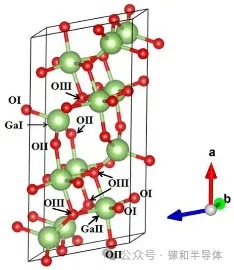
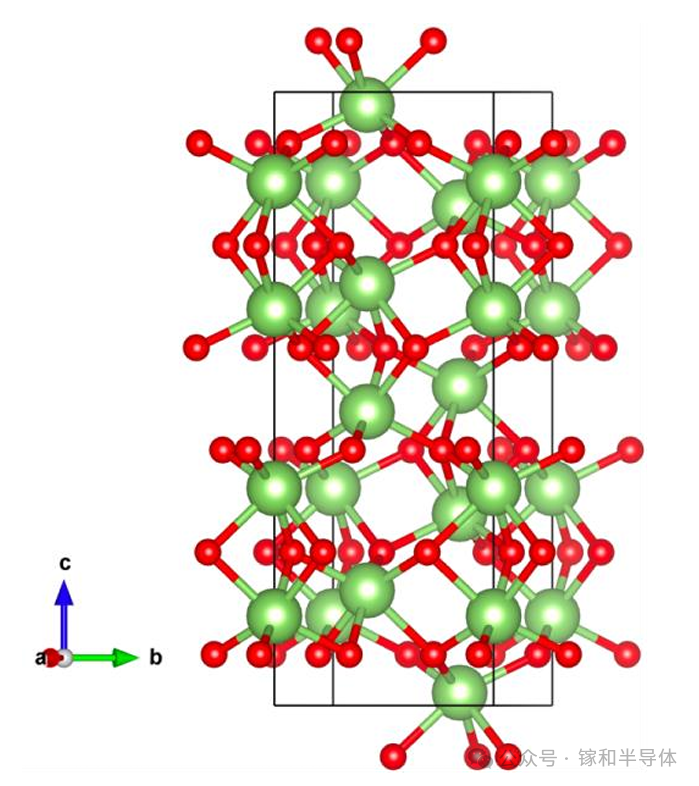
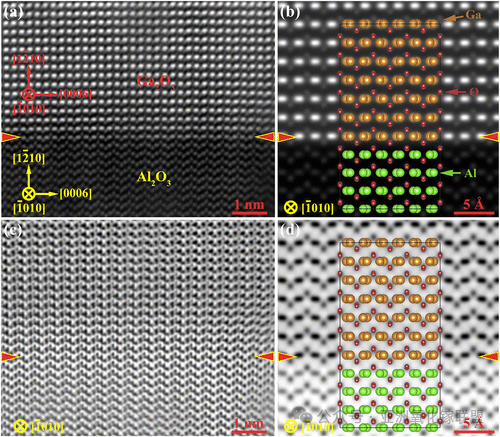
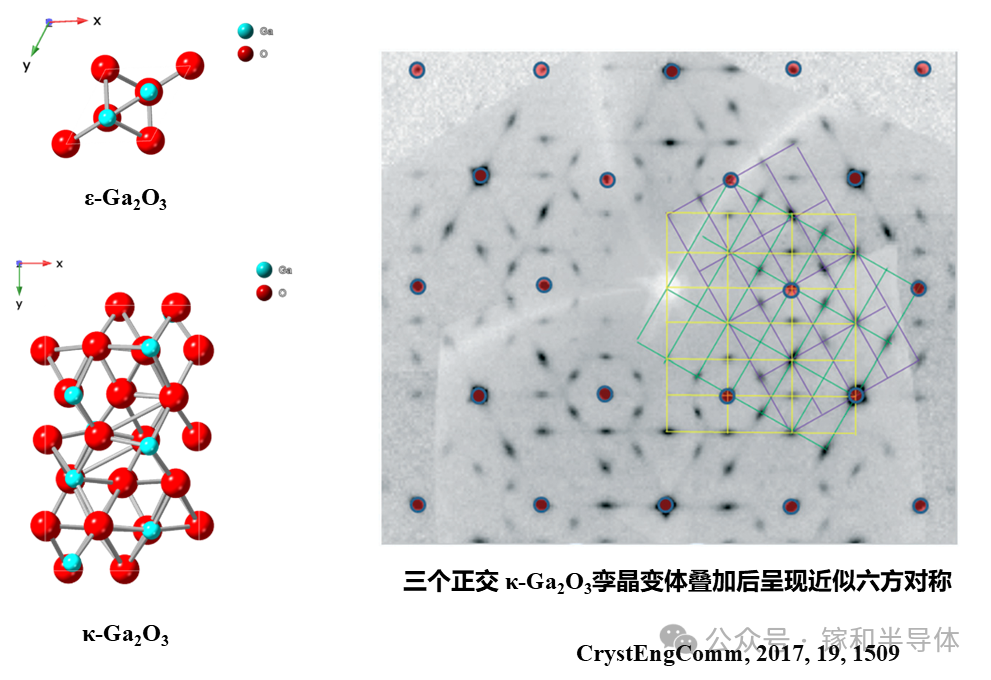
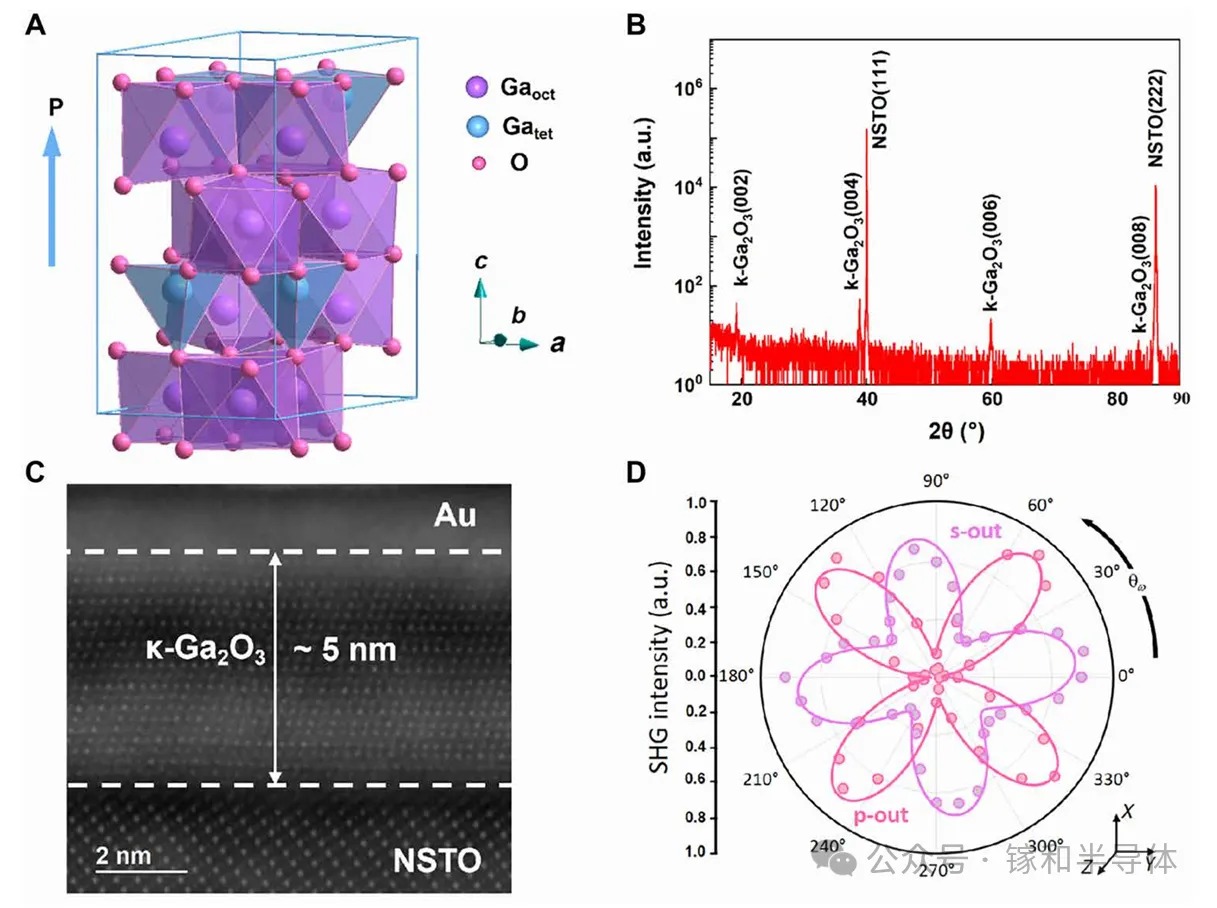
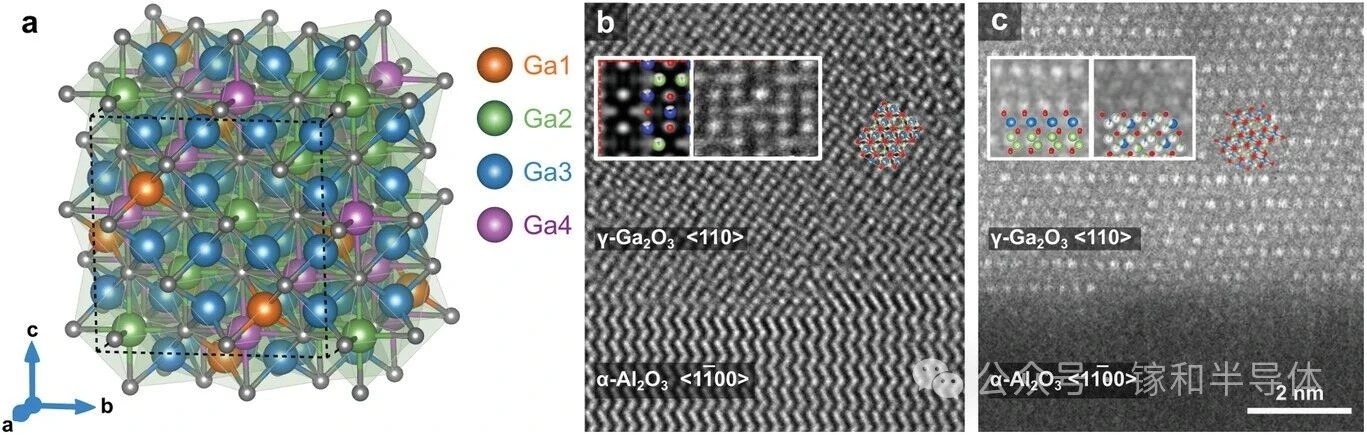
Gallium oxide exhibits rich polymorphic characteristics, with the most common phases including α-, β-, γ-, δ-, and ε(κ)-Ga₂O₃. These correspond respectively to the trigonal/rhombohedral corundum structure, monoclinic β-gallia structure, cubic defect spinel structure, cubic bixbyite-like structure, and orthorhombic structure. Significant differences exist among these polymorphs in terms of lattice symmetry, atomic arrangement, and Ga–O coordination environments, forming the structural basis for the remarkable polymorphism of gallium oxide.
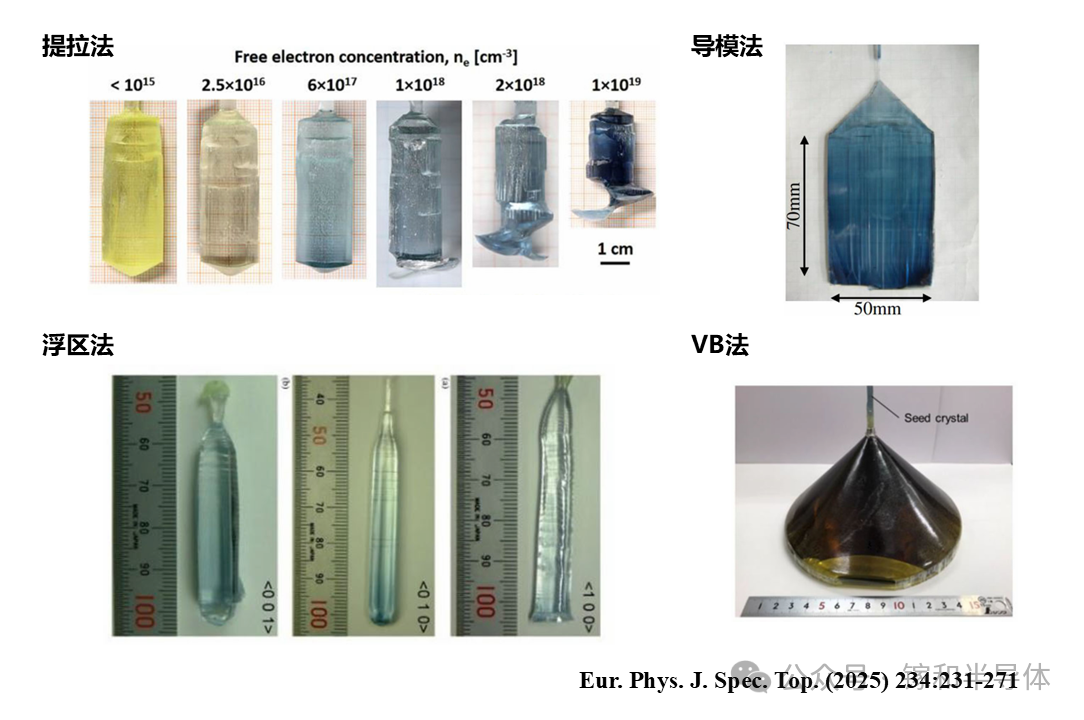
The polymorphic behavior of Ga₂O₃ is closely related to the flexible coordination chemistry of Ga³⁺ ions. Gallium ions can adopt both tetrahedral and octahedral coordination configurations, and these coordination polyhedra can interconnect through corner-sharing or edge-sharing arrangements, thereby constructing crystal frameworks with substantially different structures [2]. Among these polymorphs, the β-phase is the thermodynamically stable phase under ambient conditions and can be grown as bulk single crystals using melt-growth methods, making it the most important phase for substrate and power device research. In contrast, the α-, γ-, δ-, and ε/κ-phases are generally metastable and are typically obtained through thin-film epitaxy, low-temperature synthesis, or specific temperature-pressure conditions. These metastable phases may subsequently transform into the β-phase during thermal processing.
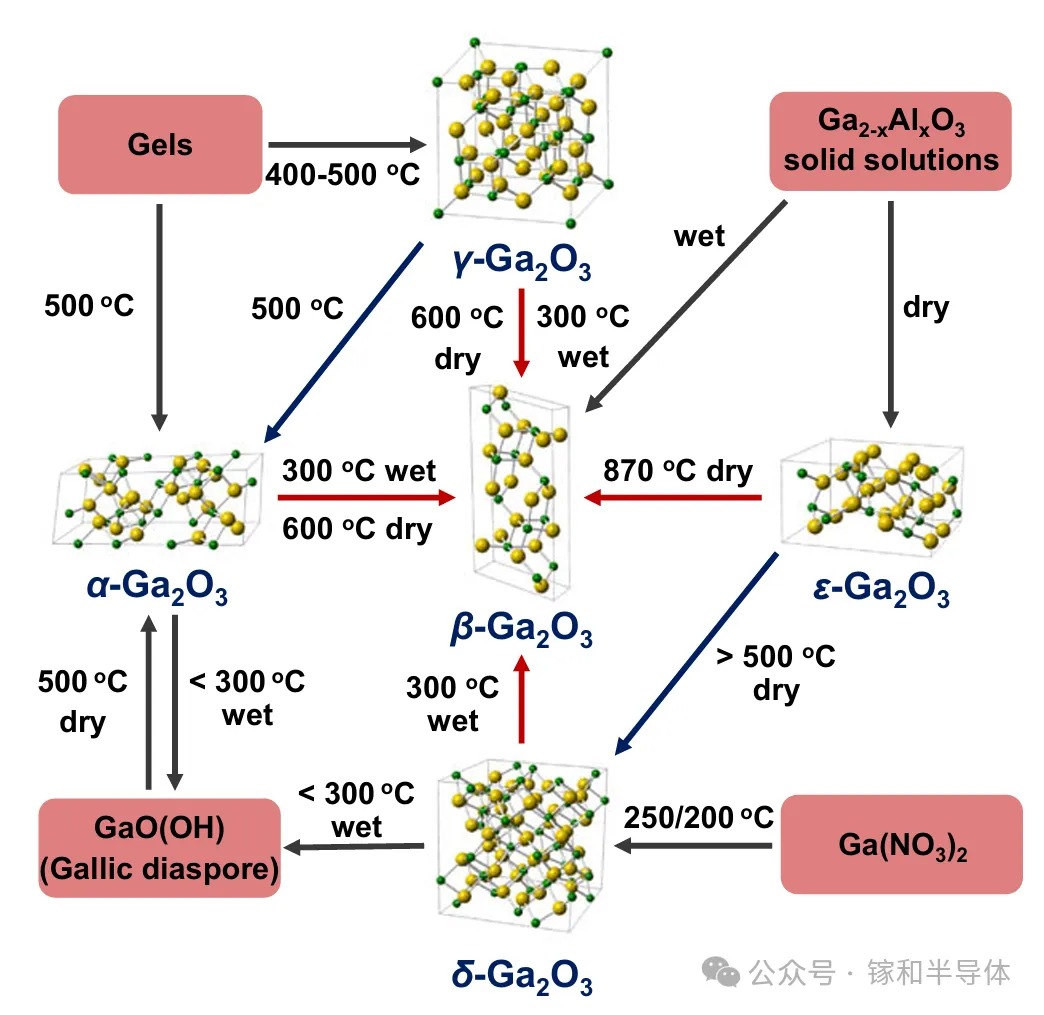
Schematic Illustration of Ga₂O₃ Polymorphs and Their Phase Transformation Relationships [3].
Instruction
Official Account

Cooperation
Top