


Researchers from the National Research Tomsk Polytechnic University (Russia) and L.N. Gumilyov Eurasian National University (Kazakhstan) have published a dissertation titled “Structure and cathodoluminescent properties of porous Ga₂O₃ nanoceramics synthesized by a high-power electron beam“ in Ceramics International.
Background
Gallium oxide (Ga₂O₃), with its wide bandgap (4.85 eV) and semiconductor properties, has attracted considerable attention in fields such as power electronics and solar-blind detection. Its melting point is as high as 1725 °C, and conventional ceramic/crystal synthesis methods (e.g., Czochralski, MOCVD) are time-consuming, often require additives, and readily introduce defects. The high-power electron beam radiation synthesis method can directly prepare oxide ceramics within seconds; however, the phase formation mechanisms, defect luminescence dynamics, and powder feedstock adaptability of Ga₂O₃ synthesized by this method remain insufficiently studied. Based on the radiation synthesis method, this paper systematically investigates the effects of electron beam parameters and powder particle size on the structure and cathodoluminescent properties of Ga₂O₃ nanoceramics.
Abstract
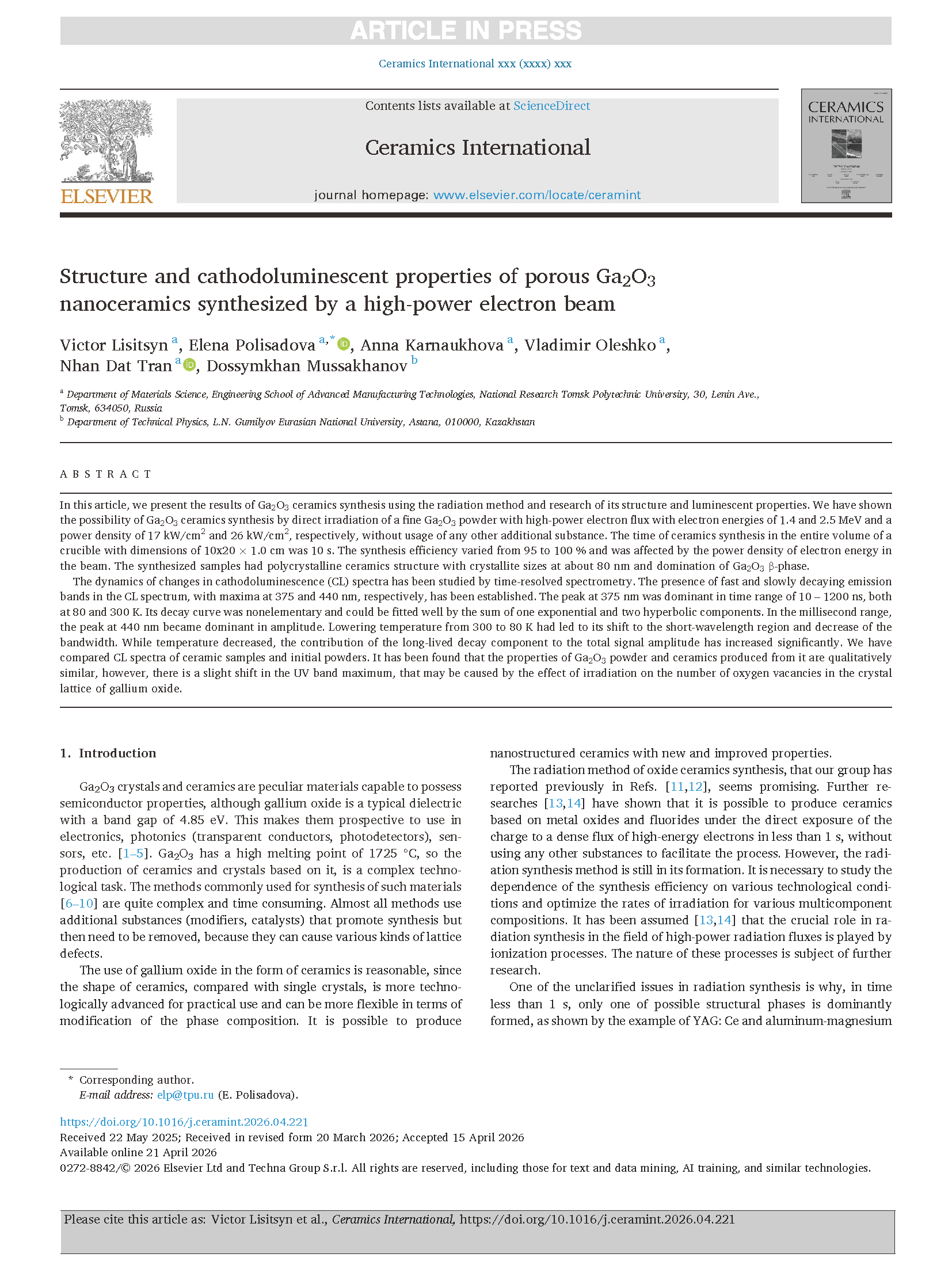
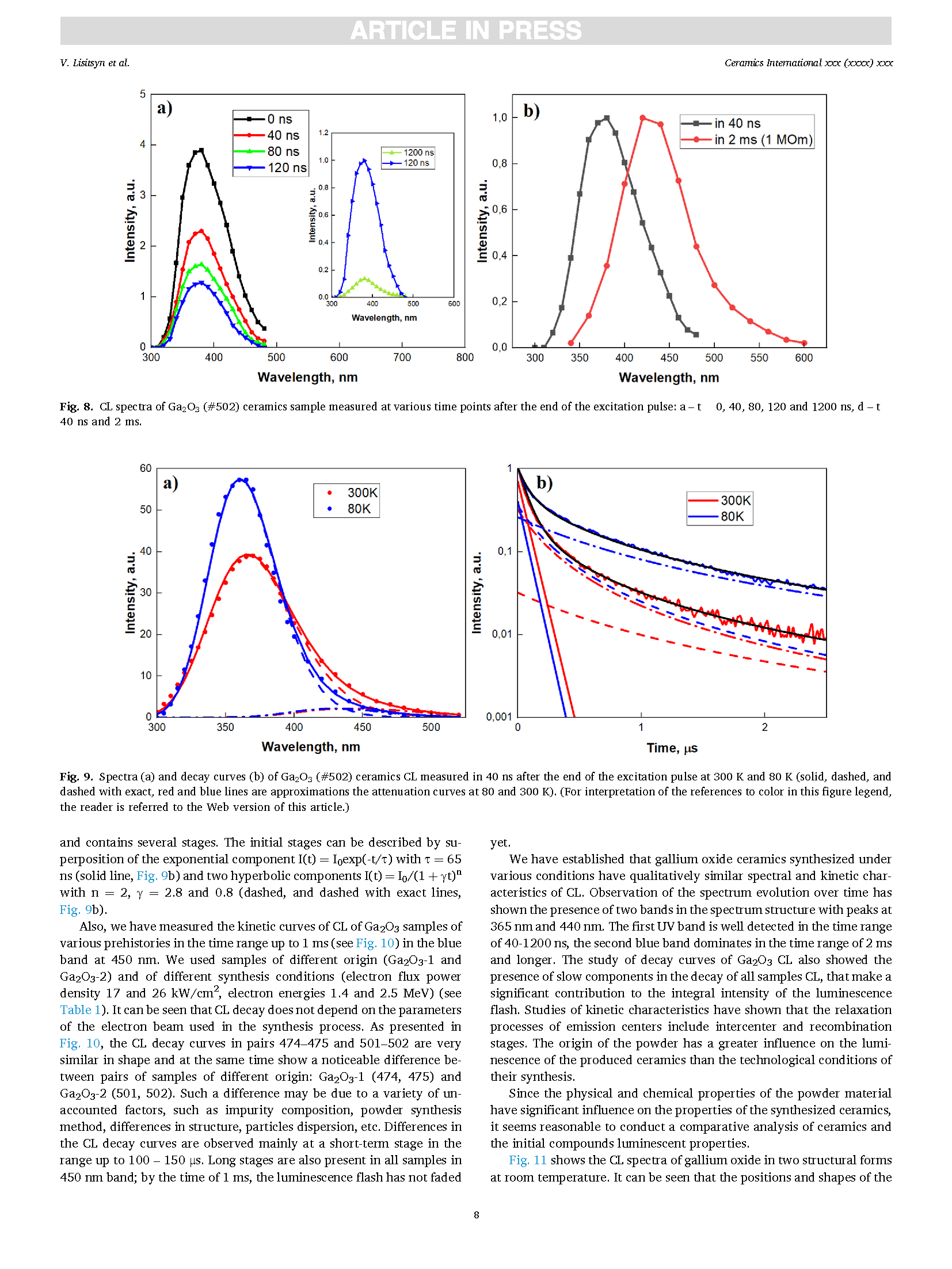
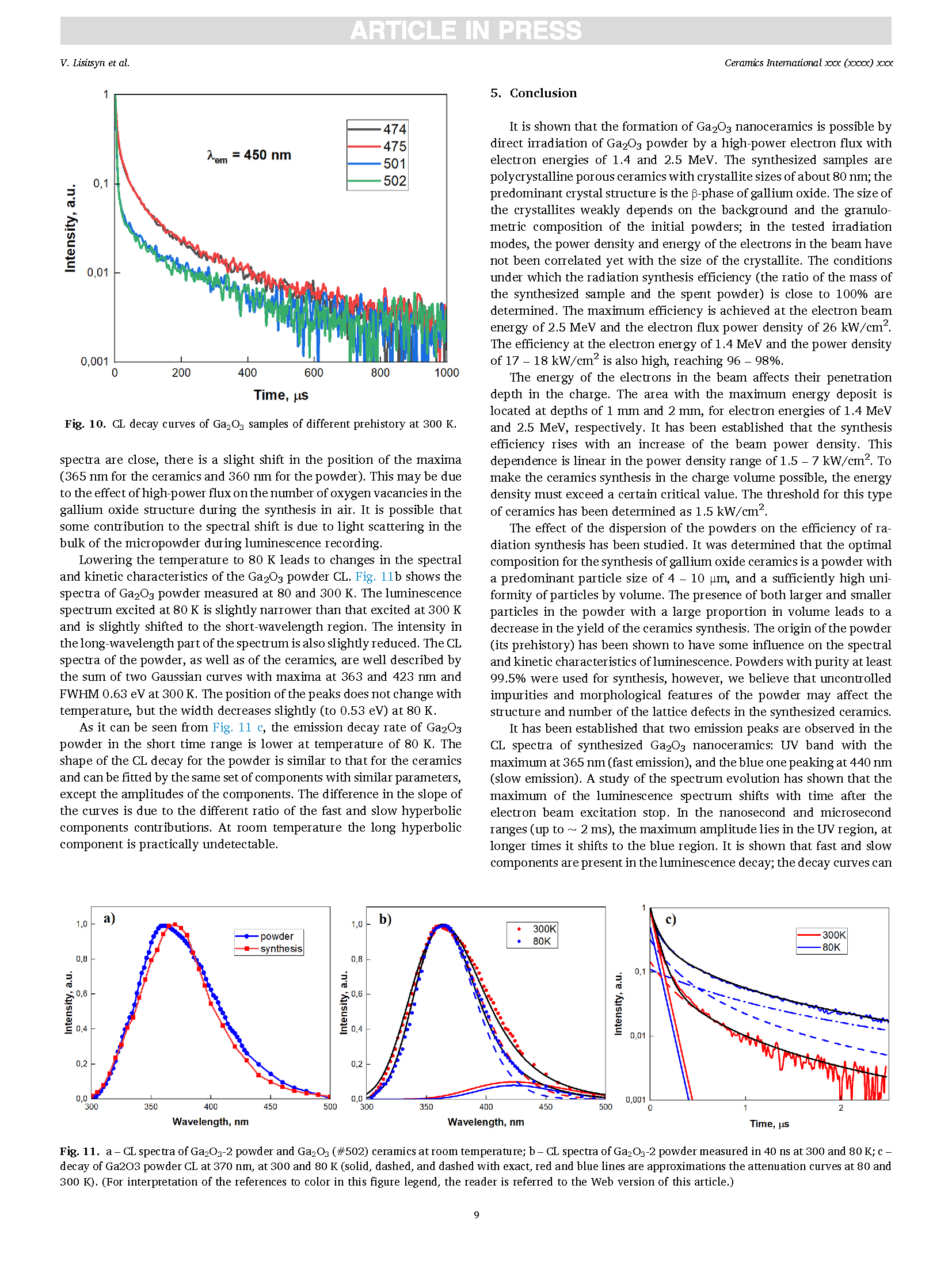
In this article, we present the results of Ga₂O₃ ceramics synthesis using the radiation method and research of its structure and luminescent properties. We have shown the possibility of Ga₂O₃ ceramics synthesis by direct irradiation of a fine Ga₂O₃ powder with high-power electron flux with electron energies of 1.4 and 2.5 MeV and a power density of 17 kW/cm² and 26 kW/cm², respectively, without usage of any other additional substance. The time of ceramics synthesis in the entire volume of a crucible with dimensions of 10x20 × 1.0 cm was 10 s. The synthesis efficiency varied from 95 to 100 % and was affected by the power density of electron energy in the beam. The synthesized samples had polyerystalline ceramics structure with crystallite sizes at about 80 nm and domination of Ga₂O₃ β-phase. The dynamics of changes in cathodoluminescence (CL) spectra has been studied by time-resolved spectrometry. The presence of fast and slowly decaying emission bands in the CL spectrum, with maxima at 375 and 440 nm, respectively, has been established. The peak at 375 nm was dominant in time range of 10 – 1200 ns, both at 80 and 300 K. Its decay curve was nonelementary and could be fitted well by the sum of one exponential and two hyperbolic components. In the millisecond range, the peak at 440 nm became dominant in amplitude. Lowering temperature from 300 to 80 K had led to its shift to the short-wavelength region and decrease of the bandwidth. While temperature decreased, the contribution of the long-lived decay component to the total signal amplitude has increased significantly. We have compared CL spectra of ceramic samples and initial powders. It has been found that the properties of Ga₂O₃ powder and ceramics produced from it are qualitatively similar, however, there is a slight shift in the UV band maximum, that may be caused by the effect of irradiation on the number of oxygen vacancies in the crystal lattice of gallium oxide.
Highlights
Porous Ga₂O₃ nanoceramics were synthesized for the first time via direct irradiation with high-power electron beams (1.4/2.5 MeV) without any additives, with a synthesis time of only 10 s and an efficiency of 95%–100%.
The product is a polycrystalline porous ceramic dominated by β-phase with a grain size of ~80 nm, and the threshold power density of the electron beam is determined as 1.5 kW/cm².
The temperature and time-dependent characteristics of the dual cathodoluminescence bands (375 nm fast decay, 440 nm slow decay) of Ga₂O₃ ceramics are revealed, clarifying the effect of oxygen vacancies on luminescence peak shift.
Conclusion
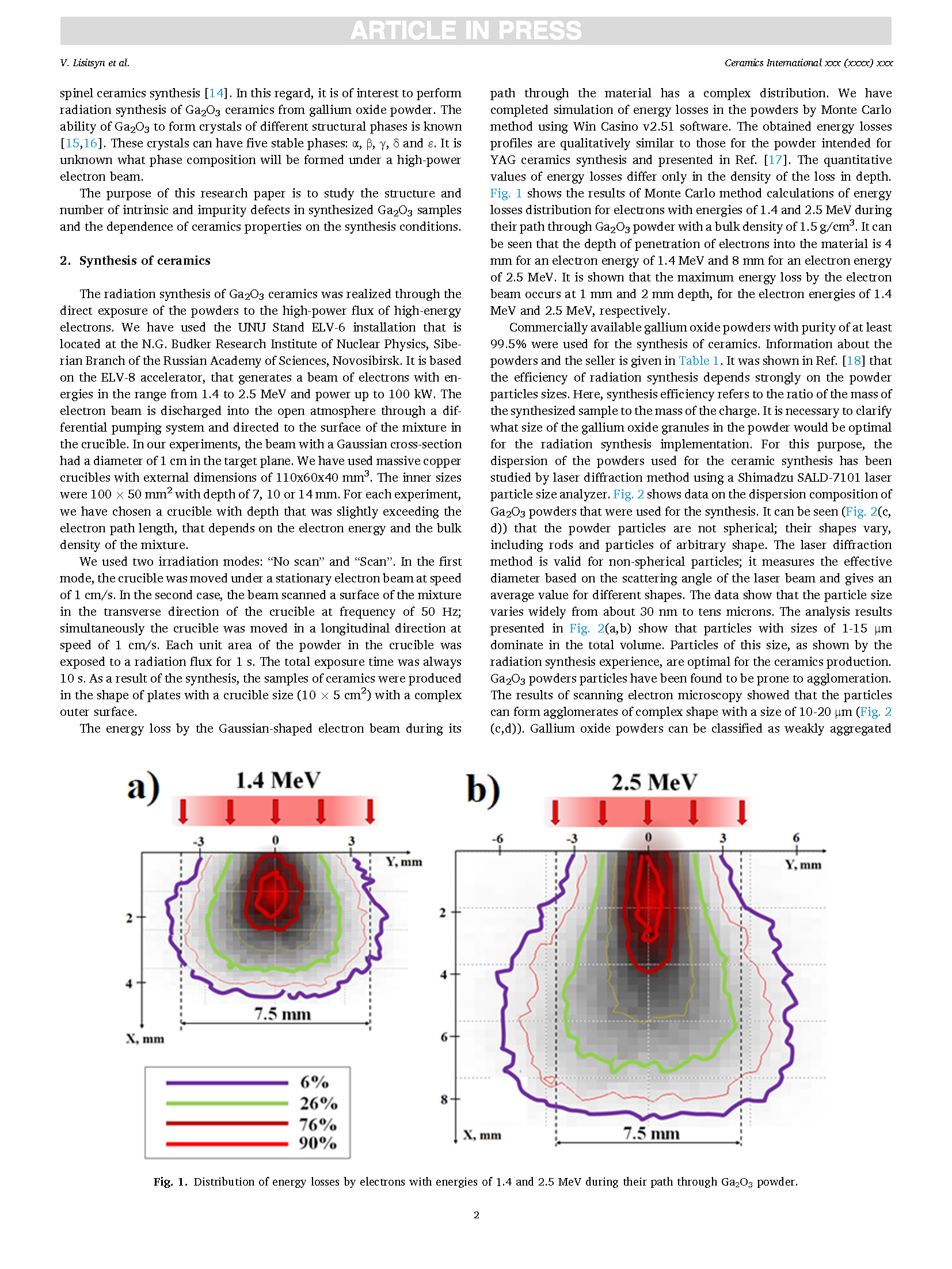
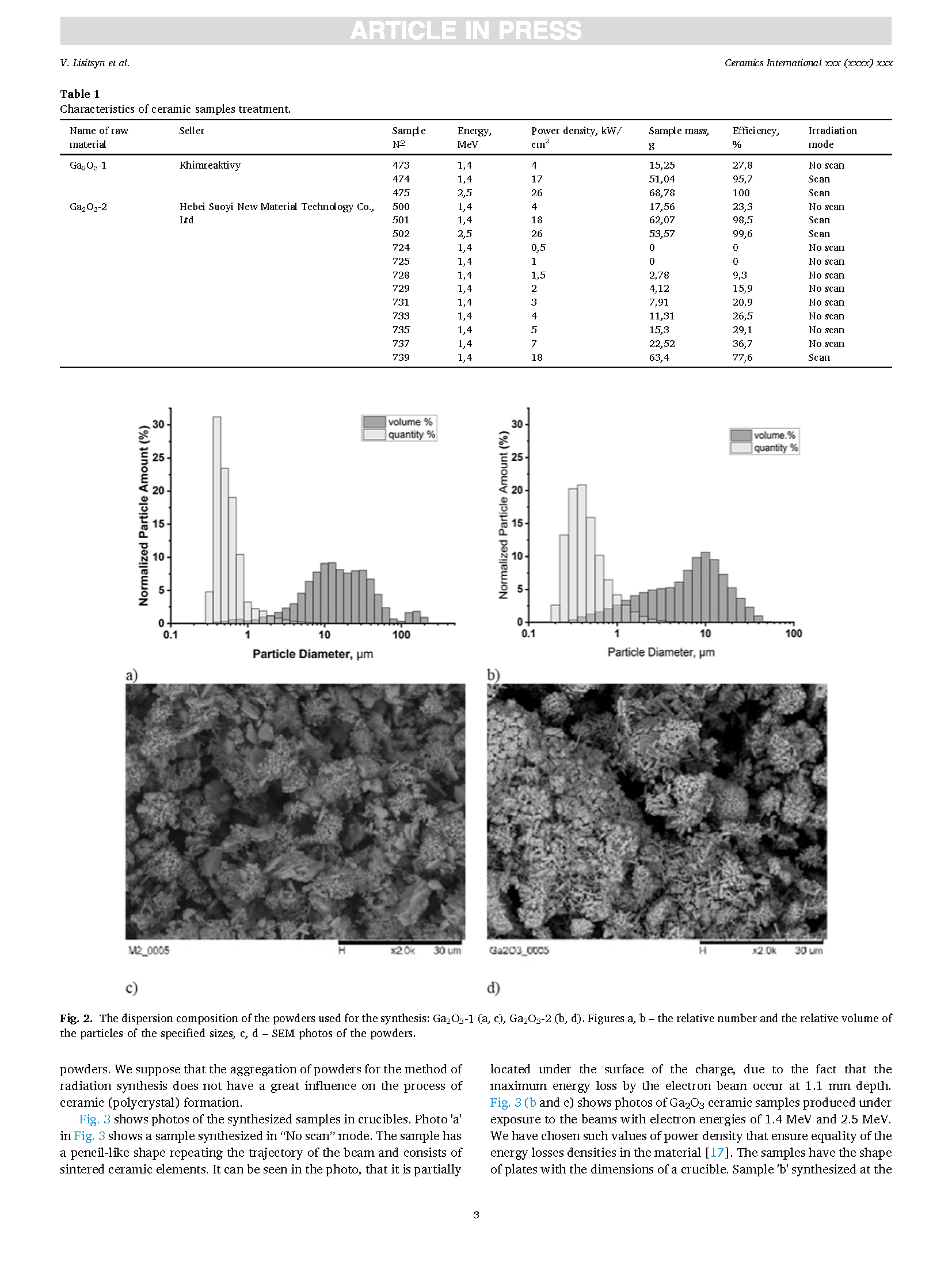
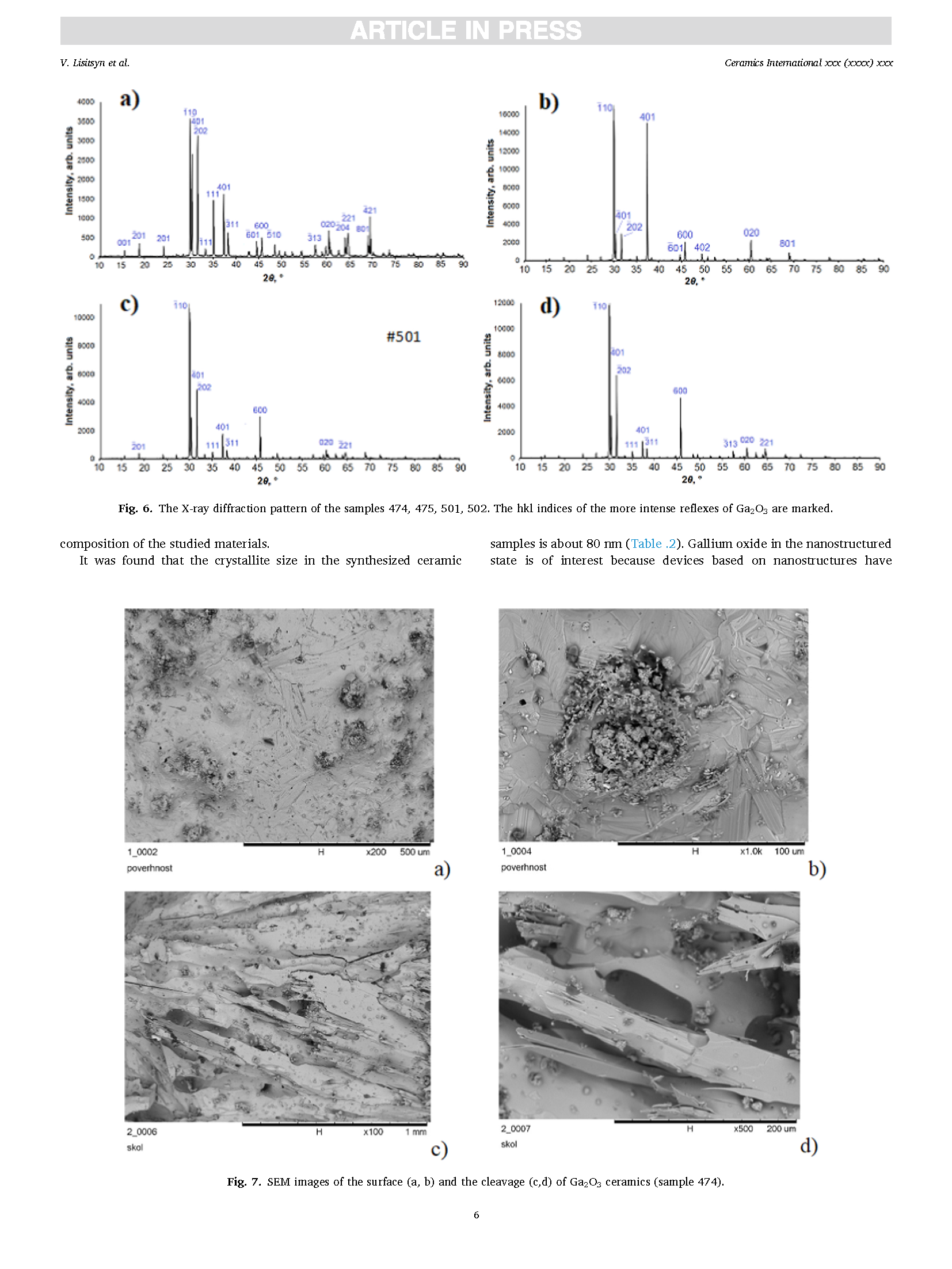
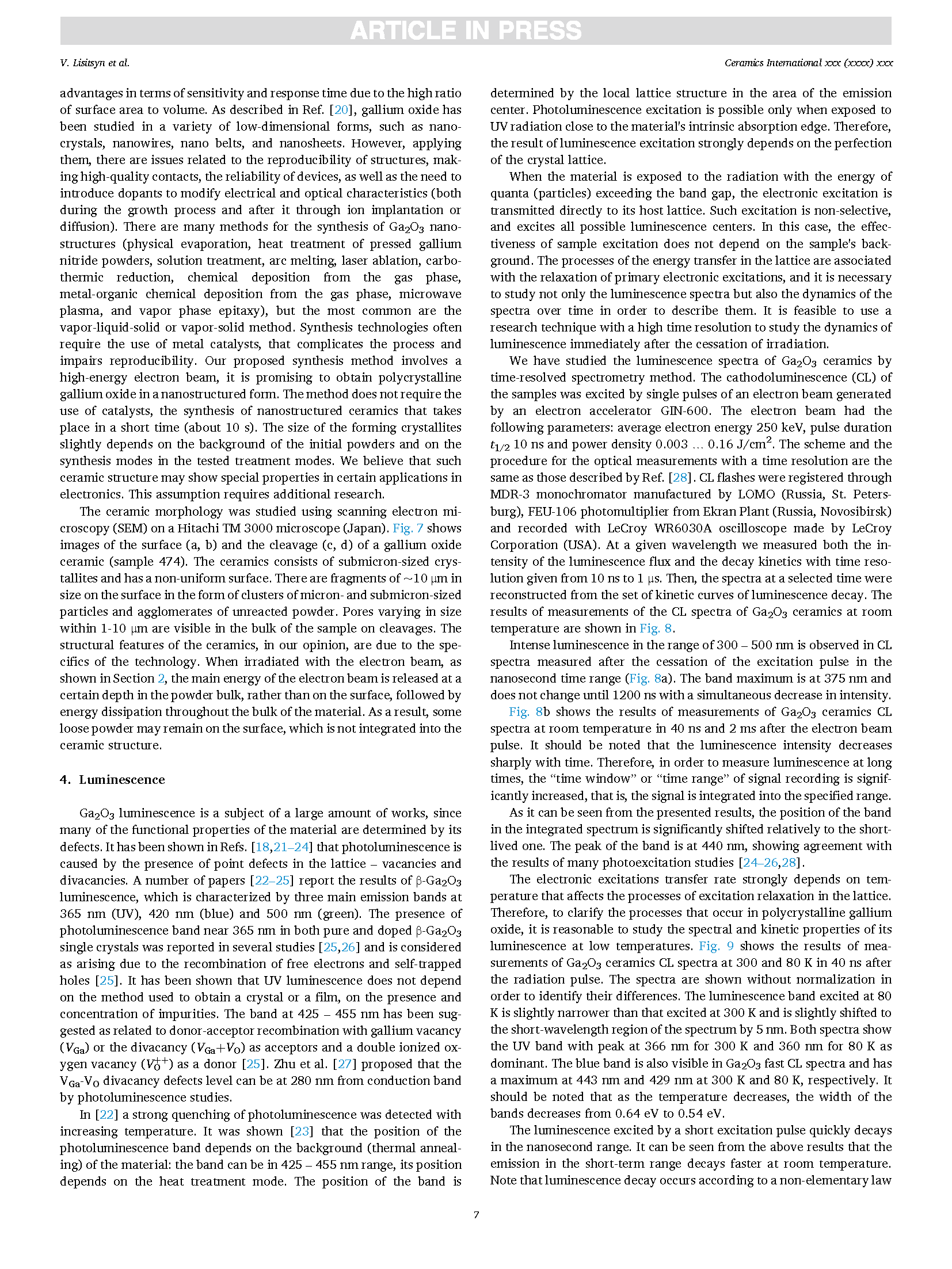
It is shown that the formation of Ga₂O₃ nanoceramics is possible by direct irradiation of Ga₂O₃ powder by a high-power electron flux with electron energies of 1.4 and 2.5 MeV. The synthesized samples are polycrystalline porous ceramics with crystallite sizes of about 80 nm; the predominant crystal structure is the β-phase of gallium oxide. The size of the crystallites weakly depends on the background and the granulometric composition of the initial powders; in the tested irradiation modes, the power density and energy of the electrons in the beam have not been correlated yet with the size of the crystallite. The conditions under which the radiation synthesis efficiency (the ratio of the mass of the synthesized sample and the spent powder) is close to 100% are determined. The maximum efficiency is achieved at the electron beam energy of 2.5 MeV and the electron flux power density of 26 kW/cm². The efficiency at the electron energy of 1.4 MeV and the power density of 17-18 kW/cm² is also high, reaching 96 – 98%. The energy of the electrons in the beam affects their penetration depth in the charge. The area with the maximum energy deposit is located at depths of 1 mm and 2 mm, for electron energies of 1.4 MeV and 2.5 MeV, respectively. It has been established that the synthesis efficiency rises with an increase of the beam power density. This dependence is linear in the power density range of 1.5-7 kW/cm². To make the ceramics synthesis in the charge volume possible, the energy density must exceed a certain critical value. The threshold for this type of ceramics has been determined as 1.5 kW/cm². The effect of the dispersion of the powders on the efficiency of radiation synthesis has been studied. It was determined that the optimal composition for the synthesis of gallium oxide ceramics is a powder with a predominant particle size of 4 – 10 μm, and a sufficiently high uniformity of particles by volume. The presence of both larger and smaller particles in the powder with a large proportion in volume leads to a decrease in the yield of the ceramics synthesis. The origin of the powder (its prehistory) has been shown to have some influence on the spectral and kinetic characteristics of luminescence. Powders with purity at least 99.5% were used for synthesis, however, we believe that uncontrolled impurities and morphological features of the powder may affect the structure and number of the lattice defects in the synthesized ceramics. It has been established that two emission peaks are observed in the CL spectra of synthesized Ga₂O₃ nanoceramics: UV band with the maximum at 365 nm (fast emission), and the blue one peaking at 440 nm (slow emission). A study of the spectrum evolution has shown that the maximum of the luminescence spectrum shifts with time after the electron beam excitation stop. In the nanosecond and microsecond ranges (up to ~ 2 ms), the maximum amplitude lies in the UV region, at longer times it shifts to the blue region. It is shown that fast and slow components are present in the luminescence decay; the decay curves can be satisfactorily described by superposition of the exponential component with characteristic time of 65 ns and two hyperbolic components with n=2 γ=2.8 and 0.8. This fact indicates the presence of an intracentral stage and recombination emission during relaxation of the excited states of the luminescence centers in the gallium oxide structure. At a low temperature (80 K), the maximum of the spectrum shifts to the short-wavelength region and the intensity of the long-wavelength slope of the band (arising mainly due to the “slow” luminescence) decreases. A comparison of the spectral and kinetic characteristics of the CL of the initial powder and the ceramics synthesized by the radiation method shows a qualitative similarity of the spectra. However, there is a shift in the position of the maxima (365 nm for the ceramics and 360 nm for the powder), that may be due to the effect of high-energy electron beam irradiation in the air on the number of oxygen vacancies in the gallium oxide structure. It is possible that the effect of radiation scattering during the luminescence measurement experiment may contribute to the displacement. The kinetic characteristics of the ceramics and the powder CL, both at room and at low temperatures, are very similar, some differences are observed in the ratio of contributions of slow components.
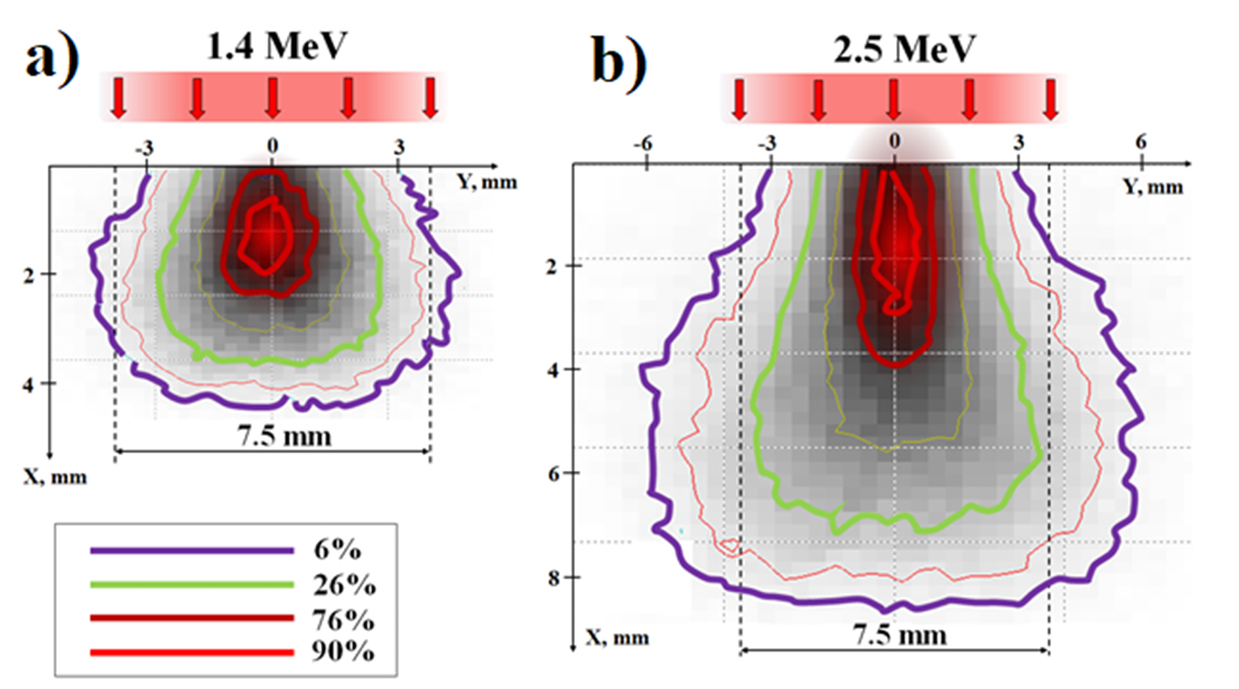
Figure 1 Distribution of energy losses by electrons with energies of 1.4 and 2.5 MeV during their path through Ga₂O₃ powder.
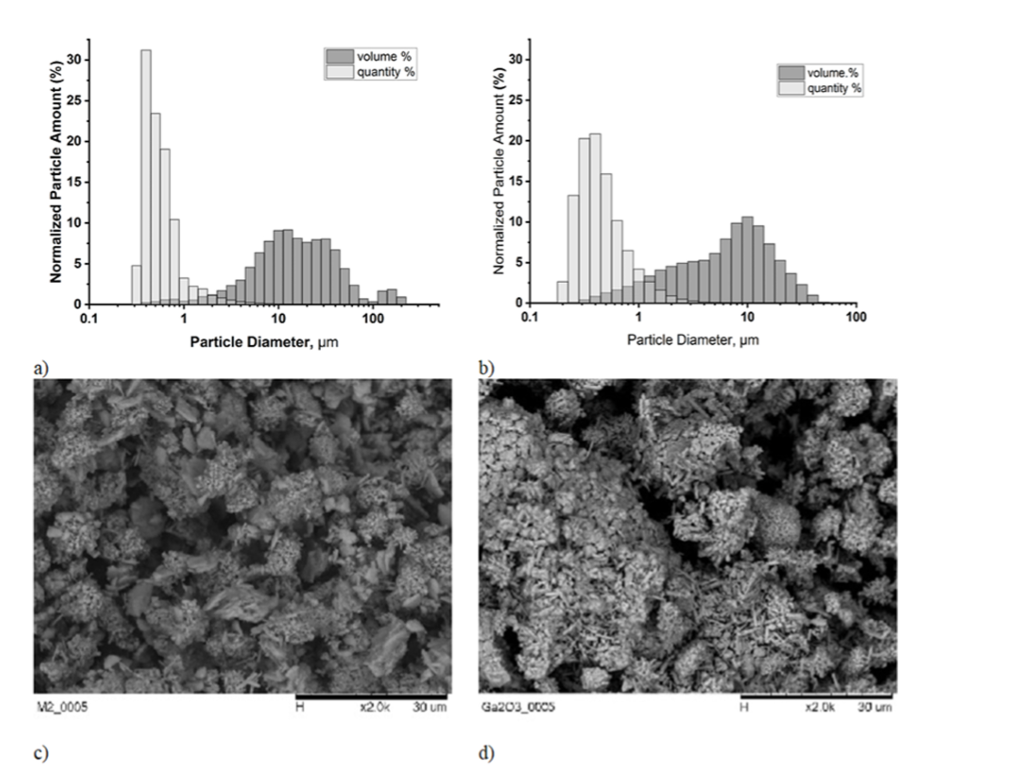
Figure 2 The dispersion composition of the powders used for the synthesis: Ga₂O₃-1 (a,c), Ga₂O₃-2 (b, d). Figures a, b – the relative number and the relative volume of the particles of the specified sizes, c, d – SEM photos of the powders.
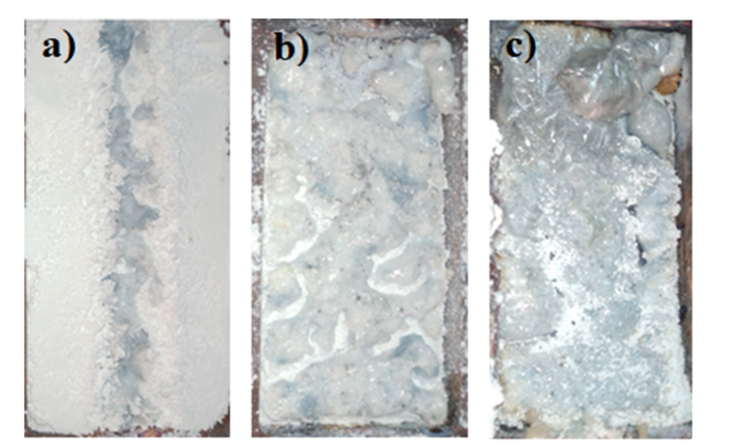
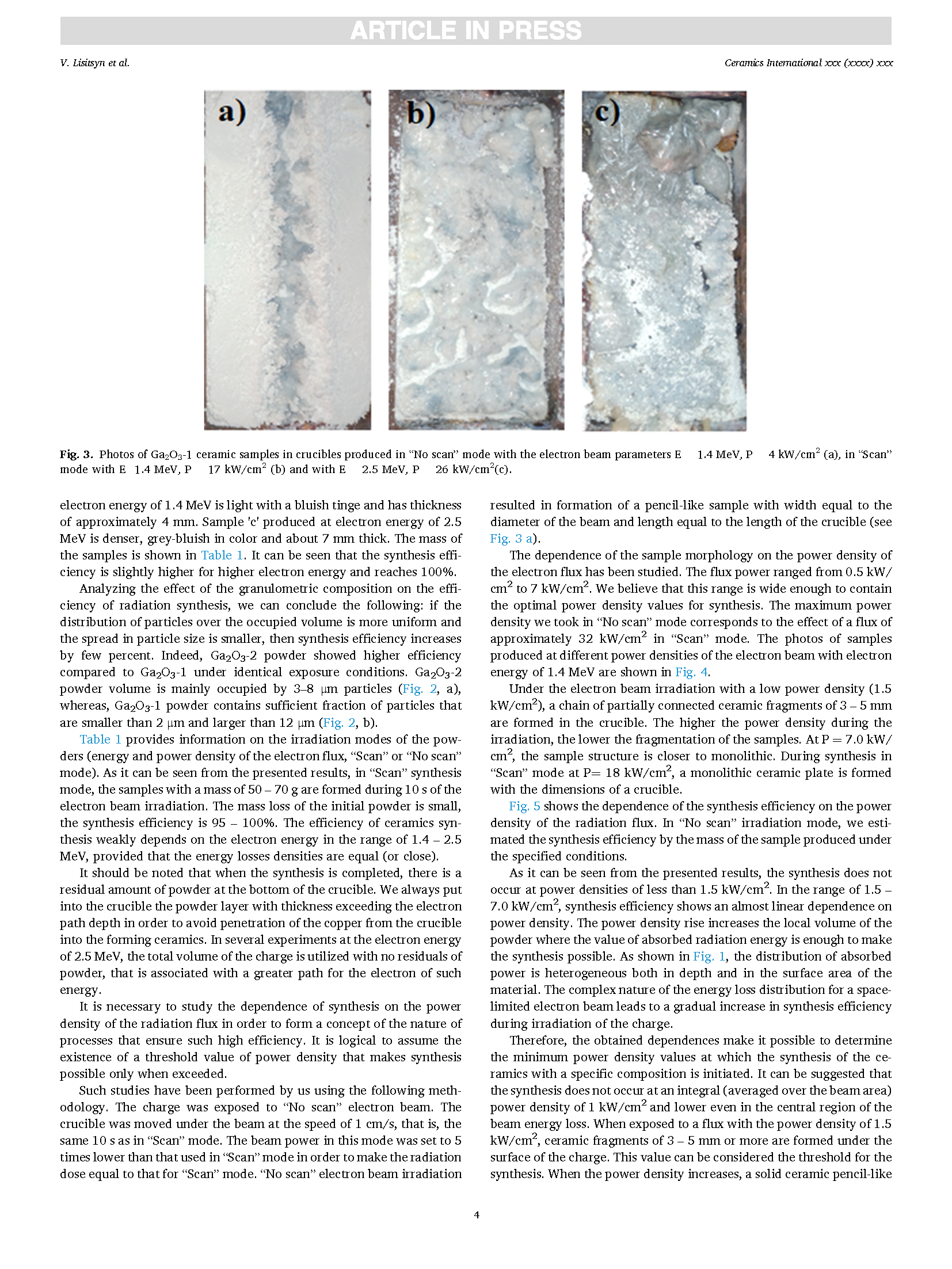
Figure 3 Photos of Ga₂O₃-1 ceramic samples in crucibles produced in “No scan” mode with the electron beam parameters E=1.4 MeV, P=4 kW/cm² (a), in “Scan” mode with E=1.4 MeV, P=17 kW/cm² (b) and with E=2.5 MeV, P=26 kW/cm²(c).
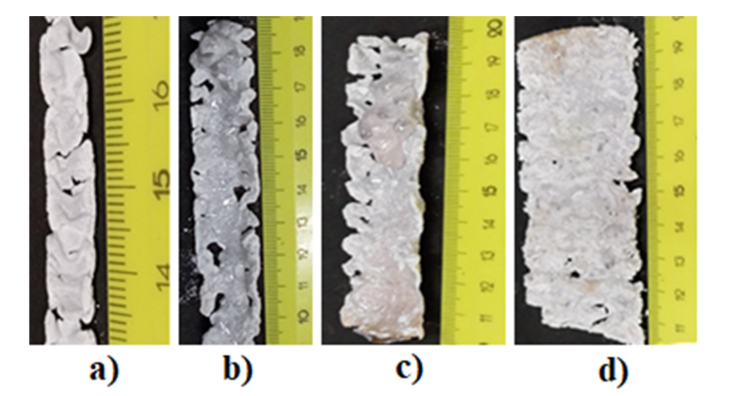
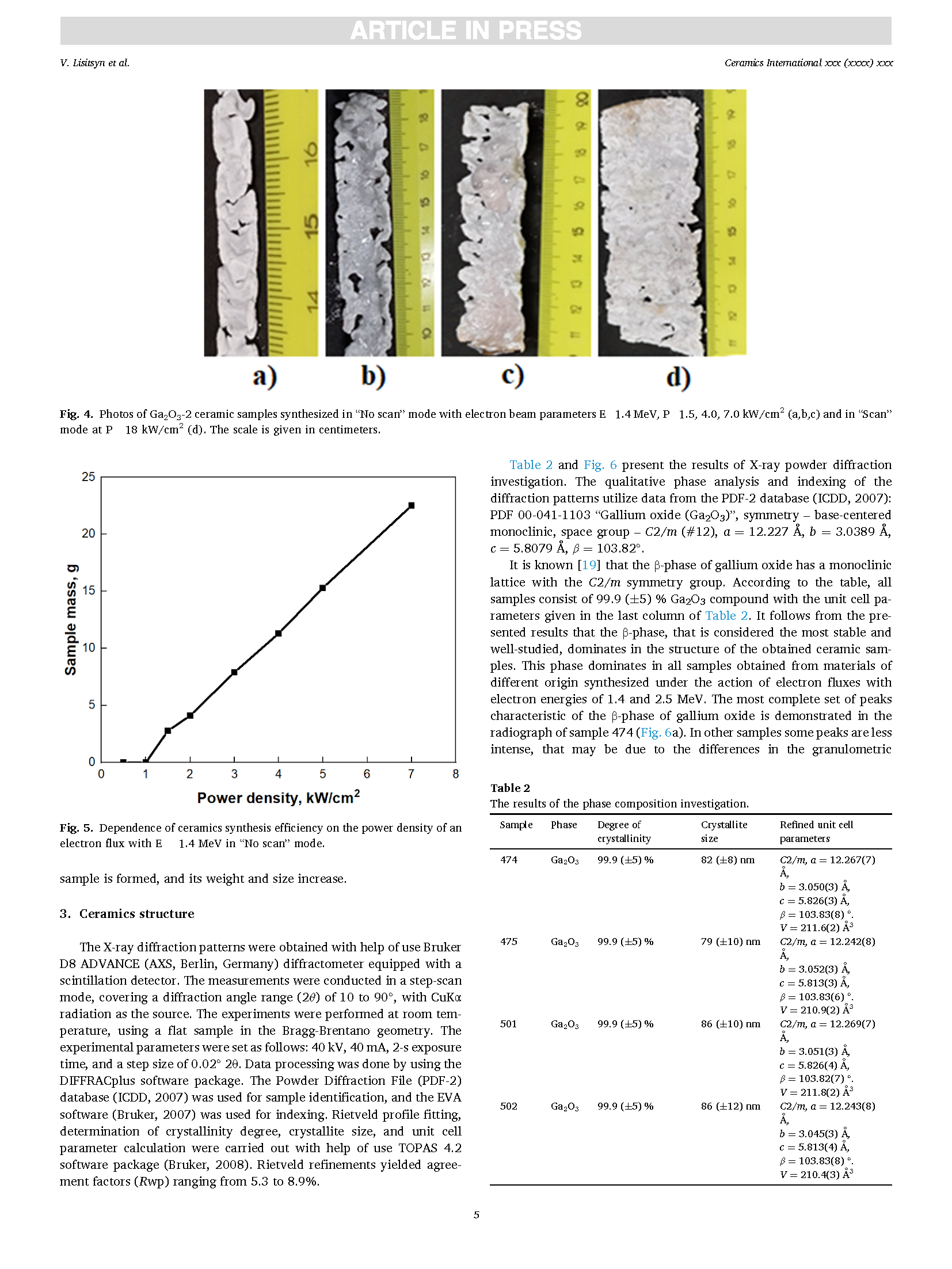
Figure 4 Photos of Ga₂O₃-2 ceramic samples synthesized in “No scan” mode with electron beam parameters E=1.4 MeV, P=1.5,4.0,7.0 kW/cm² (a,b,c) and in “Scan” mode at P=18 kW/cm² (d). The scale is given in centimeters.
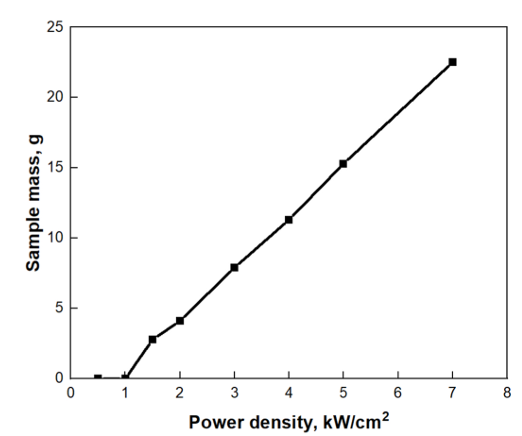
Figure 5 Dependence of ceramics synthesis efficiency on the power density of an electron flux with E=1.4 MeV in "No scan"mode.
DOI:
doi.org/10.1016/j.ceramint.2026.04.221
Instruction
Official Account

Cooperation
Top