


Researchers from Cornell University have published a dissertation titled “Design of a High-Performance Single-Stage Impedance Control Network-Based 48-V-to-1.8-V Point-of-Load Converter” in 2025 IEEE Energy Conversion Congress and Exposition (ECCE).
Background
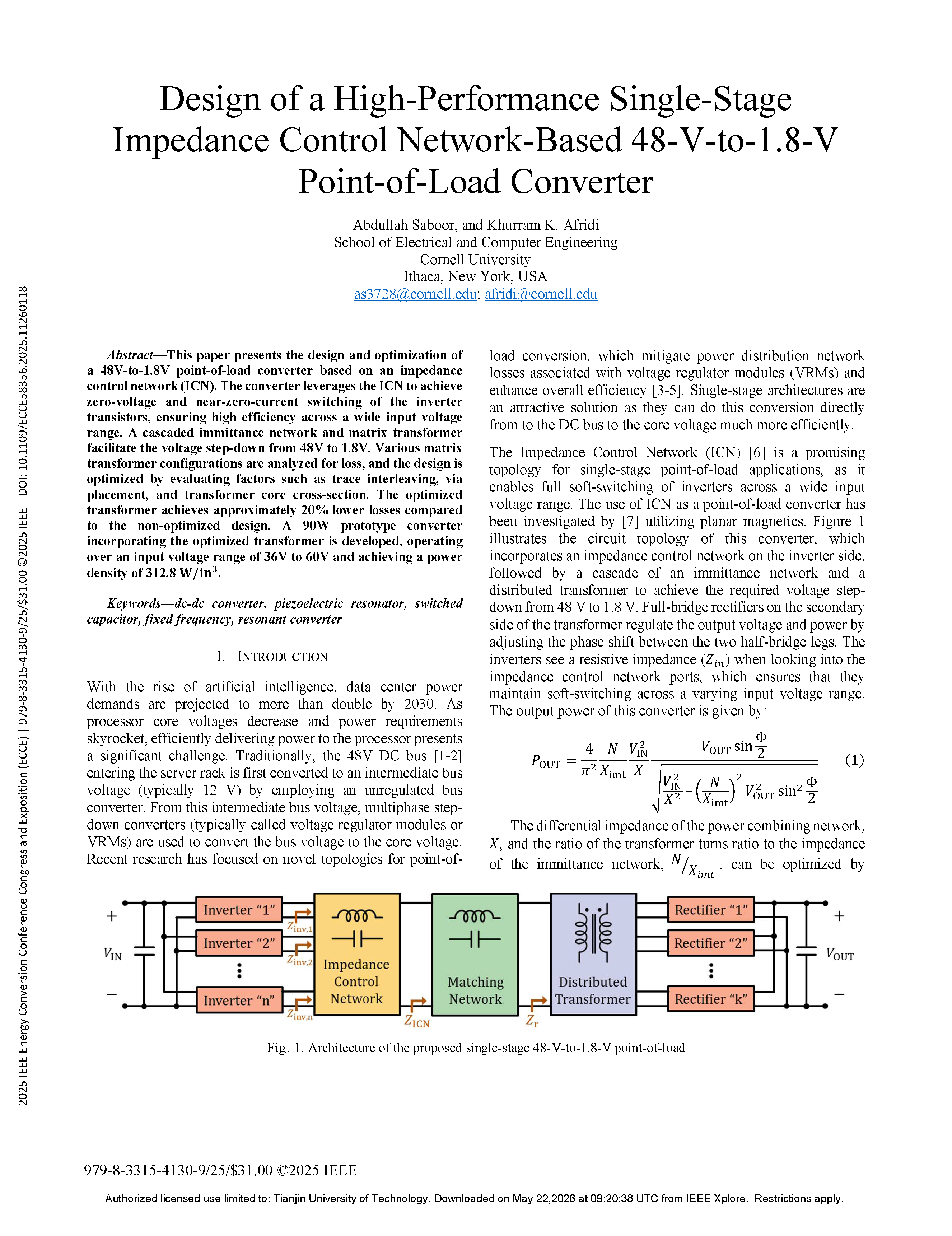
With the rise of artificial intelligence, data center power demands are projected to more than double by 2030. As processor core voltages decrease and power requirements skyrocket, efficiently delivering power to the processor presents a significant challenge. Traditionally, the 48V DC bus entering the server rack is first converted to 12V intermediate bus voltage, then to core voltage by multiphase stepdown converters (VRMs), leading to high losses and low efficiency. Single-stage architectures can convert directly from DC bus to core voltage with higher efficiency. The Impedance Control Network (ICN) enables full soft-switching of inverters across a wide input voltage range, making it promising for single-stage point-of-load applications.
Abstract
This paper presents the design and optimization of a 48V-to-1.8V point-of-load converter based on an impedance control network (ICN). The converter leverages the ICN to achieve zero-voltage and near-zero-current switching of the inverter transistors, ensuring high efficiency across a wide input voltage range. A cascaded immittance network and matrix transformer facilitate the voltage step-down from 48V to 1.8V. Various matrix transformer configurations are analyzed for loss, and the design is optimized by evaluating factors such as trace interleaving, via placement, and transformer core cross-section. The optimized transformer achieves approximately 20% lower losses compared to the non-optimized design. A 90W prototype converter incorporating the optimized transformer is developed, operating over an input voltage range of 36V to 60V and achieving a power density of 312.8 W/in³.
Highlights
Achieves full soft-switching for inverters over wide input voltage by ICN
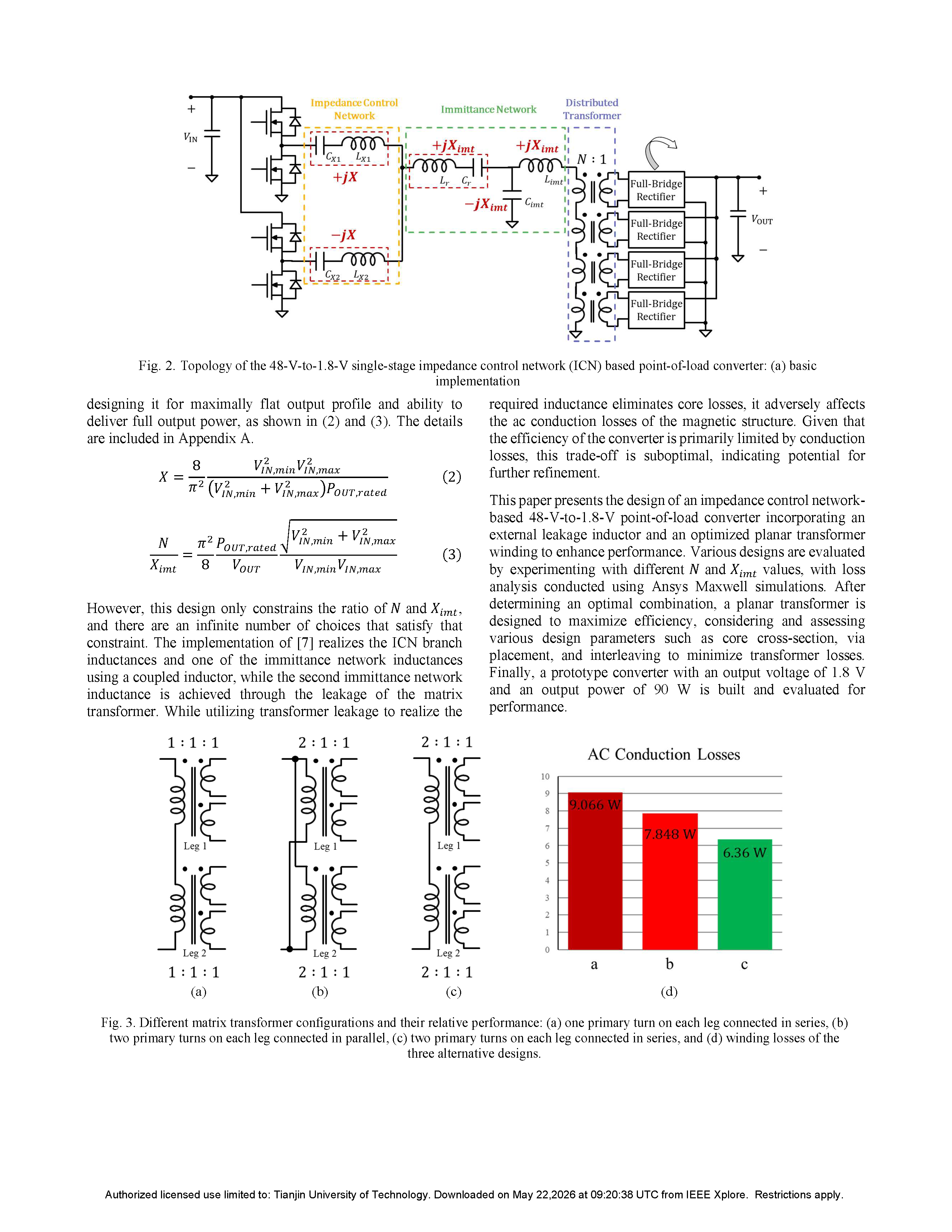
Realizes 48V-to-1.8V single-stage conversion with cascaded immittance network and matrix transformer
Optimizes transformer design with ~20% loss reduction
Uses external leakage inductor to improve AC conduction loss
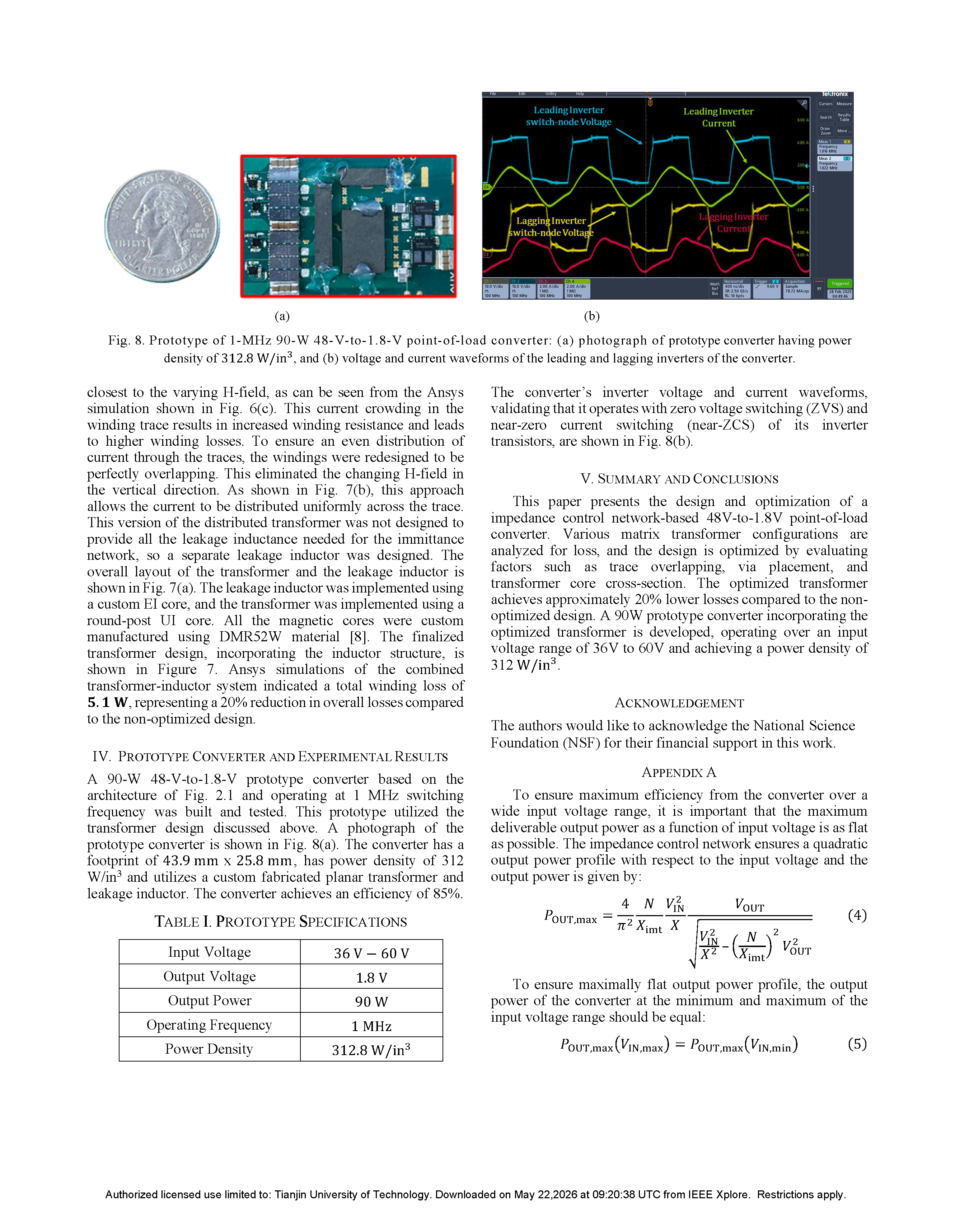
Prototype: 90W, 1MHz, 312.8 W/in³ power density, 85% efficiency
Conclusion
This paper presents the design and optimization of a impedance control network-based 48V-to-1.8V point-of-load converter. Various matrix transformer configurations are analyzed for loss, and the design is optimized by evaluating factors such as trace overlapping, via placement, and transformer core cross-section. The optimized transformer achieves approximately 20% lower losses compared to the nonoptimized design. A 90W prototype converter incorporating the optimized transformer is developed, operating over an input voltage range of 36V to 60V and achieving a power density of 312 W/in³.

Figure 1 Architecture of the proposed single-stage 48-V-to-1.8-V point-of-load converter.
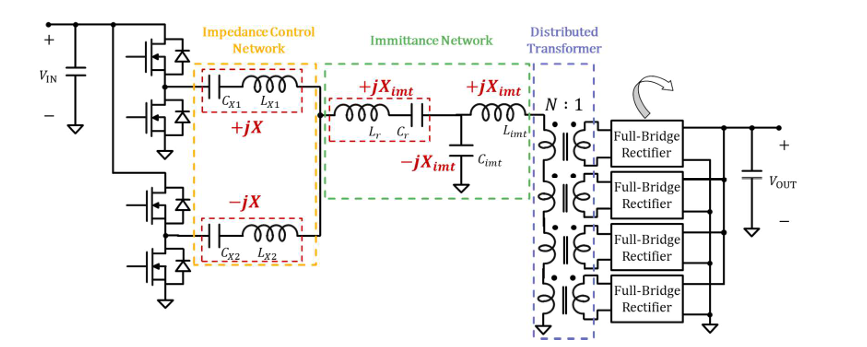
Figure 2 Topology of the 48-V-to-1.8-V single-stage impedance control network (ICN) based point-of-load converter: (a) basic implementation.
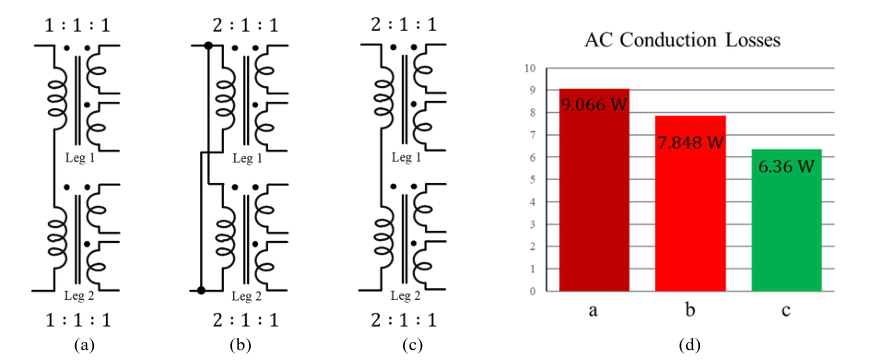
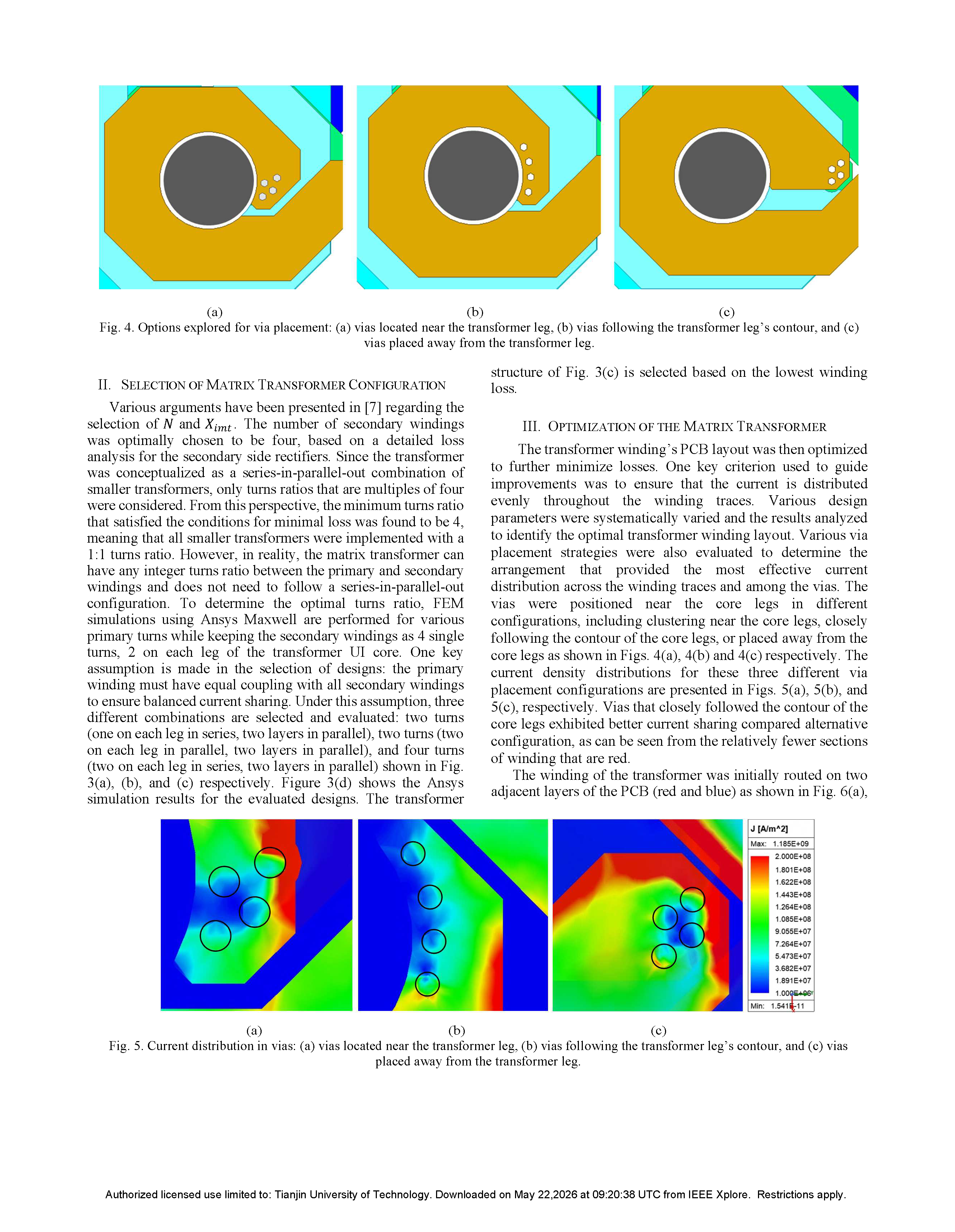
Figure 3 Different matrix transformer configurations and their relative performance: (a) one primary turn on each leg connected in series, (b) two primary turns on each leg connected in parallel, (c) two primary turns on each leg connected in series, and (d) winding losses of the three alternative designs.
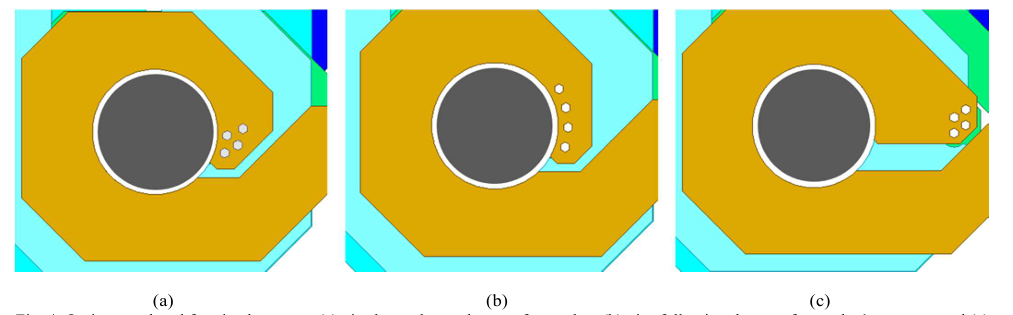
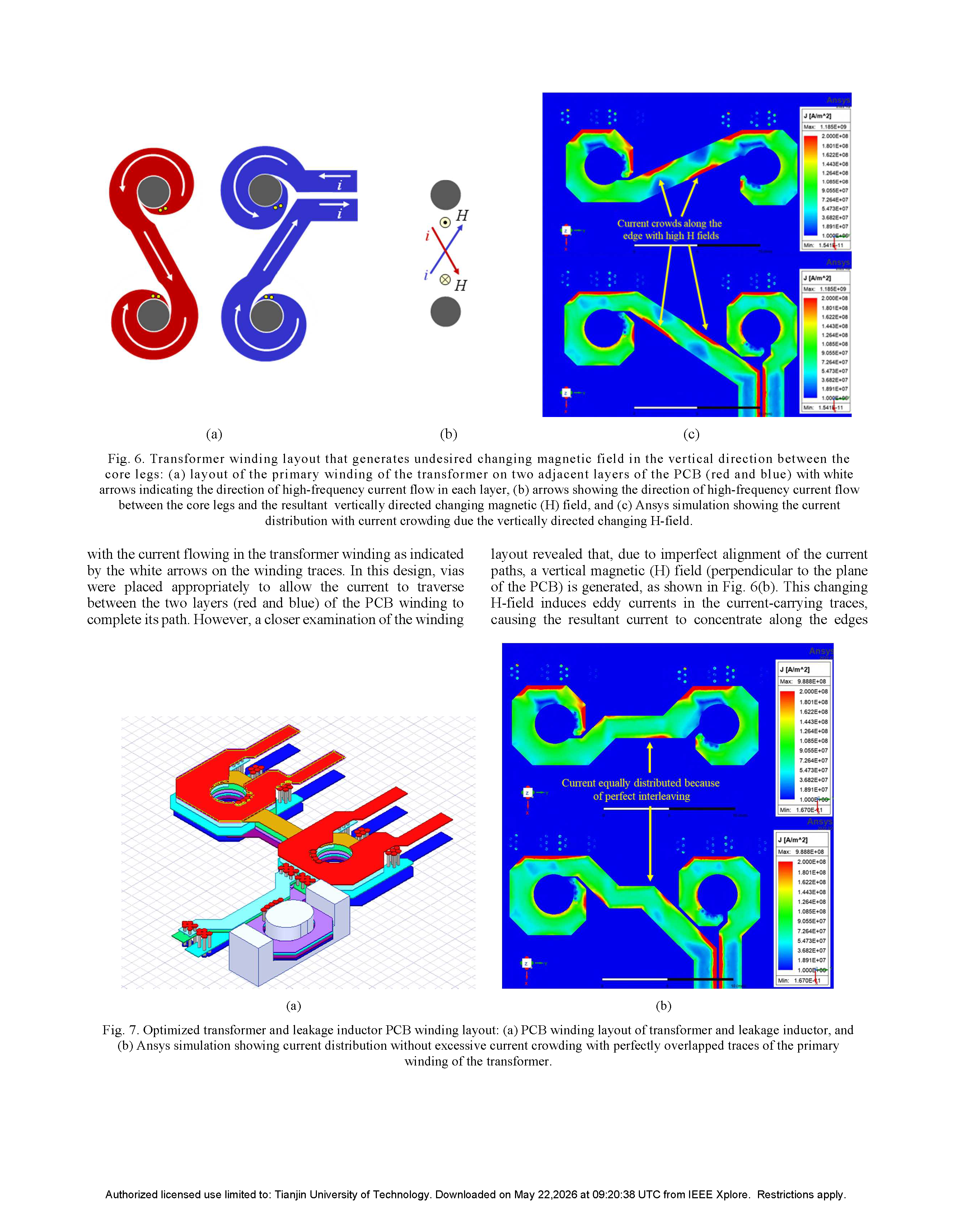
Figure 4 Options explored for via placement: (a) vias located near the transformer leg, (b) vias following the transformer leg’s contour, and (c) vias placed away from the transformer leg.
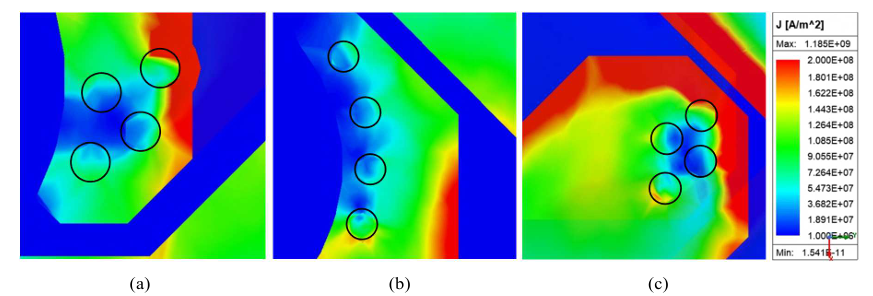
Figure 5 Current distribution in vias: (a) vias located near the transformer leg, (b) vias following the transformer leg’s contour, and (c) vias placed away from the transformer leg.
DOI:
10.1109/ECCE58356.2025.11260118
Instruction
Official Account

Cooperation
Top