


Researchers from Chongqing University of Technology have published a paper titled "ZnO Thin Film-Enhanced Solar-Blind Ultraviolet Photodetection in β-Ga₂O₃ and Its Application for Highly Sensitive Albumin Detection" in Journal of Alloys and Compounds.
Background
Solar-blind ultraviolet light (200–280 nm) is strongly absorbed by atmospheric ozone with ultra-low background noise, which makes it irreplaceable in missile early warning, flame detection, environmental monitoring and biochemical analysis. High-performance solar-blind photodetectors act as core components of such systems. Typical wide-bandgap semiconductors including AlGaN and MgZnO require heavy doping to realize solar-blind cutoff, yet heavy doping induces high-density defects, inhomogeneous composition and phase separation, which seriously degrade carrier transport. β-Ga₂O₃ owns an intrinsic bandgap of ~5.0 eV, ultrahigh breakdown field and stable physicochemical properties, while intrinsic β-Ga₂O₃ photodetectors suffer from low carrier separation efficiency, limited response speed and weak detection sensitivity. Heterojunction interface engineering is an effective strategy to optimize device performance. As a direct wide-bandgap semiconductor (3.2 eV), ZnO is suitable for UV detection, but reported β-Ga₂O₃/ZnO devices rely on expensive vacuum deposition technologies such as magnetron sputtering and MBE. Besides, accurate quantitative detection of bovine serum albumin (BSA) in biological fluids is essential for clinical diagnosis, and label-free biosensing based on β-Ga₂O₃/ZnO heterojunction photoelectric response remains unexplored. In this work, low-cost non-vacuum fabrication is adopted to construct heterojunction photodetectors, whose optoelectronic characteristics are systematically characterized and further applied to biomolecular sensing.
Abstract
To address the low carrier separation efficiency and insufficient response of pristine β-Ga₂O₃-based solar-blind ultraviolet photodetectors, a low-cost, non-vacuum heterostructure strategy was proposed. β-Ga₂O₃ thin films were prepared by mist chemical vapor deposition, and ZnO layers were deposited via successive ionic layer adsorption and reaction to fabricate Au/β-Ga₂O₃/ZnO/Au heterojunction photodetector. Material characterization verified a clean heterointerface without impurity phases, and the built-in electric field significantly promoted carrier separation. Under 254 nm illumination at 40 V bias, the device delivers a photocurrent of 3.94 μA, 20 times higher than the pristine β-Ga₂O₃ detector. The responsivity reaches 10.98 A/W, detectivity is 3.69 ×10¹² Jones, and external quantum efficiency is up to 5.36 ×10³ %, enhanced by 20, 19, and 23 times respectively, with markedly improved rise speed and stable switching response. Moreover, the device shows a good linear relationship (R²=0.98115) between photocurrent response and bovine serum albumin concentration, enabling highly sensitive protein detection. This work provides a low-cost route for high-performance β-Ga₂O₃ solar-blind photodetectors and extends their application to rapid, non-destructive UV biosensing.
Highlights
High-quality β-Ga₂O₃/ZnO heterojunctions are fabricated via fully atmospheric non-vacuum Mist-CVD & SILAR technology, greatly reducing manufacturing cost;
The ZnO modification brings a 20-fold photocurrent enhancement. The heterojunction built-in electric field accelerates carrier separation and suppresses recombination, realizing faster photoresponse and superior cycling stability;
The responsivity, detectivity and external quantum efficiency are increased by 20, 19 and 23 times compared with pristine β-Ga₂O₃devices, with comprehensive performance exceeding most reported Ga₂O₃-based heterojunction photodetectors;
The β-Ga₂O₃/ZnO solar-blind photodetector is innovatively applied to quantitative bovine serum albumin detection, realizing label-free, wide-range, rapid and non-destructive biosensing.
Conclusion
β-Ga₂O₃ thin films were prepared by Mist-CVD, and ZnO thin films were grown via SILAR, successfully fabricating a β-Ga₂O₃/ZnO heterojunction solar-blind ultraviolet photodetector. Under 254 nm illumination at 40 V bias, the heterojunction device exhibits excellent optoelectronic performance: photocurrent of 3.94 uA, which is about 20 times higher than that of the pure β-Ga₂O₃ reference device. The responsivity is 10.98 A/W, detectivity reaches 3.69 ×10¹² Jones, external quantum efficiency is up to 5.36 ×10³ % with fast response and excellent cycle repeatability. Mechanism analysis reveals that the ZnO layer accelerates photogenerated carrier separation and suppresses recombination via the heterojunction built-in electric field, while its strong UV absorption supplements carrier generation— synergistically enhancing device performance. Furthermore, leveraging high-sensitivity UV response, the device was applied to BSA detection, achieving quantitative analysis with R²=0.98115.
In summary, the ZnO-enhanced β-Ga₂O₃ heterojunction provides a low-cost, feasible pathway for high-performance SBPDs. Its biosensing application expands wide-bandgap semiconductor heterostructures scenarios, holding significant theoretical value and practical potential.
Project Support
The authors would like to acknowledge support from the Joint Fund of Chongqing Municipal Education Commission and Science and Technology Bureau (CSTB2025NSCQLZX0071), Chongqing Science and Technology Bureau (CSTB2025TIAD-STX0017).
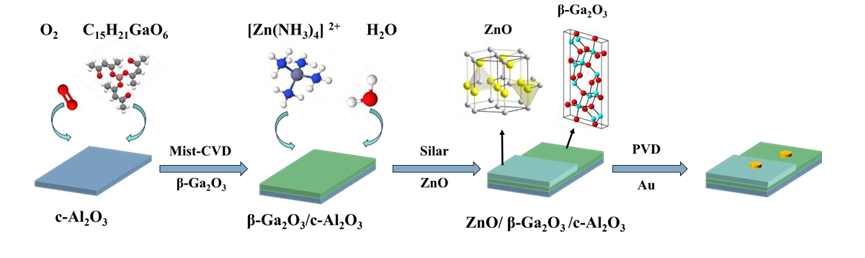
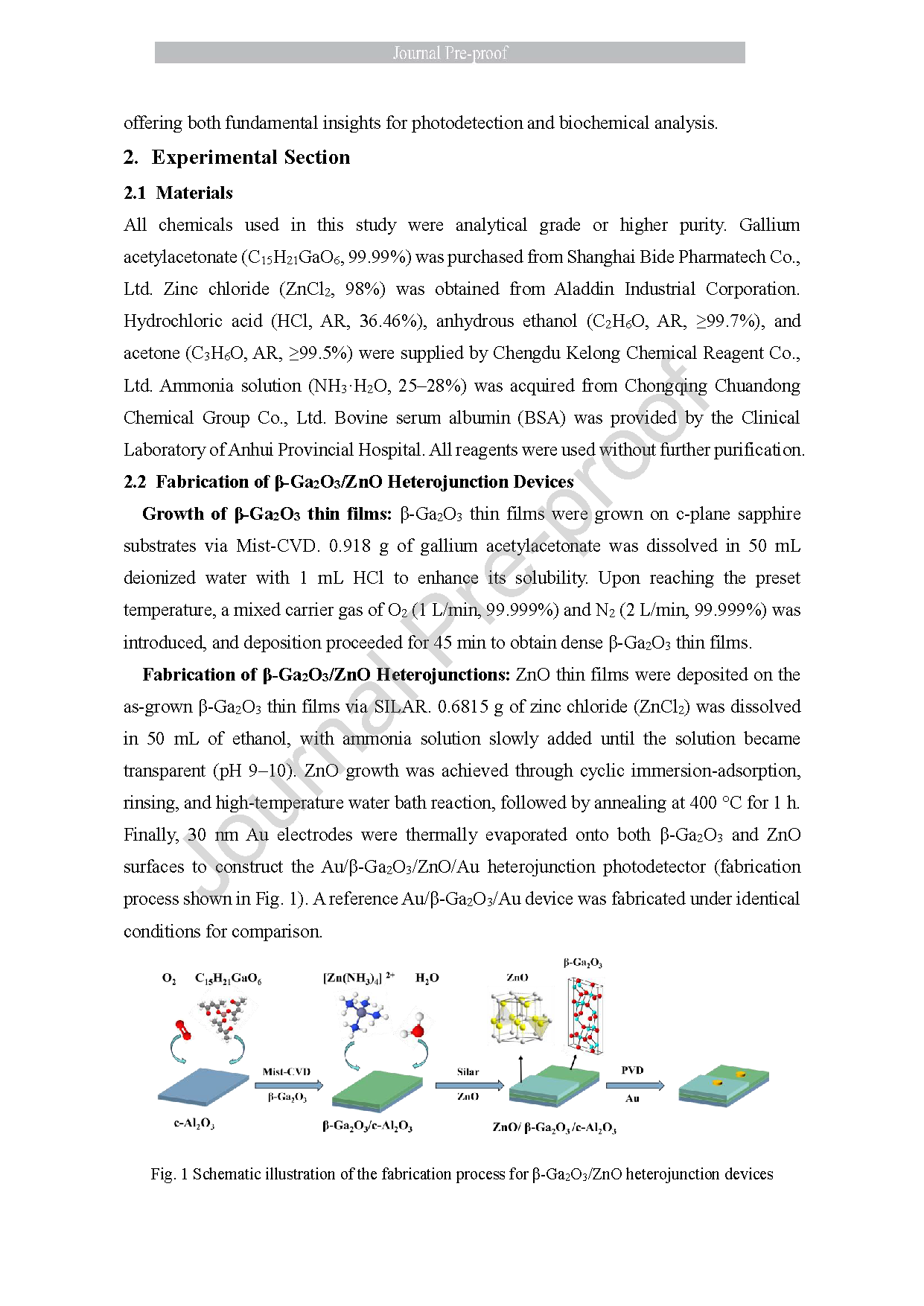
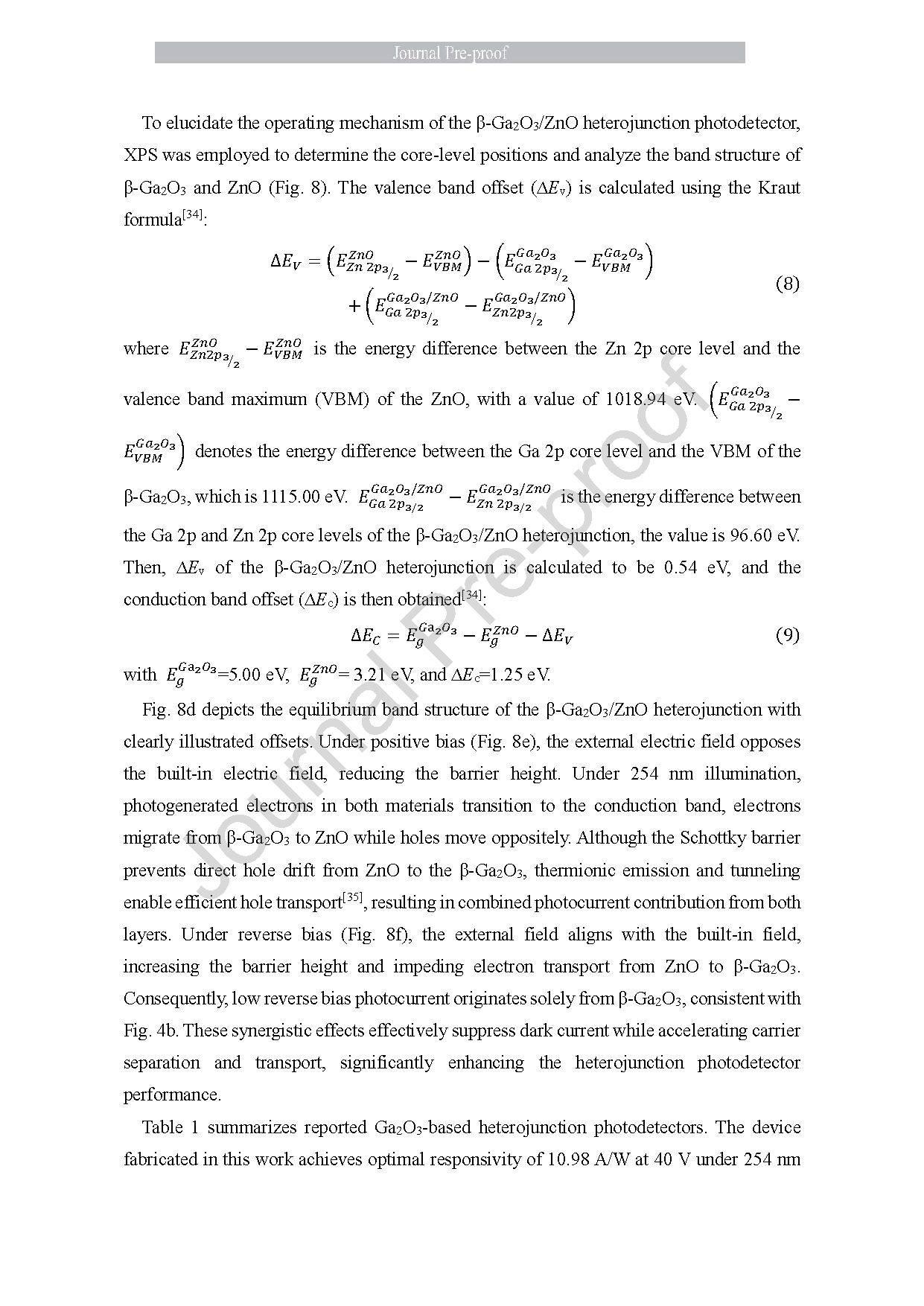
Figure 1 Schematic illustration of the fabrication process for β-Ga₂O₃/ZnO heterojunction devices
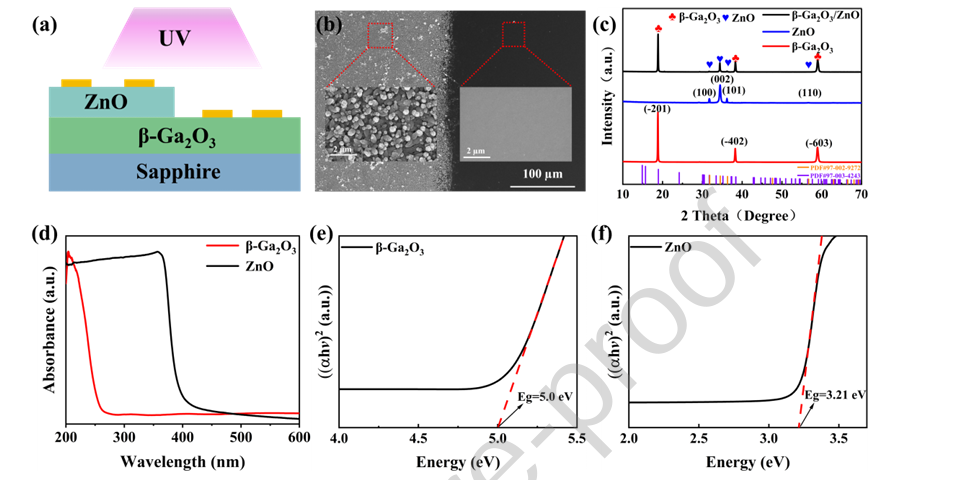
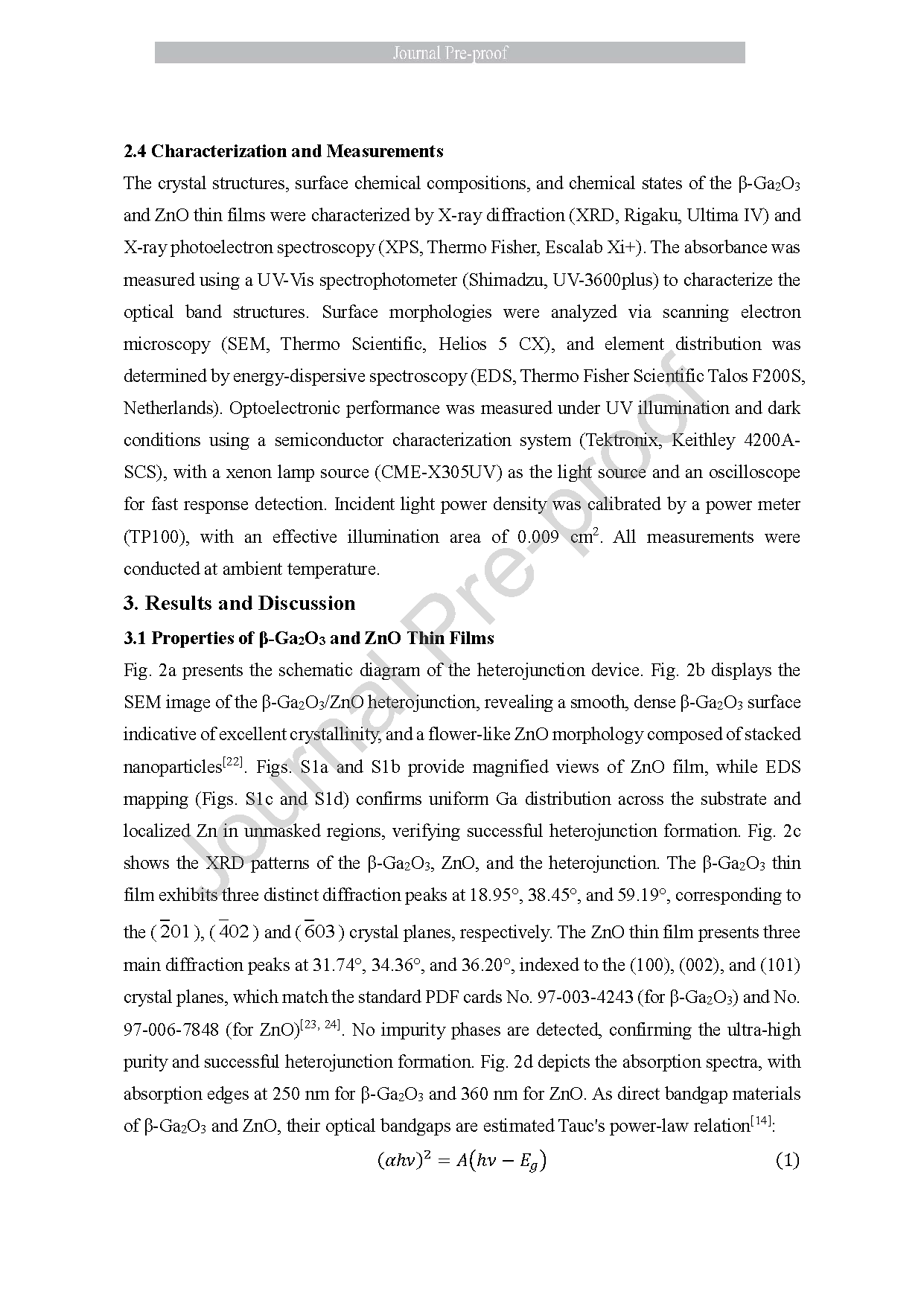
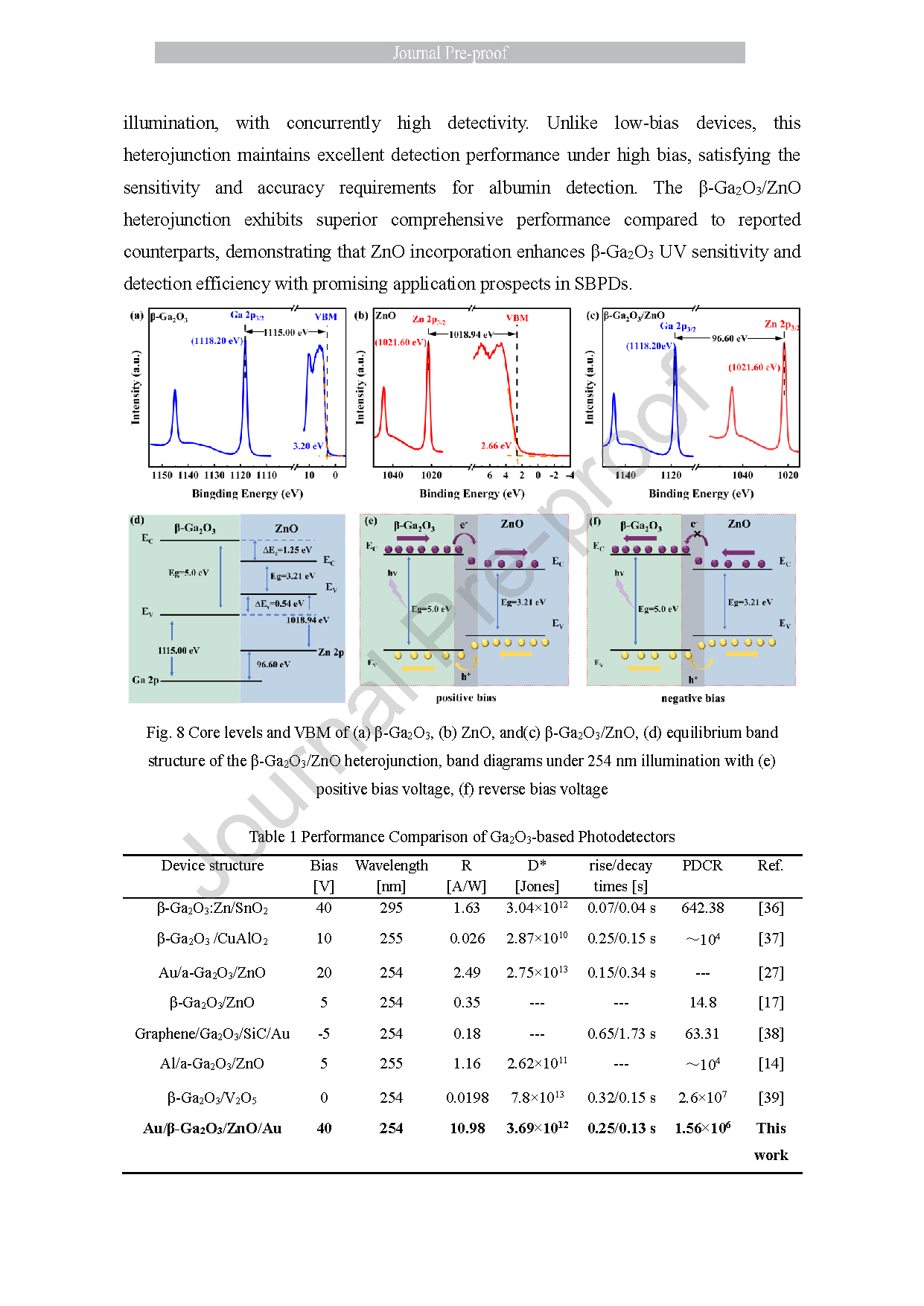
Figure 2(a) Schematic diagram of the heterojunction device, (b) SEM image of the β-Ga₂O₃/ZnO heterojunction, the left inset is the magnified SEM image of the ZnO film and the right one is the magnified SEM image of the β-Ga₂O₃ film, (c) XRD patterns of β-Ga₂O₃ and β-Ga₂O₃/ZnO heterojunction; (d) UV-Vis absorption spectra of the β-Ga₂O₃ and ZnO thin films, (e) (αhν)² versus hν plots for β-Ga₂O₃, (f) (αhν)² versus hν plots for ZnO
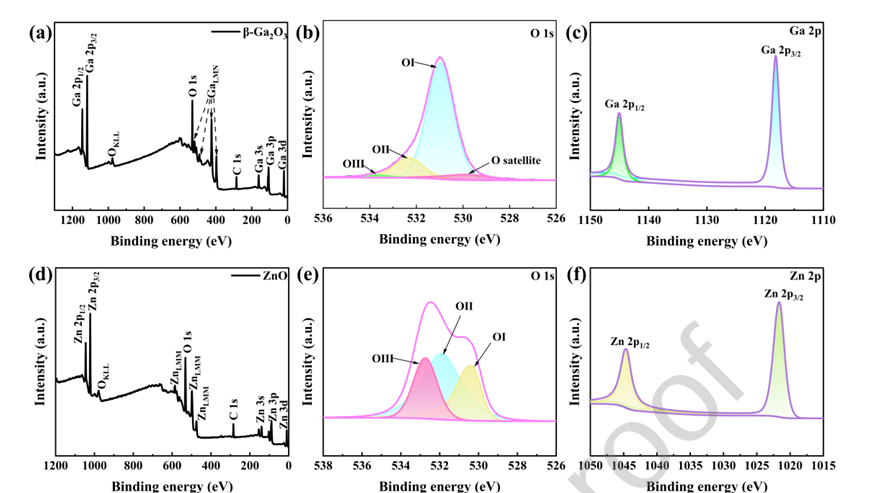
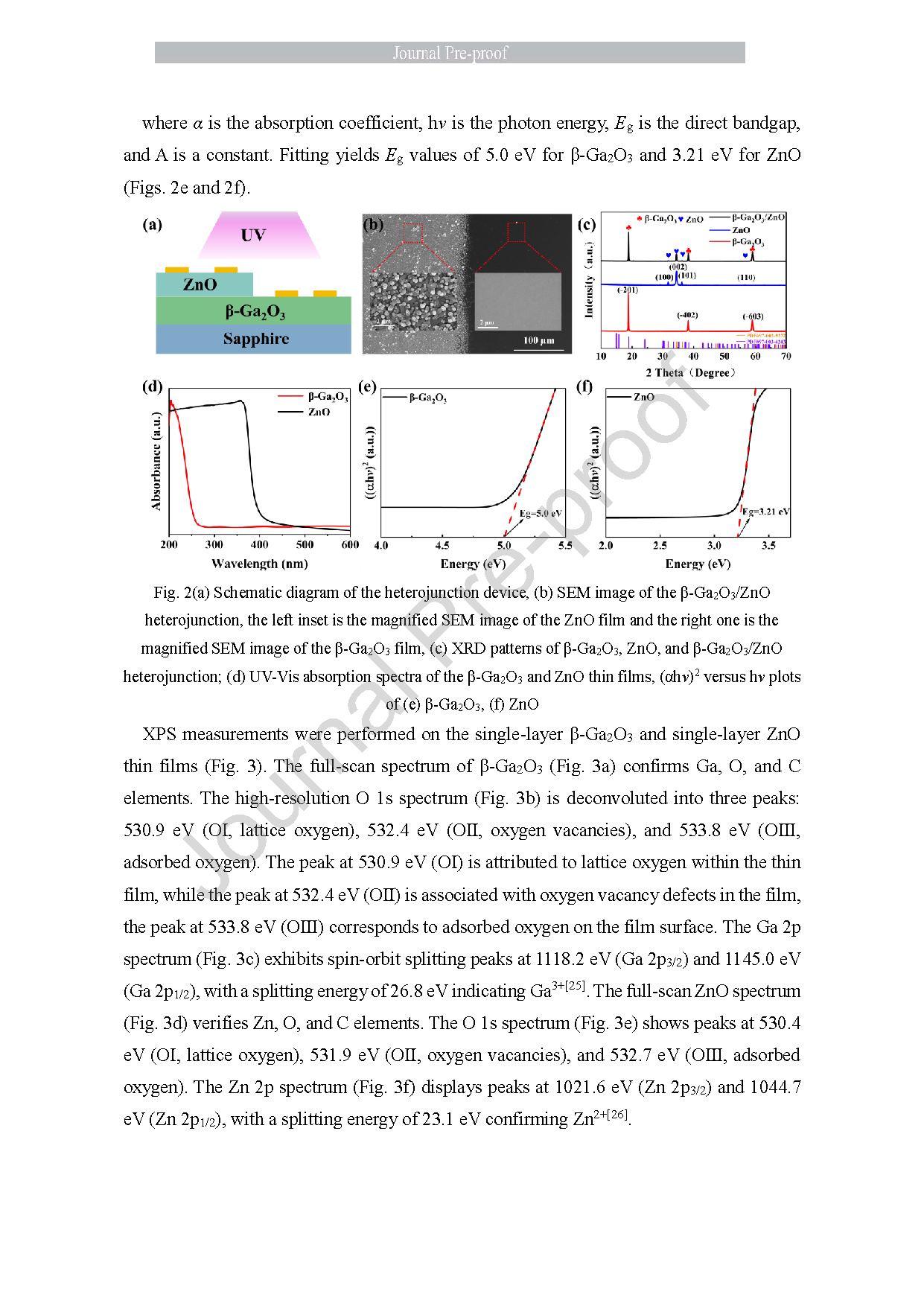
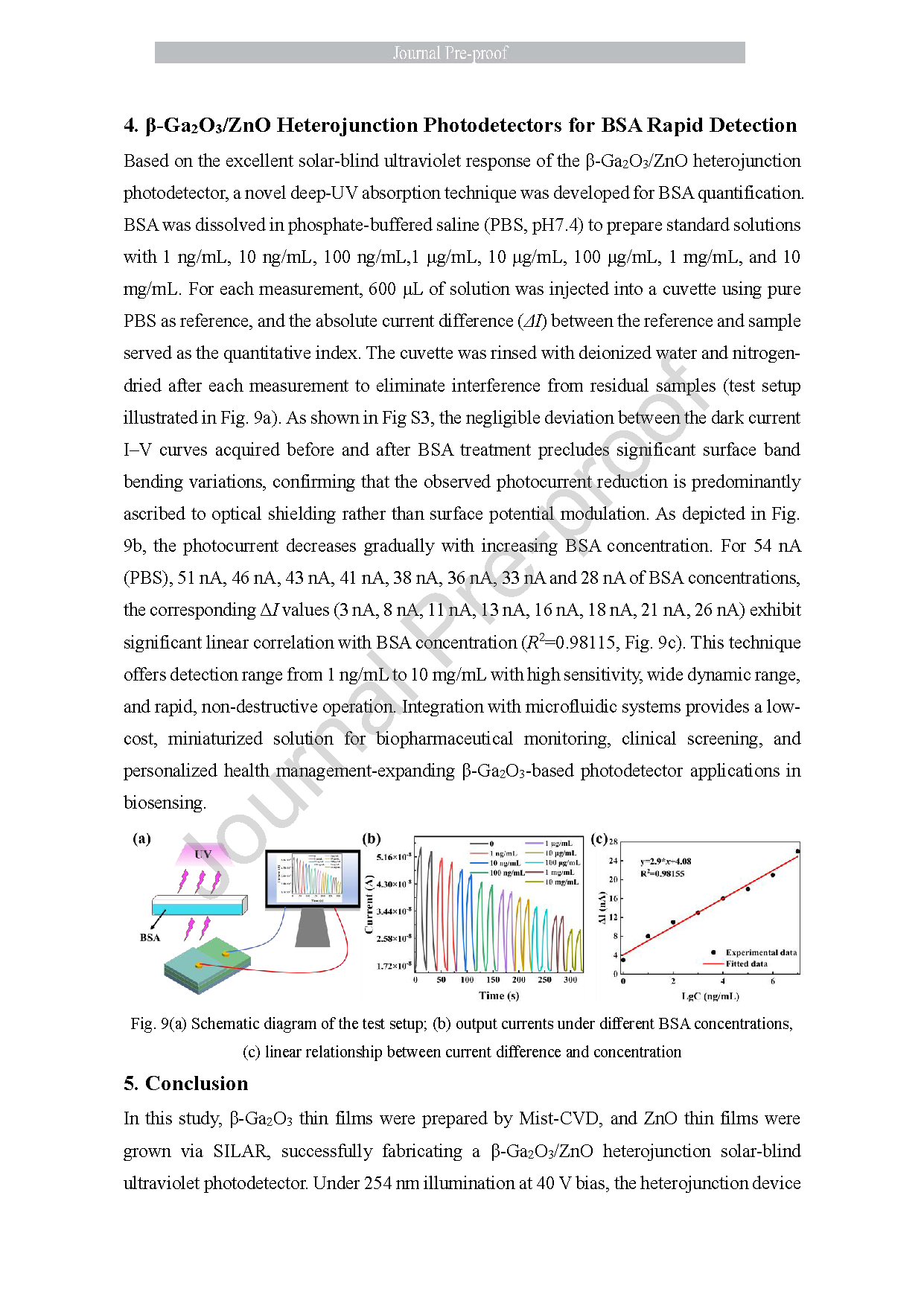
Figure 3(a) XPS full-scan spectrum of the β-Ga₂O₃ film, high-resolution spectrum of (b) O 1s, (c) Ga 2p; (d) XPS full-scan spectrum of the ZnO film, high-resolution spectrum of (e) O 1s, (f) Zn 2p spectrum
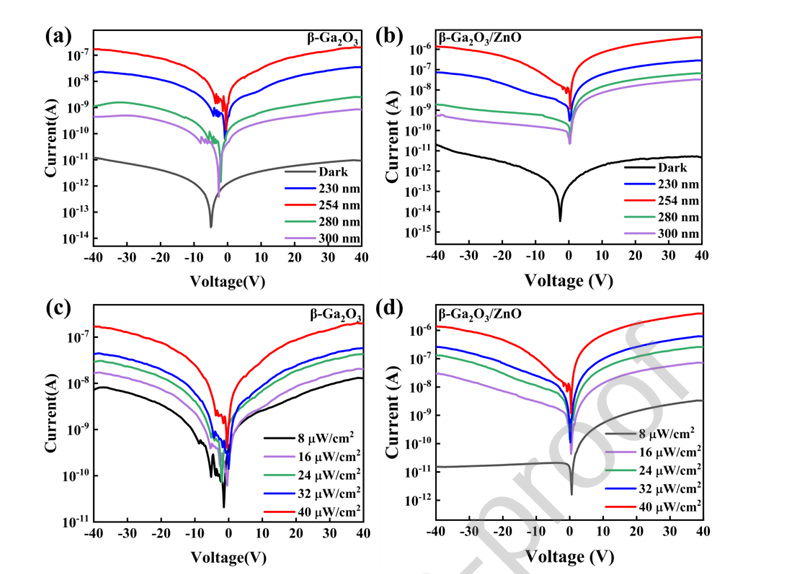
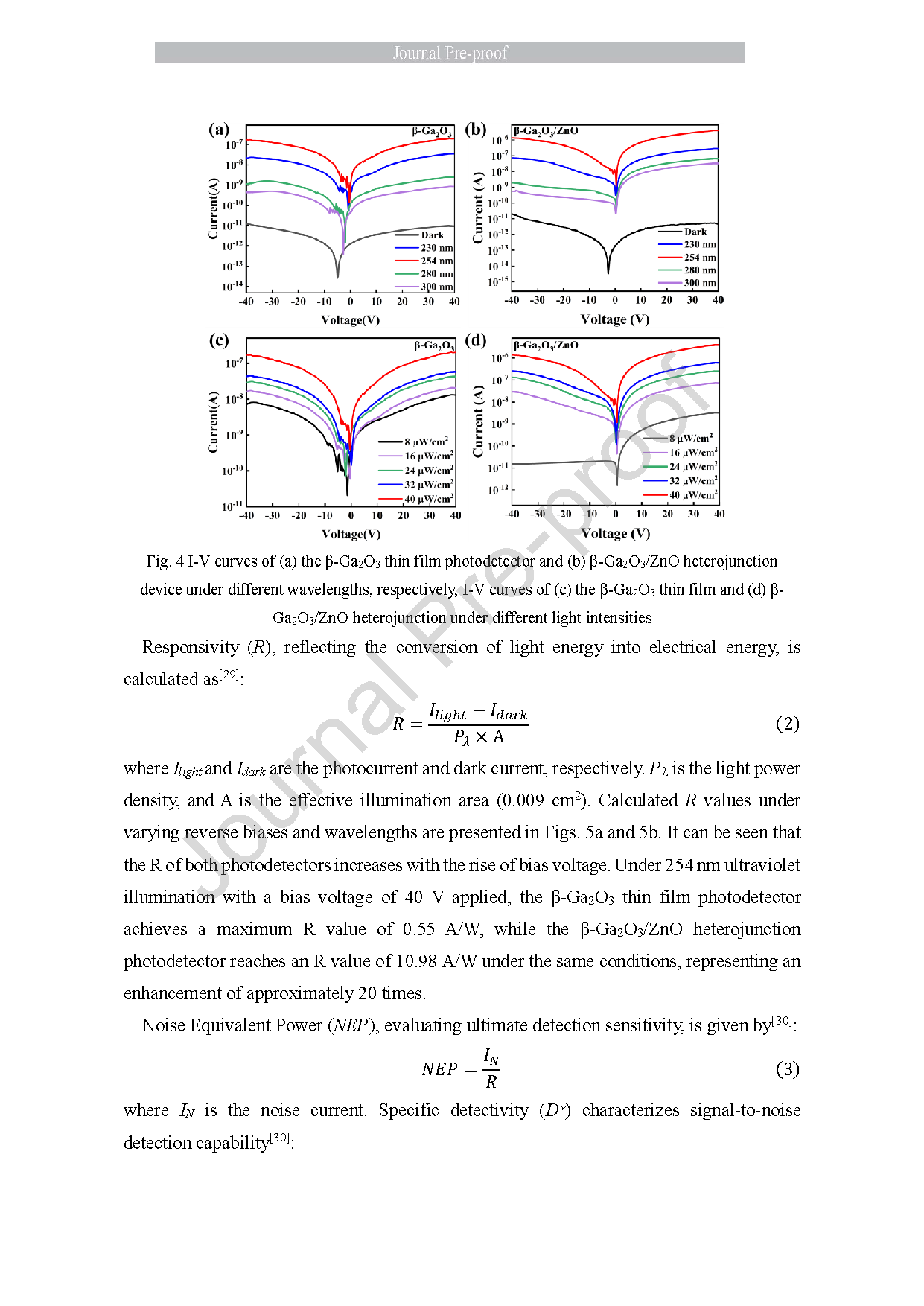
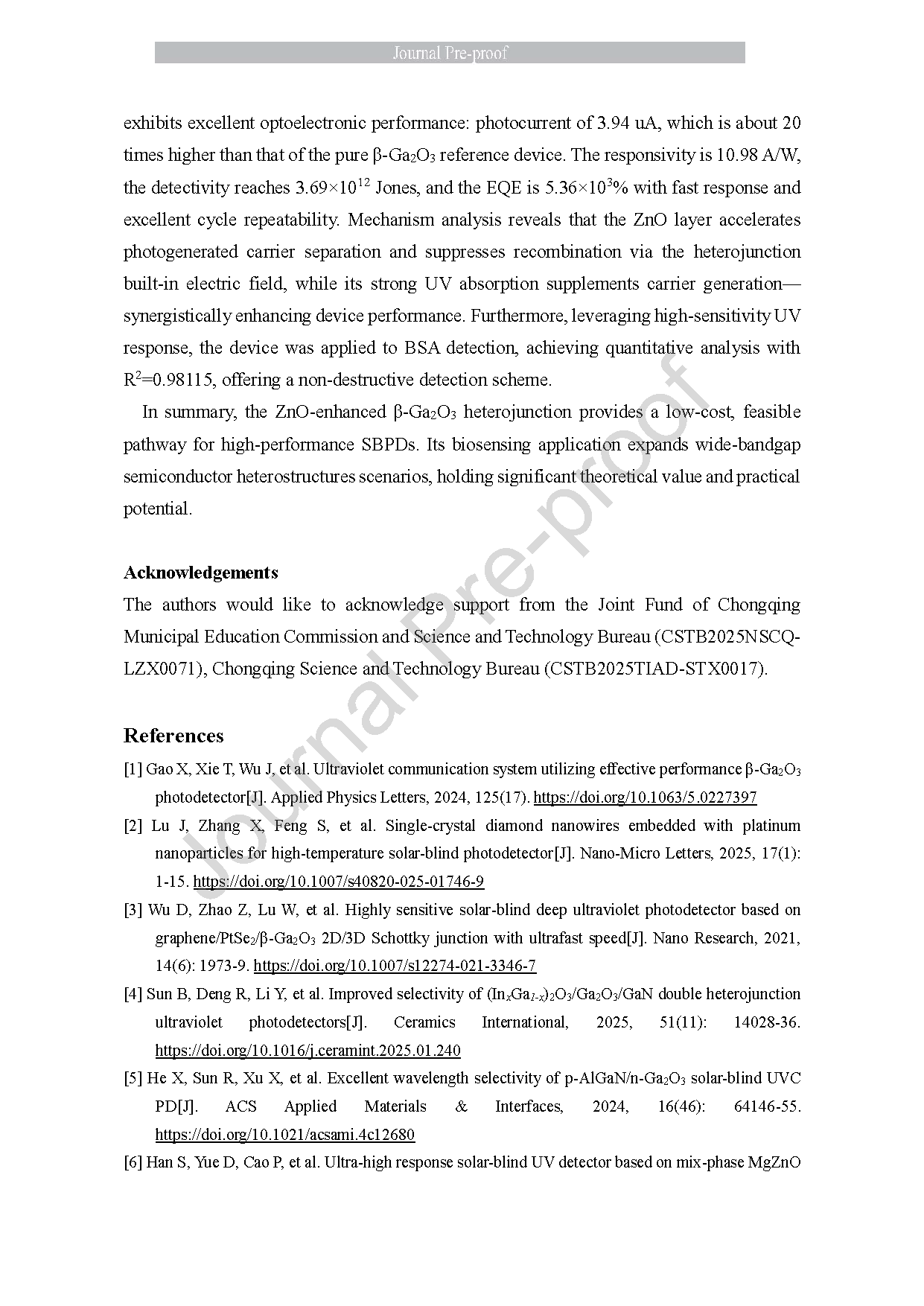
Figure 4 I-V curves of (a) the β-Ga₂O₃ thin film photodetector and (b) β-Ga₂O₃/ZnO device under different wavelengths, respectively, I-V curves of (c) the β-Ga₂O₃ thin film and (d) β-Ga₂O₃/ZnO heterojunction under different light intensities
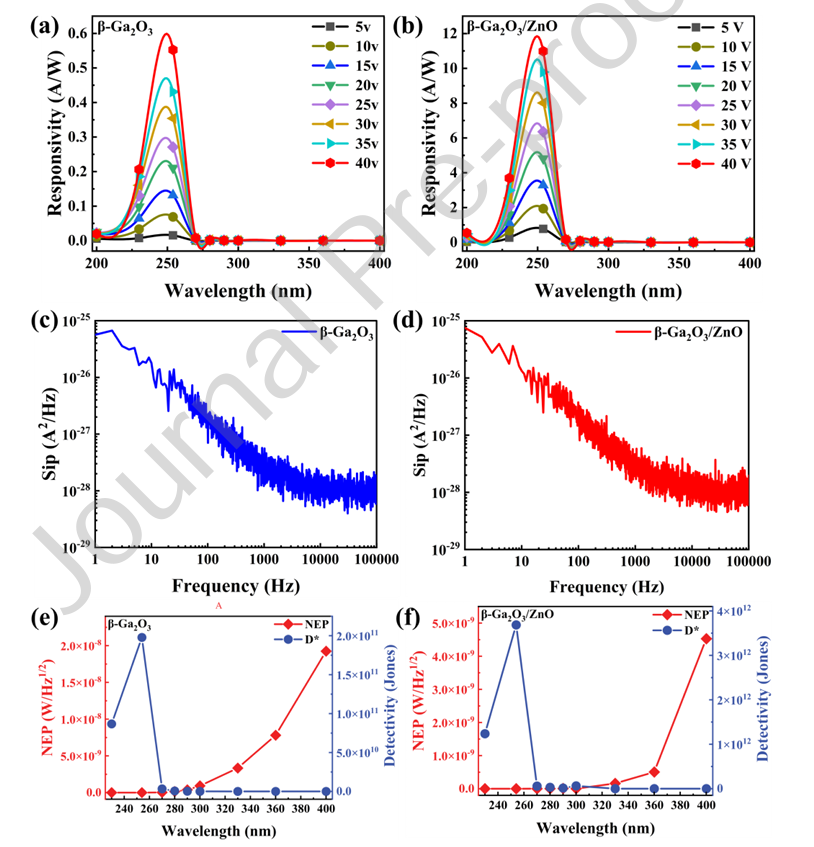
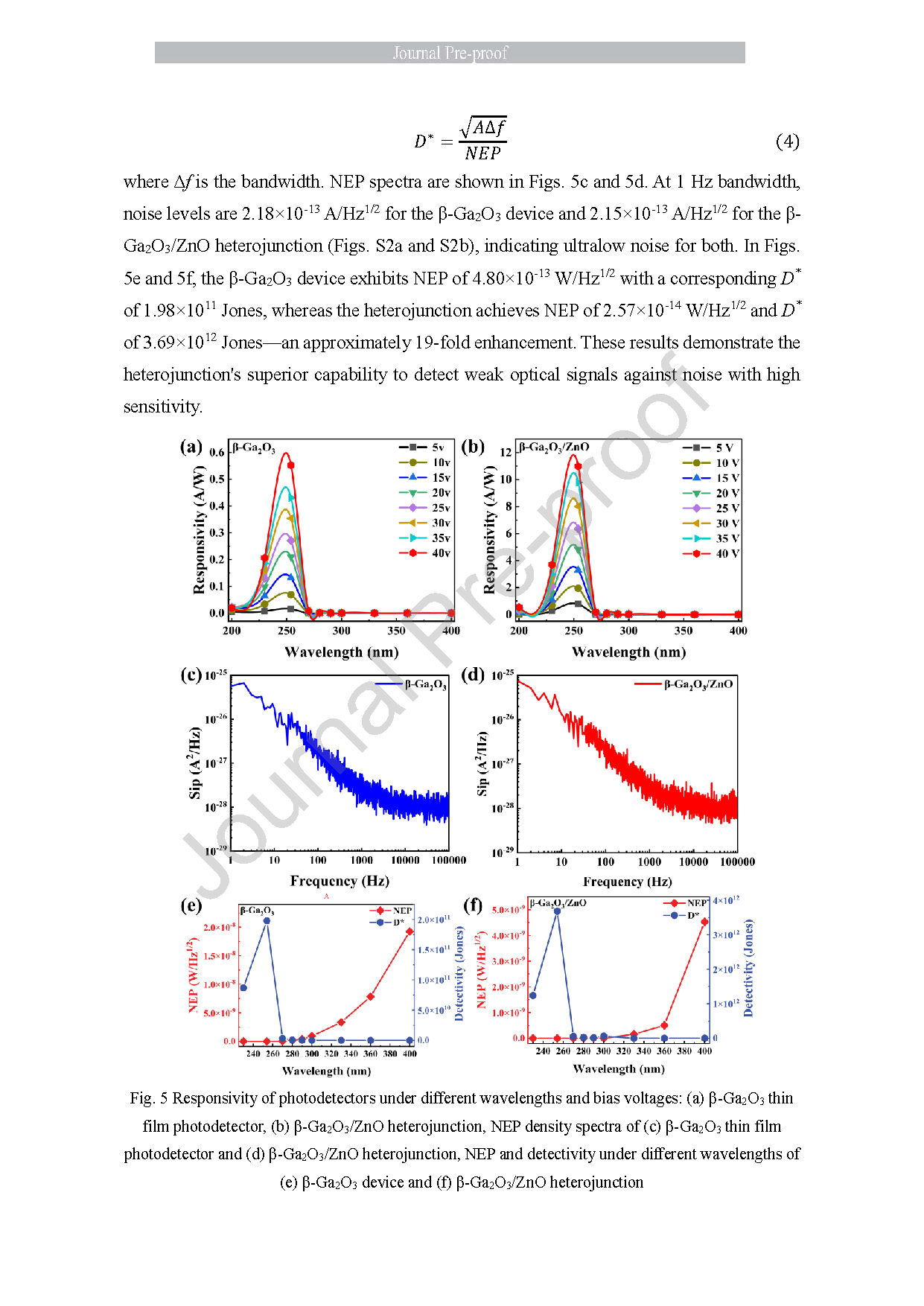
Figure 5 Responsivity of photodetectors under different wavelengths and bias voltages: (a) β-Ga₂O₃ thin film photodetector, (b) β-Ga₂O₃/ZnO heterojunction, NEP density spectra of (c) β-Ga₂O₃ thin film photodetector and (d) β-Ga₂O₃/ZnO heterojunction, NEP and detectivity under different wavelengths of (e) β-Ga₂O₃ device and (f) β-Ga₂O₃/ZnO heterojunction
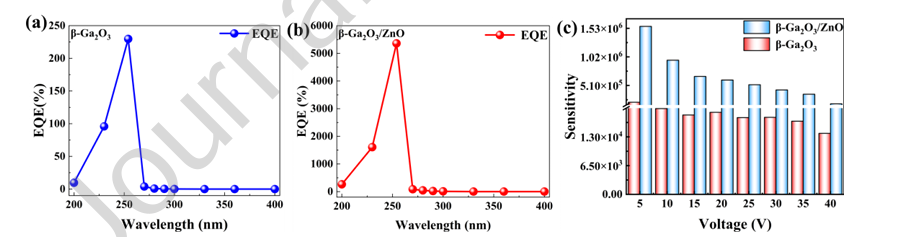
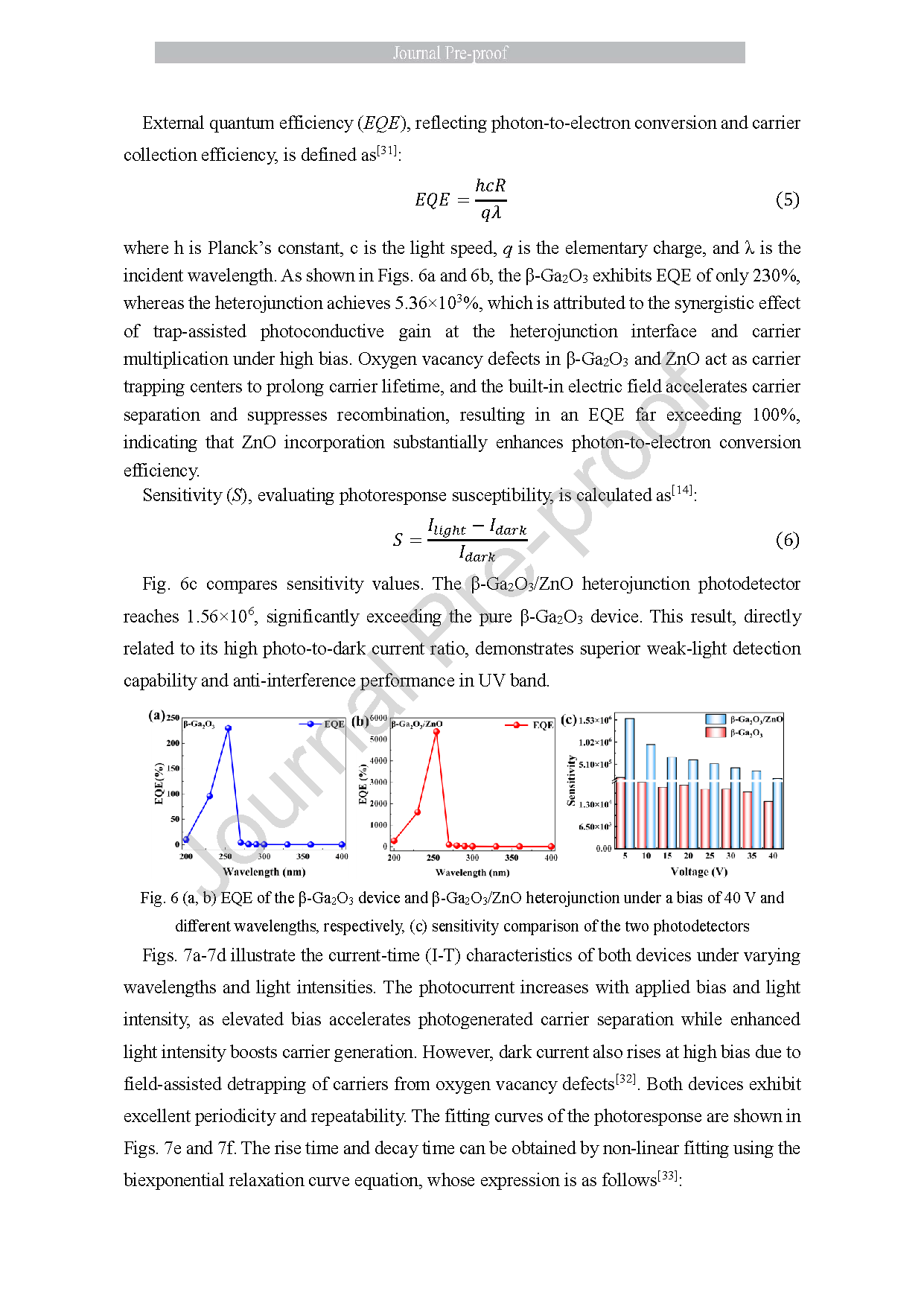
Figure 6 (a, b) EQE of the β-Ga₂O₃ device and β-Ga₂O₃/ZnO heterojunction under a bias of 40 V and different wavelengths, respectively, (c) sensitivity comparison of the two photodetectors
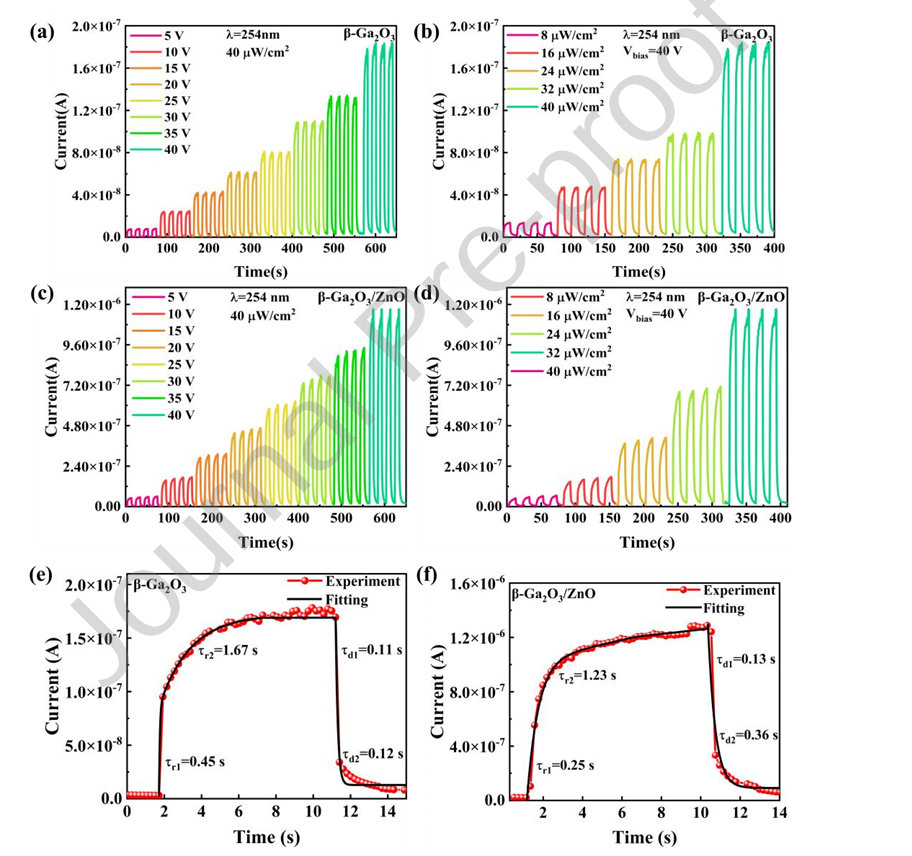
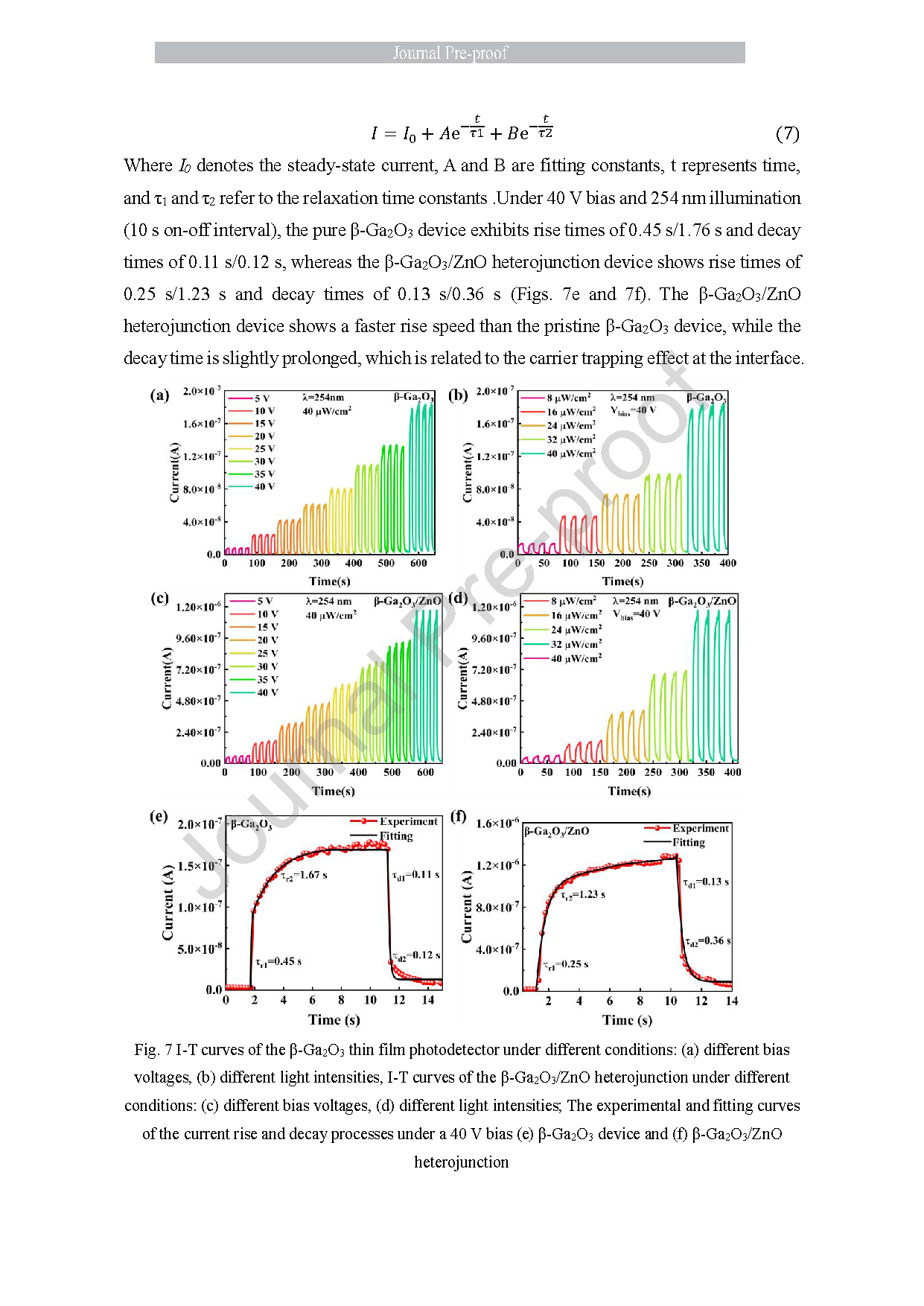
Figure 7 I-T curves of the β-Ga₂O₃ thin film photodetector under different conditions: (a) different bias voltages, (b) different light intensities, I-T curves of the β-Ga₂O₃/ZnO heterojunction under different conditions: (c) different bias voltages, (d) different light intensities; The experimental and fitting curves of the current rise and decay processes under a 40 V bias (e) β-Ga₂O₃ device and (f) β-Ga₂O₃/ZnO heterojunction
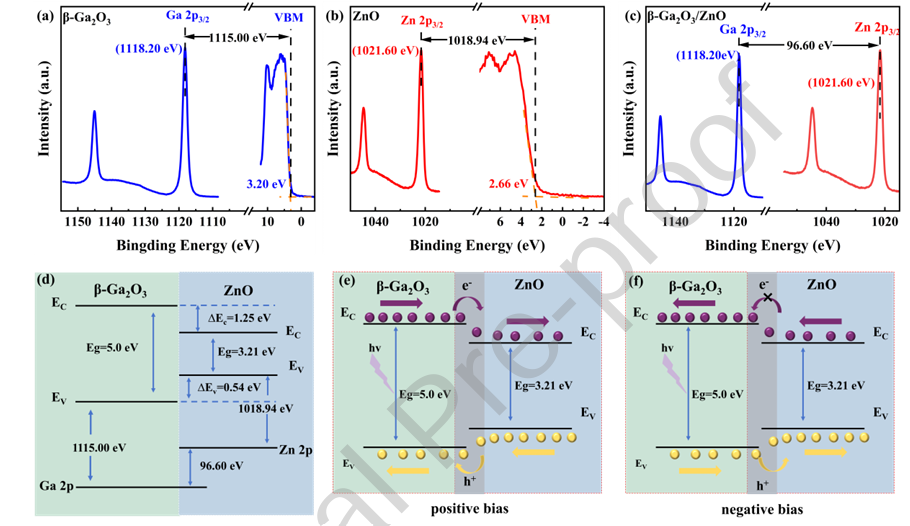
Figure 8 Core levels and VBM of (a) β-Ga₂O₃, (b) ZnO, (c) β-Ga₂O₃/ZnO heterojunction, band diagrams under 254 nm illumination with (d) equilibrium state, (e) positive bias voltage, (f) reverse bias voltage
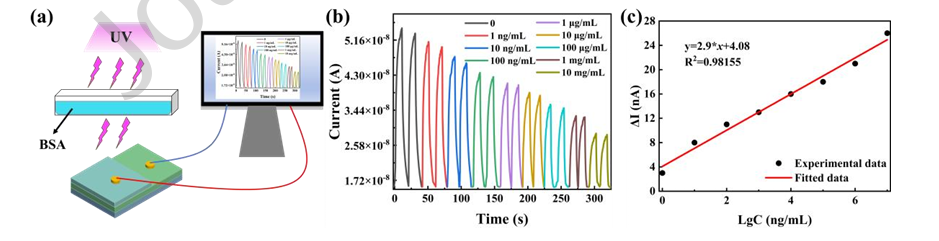
Figure 9(a) Schematic diagram of the test setup; (b) output currents under different BSA concentrations, (c) linear relationship between current difference and concentration
DOI:
doi.org/10.1016/j.jallcom.2026.189227
Instruction
Official Account

Cooperation
Top