


A research team by Xiamen University of Technology, Xi’an University of Technology, GaFuture Semiconductor Technology (Jinjiang) Co., Shaoxing University published a paper titled “Band Offsets in TiOX/β-Ga2O3 and AgOX/β-Ga2O3 Heterojunctions” in Journal: ECS Journal of Solid State Science and Technology (2027).
Background
β-Ga2O3, as an emerging ultra-wide bandgap semiconductor material, exhibits great potential in high-power electronic devices and solar-blind deep-ultraviolet photodetector applications due to its excellent physical and optical properties. Titanium-based oxides (TiOX) and silver-based oxides (AgOX) are two representative classes of metal oxide materials. TiO2 and Ag2O have been reported to be applied in β-Ga2O3 power diodes and photodetectors to enhance device performance. In particular, the AgOX/β-Ga2O3 power diode and Ag2O/β-Ga2O3 photodetector configurations have demonstrated promising device performance, indicating significant potential.
However, TiOX and AgOX themselves have multiple oxide phases and complex chemical valence states. Their crystal structures, oxygen vacancies, and band and order levels are all closely related to the preparation process. Currently, there is a lack of systematic research on this. Before the design and optimization of heterojunction devices, must first accurately understand the formation of the two materials contact interface band structure (band alignment), clarify the preparation process of TiOX/β-Ga2O3 AgOX/β-Ga2O3 interface and the influence of band structure. Therefore, based on the previous research foundation (band alignment of AlSiO/β-Ga2O3 and ZrSiO/β-Ga2O3), our team explored the band alignment of TiOX/β-Ga2O3 and AgOX/β-Ga2O3 heterojunctions, providing experimental inspiration and theoretical guidance for the development of high-performance β-Ga2O3 devices.
Main Content
This work systematically investigated the film quality, crystal structure, surface morphology, interface characteristics and band and band order relationship of the novel TiOX/β-Ga2O3 and AgOX/β-Ga2O3 heterojunctions. In this study, β-Ga2O3 films were first fabricated on sapphire substrates by low-pressure chemical vapor deposition (LP CVD) technology, and then TiOX/β-Ga2O3 and AgOX/β-Ga2O3 heterojunction samples were prepared by radio frequency magnetron sputtering (RF PVD) technology. The physical properties of the above-mentioned heterojunctions were evaluated by characterization techniques such as X-ray photoelectron spectroscopy (XPS), X-ray diffraction (XRD), AFM, and ultraviolet-visible transmission spectroscopy.
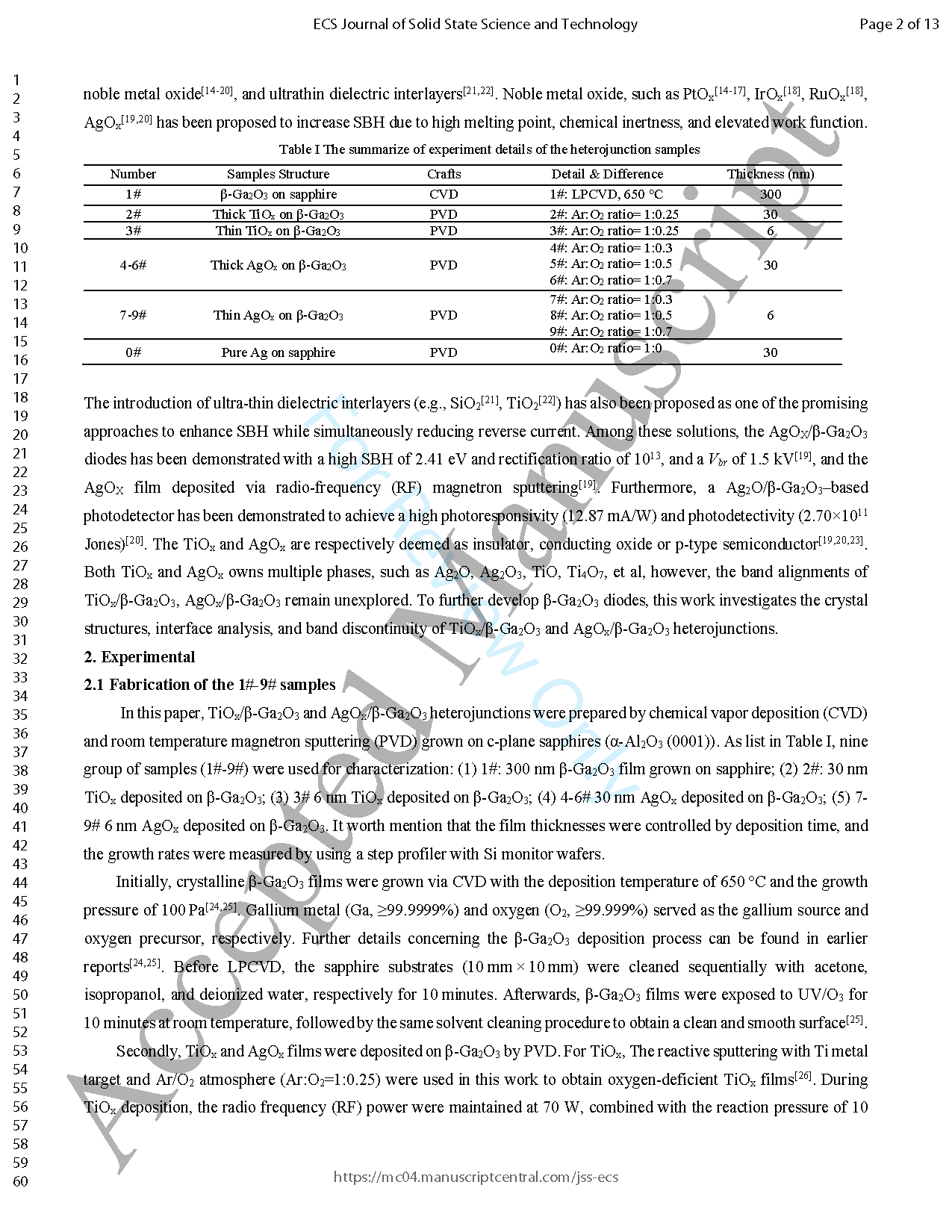
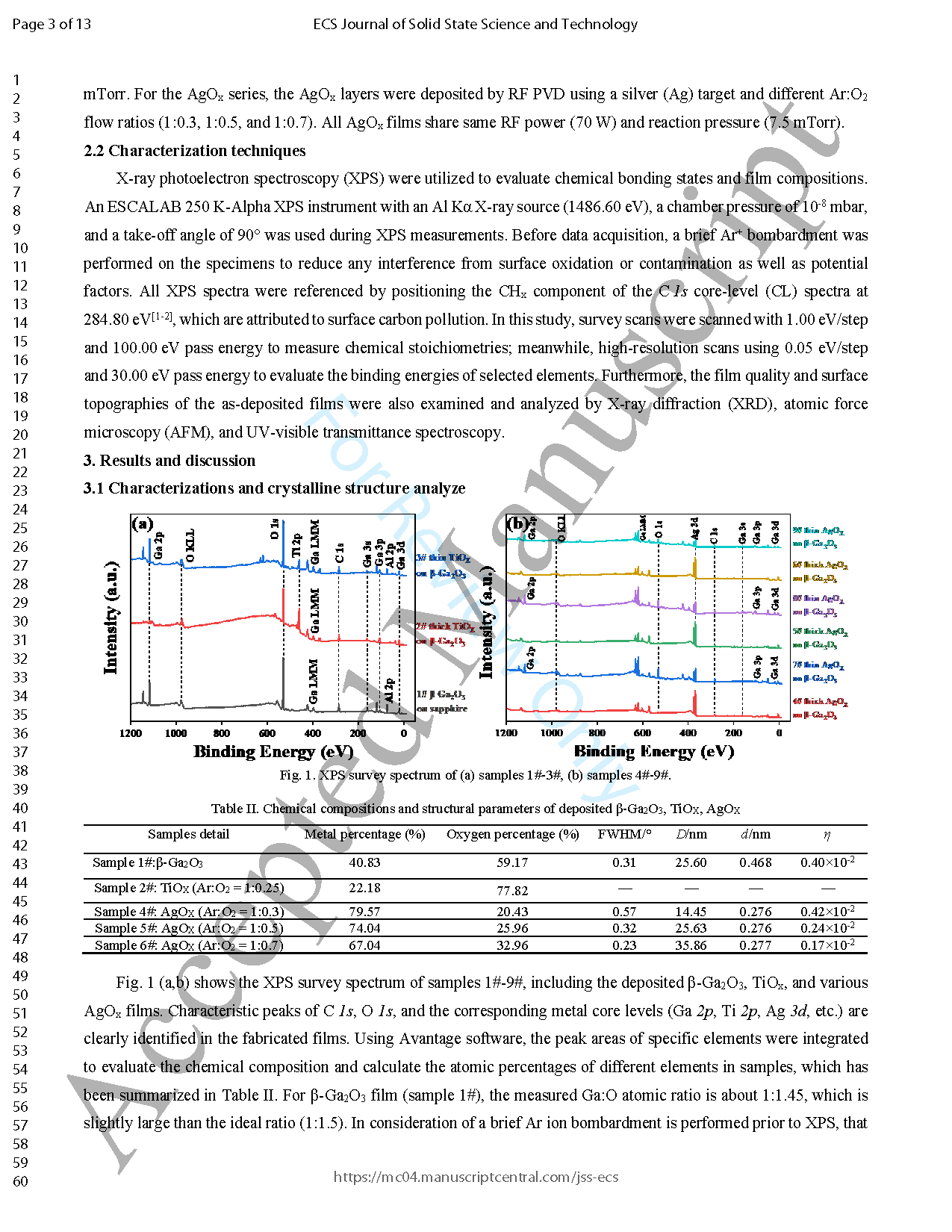
The β-Ga2O3 films prepared by LPCVD in this paper show obvious β phase diffraction peaks and have good crystallization quality. TiOX is mainly amorphous and has a very smooth surface, with an RMS roughness of less than 0.3 nm. In contrast, the surface of AgOX is relatively rough, with RMS all greater than 10nm, which is related to the weak Ag-O bond energy, the complex phase composition of AgOX, and the possible formation of Ag/Ag2O mixed phases. In addition, this paper systematically studied the influence of different Ar:O2 flow ratios on the composition, structure and oxygen vacancies of AgOX films. As Ar:O2 increased to 1:0.7, the oxygen content in AgOX increased, and the Ag:O atomic ratio approached the ideal stochemical ratio of Ag2O. Meanwhile, XRD showed that the Ag2O-related diffraction peaks were enhanced and the metal Ag phase was weakened. Combined with XPS peak fitting analysis, this can be demonstrated. Increasing the oxygen partial pressure of the coating helps promote the formation of Ag2O phase, reduce the residual metal Ag, and lower the oxygen vacancies, thereby enhancing the quality of the film crystallization.
Innovation
The TiOX/β-Ga2O3 and AgOX/β-Ga2O3 heterojunctions were systematically studied for the first time by using XPS, XRD, AFM and other techniques, and their crystal structure, surface morphology and interface characteristics were explored and investigated.
For the first time accurately through the experiment confirmed the TiOX/β-Ga2O3 and AgOX/β-Ga2O3 heterojunction band structure and extract the specific order parameters, the results for gallium oxide photoelectric device design and optimization provides experimental inspiration and theoretical guidance.
Conclusion
The TiOX/β-Ga2O3 and AgOX/β-Ga2O3 heterojunctions have been fabricated by LPCVD and RFPVD, and it is found that increasing the oxygen partial pressure of the coating helps promote the formation of Ag2O phase, reduce the residual metal Ag, and lower the oxygen vacancies, thereby enhancing the quality of the film crystallization.
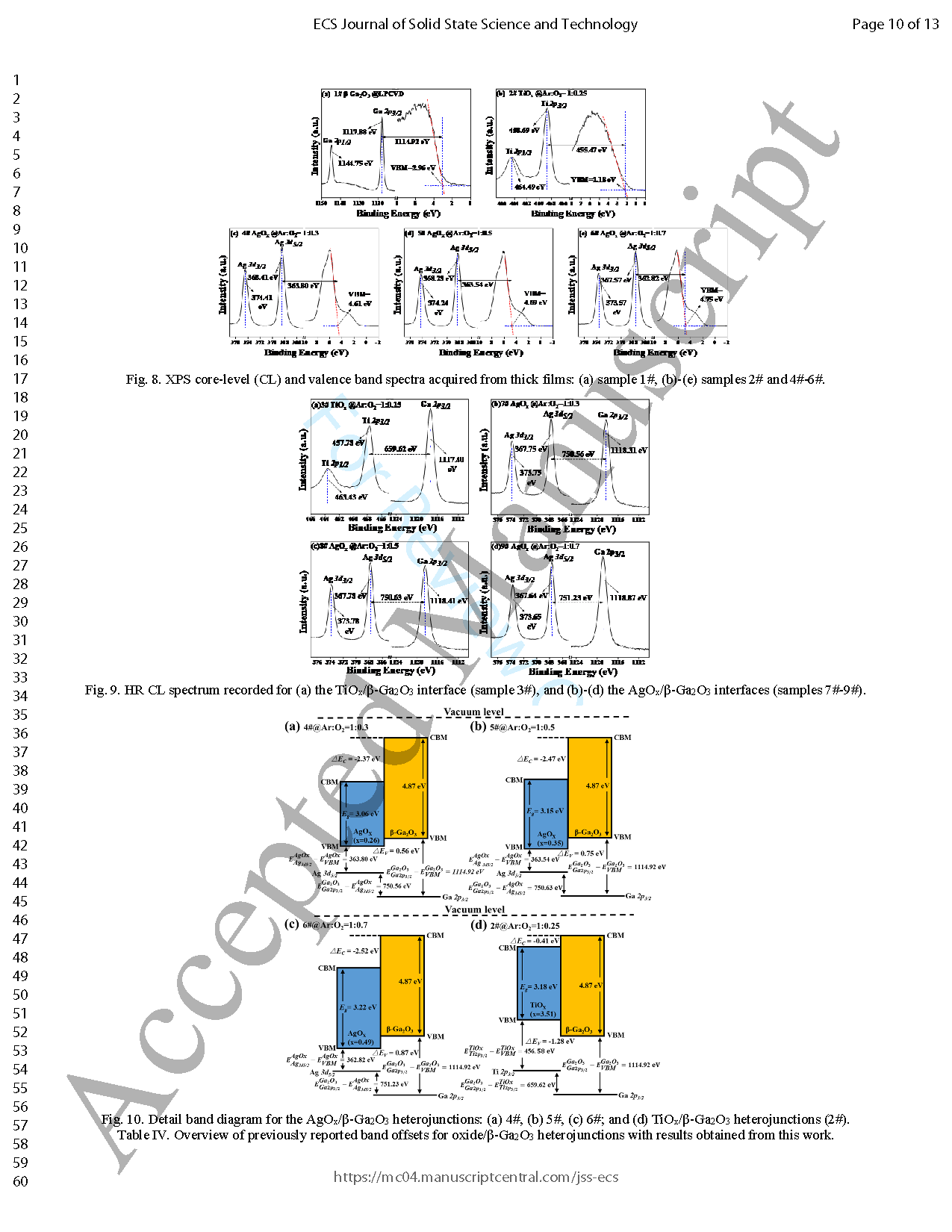
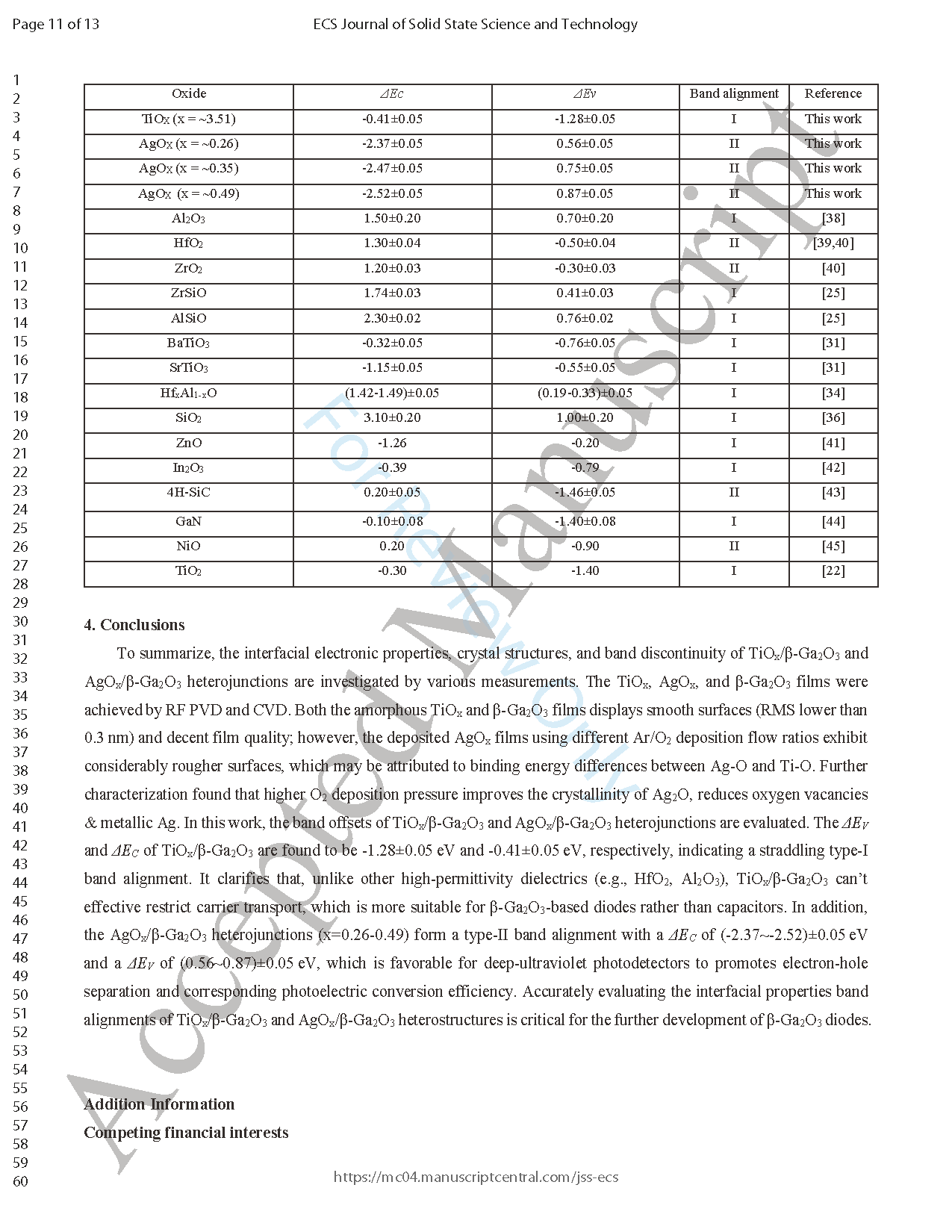
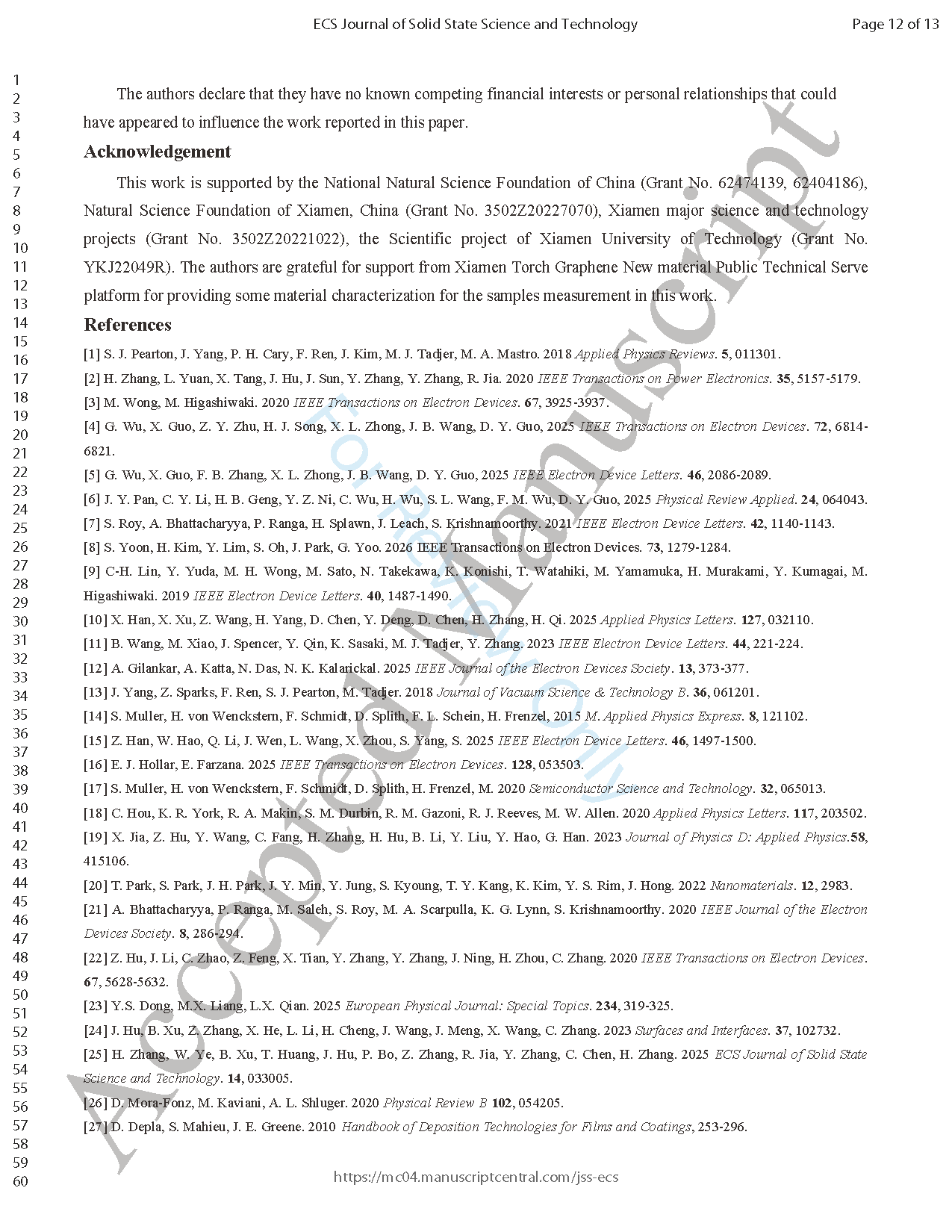
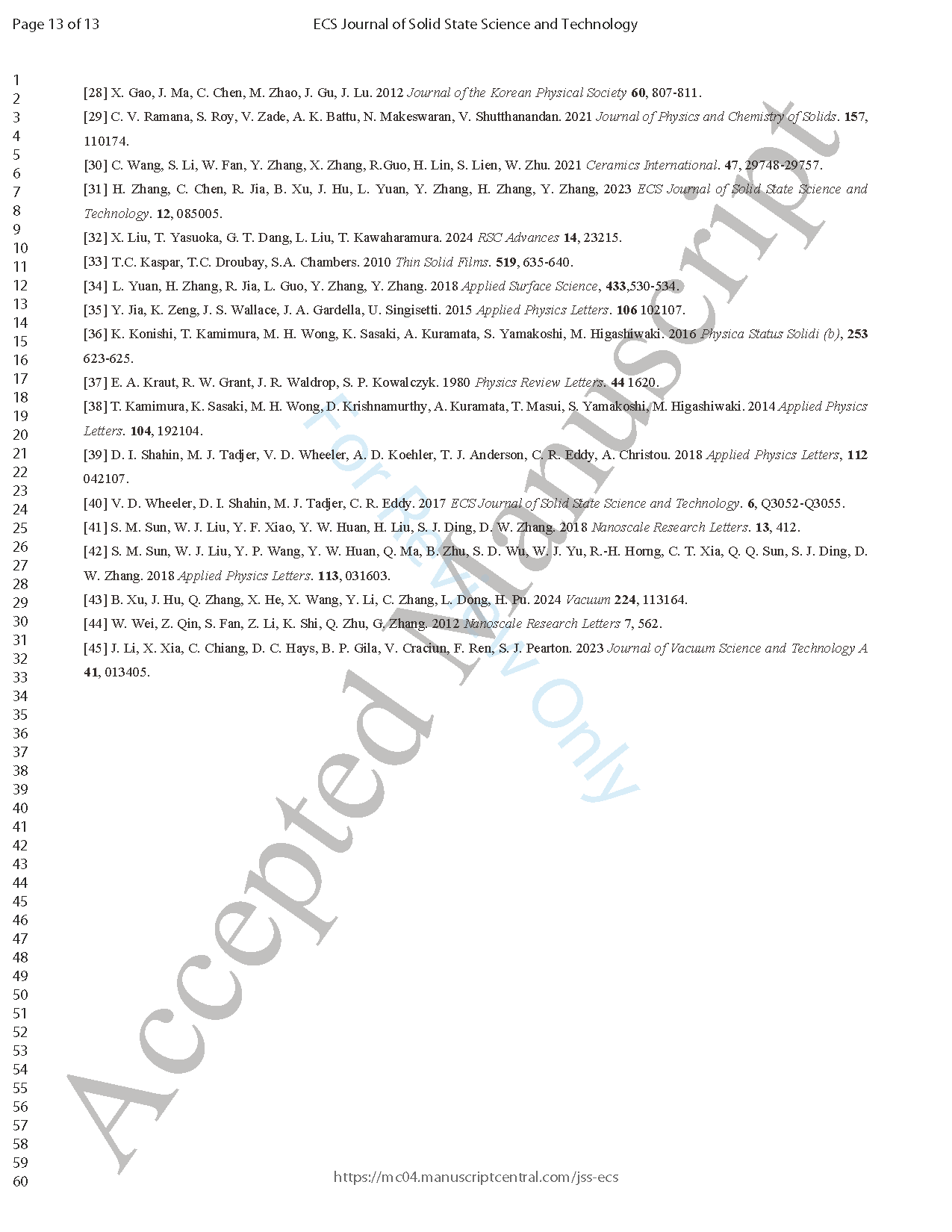
The band structures (alignment) of TiOX/β-Ga2O3 and AgOX/β-Ga2O3 heterojunctions were precisely measured based on XPS technology. Experiments have determined that the TiOX/β-Ga2O3 heterojunction forms type I band alignment, with a valence band order ΔEV of -1.28 eV and a conduction band deviation ΔEC of -0.41 eV. This indicates that TiOX/β-Ga2O3 is difficult to block carrier transport, and TiOX is only suitable for use as the intermediate layer of β-Ga2O3 diodes. It is not suitable to be used as an insulating medium for MOS capacitors. The AgOX/β-Ga2O3 heterojunction has a distinct Type II band alignment. With the increase of oxygen content in AgOX, the valence band order of AgOX/β-Ga2O3 increased from 0.56 eV to 0.87 eV, and the conduction band deviation decreased from -2.37 eV to -2.52 eV. A larger conduction band scale and built-in potential are conducive to promoting the spatial separation of photo-generated electrons and holes, thereby enhancing the responsivity and photoelectric conversion efficiency of the photodetector.
Project Support
This research is supported by the National Natural Science Foundation of China (Grant No. 62474139, 62404186), Natural Science Foundation of Xiamen, China (Grant No. 3502Z20227070), Xiamen major science and technology projects (Grant No. 3502Z20221022), the Scientific project of Xiamen University of Technology (Grant No. YKJ22049R). The authors are grateful for support from Xiamen Torch Graphene New material Public Technical Serve platform for providing some material characterization for the samples measurement in this work.
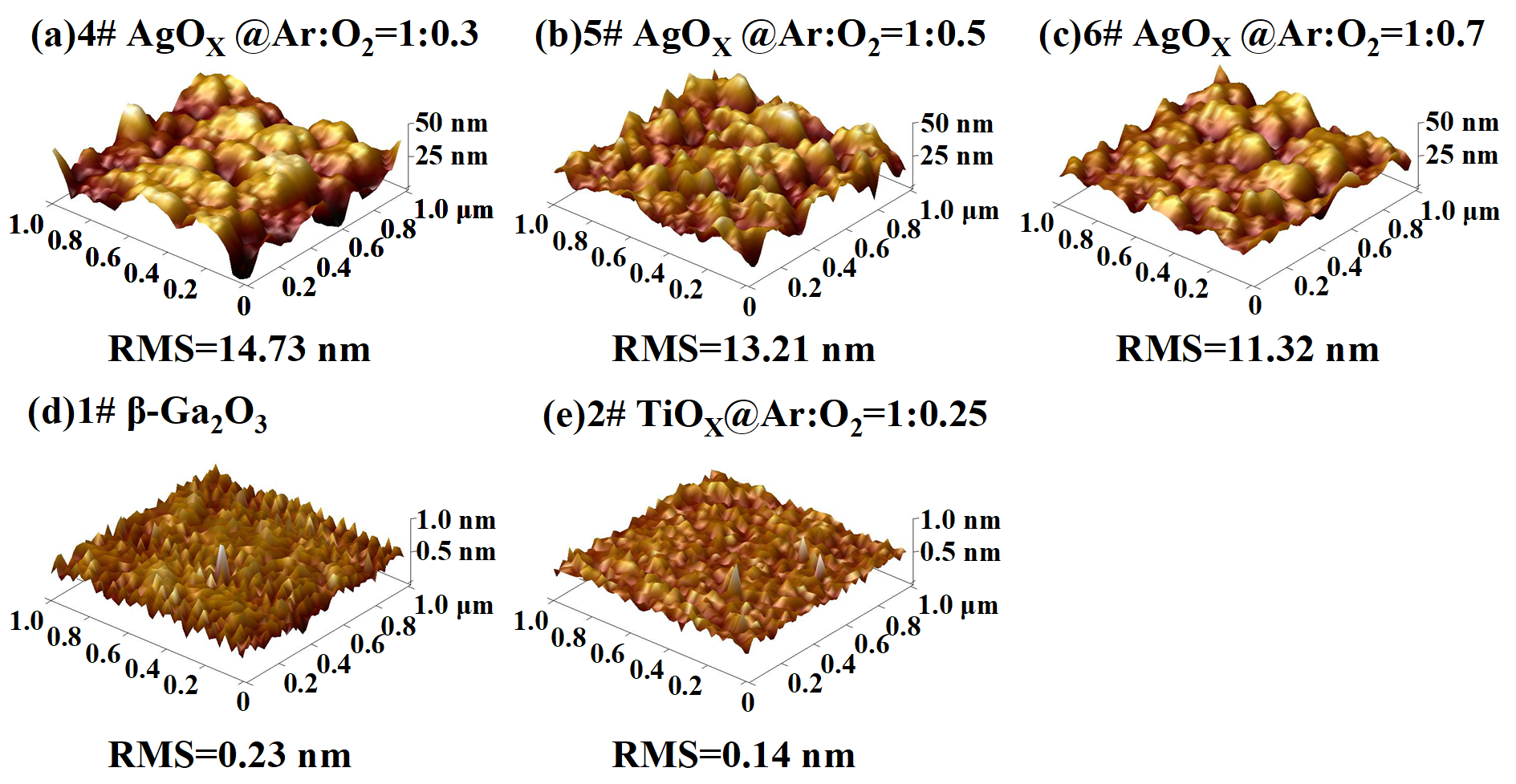
Figure 1 The AFM plots of β-Ga2O3, TiOx, and AgOX films.
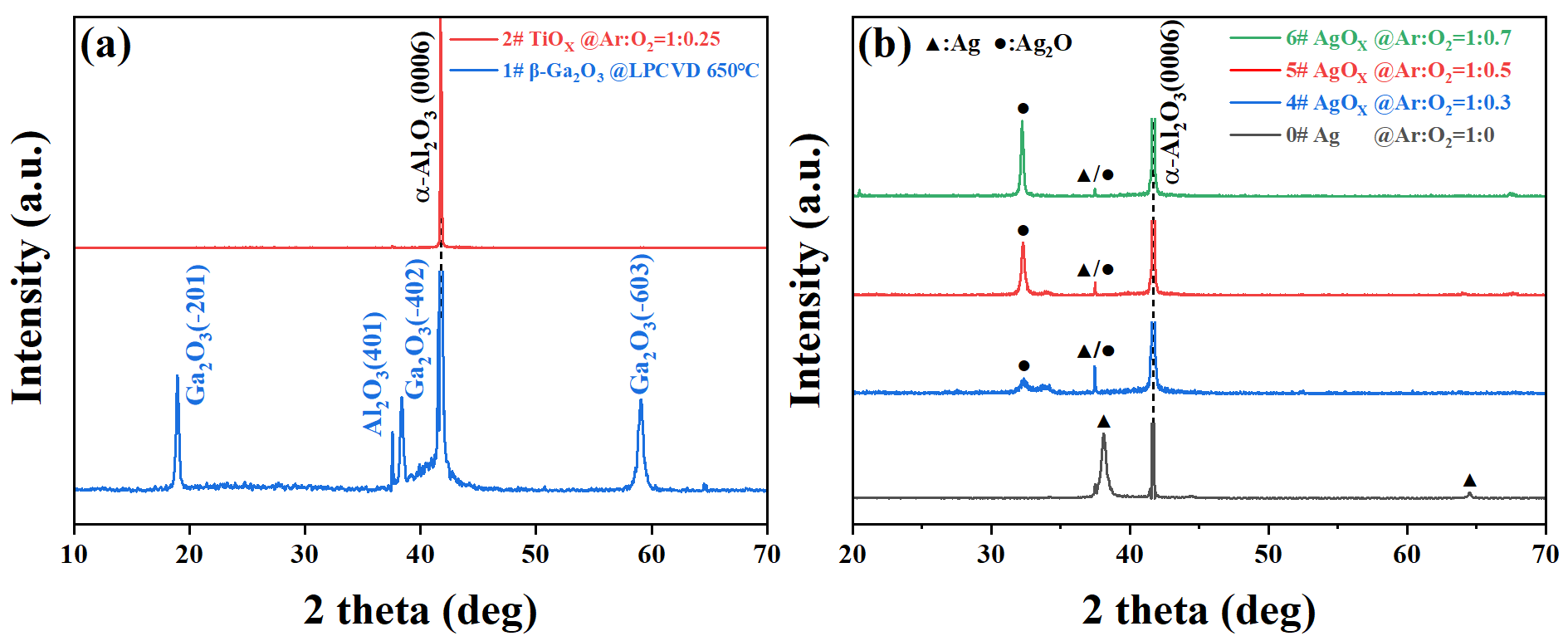
Figure 2 The XRD plots of the fabricated (a) β-Ga2O3, TiOX, (b) AgOX films in this work.
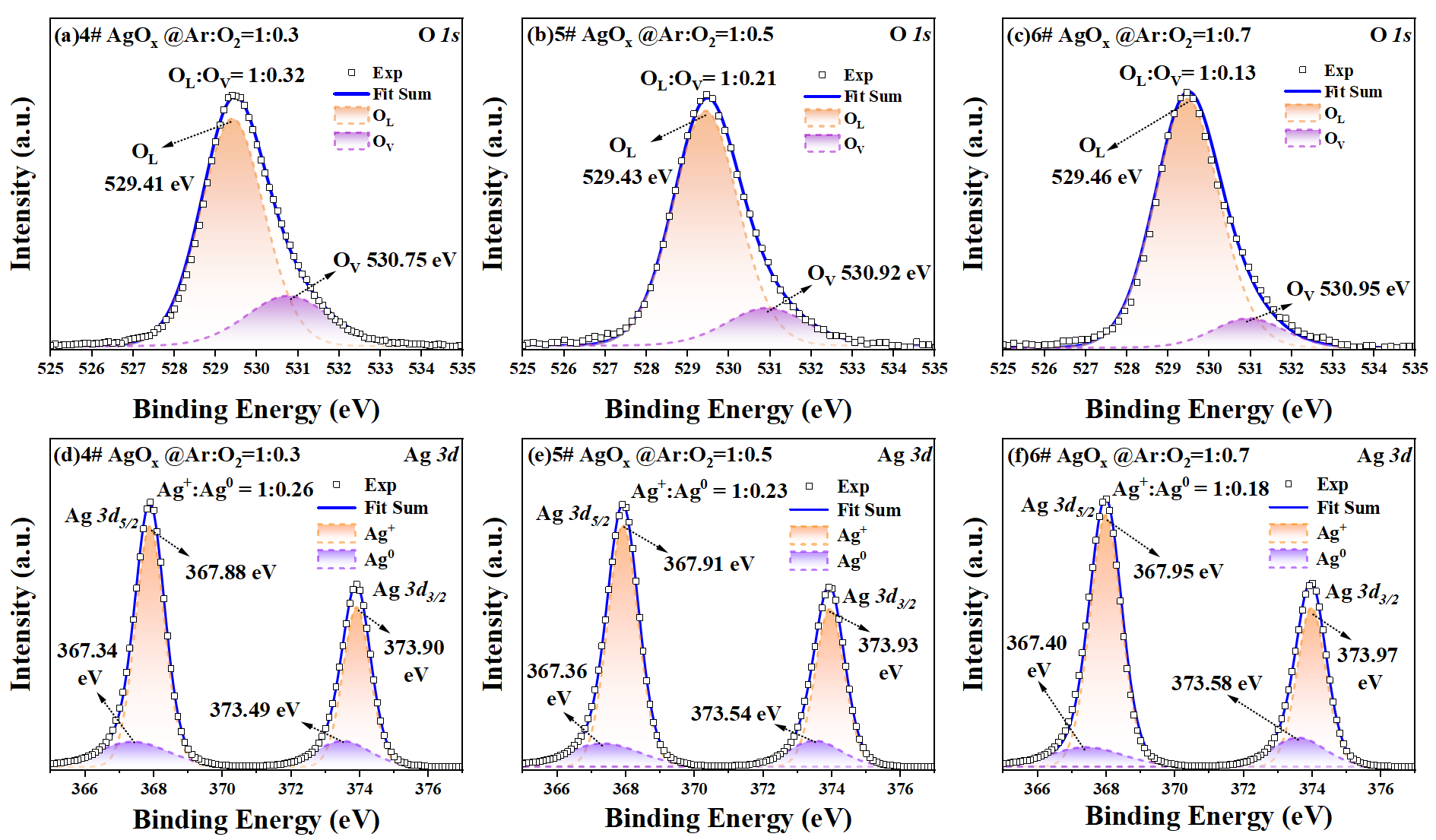
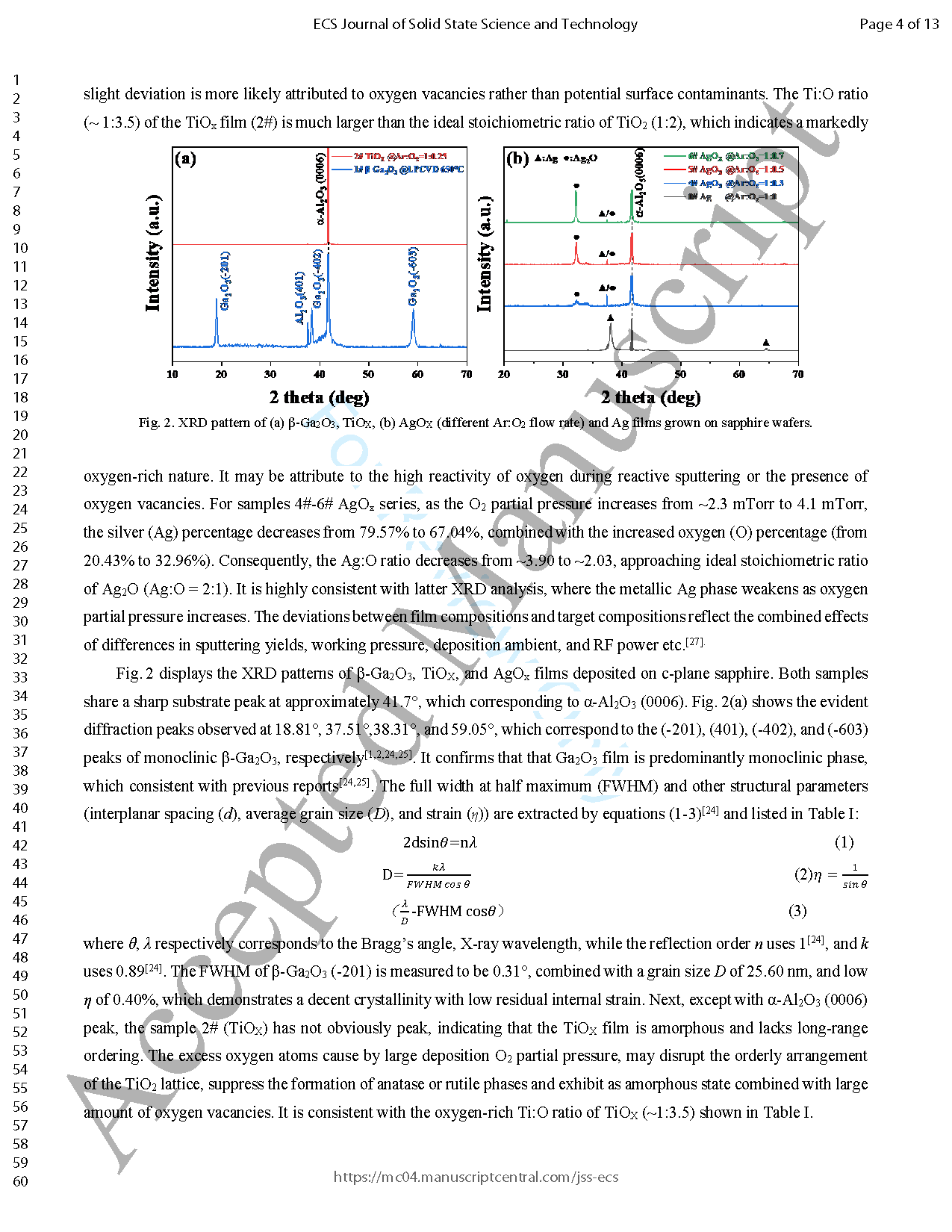
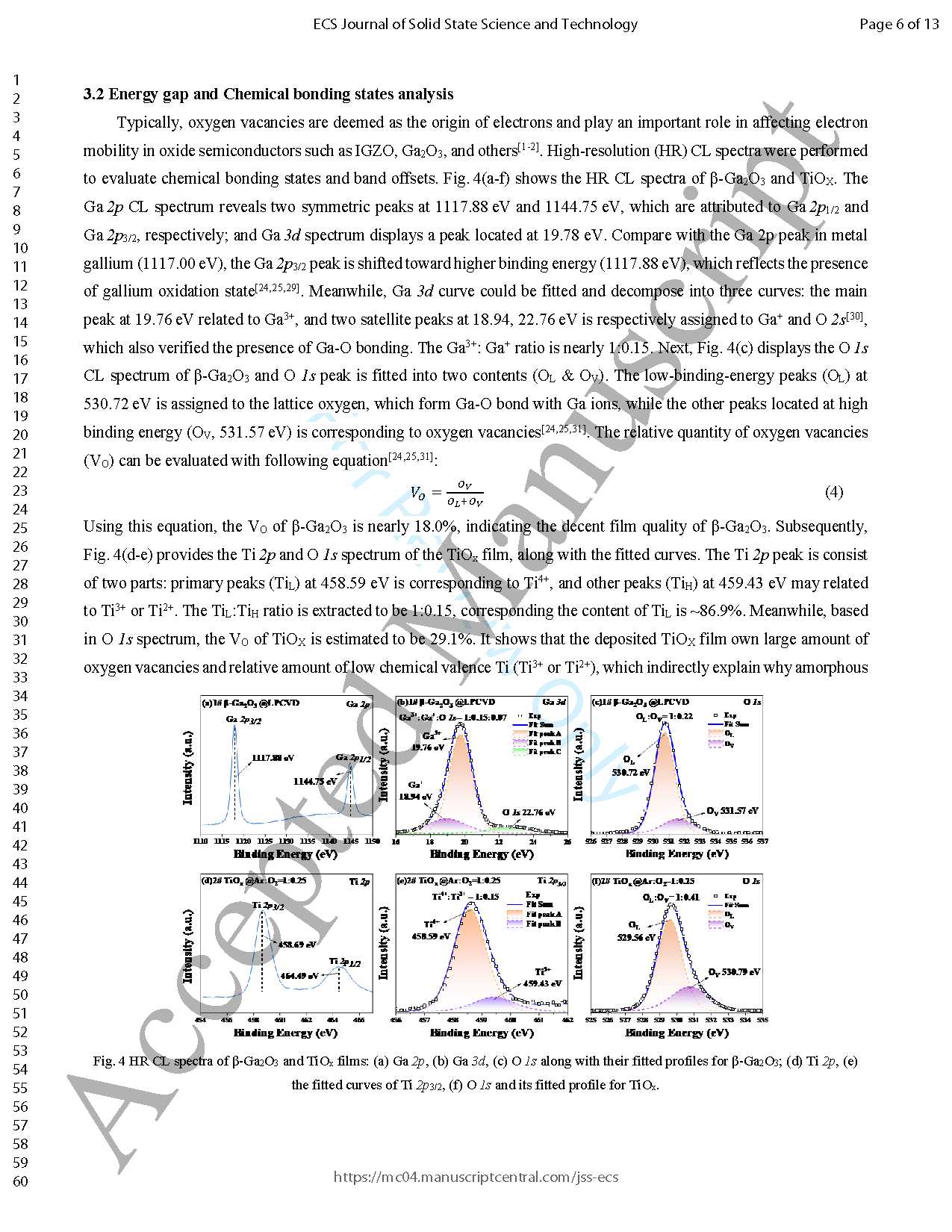
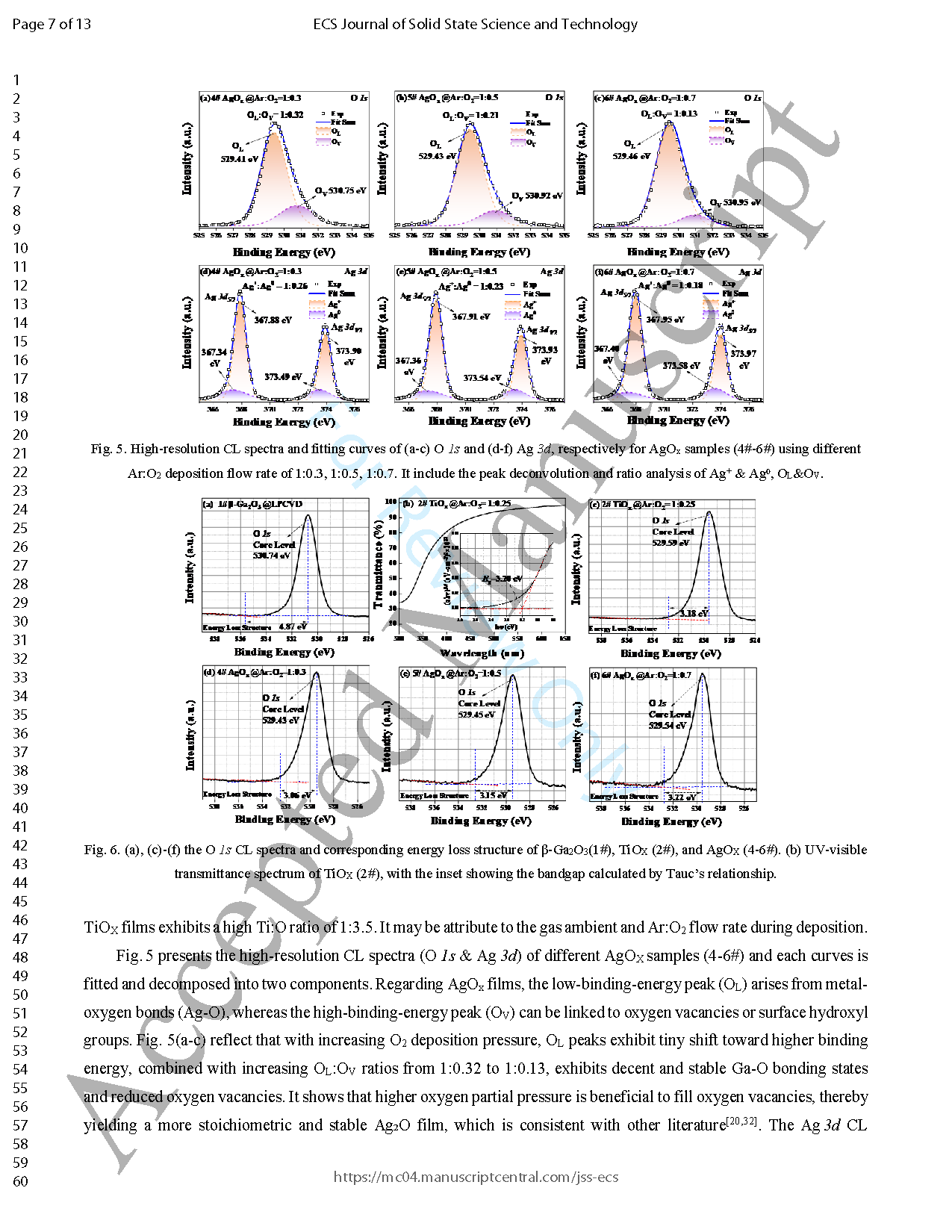
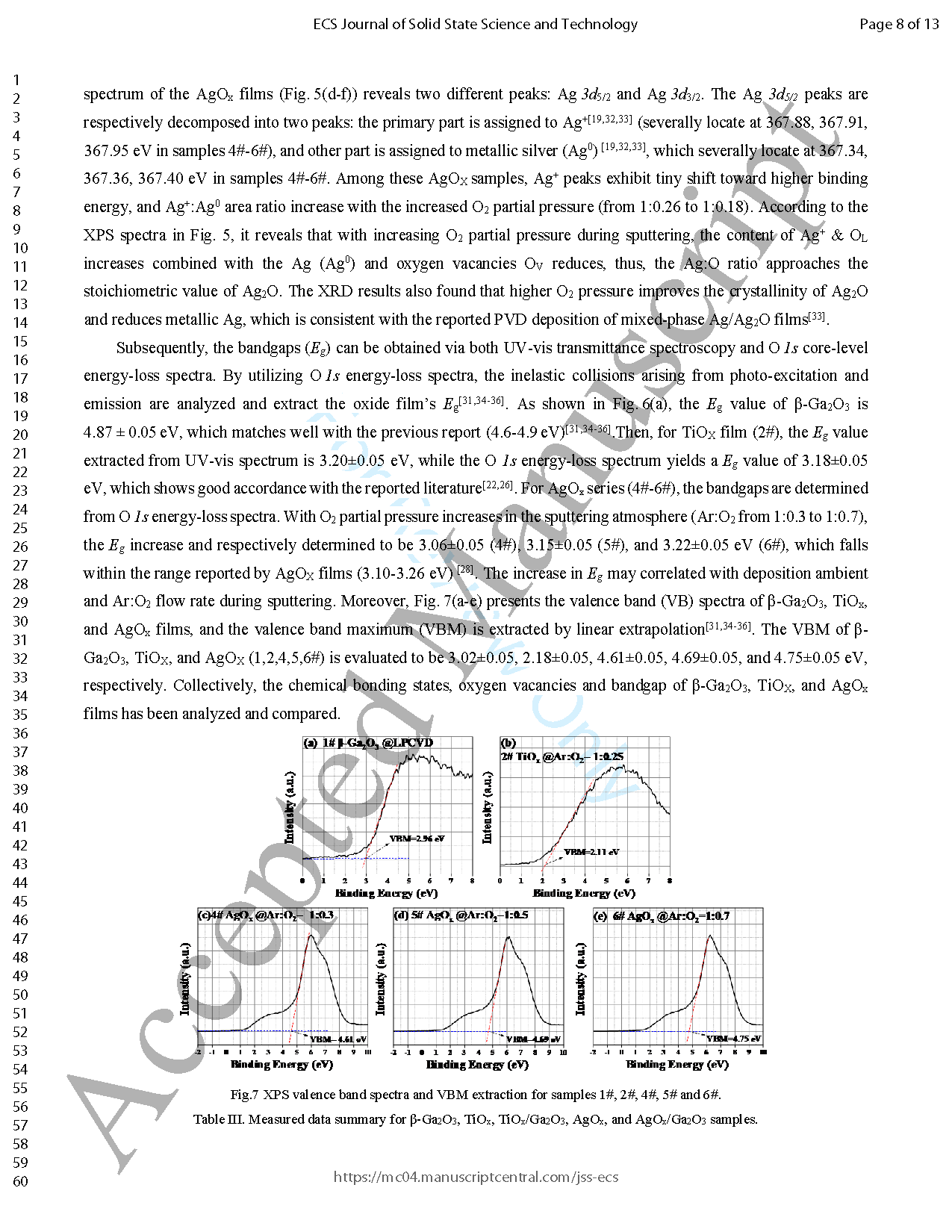
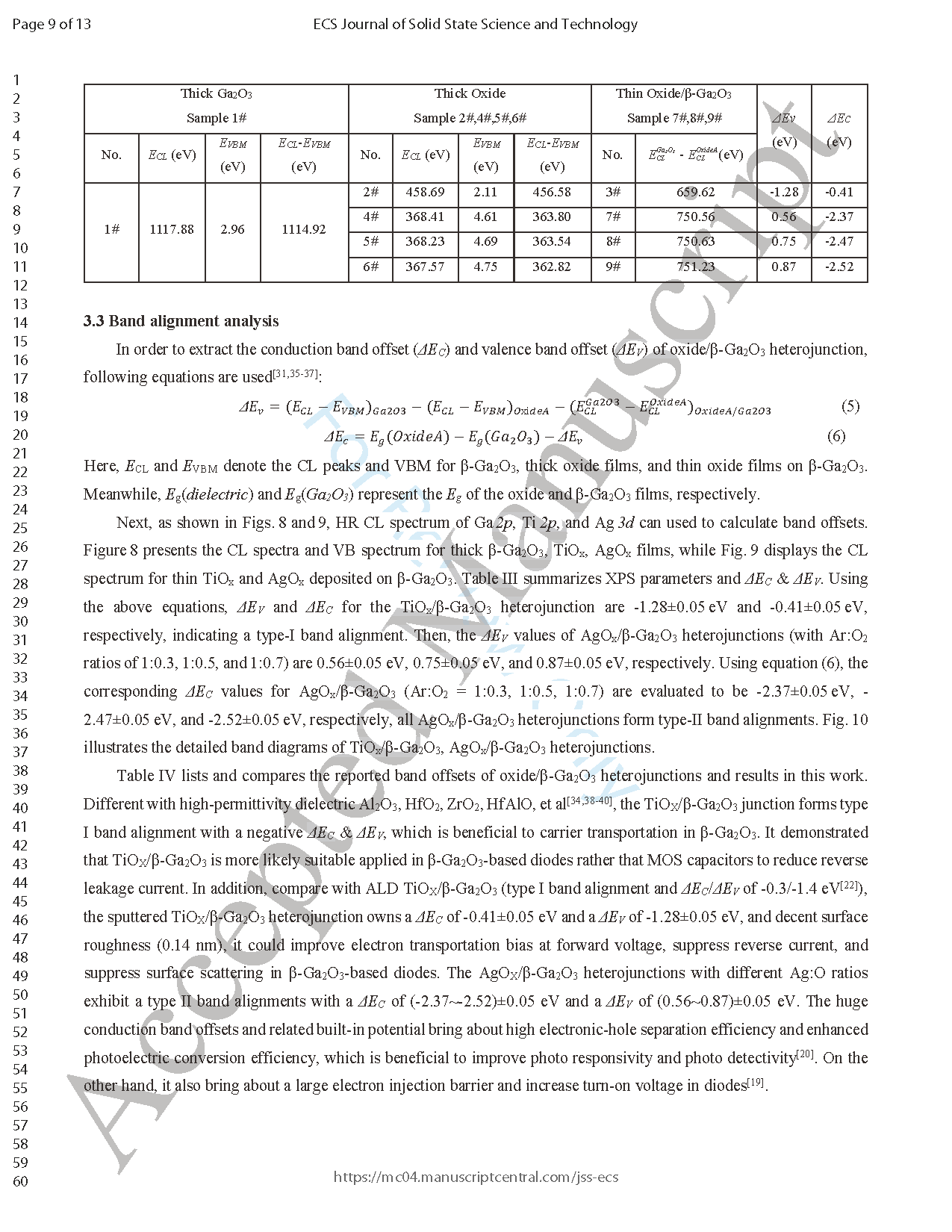
Figure 3 XPS Core-Level (CL) plots of AgOx with different Ar:O2 ratio, (a-c) O 1s CL, and (d-f) Ag 3d CL plot.
DOI:
doi.org/10.1149/2162-8777/ae840e
Instruction
Official Account

Cooperation
Top