


Researchers from Changchun Institute of Optics, Fine Mechanics and Physics, Chinese Academy of Sciences, University of the Chinese Academy of Sciences have published a dissertation titled "Improvement of ε-Ga₂O₃-based surface acoustic wave resonator via Zn doping" in Journal of Alloys and Compounds.
Background
Surface acoustic wave (SAW) devices are core components of wireless communication and sensing systems. Traditional bulk single crystal substrates are incompatible with semiconductor manufacturing. Although AlN and ZnO piezoelectric thin films are process-friendly, they suffer from low piezoelectric coefficient or high leakage current. As a metastable ultra-wide bandgap piezoelectric material, ε-Ga₂O₃ is promising for high-frequency SAW devices. However, massive oxygen vacancies and poor crystallinity degrade its piezoelectric property. Multi-step high-temperature buffer growth complicates mass production. Previous researches lack systematic study on dopant regulation for ε-Ga₂O₃ and corresponding SAW resonators, and there is no simple doping strategy to simultaneously optimize film quality and acoustic performance.
Abstract
Surface acoustic wave (SAW) devices possess wide ranging and significant application potential. ε-Ga₂O₃ as an emerging piezoelectric semiconductor has attracted considerable attention due to its balanced combination of a wide bandgap and favorable piezoelectric properties. In this work, the influence of Zn doping on the piezoelectric characteristics of ε-Ga₂O₃ and the performance of resultant SAW devices are investigated. The results indicate that Zn doping significantly improves the crystalline quality and surface flatness of the ε-Ga₂O₃ film on c-plane sapphire while reducing oxygen vacancies, which in turn enhances the piezoelectric response, increasing the piezoelectric coefficient (d33) from 4.8 to 9.3 pC/N. Furthermore, it enhanced the electromechanical coupling coefficient (K2) of the ε-Ga₂O₃-based SAW resonators from 0.99% to 1.84% and raised the quality factor (Q-factor) from 503 to 543, demonstrating improved resonator characteristics. This work provides a promising strategy for developing high-performance ε-Ga₂O₃-based SAW devices.
Highlights
Adopt Zn doping to simultaneously reduce oxygen vacancy defects and improve crystalline quality of ε-Ga₂O₃ epitaxial films.
Verify that Zn doping nearly doubles the piezoelectric coefficient d33 of ε-Ga₂O₃ thin films.
Realize obvious improvement in electromechanical coupling coefficient and quality factor of ε-Ga₂O₃ SAW resonators via Zn modification.
Characterize temperature stability of Zn-doped ε-Ga₂O₃ SAW resonators and complete performance comparison with reported wide-bandgap acoustic devices.
Conclusion
In summary, this study provides the investigation into the influence of Zn doping on the piezoelectric properties of ε-Ga₂O₃ and its impact on SAW device performance. The incorporation of Zn significantly enhances the crystalline quality of the films while effectively suppressing the concentration of oxygen vacancy defects. Compared to pure ε-Ga₂O₃ film on c-plane sapphire, the Zn-doped sample exhibits a substantial increase in the d33, rising from 4.8 pC/N to 9.3 pC/N. Furthermore, the two-port SAW resonator based on Zn-doped ε-Ga₂O₃, achieved a K2 of 1.84% and a Q-factor of 543, representing improvements of approximately 85% and 8%, respectively. These findings offer a promising strategy and valuable insights for the realization of high-performance ε-Ga₂O₃ based SAW technology.
Project Support
This work is supported by the National Natural Science Foundation of China (12304112, 12304111, and 62574203), the Youth Innovation Promotion Association, CAS (2020225), and the Provincial Science and Technology Major Project of Jiangsu (BG2024030).
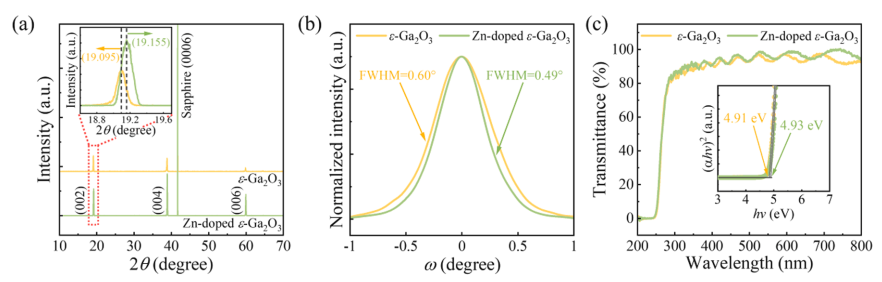
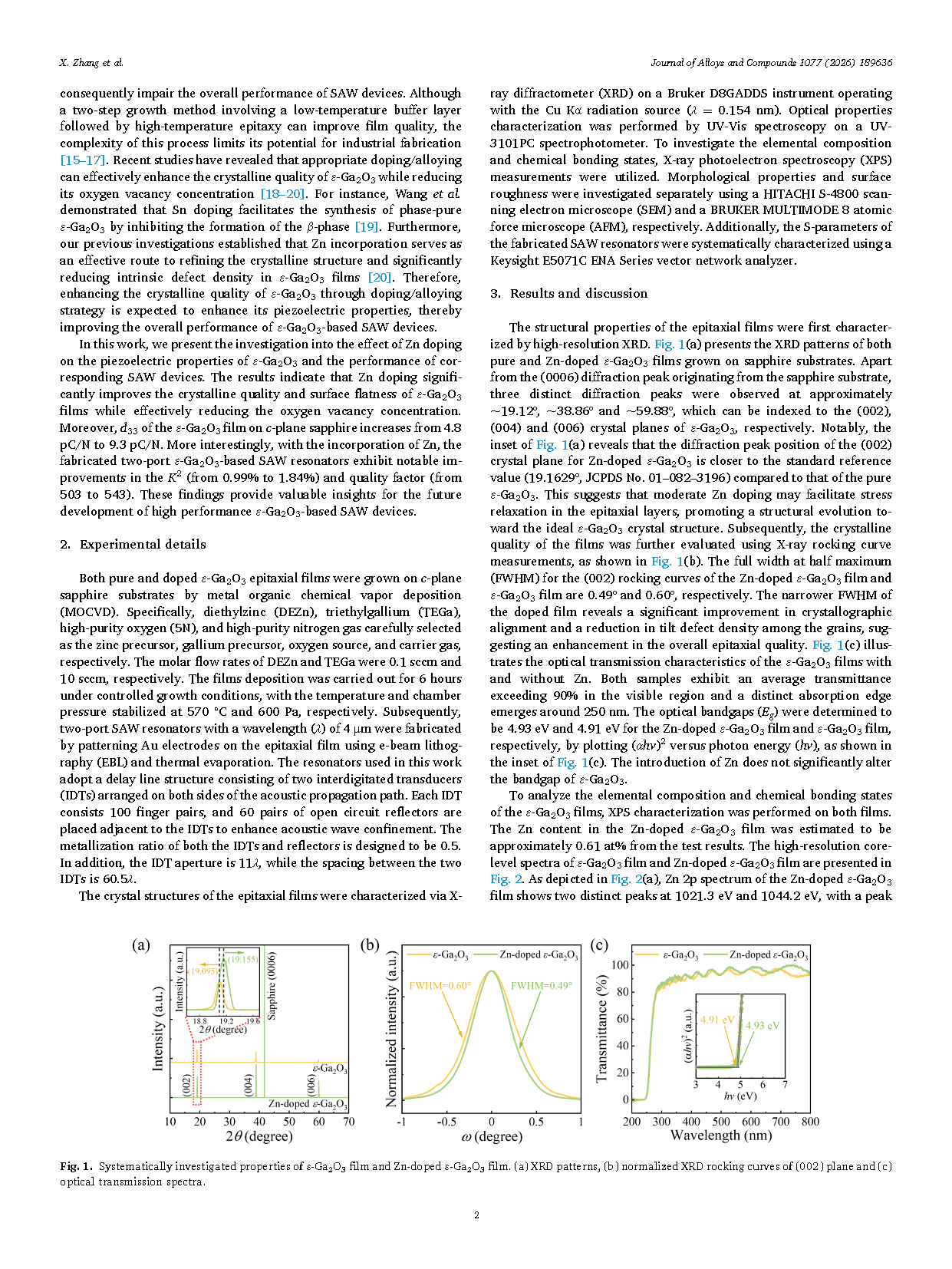
Fig. 1. Systematically investigated properties of ε-Ga₂O₃ film and Zn-doped ε-Ga₂O₃ film. (a) XRD patterns, (b) normalized XRD rocking curves of (002) plane and (c) optical transmission spectra.
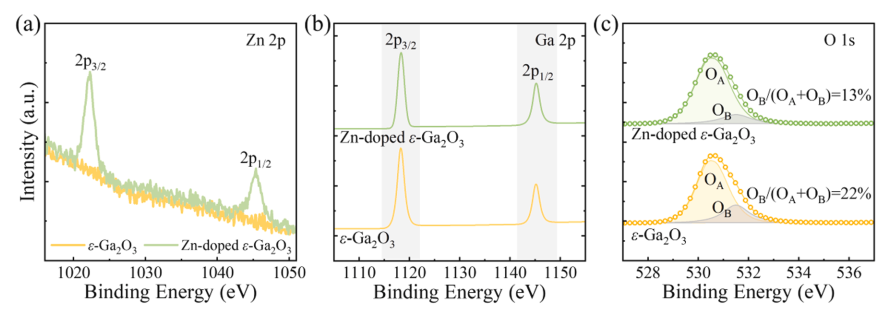
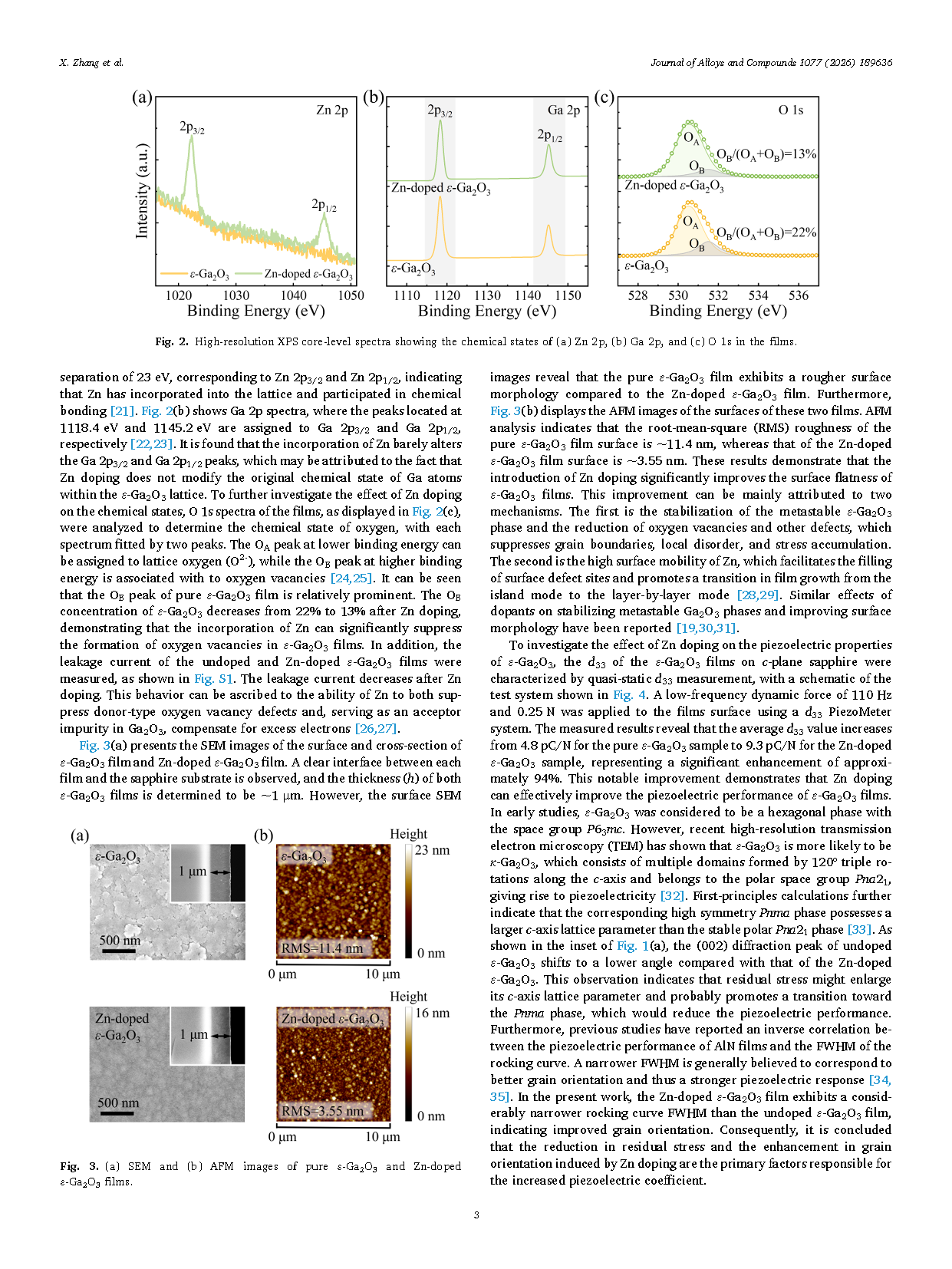
Fig. 2. High-resolution XPS core-level spectra showing the chemical states of (a) Zn 2p, (b) Ga 2p, and (c) O 1s in the films.
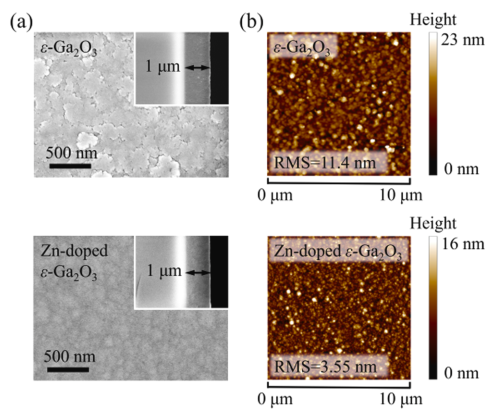
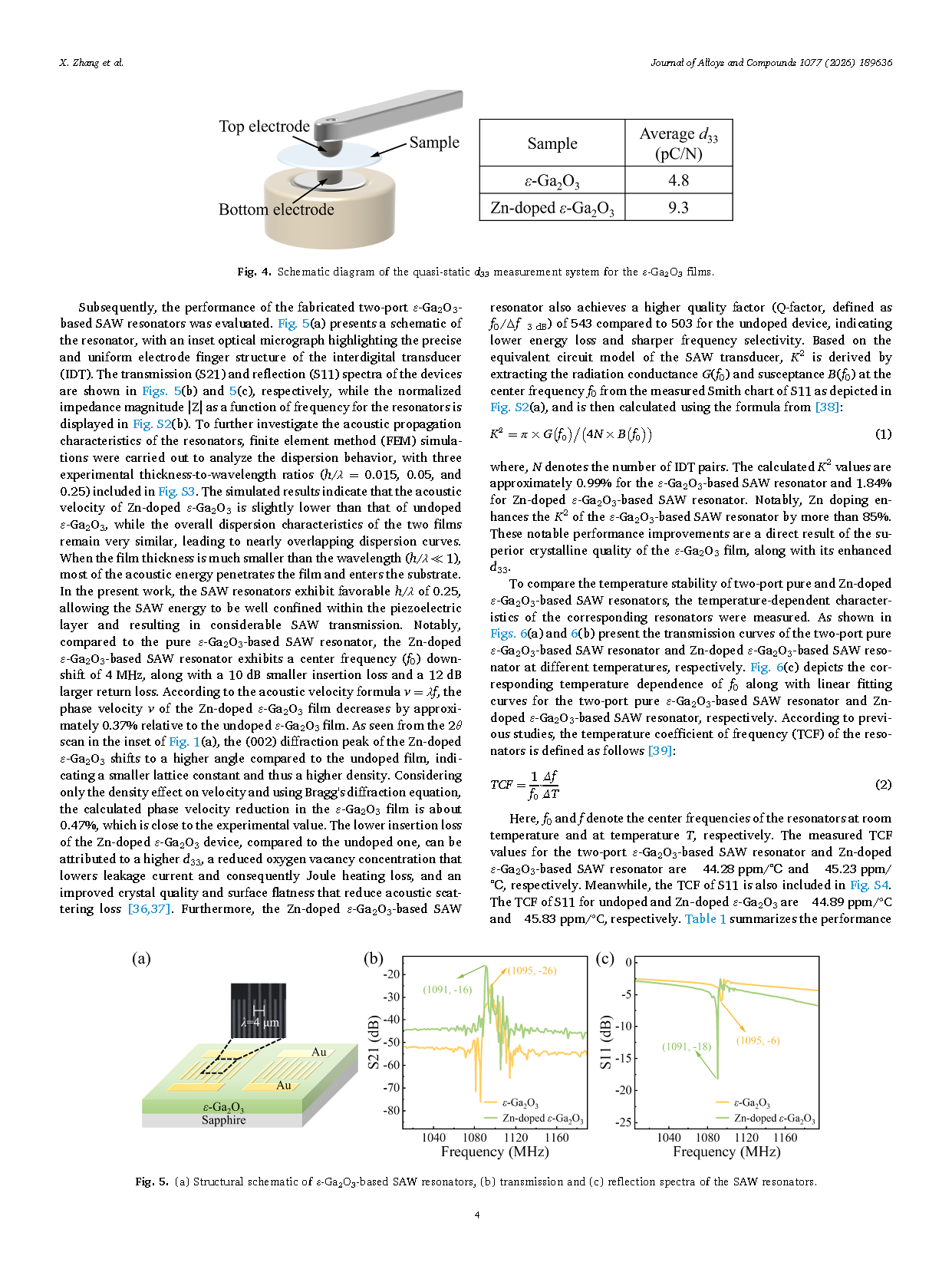
Fig. 3. (a) SEM and (b) AFM images of pure ε-Ga₂O₃ and Zn-doped ε-Ga₂O₃ films.
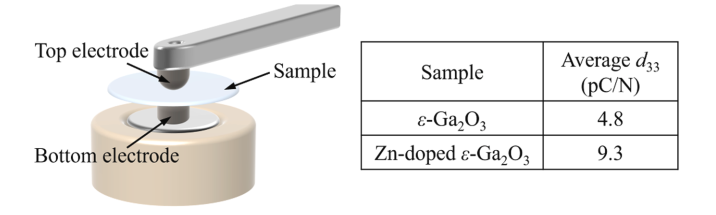
Fig. 4. Schematic diagram of the quasi-static d33 measurement system for the ε-Ga₂O₃ films.
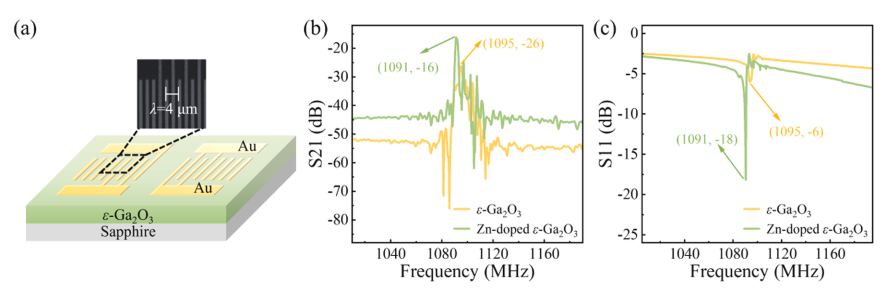
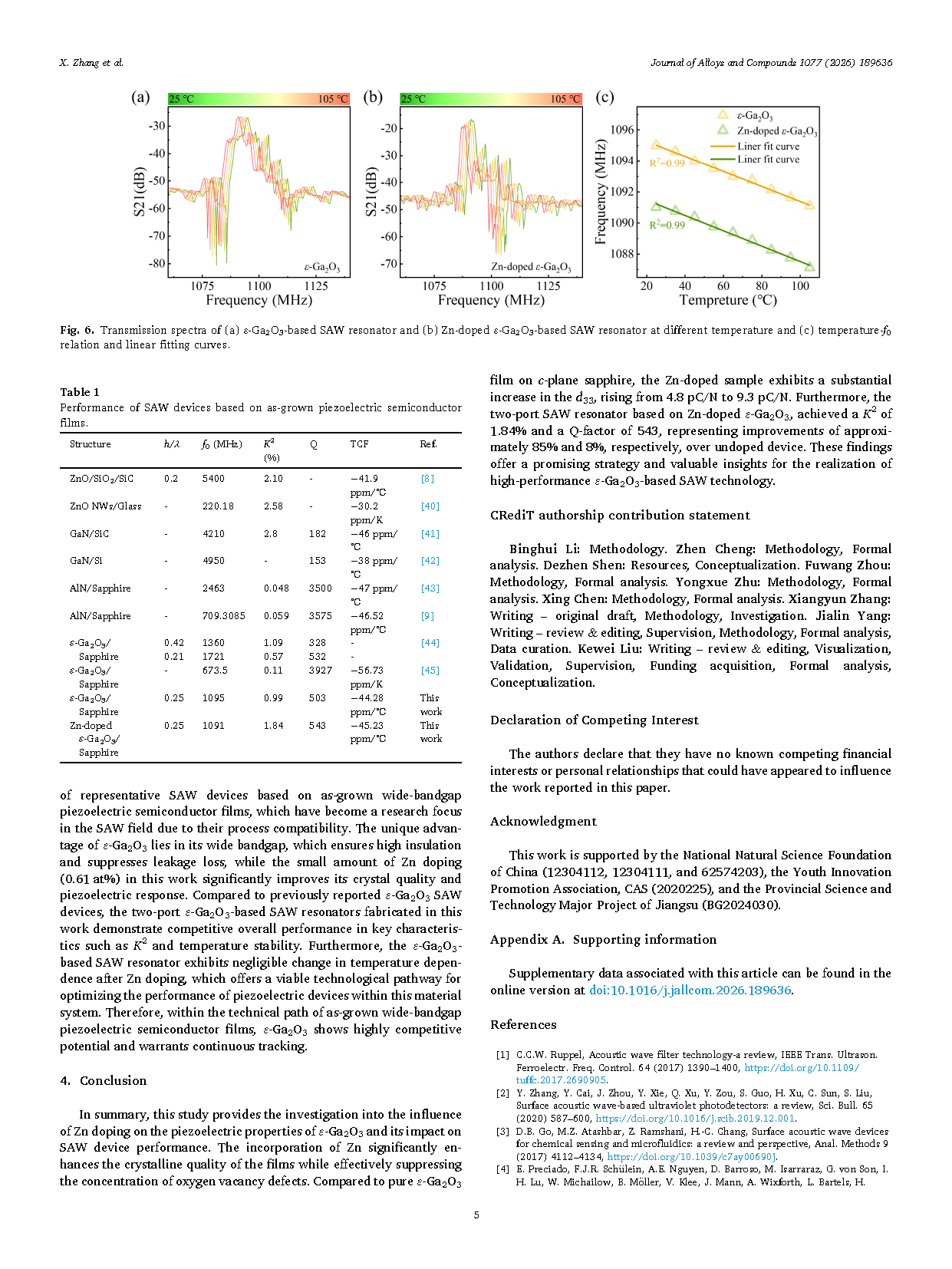
Fig. 5. (a) Structural schematic of ε-Ga₂O₃-based SAW resonators, (b) transmission and (c) reflection spectra of the SAW resonators.
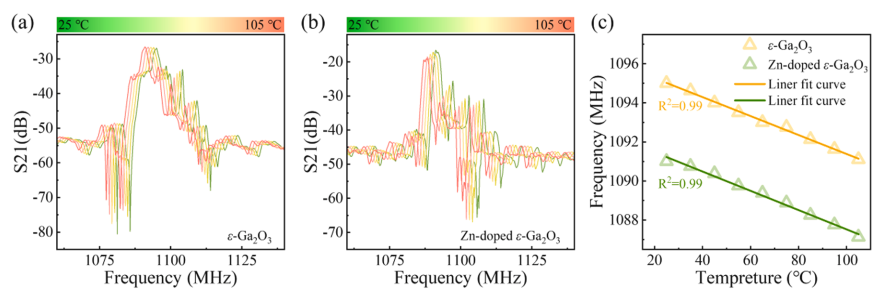
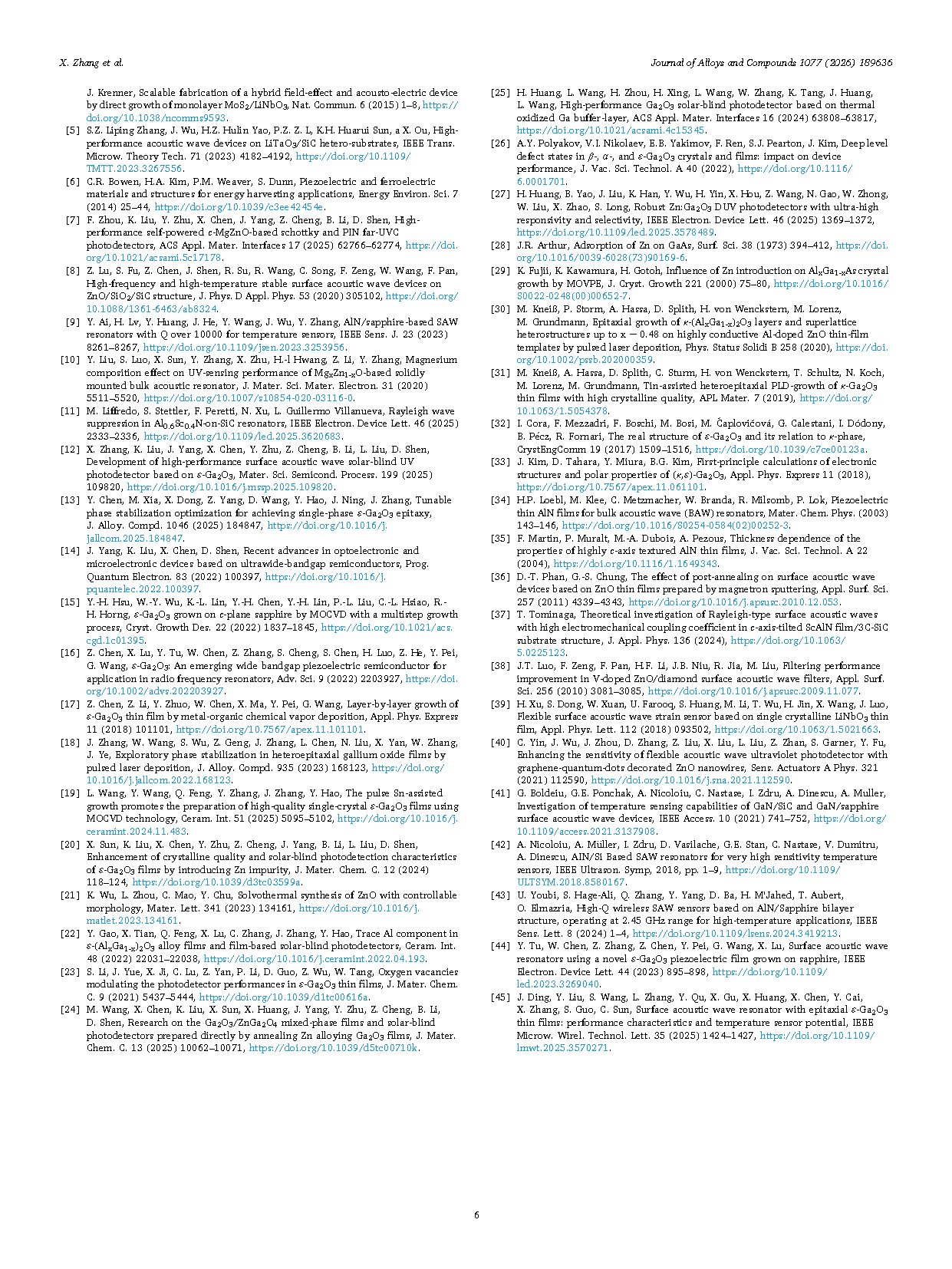
Fig. 6. Transmission spectra of (a) ε-Ga₂O₃-based SAW resonator and (b) Zn-doped ε-Ga₂O₃-based SAW resonator at different temperature and (c) temperature-f0 relation and linear fitting curves.
DOI:
doi.org/10.1016/j.jallcom.2026.189636
Instruction
Official Account

Cooperation
Top