


Researchers from the NTT Laboratories have published a paper titled "Interpretable self-driving sputtering epitaxy reveals human-usable growth rules for β-Ga₂O₃ films" in Nature Communications.
Background
Self-driving laboratories are powerful tools for navigating high-dimensional process spaces, yet Bayesian-optimization decision layers optimize black-box objective functions without distilling transferable process understanding. β-Ga₂O₃ is a promising ultra-wide-bandgap semiconductor for next-generation power electronics and solar-blind deep-ultraviolet photodetectors, where device performance is highly sensitive to crystalline quality and optical disorder. High-quality epitaxial β-Ga₂O₃ can be realized by CVD and MBE techniques, but these approaches suffer from high-cost hardware. Radio-frequency magnetron sputtering is an industry-standard low-cost large-area deposition technique. Nevertheless, it is challenging to achieve high-quality epitaxy due to energetic growth environment, limited adatom mobility and narrow phase-stability margins, frequently resulting in amorphous, polycrystalline or mixed-phase films. There is a strong demand for interpretable self-driving workflows that go beyond black-box recipe searching and extract human-executable growth strategies from closed-loop experimental datasets.
Abstract
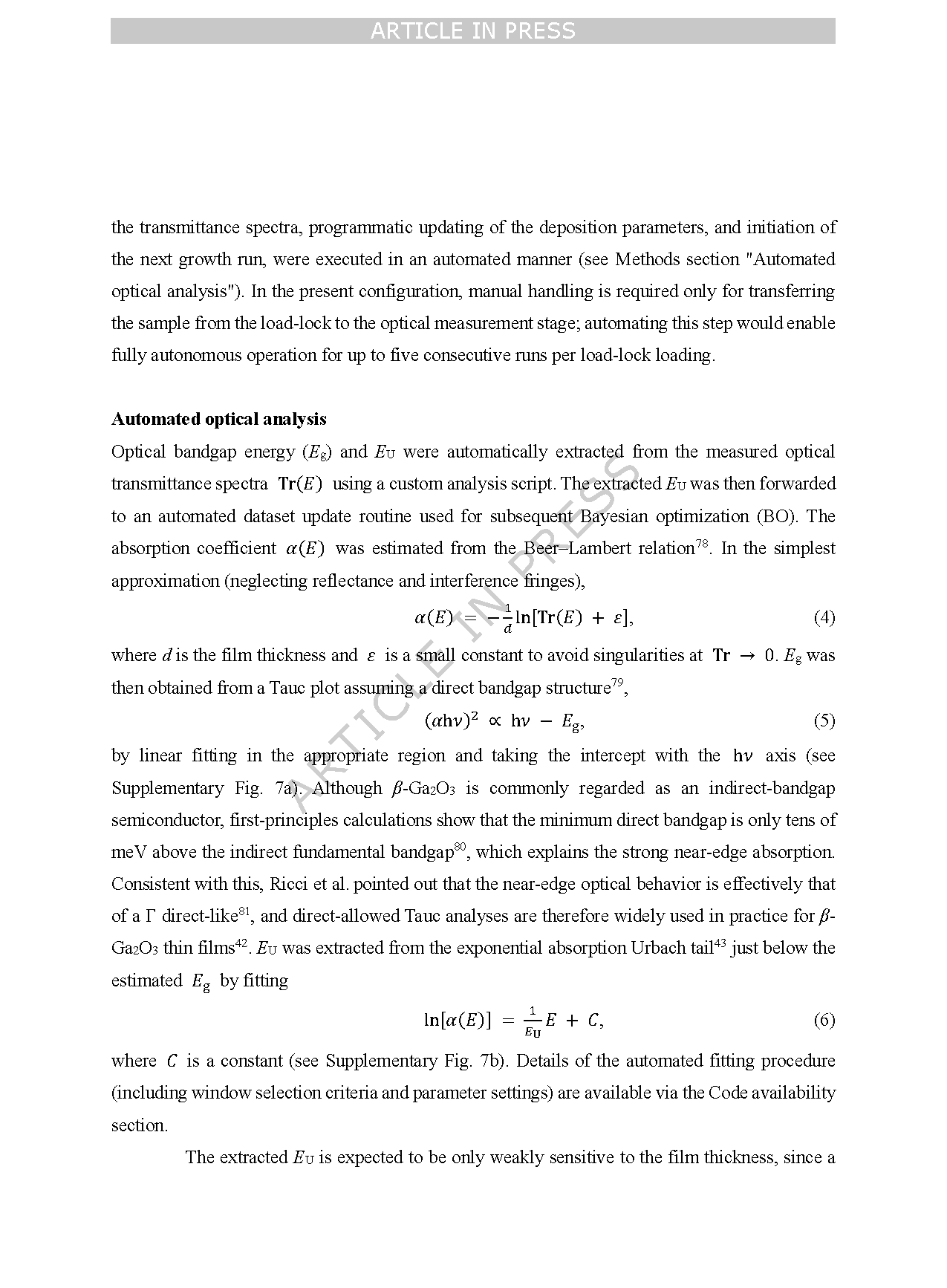
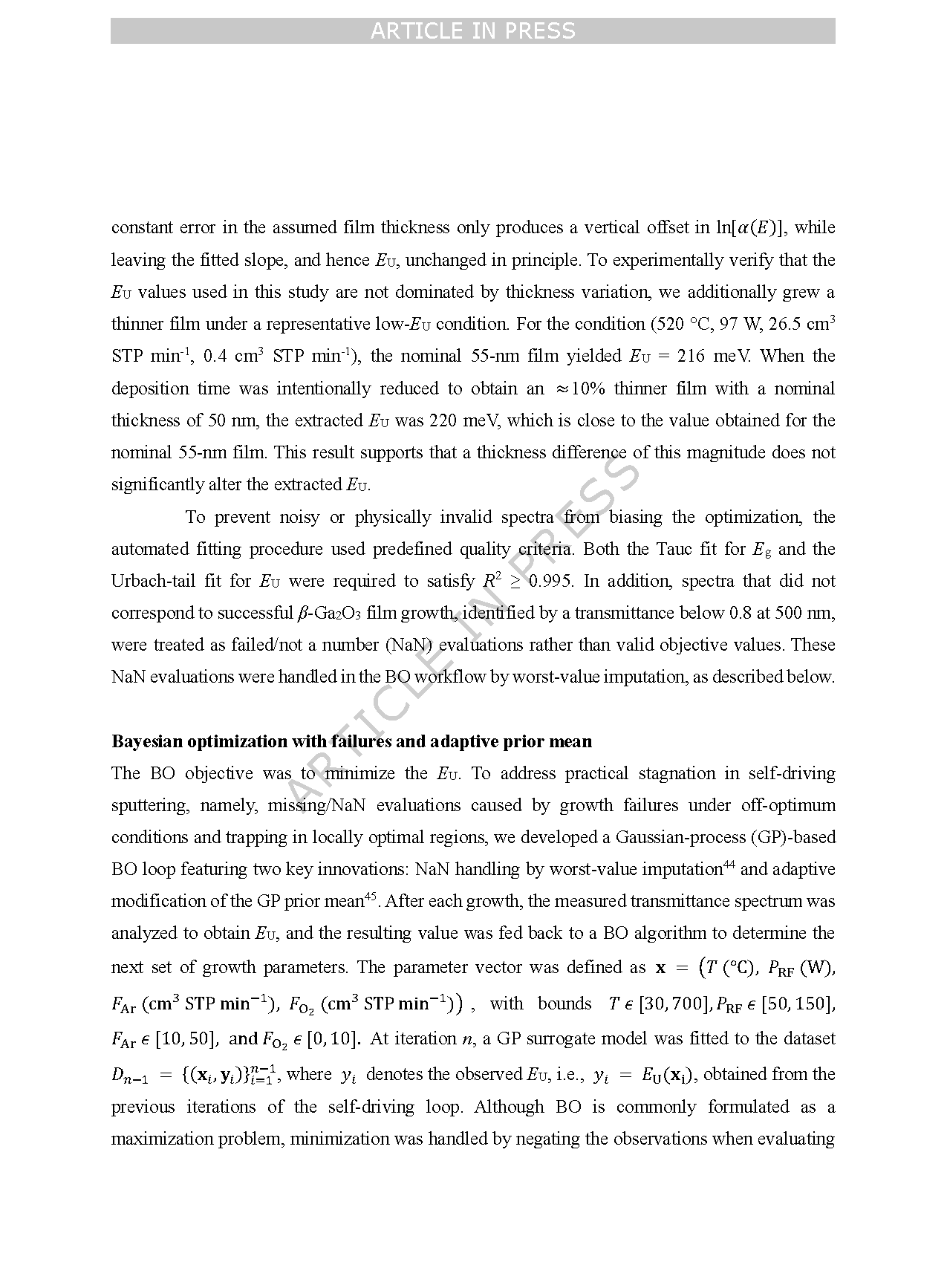
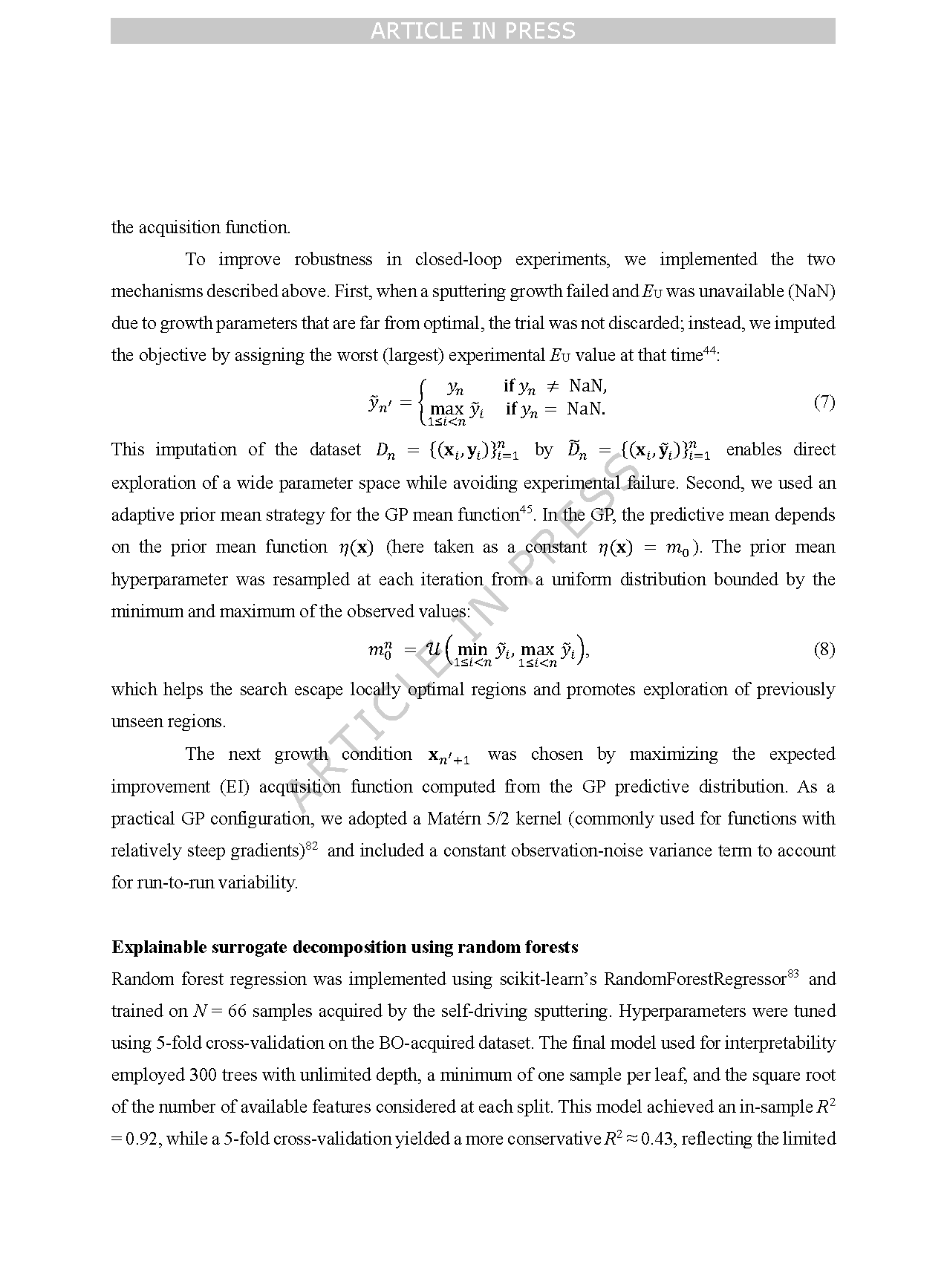
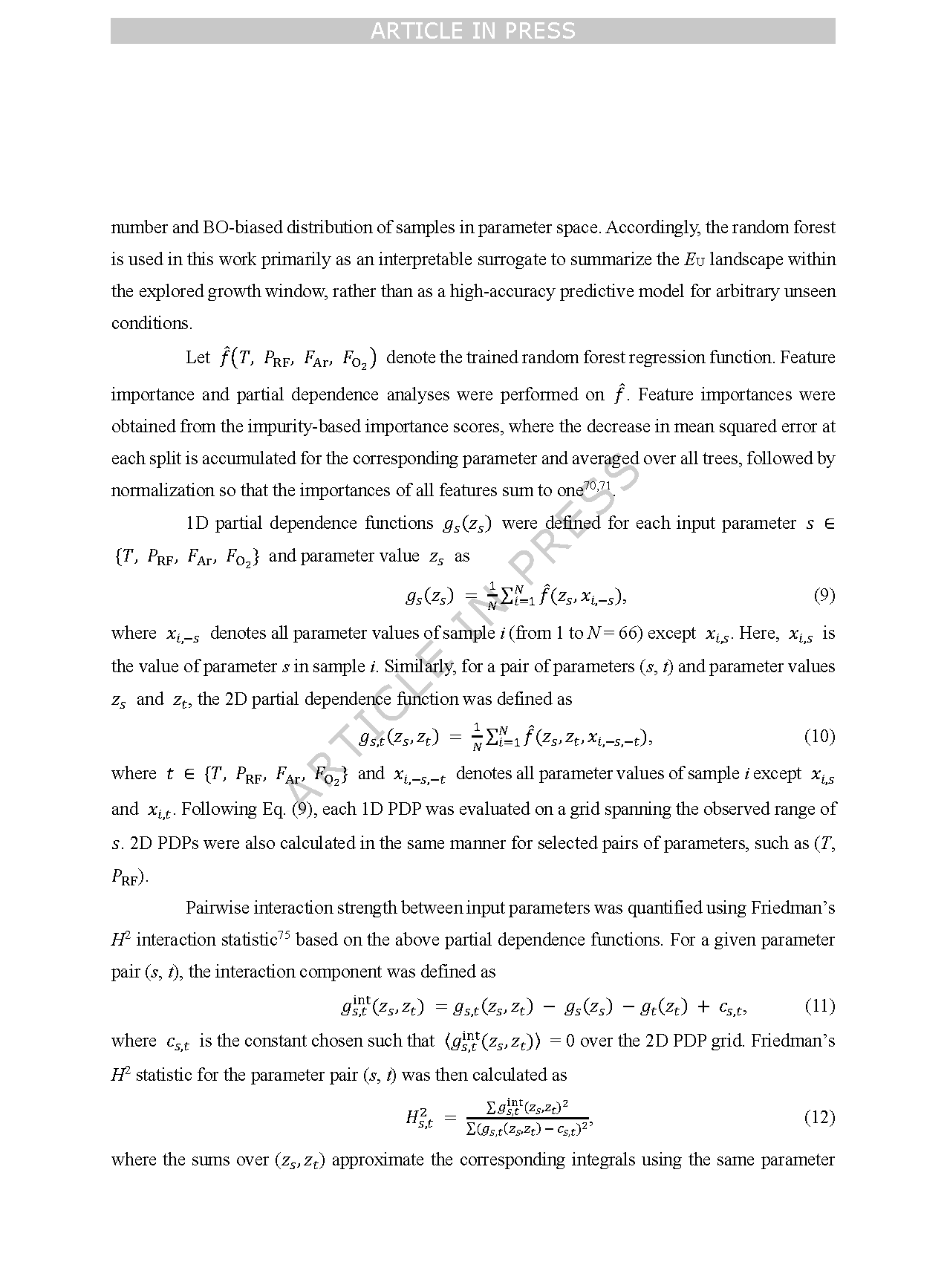
Self-driving laboratories are powerful tools for navigating high-dimensional process spaces, yet Bayesian-optimization decision layers optimize black-box objective functions without distilling transferable process understanding. Here, we demonstrate a mathematically interpretable self-driving laboratory framework that transforms autonomous optimization data into human-executable growth rules. As a benchmark, we apply this framework to sputtering, addressing a challenge in sputtering epitaxy: realizing high-quality β-Ga₂O₃ heteroepitaxy and single-crystalline β-Ga₂O₃ homoepitaxy. By combining Bayesian optimization with automated optical evaluation of the Urbach energy as a sub-bandgap disorder metric, the self-driving system identifies heteroepitaxial conditions yielding a Urbach energy of 182 meV, below previously reported values for sputtered β-Ga₂O₃ films. Importantly, the optimized growth window is transferable across substrates, realizing single-crystalline β-Ga₂O₃ homoepitaxy, corroborated by scanning transmission electron microscopy. To convert closed-loop data into interpretable growth rules, we train a random forest surrogate and reveal that the growth landscape is described by additive contributions from four growth parameters, with a temperature-oxygen interaction. This structure suggests a human-executable strategy with sequential one-dimensional tuning followed by focused two-dimensional refinement, validated by human-executed re-optimization, yielding a reduced Urbach energy of 163 meV. This establishes an interpretable self-driving workflow that converts autonomous optimization data into validated, human-usable growth rules.
Highlights
An interpretable self-driving sputtering epitaxy platform is constructed, combining Bayesian optimization and automatic optical characterization. Urbach energy is adopted as objective metric for sub-bandgap disorder to realize closed-loop process optimization for β-Ga₂O₃ thin films;
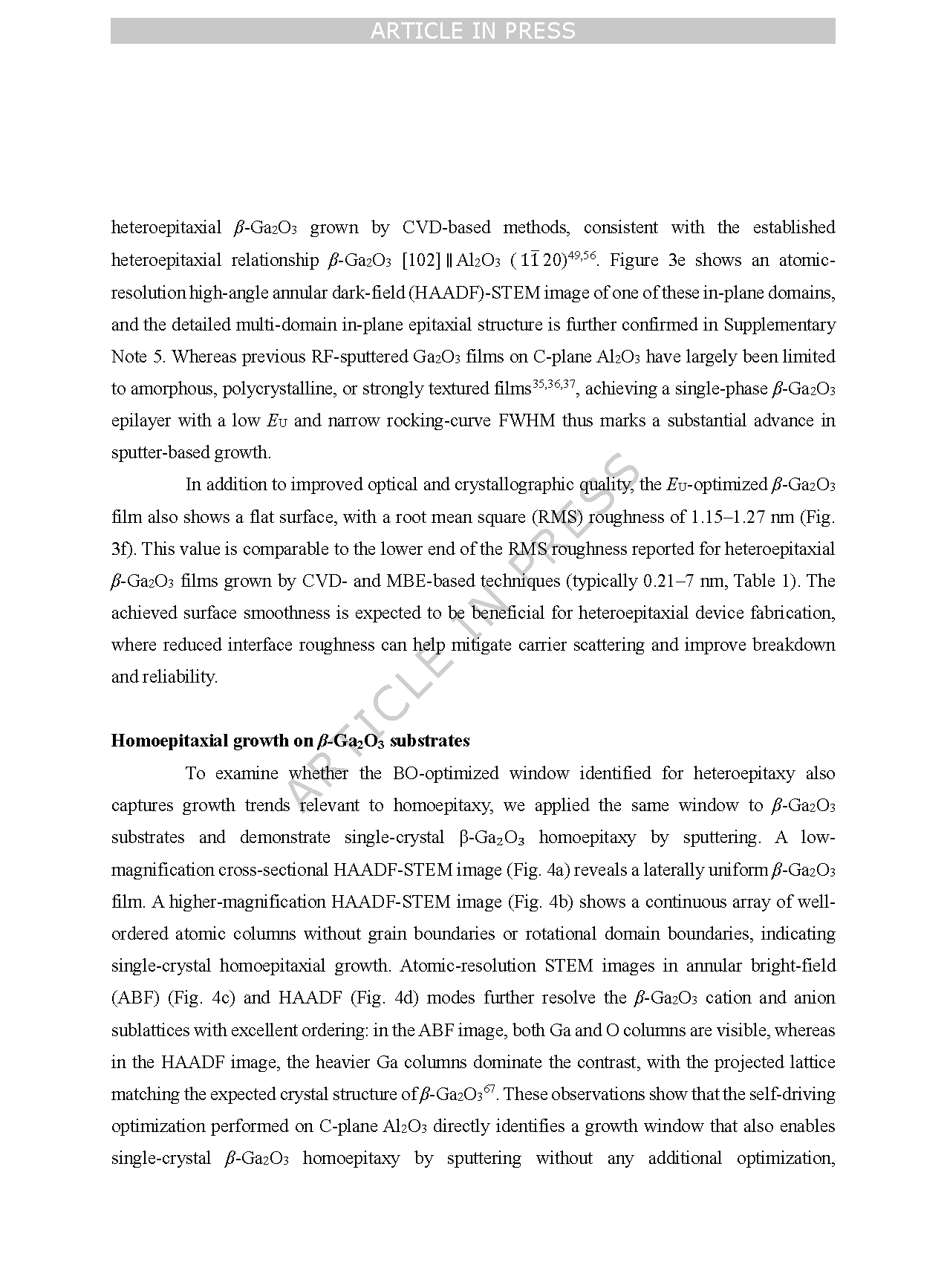
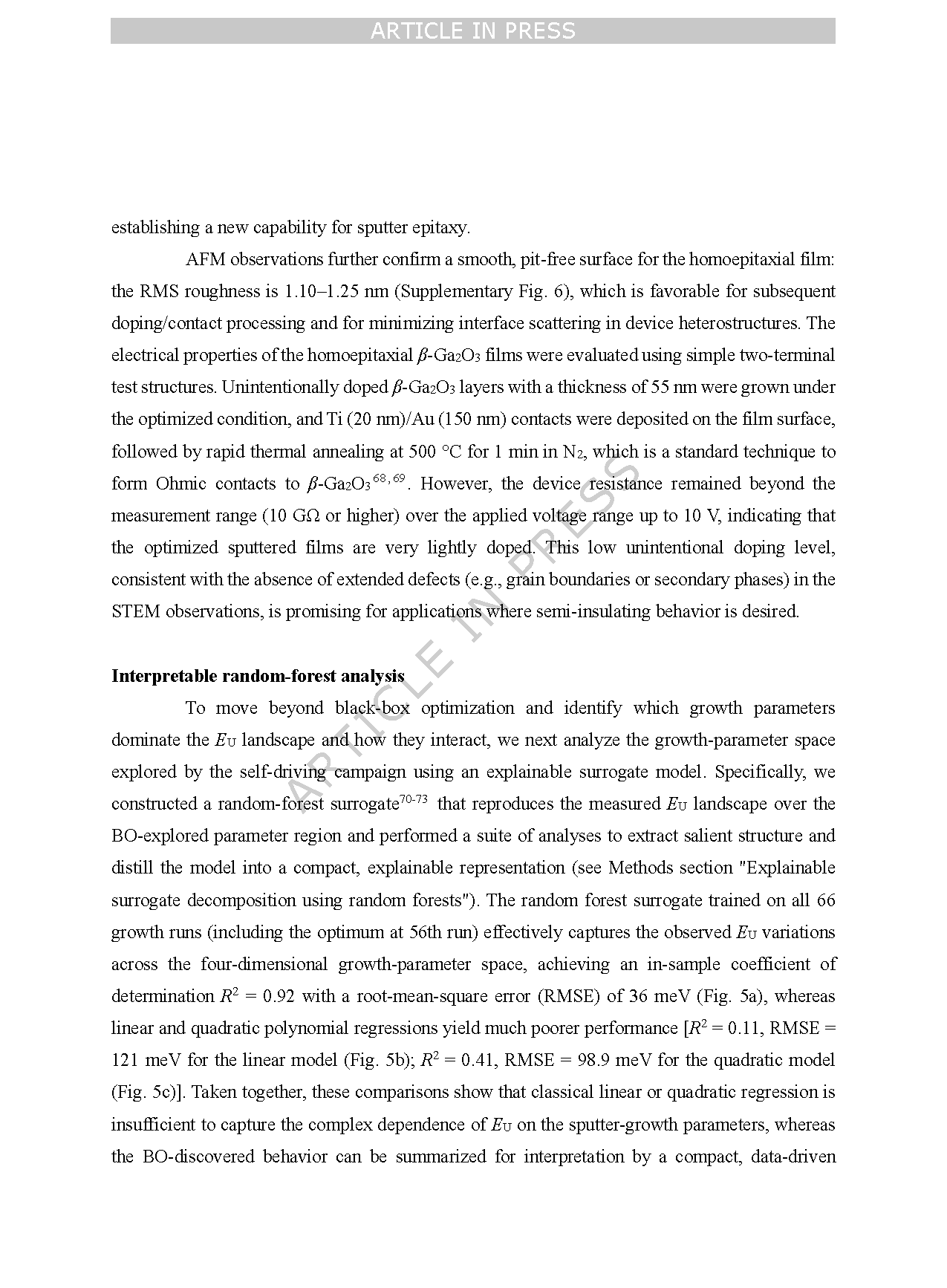
High-quality β-Ga₂O₃ heteroepitaxial films with low Urbach energy of 182 meV are achieved by sputtering. The obtained growth window is transferable, enabling single-crystal β-Ga₂O₃ homoepitaxy without extra optimization;
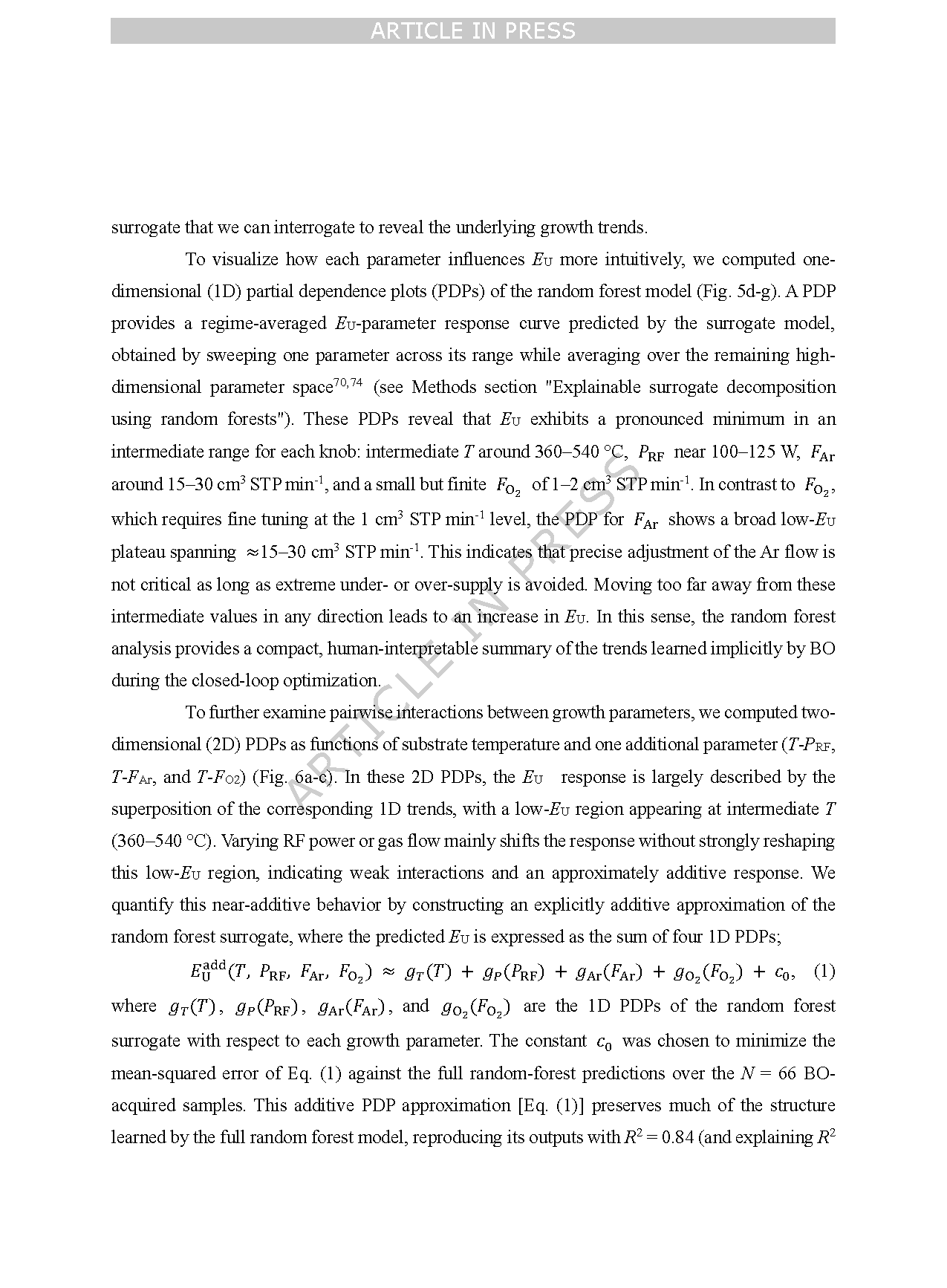
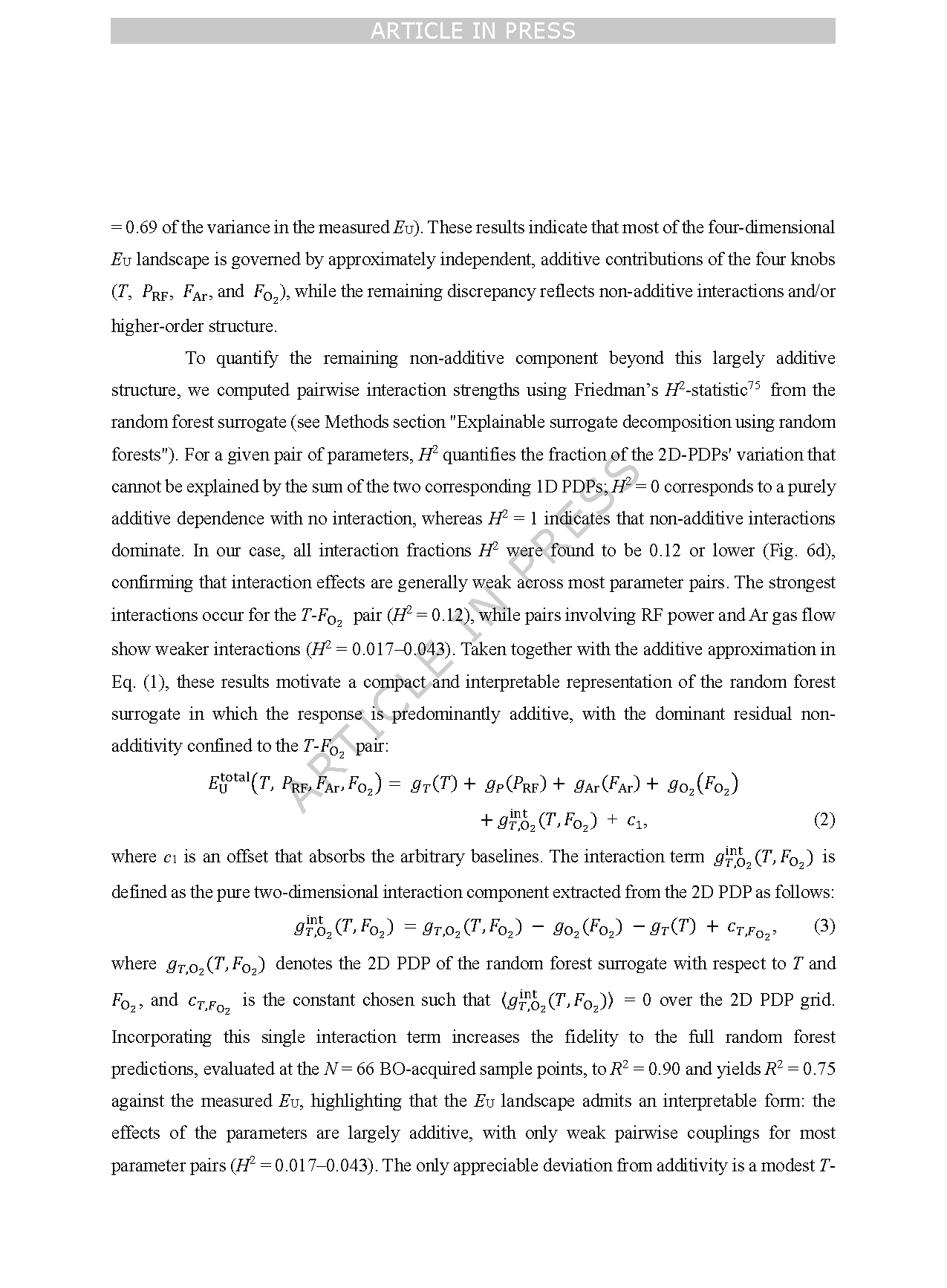
Random-forest surrogate model is adopted to decode high-dimensional parameter space. Four growth parameters exhibit predominantly additive contributions, with only weak temperature-oxygen interaction;
A human-executable tuning strategy is distilled: sequential one-dimensional parameter sweeping followed by focused two-dimensional refinement in temperature-oxygen space. Human-performed re-optimization further reduces Urbach energy down to 163 meV;
It is demonstrated that self-driving experiment can deliver interpretable and transferable process knowledge rather than only optimal recipes, offering a new paradigm for oxide thin-film process development.
Conclusion
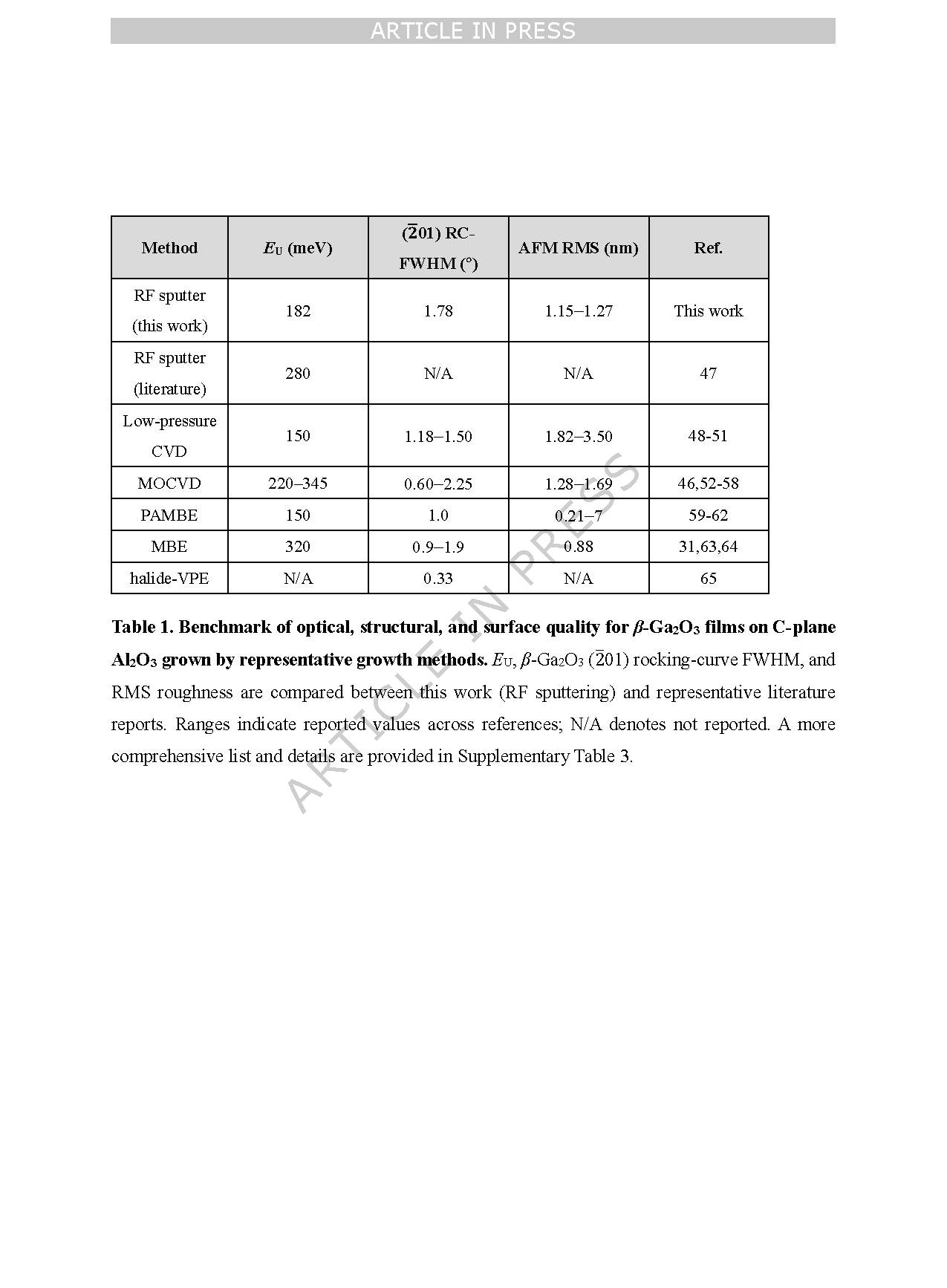
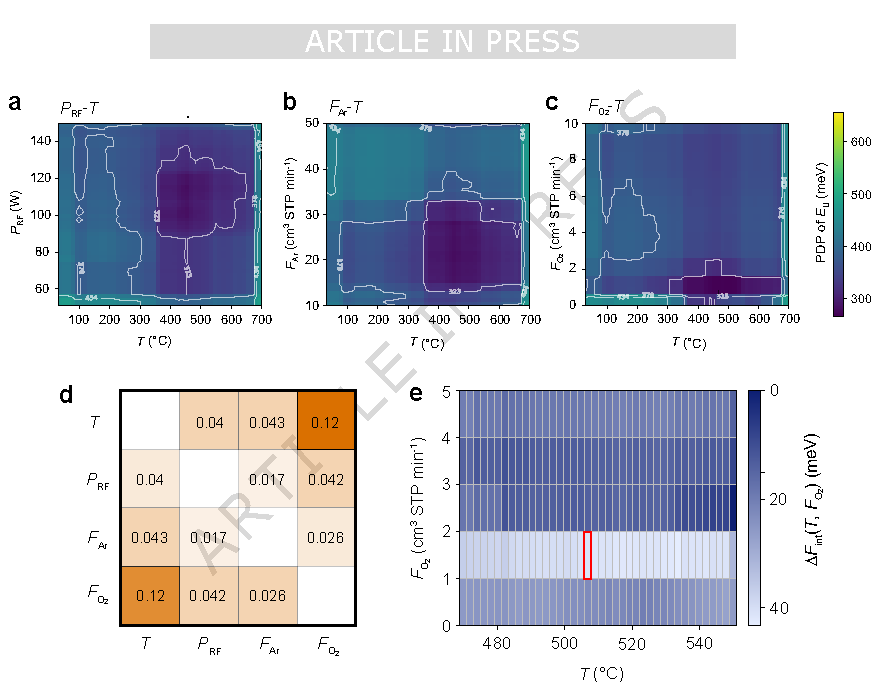
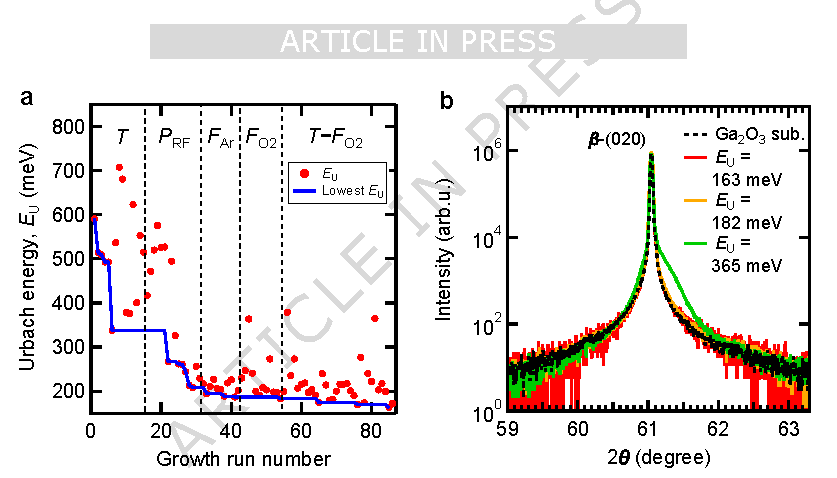
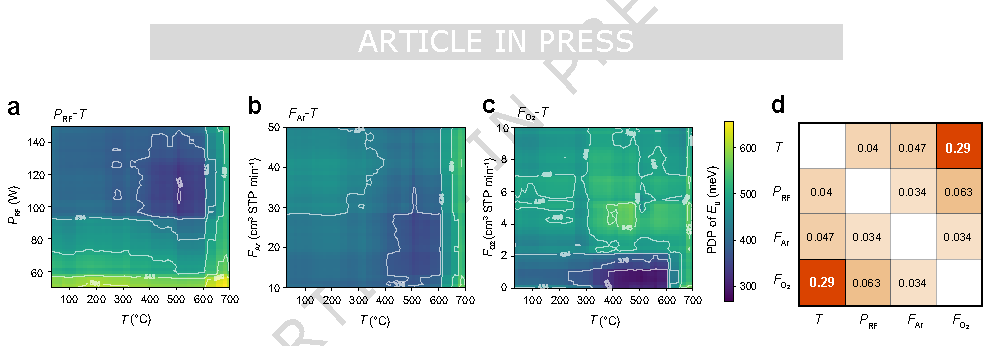
In this work, we demonstrate that RF magnetron sputtering, when combined with an interpretable self-driving growth framework and automated optical analyses, can produce single-phase heteroepitaxial β-Ga₂O₃ films with high crystallographic and optical quality approaching that typically associated with CVD- and MBE-based epitaxy. Using the Urbach energy as a quantitative objective, the closed-loop campaign achieved Urbach energy =182 meV, below the lowest previously reported value for sputtered β-Ga₂O₃ films (280 meV) and below a representative MOCVD-grown report (220 meV). The rule-guided human re-optimization further reduced Urbach energy to 163 meV. While this performance remains above the best reported epitaxial films (~150 meV) and bulk single crystals (60-140 meV), the residual gap provides a clear roadmap for further improvement, namely, suppressing sub-gap disorder/defect states that are still detectable optically even in single-crystal films. Importantly, the same Bayesian-optimization-identified growth window discovered on C-plane Al₂O₃ was also sufficient to enable single-crystal β-Ga₂O₃ homoepitaxy. Given that RF sputtering is a mature, low-operating-cost technology already used for large-area oxide deposition in semiconductor and display manufacturing, these results point to self-driving sputter epitaxy as a promising, industry-compatible route for ultra-wide-bandgap β-Ga₂O₃ epitaxial layers and devices. Although the initial dataset in our campaign happened to include a sample with a moderately low Urbach energy (<350 meV), Bayesian optimization is not predicated on starting from a near-optimal recipe. Instead, the exploration-exploitation trade-off encourages broad sampling early on while progressively refining around promising regions. Consistent with this behavior, the Urbach energy values span a wide range across runs while the best-achieved Urbach energy decreases steadily. In our self-driving sputtering system, we further improved robustness against local trapping by adopting an adaptive prior-mean strategy, in which the Gaussian-process prior mean is resampled at each iteration from a uniform distribution bounded by the minimum and maximum observed Urbach energy values. This design promotes exploration of previously unseen regions and helps the search escape locally optimal regimes, and its effectiveness has been validated in benchmark simulations. A distinctive aspect of this study is that the self-driving workflow does not simply identify an optimized recipe, but also converts the closed-loop data into human-usable growth rules. While Bayesian optimization efficiently discovers growth conditions that minimize Urbach energy, process development ultimately requires an interpretable understanding of which parameters matter and how they should be adjusted. To bridge autonomous search and human-intuitive tuning, we analyzed the growth-parameter landscape explored by Bayesian optimization and distilled the closed-loop dataset into actionable process knowledge. Using a random forest as an explainable local surrogate, we identified a near-additive Urbach energy landscape with a dominant residual interaction between temperature and O₂ flow, rather than a fully entangled four-dimensional response. This structure yields a practical tuning logic consisting of sequential one-dimensional adjustments followed by a focused two-dimensional refinement in temperature and O₂ flow. The validity of this rule as an optimization strategy was supported by human-executed re-optimization, and its relevance to homoepitaxy was further examined by controlled cross-substrate tests within the tested process space.
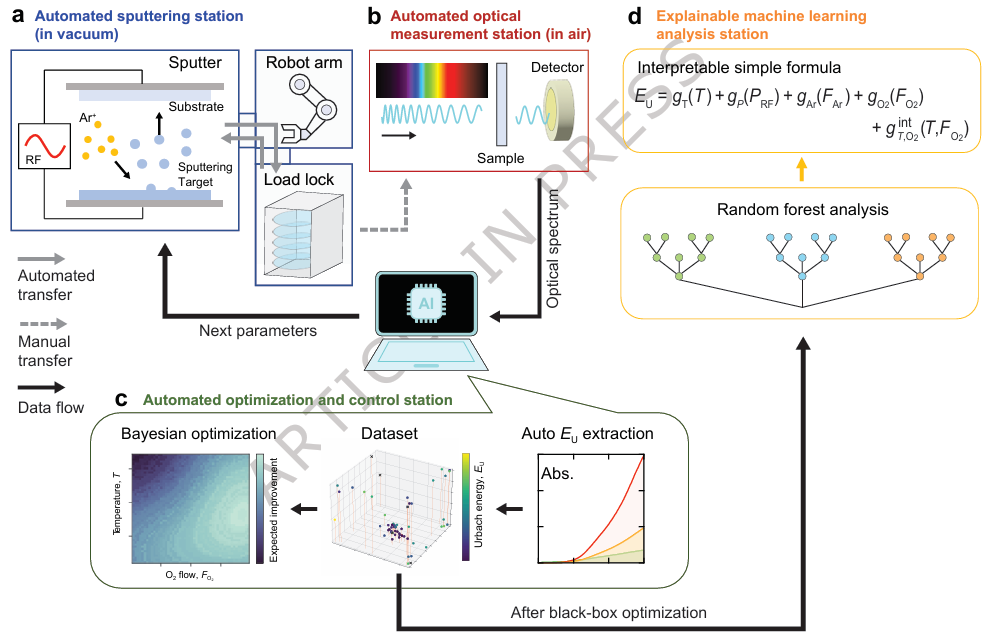
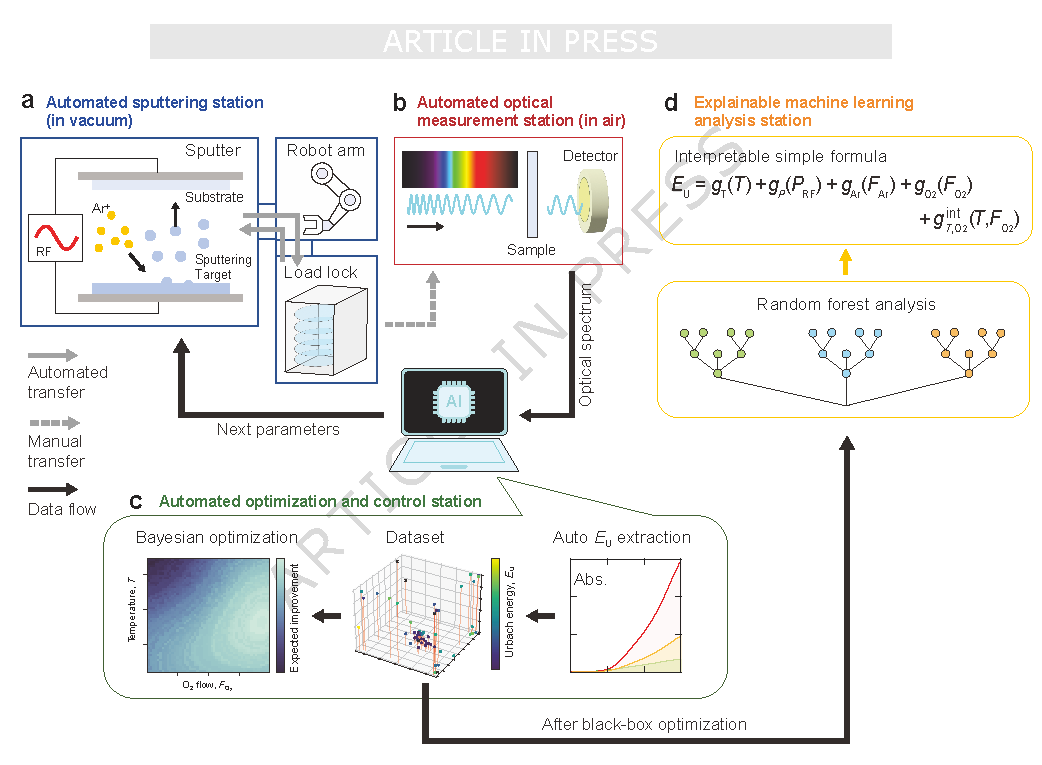
Figure 1. Closed-loop self-driving sputter epitaxy with explainable machine learning. a Automated RF sputtering station operated in vacuum for thin-film growth. b Automated optical measurement station operated in air to acquire optical transmittance spectra. c Automated optimization and control station that performs (1) auto-extraction of the Urbach energy Eᵤ from the optical spectra, (2) dataset update, and (3) Bayesian optimization to propose the next growth conditions and automatically triggers the subsequent sputter run. d Explainable ML analysis station, where a random forest model is trained on the accumulated dataset and distilled into human-interpretable relations for process understanding.
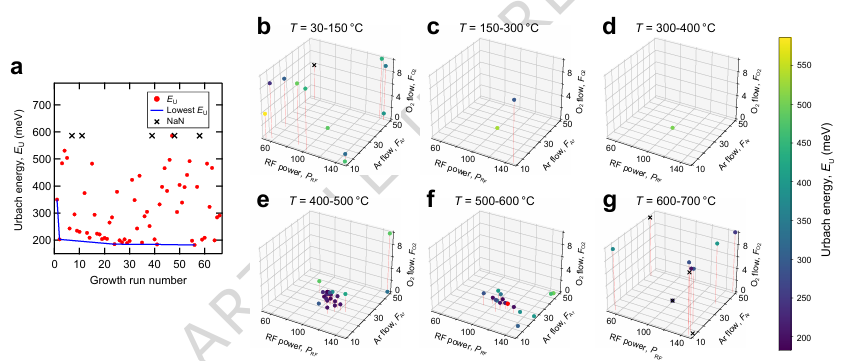
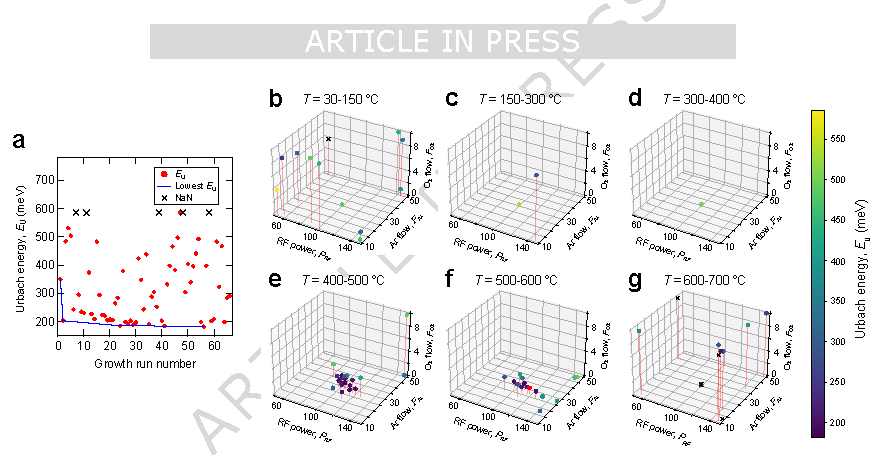
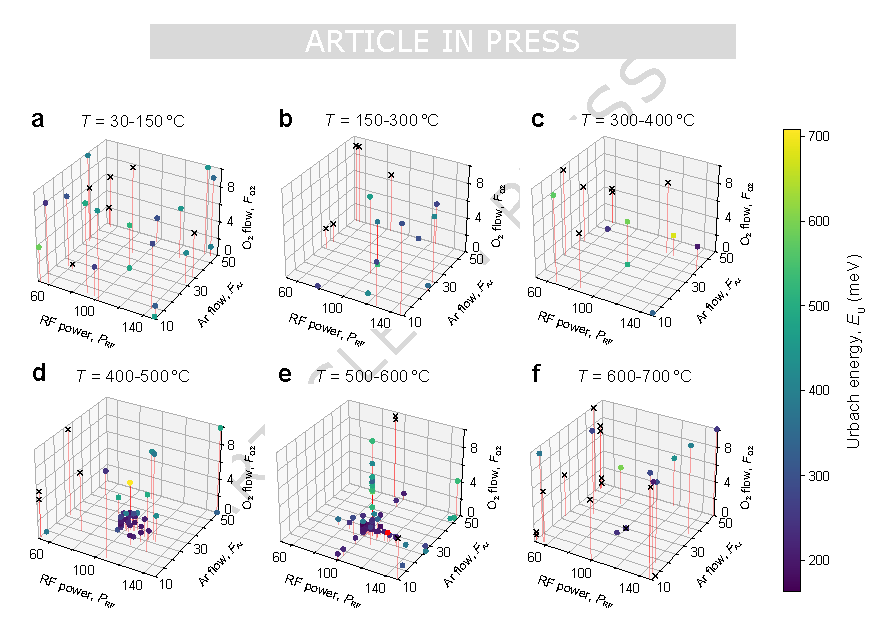
Figure 2. Bayesian optimization of Eᵤ over a four-dimensional growth-parameter space. a The experimental Eᵤ (red circles) as a function of growth run number. The blue line indicates the lowest Eᵤ achieved up to each run. Black crosses indicate runs for which the Eᵤ could not be extracted (NaN). b-g, The experimental Eᵤ in the three-dimensional parameter space PRF-FAr-FO₂ for different T windows of b 30-150 °C, c 150-300 °C, d 300-400 °C, e 400-500 °C, f 500-600 °C and g 600-700 °C. Marker color represents Eᵤ (color bar, meV), visualizing how Bayesian optimization concentrates sampling. In f, the red circle represents the lowest Eᵤ (182 meV). In b-g, black crosses indicate runs for which the Eᵤ could not be extracted (NaN).
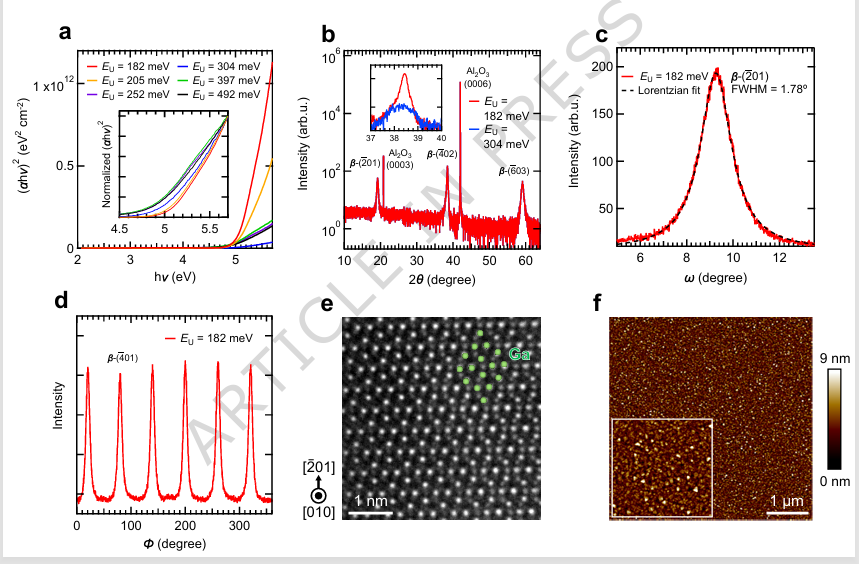
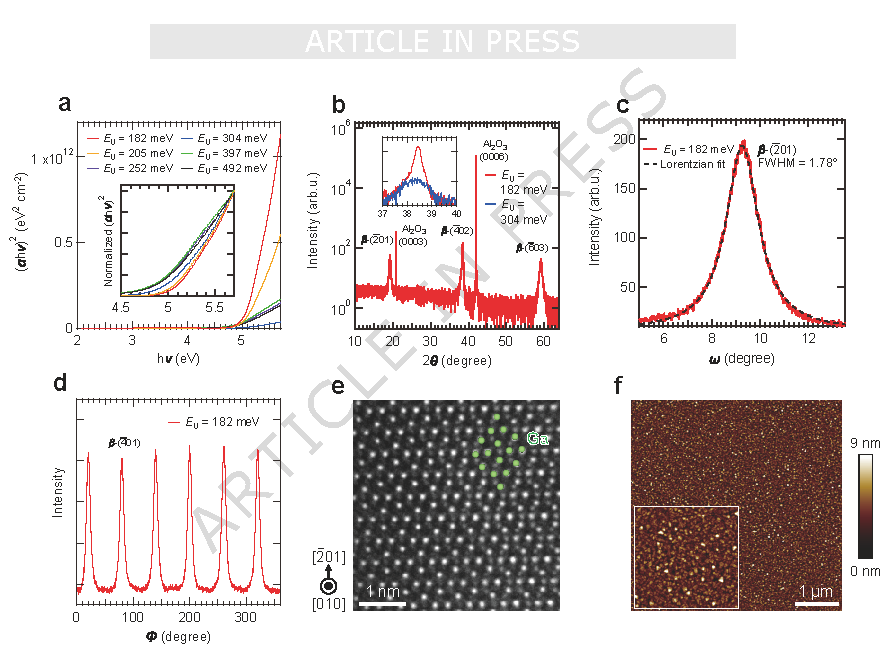
Figure 3. Optical and structural properties of the optimized heteroepitaxial β-Ga₂O₃ films on C-plane Al₂O₃. a Tauc plots (αhν)² derived from optical transmittance spectra for representative films with different Eᵤ values. The inset in a shows normalized (αhν)² near the absorption edge. b XRD θ-2θ scan for the optimized film (Eᵤ=182 meV). The inset in b also shows the scan for the film with Eᵤ=304 meV. c Rocking curve (ω-scan) of the β-Ga₂O₃ (-201) reflection for the optimized film, with a Lorentzian fit (dashed line). d In-plane ϕ-scan of the β-Ga₂O₃ (-401) reflection for the optimized film. e Atomic-resolution HAADF-STEM image of the optimized film viewed along the [010] direction of the β-Ga₂O₃ (parallel to the [1-100] direction of the C-plane Al₂O₃ substrate). In e, green spheres indicate Ga-occupied columns. Similar HAADF-STEM features were observed at three spatially separated locations of the same film. f AFM image (5 µm × 5 µm) of the optimized film. The inset in f shows a magnified view (1 µm × 1 µm). Similar AFM surface morphologies were observed at three spatially separated locations of the same film. Source data are provided as a Source Data file.
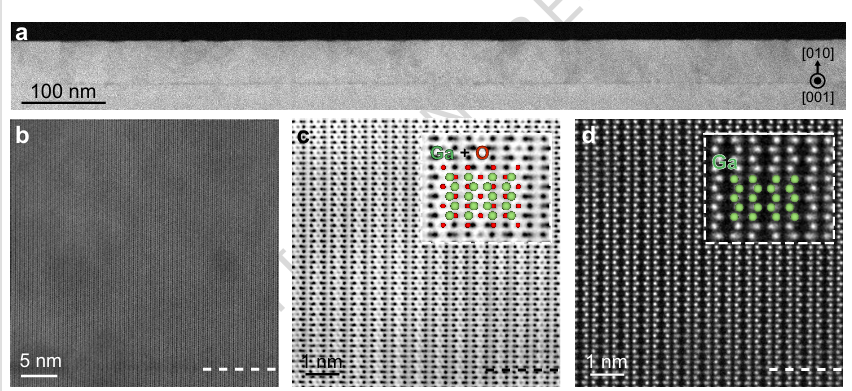
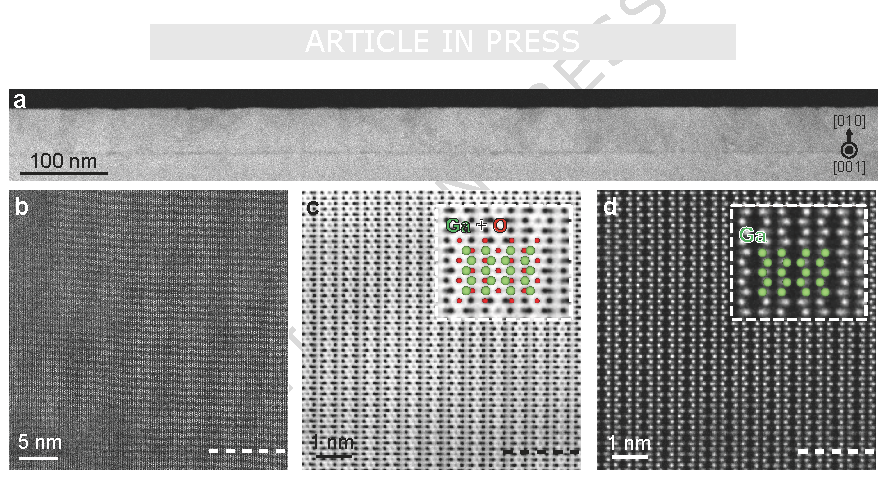
Figure 4. Homoepitaxial β-Ga₂O₃ grown under the optimized condition. a HAADF-STEM image of the homoepitaxial β-Ga₂O₃ film viewed along the [001] direction. b Magnified HAADF-STEM image near the interface in a. c,d Magnified c ABF- and d HAADF-STEM images near the interface in b. In b-d, dashed lines indicate the interface. The insets in c and d represent an atomic-resolution magnified image with Ga-occupied (green spheres) and O-occupied (red spheres) columns. Similar homoepitaxial structures were observed by STEM at three spatially separated locations of the same film.
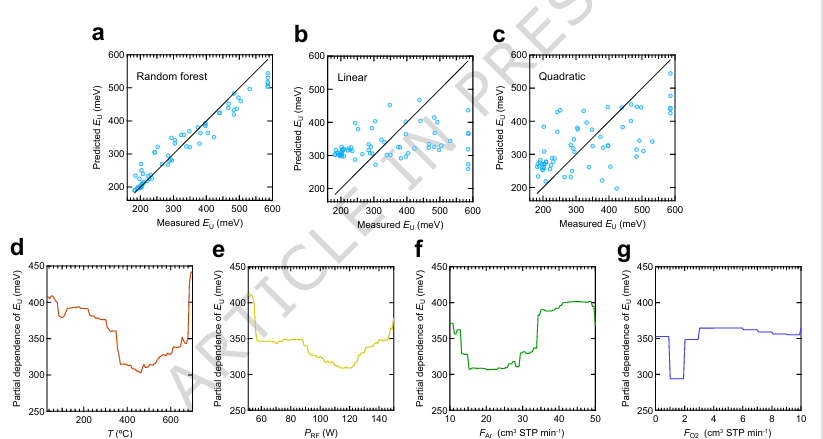
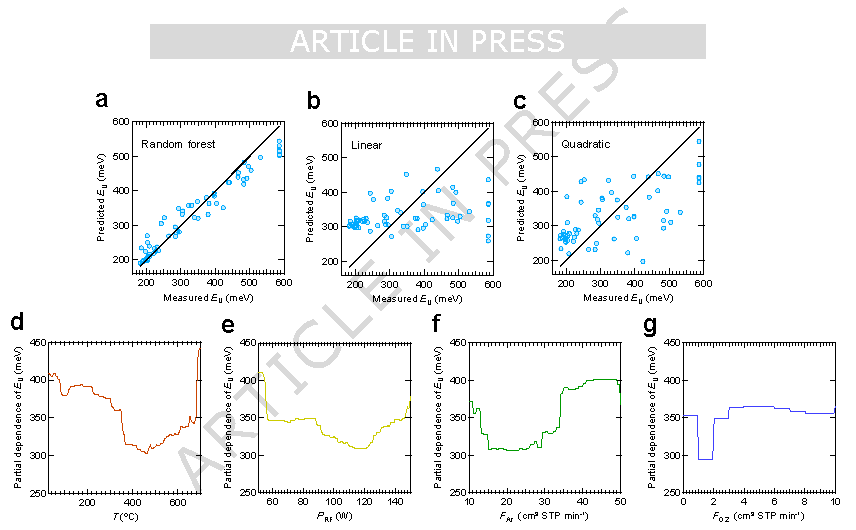
Figure 5. Explainable random forest analysis for single-parameter effects on Eᵤ. a-c Predicted versus measured Eᵤ for three regression models trained on the experimental 66 sample dataset: a random forest, b linear, and c quadratic. The diagonal line indicates perfect agreement. d-g 1D PDPs from the random-forest model showing the marginal effect of d T, e PRF, f FAr, and g FO₂ on Eᵤ.
DOI:
10.1038/s41467-026-76533-0
Instruction
Official Account

Cooperation
Top