


The research team led by Associate Prof. Bo Sun from Tsinghua Shenzhen International Graduate School and Prof. Wenxiang Mu from the State Key Laboratory of Crystal Materials, Shandong University, have jointly published a dissertation titled "Revisiting the thermal conductivity of β-Ga₂O₃: High-precision benchmarking and the role of interface in time-domain thermoreflectance" in Physical Review Materials.
Background
β-Ga₂O₃ is a premier ultrawide-bandgap semiconductor for next-generation high-power electronics, yet its inherently low thermal conductivity poses critical challenges for device thermal management. However, significant discrepancies persist in reported thermal conductivity values (e.g., up to 40% variation along [100] at 300 K across literature). These inconsistencies primarily stem from phonon nonequilibrium near metal/semiconductor interfaces in nanoscale thermal measurements like TDTR: at high modulation frequencies or when heating spot sizes approach phonon characteristic lengths, thermal nonequilibrium among phonon branches leads to apparent thermal conductivities that underestimate intrinsic bulk values. Thus, there is an urgent need for high-precision benchmarking and a fundamental understanding of how interfaces influence TDTR measurements.
Abstract
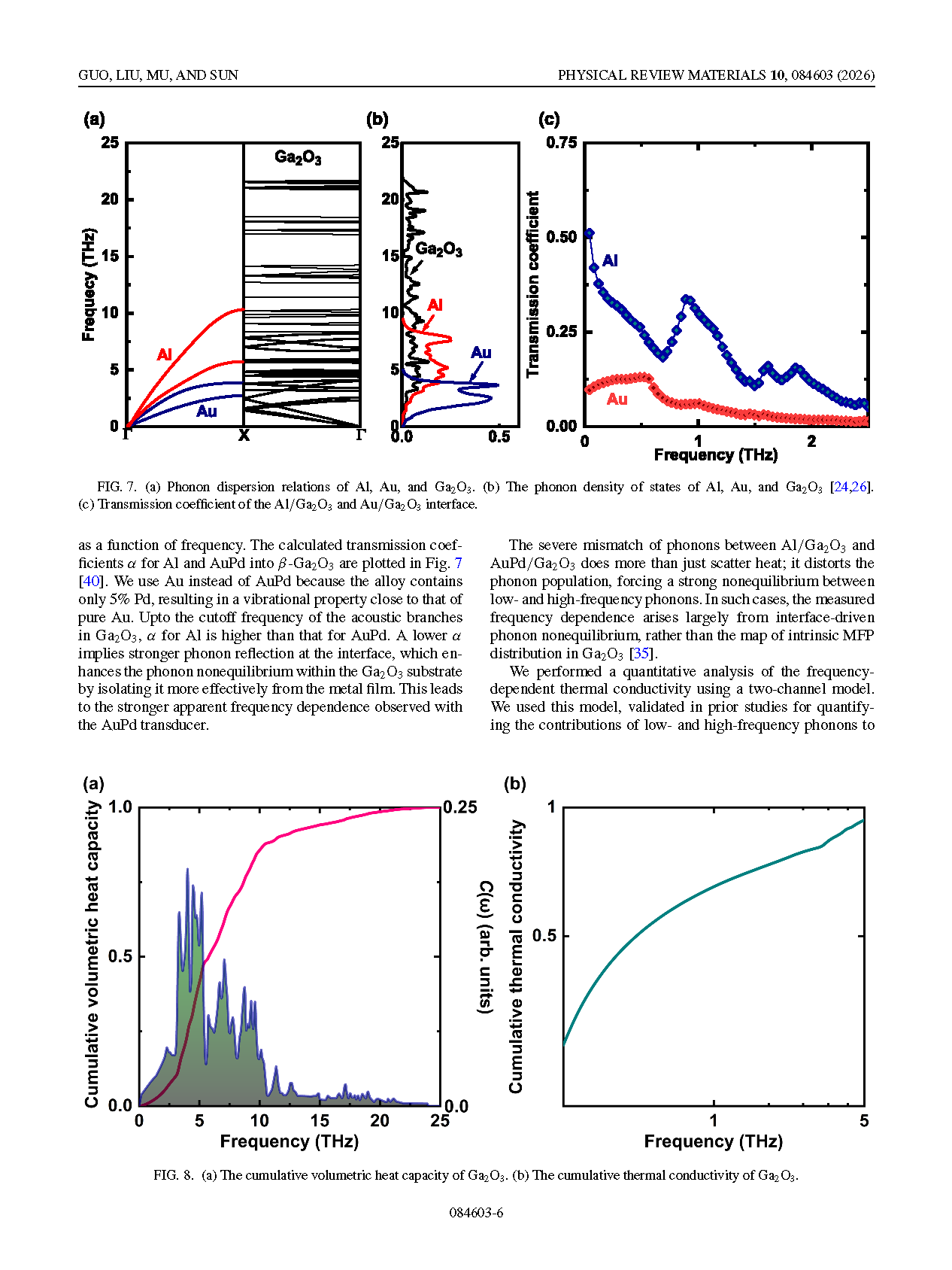
This work employs TDTR to perform high-precision thermal characterization of β-Ga₂O₃ single crystals along six crystallographic orientations ([001], [010], [100], [012], [2̄01], and [1̄02]). By optimizing low-frequency measurement conditions to minimize phonon nonequilibrium, we obtain intrinsic thermal conductivity values significantly higher than previous TDTR reports. Comparative frequency-dependent measurements on the same [100] sample using Al and AuPd transducers reveal that the AuPd/Ga₂O₃ interface exhibits stronger frequency dependence. Combined analysis via a two-channel model and the diffuse mismatch model (DMM) demonstrates that this frequency dependence is not an intrinsic bulk property but is governed by differences in interfacial phonon transmission probabilities that modulate nonequilibrium effects.
Highlights
Complete Tensor Benchmark: First reconstruction of the full 3D thermal conductivity tensor of β-Ga₂O₃ based on precise six-directional measurements, resolving long-standing literature discrepancies ([010]: 22.5 W/mK; [100]: 13.0 W/m·K);
Interface Mechanism Elucidation: Experimentally proves that observed frequency-dependent thermal conductivity in TDTR is dictated by metal/β-Ga₂O₃ interfacial boundary conditions rather than direct mapping of bulk phonon mean free path distributions;
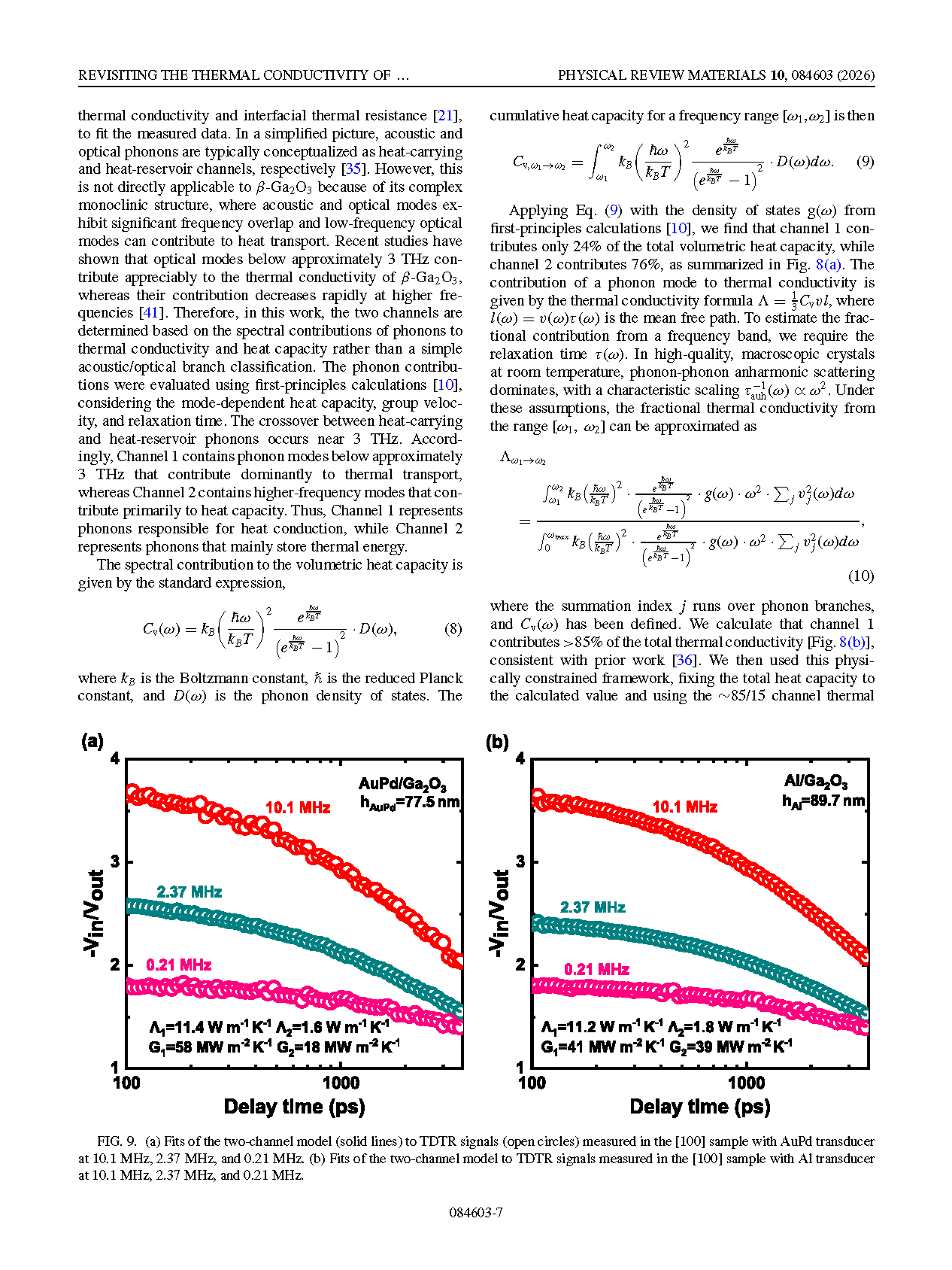
Transducer Selection Criterion: Identifies Al as the preferred transducer due to better acoustic matching and higher phonon transmission with Ga₂O₃, effectively suppressing interfacial nonequilibrium; conversely, AuPd enhances nonequilibrium through strong phonon reflection, leading to underestimated apparent conductivity.
Conclusion
This work establishes the most precise thermal conductivity benchmark dataset for β-Ga₂O₃ to date and, more importantly, elucidates the critical role of interface engineering in modulating phonon nonequilibrium during TDTR measurements. The findings underscore that accurate extraction of intrinsic thermal transport parameters in wide-bandgap semiconductors requires careful consideration of transducer-substrate acoustic matching. This insight provides essential theoretical guidance and practical design rules for thermal management in Ga₂O₃ power devices and for advancing nanoscale thermal spectroscopy methodologies.
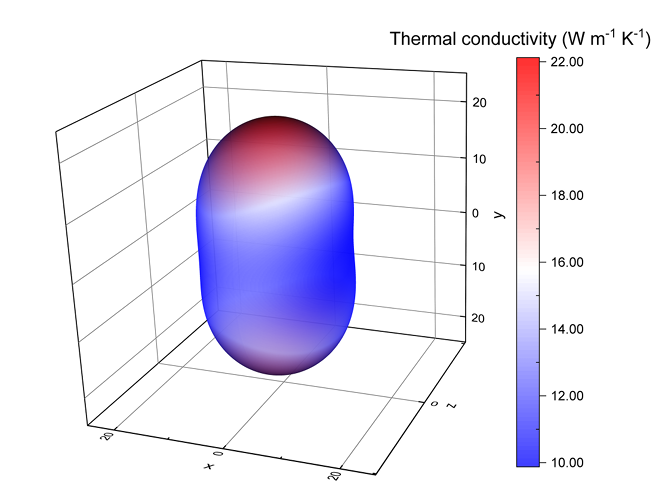
FIG. 1. 3D thermal conductivity tensor of β-Ga₂O₃.
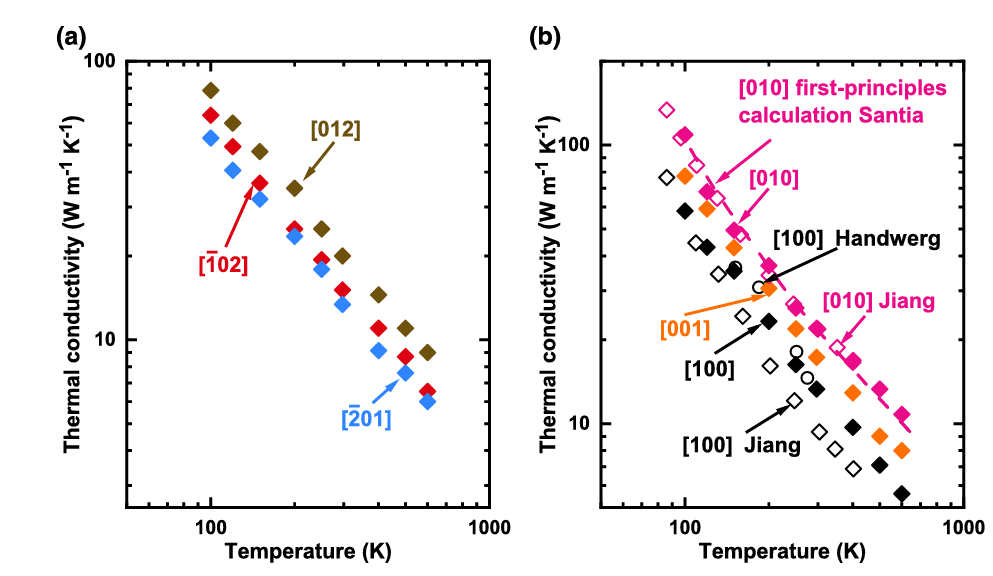
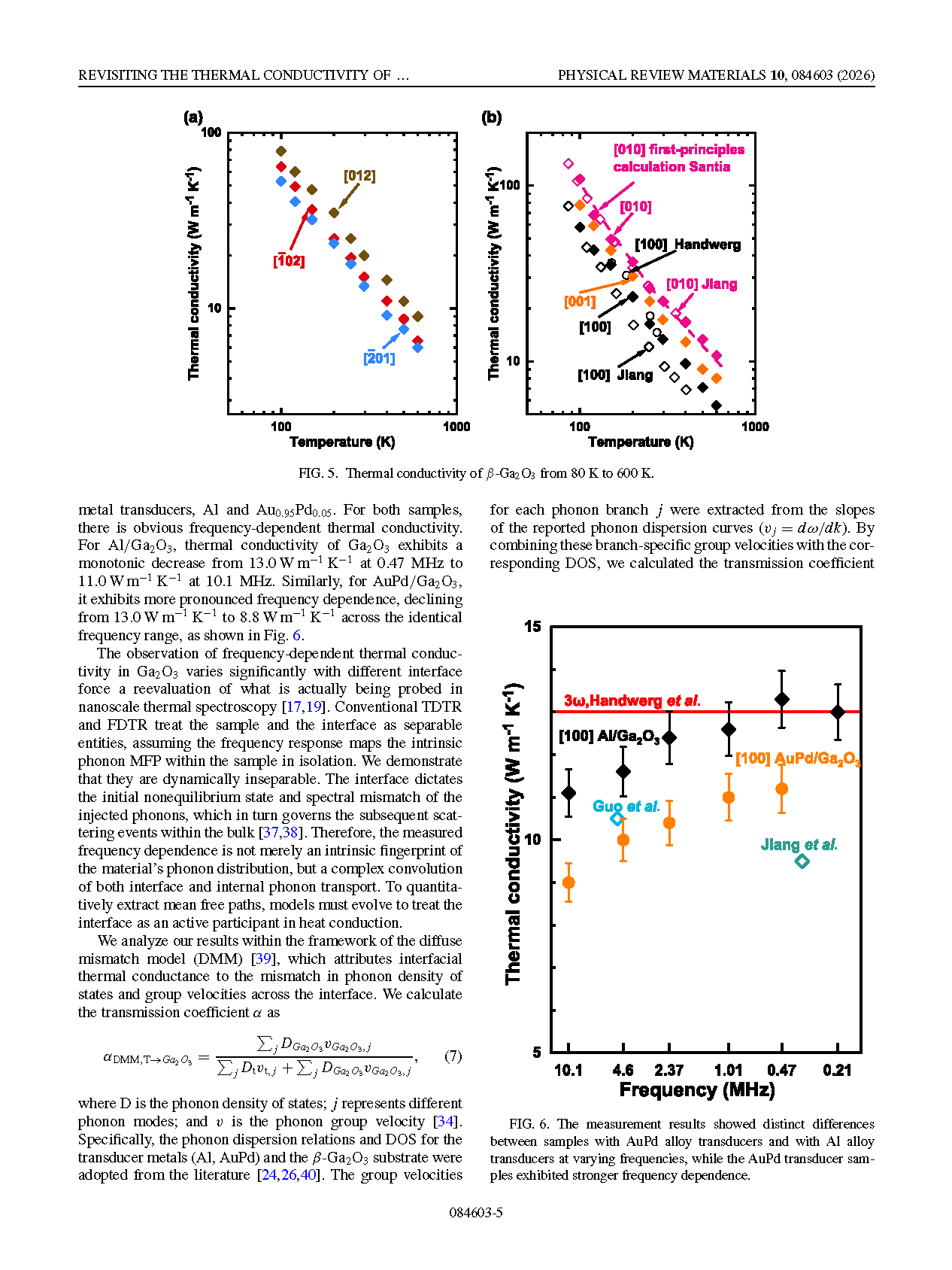
FIG. 2. Thermal conductivity of β-Ga₂O₃ from 80 K to 600 K.
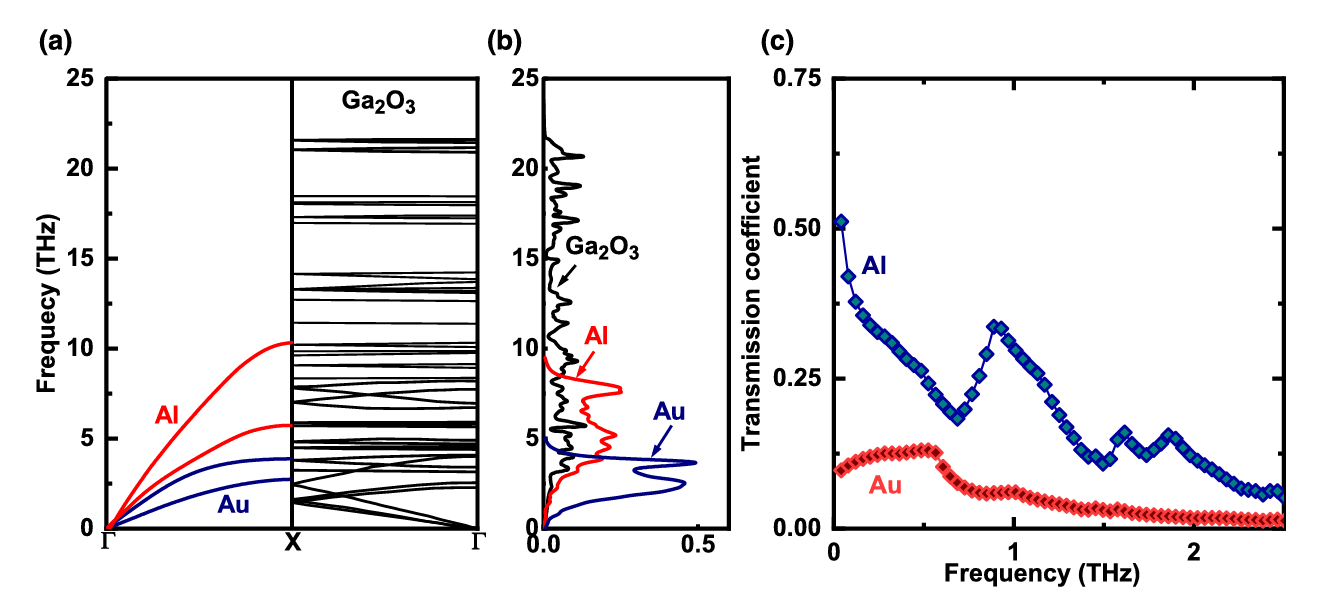
FIG. 3. (a) Phonon dispersion relations of Al, Au, and Ga₂O₃. (b) The phonon density of states of Al, Au, and Ga₂O₃[24,26].(c) Transmission coefficient of the Al/Ga₂O₃ and Au/Ga₂O₃ interface.
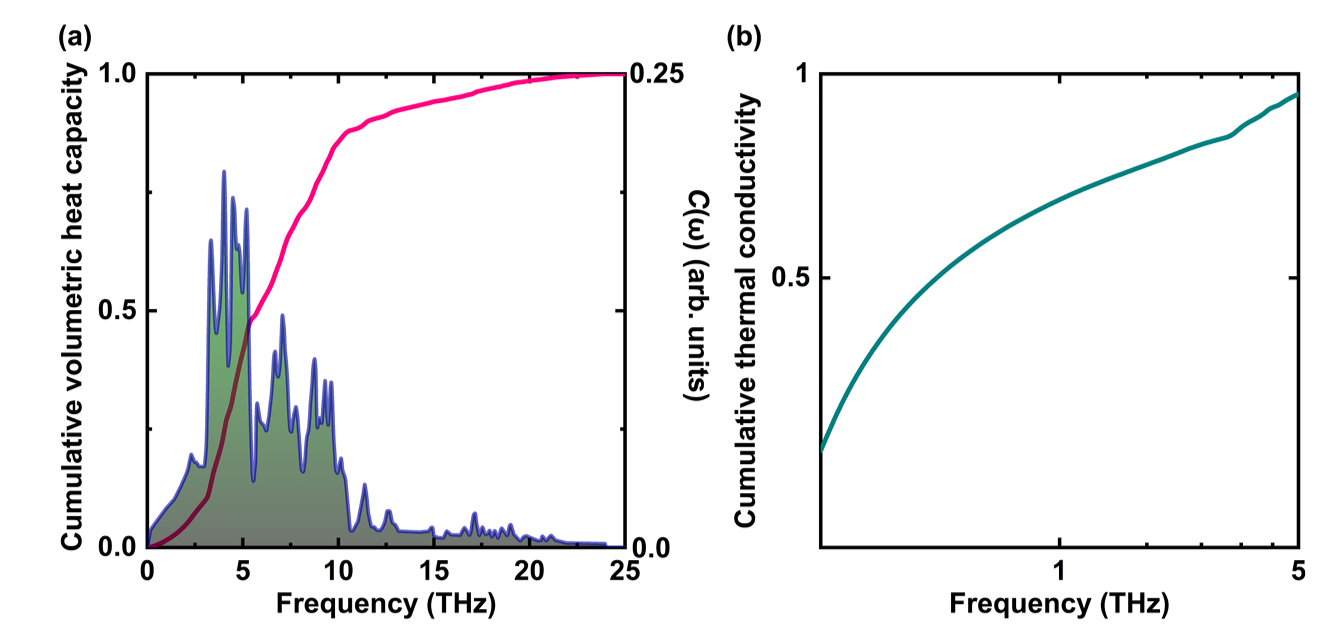
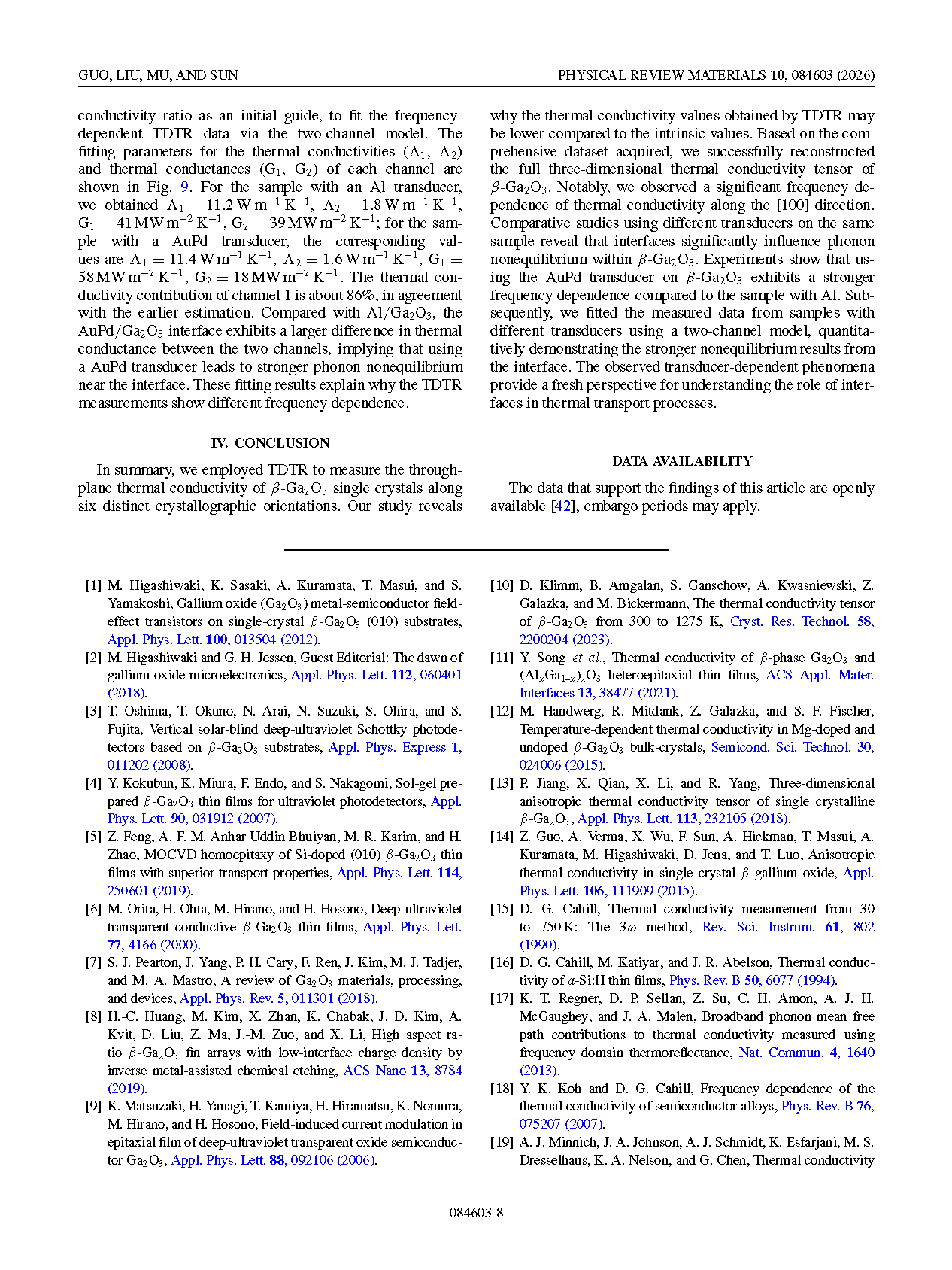
FIG. 4. (a) The cumulative volumetric heat capacity of Ga₂O₃. (b) The cumulative thermal conductivity of Ga₂O₃.
DOI:
doi.org/10.1103/myvg-7t2h
Instruction
Official Account

Cooperation
Top