


The research group led by Academician Sheng Liu, Associate Professor Gai Wu, and Associate Professor Wei Shen from Wuhan University has published an article entitled “Multiscale investigation of thermal transport in β-Ga2O3-based heterointerfaces enabled by machine learning potential: cross-scale parameter” in the academic journal “npj Computational Materials”.
Journal introduction
npj Computational Materials (Nature Partner Journals: Computational Materials) is a high-level international academic journal published by Springer Nature, focusing on cutting-edge researches in computational materials science. In 2025, it was ranked as a T1 journal in the materials science category by the Chinese Academy of Sciences, with a latest impact factor (IF) of 11.9 and a 5-year average impact factor of 13, making it one of the top journals in computational materials science.
Acknowledgements
This work was funded by the National Natural Science Foundation of China, the Shenzhen Science and Technology Program, the State Key Laboratory of Micro-nano Engineering Science, and the Open Fund of Hubei Key Laboratory of Electronic Manufacturing and Packaging Integration (Wuhan University).
Introduction
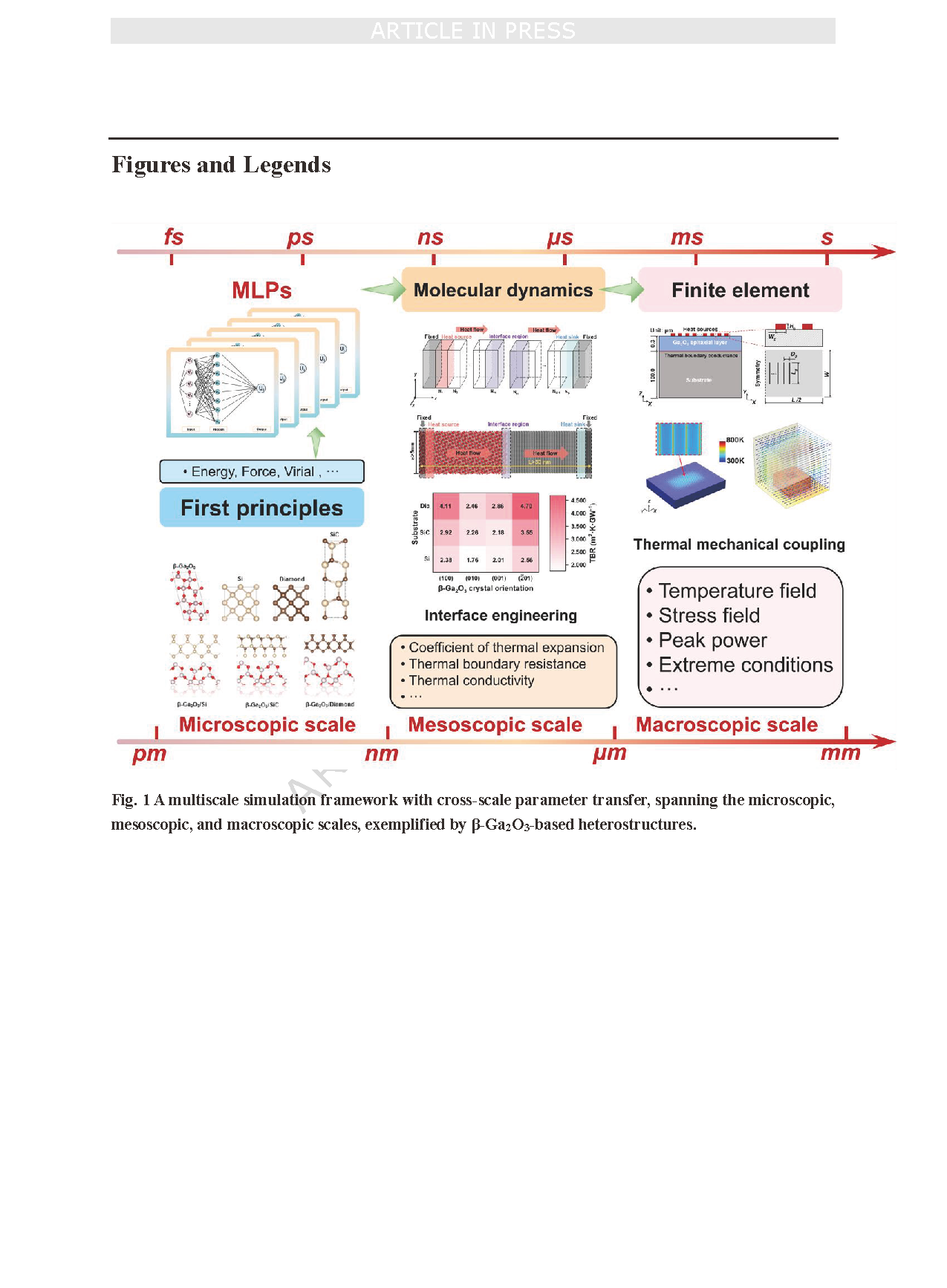
The continuous trend toward miniaturization, higher performance, and greater integration in electronic technologies has led to a rapid increase in the power density of electronic components. Consequently, effective thermal management within electronic systems and devices has become a critical bottleneck limiting their performance enhancement and reliability. Heat transfer is a complex physical process that involves multiple spatial and temporal scales, particularly in interfacial heat transfer within heterostructures. The thermal performance of electronic devices is ultimately determined by a combination of factors across scales, including phonon elastic and inelastic scattering at the atomic level, interfacial thermal transport and diffusive-ballistic heat transfer at the mesoscopic scale, and the coupling of heat distribution with thermal stresses at the macroscopic level. Early studies primarily focused on individual scales, and achieving cross-scale parameter transfer for multiscale thermal management research remains a significant challenge. Therefore, developing multiscale thermal transport simulation methods capable of bridging microscopic mechanisms, mesoscopic phenomena, and macroscopic responses has become an urgent need in thermal management research for advanced electronic materials and devices.
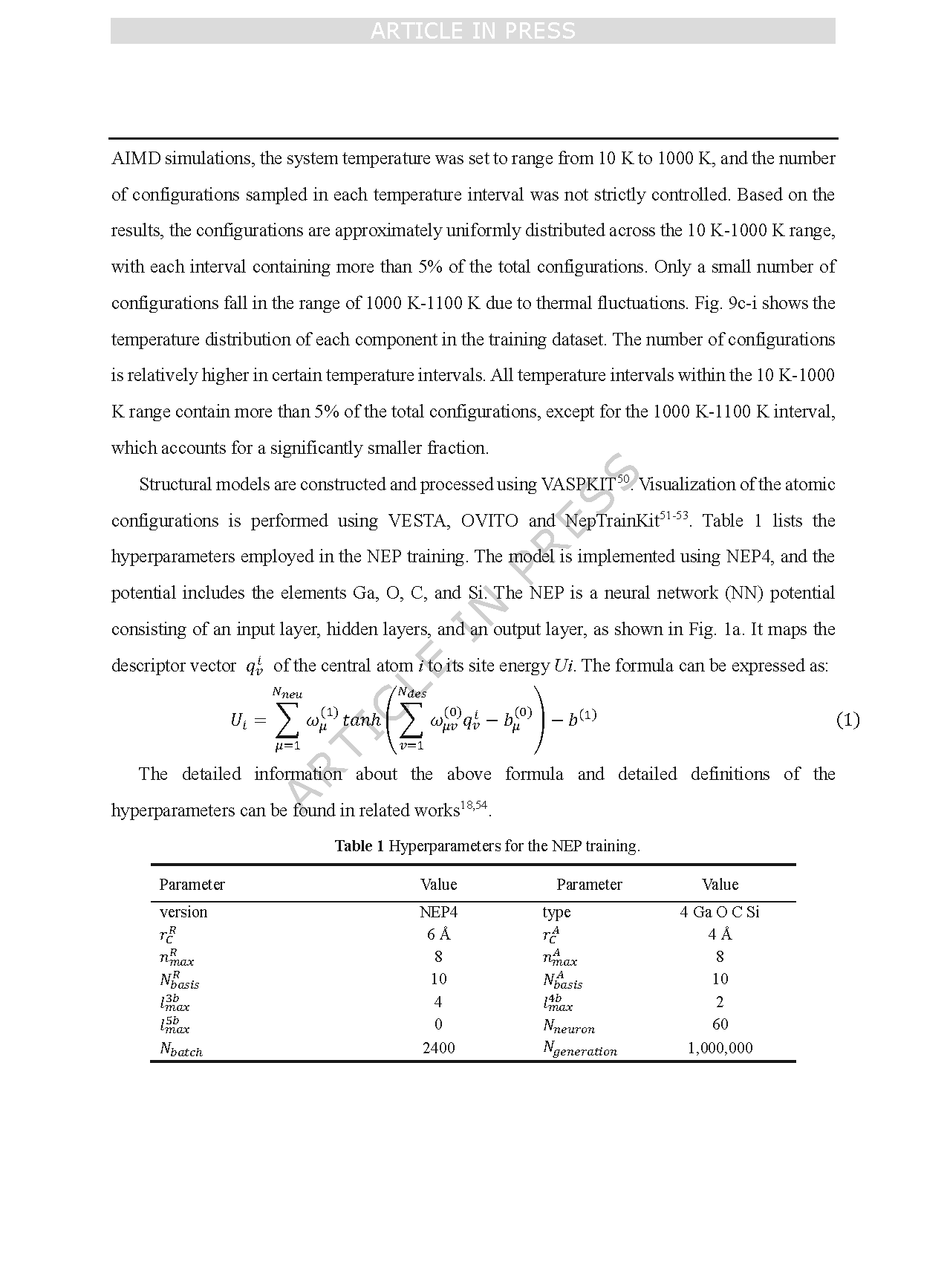
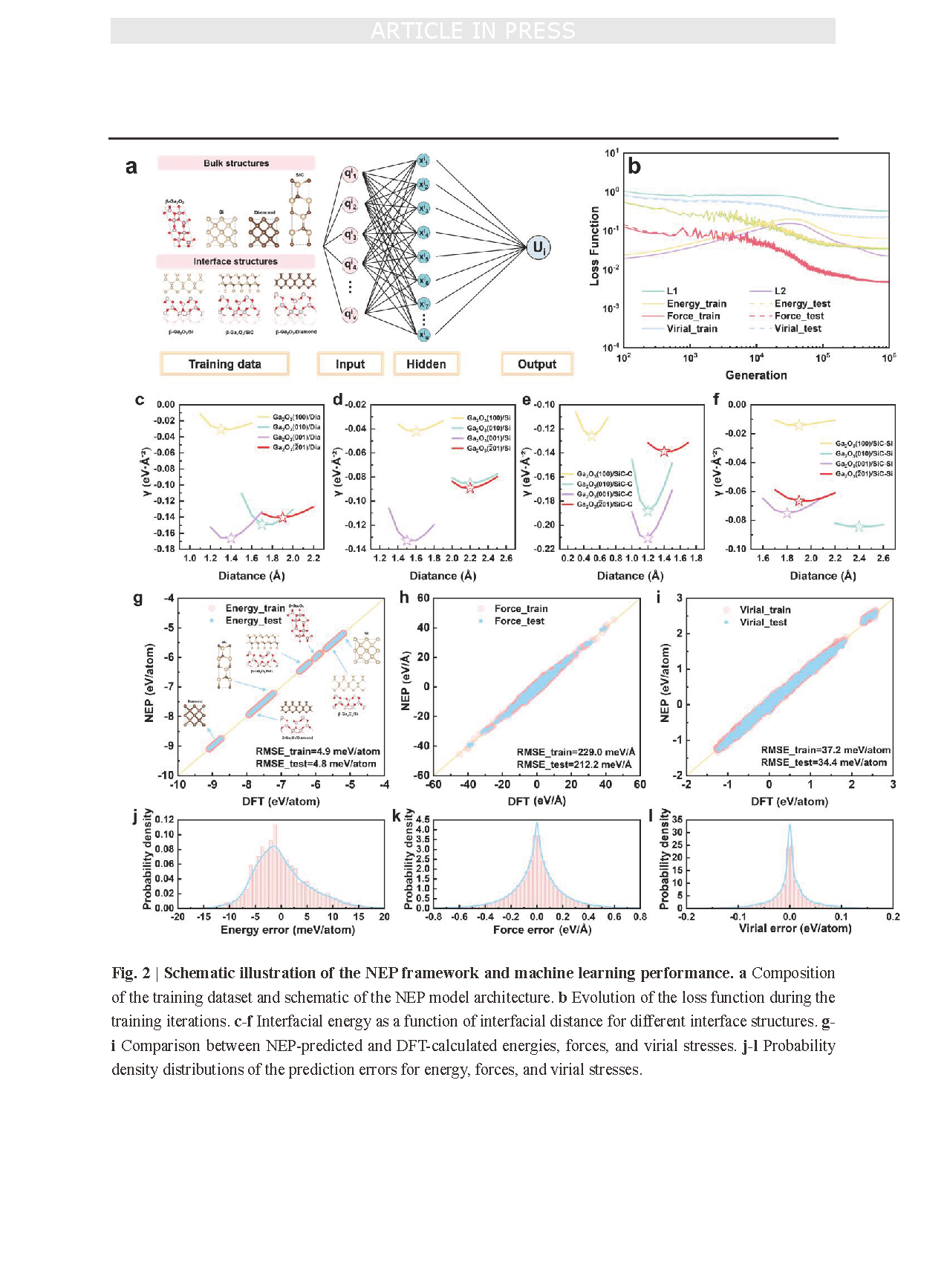
In recent years, several studies have enabled cross-scale coupled multiscale simulations by incorporating parameters, including thermal conductivity, coefficient of thermal expansion (CTE), and thermal boundary resistance (TBR), derived from first-principles calculations at the microscopic scale and molecular dynamics (MD) simulations at the mesoscopic scale into macroscopic finite element (FE) analyses. However, these studies still face challenges in transferring parameters from the microscopic to the mesoscopic scale, limiting the integration of mechanistic insights across scales. This limitation arises because the parameters derived from the microscopic scale are independent of those obtained from the mesoscopic scale. Furthermore, the accuracy of mesoscopic-scale MD simulations heavily depends on the quality of the interatomic potential used. However, it is challenging for traditional potentials to achieve the accuracy of first-principles calculations. This discrepancy results in a mismatch in accuracy between parameters derived from the microscopic scale and those from the mesoscopic scale, ultimately undermining the reliability of macroscopic FE simulations. Fortunately, driven by advances in artificial intelligence, machine learning potentials (MLPs) trained on datasets generated from density functional theory (DFT) calculations are emerging as powerful tools in materials science. MLPs enable MD simulations to achieve accuracy comparable to that of DFT while maintaining high computational efficiency, particularly in the study of interfacial thermal transport, thereby offering a promising pathway to bridge the microscopic and mesoscopic scales. MLPs are trained on atomic energies and forces obtained from first-principles calculations at the microscopic scale. Subsequently, MD simulations at the mesoscopic scale, performed using these MLPs, generate results with accuracy comparable to that of first-principles computations. These results are then used as input parameters for macroscopic FE analysis, enabling a multiscale transfer of information from the microscopic to the mesoscopic and ultimately to the macroscopic level. Among various MLPs, the neuroevolution potential (NEP) stands out in atomic simulations for interface heat transfer applications due to its higher accuracy and lower computational cost. NEP can be implemented via GPUMD (Graphics Processing Unit Molecular Dynamics).
Gallium oxide (Ga2O3) is an ultrawide-bandgap semiconductor that exhibits significant potential for high-power electronic devices due to its large bandgap, high Baliga’s figure of merit, and exceptionally high critical breakdown electric field. However, the room-temperature average thermal conductivity of Ga2O3 is only around 15 W·m-1·K-1, which significantly limits its applicability in high-power electronic devices. A promising approach to enhance heat dissipation is to construct a heterostructure by integrating Ga2O3 with a high thermal conductivity material serving as a heat-dissipating substrate. However, the thermal performance of heterostructures depends not only on the thermal conductivity of the heat sink but also critically on the TBR. Consequently, single-scale studies are insufficient to fully capture the thermal management mechanisms in Ga2O3-based devices. This underscores the necessity of a comprehensive multiscale study of thermal transport in Ga2O3-based heterostructures.
Main content
The rising power density of advanced electronics demands improved thermal management, while traditional single-scale methods are unable to fully reveal the complex heat transfer mechanisms in heterostructures. This work establishes a multiscale simulation framework by constructing a machine learning potential, enabling accurate cross-scale parameter transfer from atomic to mesoscopic and then to macroscopic levels. Results show that the thermal boundary resistance (TBR) at the β-Ga2O3/diamond interface is higher than that at the β-Ga2O3/Si and β-Ga2O3/SiC interfaces, and that the TBR decreases with increasing temperature, which contradicts conventional understanding. Vibrational density of states and interface conductance modal analysis elucidate the underlying mechanisms. These mesoscale insights are incorporated into macroscopic simulations, showing the β-Ga2O3/diamond heterostructure’s peak power capability reaches 226% of that of β-Ga2O3/Si. Further analysis reveals that although the thermal conductivity of the heat-spreading substrate remains the dominant factor in overall thermal performance, the thermal bottleneck gradually shifts toward the interface as both substrate conductivity and operating temperature rise. Moreover, crystal orientation significantly influences thermal performance and thermal stress distribution, necessitating careful trade-offs. This study not only provides effective strategies for optimizing β-Ga2O3-based devices but also establishes a generalizable paradigm for cross-scale thermal management research in heterogeneous material systems.
Highlights
1.This study constructs a seamless multi-scale thermal transport framework spanning from the atomic to the mesoscopic and macroscopic scales, enabling comprehensive cross-scale thermal analysis.
2.This study not only provides valuable optimization strategies for the thermal management of β-Ga2O3-based systems but also lays the foundation for multi-scale research on the thermal management of other materials.
3.This study constructs a machine learning potential applicable to β-Ga2O3-based heterostructures, providing important reference and guidance for subsequent research in related fields.
Conclusion
In this work, an NEP is developed based on a training dataset generated from first-principles calculations at the atomic scale, aiming to simulate interfacial heat transfer in β-Ga2O3/substrate heterostructures with substrates including Si, SiC, and diamond. This NEP enables an efficient and accurate mapping of atomic-scale physical quantities (such as atomic energies and forces) for use in mesoscale MD simulations, thereby achieving MD accuracy comparable to that of the DFT method. Subsequently, the mesoscale thermal transport parameters obtained from MD simulations are used as input for macroscopic FE simulations. These parameters include the TBR at various interfaces and temperatures and the temperature-dependent thermal conductivity of β-Ga2O3 along different crystal orientations, both of which are rarely reported in the literature. The MD method within this multiscale framework effectively overcomes the problems of excessive computational cost in first-principles calculations and insufficient accuracy in traditional molecular dynamics, enabling FE simulations conducted within this framework to obtain simulation results that are relatively close to real physical values, even in the absence of experimental data. This work establishes a multiscale thermal transport framework spanning from the atomic and mesoscale to the macroscale, enabling comprehensive cross-scale thermal analysis.
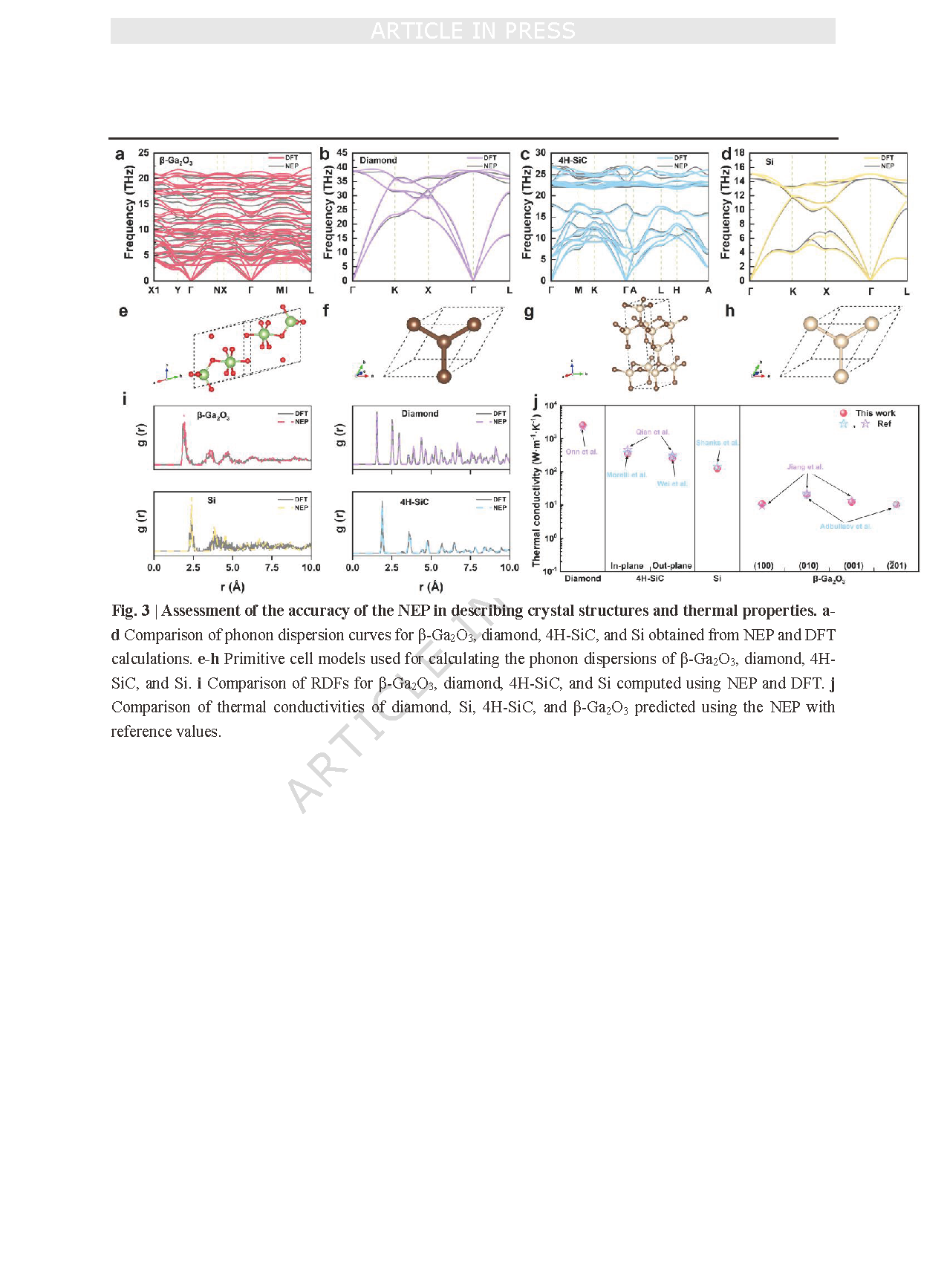
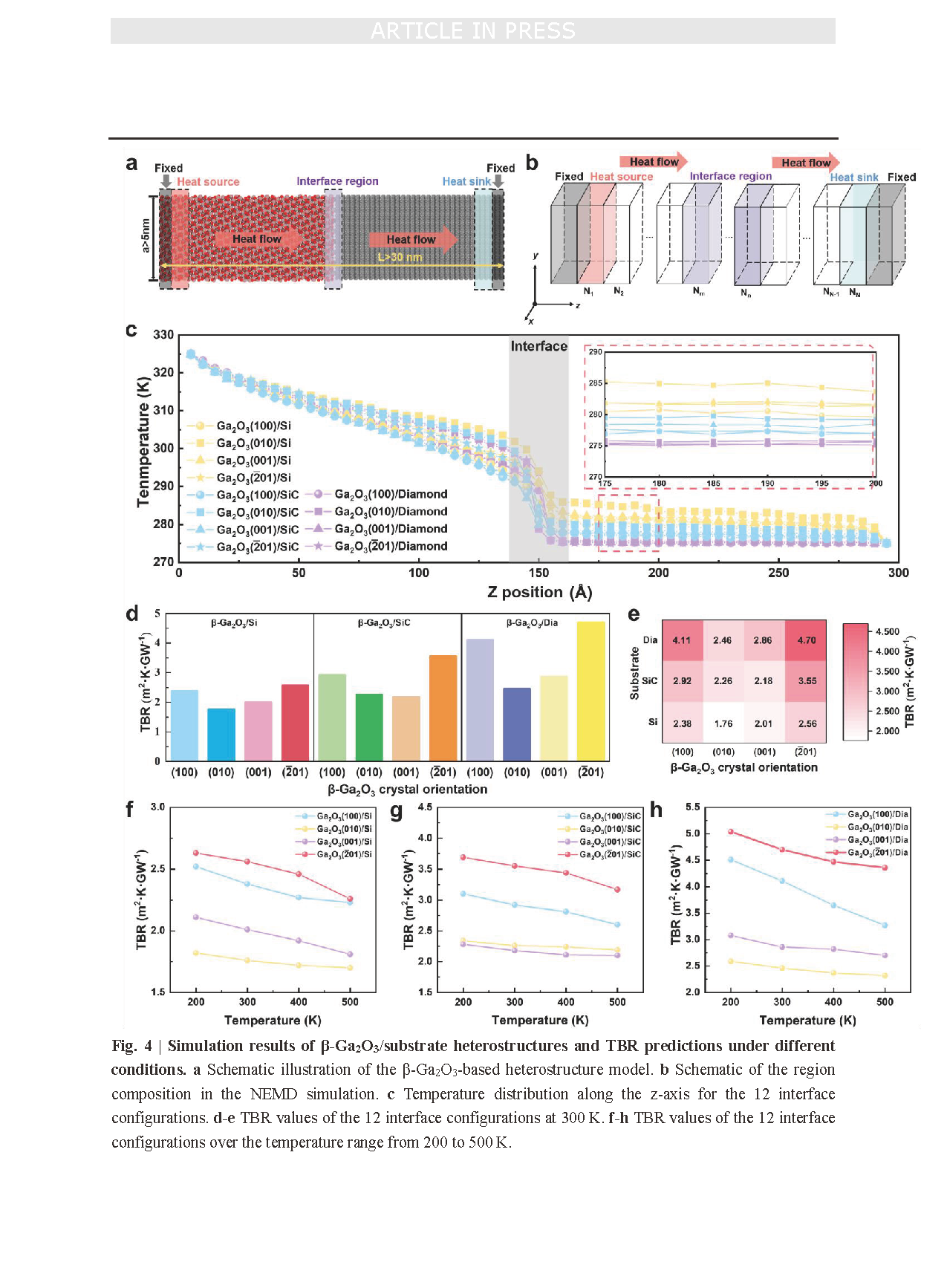
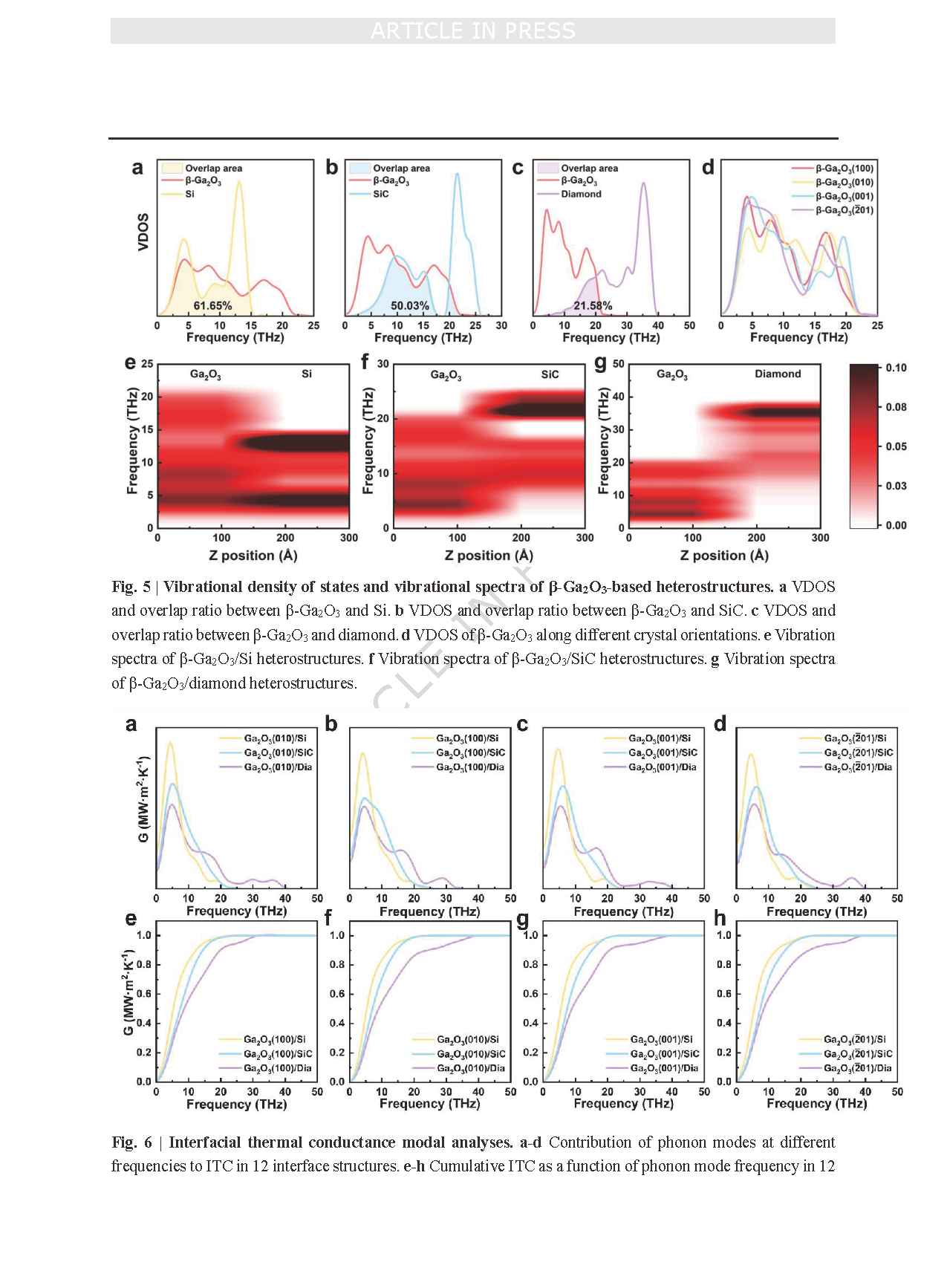
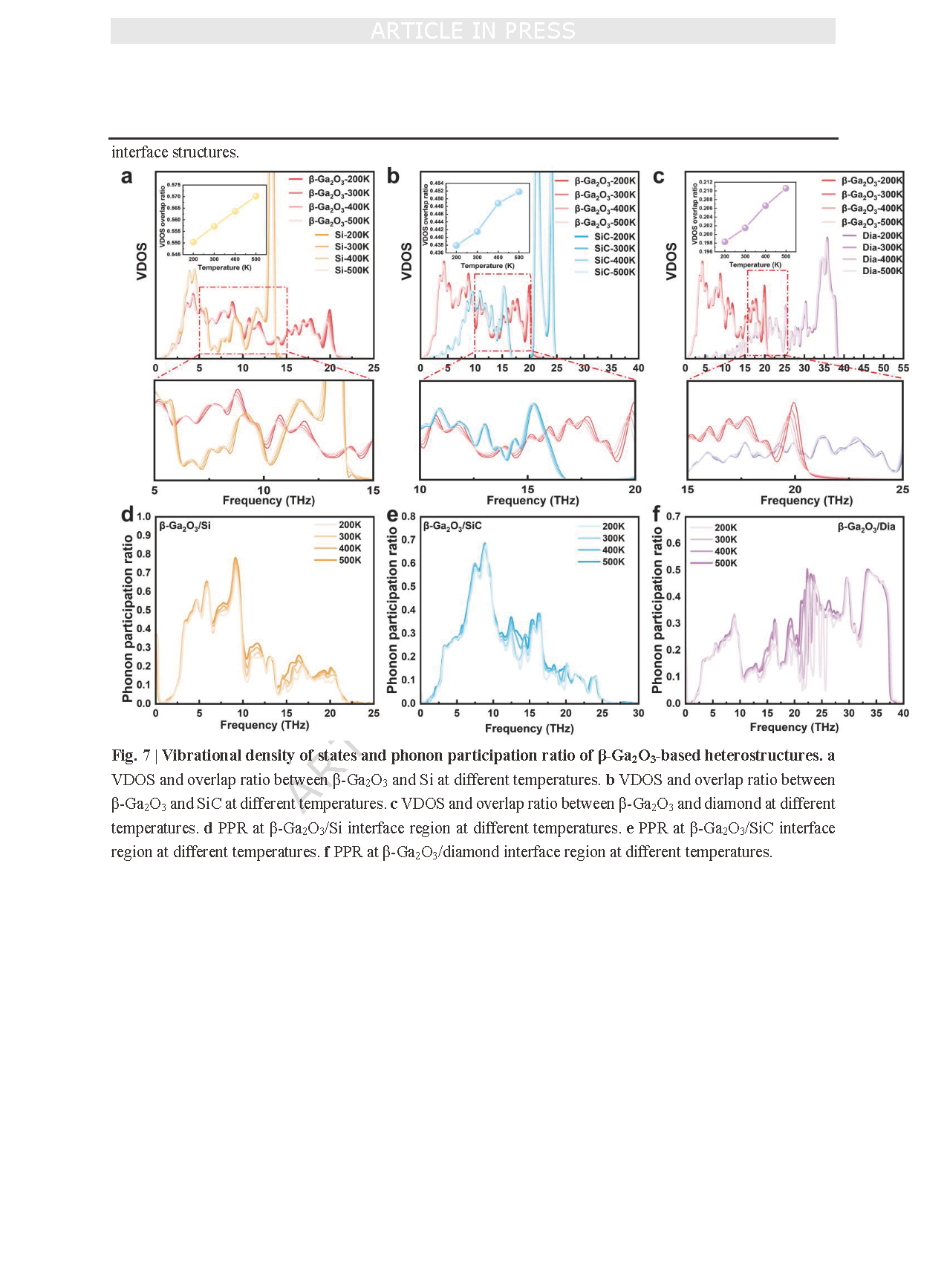
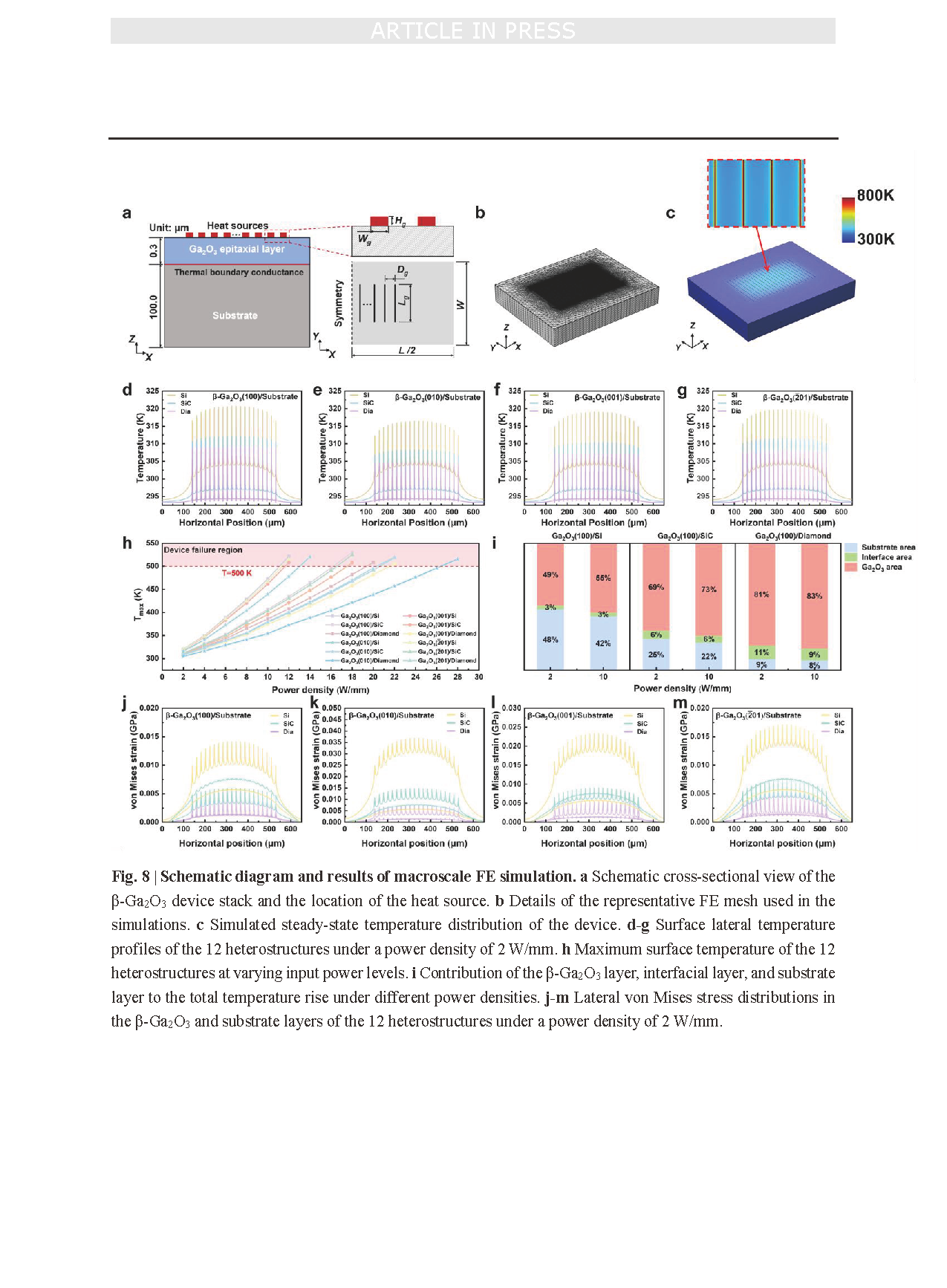
First, the accuracy of the NEP is validated at the atomic scale by comparing the predicted phonon dispersion relations and RDFs with those obtained from the DFT method. Building upon this, interfacial TBR for 12 interface configurations is subsequently predicted across a range of temperatures using the NEP within mesoscale MD simulations. The prediction results reveal that the TBR at the β-Ga2O3/diamond interface is significantly higher than that at the β-Ga2O3/Si and β-Ga2O3/SiC interfaces, which contradicts the conventional assumption that high-thermal-conductivity materials inherently facilitate superior heat dissipation. Furthermore, the study shows that the TBR for a specific interface structure is not constant, but rather decreases with increasing temperature. This trend contradicts the common assumption of a constant TBR in previous studies. By combining VDOS, PPR analysis with the ICMA method, the underlying mechanisms for the differences in TBR are elucidated from an integrated perspective spanning the atomic to mesoscale. The heat dissipation performance of heterostructures depends not only on the thermal conductivity of the heat sink, but also on the TBR. Therefore, these findings reveal the complexity of interfacial heat transfer under practical device operating conditions and highlight the necessity of accounting for the temperature dependence of TBR in high-fidelity thermal management design. Finally, macroscopic FE simulations are performed using the interfacial TBR values obtained from mesoscale MD simulations, aiming to systematically investigate the macroscopic thermal response induced by interfacial phenomena at the mesoscale. The analysis reveals that the thermal conductivity of the heat-dissipating substrate remains the dominant factor governing the thermal performance of the heterostructure. However, when the heat-dissipating substrate exhibits high thermal conductivity, the influence of TBR on the overall thermal performance becomes increasingly pronounced with rising operating temperature. Under such conditions, the thermal bottleneck shifts from the bulk substrate to the interface region, highlighting the growing importance of interface engineering in advanced heterostructures. Furthermore, coupled thermomechanical analysis demonstrates that the crystal orientation of β-Ga2O3 plays a critical role in β-Ga2O3-based heterostructures, as it not only significantly affects the system’s heat dissipation capability but also profoundly influences the distribution of interfacial thermal stress. This trade-off between heat dissipation efficiency and mechanical reliability represents a key challenge in the design of β-Ga2O3-based devices. Therefore, further optimization of interfacial thermal transport and effective management of thermal stress are essential to fully unlock the performance potential of β-Ga2O3-based high-power electronic devices. This study not only provides valuable optimization strategies for thermal management in β-Ga2O3-based systems, but also lays the foundation for multiscale investigations of thermal management in other materials.
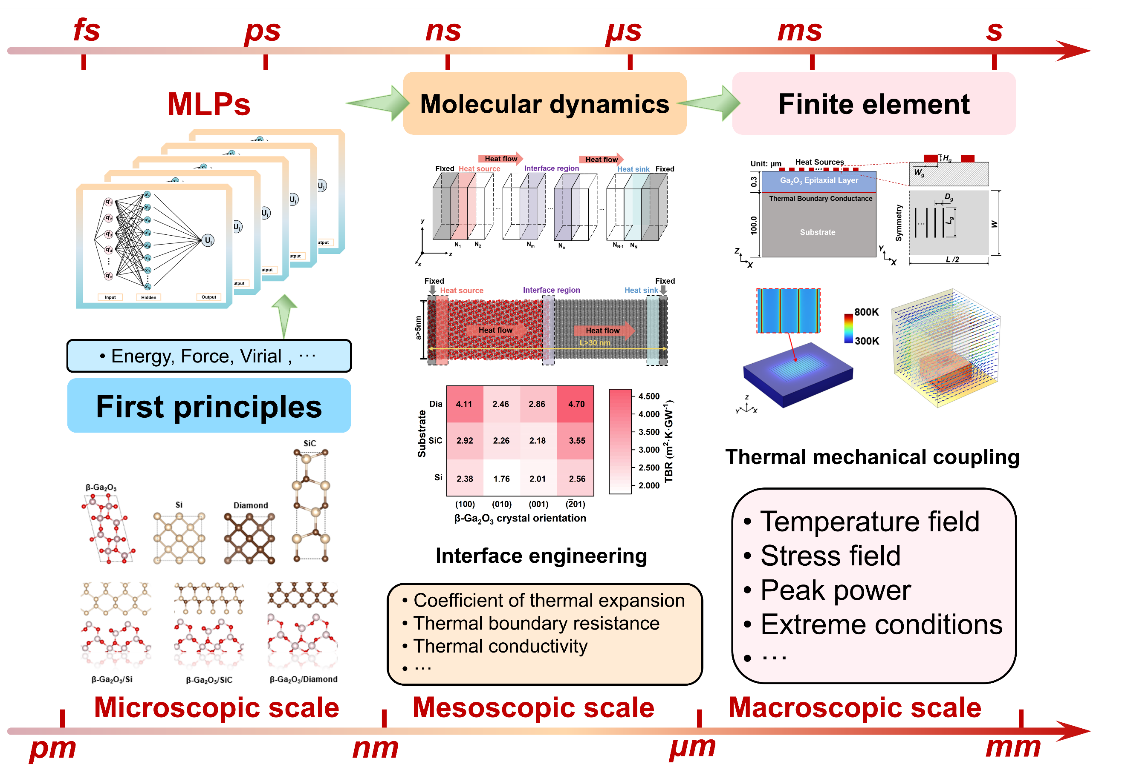
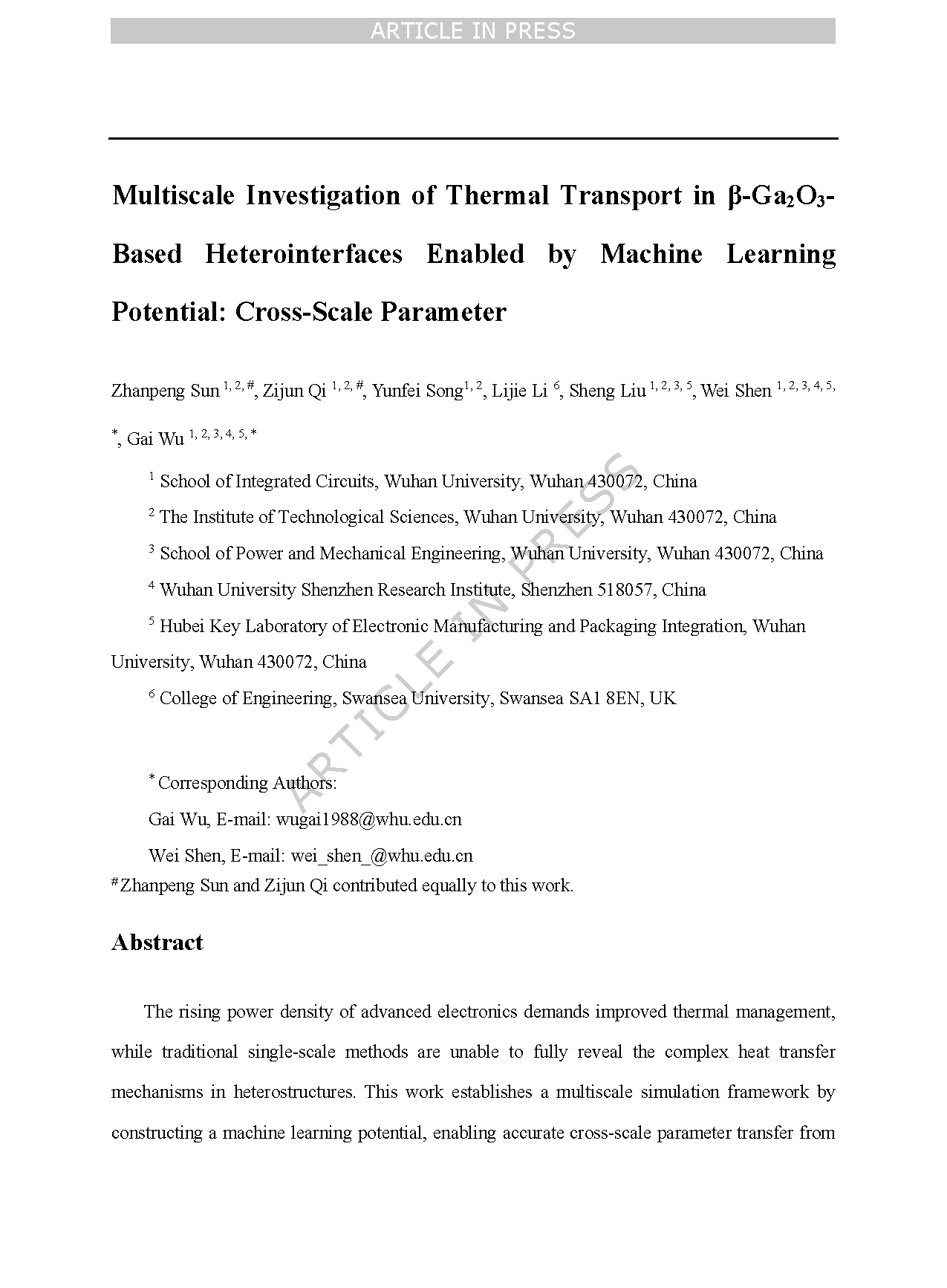
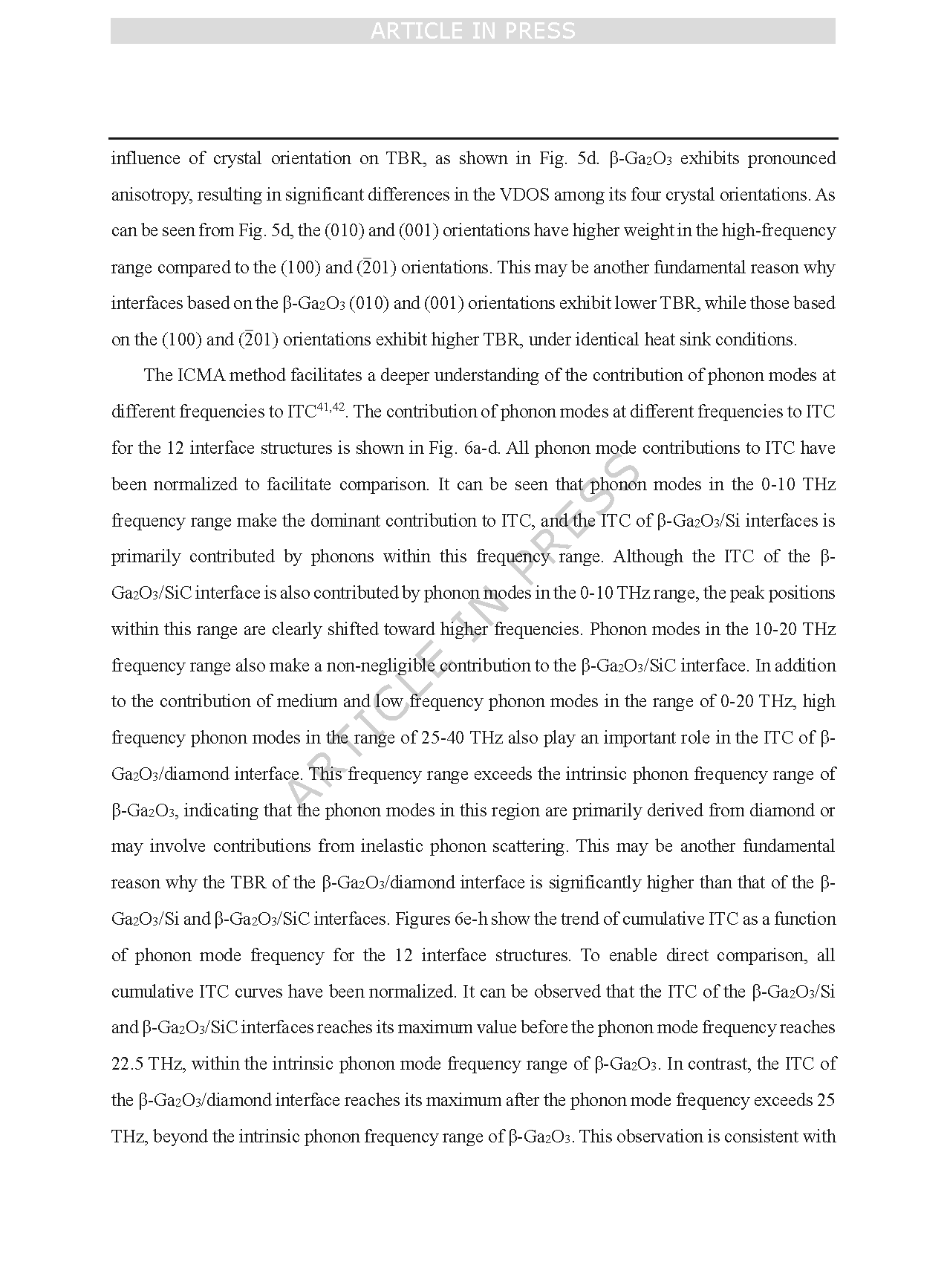
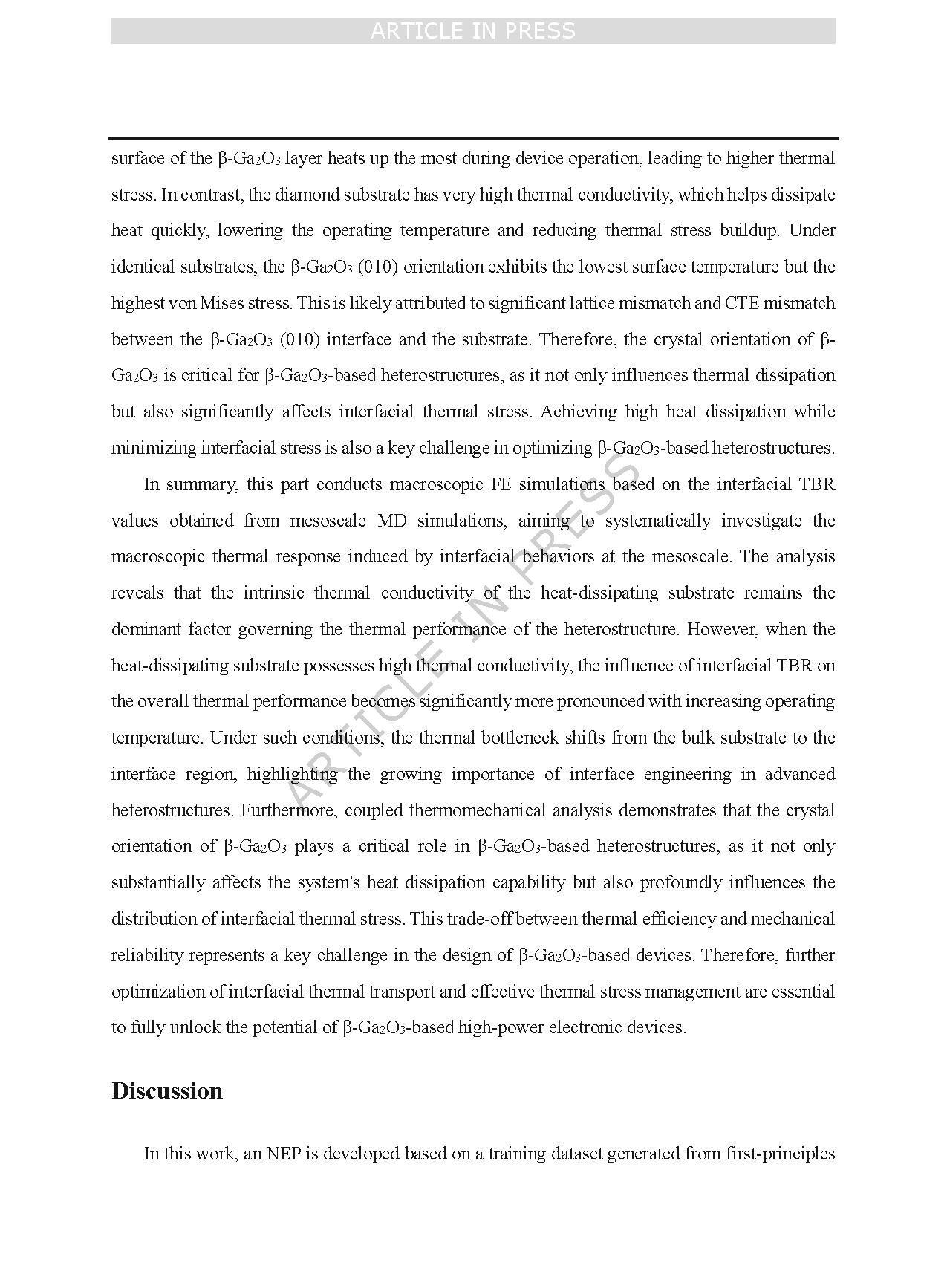
Fig.1 A multiscale simulation framework with cross-scale parameter transfer, spanning the microscopic, mesoscopic, and macroscopic scales, exemplified by β-Ga2O3-based heterostructures.
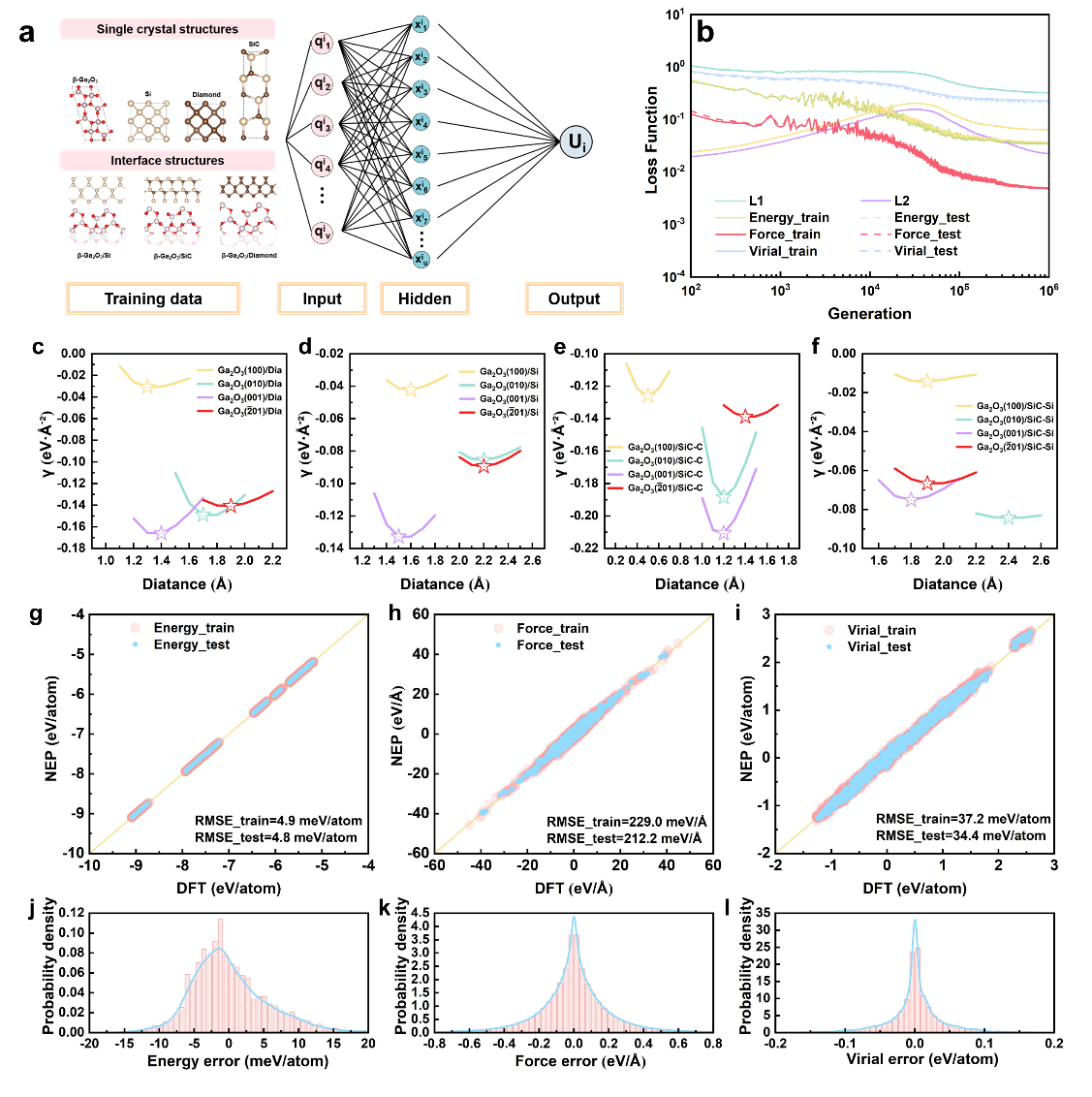
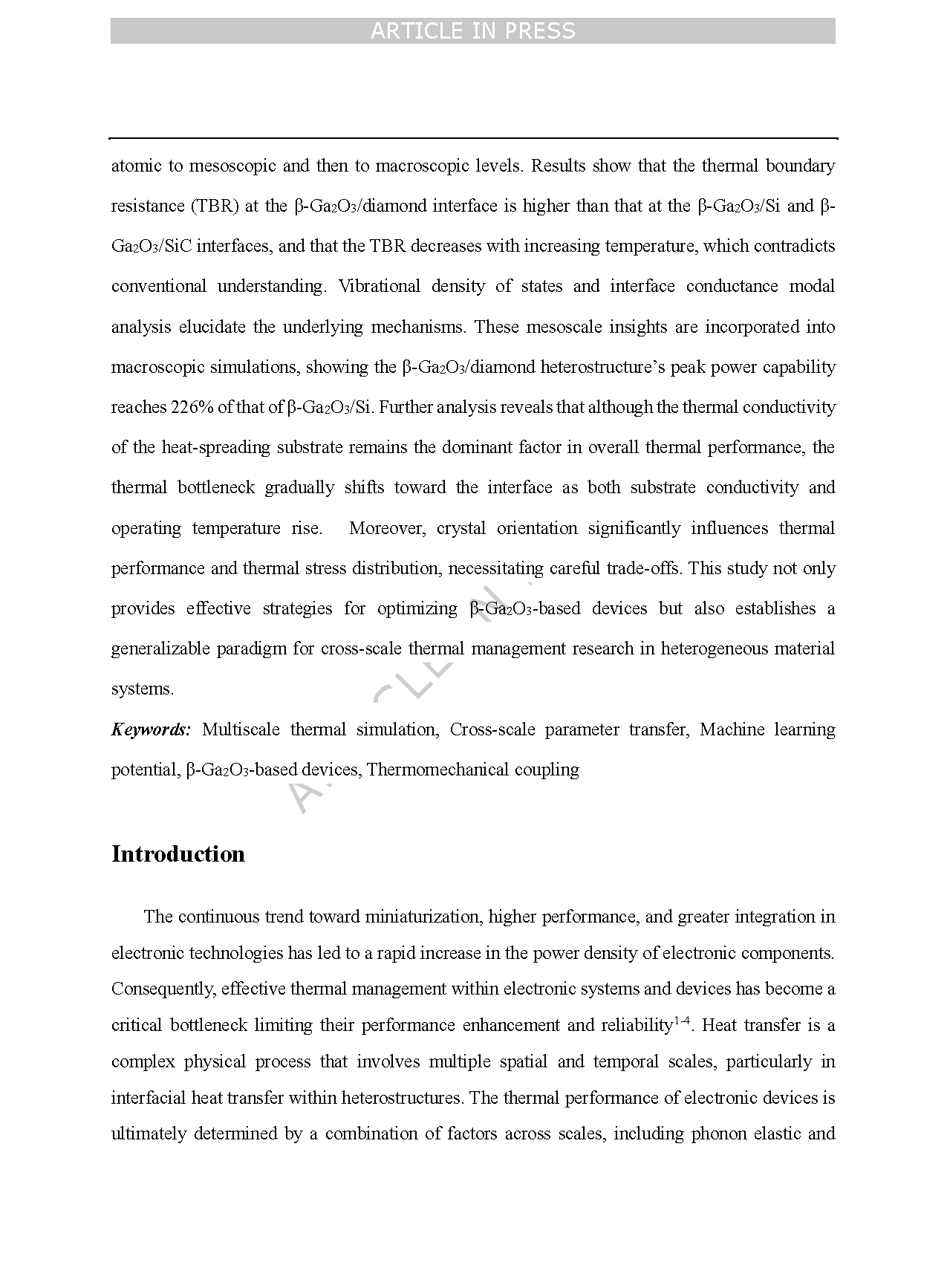
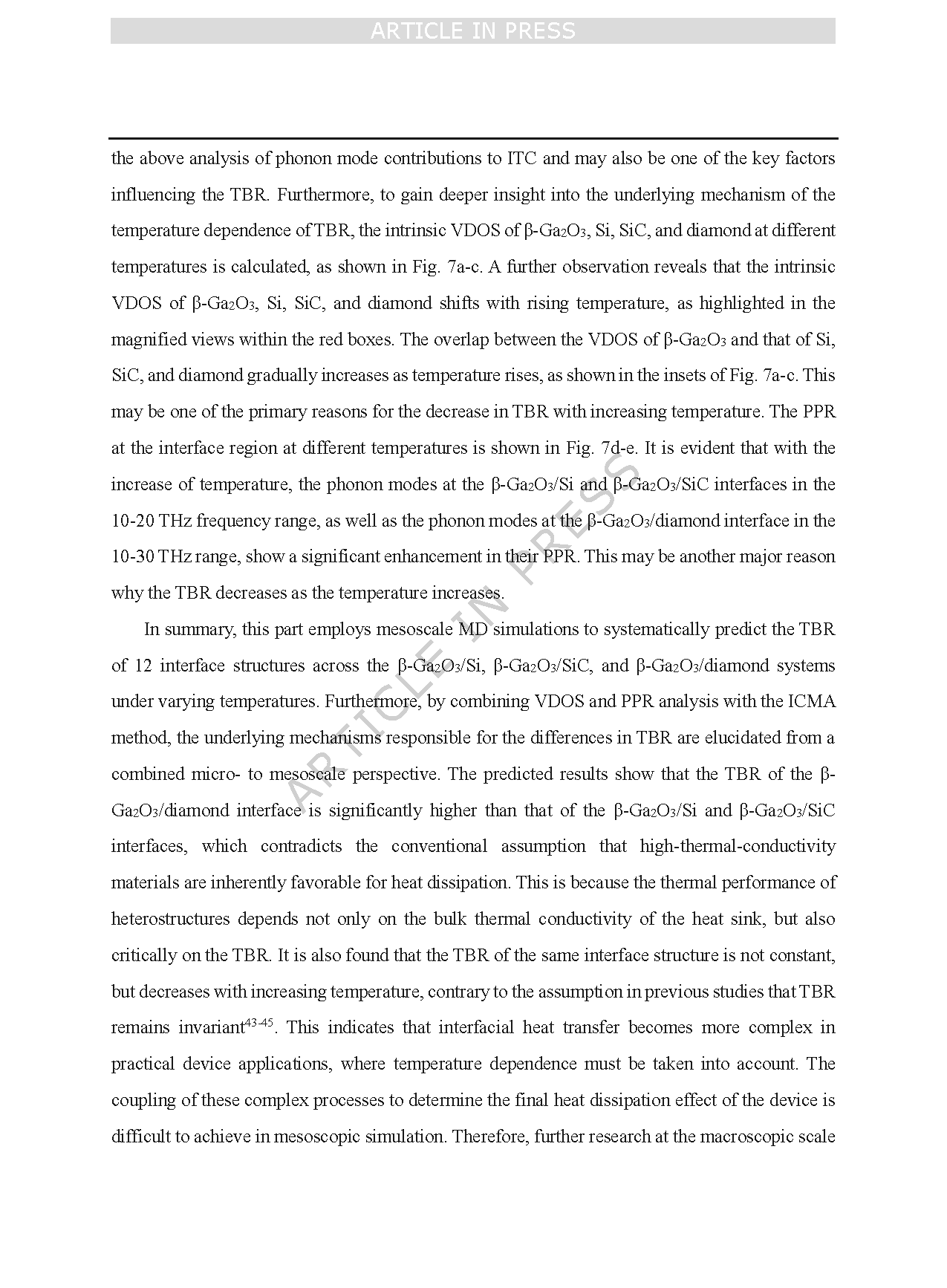
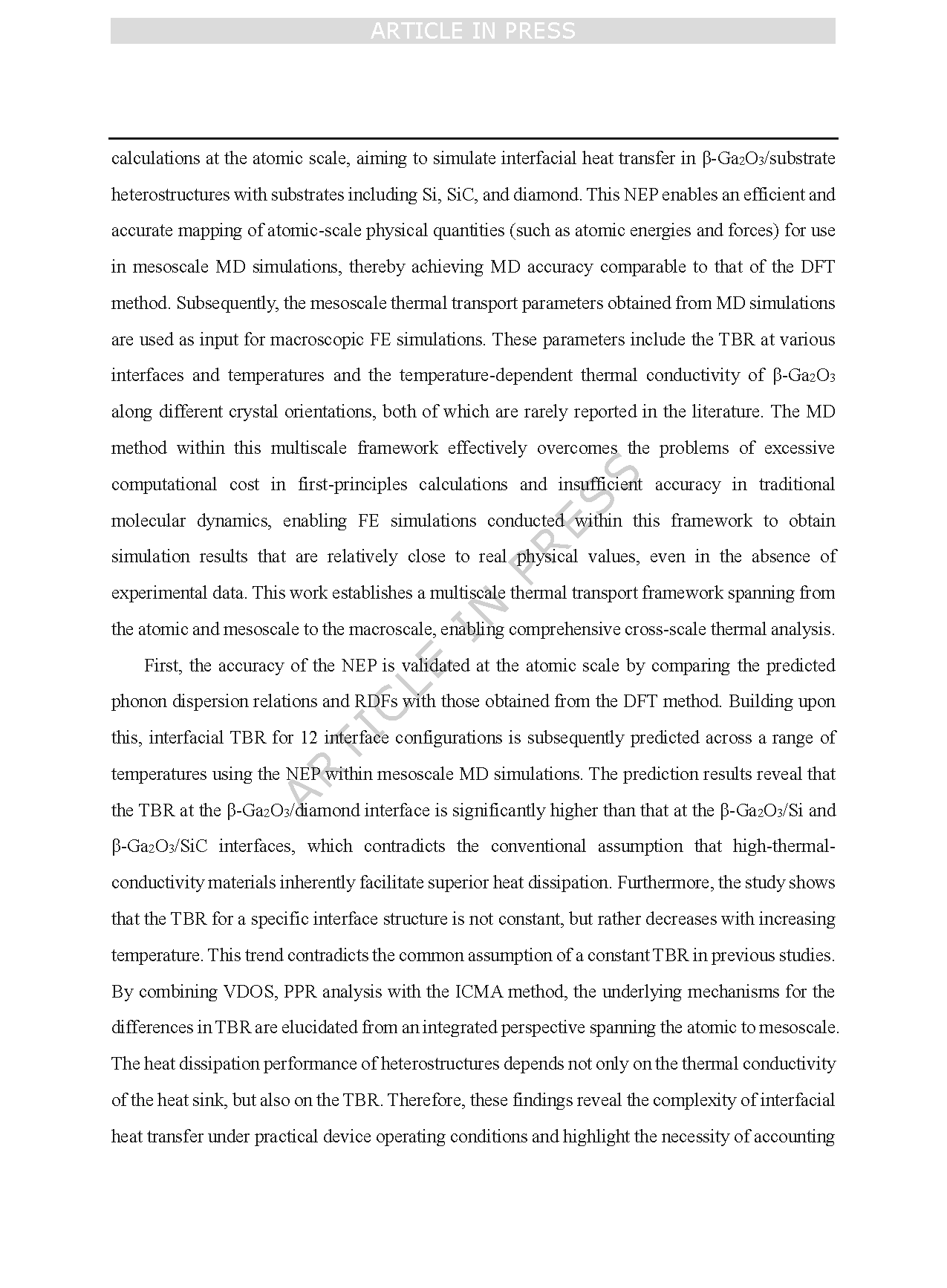
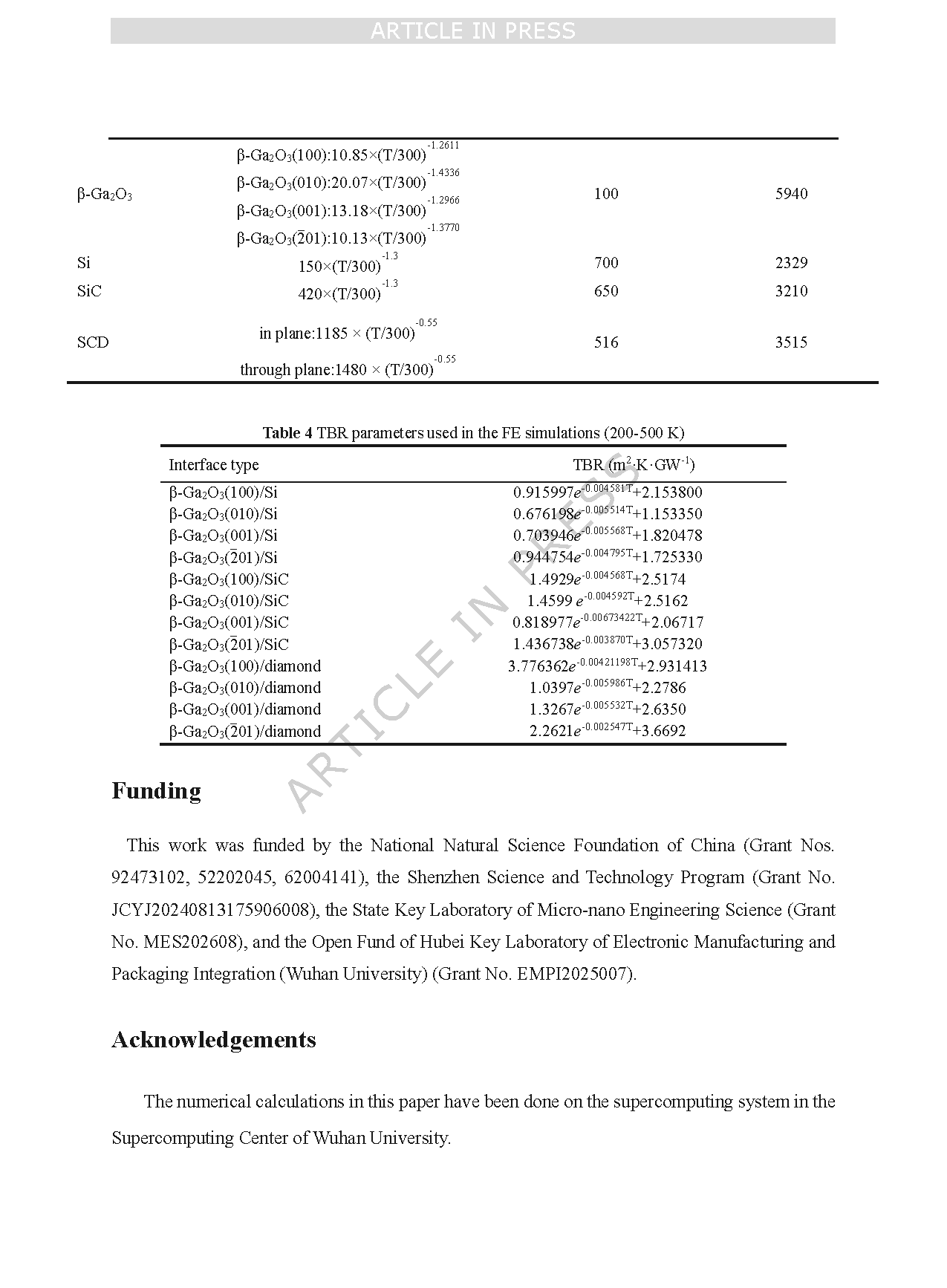
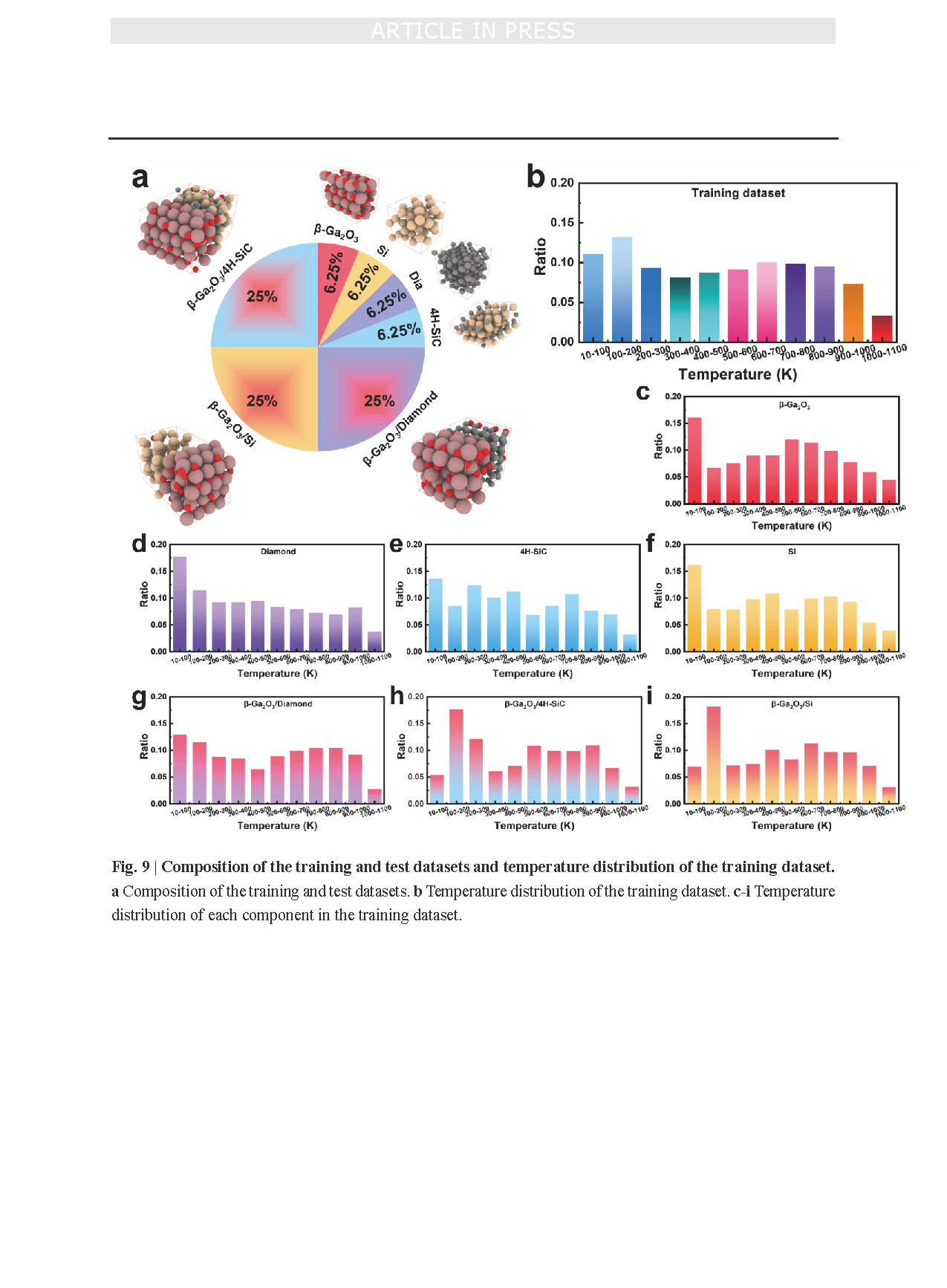
Fig.2 Schematic illustration of the NEP framework and machine learning performance. a Composition of the training dataset and schematic of the NEP model architecture. b Evolution of the loss function during the training iterations. c-f Interfacial energy as a function of interfacial distance for different interface structures. g-i Comparison between NEP-predicted and DFT-calculated energies, forces, and virial stresses. j-l Probability density distributions of the prediction errors for energy, forces, and virial stresses.
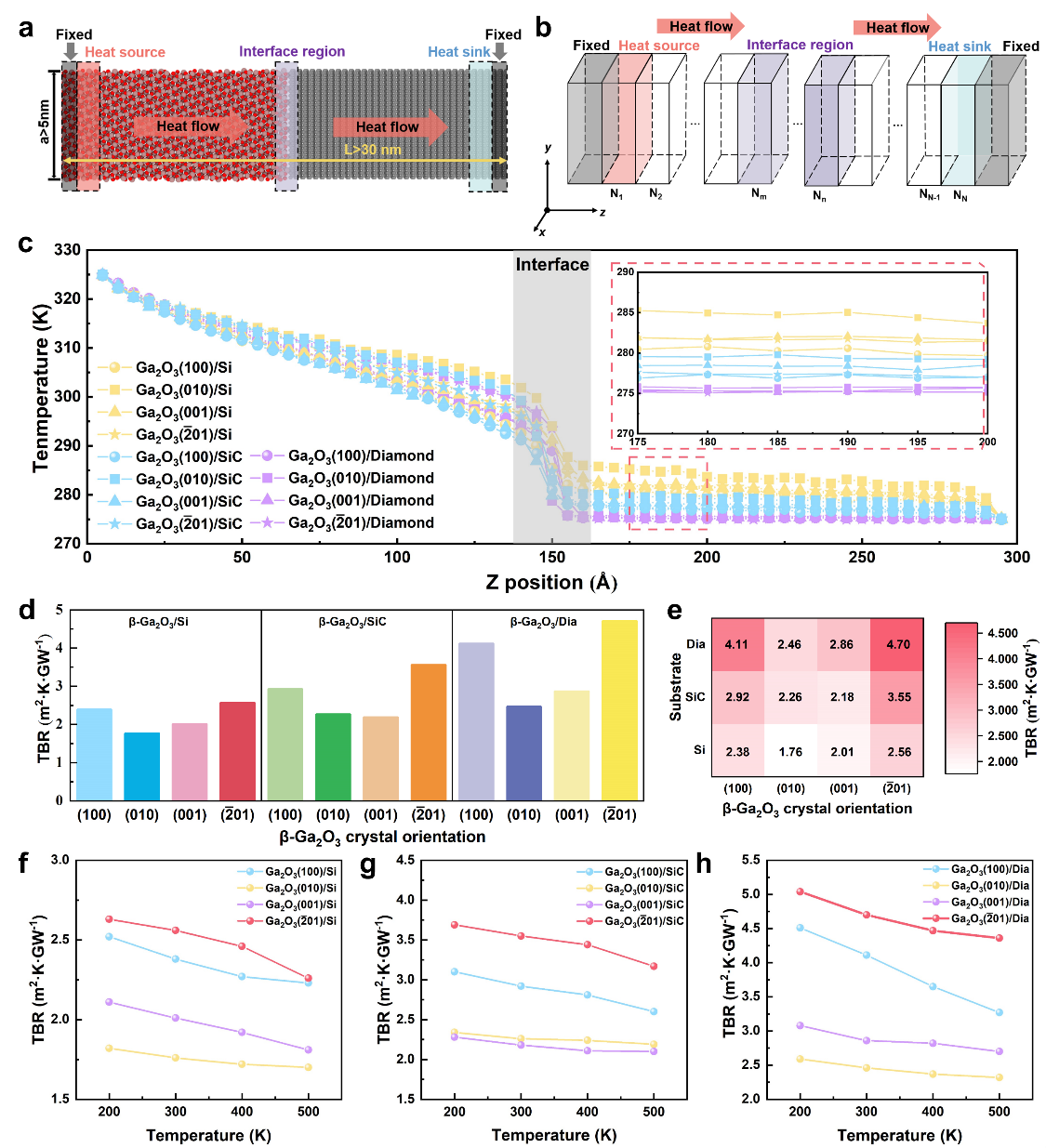
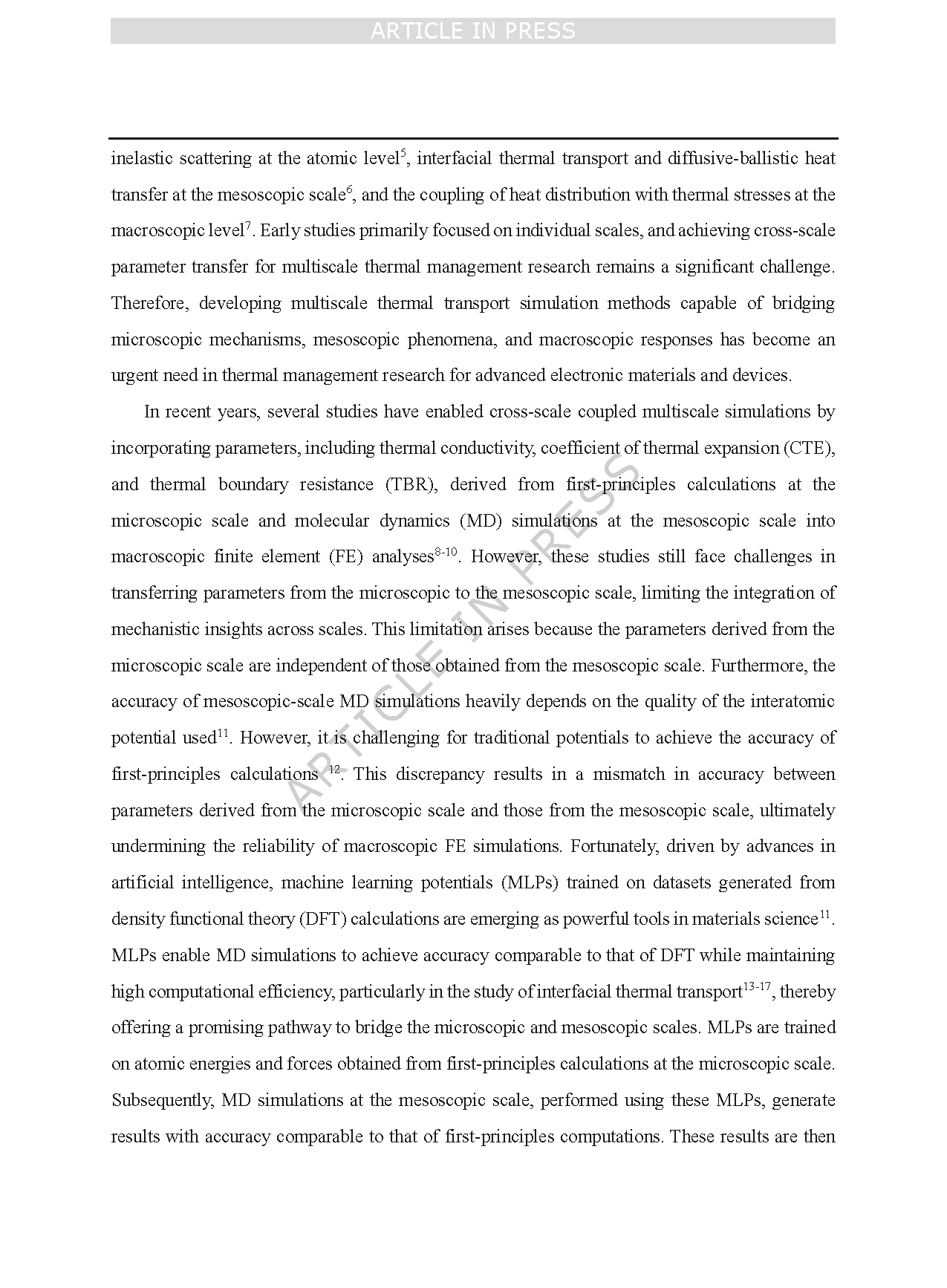
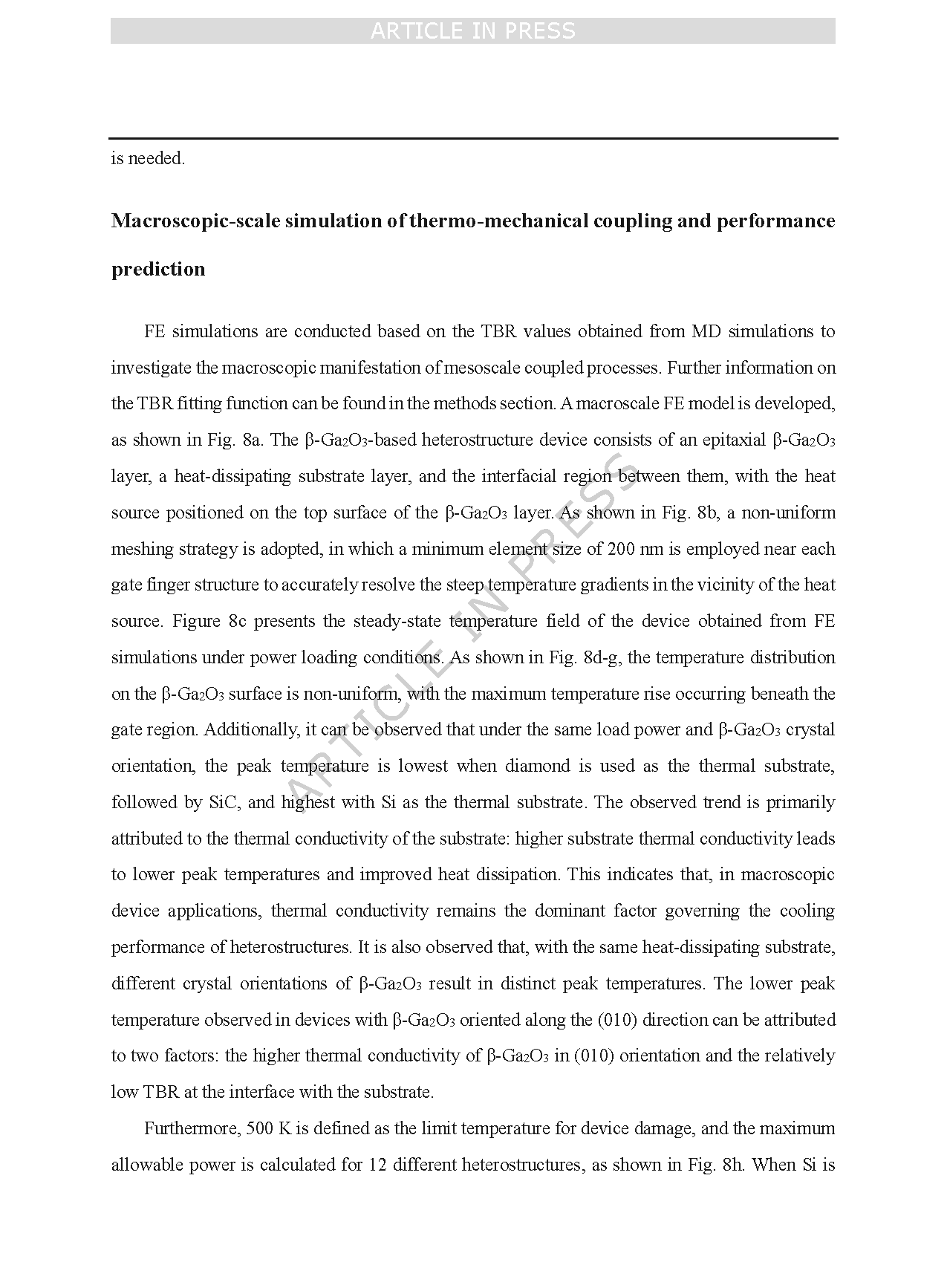
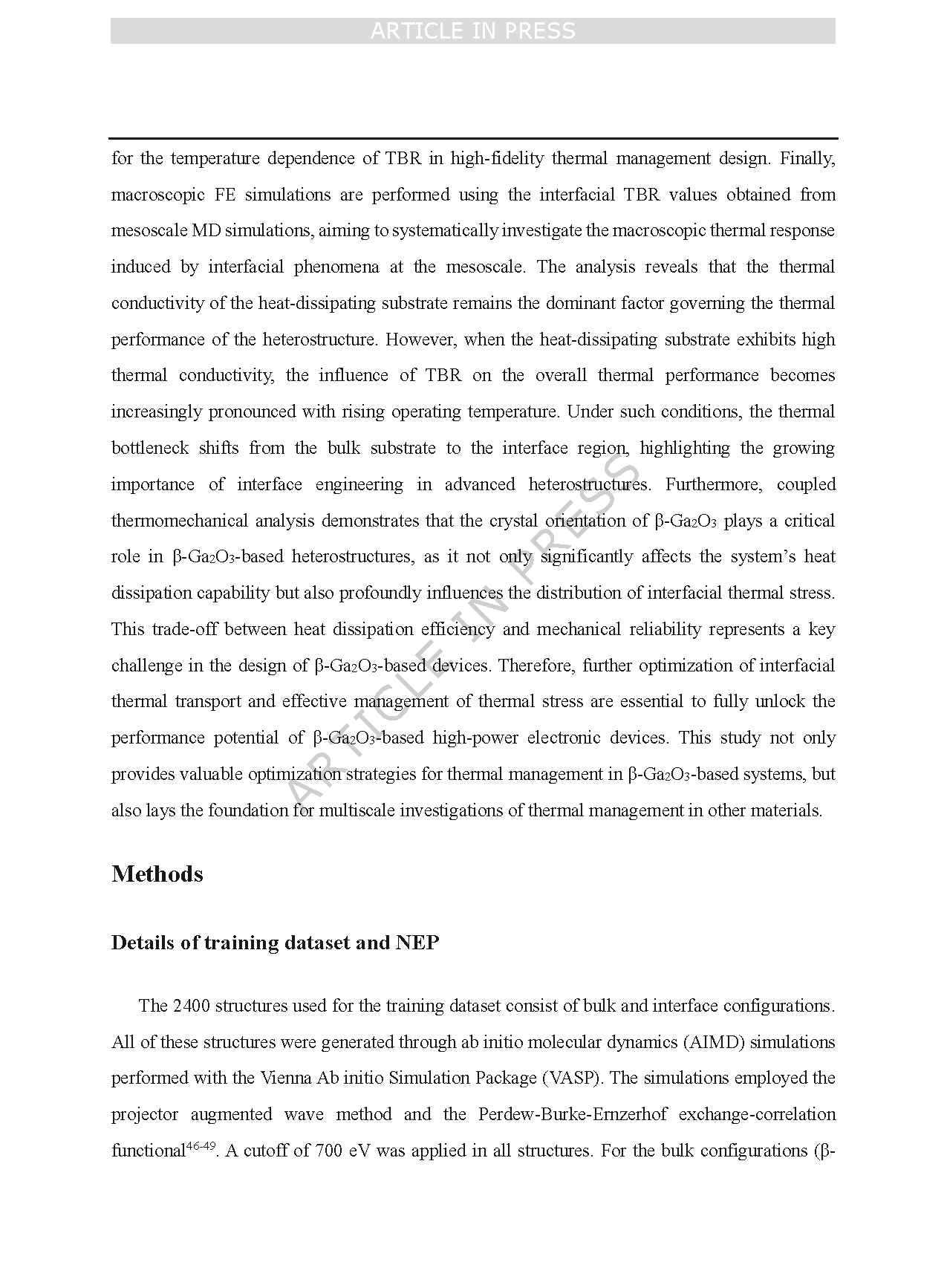
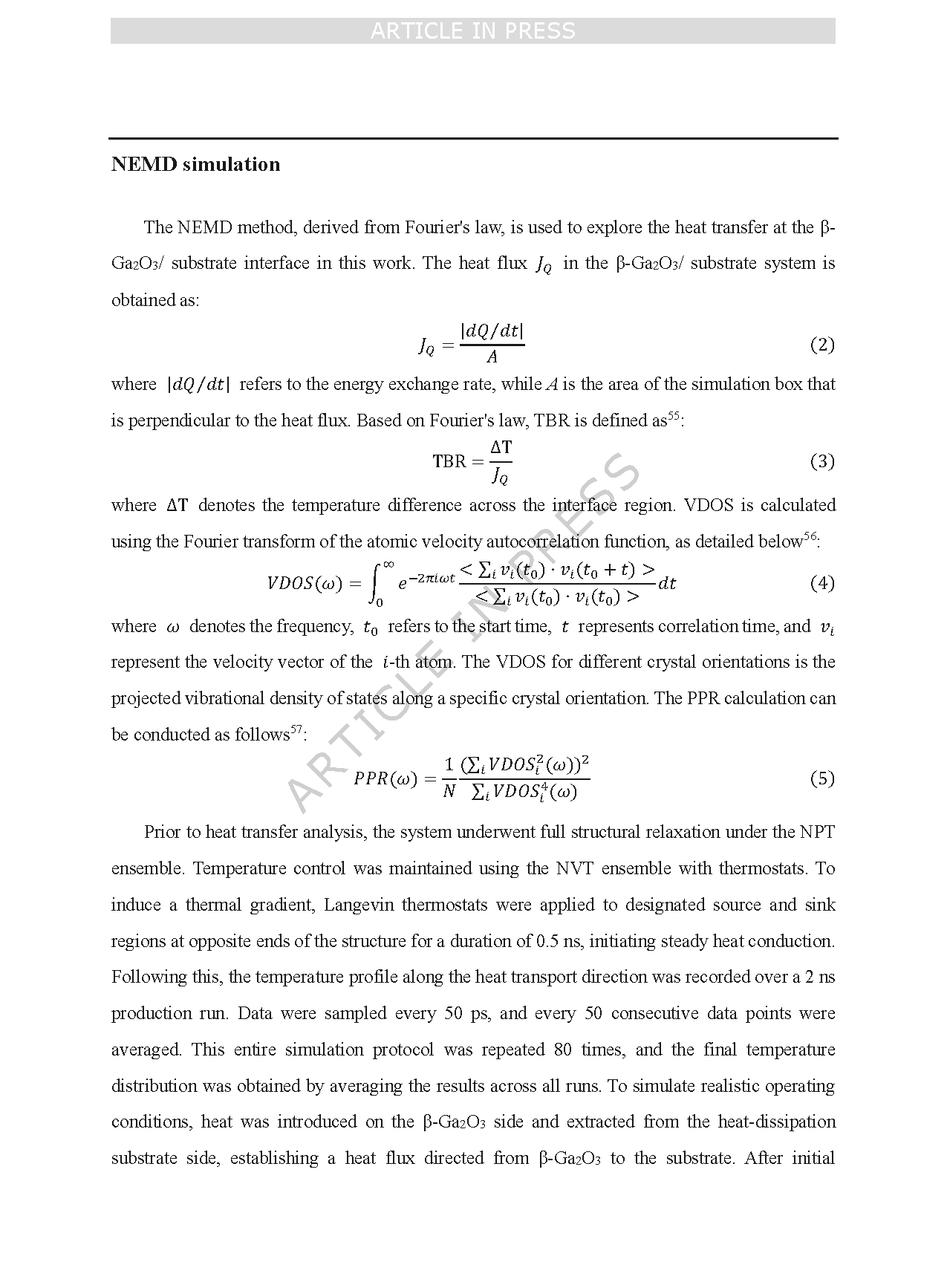
Fig.3 Simulation results of β-Ga2O3/substrate heterostructures and TBR predictions under different conditions. a Schematic illustration of the β-Ga2O3-based heterostructure model. b Schematic of the region composition in the NEMD simulation. c Temperature distribution along the z-axis for the 12 interface configurations. d-e TBR values of the 12 interface configurations at 300 K. f-h TBR values of the 12 interface configurations over the temperature range from 200 to 500 K.
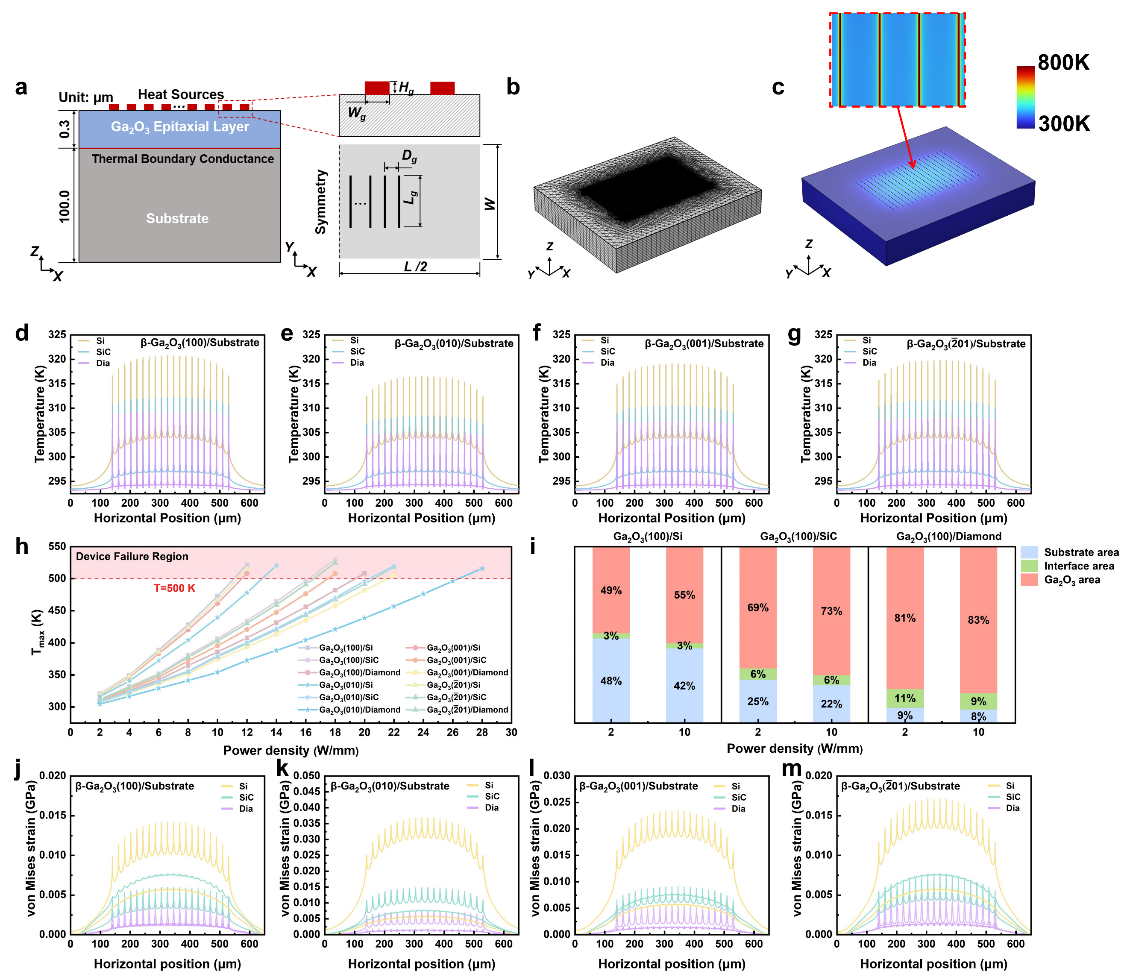
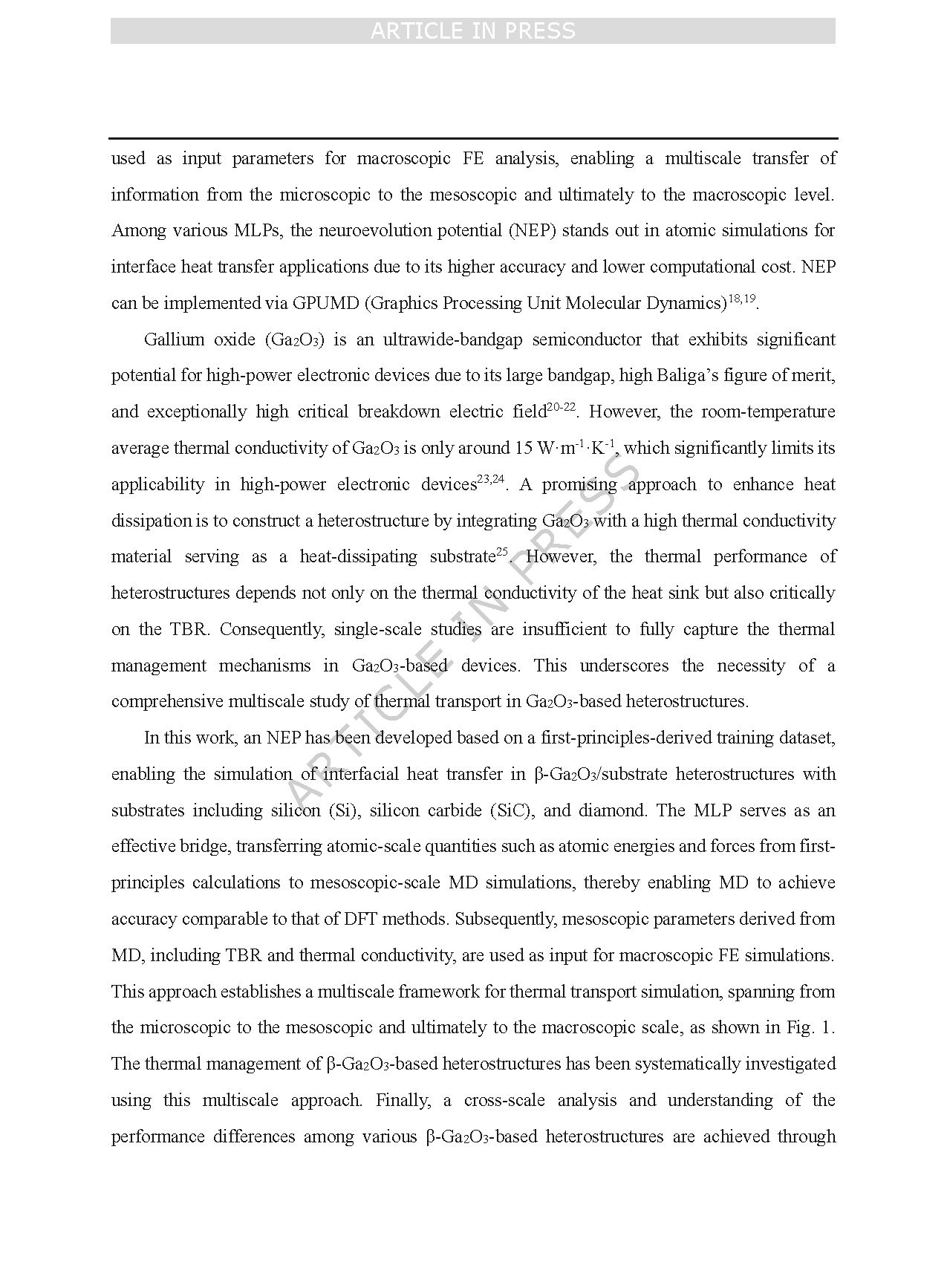
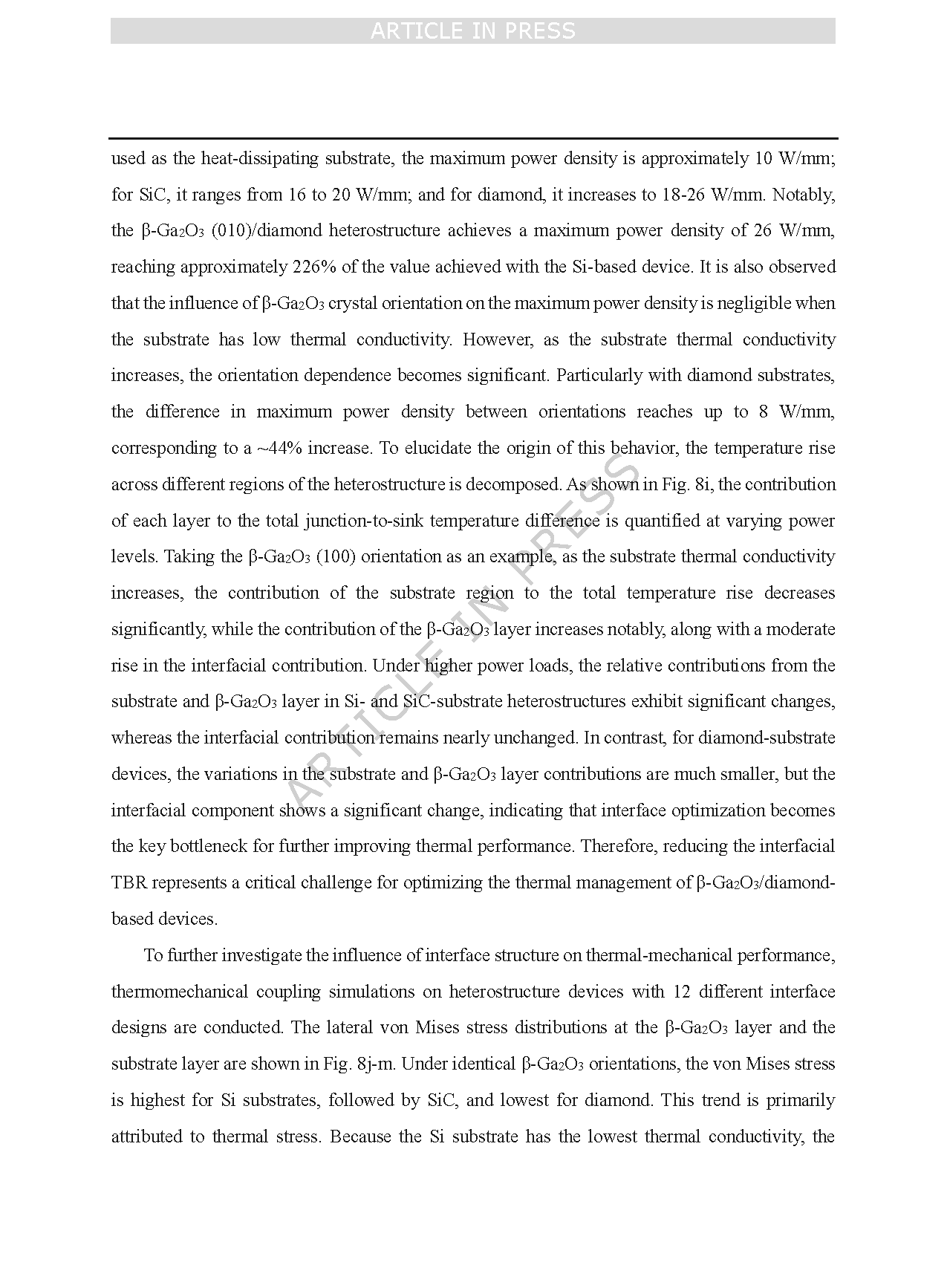
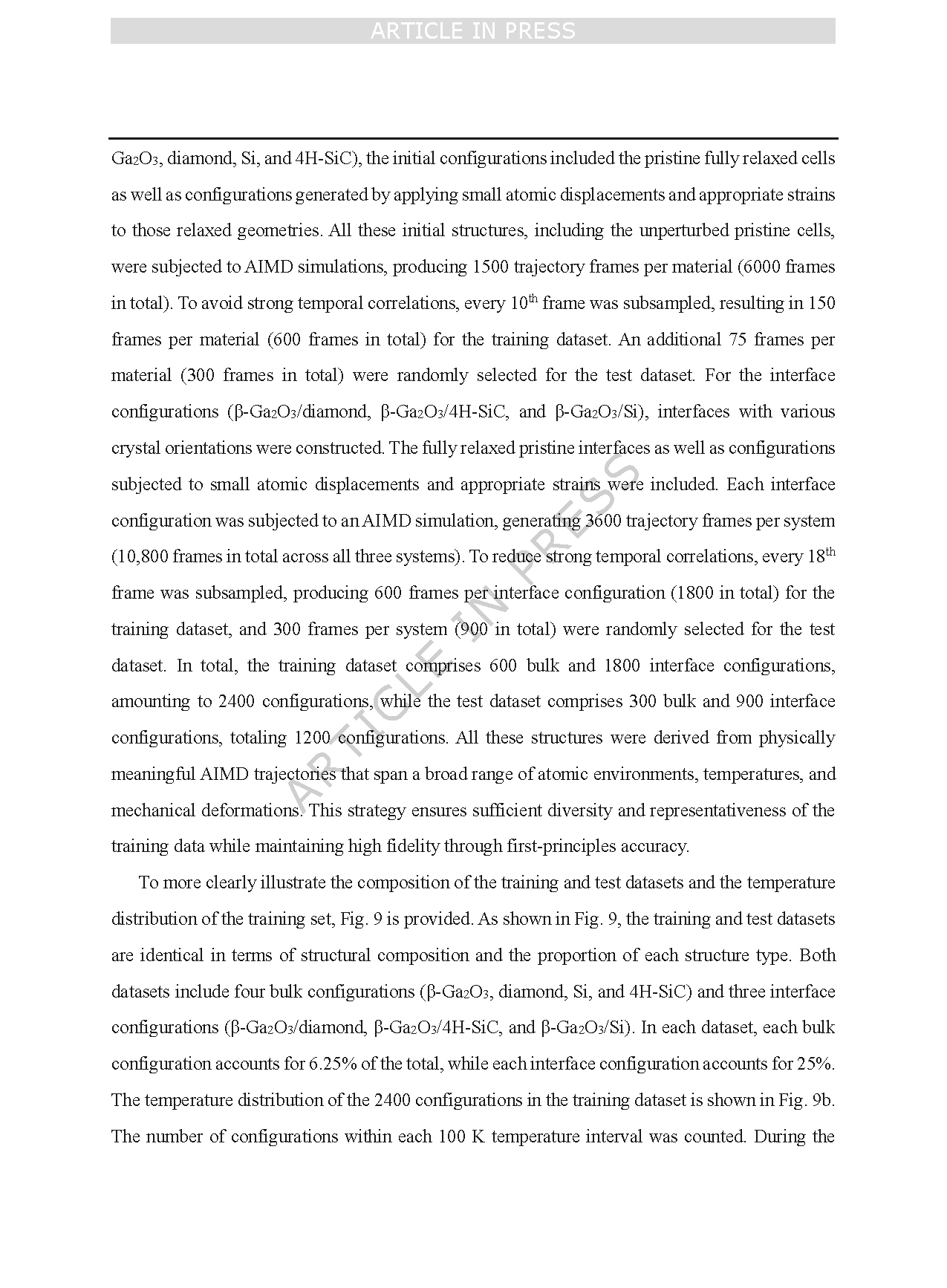
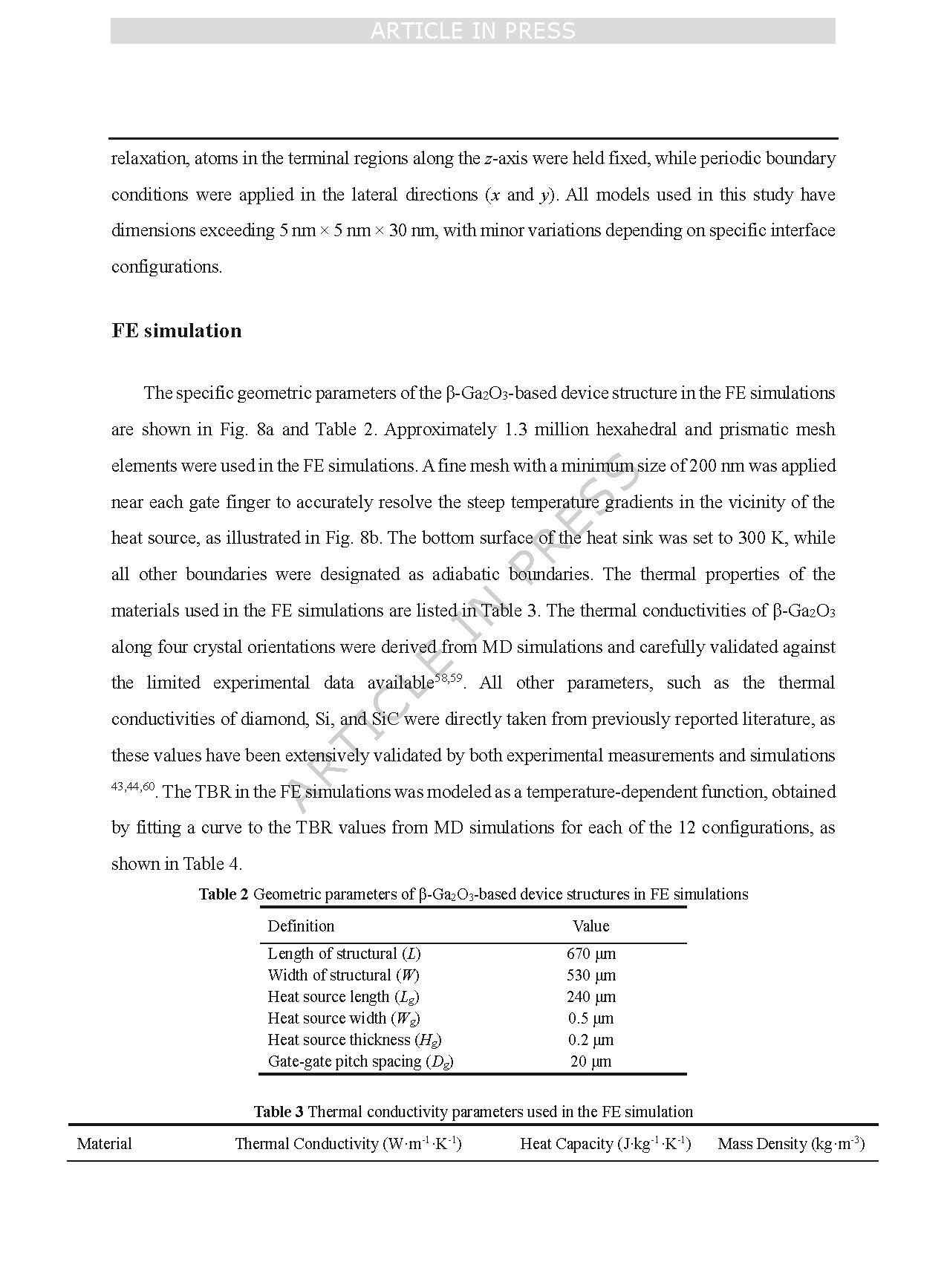
Fig.4 Schematic diagram and results of macroscale FE simulation. a Schematic cross-sectional view of the β-Ga2O3 device stack and the location of the heat source. b Details of the representative FE mesh used in the simulations. c Simulated steady-state temperature distribution of the device. d-g Surface lateral temperature profiles of the 12 heterostructures under a power density of 2 W/mm. h Maximum surface temperature of the 12 heterostructures at varying input power levels. i Contribution of the β-Ga2O3 layer, interfacial layer, and substrate layer to the total temperature rise under different power densities. j-m Lateral von Mises stress distributions in the β-Ga2O3 and substrate layers of the 12 heterostructures under a power density of 2 W/mm.
DOI:
doi.org/10.1038/s41524-026-02007-y
Instruction
Official Account

Cooperation
Top