

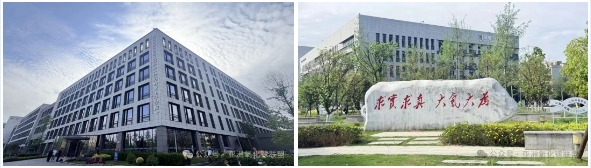
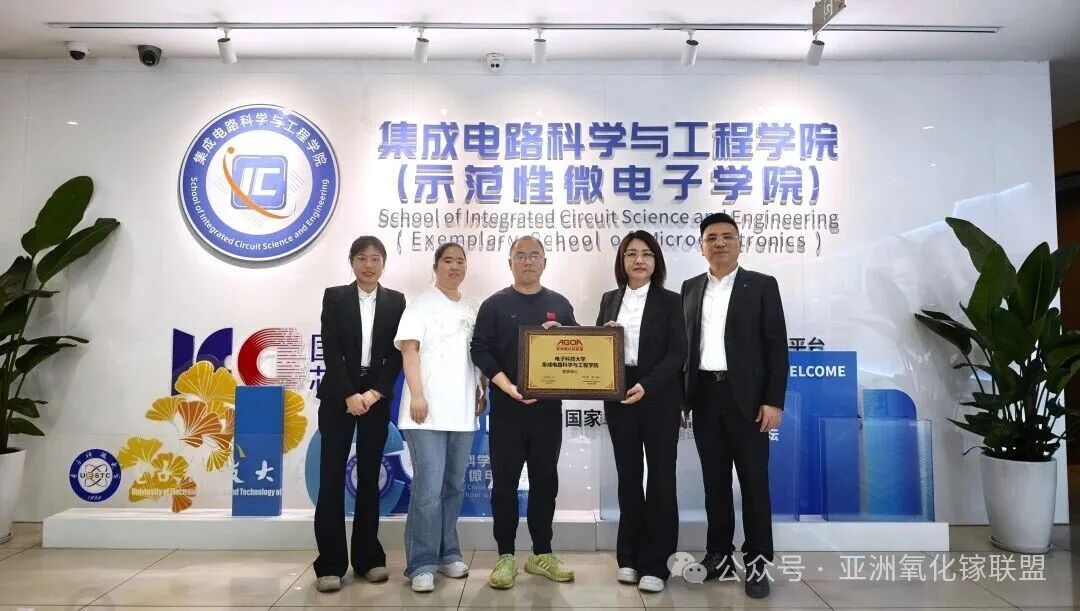
To deepen university–industry collaboration and provide targeted support to academic research teams, the Alliance conducted an on-site visit to the University of Electronic Science and Technology of China (UESTC) on April 13. As a key university under China’s “985 Project,” UESTC is a core council member of the Alliance and has maintained a close strategic partnership since the Alliance’s establishment.
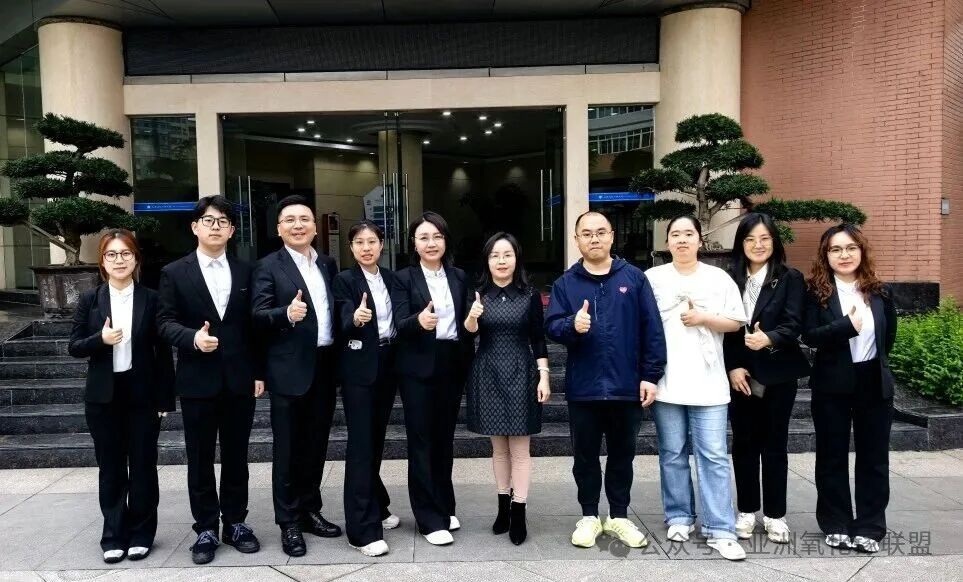
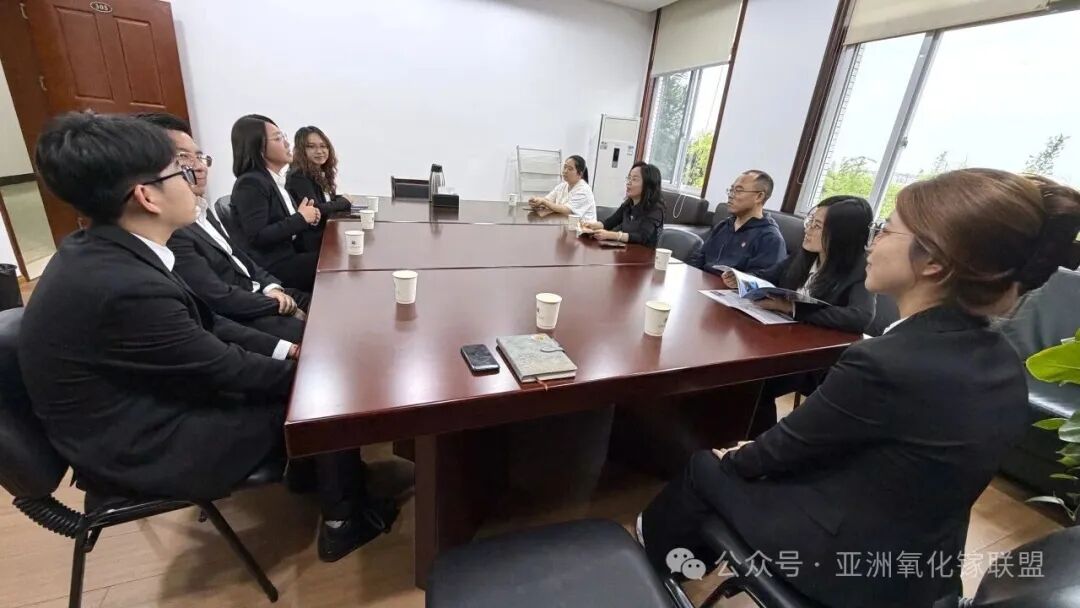
During the visit, the Alliance held face-to-face discussions with representatives from the “RF/Power Semiconductor Devices and Integration Group,” including Prof. Xiaorong Luo, Prof. Jie Wei, Associate Prof. Lian Zhang, and Dr. Yuxi Wei (Faculty Postdoctoral Fellow). The exchange covered multiple aspects such as research progress and member services, further promoting coordinated development and deeper collaboration between both sides.
The university team first provided an overview of their research activities. The group has long focused on Gallium Oxide power devices and integration, with sustained efforts in RF/power devices and integrated circuits. Their research framework is well-structured, with key directions spanning Gallium Oxide (Ga₂O₃), Gallium Nitride (GaN), and Silicon semiconductor technologies, demonstrating a solid research foundation. The team also shared recent progress, particularly new explorations in Gallium Oxide power devices and reliability. Overall, their work continues to advance toward deeper technical levels, with emerging ideas and attempts in key technological areas.
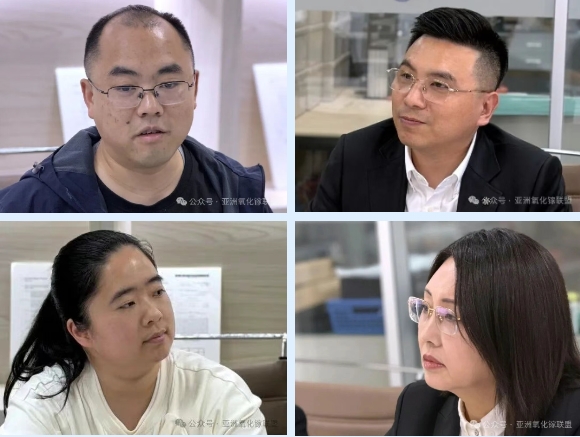
Subsequently, both sides engaged in in-depth discussions on the Alliance’s service framework.
In terms of standardization, the team expressed strong interest in participating and conducted preliminary exchanges based on their research directions. Both sides explored potential pathways for advancing industry standards.
Regarding the talent database and talent development, the team highlighted the need for students to gain earlier and clearer insights into industry realities—such as company types, job roles, and career paths—before graduation. This would help reduce information asymmetry and enable more precise job matching. The Alliance introduced the current progress of its talent database and further discussed optimizing the connection mechanism among universities, enterprises, and students. This demand provides a clear direction for future improvements in the Alliance’s talent development system. The Alliance stated that it will continue to refine the talent database and information-matching mechanisms, strengthen mutual understanding between academia and industry, and promote earlier alignment between students and job opportunities.
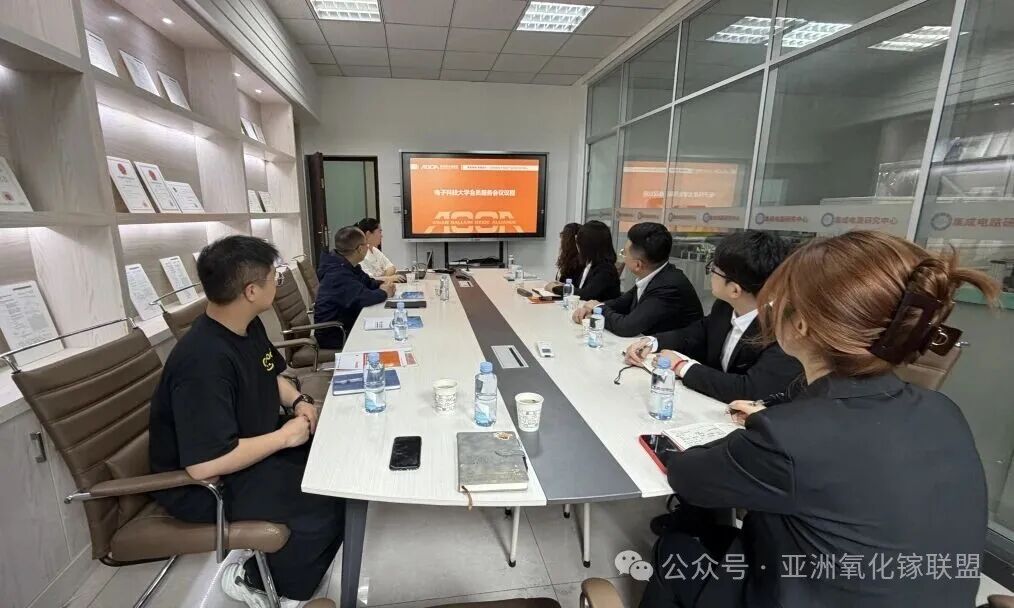
It was also noted that the team relies on several major platforms, including the State Key Laboratory of Electronic Thin Films and Integrated Devices, the National Integrated Circuit Industry–Education Integration Innovation Platform, the Engineering Research Center of Advanced Power and RF Devices and Integration (Ministry of Education), and the Sichuan Provincial Pilot Platform for Microwave IC Design and Advanced Packaging. These platforms provide comprehensive support for research and pilot-scale development, enabling strong technical and engineering capabilities. The team also raised practical needs regarding industrial resource alignment and application deployment. In response, the Alliance expressed its commitment to leveraging its industry network and platform resources to facilitate precise matchmaking.
In addition, the team gave positive feedback on the Alliance’s existing work. They noted that the Alliance’s academic paper-sharing system is well-developed, featuring strong categorization, timeliness, and integration, which helps researchers efficiently access relevant information. The standardization and talent database initiatives have also gained initial industry recognition.
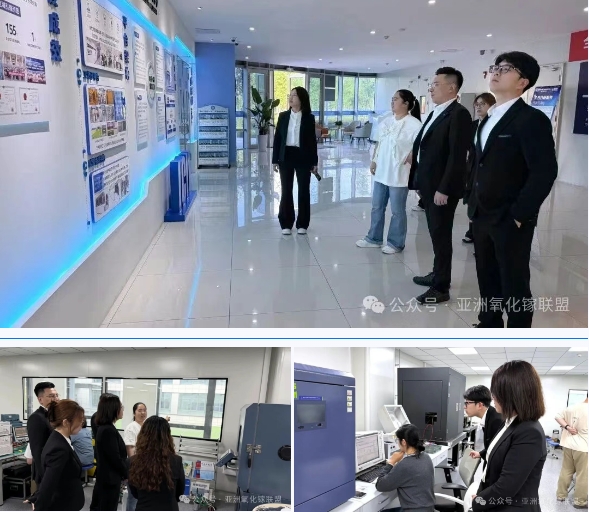
Finally, the Alliance team visited the National Integrated Circuit Industry–Education Integration Innovation Platform. The platform integrates front-end processing, packaging and testing, and educational training into a comprehensive system, providing a solid foundation for industry–academia–research collaboration. The visit offered the Alliance a more intuitive understanding of the university’s overall strategic layout in this field.
The visit concluded with productive and in-depth discussions. The Alliance stated that it will continue to focus on standardization, talent collaboration, and research commercialization, establish a regular communication mechanism with UESTC teams, and further expand the depth and breadth of cooperation to promote the continuous improvement and high-quality development of the Gallium Oxide innovation ecosystem.
Instruction
Official Account

Cooperation
Top