


Researchers from Ningbo University have published a dissertation titled " Dual-Wavelength Femtosecond Laser Pumped Supercontinuum Generation in Gallium Oxide Waveguides " in Chinese Journal of Lasers.
Background
Supercontinuum (SC) generation refers to the process in which high-peak-power short optical pulses propagate in nonlinear media. Under the combined effects of various nonlinear optical phenomena including self-phase modulation (SPM), stimulated Raman scattering (SRS), soliton effects, four-wave mixing (FWM) and cross-phase modulation (XPM), the original narrow-linewidth optical spectrum is greatly broadened to form a continuous spectrum with an extremely wide coverage range.
Such broadband light sources have important applications in numerous fields such as optical coherence tomography, molecular spectroscopy and optical sensing. Although supercontinuum light sources based on chalcogenide glass fibers have achieved broadband spectral output covering the near-infrared to mid-infrared bands, such systems usually rely on bulky, structurally complex and expensive optical parametric oscillators or amplifiers as pump sources. Meanwhile, free-space coupling mode severely restricts the stability and portability of the systems.
With the rapid development of photonic integration technology, the development of on-chip integrated supercontinuum light sources that can be directly pumped by miniaturized and low-cost near-infrared short-wavelength lasers has become a key approach to realize system compactness and low power consumption.
Abstract
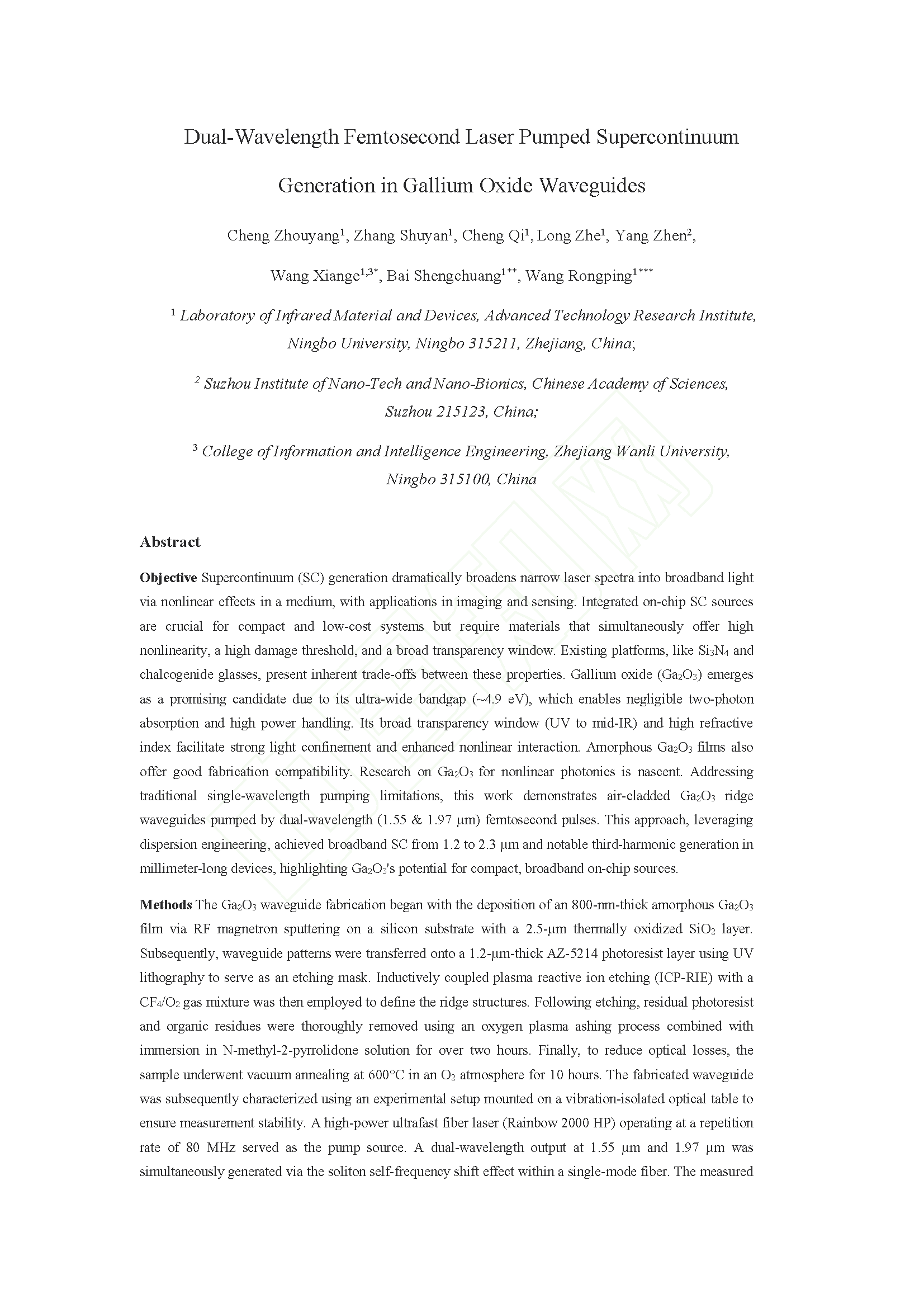
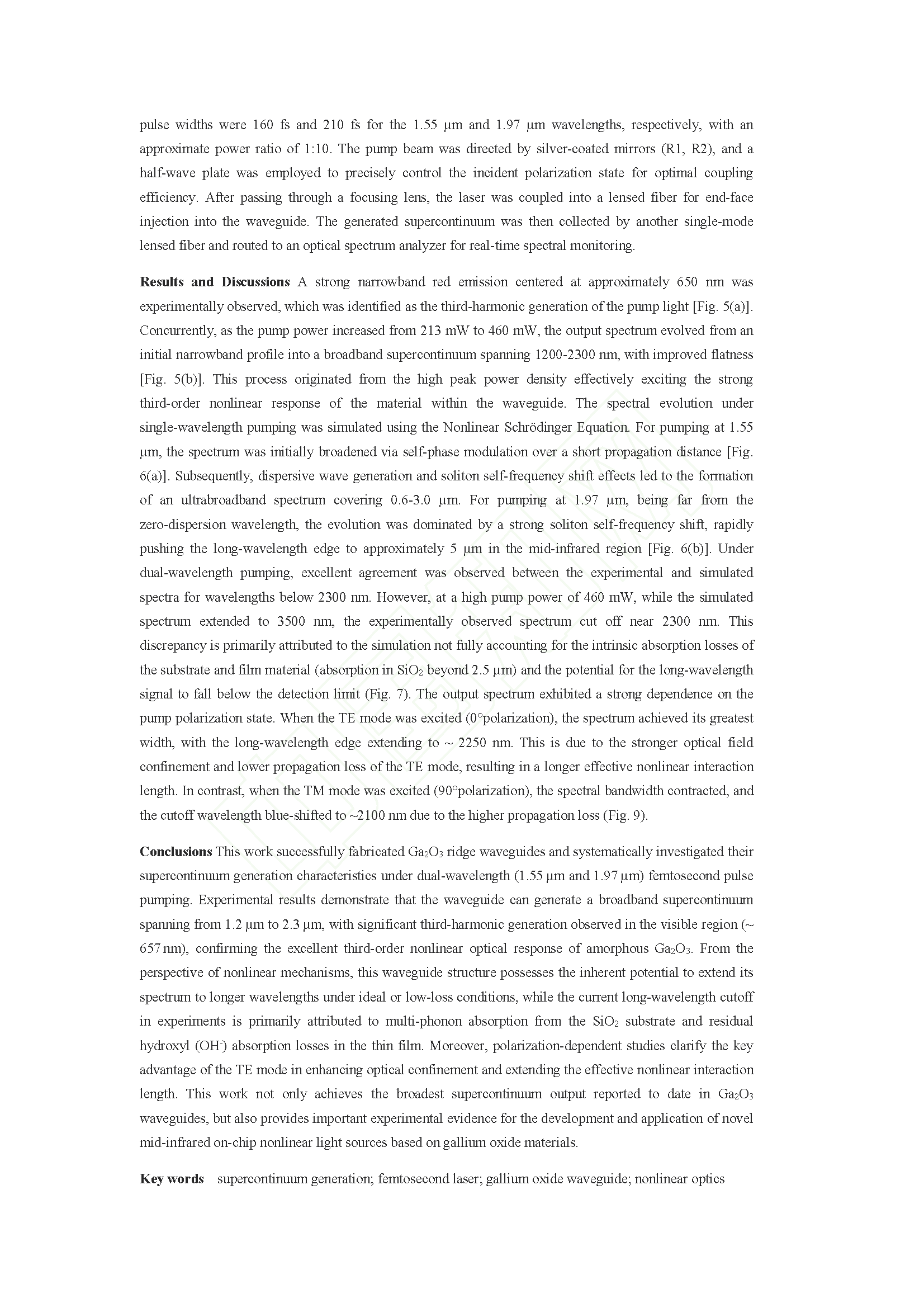
Supercontinuum (SC) generation dramatically broadens narrow laser spectra into broadband light via nonlinear effects in a medium, with applications in imaging and sensing. Integrated on-chip SC sources are crucial for compact and low-cost systems but require materials that simultaneously offer high nonlinearity, a high damage threshold, and a broad transparency window. Existing platforms, like Si3N4 and chalcogenide glasses, present inherent trade-offs between these properties. Gallium oxide (Ga₂O₃ ) emerges as a promising candidate due to its ultra-wide bandgap (~4.9 eV), which enables negligible two-photon absorption and high power handling. Its broad transparency window (UV to mid-IR) and high refractive index facilitate strong light confinement and enhanced nonlinear interaction. Amorphous Ga₂O₃ films also offer good fabrication compatibility. Research on Ga₂O₃ for nonlinear photonics is nascent. Addressing traditional single-wavelength pumping limitations, this work demonstrates air-cladded Ga₂O₃ ridge waveguides pumped by dual-wavelength (1.55 & 1.97 µm) femtosecond pulses. This approach, leveraging dispersion engineering, achieved broadband SC from 1.2 to 2.3 µm and notable third-harmonic generation in millimeter-long devices, highlighting Ga₂O₃ 's potential for compact, broadband on-chip sources.
Conclusion
This work successfully fabricated Ga₂O₃ ridge waveguides and systematically investigated their supercontinuum generation characteristics under dual-wavelength (1.55 µm and 1.97 µm) femtosecond pulse pumping. Experimental results demonstrate that the waveguide can generate a broadband supercontinuum spanning from 1.2 µm to 2.3 µm, with significant third-harmonic generation observed in the visible region (~ 657 nm), confirming the excellent third-order nonlinear optical response of amorphous Ga₂O₃ eds. From the perspective of nonlinear mechanisms, this waveguide structure possesses the inherent potential to extend its spectrum to longer wavelengths under ideal or low-loss conditions, while the current long-wavelength cutoff in experiments is primarily attributed to multi-phonon absorption from the SiO2 substrate and residual hydroxyl (OH-) absorption losses in the thin film. Moreover, polarization-dependent studies clarify the key advantage of the TE mode in enhancing optical confinement and extending the effective nonlinear interaction length. This work not only achieves the broadest supercontinuum output reported to date in Ga₂O₃ waveguides, but also provides important experimental evidence for the development and application of novel mid-infrared on-chip nonlinear light sources based on gallium oxide materials.
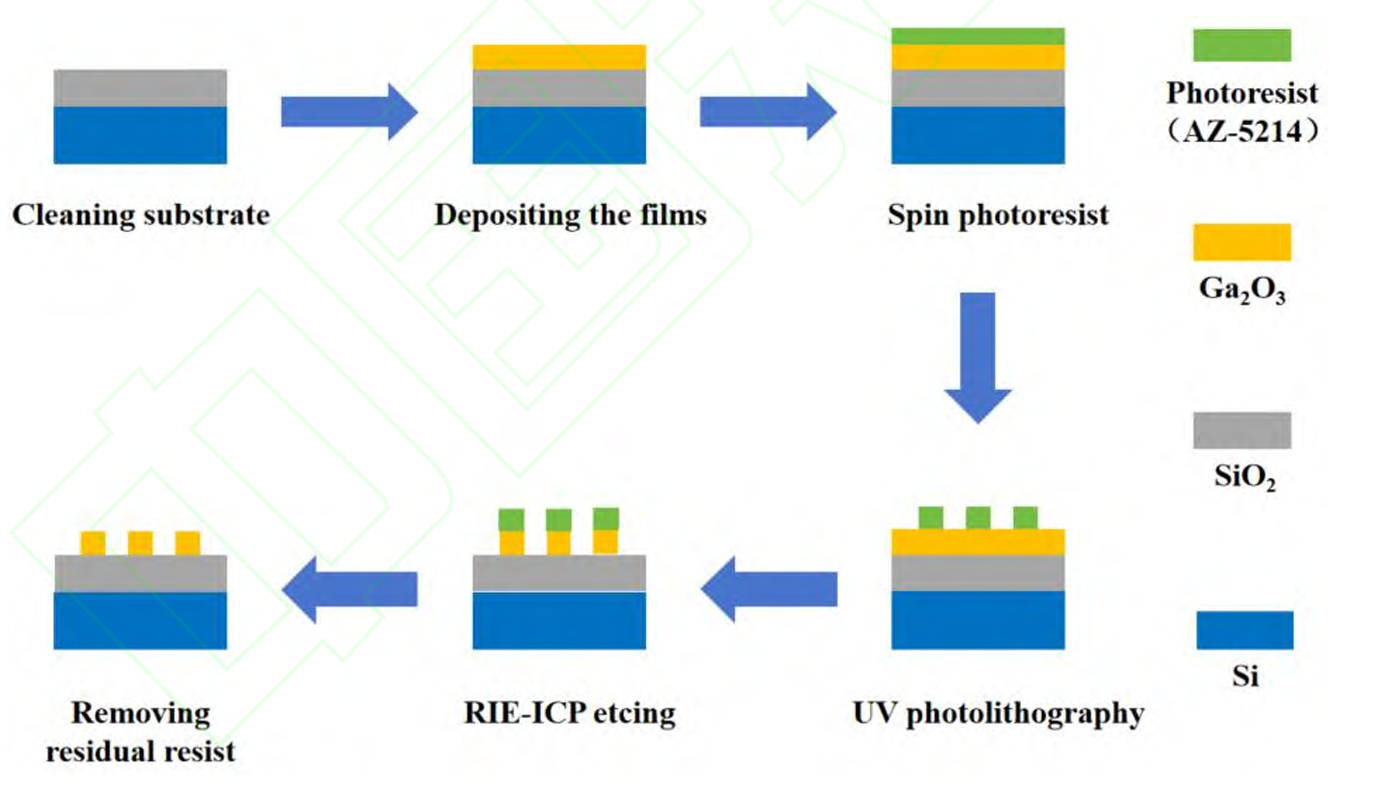
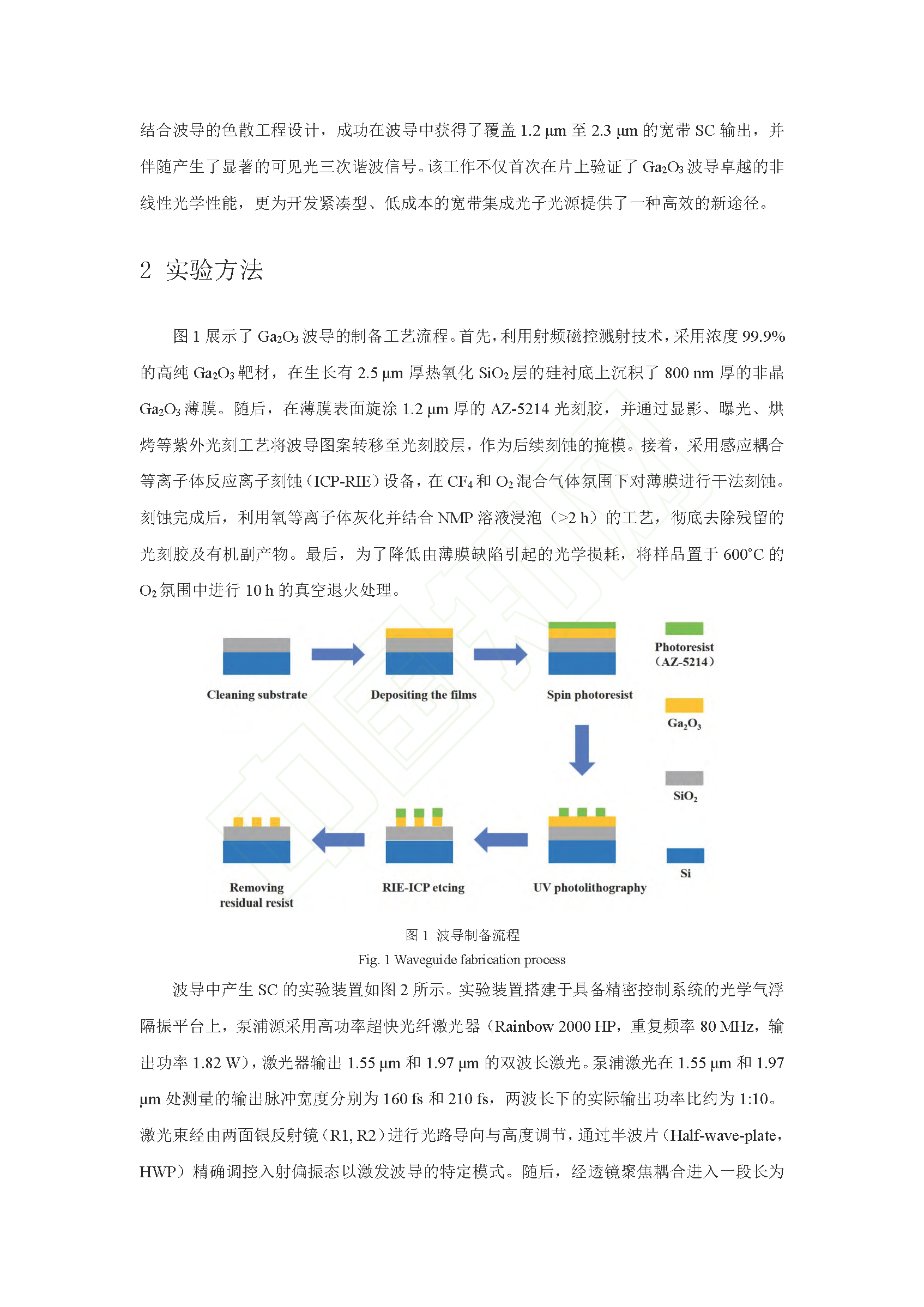
Fig. 1 Waveguide fabrication process
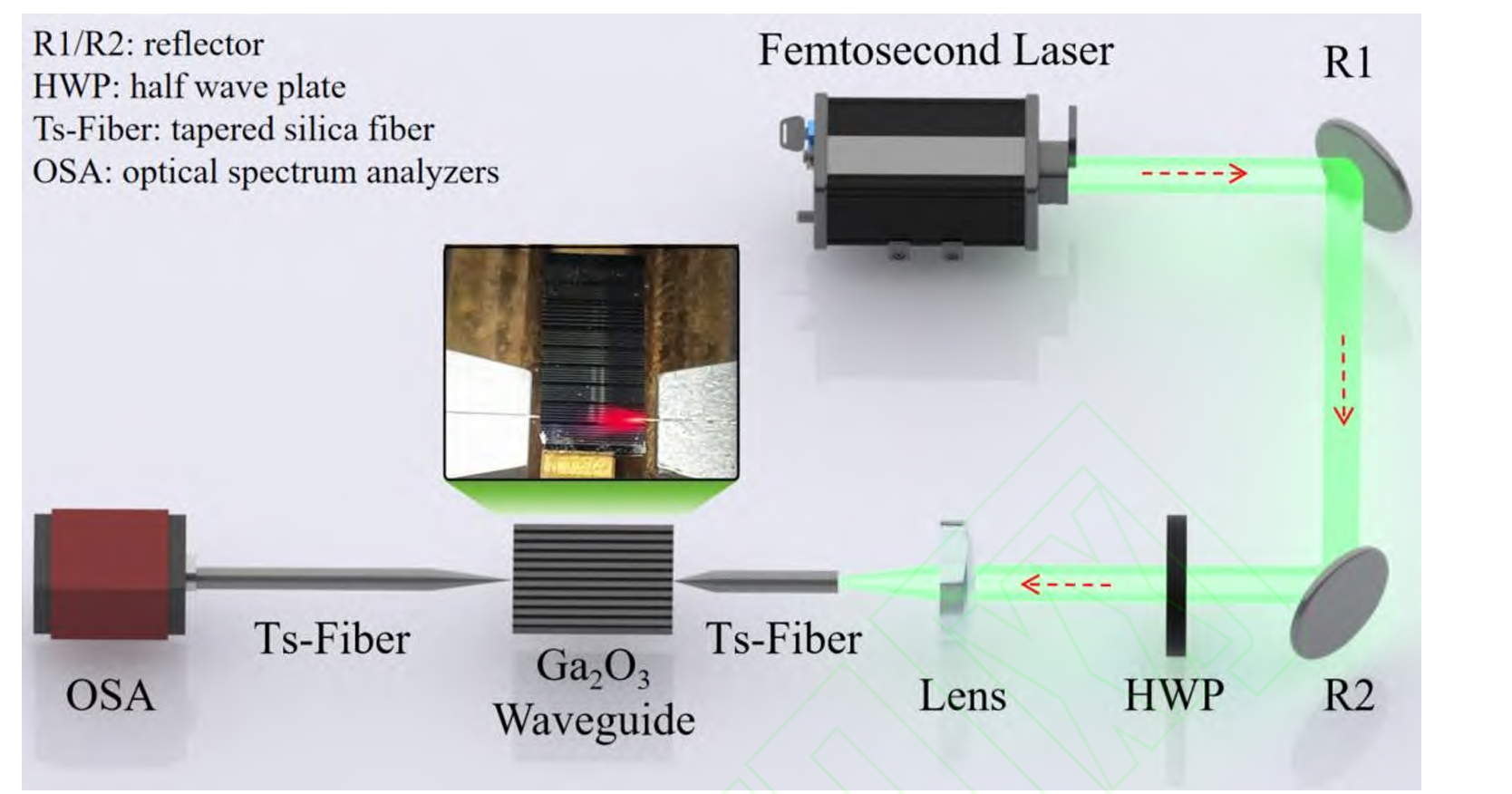
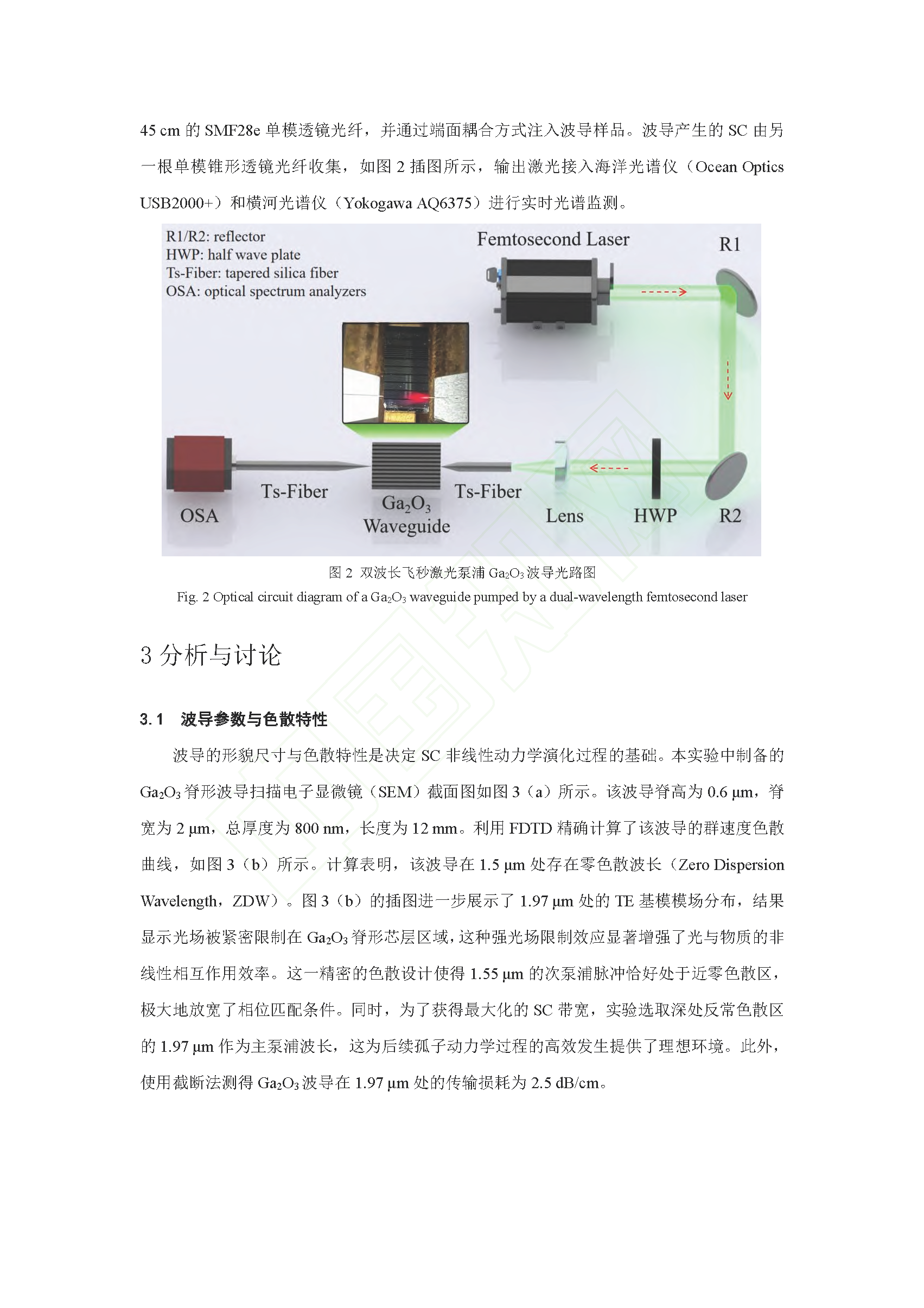
Fig. 2 Optical circuit diagram of a Ga₂O₃ waveguide pumped by a dual-wavelength femtosecond laser
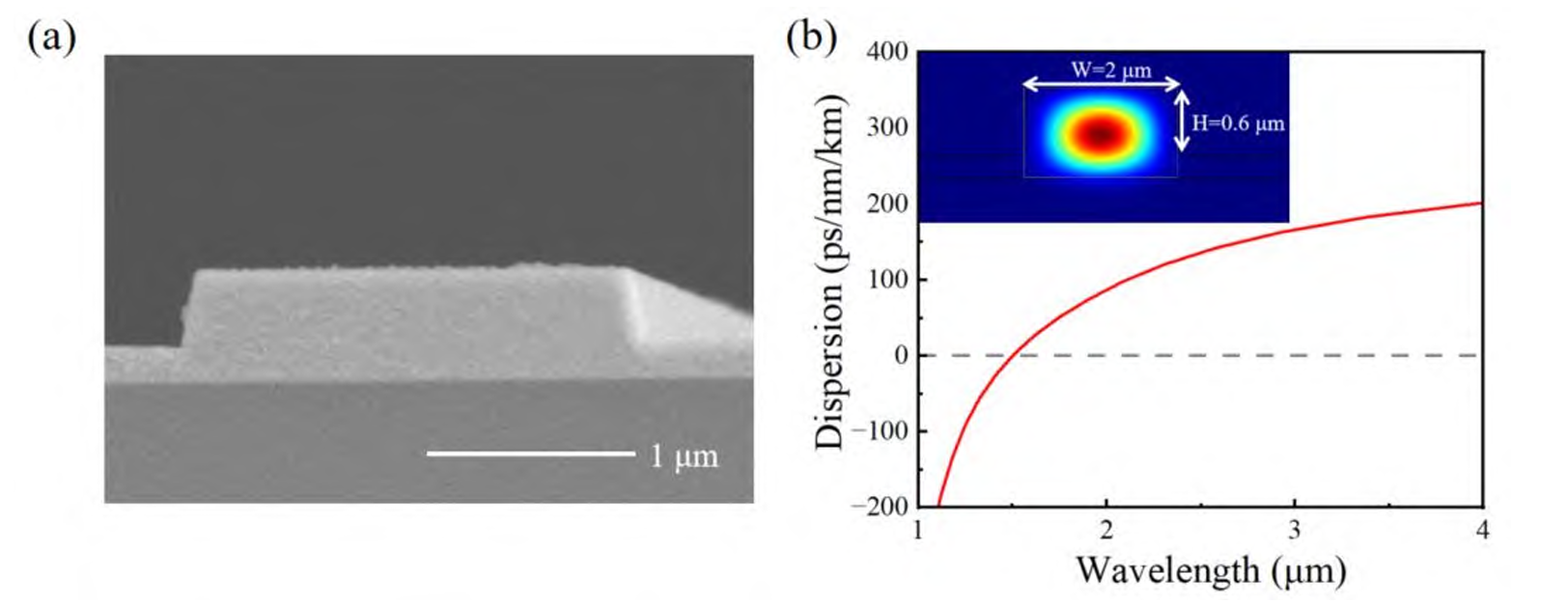
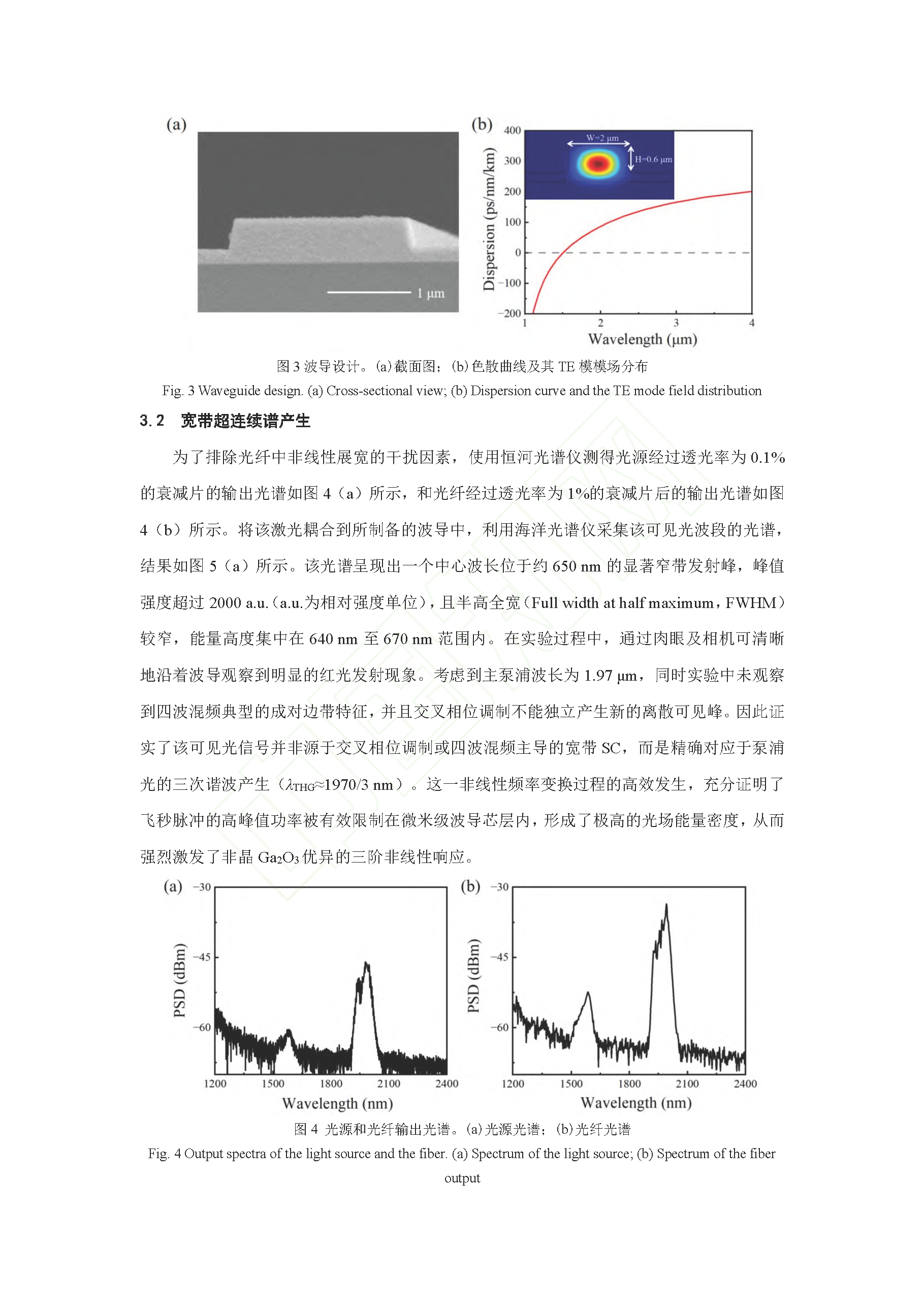
Fig. 3 Waveguide design. (a) Cross-sectional view; (b) Dispersion curve and the TE mode field distribution
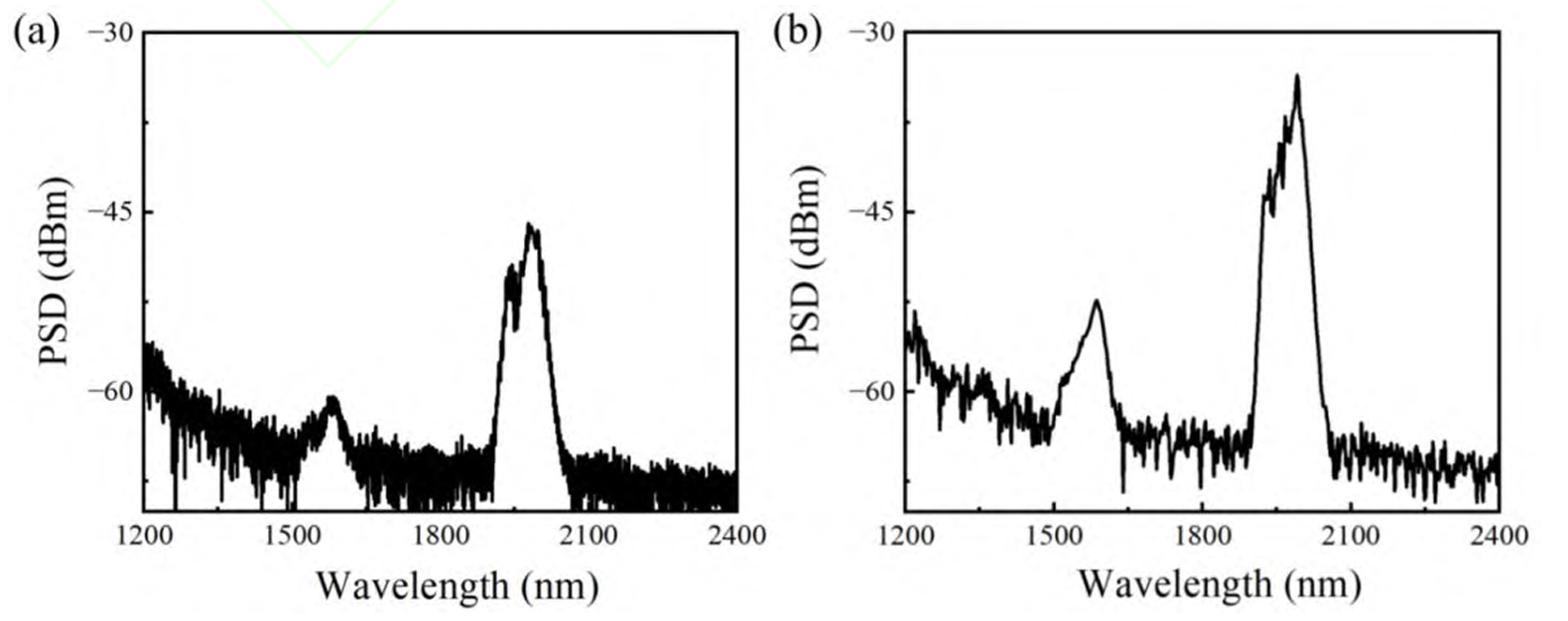
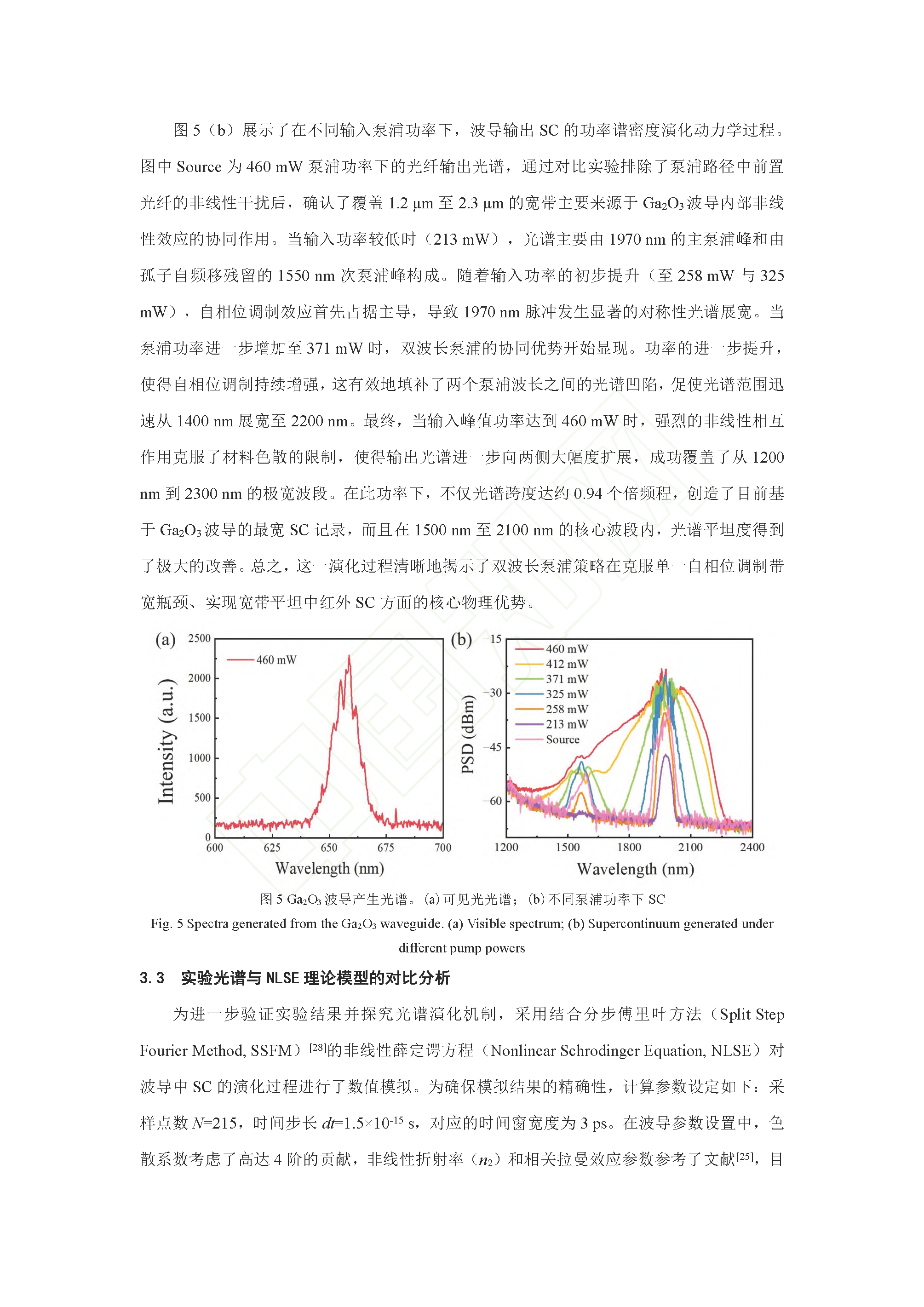
Fig. 4 Output spectra of the light source and the fiber. (a) Spectrum of the light source; (b) Spectrum of the fiber output
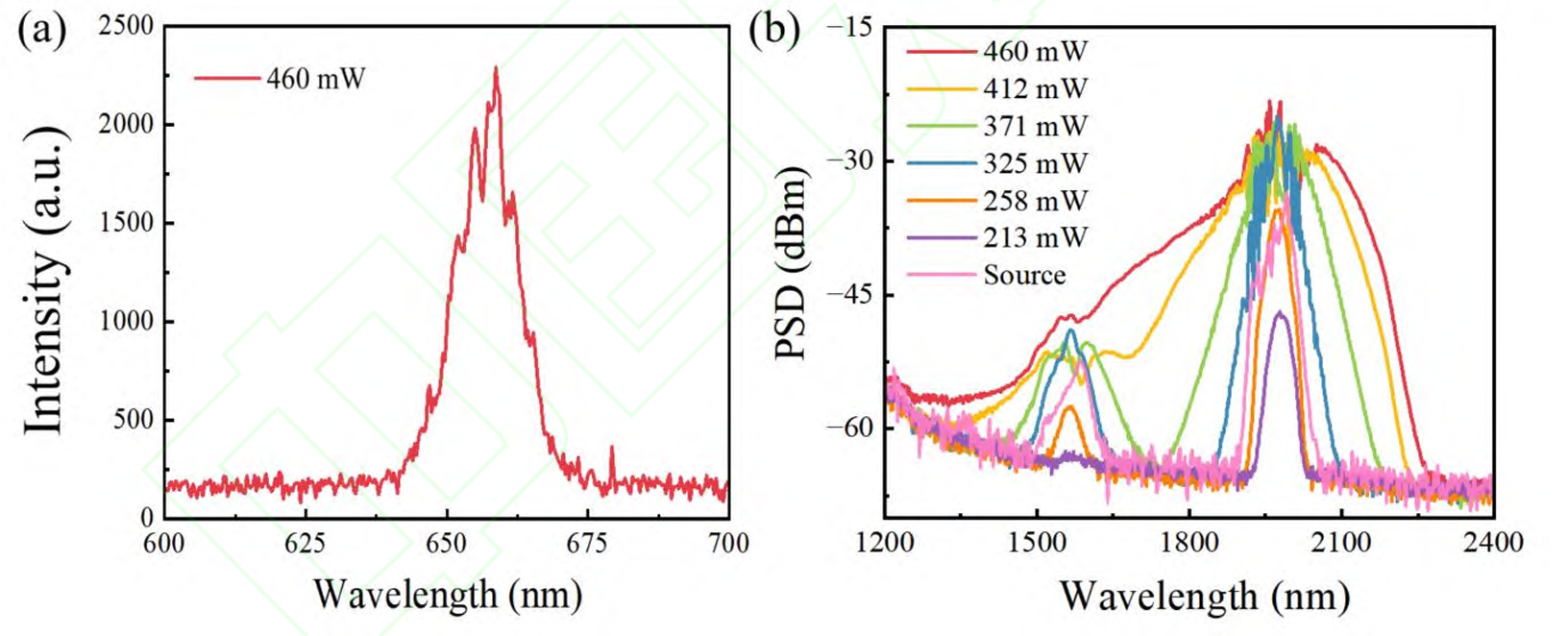
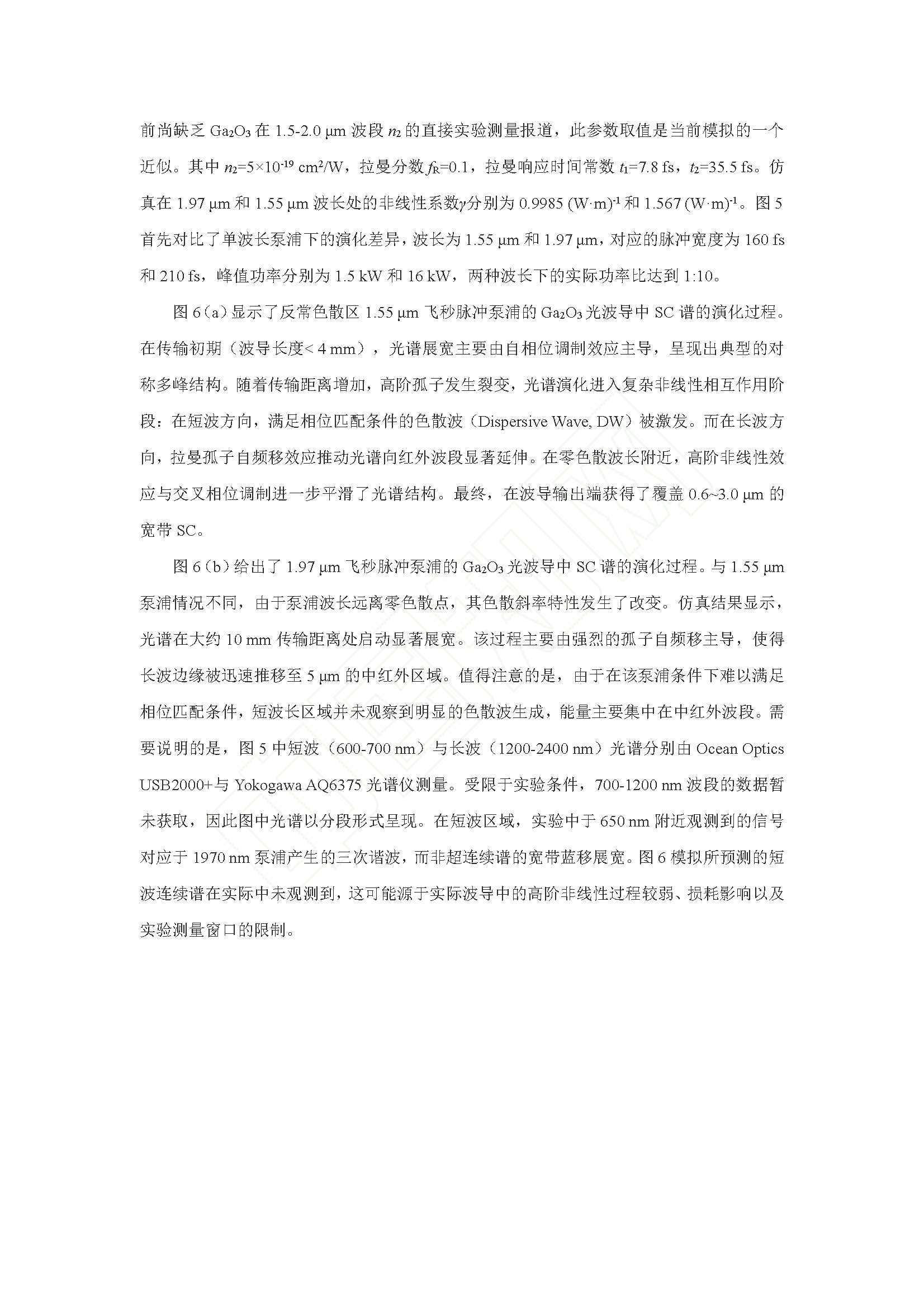
Fig. 5 Spectra generated from the Ga₂O₃ waveguide. (a) Visible spectrum; (b) Supercontinuum generated under different pump powers
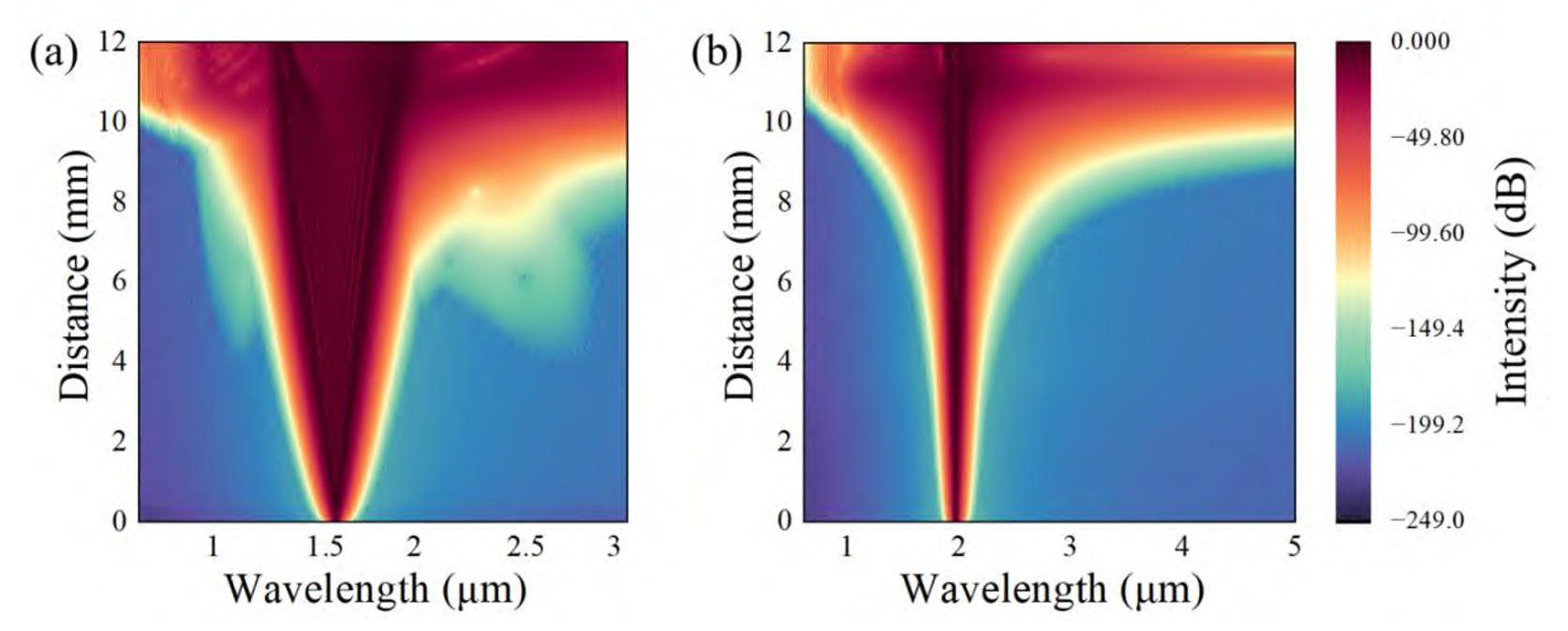
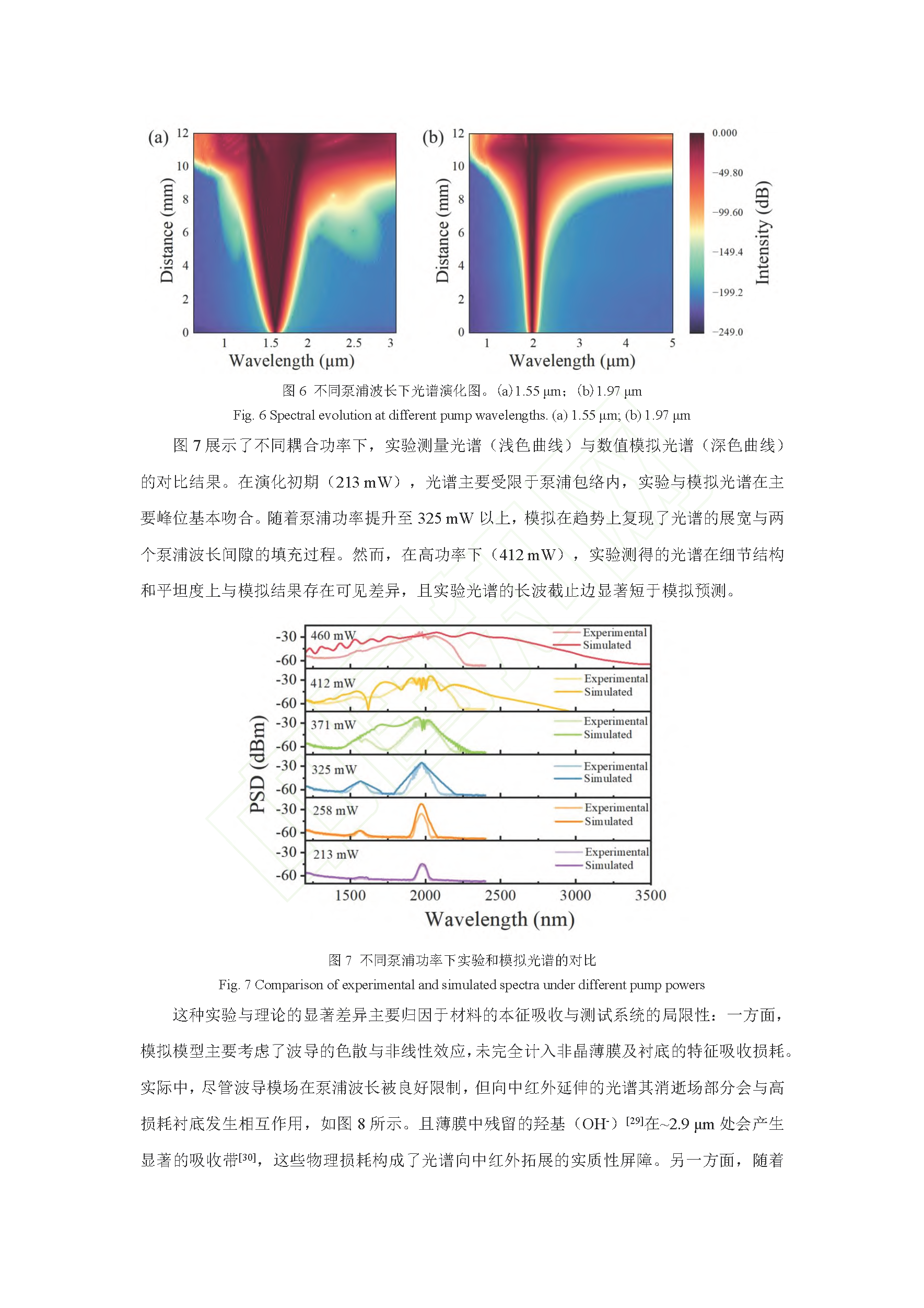
Fig. 6 Spectral evolution at different pump wavelengths. (a) 1.55 μm; (b) 1.97 μm
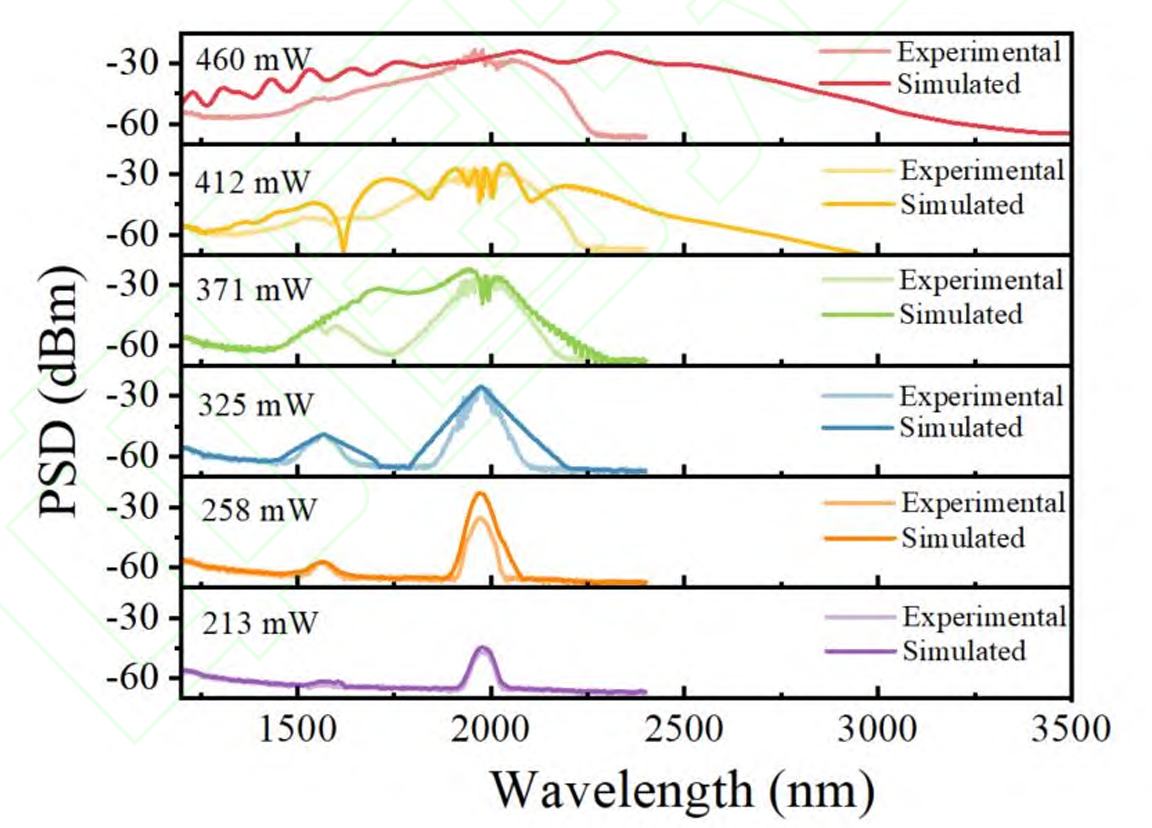
Fig. 7 Comparison of experimental and simulated spectra under different pump powers
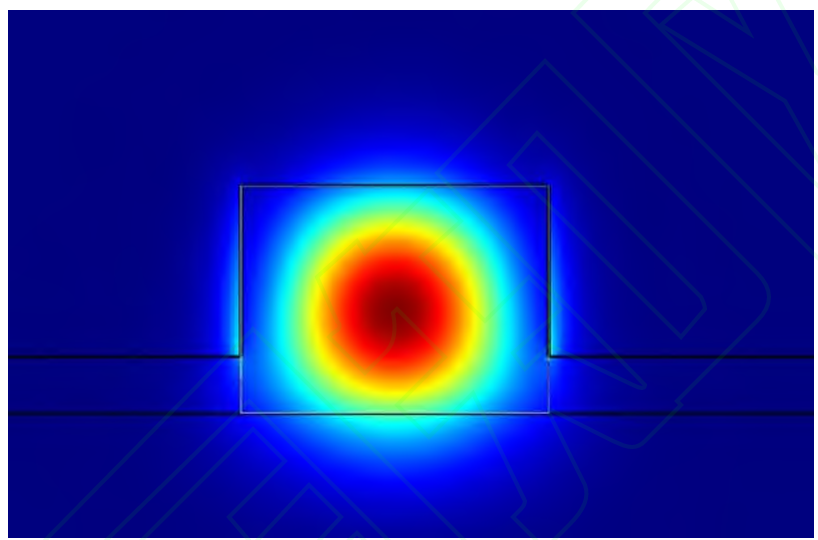
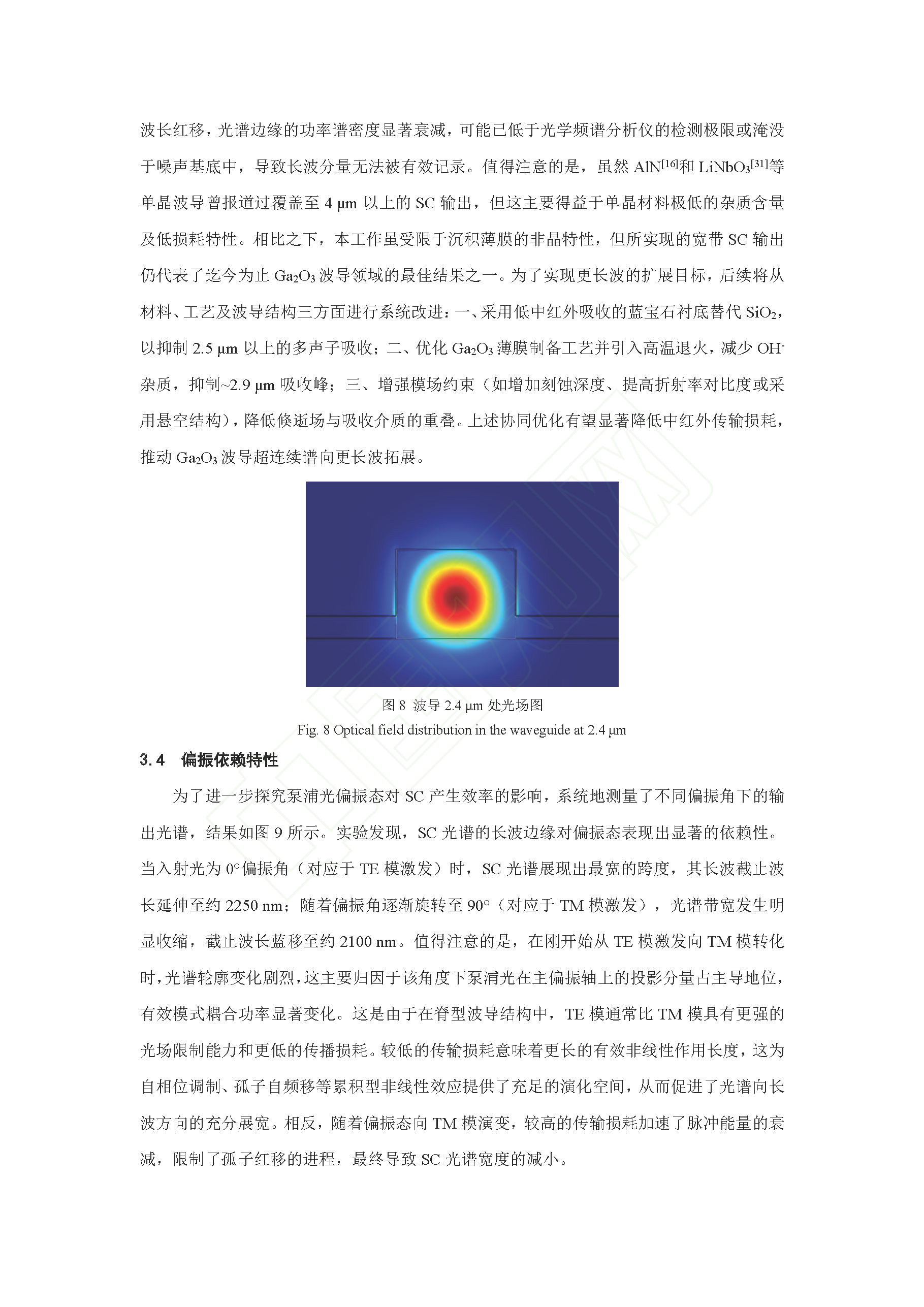
Fig. 8 Optical field distribution in the waveguide at 2.4 μm
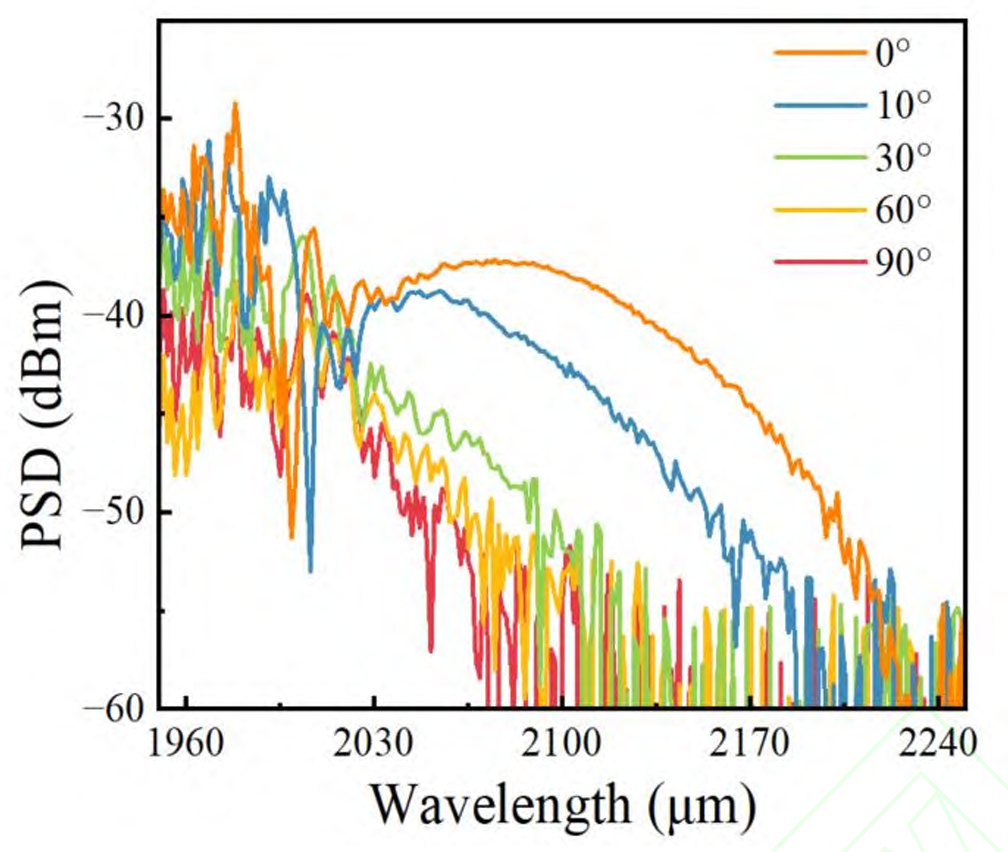
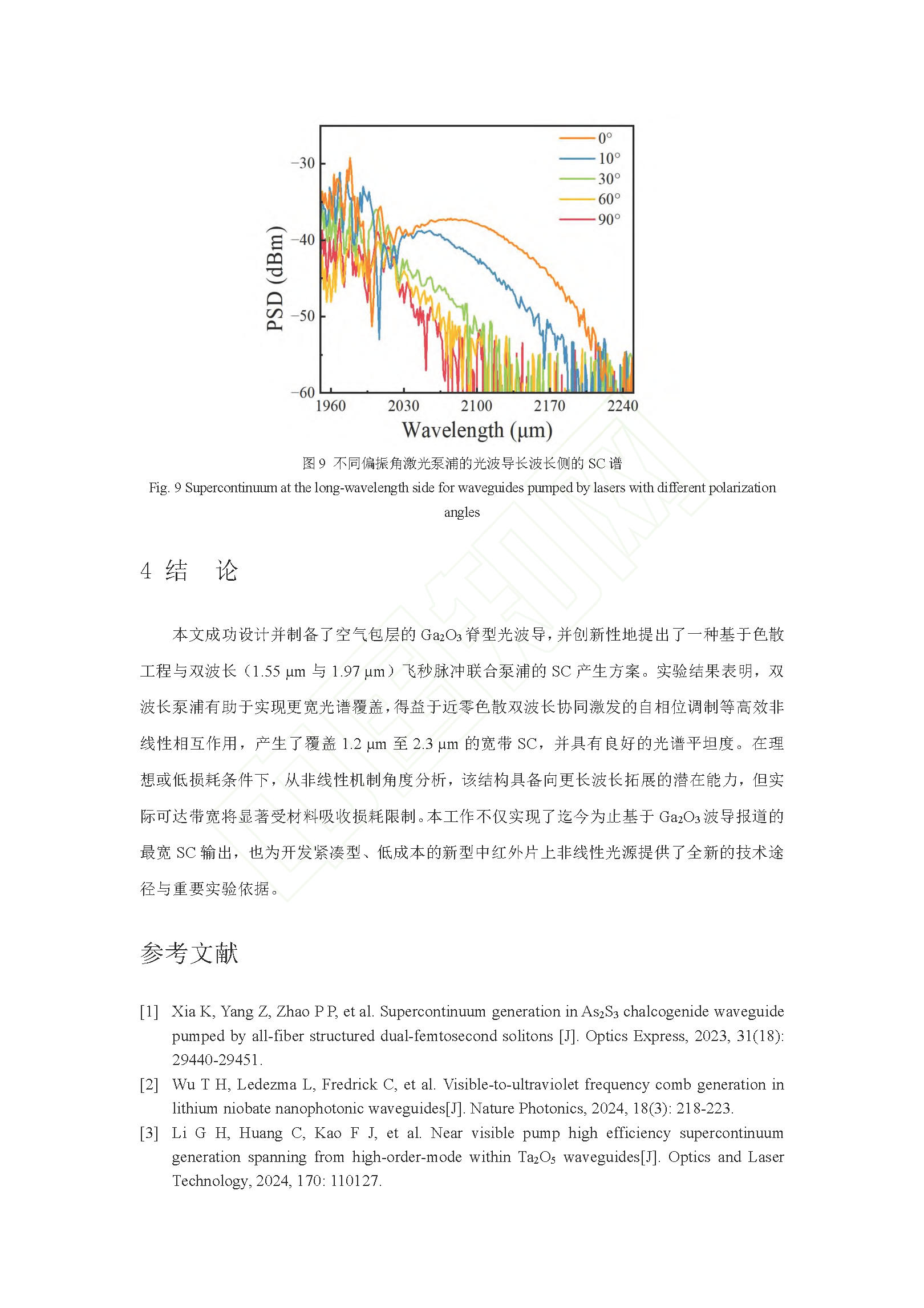
Fig. 9 Supercontinuum at the long-wavelength side for waveguides pumped by lasers with different polarization angles
LINK:
https://kns.cnki.net/kcms2/article/abstract?v=g8n7TwuHW-DXRN1A8UiD1h7tOXlpGg_U_4zfuBZREYj4XF0FvizwB5M702KDPDU7biiq4cHOUT-g2tEu6V4PlZbKyLcxXQZXf0WJebZM_6hiYKsmgbtRsgSqglUGU8D-bEg7Q8oMMqZ8_r4wOACumeatOPZkniqpLlsmQjnyzb8Eh_9zaW10IA==&uniplatform=NZKPT&language=CHS
Instruction
Official Account

Cooperation
Top