


Researchers from the Jilin Communications Polytechnic have published a dissertation titled "Fabrication and Photoelectric Properties of Pt Nanoparticles Modified Ga₂O₃/ZnO Heterojunction Ultraviolet Photodetector" in Journal of Alloys and Compounds.
Background
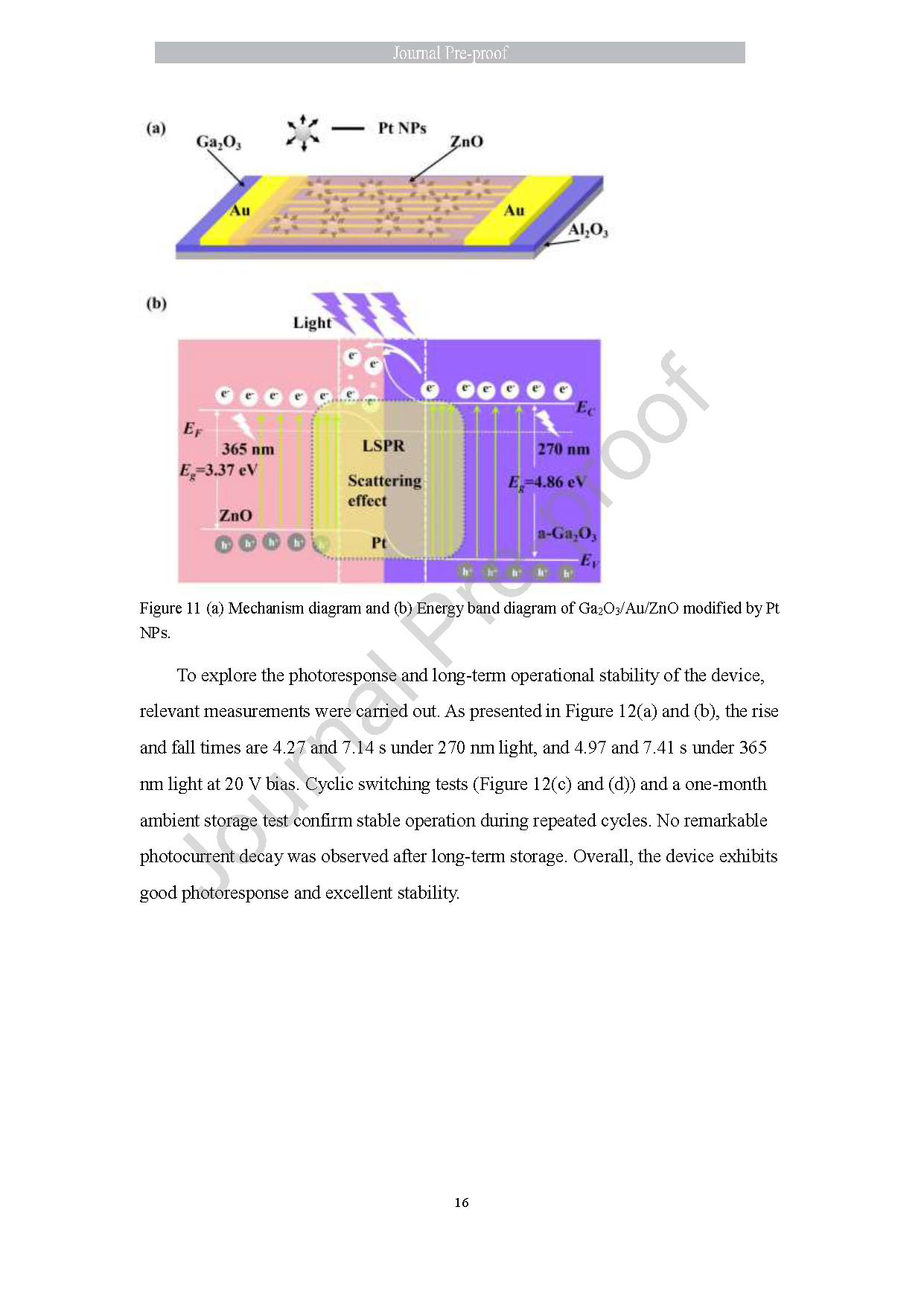
Ultraviolet photodetectors are widely used in optical communication, environmental monitoring and other fields, and higher requirements are put forward for their photoelectric response, sensitivity and response speed. As typical wide bandgap semiconductors, ZnO and Ga₂O₃ show excellent photoelectric response in the ultraviolet band. Heterojunctions composed of the two materials can improve carrier transport and detection performance. However, conventional heterojunction photodetectors are limited by low light absorption efficiency and abundant interface defects. The localized surface plasmon resonance effect of metal nanoparticles can effectively enhance light absorption. Platinum nanoparticles feature good energy level matching and high stability, which are ideal modifiers for photodetectors. In this work, Pt nanoparticles modified Ga₂O₃/ZnO heterojunction ultraviolet photodetector is fabricated. Combining band engineering of heterojunctions and plasmon enhancement of Pt nanoparticles, the carrier separation efficiency is optimized. This study explores the relationship between material structure, interface characteristics and photoelectric properties, and provides a new solution for developing high-performance ultraviolet photodetectors.
Abstract
To address the issue of low light signal absorption efficiency in heterostructured photodetectors (PDs), this paper designs and fabricates a Ga₂O₃/ZnO heterojunction PD modified with Pt nanoparticles (NPs). Through the synergistic effect of bandgap modulation of the heterojunction and the localized surface plasmon resonance (LSPR) of Pt NPs, the light absorption efficiency is enhanced, the carrier separation efficiency is optimized, and the light response sensitivity is improved. At a 30 V bias, the Pt NPs-modified Ga₂O₃/Au/ZnO heterojunction ultraviolet (UV) PD has a responsivity of 58.44 and 68.81 A/W at 270 and 365 nm light illumination, respectively, and the EQE is 27888.50% and 23389.98%. The results show that the heterojunction device designed in this paper is expected to become a promising UVPD.
Highlights
Amorphous Ga₂O₃films are prepared by magnetron sputtering, which avoids lattice mismatch and strict preparation requirements.
Pt nanoparticles are introduced. Its localized surface plasmon resonance effect greatly improves the ultraviolet light absorption and photoelectric response of the device.
The Ga₂O₃/ZnO heterojunction is constructed to broaden the response band. The built-in electric field of the heterojunction accelerates the separation and transport of photogenerated carriers.
The device has high responsivity, high external quantum efficiency and excellent long-term stability, with great practical application value.
Conclusion
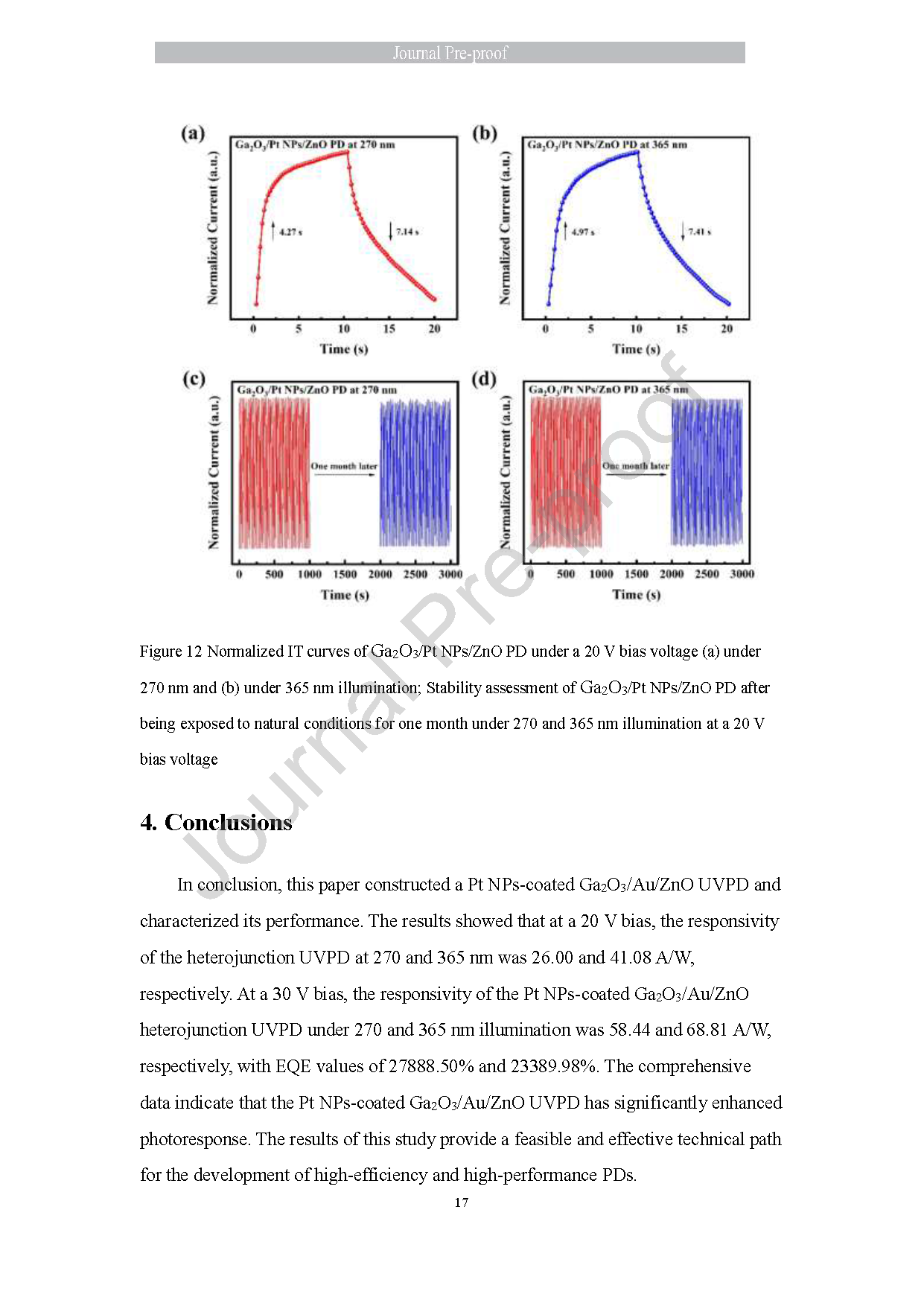
In conclusion, this paper constructed a Pt NPs-coated Ga₂O₃/Au/ZnO UVPD and characterized its performance. The results showed that at a 20 V bias, the heterojunction UVPD at 270 and 365 nm was 26.00 and 41.08 A/W, respectively. At a 30 V bias, the responsivity of the Pt NPs-coated Ga₂O₃/Au/ZnO heterojunction UVPD under 270 and 365 nm illumination was 58.44 and 68.81 A/W, respectively, with EQE values of 27888.50% and 23389.98%. The comprehensive data indicate that the Pt NPs-coated Ga₂O₃/Au/ZnO UVPD has significantly enhanced photoresponse. The results of this study provide a feasible and effective technical path for the development of high-efficiency and high-performance PDs.
Project Support
Figure 10 (a) D* and (b) NEP spectra of Ga₂O₃/Au/ZnO heterojunction PD modified by Pt NPs at 270 and 365 nm.This work was supported by the National Natural Science Foundation of China (Grant No. 62274016) and the Scientific and Technological Development Project of Jilin Province, China (Grant No.20210203216SF).
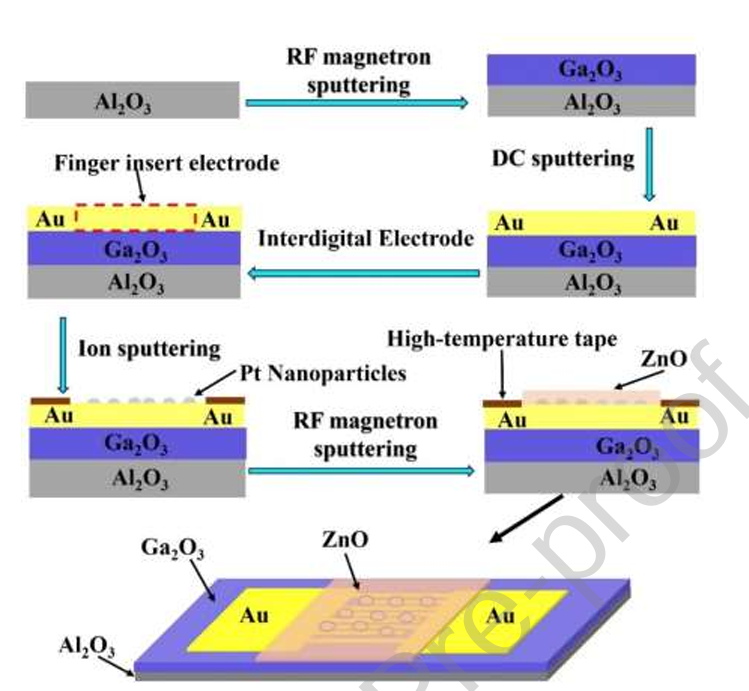
Figure 1 Schematic diagram of the fabrication process of Ga₂O₃/Au/ZnO PD modified by Pt NPs.
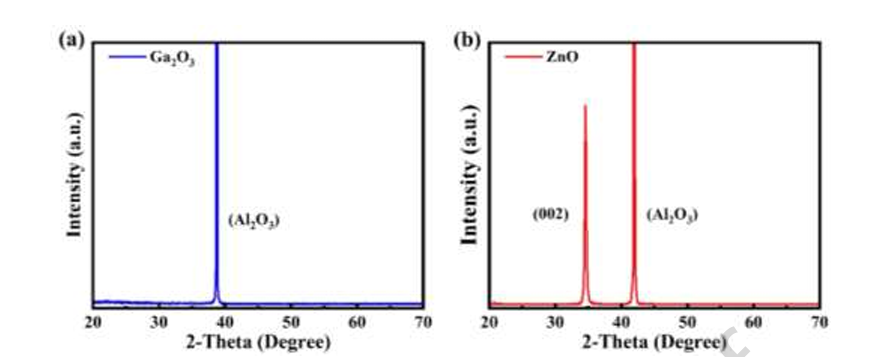
Figure 2 (a) XRD patterns of Ga₂O₃ and (b) ZnO films.
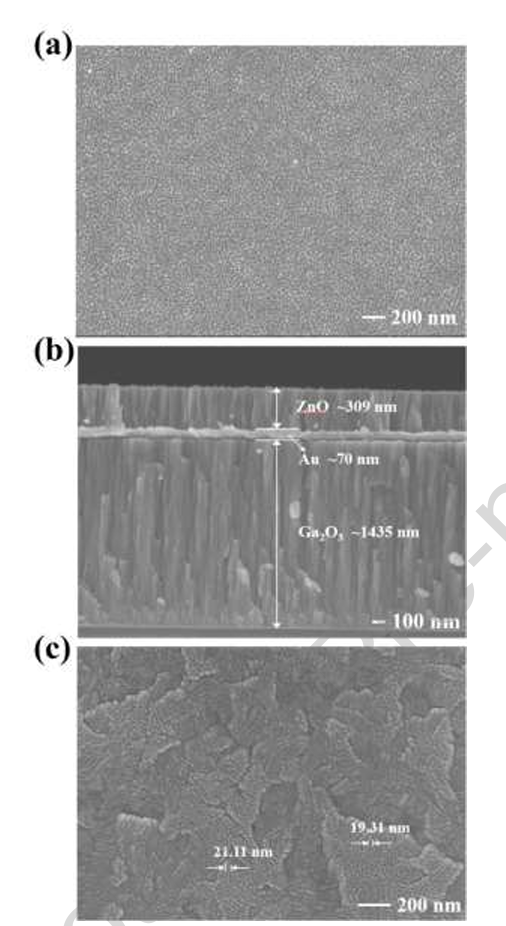
Figure 3 Pt NPs-modified Ga₂O₃/Au/ZnO sandwich structure (a) Surface SEM image; (b) SEM images of cross sections; (c) SEM image of Pt NPs/Ga₂O₃ surface.
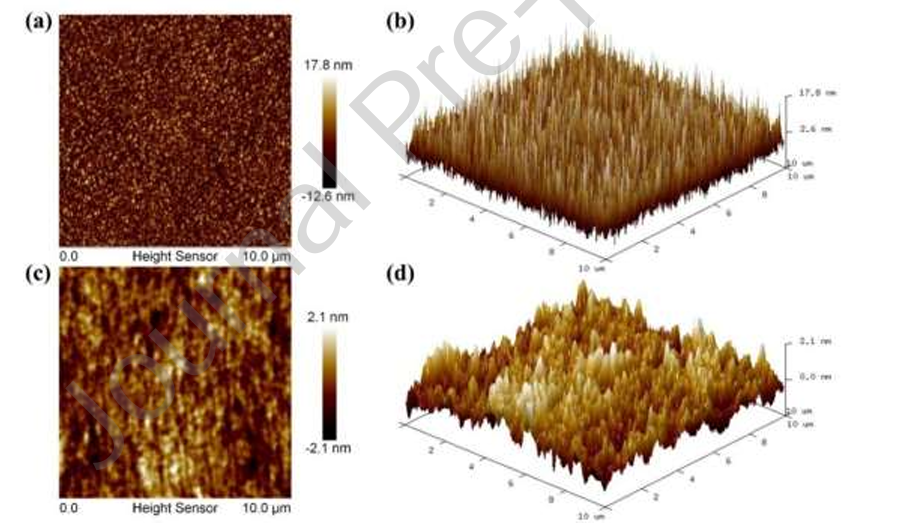
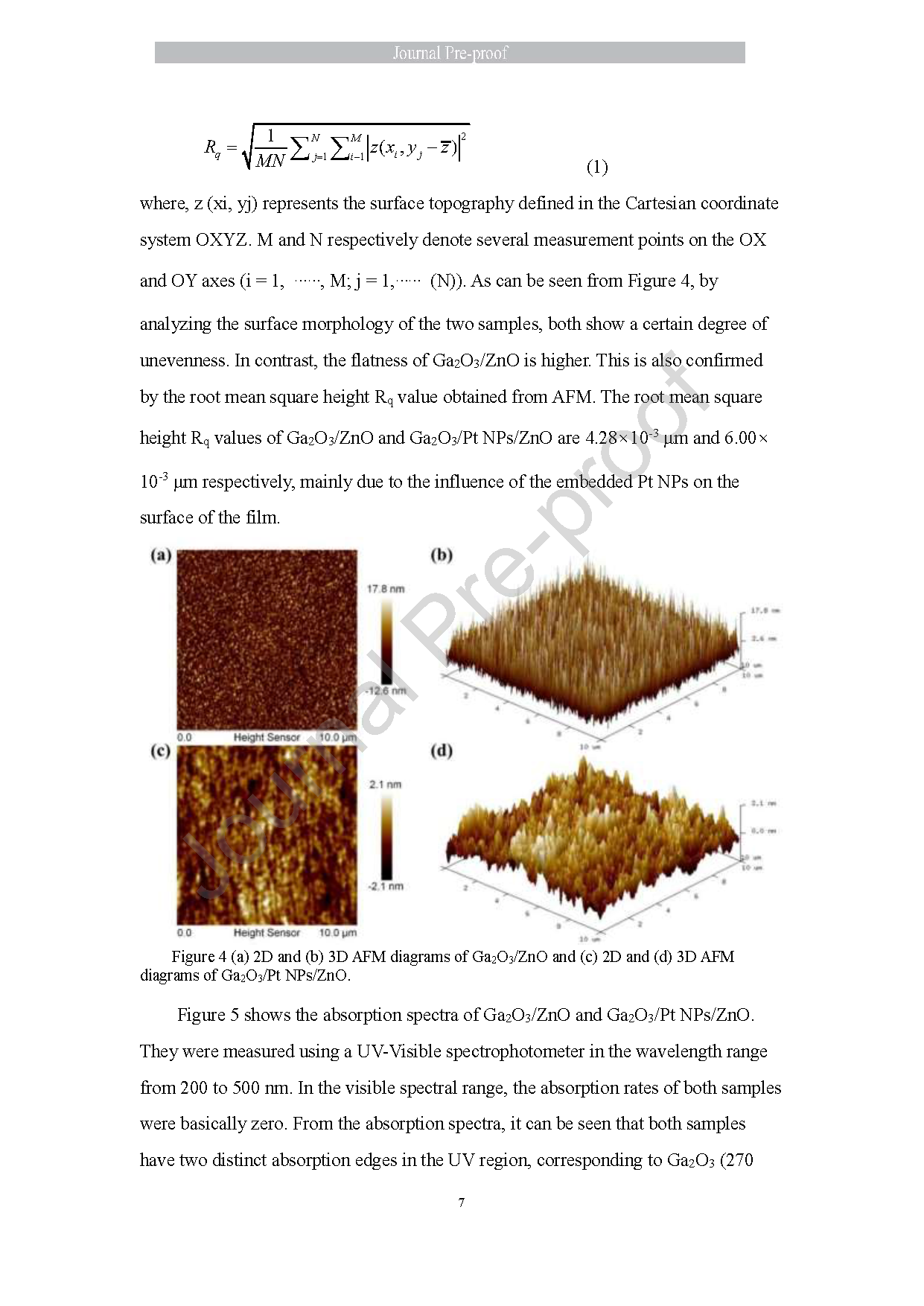
Figure 4 (a) 2D and (b) 3D AFM diagrams of Ga₂O₃/ZnO and (c) 2D and (d) 3D AFM diagrams of Ga₂O₃/Pt NPs/ZnO.
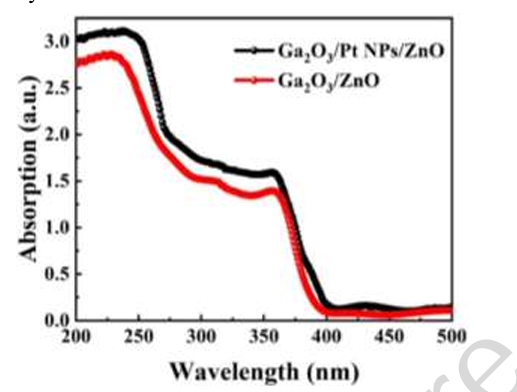
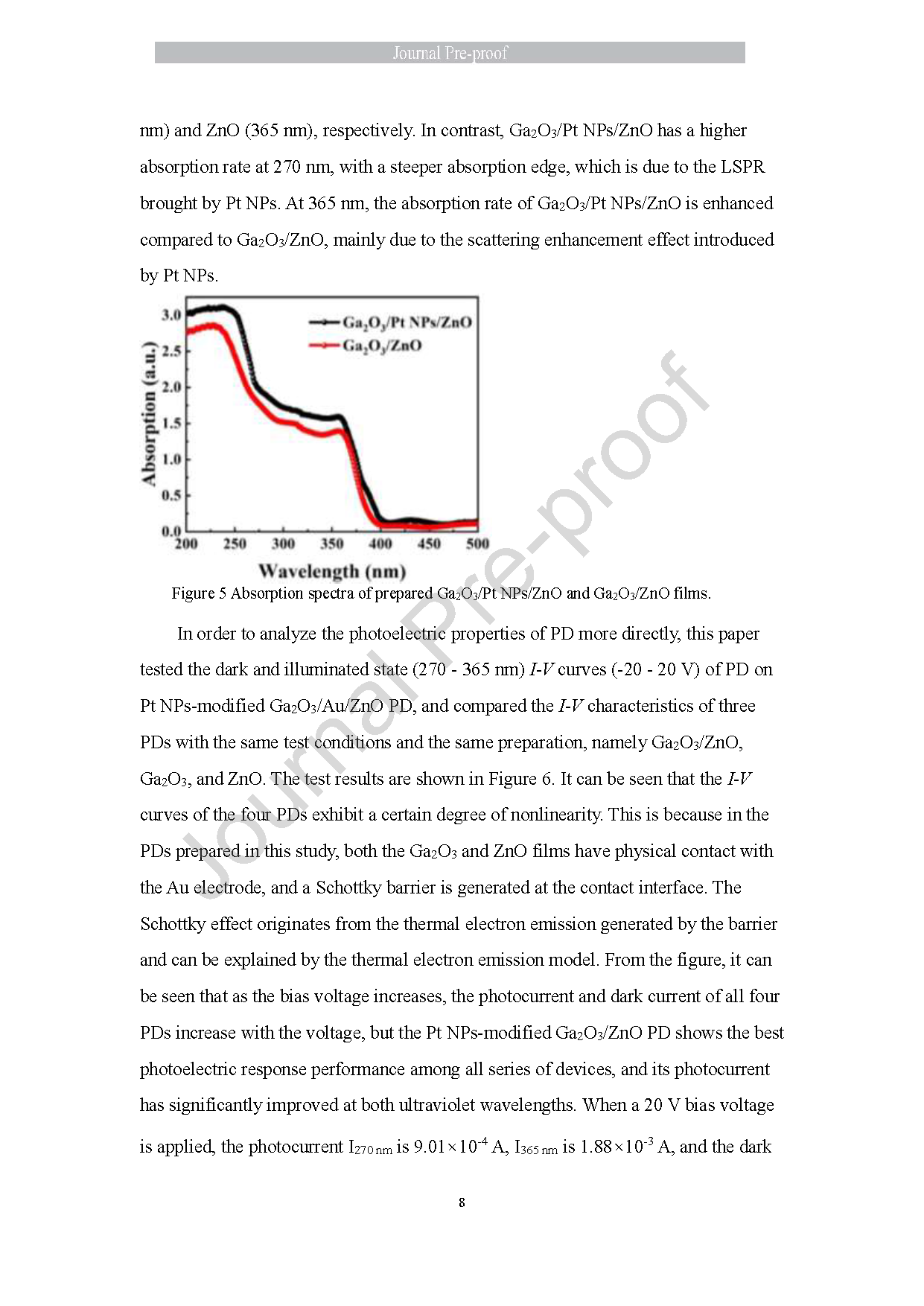
Figure 5 Absorption spectra of prepared Ga₂O₃/Pt NPs/ZnO and Ga₂O₃/ZnO films.
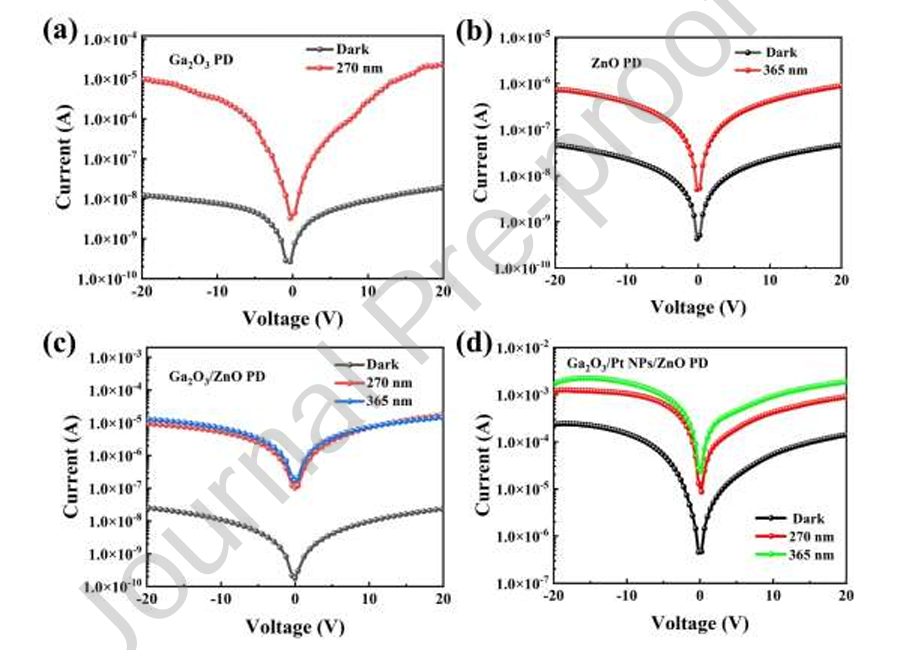
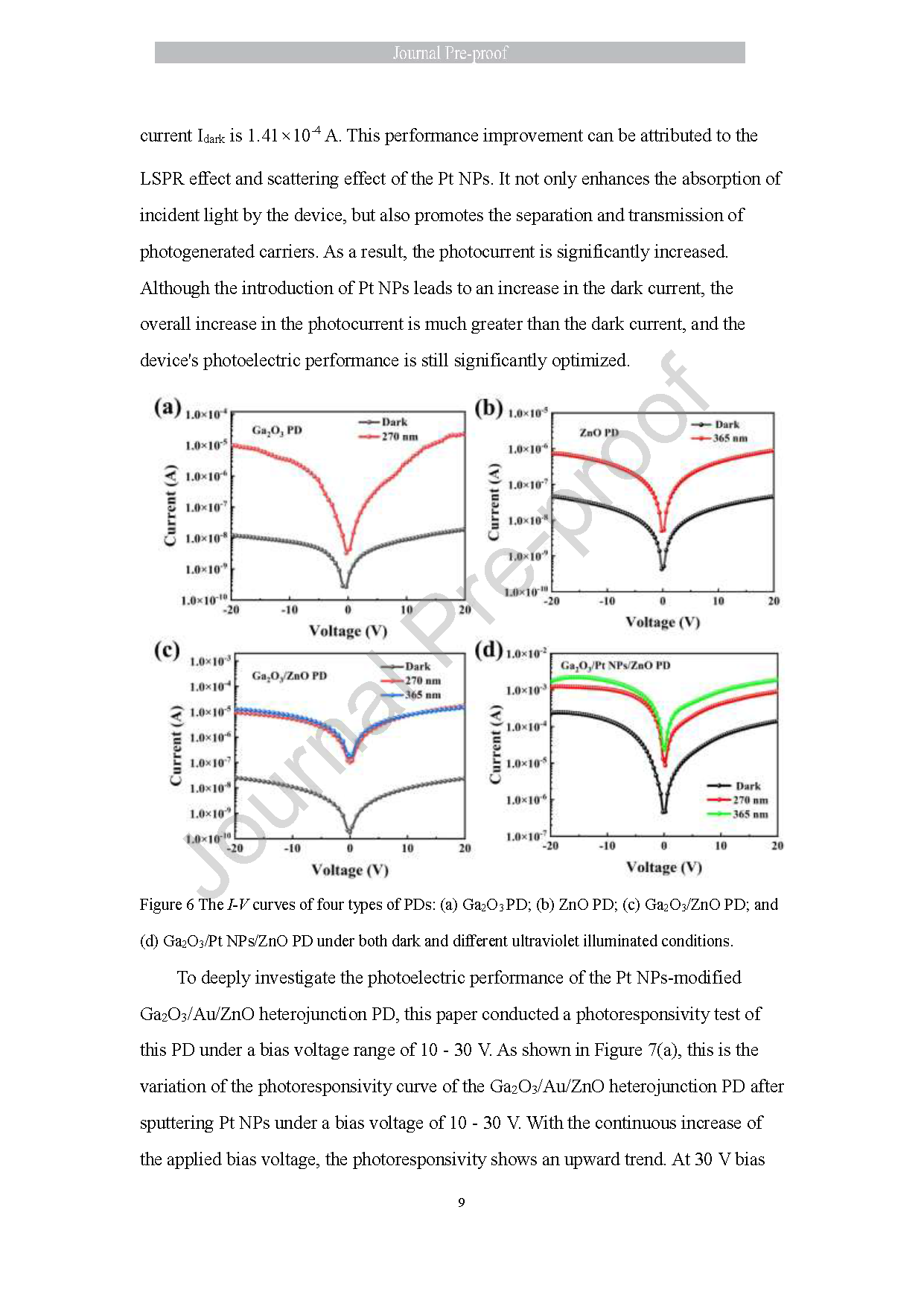
Figure 6 The I-V curves of four types of PDs: (a) Ga₂O₃ PD ;(b) ZnO PD; (c) Ga₂O₃/ZnO PD; and (d) Ga₂O₃/Pt NPs/ZnO PD under both dark and different ultraviolet illuminated conditions.
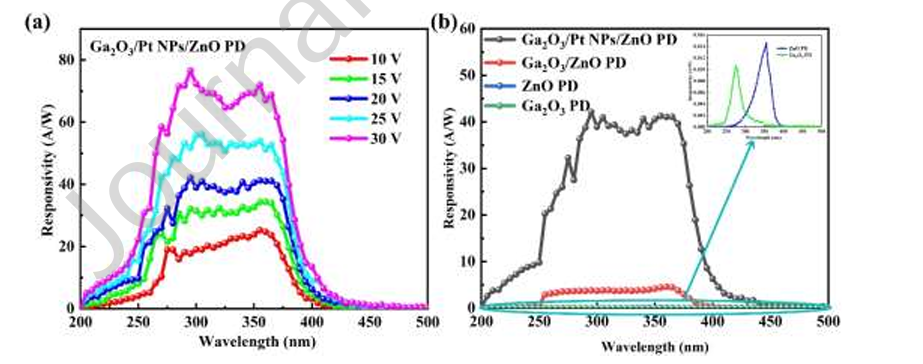
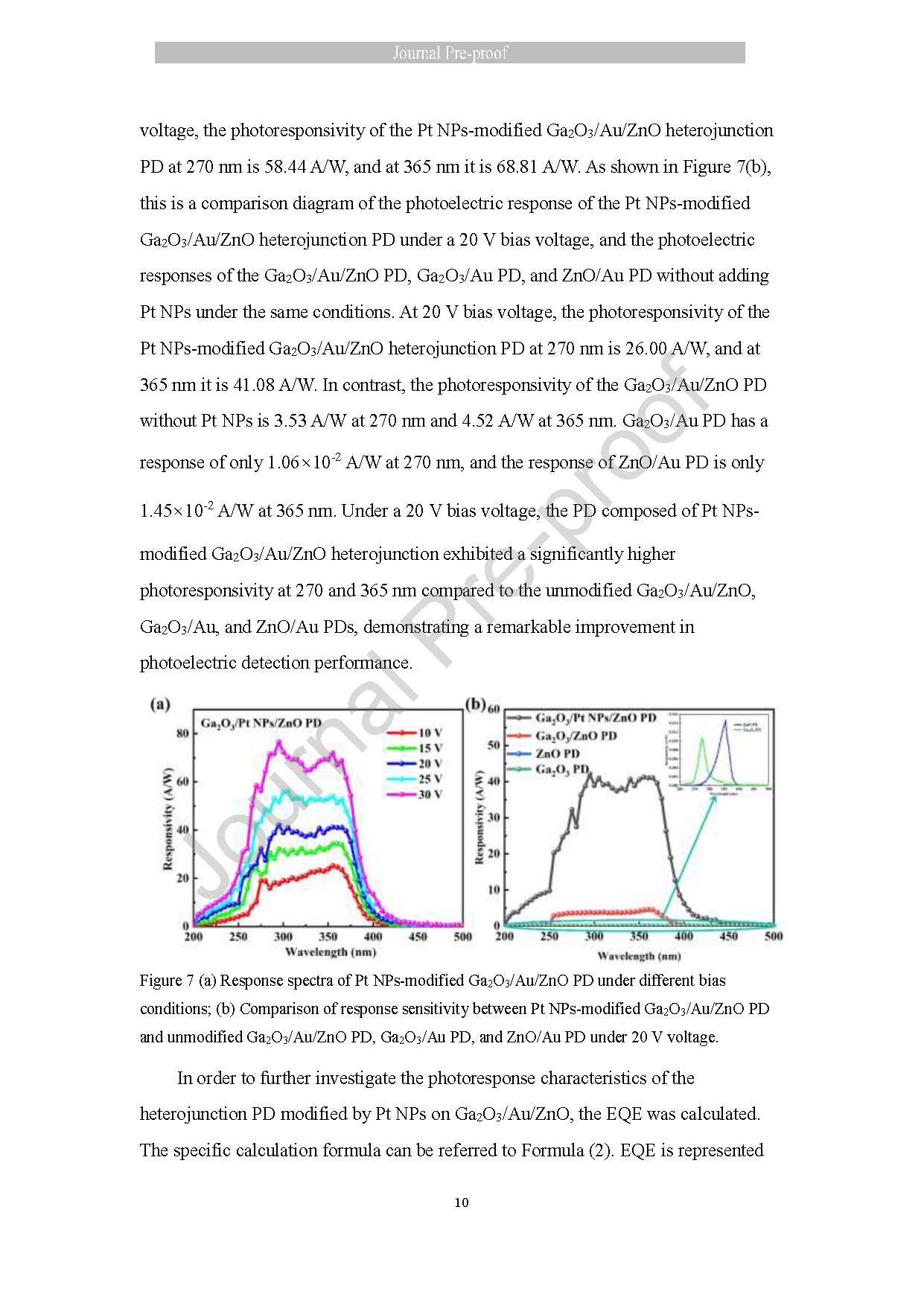
Figure 7 (a) Response spectra of Pt NPs-modified Ga₂O₃/Au/ZnO PD under different bias conditions; (b) Comparison of response sensitivity between Pt NPs-modified Ga₂O₃/Au/ZnO PD and unmodified Ga₂O₃/Au/ZnO PD, Ga₂O₃/Au PD, and ZnO/Au PD under 20 V voltage.
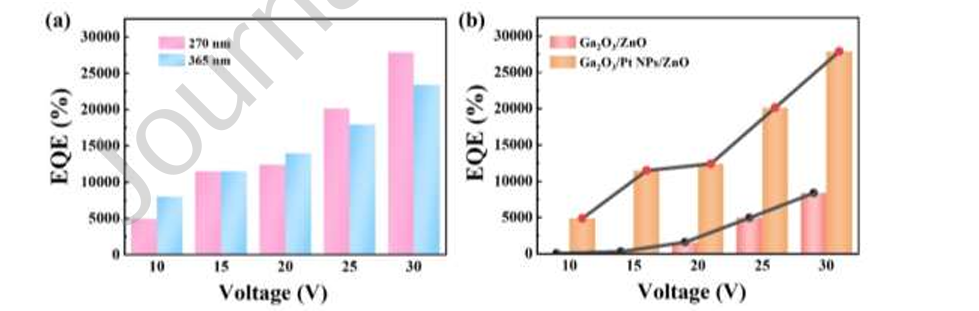
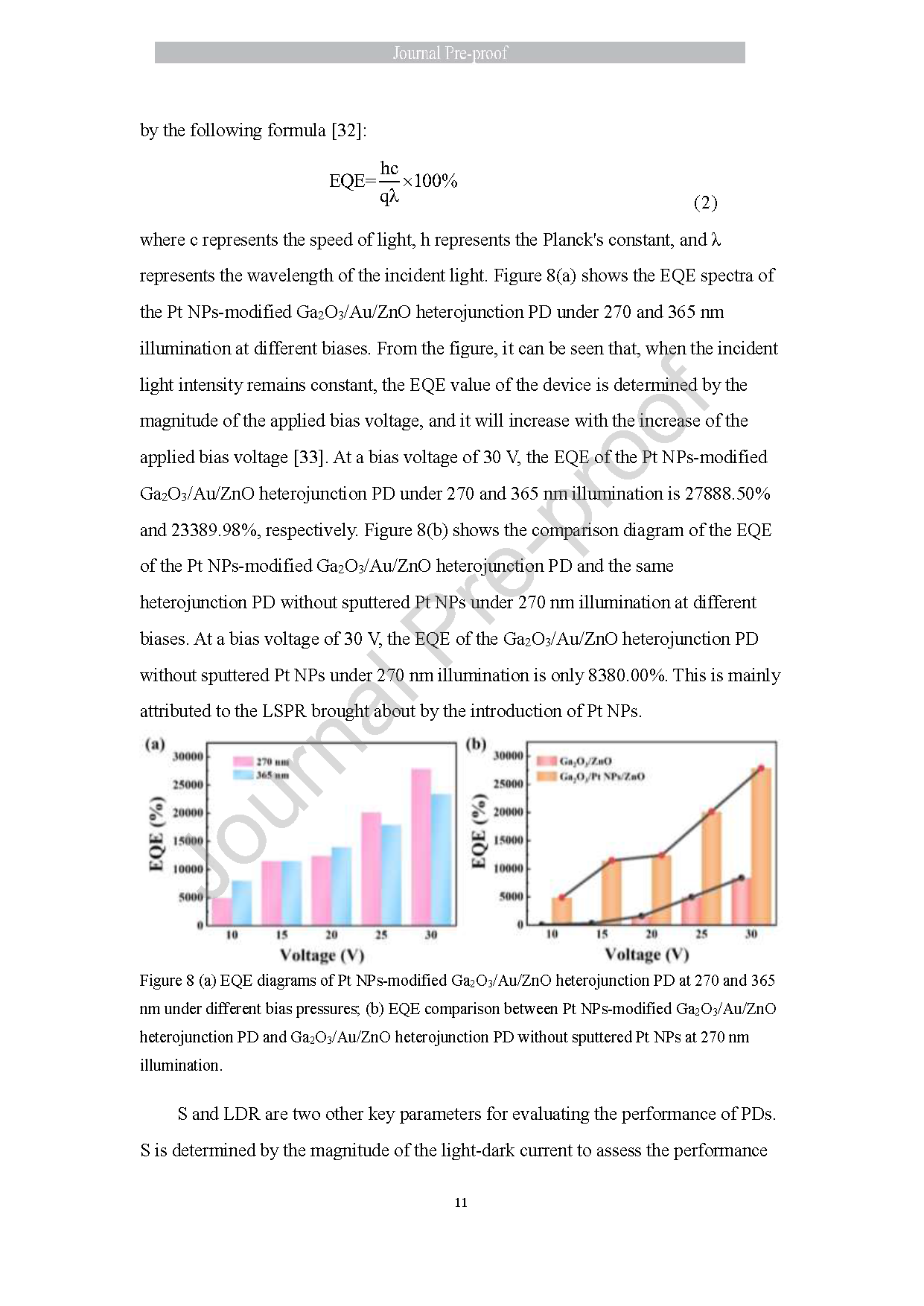
Figure 8 (a) EQE diagrams of Pt NPs-modified Ga₂O₃/Au/ZnO heterojunction PD at 270 and 365 nm under different bias pressures; (b) EQE comparison between Pt NPs-modified Ga₂O₃/Au/ZnO heterojunction PD and Ga₂O₃/Au/ZnO heterojunction PD without sputtered Pt NPs at 270 nm illumination.
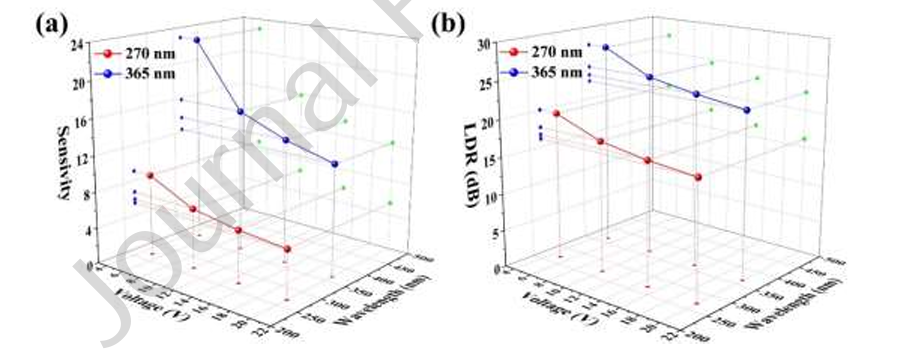
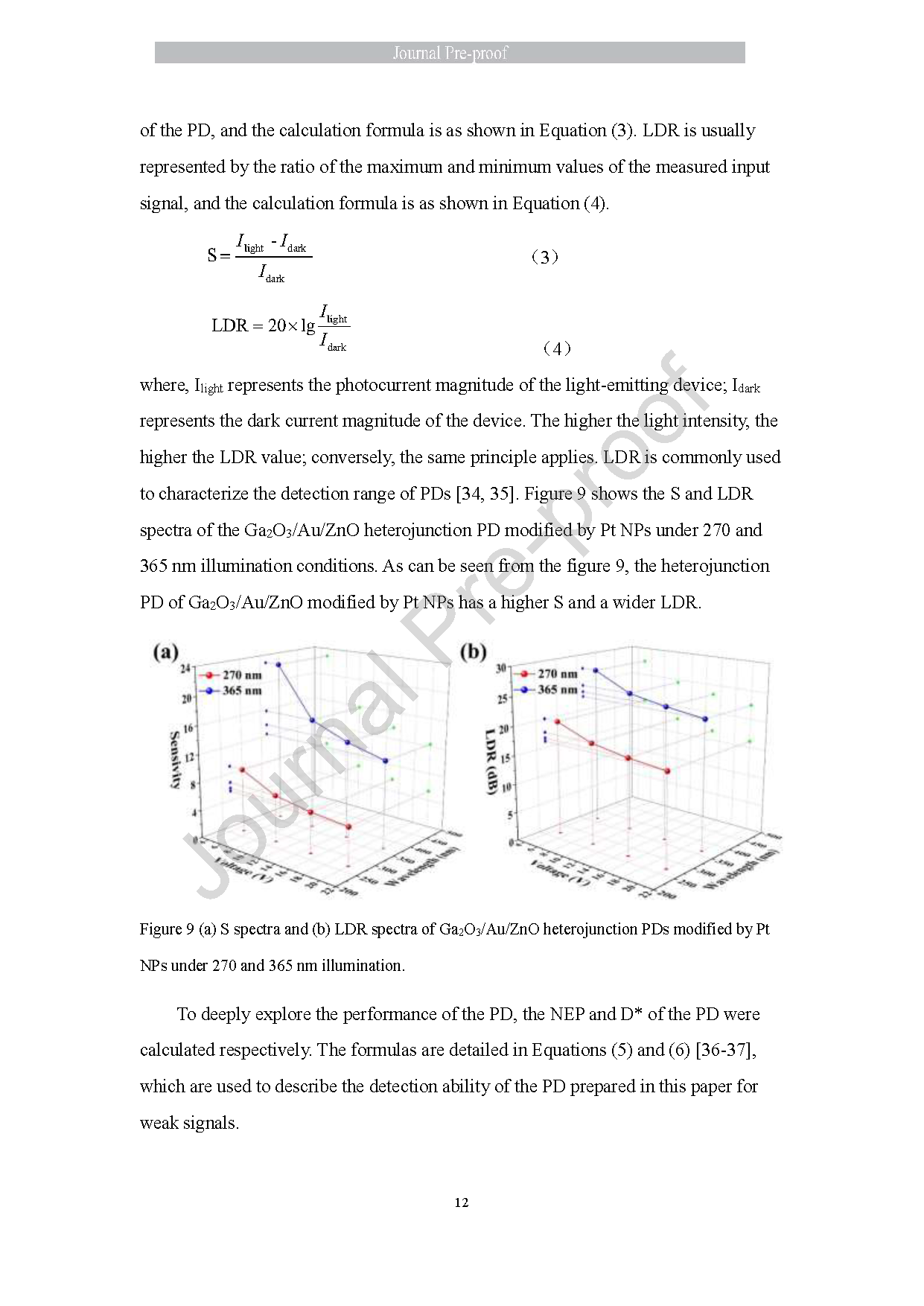
Figure 9 (a) S spectra and (b) LDR spectra of Ga₂O₃/Au/ZnO heterojunction PDs modified by Pt NPs under 270 and 365 nm illumination.
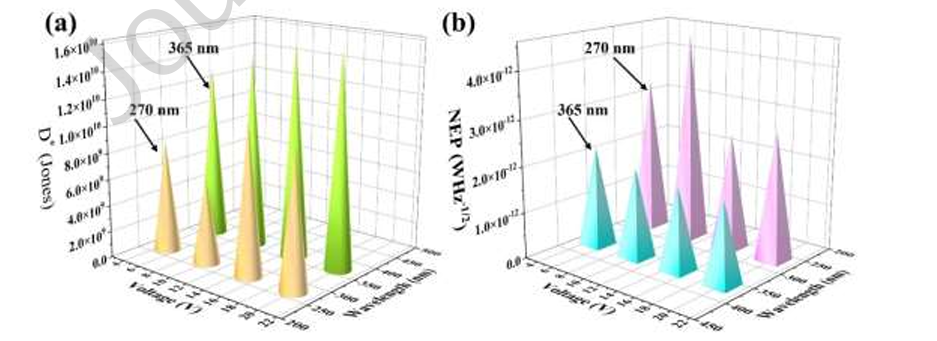
Figure 10 (a) D* and (b) NEP spectra of Ga₂O₃/Au/ZnO heterojunction PD modified by Pt NPs at 270 and 365 nm.
DOI:
doi.org/10.1016/j.jallcom.2026.189104

Instruction
Official Account

Cooperation
Top