


Researchers from Indian Institute of Technology Kharagpur have published a paper titled "Zn-induced phase engineering in β-Ga₂O₃ for heterointerface-controlled formaldehyde sensing" in Sensors & Actuators: B. Chemical.
Background
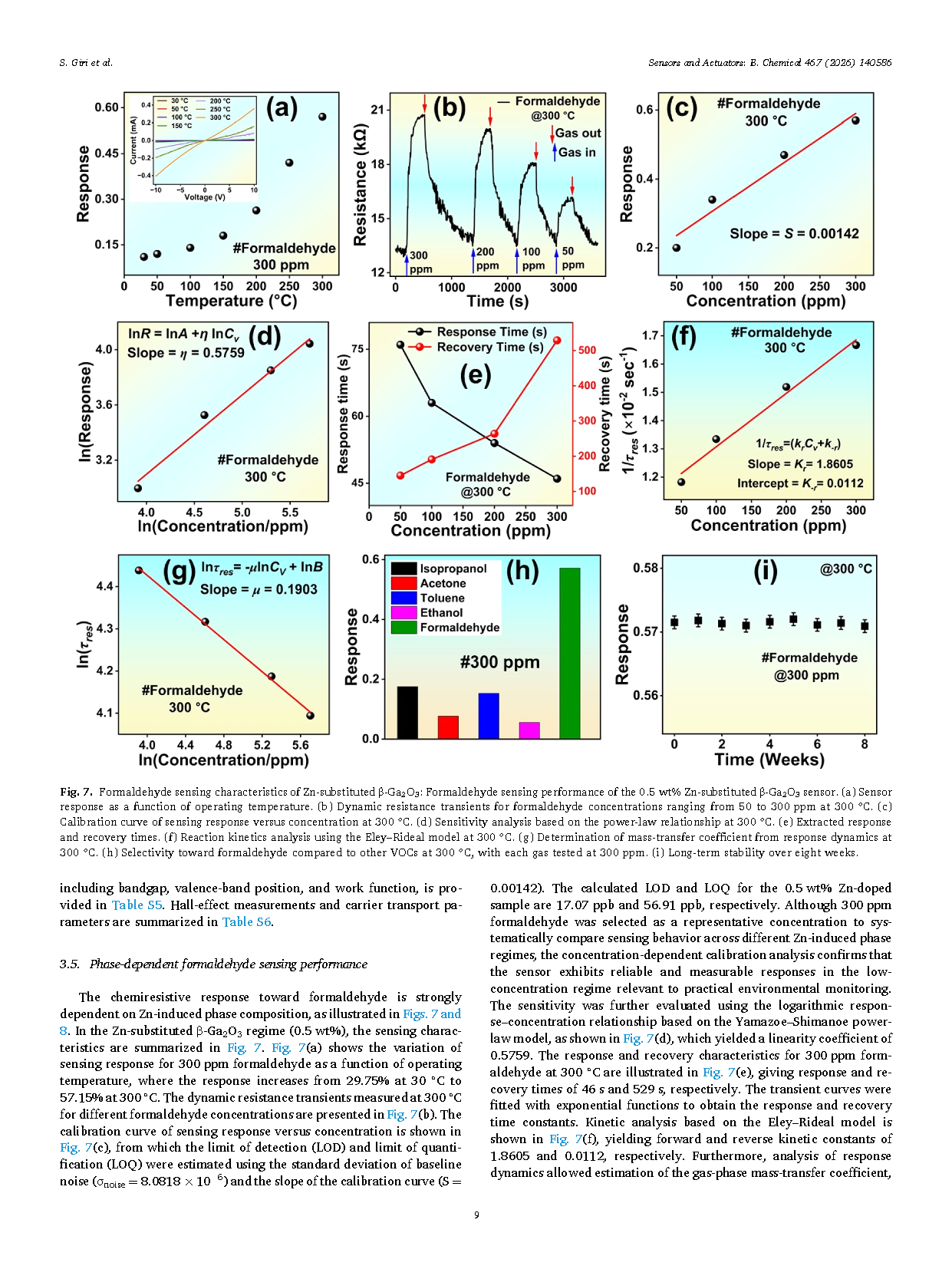
Formaldehyde is a typical volatile organic compound that causes severe health hazards after long-term exposure. Developing low-cost, highly selective and fast-response formaldehyde gas sensors is critical for environmental monitoring and non-invasive medical diagnosis. β-Ga₂O₃ possesses outstanding thermal and chemical stability as well as tunable surface chemistry, making it an ideal wide-bandgap candidate for gas sensing. Previous reports prove Zn incorporation can modify the electronic structure and oxygen-vacancy density of gallium oxide to optimize gas adsorption/desorption behaviors. However, the correlation among Zn-driven phase evolution, heterointerface formation and sensing performance remains insufficiently clarified. Conventional single Zn doping only optimizes partial sensing characteristics and cannot simultaneously balance selectivity, detection limit and response-recovery kinetics. In this work, systematic structural investigations are carried out over a wide Zn compositional range of 0-100 wt% to distinguish three distinct phase regimes: Zn-substituted β-Ga₂O₃, β-Ga₂O₃/ZnGa₂O₄ heterostructures and ZnGa₂O₄/ZnO composites. The band alignment and interfacial charge transfer modulation of different heterointerfaces are elucidated, and the structure-interface-sensing performance relationship is established, offering a novel phase-engineering strategy for high-performance Ga₂O₃-based formaldehyde sensors.
Abstract
Zinc incorporation in β-Ga₂O₃ is widely explored for tuning electronic properties; however, its role in driving phase evolution and interfacial phenomena relevant to gas sensing remains insufficiently understood. Here, we systematically investigate Zn-induced phase engineering in β-Ga₂O₃ nanostructures over a wide compositional range (0-100 wt%) and elucidate its impact on formaldehyde sensing. Structural analysis using ex-situ and in-situ high-temperature X-ray diffraction reveals three distinct regimes: Zn-substituted β-Ga₂O₃ (≤0.5 wt%), β-Ga₂O₃/ZnGa₂O₄ heterostructures (1-25 wt%), and ZnGa₂O₄/ZnO composites (≥50 wt%). The progressive phase evolution is accompanied by pronounced changes in lattice behavior, microstructure, and electronic properties, as confirmed by Rietveld refinement, electron microscopy, X-ray and ultraviolet photoelectron spectroscopy, and optical absorption studies. Gas-sensing measurements demonstrate that formaldehyde detection is strongly phase-dependent. Zn-substituted β-Ga₂O₃ exhibits high selectivity, while ZnGa₂O₄/ZnO composites achieve ultra-low detection limit and rapid response-recovery speed. The sensing behavior is governed by phase-specific band alignment and interfacial charge transfer across n-n heterojunctions, which modulate oxygen adsorption and depletion-layer dynamics. This work establishes phase engineering as a decisive strategy for tailoring β-Ga₂O₃-derived heterostructures and provides clear structure-interface-function relationships for the rational design of high-performance formaldehyde sensors.
Highlights
In-situ high-temperature XRD phase tracking is performed across the full 0-100 wt% Zn range, identifying three thermodynamically stable phase regimes: low-concentration Zn-substituted β-Ga₂O₃, medium-concentration biphasic heterostructures, and high-concentration ZnGa₂O₄/ZnO composite systems;
The band alignment difference of various heterointerfaces is revealed, and dual sensing mechanisms dominated by n-n heterojunction depletion layer modulation and interfacial charge transfer are clarified. Low-doped samples realize high selectivity via surface adsorption, while high-doped composites achieve ultra-sensitivity through interfacial carrier transport;
The 0.5 wt% Zn single-substituted sensor shows 3.25 times higher response to formaldehyde than isopropanol, realizing effective discrimination against various volatile organic interferents;
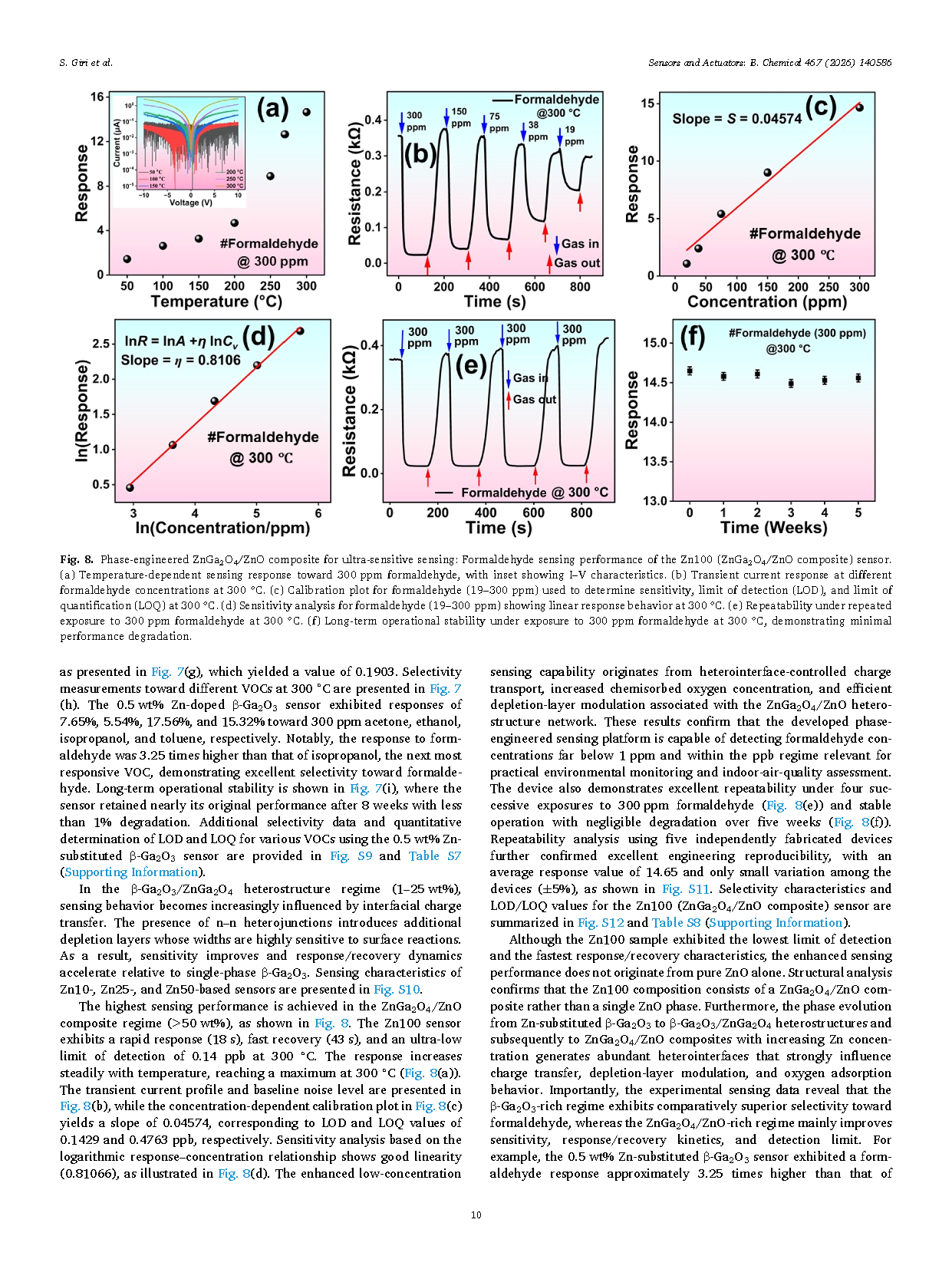
The 100 wt% Zn composite sensor achieves an ultra-low formaldehyde limit of detection of 0.14 ppb, with fast response/recovery time of 18 s/43 s and excellent long-term operational stability;
Quantifiable phase-engineering design rules are established to balance selectivity, sensitivity and response speed by tuning Zn loading, providing a universal route for scalable fabrication of Ga₂O₃-based gas sensors.
Conclusion
This study demonstrates that Zn incorporation in Ga₂O₃ serves as an effective phase-engineering strategy governing structural evolution, electronic structure, and formaldehyde sensing performance. Systematic variation of Zn concentration (0-100 wt%) revealed three distinct regimes: Zn-substituted β-Ga₂O₃, β-Ga₂O₃/ZnGa₂O₄ heterostructures, and ZnGa₂O₄/ZnO composites. Structural and spectroscopic analyses confirmed thermodynamically driven phase evolution, heterointerface formation, band-structure modulation, and defect-state variation with increasing Zn content. The formaldehyde sensing behavior was strongly phase-dependent. Zn-substituted β-Ga₂O₃ exhibited enhanced selectivity, whereas ZnGa₂O₄/ZnO composites demonstrated rapid response/recovery and sub-ppb detection capability due to heterojunction-assisted charge transfer and depletion-layer modulation. UPS/XPS, BET, and FESEM analyses further revealed that enhanced oxygen adsorption, interfacial charge transport, and hierarchical porous morphology collectively contribute to improved sensing kinetics and sensitivity. Collectively, the results establish phase engineering, rather than elemental doping alone, as a powerful strategy for tuning β-Ga₂O₃ derived gas sensors. The experimentally supported phase-engineering framework presented here provides practical design guidelines for scalable mixed-metal-oxide sensing platforms for selective and ultra-sensitive VOC detection.
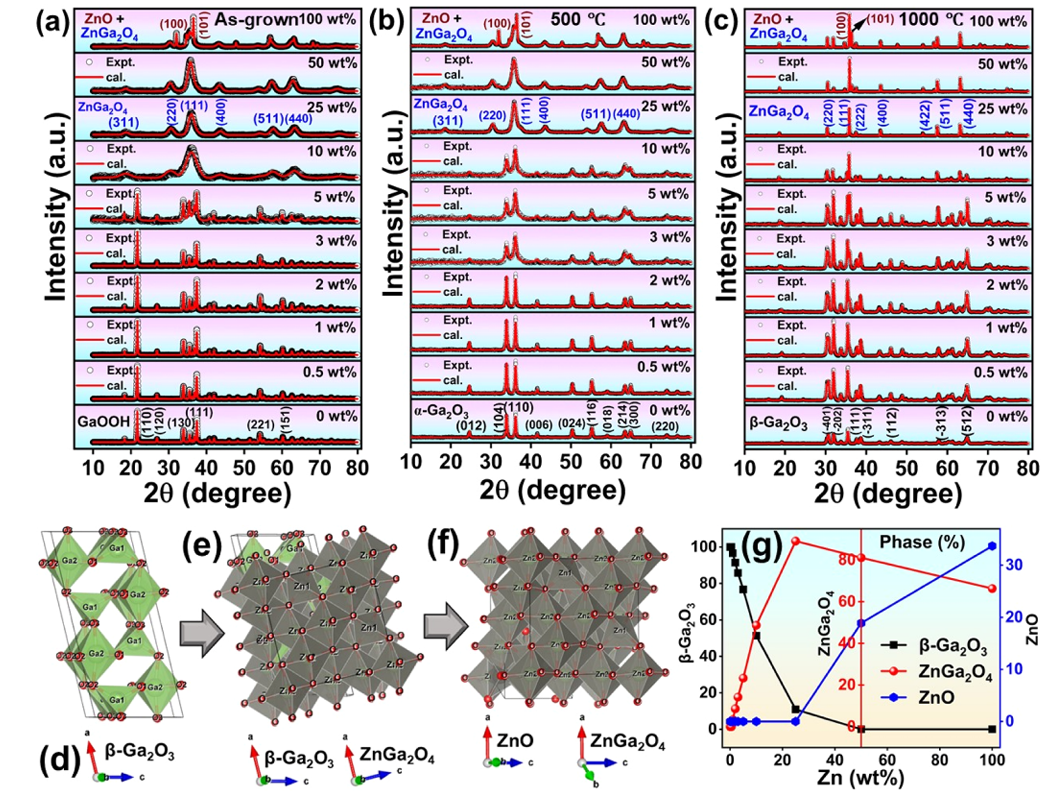
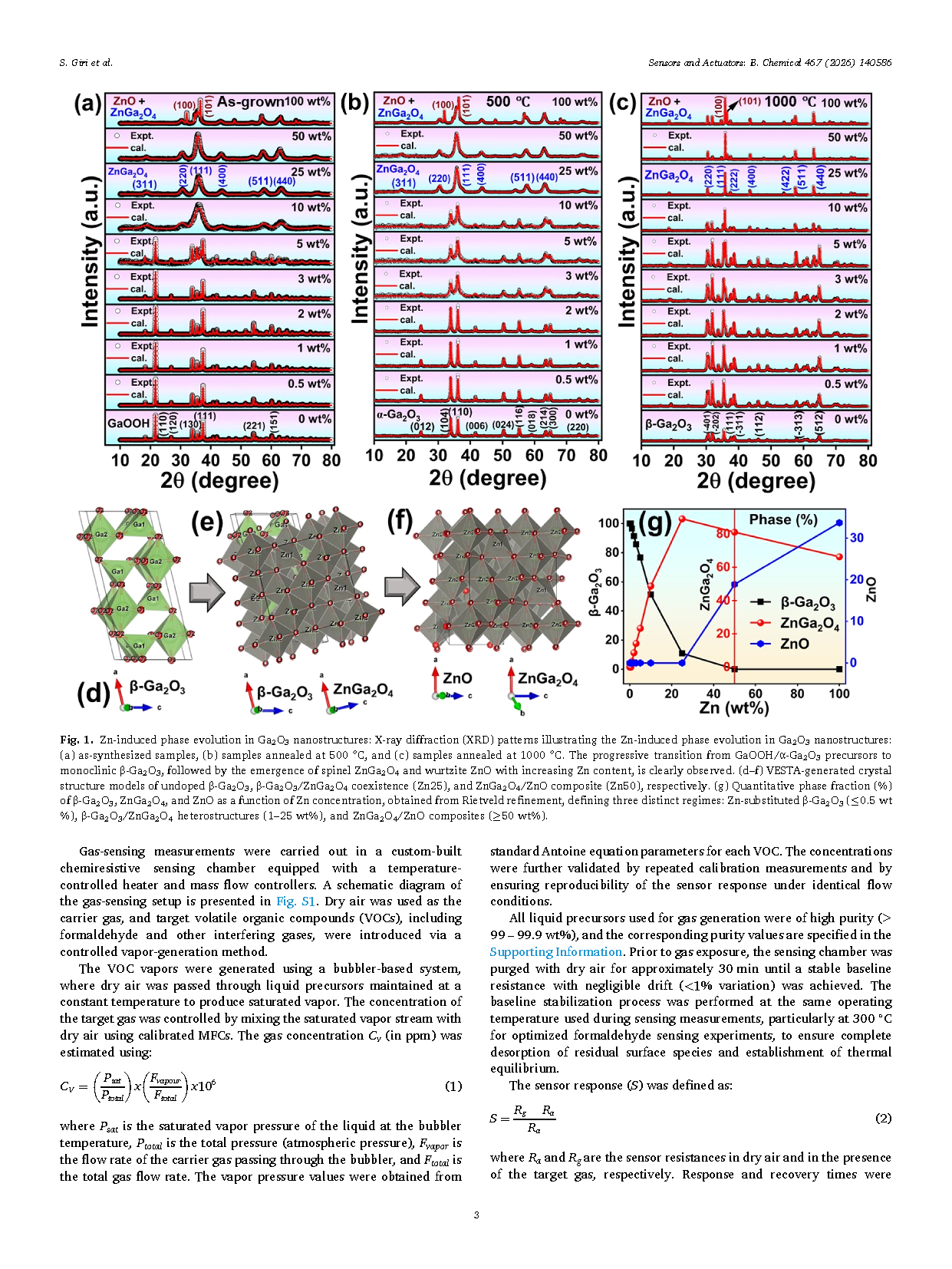
Figure 1 X-ray diffraction (XRD) patterns illustrating the Zn-induced phase evolution in Ga₂O₃ nanostructures: (a) as-synthesized samples, (b) samples annealed at 500 ◦C, and (c) samples annealed at 1000 ◦C. The progressive transition from GaOOH/α-Ga₂O₃ precursors to monoclinic β-Ga₂O₃ followed by the emergence of spinel ZnGa₂O₄ and wurtzite ZnO with increasing Zn content, is clearly observed. (d-f) VESTA-generated crystal structure models of undoped β-Ga₂O₃, β-Ga₂O₃/ZnGa₂O₄ coexistence (Zn25), and ZnGa₂O₄/ZnO composite (Zn50), respectively. (g) Quantitative phase fraction (%) of β-Ga₂O₃, ZnGa₂O₄ and ZnO as a function of Zn concentration, obtained from Rietveld refinement, defining three distinct regimes: Zn-substituted β-Ga₂O₃ (≤0.5 wt%), β-Ga₂O₃/ZnGa₂O₄ heterostructures (1-25 wt%), and ZnGa₂O₄/ZnO composites (≥50 wt%)
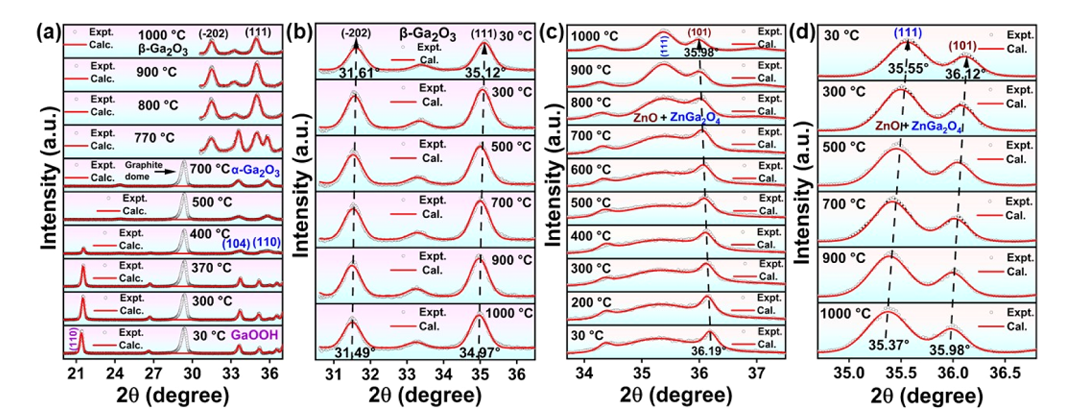
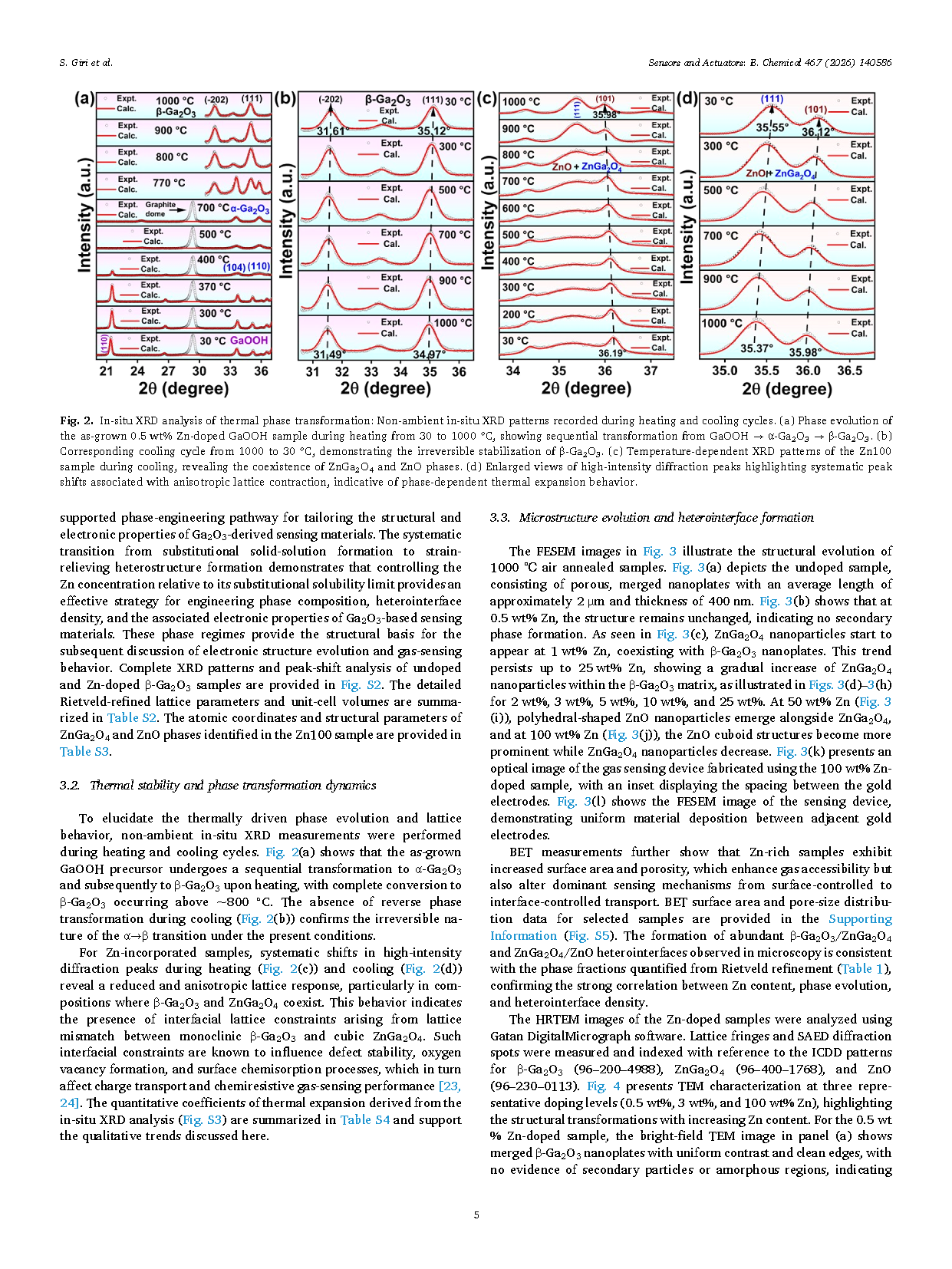
Figure 2 Non-ambient in-situ XRD patterns recorded during heating and cooling cycles. (a) Phase evolution of the as-grown 0.5 wt% Zn-doped GaOOH sample during heating from 30 to 1000 ◦C, showing sequential transformation from GaOOH → α-Ga₂O₃ → β-Ga₂O₃. (b) Corresponding cooling cycle from 1000 to 30 °C, demonstrating the irreversible stabilization of β-Ga₂O₃. (c) Temperature-dependent XRD patterns of the Zn100 sample during cooling, revealing the coexistence of ZnGa₂O₄ and ZnO phases. (d) Enlarged views of high-intensity diffraction peaks highlighting systematic peak shifts associated with anisotropic lattice contraction, indicative of phase-dependent thermal expansion behavior
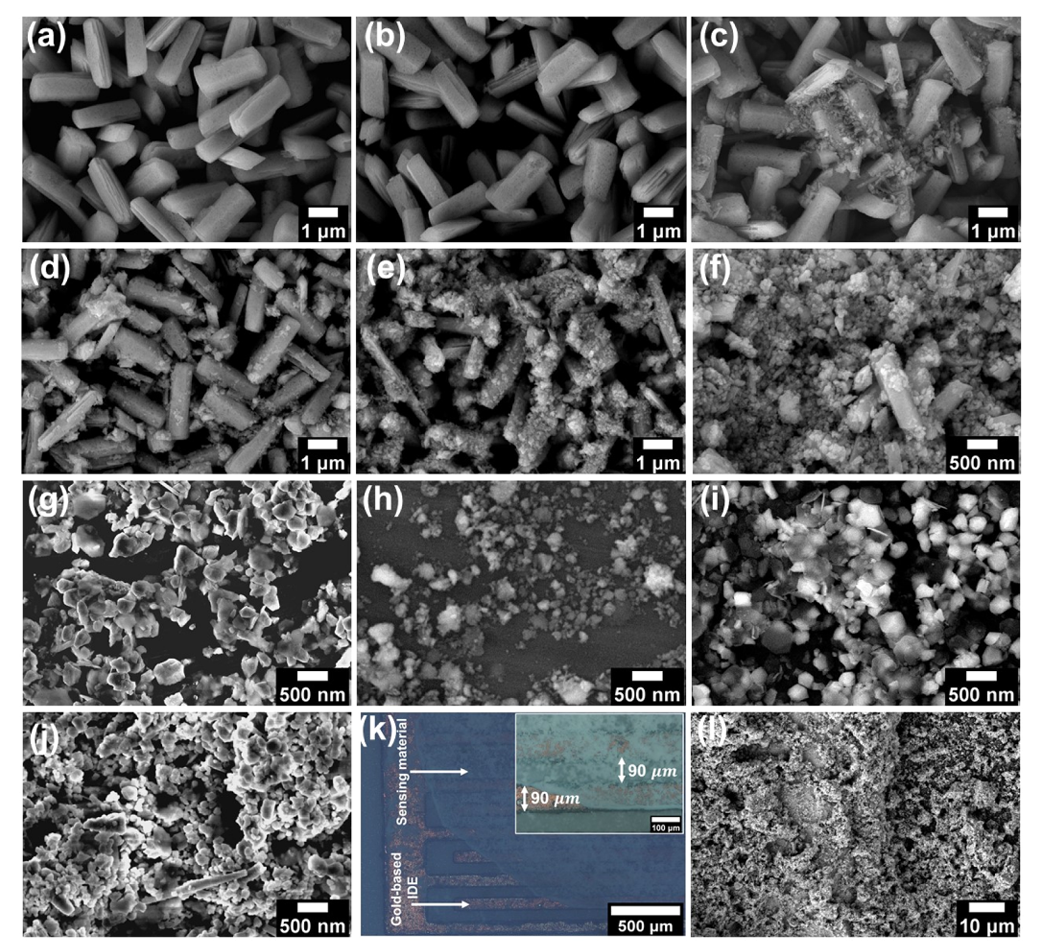
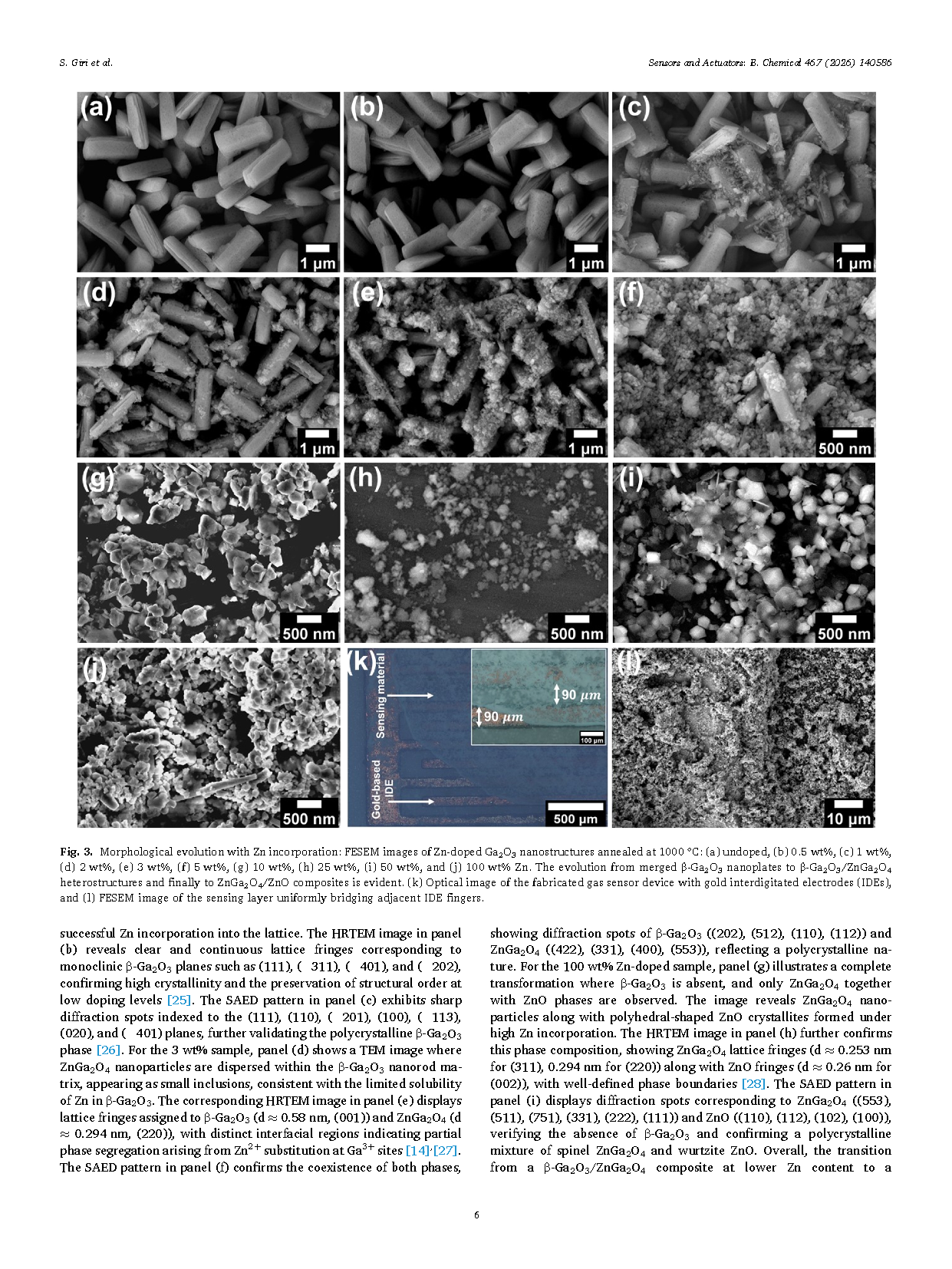
Figure 3 FESEM images of Zn-doped Ga₂O₃ nanostructures annealed at 1000 ◦C: (a) undoped, (b) 0.5 wt%, (c) 1 wt%, (d) 2 wt%, (e) 3 wt%, (f) 5 wt%, (g) 10 wt%, (h) 25 wt%, (i) 50 wt%, and (j) 100 wt% Zn. The evolution from merged β-Ga₂O₃ nanoplates to β-Ga₂O₃/ZnGa₂O₄ heterostructures and finally to ZnGa₂O₄/ZnO composites is evident. (k) Optical image of the fabricated gas sensor device with gold interdigitated electrodes (IDEs), (l) FESEM image of the sensing layer uniformly bridging adjacent IDE fingers
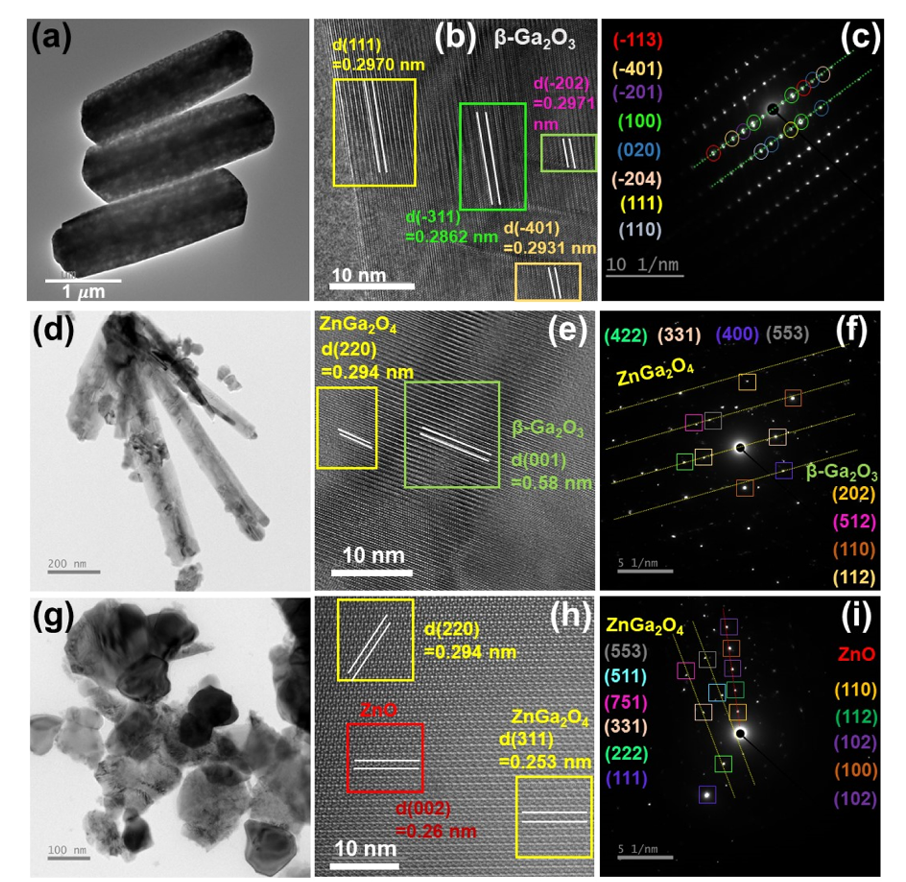
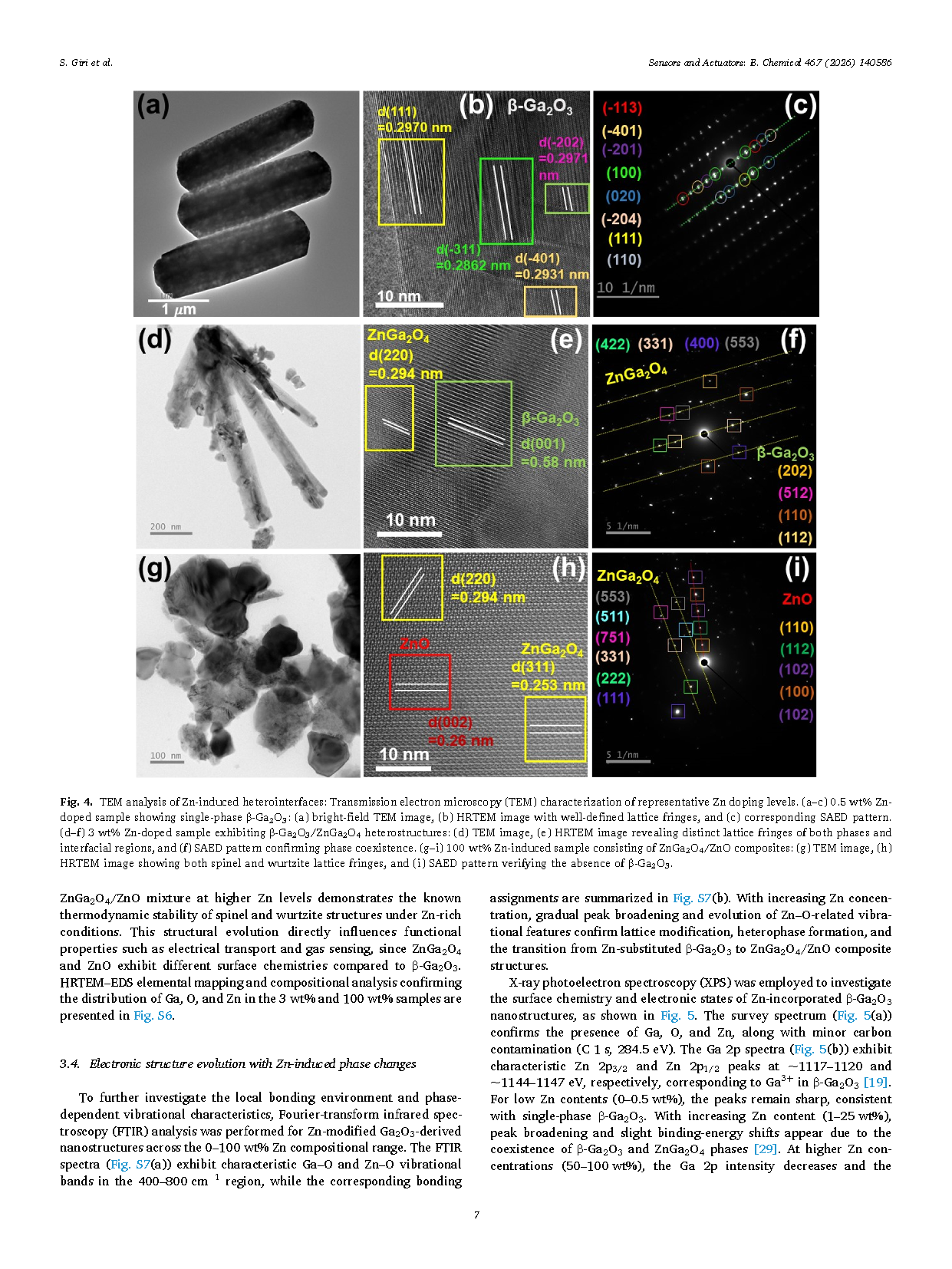
Figure 4 Transmission electron microscopy (TEM) characterization of representative Zn doping levels. (a-c) 0.5 wt% Zn-doped sample showing single-phase β-Ga₂O₃ (a) bright-field TEM image, (b) HRTEM image with well-defined lattice fringes, and (c) corresponding SAED pattern. (d-f) 3 wt% Zn-doped sample exhibiting β-Ga₂O₃/ZnGa₂O₄ heterostructures: (d) TEM image, (e) HRTEM image revealing distinct lattice fringes of both phases and interfacial regions, and (f) SAED pattern confirming phase coexistence. (g-i) 100 wt% Zn-induced sample consisting of ZnGa₂O₄/ZnO composites: (g) TEM image, (h) HRTEM image showing both spinel and wurtzite lattice fringes, and (i) SAED pattern verifying the absence of β-Ga₂O₃
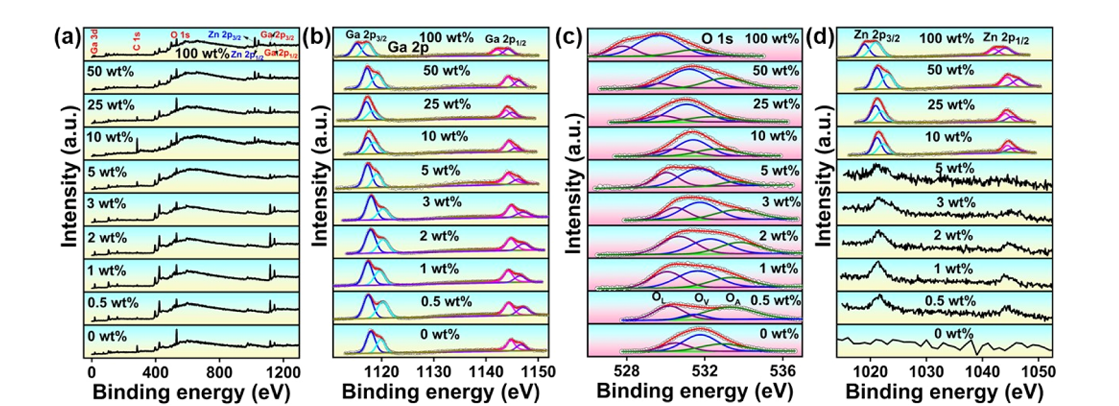
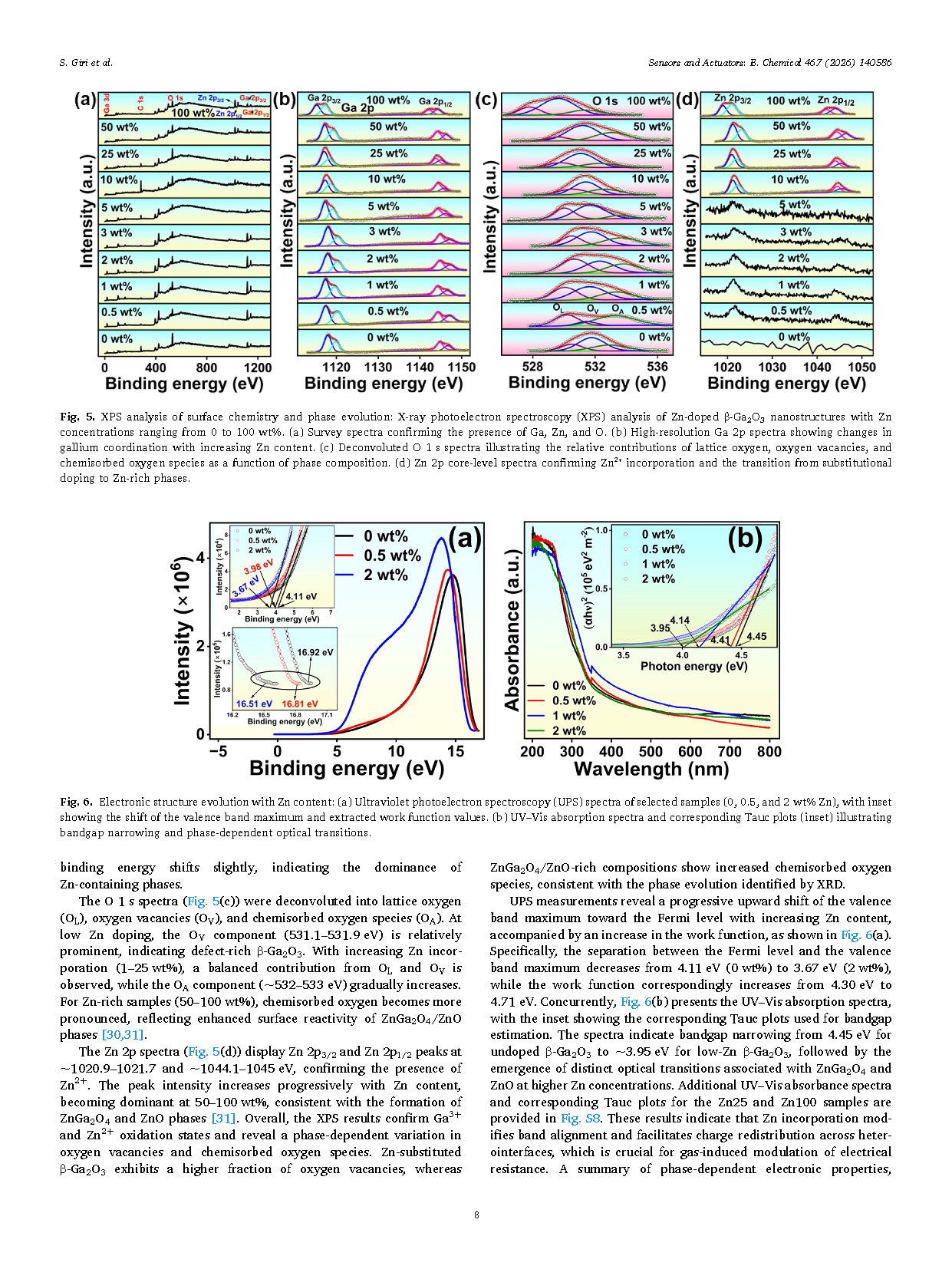
Figure 5 X-ray photoelectron spectroscopy (XPS) analysis of Zn-doped β-Ga₂O₃ nanostructures with Zn concentrations ranging from 0 to 100 wt%. (a) Survey spectra confirming the presence of Ga, Zn, and O. (b) High-resolution Ga 2p spectra showing changes in gallium coordination with increasing Zn content. (c) Deconvoluted O 1 s spectra illustrating the relative contributions of lattice oxygen, oxygen vacancies, and chemisorbed oxygen species as a function of phase composition. (d) Zn 2p core-level spectra confirming Zn²⁺ incorporation and the transition from substitutional doping to Zn-rich phases
DOI:
doi.org/10.1016/j.snb.2026.140586
Instruction
Official Account

Cooperation
Top