


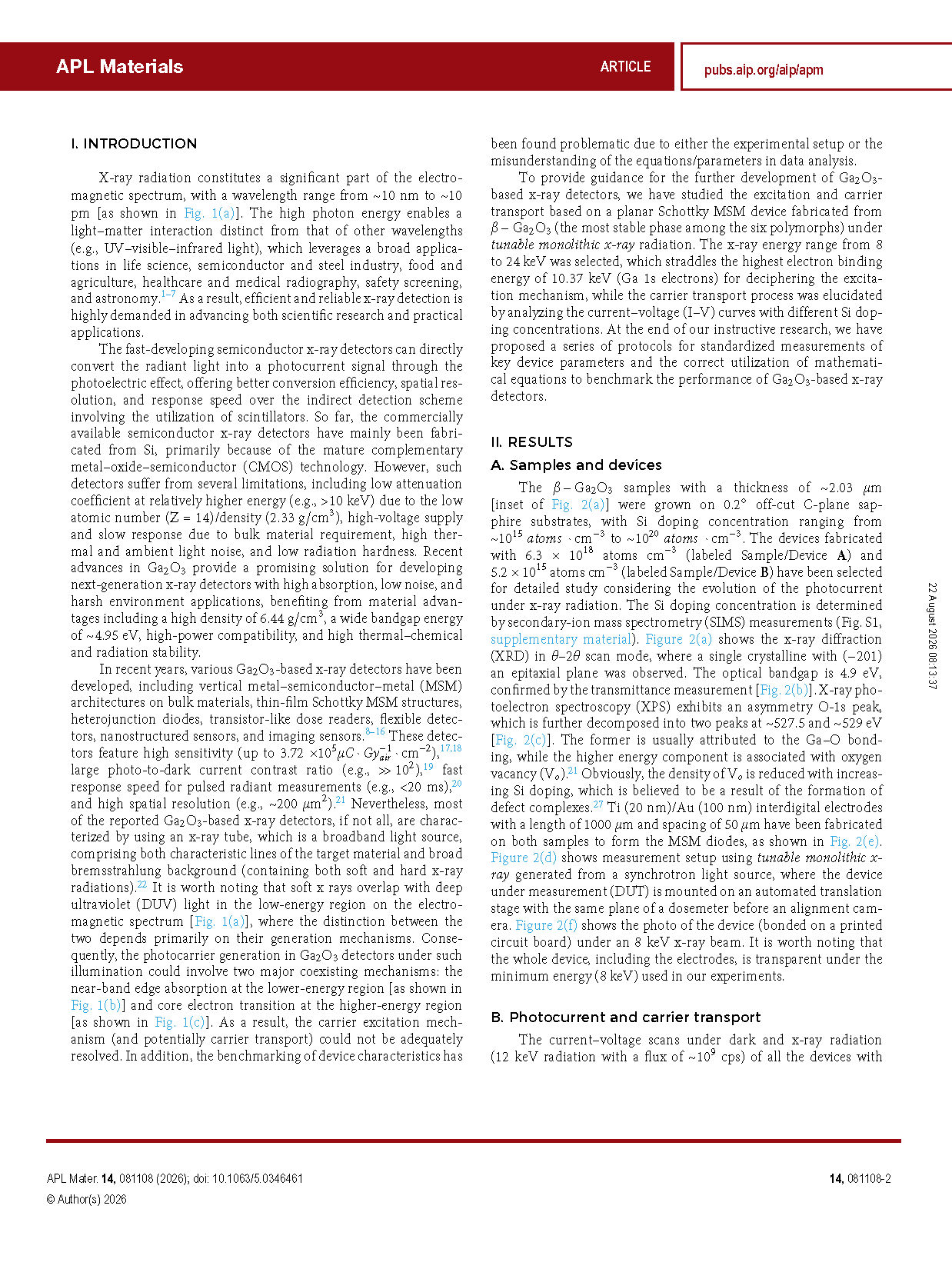
A research team led by Professor Yaonan Hou from Swansea University has published a paper in APL Materials entitled “A critical consideration of X-ray detectors based on Ga₂O₃: Excitation, carrier transport mechanisms, and performance standardization.” Using a synchrotron radiation source, the team investigated the carrier excitation and transport mechanisms in Ga₂O₃-based X-ray detectors and proposed standardized methods for device testing and performance evaluation. The work was selected as an Editor’s Pick by the journal.
Background
With the rapid development of medical imaging, security inspection, industrial non-destructive testing, and synchrotron radiation science, there is a growing demand for high-performance X-ray detectors. Compared with conventional silicon-based detectors, β-Ga₂O₃ features an ultra-wide bandgap of approximately 4.9 eV, high density, high thermal stability, and excellent radiation resistance, demonstrating significant potential for X-ray detection applications requiring high sensitivity, low noise, and operation under harsh environments. However, research on Ga₂O₃ X-ray detectors still faces two major challenges. First, broad-spectrum X-ray tubes are commonly used for device characterization, making it difficult to accurately distinguish the carrier excitation mechanisms associated with X-rays of different energies. Second, testing methods and parameter definitions for device performance have not yet been standardized, making objective comparisons between different studies difficult and hindering further development of the field.
Abstract
In this study, the researchers fabricated planar Schottky MSM detectors based on epitaxially grown Si-doped β-Ga₂O₃ films and conducted systematic investigations using monochromatic and tunable synchrotron X-rays in the energy range of 8–24 keV. The study focused on the photo-generated carrier excitation mechanisms, carrier transport mechanisms, and methods for evaluating device performance.
First, by measuring the quantum efficiency and absorption characteristics at different X-ray energies, the researchers found that when the X-ray energy approaches the Ga 1s electron binding energy (approximately 10.5 keV), photo-generated carriers are mainly produced through direct absorption by core-shell electrons. At other energy ranges, inelastic scattering becomes the dominant process. These results provide a clear understanding of the photoexcitation mechanism in direct-conversion Ga₂O₃ X-ray detectors.
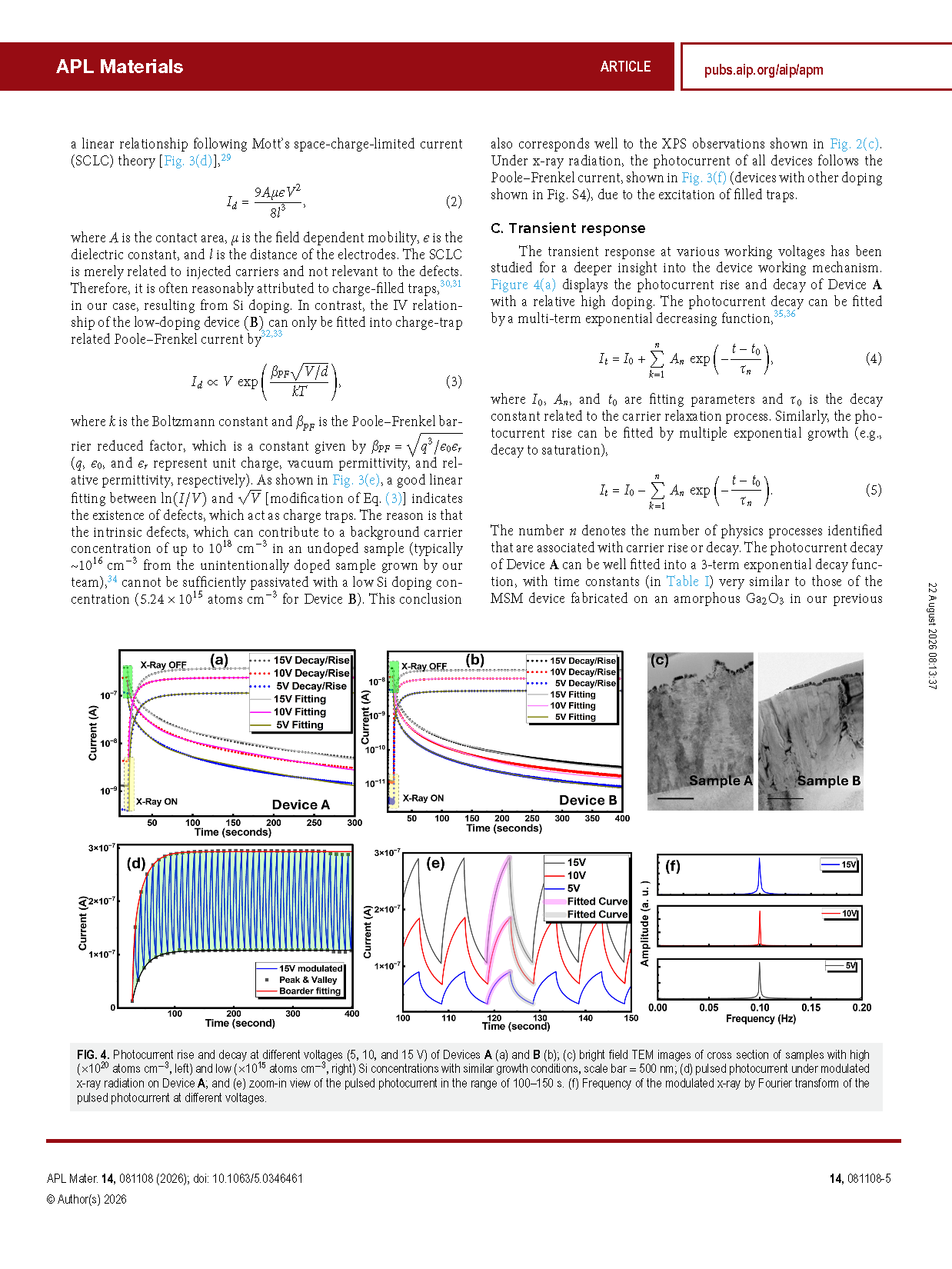
Second, by varying the Si doping concentration, the researchers investigated carrier transport behavior under dark and X-ray-illuminated conditions. The results showed that the dark current in highly doped devices was mainly governed by the space-charge-limited current (SCLC) mechanism, whereas low-doped devices exhibited Poole–Frenkel trap-assisted transport. Under X-ray irradiation, devices with different doping concentrations all exhibited Poole–Frenkel transport, indicating that photoexcitation can effectively activate trap states and facilitate carrier transport. Combined with transient response measurements, TEM, and XPS analyses, the study further revealed the important role of defects and their spatial distribution in determining response speed and overall device performance.
Finally, to address the lack of standardized performance evaluation in current Ga₂O₃ X-ray detector research, the paper proposes a comprehensive standardized testing and data-analysis procedure, covering the calculation of sensitivity, quantum efficiency, response time, effective detection area, and dose rate. The study also clarifies the definitions of relevant parameters and their calculation methods, providing a basis for consistent and standardized evaluation of Ga₂O₃ X-ray detector performance.
First systematic investigation of the excitation mechanism of Ga₂O₃ detectors using monochromatic, tunable synchrotron X-rays.The study clarifies the generation process of photo-generated carriers involving both direct absorption by core-shell electrons and inelastic scattering, providing a theoretical basis for understanding the X-ray detection mechanism of direct-conversion Ga₂O₃ detectors.
Systematic elucidation of the influence of Si doping concentration on carrier transport mechanisms.The researchers established carrier transport models under both dark and X-ray-illuminated conditions and, combined with defect analysis, clarified the role of defect traps in the device response.
Development of a standardized performance evaluation framework for Ga₂O₃ X-ray detectors. The study standardizes the measurement methods and calculation procedures for key parameters, including sensitivity, response time, and quantum efficiency, providing a unified basis for cross-comparison and device optimization across different studies. The proposed methodology can also be extended to other wide-bandgap semiconductor X-ray detectors.
Conclusion
This study not only clarifies the photo-generated carrier excitation mechanisms and carrier transport behavior of β-Ga₂O₃ X-ray detectors, but also establishes a comprehensive framework for device performance testing and evaluation. The experimental results demonstrate that highly doped devices achieve a sensitivity of 1.42 μC·mGy⁻¹·cm⁻² at 12 keV, together with a light-to-dark current ratio exceeding three orders of magnitude, while exhibiting excellent stability and radiation resistance.
More importantly, the standardized testing guidelines proposed in this work address the inconsistency in performance evaluation currently encountered in Ga₂O₃ X-ray detector research. They provide an important foundation for standardized research, device optimization, and future engineering applications of wide-bandgap semiconductor X-ray detectors, and are expected to accelerate the transition of this field from laboratory research toward practical applications.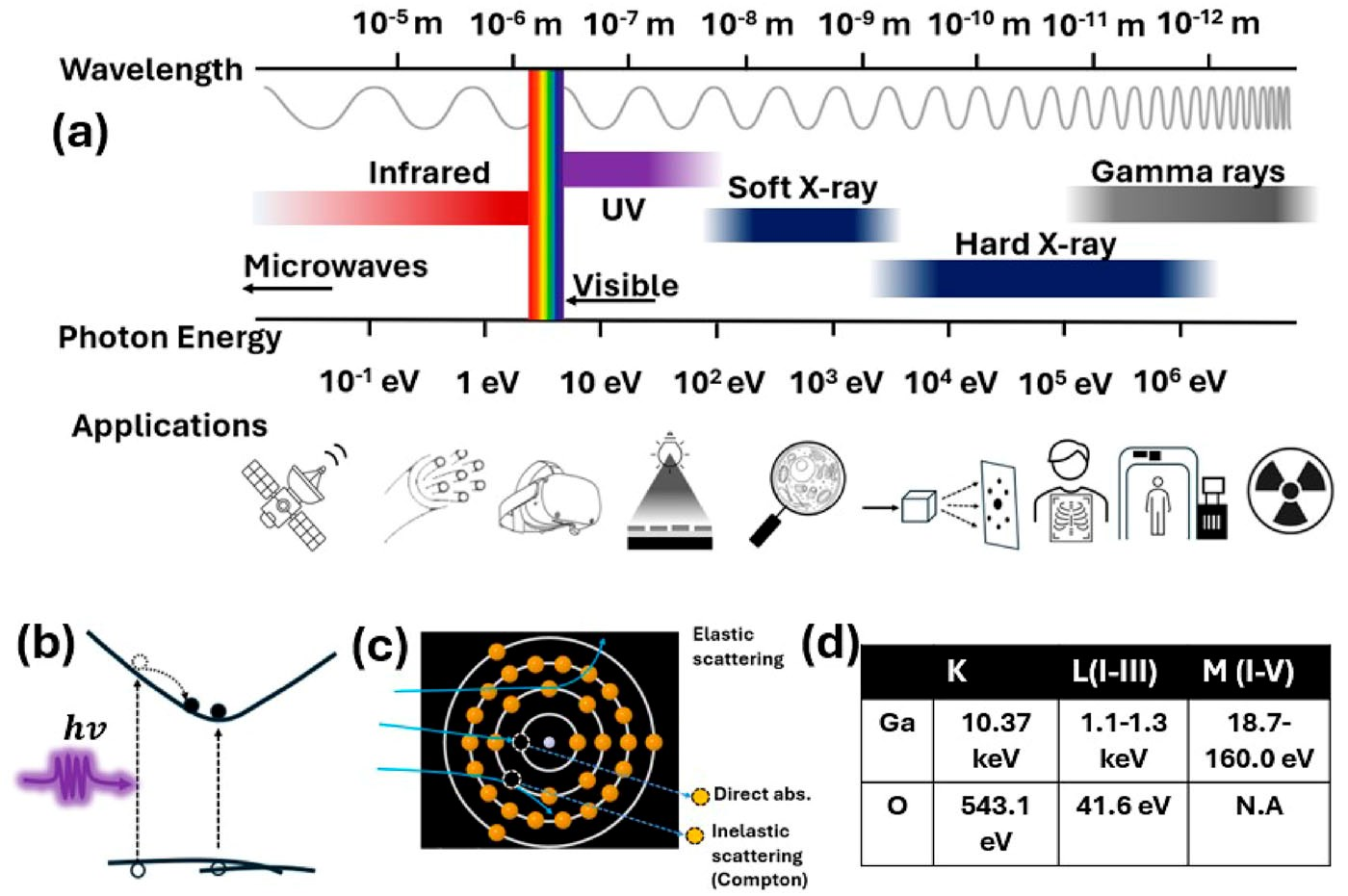
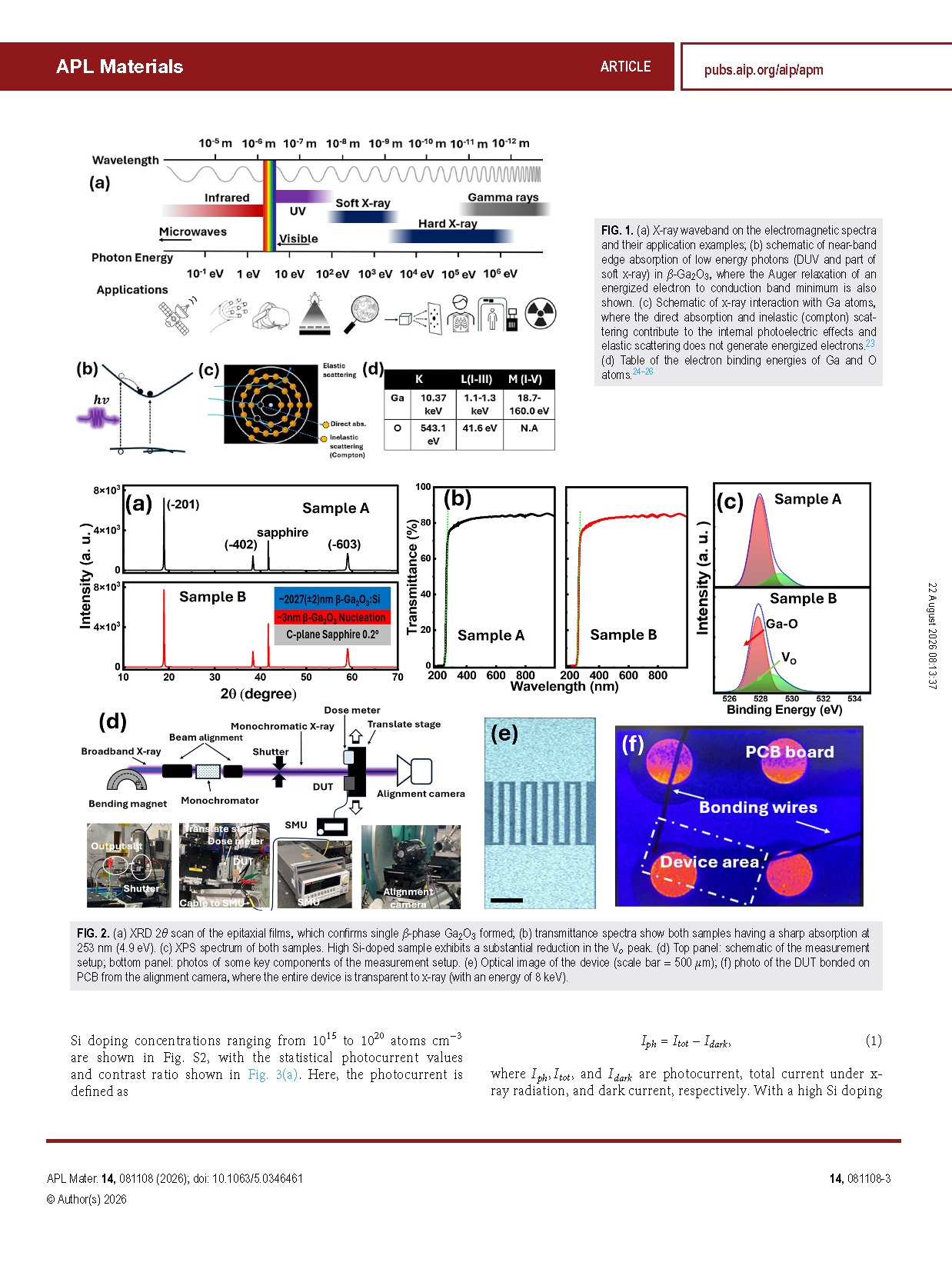
Figure 1: (a) X-ray region in the electromagnetic spectrum with typical application examples; (b) Schematic diagram illustrating the absorption of low-energy photons (DUV and partial soft X-rays) via near-band-edge absorption in β-Ga₂O₃; (c) Schematic of interactions between X-rays and Ga atoms. Direct absorption and inelastic (Compton) scattering contribute to the internal photoelectric effect, whereas elastic scattering does not generate high-energy electrons²³. (d) Table of electron binding energies for Ga and O atoms.
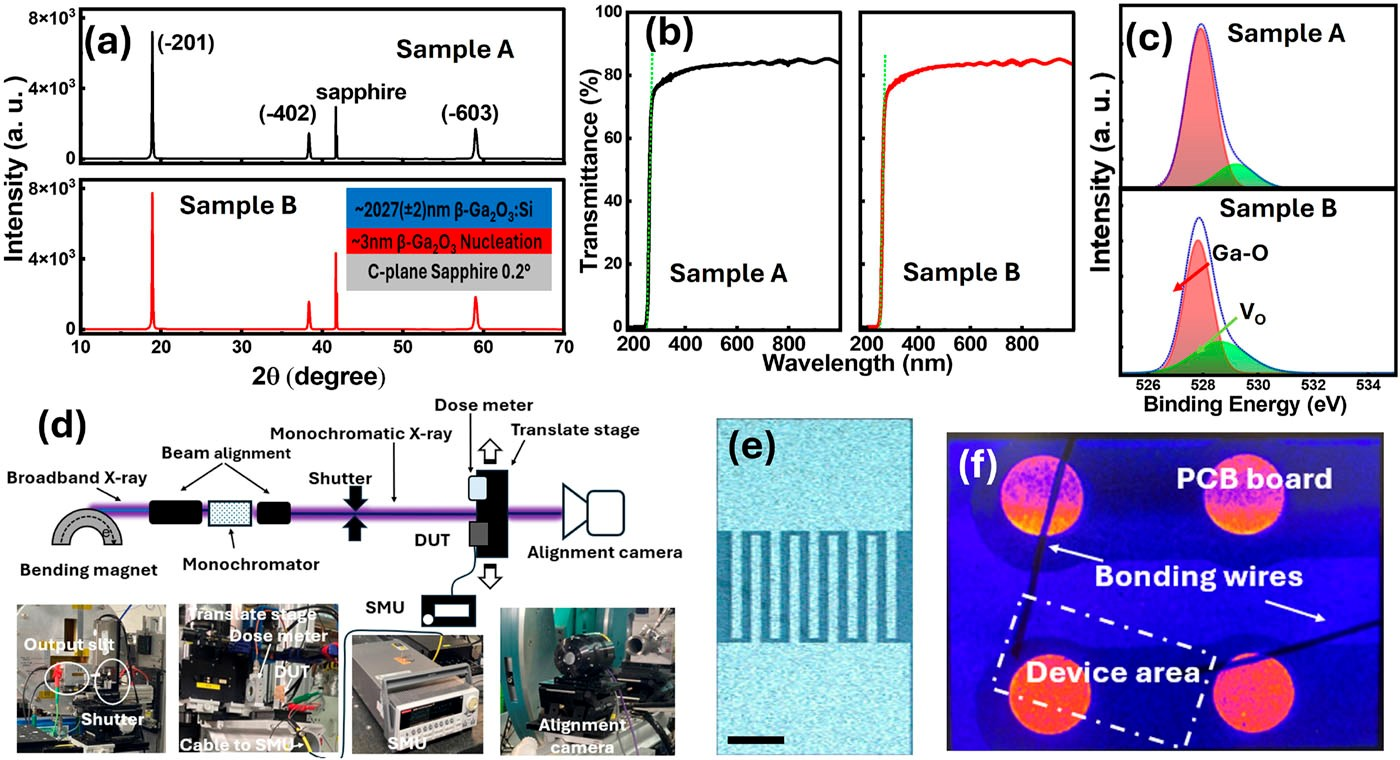
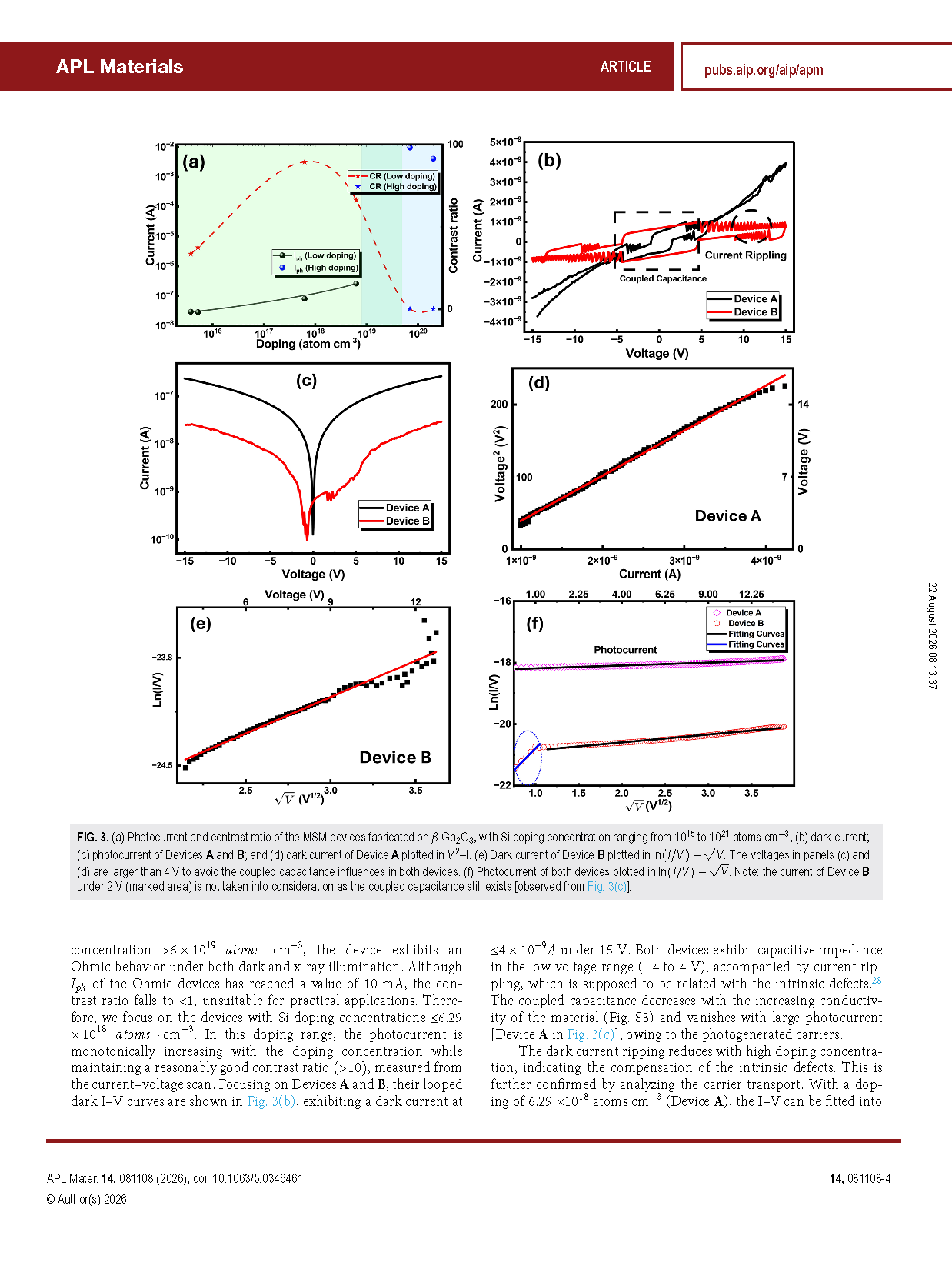
Figure 2: (a) XRD 2θ-scan confirms that the as-formed Ga₂O₃ thin film is single-phase β-phase; (b) Transmission spectra show that both samples exhibit a sharp absorption edge near 253 nm (4.9 eV); (c) XPS spectra reveal that the Vₒ (oxygen vacancy) peak is significantly reduced for the high-Si-doped sample; (d) Schematic diagram of the measurement system; (e) Optical micrograph of the device (scale bar = 500 μm); (f) Detector photograph captured by the alignment camera, in which the entire device is transparent to 8 keV X-rays.
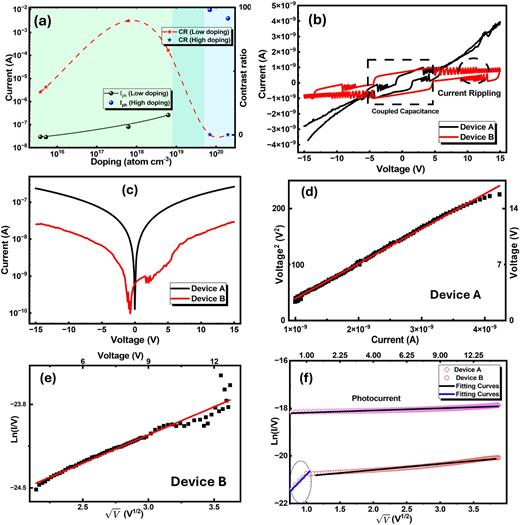
Figure 3: (a) Photocurrent and contrast ratio of MSM devices fabricated on β-Ga₂O₃, with Si doping concentrations ranging from 10¹⁵ to 10²¹ atoms·cm⁻³; (b) Dark-current of heavily-doped Device A and lightly-doped Device B; (c) Photocurrent of Device A and Device B; (d) Dark-current of Device A plotted in the form of the V²–I relationship; (e) Dark-current of Device B plotted in the form of the ln(I/V)–V¹ᐟ²relationship; (f) Photocurrents of the two devices plotted in the form of the ln(I/V)–V¹ᐟ² relationship.
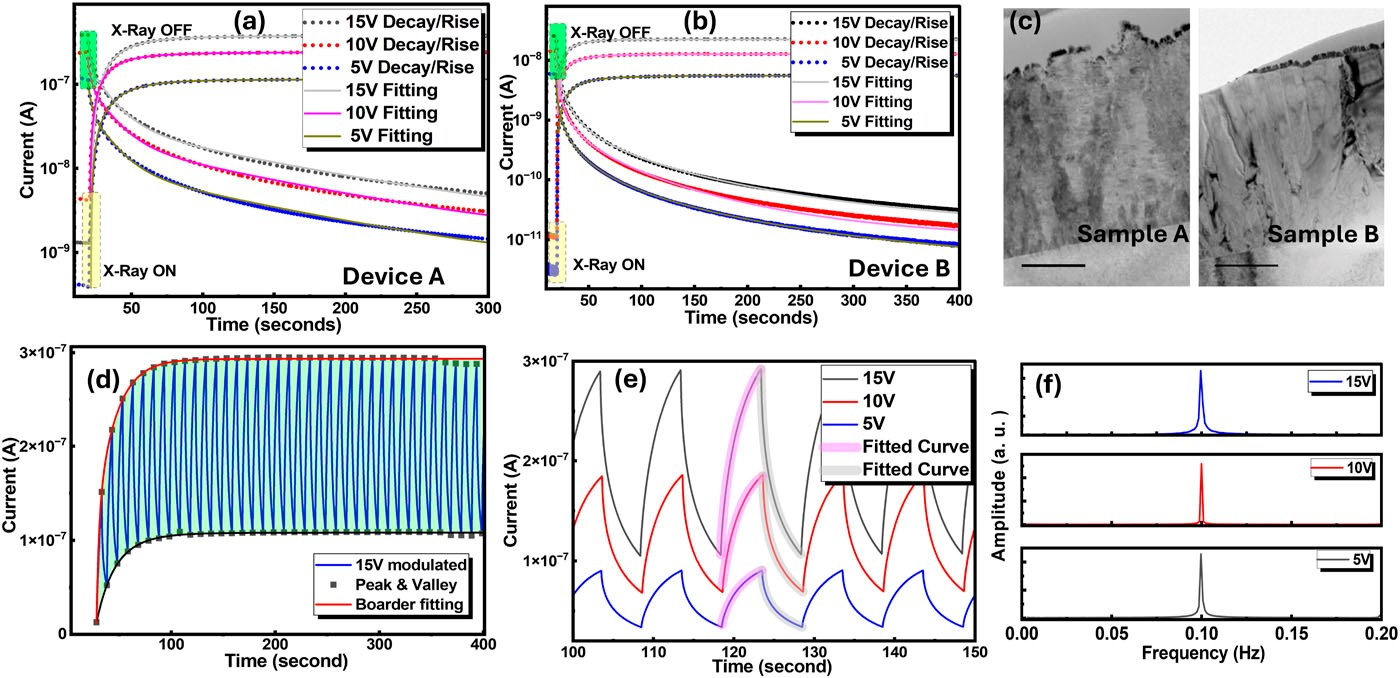
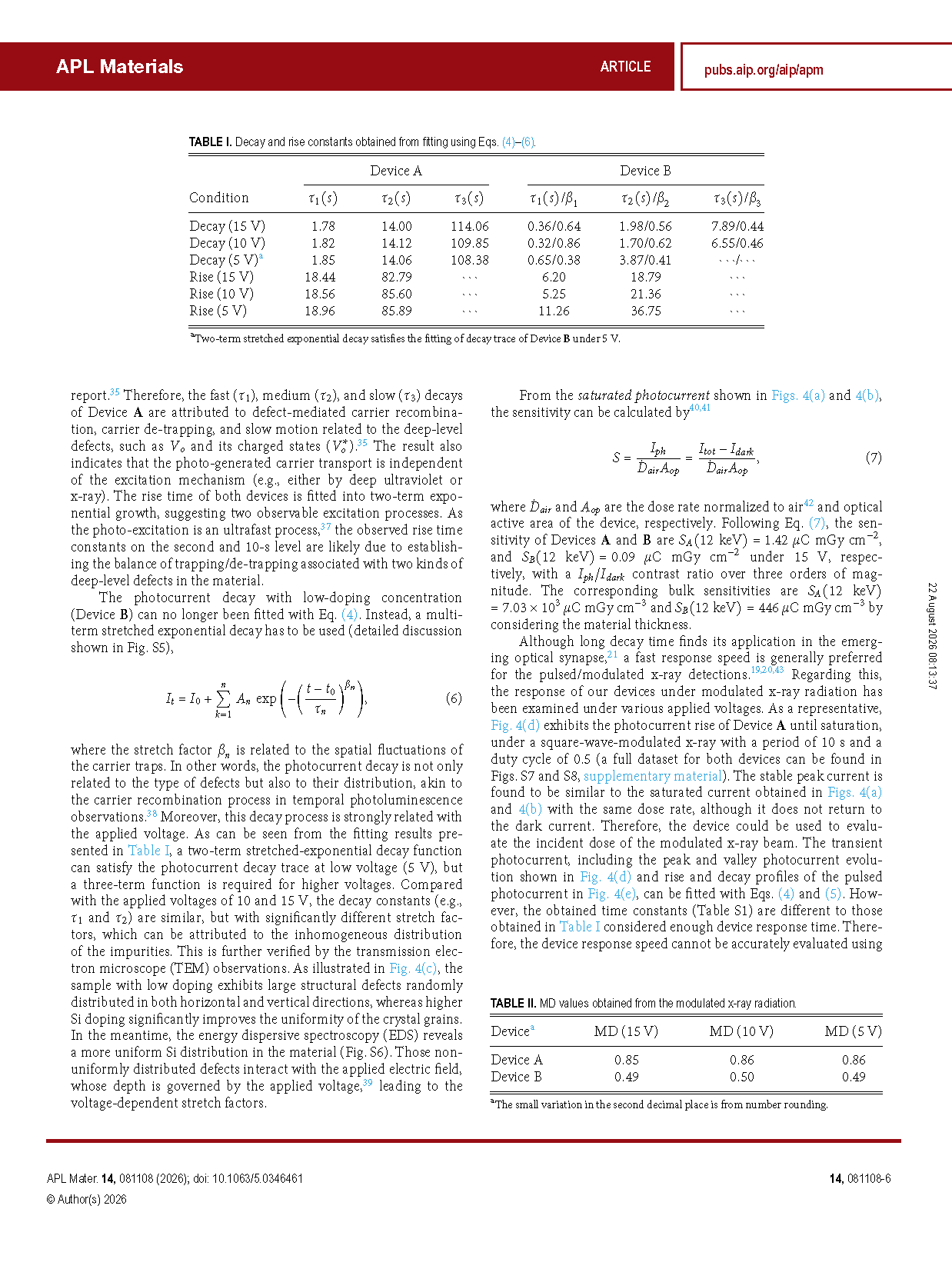
Figure 4: (a) and (b) show the photocurrent rise-and-decay characteristics of Device A and Device B under different applied voltages, respectively; (c) Comparison of bright-field TEM images for high-doping and low-doping samples; (d) Pulsed photocurrent of Device A under modulated X-ray irradiation; (e) Magnified view of the pulsed photocurrent within the time range of 100–150 s; (f) Modulated X-ray frequencies obtained by performing Fourier transform on the pulsed photocurrent at different voltages.
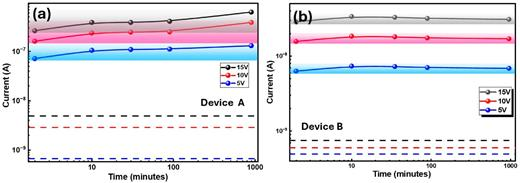
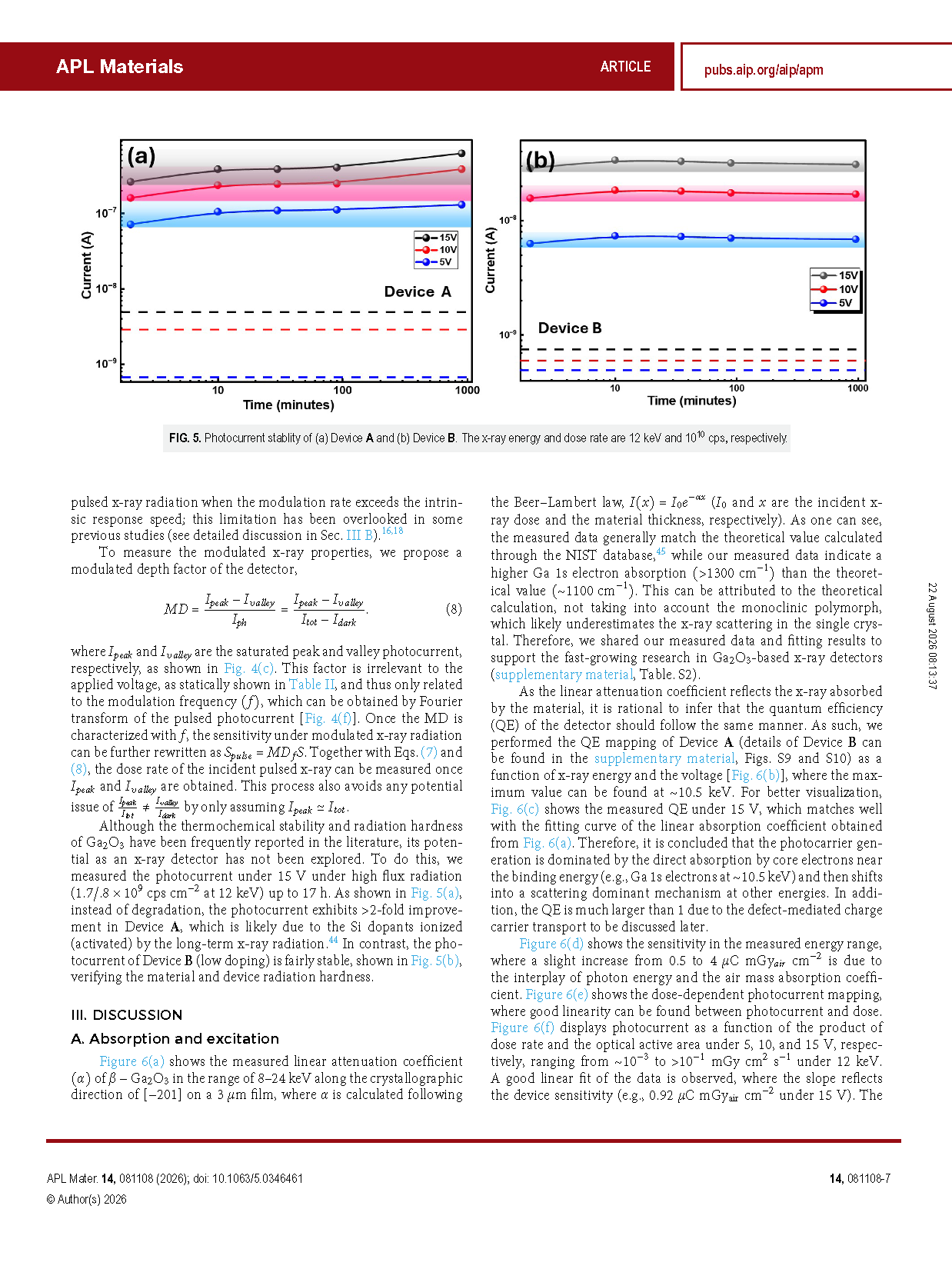
Figure 5: Stability of the heavily-doped (a) and lightly-doped (b) devices under long-term high-flux X-ray irradiation.
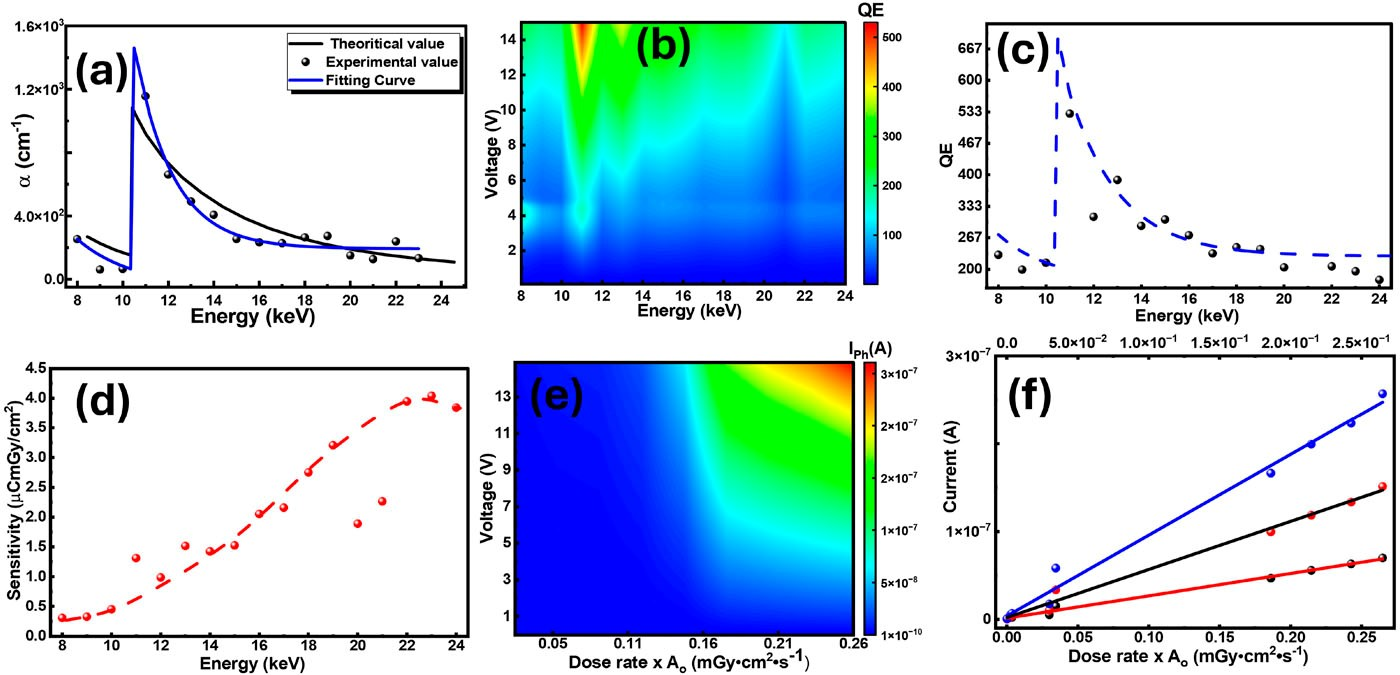
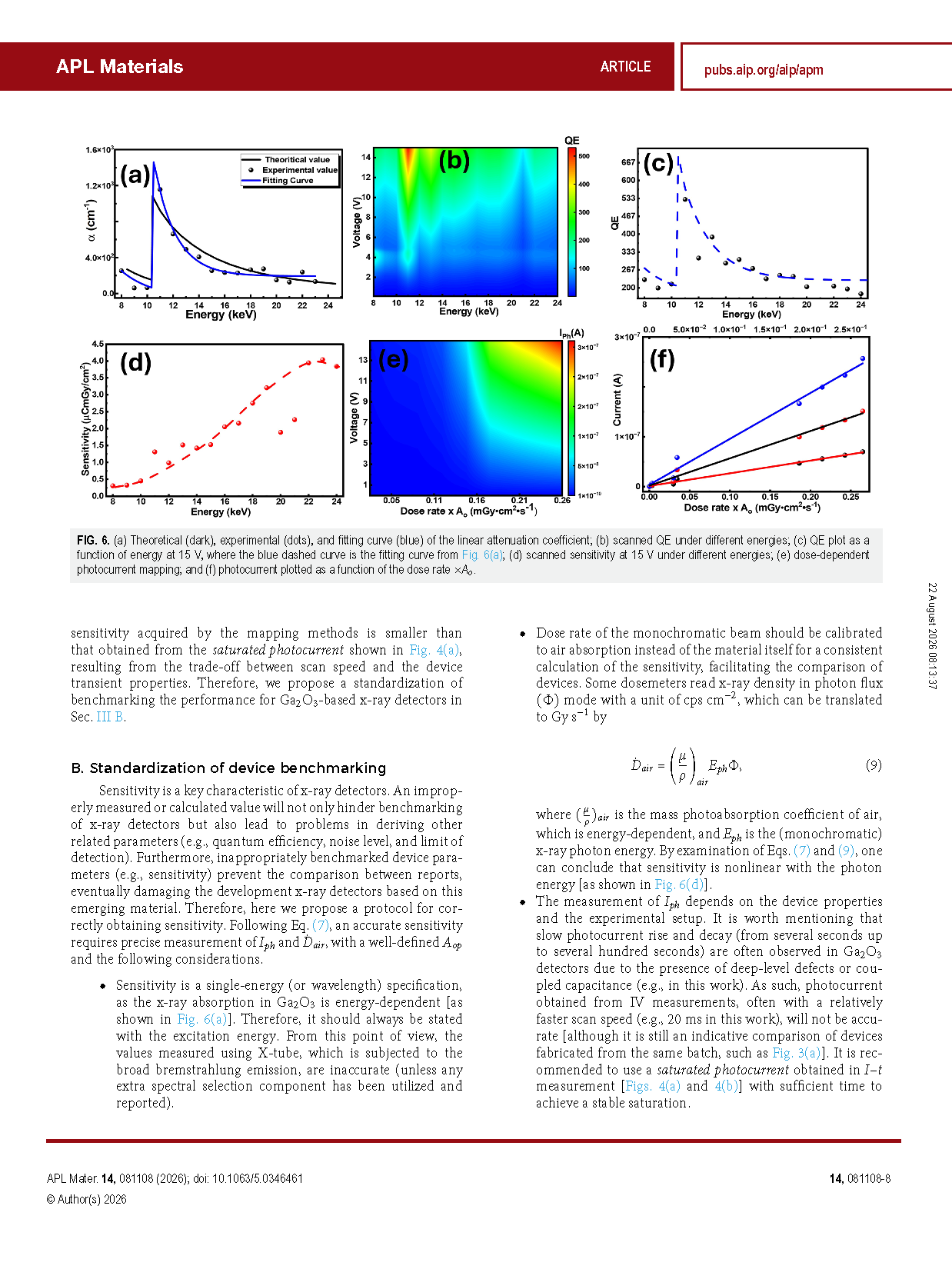
Figure 6: Comparison among theoretical, experimental and fitted values of the X-ray attenuation coefficient for Ga₂O₃; (b) Quantum efficiency of the device under different X-ray energies and bias voltages; (c) Variation curve of quantum efficiency versus X-ray energy; (d) Variation curve of device sensitivity versus X-ray energy; (e) Device sensitivity under different X-ray energies and bias voltages; (f) Curve of photocurrent as a function of dose rate × A₀.
DOI:
doi.org/10.1063/5.0346461
Instruction
Official Account

Cooperation
Top
