



A research team led by Professors Xu Haiyang and Liu Weizhen from Northeast Normal University has published a research article titled "Liquid-Metal-Printed Ga2O3 Weaves a Spherical Self-Driven Meta-Array With Panoramic Solar-Blind Polarization Compass Function" in Advanced Functional Materials.
Background
As a solar-blind sensitive semiconductor, ultrawide bandgap gallium oxide (Ga2O3) has attracted extensive research interest due to its unique properties including high breakdown electric field (8 MV/cm) and lower power loss than mature silicon-based material. β-Ga2O3 is of the most stable thermodynamic and optoelectrical properties and has been regarded as a promising candidate to develop solar-blind devices with high ultraviolet -visible rejection ratio. Moreover, the intrinsic asymmetric crystal structure of β-Ga2O3 also provides an option for polarization photodetection. However, as miniaturization level progresses and perception dimension expands, the conventional preparation methods of β-Ga2O3 bulk are not applicable to lightweight and functional photodetection due to their heavy dependence on bulky growth instruments. It is still a core challenge to establish an industrialization platform for integrated β-Ga2O3 optoelectronic devices and even functionalized arrays, which is expected to exhibit high solar-blind selectivity towards corona discharge warning and other solar-blind detection scenarios. In the long term of practicality, the intensity sensitivity to light source is merely a prerequisite for photoresponse, while the precise positioning and monitoring are the guarantee for realizing advanced experimental and industrial applications indeed.
As an alternative, the liquid metal oxidation approach provides an optimal solution for aforementioned urgent needs. The surface of liquid gallium could automatically transform into an atomic-thickness oxide layer (GaOx), which can be utilized as a metal source to create 2D β-Ga2O3 films. Unfortunately, conventional liquid-metal-printing techniques heavily rely on manual extrusion or spin-coating operations. The produced oxide films are constrained by limitations such as small film size, poor lattice quality, and unsatisfactory substrate compatibility.
Abstract
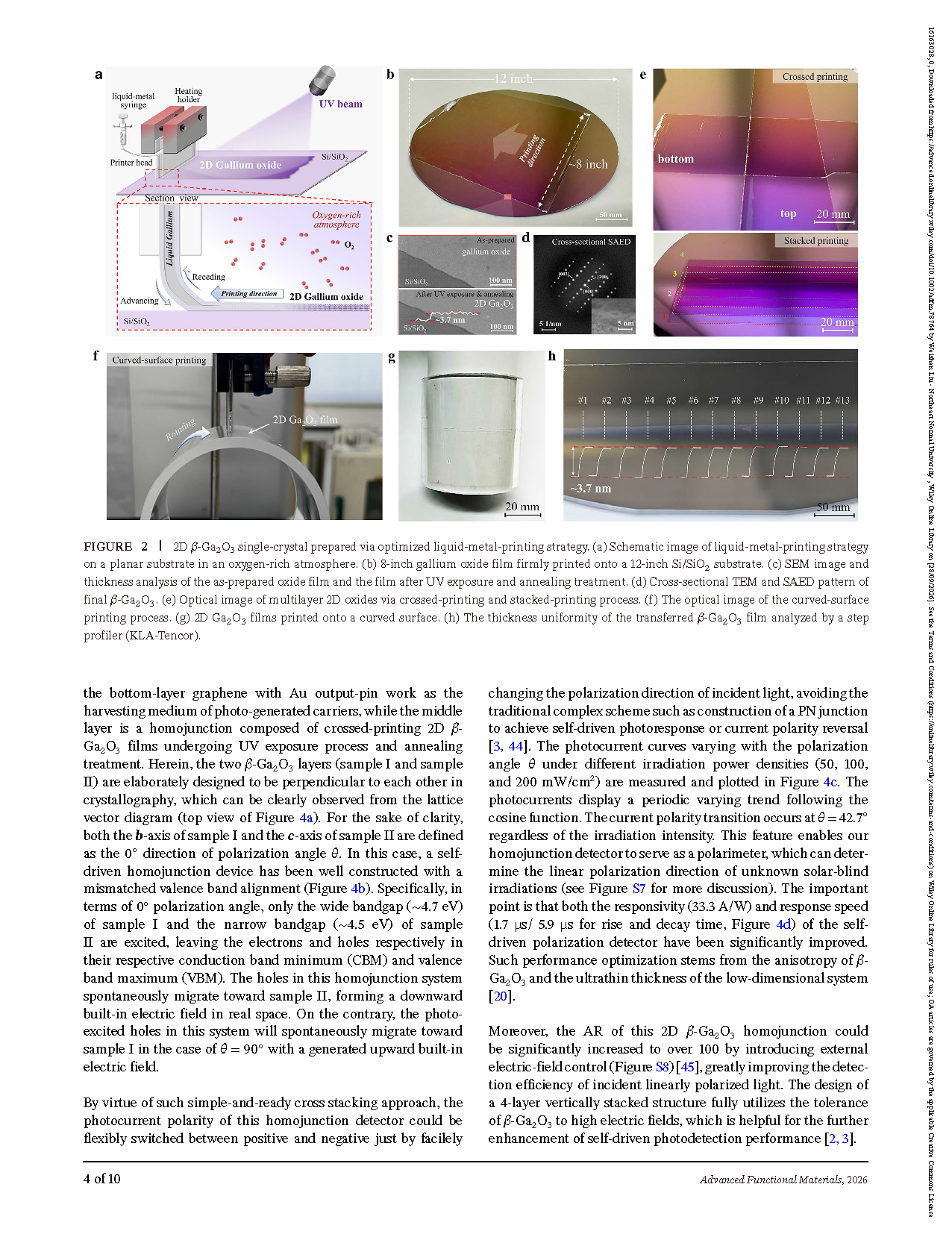
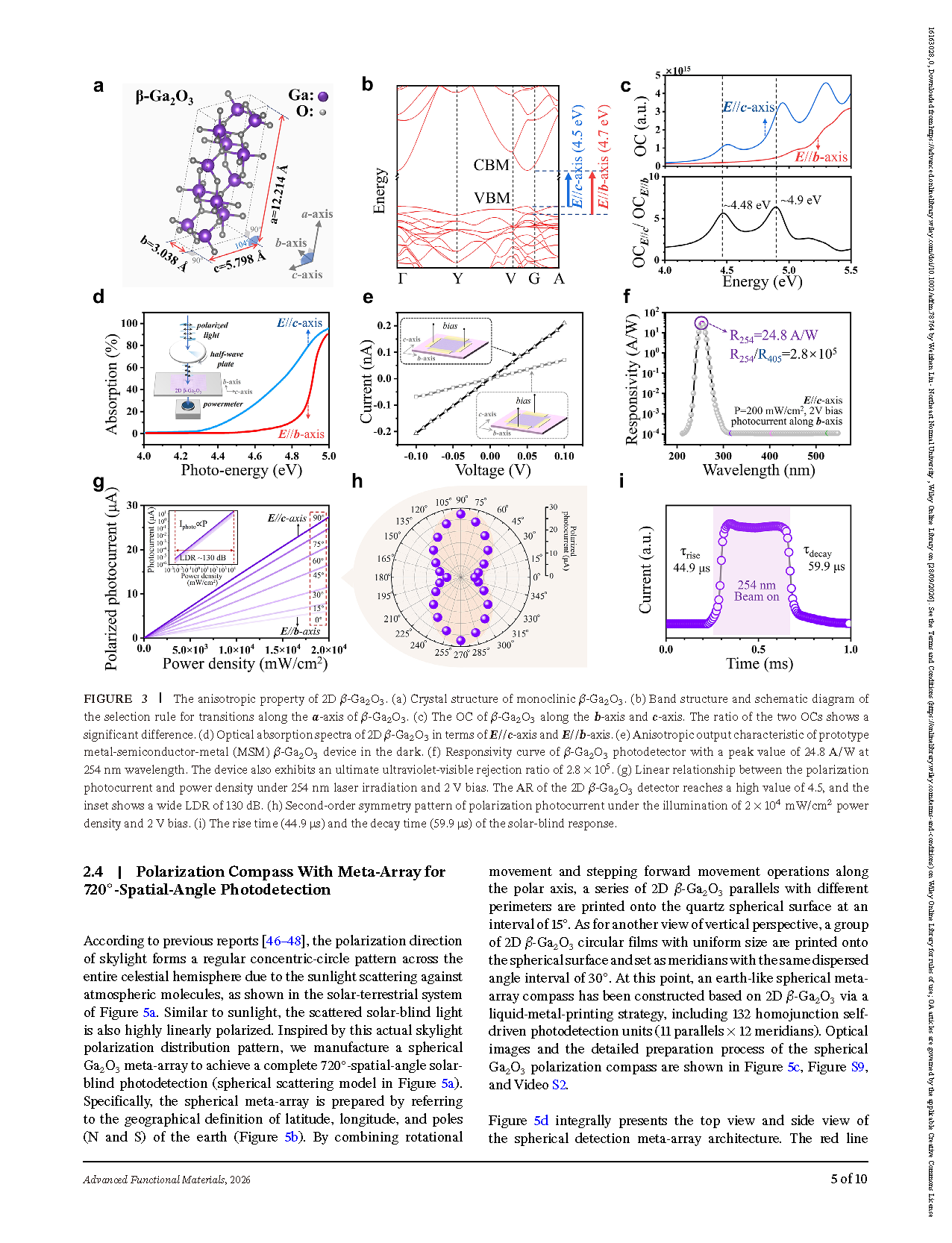
In this work, authors optimize the liquid-metal-printing strategy and established a fabrication platform suitable for various planar or curved substrates. The synthesized high-quality 2D single-crystal β-Ga2O3 film shows 8-inch horizontal wafer-level scale and 3.7-nm ultrathin thickness. Owing to the excellent crystal quality, the β-Ga2O3 detector exhibits a high ultraviolet-visible rejection ratio above 105, an obvious anisotropy ratio (AR) over 4 and wide linear dynamic range (LDR) of 130 dB. The current material dimensions and device performance have reached the leading level.
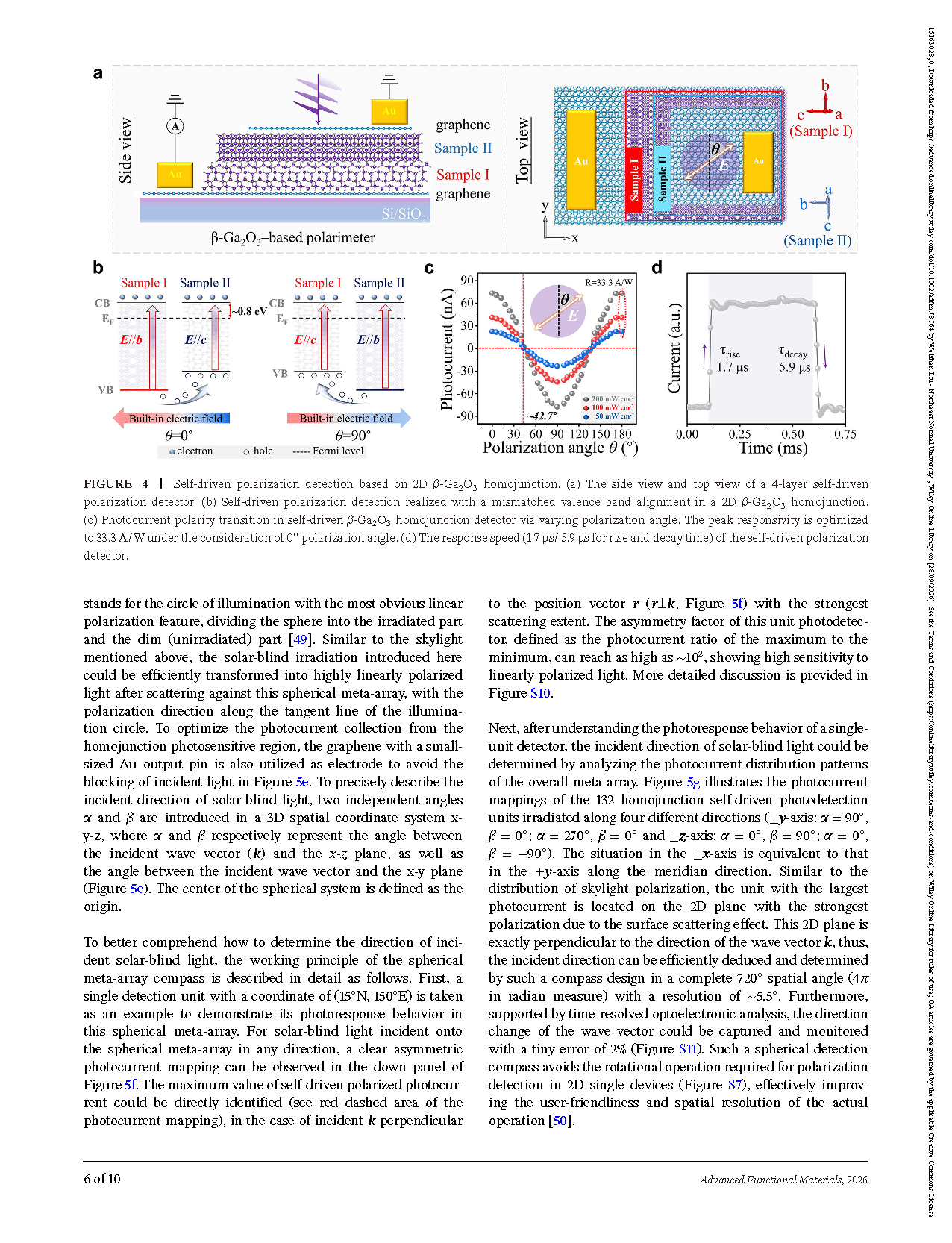
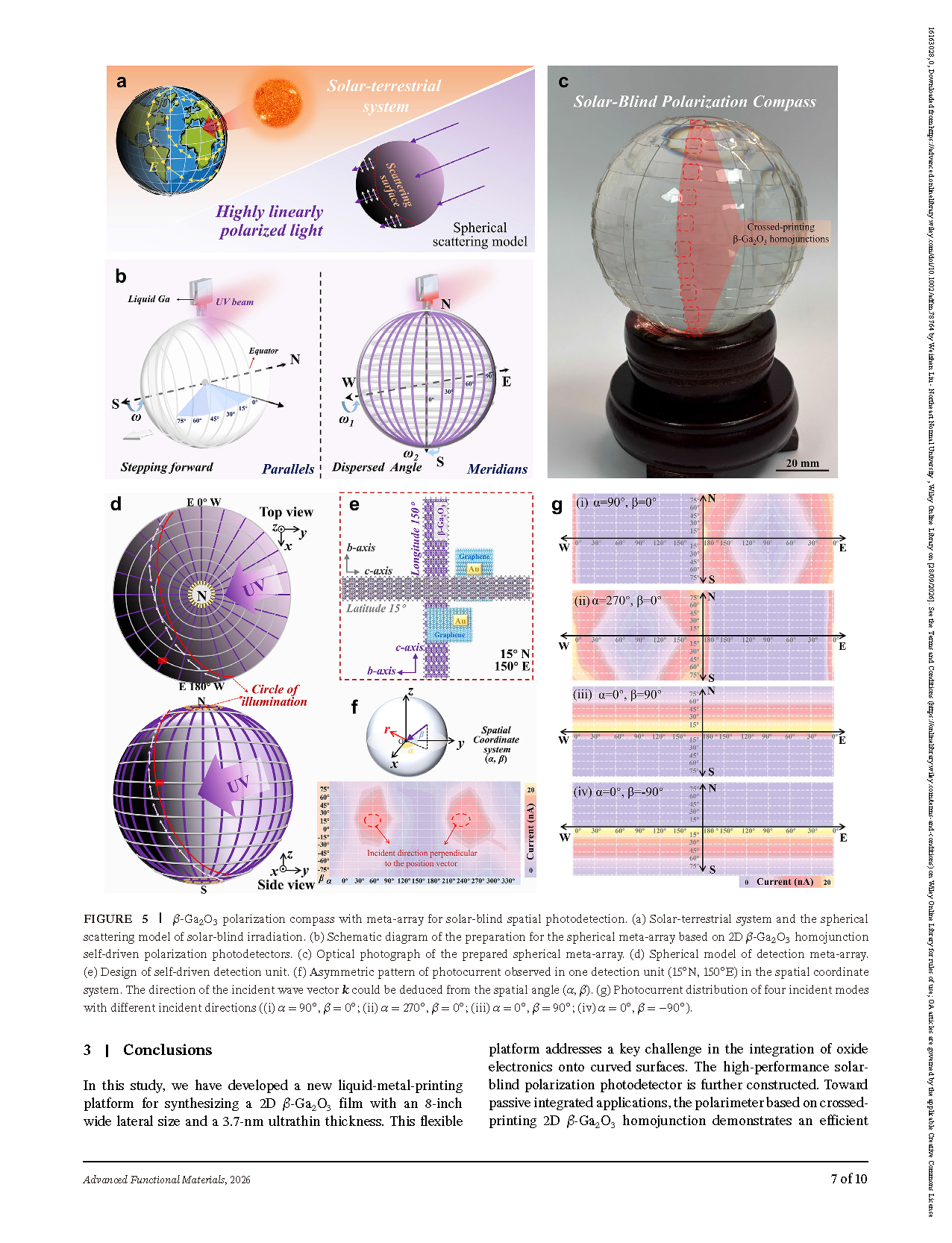
Based on the intrinsic selection rule of transition, authors have proposed the concept of developing crossed-printed 2D β-Ga2O3 homojunction for self-driven polarization photodetection for the first time, and achieved simultaneous optimization of responsivity (33.3 A/W) and response speed (1.7 μs/ 5.9 μs for rise and decay time). Novelly, inspired by the earth geography and the asymmetric skylight polarization characteristic in solar-terrestrial system, authors design and construct a prototype spherical solar-blind compass of photodetection meta-array based on β-Ga2O3 homojunctions, realizing the complete 720° spatial angle monitoring for solar-blind light source.
Highlights
This work improvesthe liquid metal printing strategy and establishes a wafer-level 2D β-Ga2O3 fabrication platform, which smoothly suits various planar and curved substrates.
The cross-printedβ-Ga2O3 homojunction detector achieves multi-optimized performance such as responsivity, response speed, and dynamic range.
A prototype spherical solar-blind compass of photodetection meta-array based on β-Ga2O3 homojunctions is constructed, realizing the complete 720° spatial angle monitoring for solar-blind light source.
Conclusion
This work has developed a new liquid-metal-printing platform for synthesizing 2D β-Ga2O3 film with an 8-inch wide lateral size and a 3.7-nm ultrathin thickness. This flexible platform addresses a key challenge in the integration of oxide electronics onto curved surfaces. The high-performance solar-blind polarization photodetector is further constructed. Towards the passive integrated application, the polarimeter based on crossed-printing 2D β-Ga2O3 homojunction demonstrates an efficient identification capability of unknown linearly polarized irradiation in self-driven mode. Inspired by the polarization distribution pattern of skylight, a spherical meta-array compass consisting of 12×11 β-Ga2O3 photodetector units is manufactured for the first time, achieving the reliable recognition for incident direction of solar-blind light source. This modified synthesis strategy and novel detection architecture both offer valuable reference for constructing Ga2O3-based electronic and optoelectronic devices with optimized performance and comprehensive functions.
Project Support
This work was supported by the National Key R&D Program of China (No. 2023YFB3610200), the Program of National Natural Science Foundation of China (Nos. 62574038 and 62275045), the Fund from Jilin Province (Grant Number. SKL202602014JC), and the Fundamental Research Funds for the Central Universities (2412026QD009).
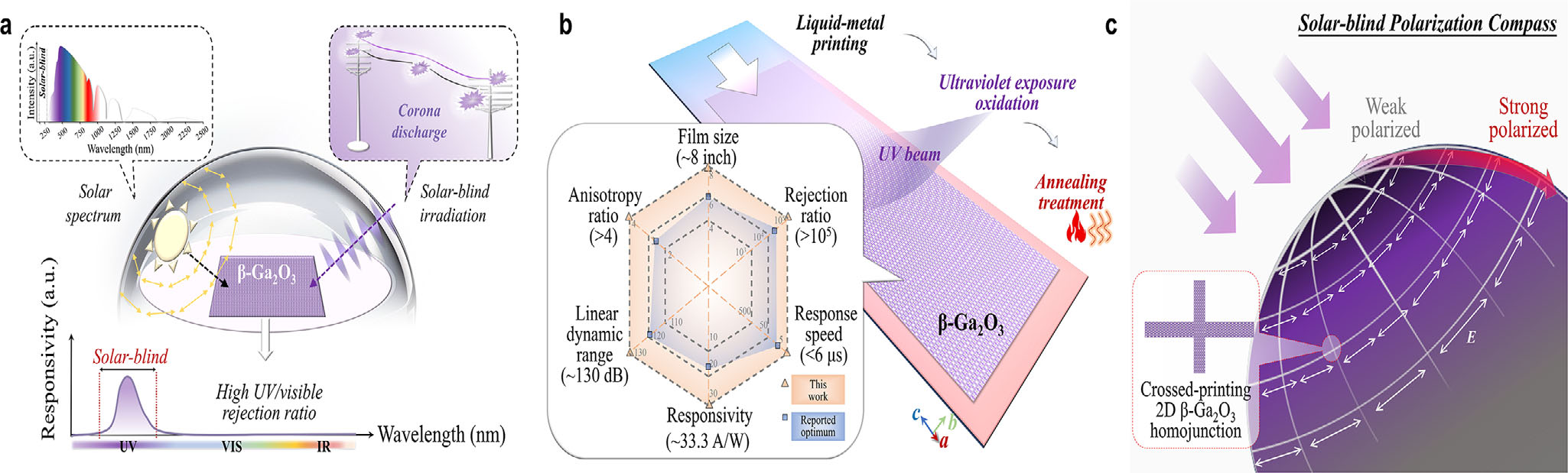
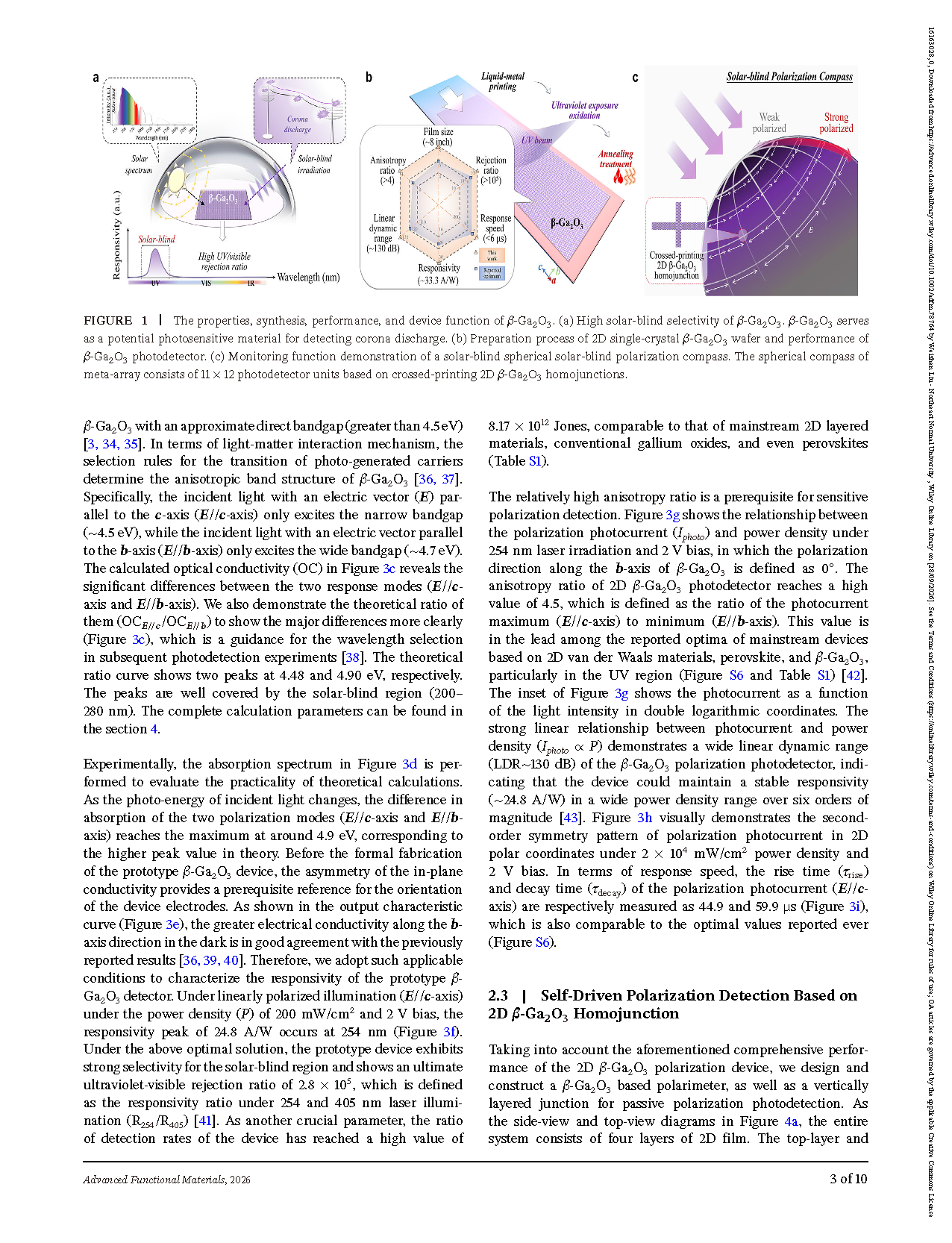
FIGURE 1. The properties, synthesis, performance, and device function of β-Ga2O3.
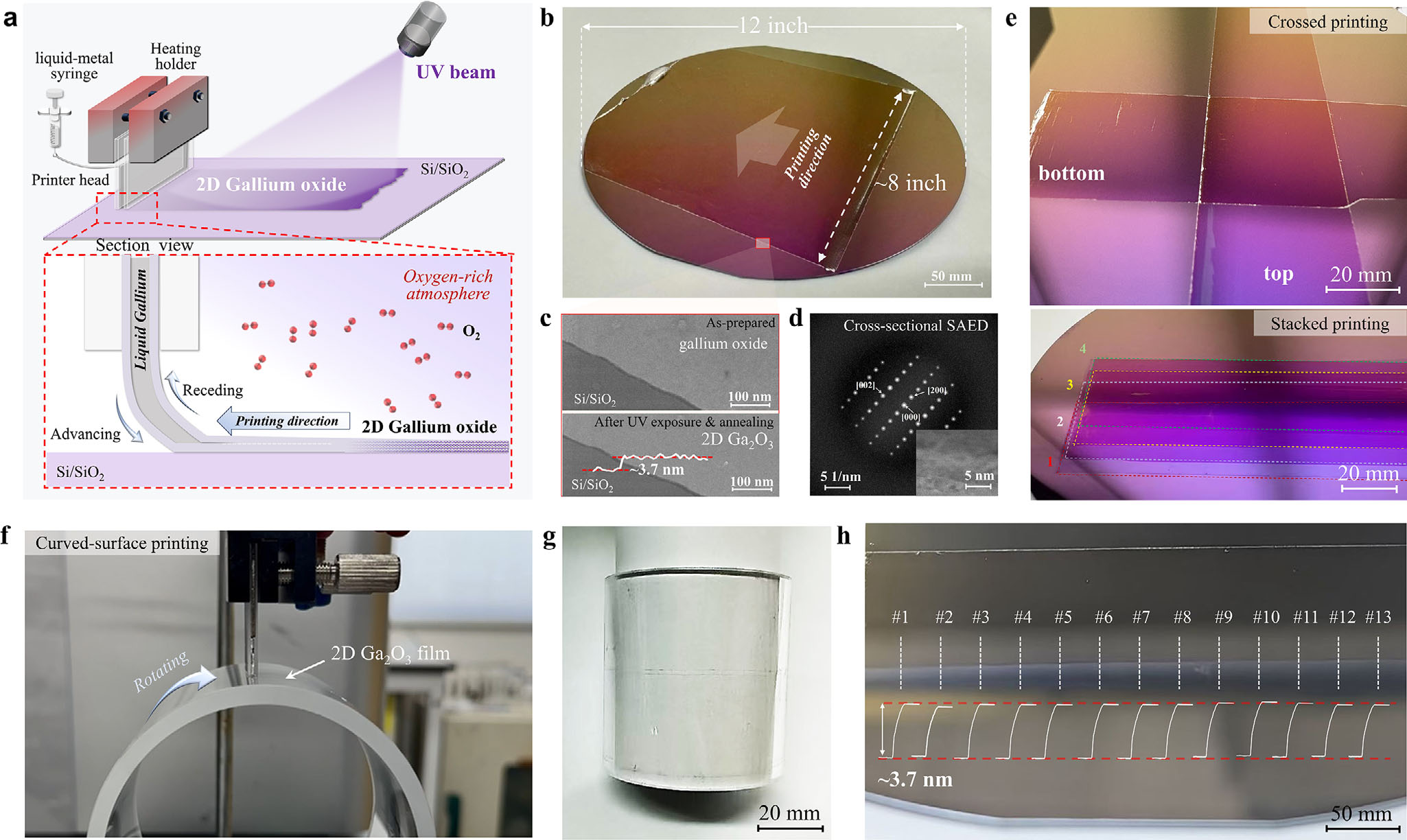
FIGURE 2. 2D β-Ga2O3 prepared via optimized liquid-metal-printing strategy.
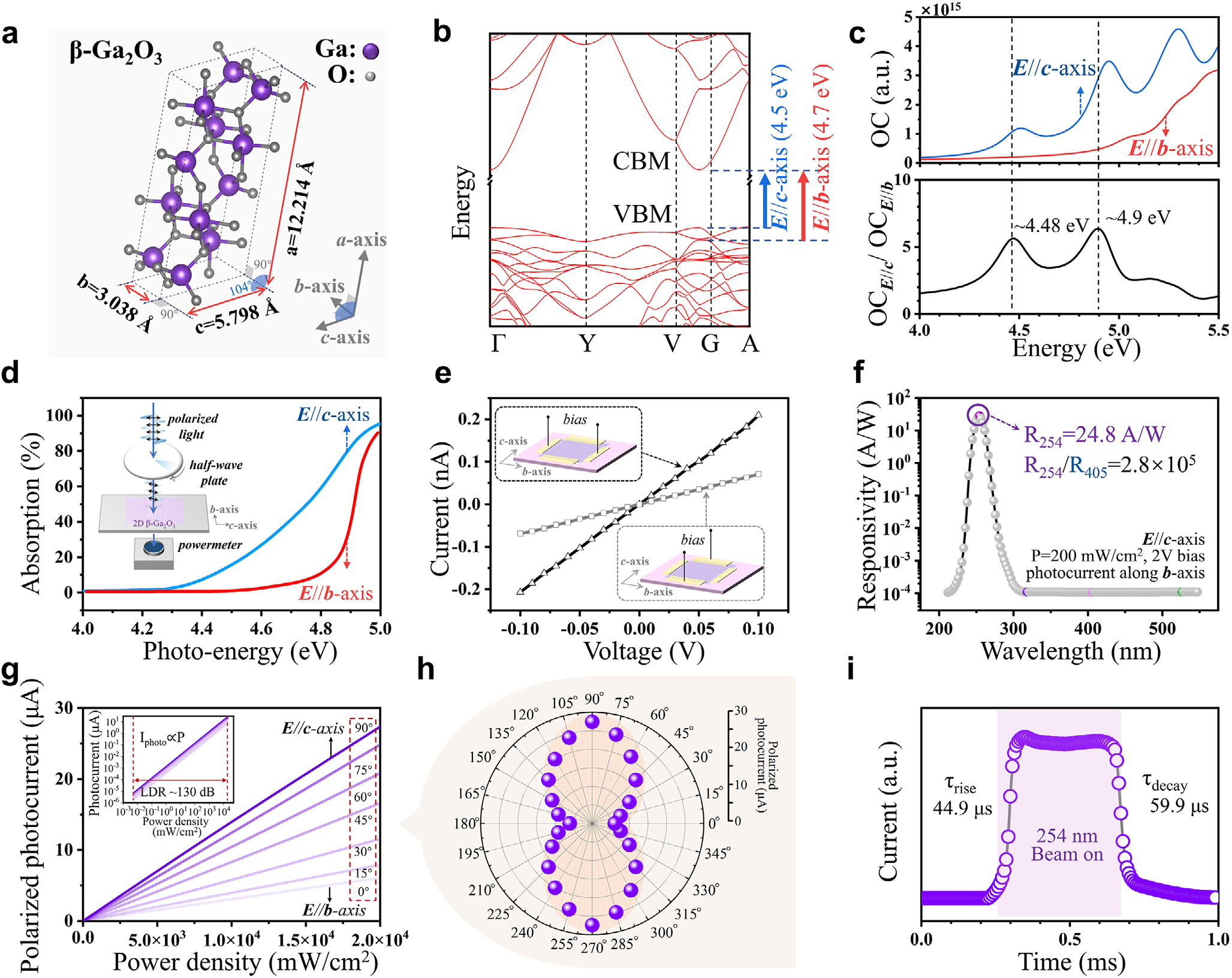
FIGURE 3. The anisotropic property of 2D β-Ga2O3.
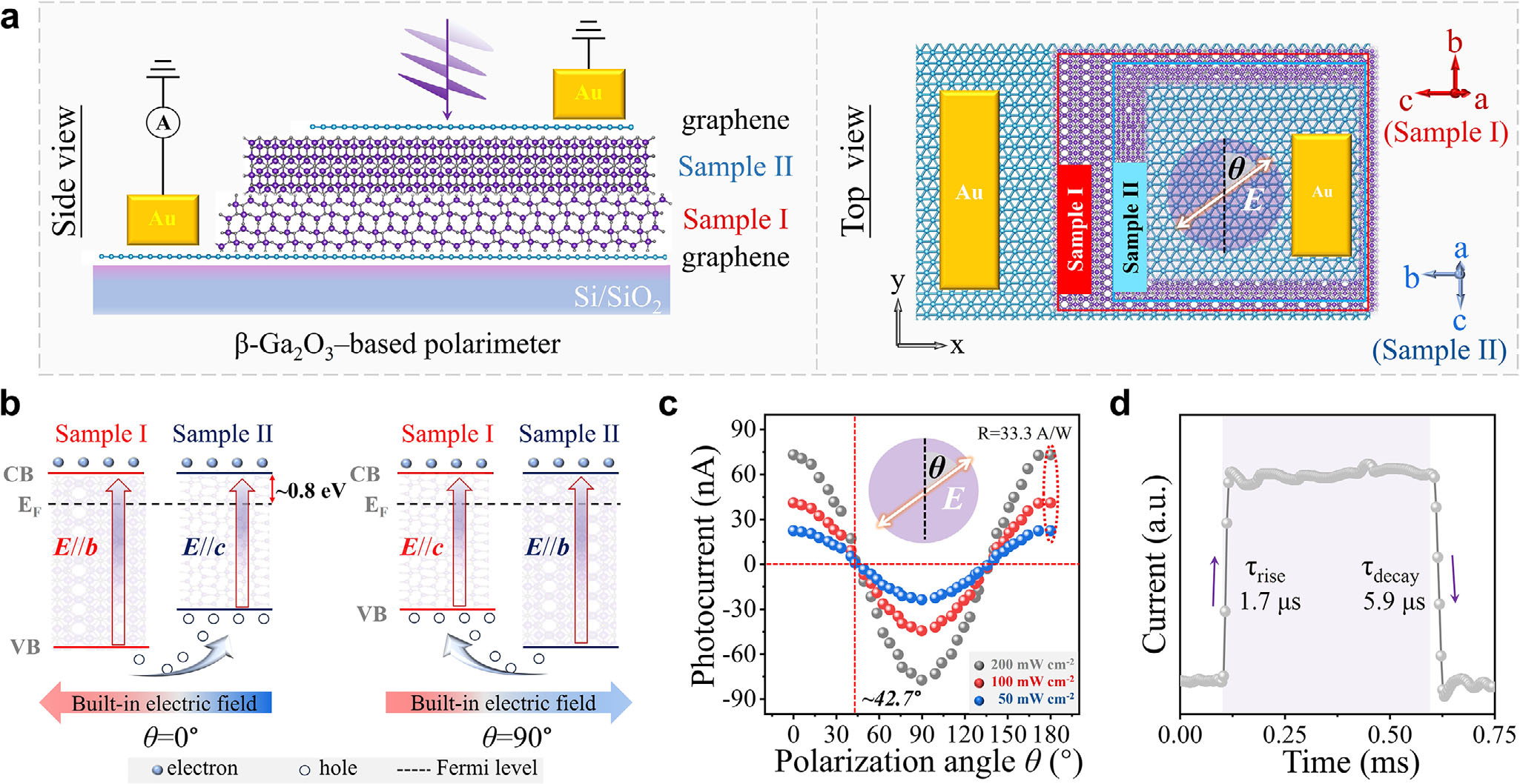
FIGURE 4. Self-driven polarization detection based on 2D β-Ga2O3 homojunction.
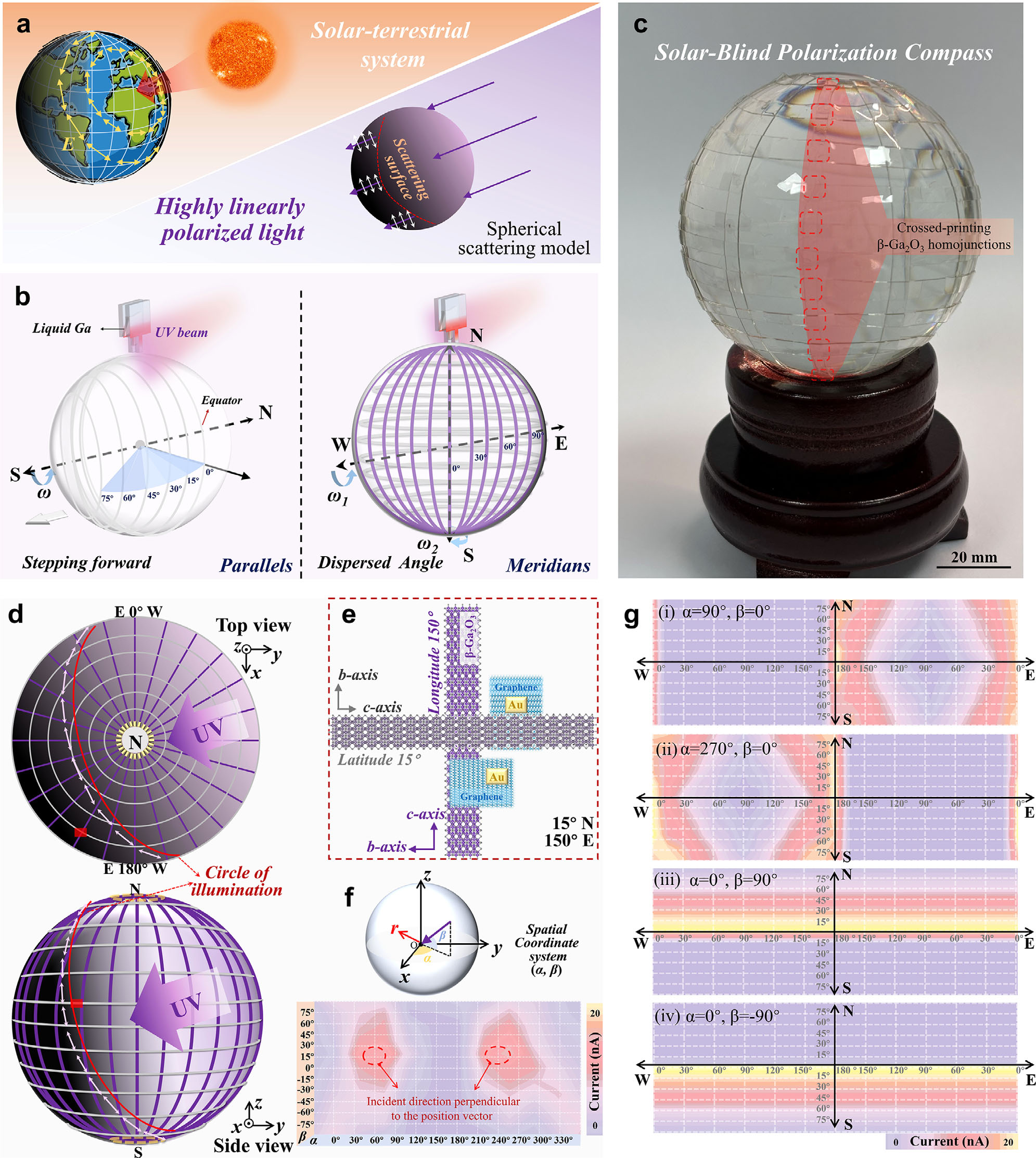
FIGURE 5. β-Ga2O3 polarization compass with meta-array for solar-blind spatial photodetection.
DOI:
doi.org/10.1002/adfm.78764


Instruction
Official Account

Cooperation
Top