


A research team led by Professors Gang Xiang and Xi Zhang at the College of Physics, Sichuan University, has published a study entitled “Universal robustness of bound magnetic polaron scaling and enhancement of ferromagnetism in amorphous gallium oxide via aliovalent Sn doping over oxygen vacancies”. This work breaks the conventional oxygen-vacancy-dependent paradigm in oxide diluted magnetic semiconductors by introducing substitutional Sn⁴⁺ as an aliovalent donor into amorphous gallium oxide. For the first time, the researchers provide experimental evidence that the bound magnetic polaron (BMP) scaling law remains robust even when the microscopic nature of donor electrons is fundamentally altered, yielding an experimental scaling exponent of 0.54, in excellent agreement with the theoretical prediction of 0.5. Furthermore, the study reveals a synergistic effect between the more spatially extended Sn-donated electrons and the high defect density stabilized by the amorphous matrix, achieving a Curie temperature (TC) of approximately 342 K and a saturation magnetization (MS) of approximately 170 emu cm⁻³. These findings establish a new physical basis for designing high-performance oxide diluted magnetic semiconductors.
Background
Diluted magnetic semiconductors (DMSs), which combine semiconductor properties with ferromagnetic order through the incorporation of magnetic ions, provide a promising platform for the simultaneous manipulation of charge and spin degrees of freedom. Among them, oxide-based DMSs have attracted considerable attention in spintronics owing to their excellent chemical stability and robust room-temperature ferromagnetism. As a representative ultrawide-bandgap semiconductor, Ga2O3 offers a wide bandgap, high breakdown electric field, and excellent chemical stability. Introducing ferromagnetism into Ga2O3 through transition-metal doping could further expand its potential applications in spintronic devices. Nevertheless, understanding the physical origin of room-temperature ferromagnetism in oxide-based DMSs and developing effective strategies to control it remain fundamental challenges in this field.
The bound magnetic polaron (BMP) model provides an important theoretical framework for understanding ferromagnetism in insulating oxide-based DMSs. In this picture, localized donor electrons couple with the magnetic moments of surrounding magnetic ions through exchange interactions, forming BMPs. As these polarons begin to overlap spatially, long-range ferromagnetic order emerges through the coupling of localized magnetic moments. In 2005, Coey et al. further developed this framework in Nature Materials, predicting a scaling law for the Curie temperature under the mean-field approximation. When the exchange interaction and spin-related parameters remain approximately constant, the Curie temperature follows , where and represent the magnetic-ion concentration and donor concentration, respectively. This theoretical scaling exponent of 0.5 provides a quantitative prediction that can be directly tested experimentally. Historically, the BMP model has been predominantly applied to oxide systems in which oxygen vacancies (VO) serve as the primary electron donors. However, VO -derived electrons typically have a relatively large effective mass and are highly localized, limiting the spatial extent of their wavefunctions and thus the overlap between neighboring BMPs. This intrinsic limitation constrains the strength of ferromagnetic coupling and the achievable Curie temperature. A critical question therefore remains: Does the BMP scaling law still hold when the microscopic nature of donor electrons is fundamentally altered? Addressing this question is essential not only for establishing the generality of the BMP model but also for guiding the rational design of oxide-based DMSs. If ferromagnetic coupling depends not only on donor concentration but also on the effective mass and spatial extent of donor electrons, as well as their hybridization with the electronic states of magnetic ions, engineering the electronic structure of donor states could offer a promising route beyond conventional oxygen-vacancy-based defect engineering.
Abstract
In this study, amorphous (Fe,Sn)-codoped Ga2O3 thin films were fabricated using polymer-assisted deposition (PAD). By systematically varying Fe and Sn concentrations, the researchers investigated the respective roles of magnetic ions and donor electrons in ferromagnetism. Structural characterization confirmed the amorphous nature of the films, with Fe present in mixed Fe²⁺/Fe³⁺ valence states and Sn predominantly in the Sn⁴⁺ state. Magnetic measurements revealed that both the TC and saturation magnetization MS increased markedly with Fe or Sn doping, reaching up to 342 K and 170 emu cm⁻³, respectively, demonstrating robust room-temperature ferromagnetism.
To elucidate the underlying mechanism, the researchers combined first-principles calculations with the BMP model to quantitatively examine the properties of Sn-donated and oxygen-vacancy-derived electrons. Sn-donated electrons exhibit an effective Bohr radius approximately 1.5 times larger than that of oxygen-vacancy-derived electrons, contributing approximately 2.2 times more effectively to BMP spatial coverage and network connectivity. Scaling analysis incorporating magnetic-ion concentration, effective spin, and donor concentration yielded an experimental exponent of γ = 0.54 ± 0.03, in excellent agreement with Coey’s theoretical prediction of 0.5. This provides the first direct experimental evidence for the universality of BMP scaling across different donor-electron properties. Furthermore, systematically varying Sn concentration revealed enhanced hybridization between the donor impurity band and Fe 3d states, providing experimental support for the exchange-coupling mechanism in Coey’s model.
Structural disorder was also found to play a crucial role in enhancing ferromagnetism. Compared with a polycrystalline counterpart of similar composition, the amorphous film exhibited a substantially higher TC (323 K vs. 138 K) and MS (157 vs. approximately 62 emu cm⁻³). The amorphous structure stabilizes abundant oxygen vacancies, providing donor electrons and nucleation sites for BMP formation, while Sn donors supply more spatially extended electrons that promote BMP overlap and long-range ferromagnetic coupling. These findings reveal the synergistic mechanism by which structural disorder and aliovalent doping enhance ferromagnetism in gallium oxide.
Highlights
First experimental validation of the robustness of BMP scaling against changes in donor-electron properties. By introducing aliovalent Sn⁴⁺ donors beyond conventional oxygen-vacancy-based systems, this work yields an experimental scaling exponent of 0.54 ±0.03, in excellent agreement with Coey’s theoretical prediction of 0.5, providing direct experimental evidence for the universality of the BMP scaling law.
Revealing the roles of donor-electron spatial extent and 3d-state hybridization in ferromagnetic coupling. Sn-donated electrons exhibit a 1.5-fold larger effective Bohr radius and a 2.2-fold greater contribution to BMP connectivity than oxygen-vacancy-derived electrons. Varying Sn concentration further reveals enhanced hybridization between the donor impurity band and Fe 3d states, providing experimental support for Coey’s exchange-coupling mechanism.
Uncovering the synergistic enhancement of ferromagnetism through structural disorder and aliovalent Sn doping. The amorphous structure stabilizes abundant oxygen vacancies that serve as BMP nucleation sites, while Sn donors promote localized wavefunction overlap and long-range ferromagnetic coupling. Together, these effects yield a Curie temperature of up to 342 K and a saturation magnetization of 170 emu cm⁻³, markedly enhancing ferromagnetism in amorphous Fe-doped Ga2O3.
Conclusion
In summary, by introducing aliovalent Sn⁴⁺ donors into amorphous Fe-doped Ga2O3, this study reveals the synergistic roles of magnetic-ion concentration, donor-electron spatial extent, and amorphous structure in regulating ferromagnetic order. The findings show that ferromagnetism in oxide diluted magnetic semiconductors depends not only on magnetic-ion and donor concentrations but also on the spatial extent of localized donor electrons and their hybridization with the electronic states of magnetic ions. This work extends the experimental applicability of the BMP model and provides a materials design strategy combining aliovalent doping with defect control in an amorphous matrix, offering guidance for developing oxide diluted magnetic semiconductors with higher Curie temperatures and new spintronic devices.
Project Support
This work was supported by the National Key Research and Development Program of China (MOST) (Grant No. 2022YFA1405100). We thank the Analytical & Testing Center of Sichuan University for assistance with XRD and XPS measurements. We also gratefully acknowledge Prof. Xingzhao Liu and Mr. Wenbo Li at the University of Electronic Science and Technology of China for their valuable technical support in electrical characterization.
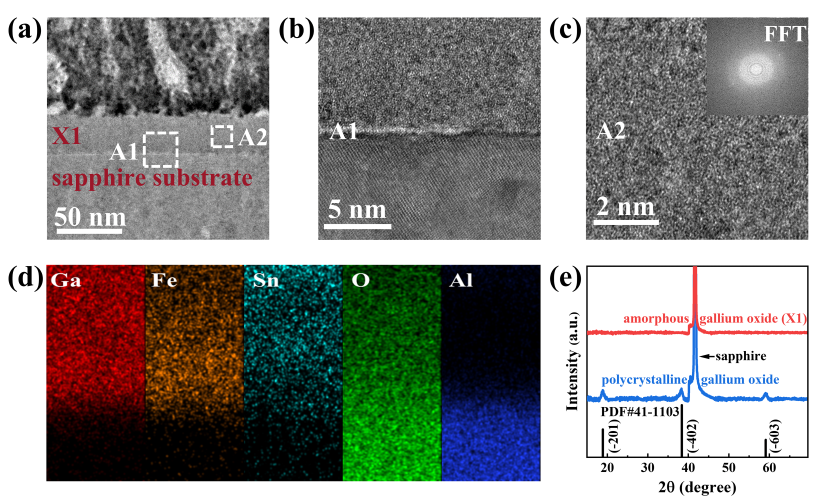
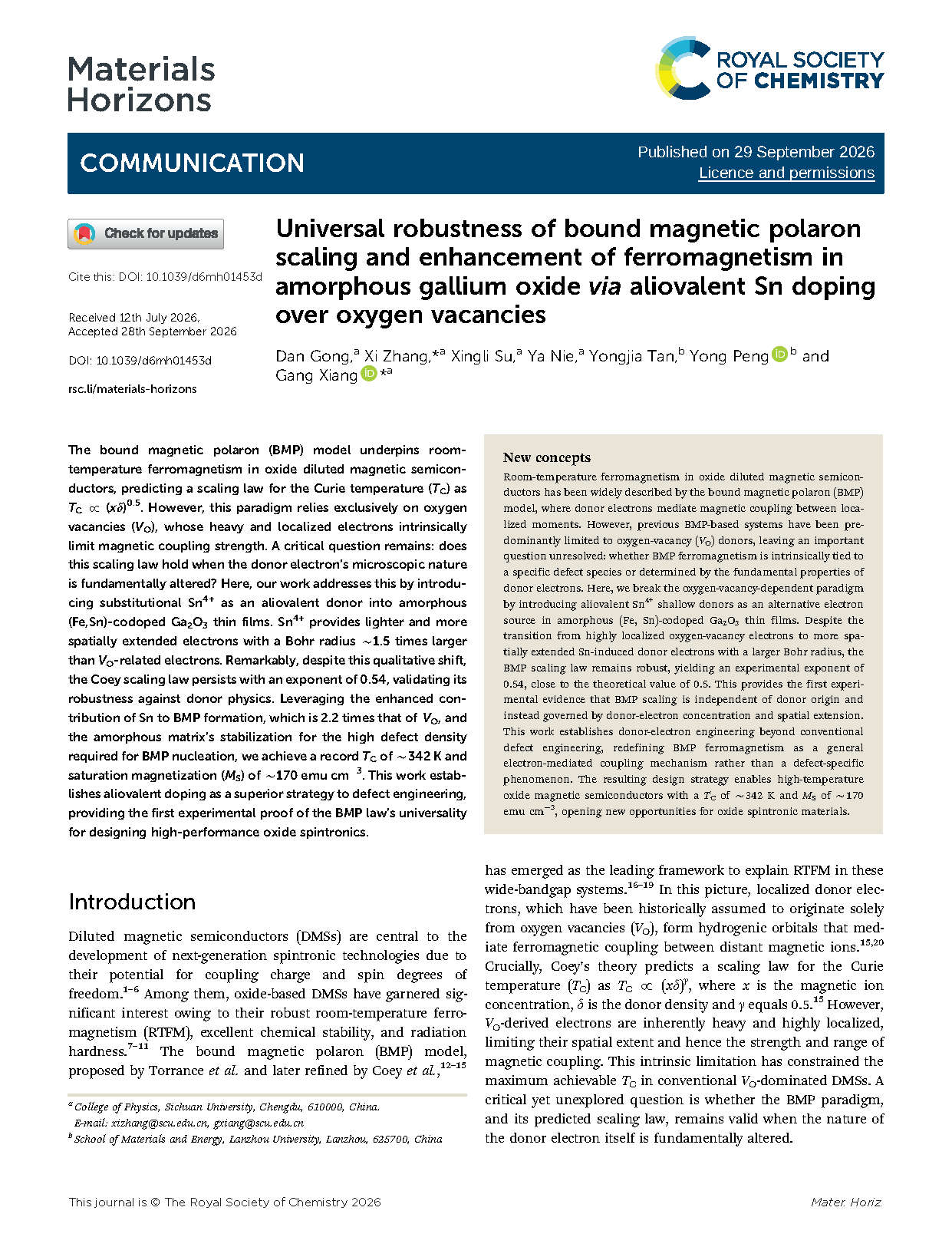
Fig. 1 a Cross-sectional TEM image of X1. b-c Aberration-corrected HRTEM images of regions A1 and A2, respectively. The inset in c shows the corresponding FFT, confirming the absence of long-range order. d EDS elemental maps of Ga, Fe, Sn, and O, demonstrating homogeneous cation distribution. e XRD patterns of amorphous X1 and polycrystalline control sample grown on sapphire.
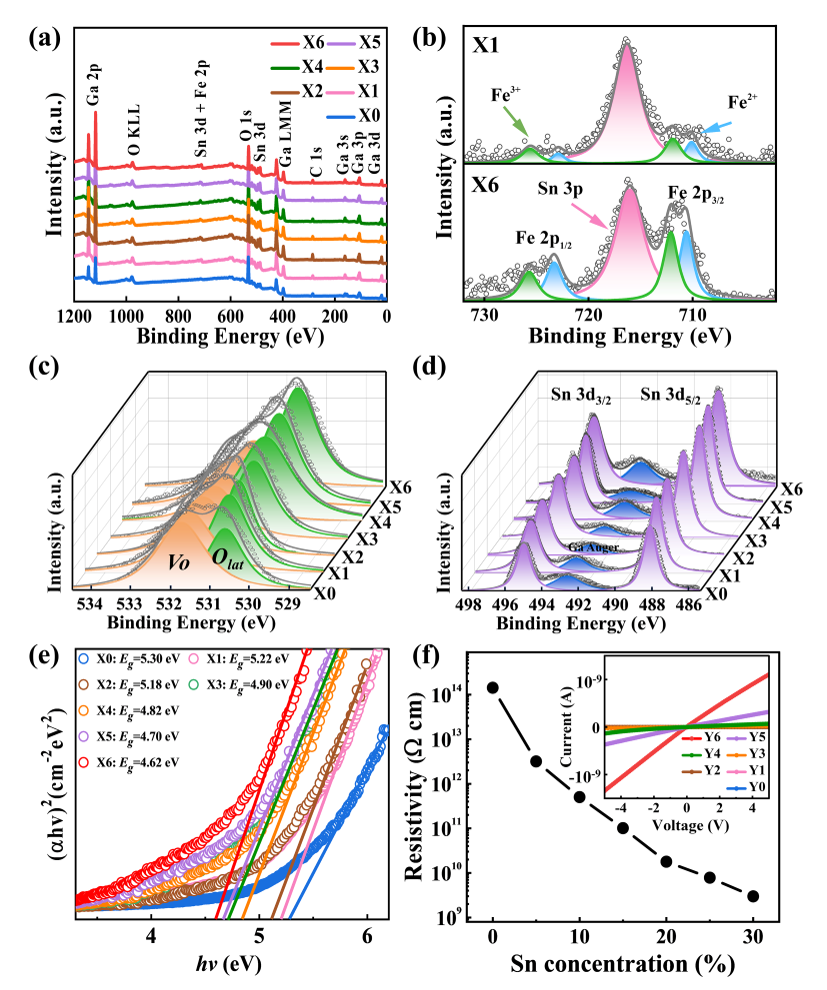
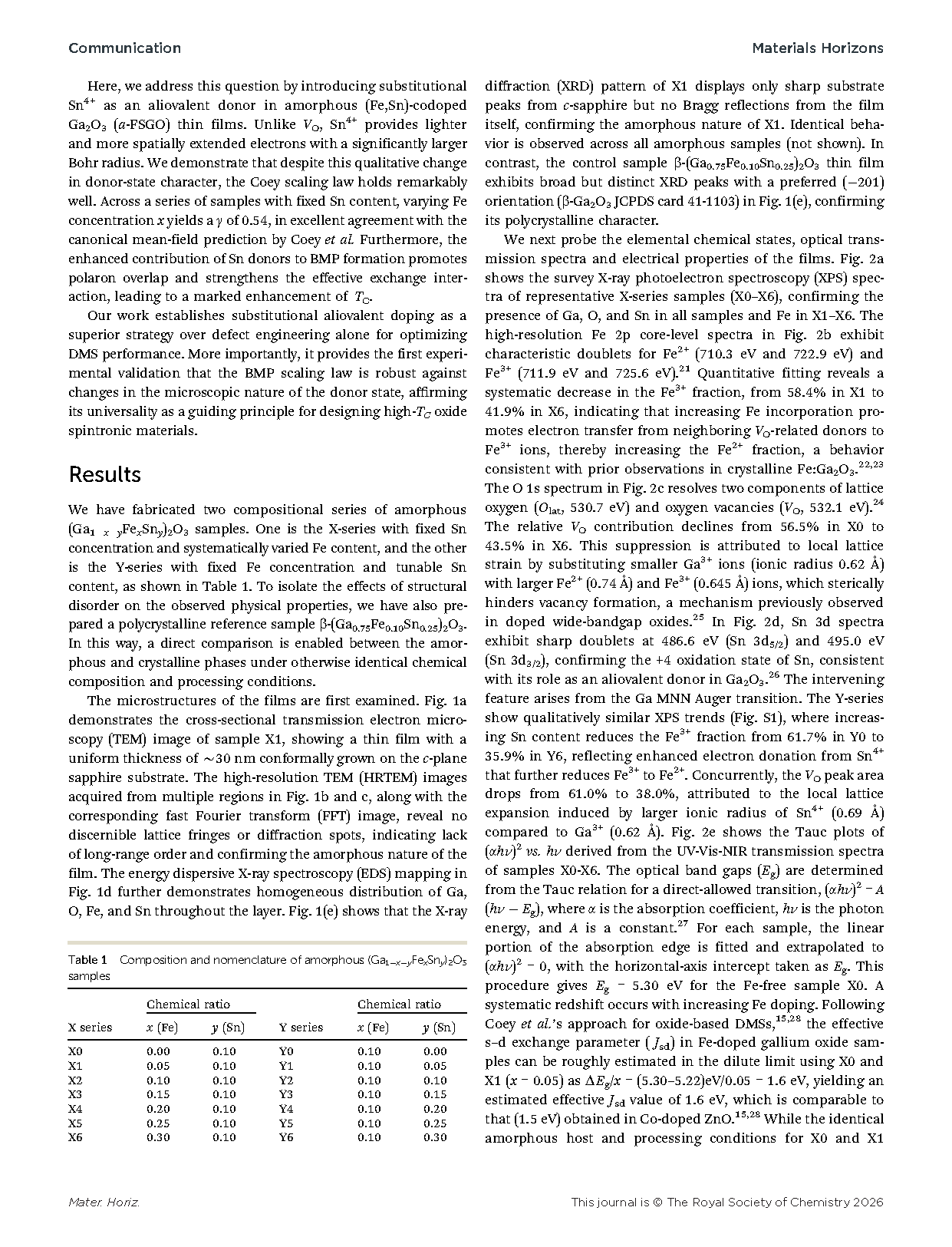
Fig. 2 a Survey XPS spectra of representative X-series samples (X0-X6). b Fe 2p core-level spectra for X1 and X6, revealing mixed Fe²⁺/Fe³⁺ valence states. c-d Deconvoluted O 1s and Sn 3d peaks of representative samples across the X-series, illustrating the evolution of oxygen vacancies and Sn4+ incorporation. e Tauc plots of vs. derived from the UV-Vis-NIR transmission spectra of X0-X6. f Resistivity as a function of Sn concentration in Y0-Y6. The inset shows the linear I-V characteristics of Y0-Y6, indicating Ohmic transport.
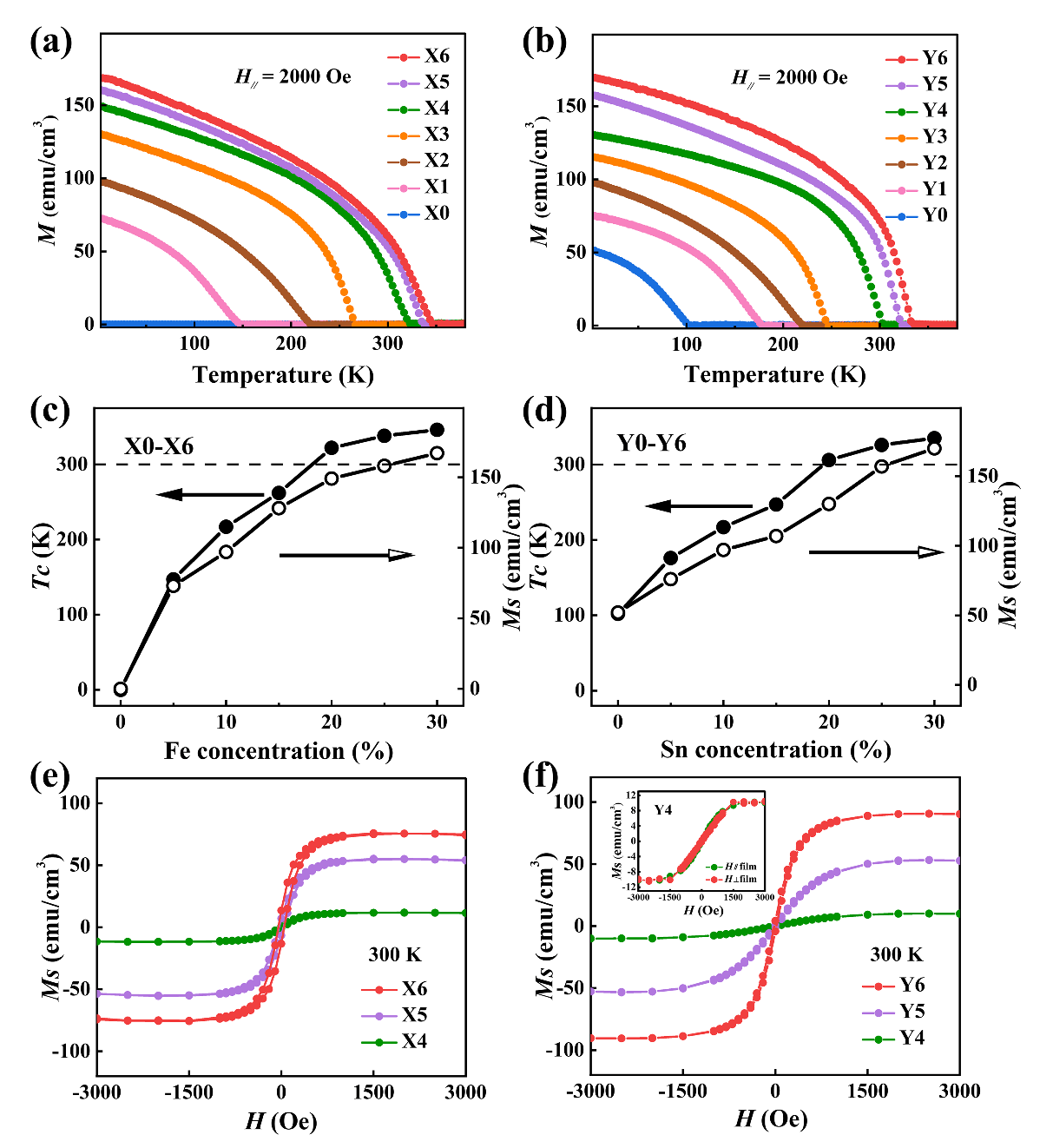
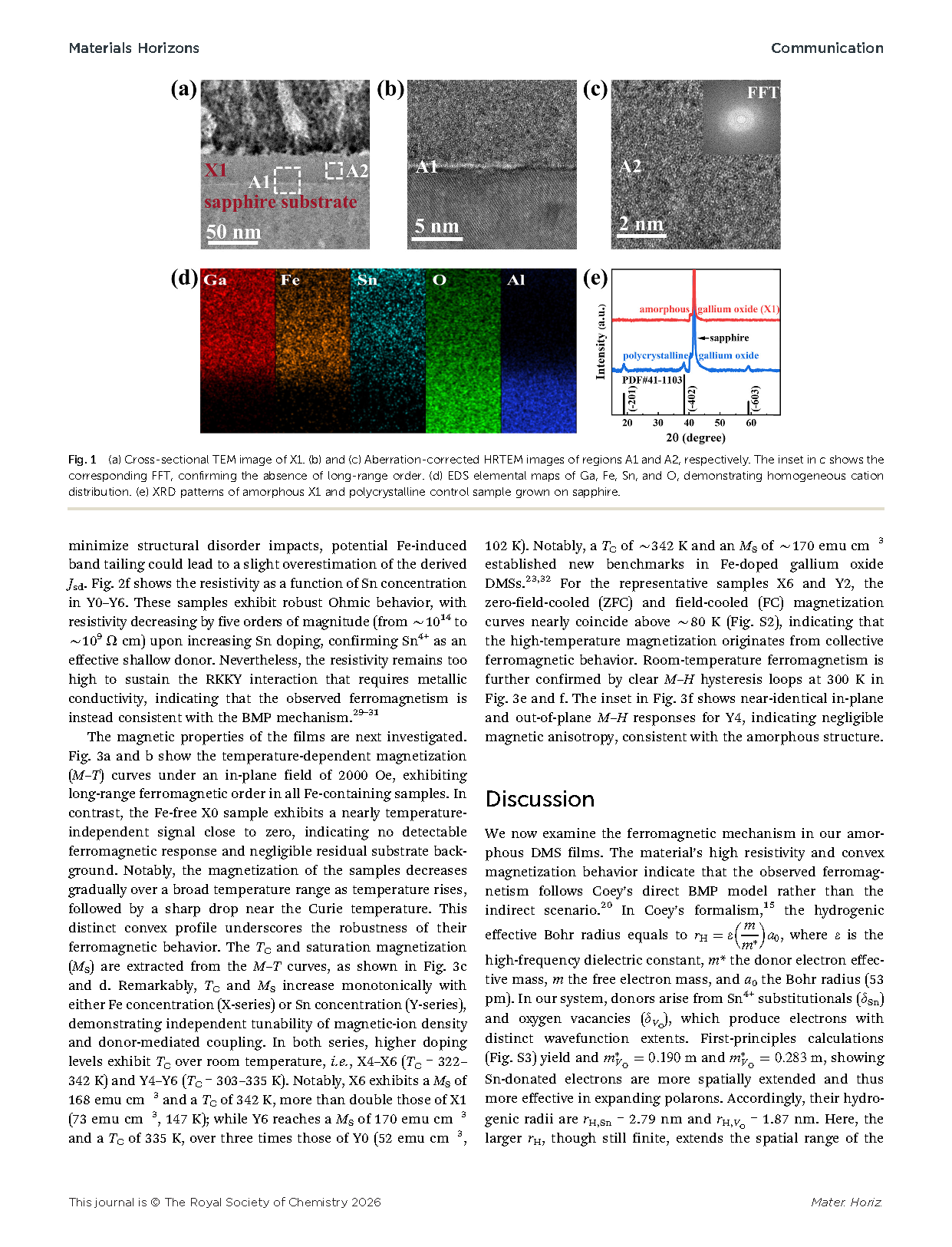
Fig. 3 a-b Temperature-dependent magnetization (M-T) curves for the X-series and Y-series under an in-plane field of 2000 Oe. c-d Evolution of Curie temperature and saturation magnetizationwith Fe concentration (X0-X6) and Sn concentration (Y0-Y6), respectively. e-f Room-temperature magnetic hysteresis loops (M-H) for X4-X6 and Y4-Y6. The inset in (f) compares the in-plane and out-of-plane M-H curves of Y4, revealing negligible magnetic anisotropy consistent with its amorphous structure.
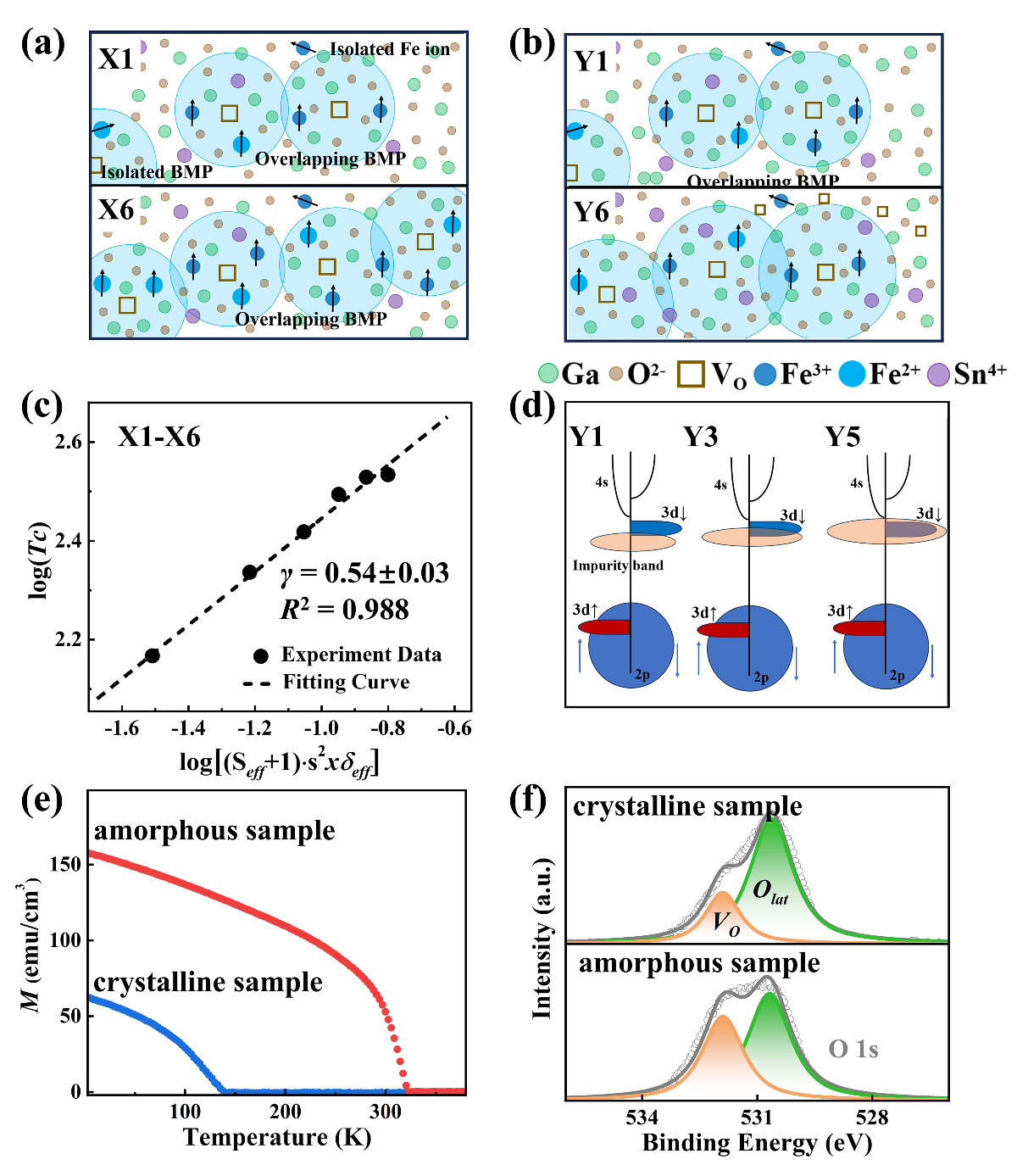
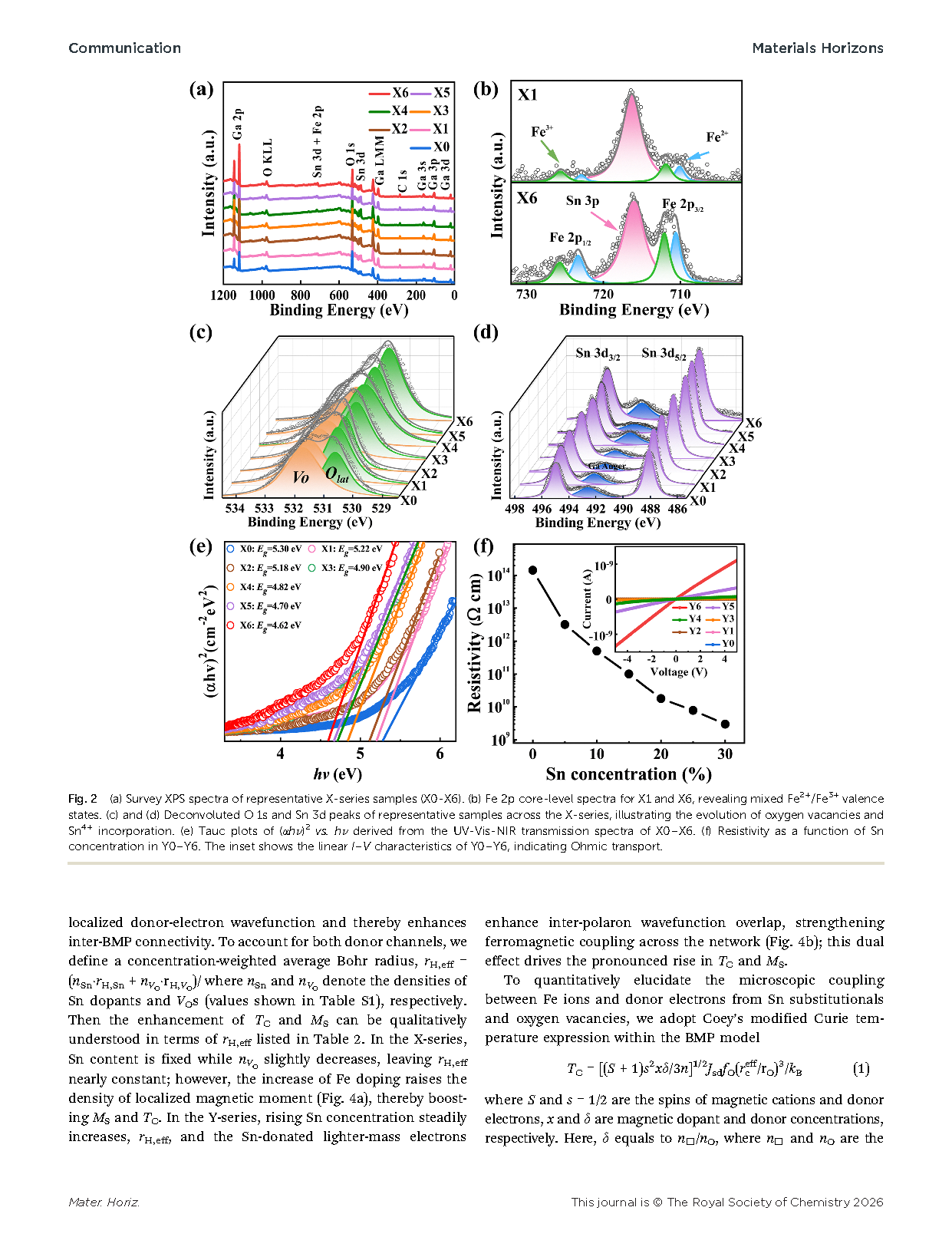
Fig. 4 a-b Schematic illustration of BMPs in the X1/X6 and Y1/Y6 films, showing (a) how increased Fe content raises the density of localized magnetic moments, while (b) increased Sn doping enhances inter-BMP overlap by expanding the hydrogenic effective Bohr radius. c Log-log plots of TC versus the BMP scaling parameter (Seff+1)s2xδeff for the X-series. Black circles: experimental data; Black dashed lines: power-law fits yielding γ = 0.54 ± 0.03 (standard error), with . d Schematic band structures of the oxide system featuring 3d states of magnetic ions and donor impurity band, corresponding to samples Y1, Y3, and Y5, respectively. e M-T curves and f O 1s XPS spectra for the polycrystalline control sample β-(Ga0.65Fe0.10Sn0.25)2O3 and its amorphous counterpart X5. The greatly enhanced ferromagnetism in X5 (panel e) underscores that structural disorder, which stabilizes a high concentration of oxygen vacancies (panel f), is essential for robust BMP nucleation and long-range magnetic coupling.
Introduction of the Corresponding Authors
Prof. Gang Xiang
Gang Xiang is a Professor of the College of Physics at Sichuan University, the director of Sichuan Provincial Key Laboratory of Microelectronics Technology and one of the members of the Semiconductor Physics Committee of the Chinese Physical Society. He received his Ph.D. from Pennsylvania State University in 2006 and has held visiting or research positions at Harvard University, the University of California, Santa Barbara, and Ohio State University. His research focuses on condensed matter physics, semiconductor physics, and spintronics, with particular emphasis on the controlled synthesis of advanced semiconductor and magnetic materials, the design and fabrication of micro/nanoelectronic and spintronic devices, and their underlying physical mechanisms. He has led or participated in research projects funded by the National Key R&D Program of China and the National Natural Science Foundation of China.
Prof. Xi Zhang
Xi Zhang is a Professor of the College of Physics at Sichuan University. She received her Ph.D. in Materials Science and Engineering from Pennsylvania State University in 2009 and joined the College of Physics at Sichuan University the same year. She has undertaken research projects supported by the National Natural Science Foundation of China, the National Key R&D Program of China, and university–industry collaborations. Her work spans emerging magnetic semiconductors, gallium oxide materials, and functional devices.
DOI:
10.1039/D6MH01453D
Instruction
Official Account

Cooperation
Top