


Researchers from Institute of Physics, Polish Academy of Sciences, Warsaw University of Life Sciences - SGGW, National Centre for Nuclear Research have published a dissertation titled "Strain- and Defect-Driven β-to-γ Phase Transition in Yb-Implanted Ga₂O₃" in Journal of Materials Chemistry C.
Background
Gallium oxide (Ga₂O₃) is a wide-bandgap oxide semiconductor that has attracted great attention in recent years. Owing to its high breakdown electric field and excellent thermal stability, it is promising for high-power electronics and devices able to withstand harsh physical environments, with prospects for military and space applications. Ga₂O₃ exists in six polymorphic forms, among which the monoclinic β phase, with a bandgap of 4.9 eV and a high breakdown field of 8 MV/cm, is thermodynamically the most stable under ambient conditions and therefore the most extensively studied. Irradiation or ion implantation often induces the transition from the β phase to the least stable γ phase. This transition is a defect-driven metastable transformation and provides a model system for studying metastability, defect-driven phase transitions and entropy-stabilized structures. γ-Ga₂O₃ is a metastable defective spinel characterized by intrinsic gallium deficiency and substantial cation disorder, with partial occupancy of Ga at both octahedral and tetrahedral sites resulting in four different Wyckoff positions; its complexity has forced most theoretical studies to rely on simplified models. Experimental studies indicate that the β-to-γ transition is essentially independent of the implanted ion species and crystallographic orientation, occurring only above a critical ion fluence, and is mainly controlled by the accumulation of post-implantation damage beyond a critical disorder threshold of approximately 0.4 dpa, being strongly dependent on strain and a high density of gallium vacancies. Although the factors governing the formation of the γ phase have been widely discussed, no unified model of the β-to-γ transition has yet been established, and the specific role of strain and how the formation and migration of gallium vacancies and their complexes affect the transition remain poorly understood. This research gap deserves to be filled.
Abstract
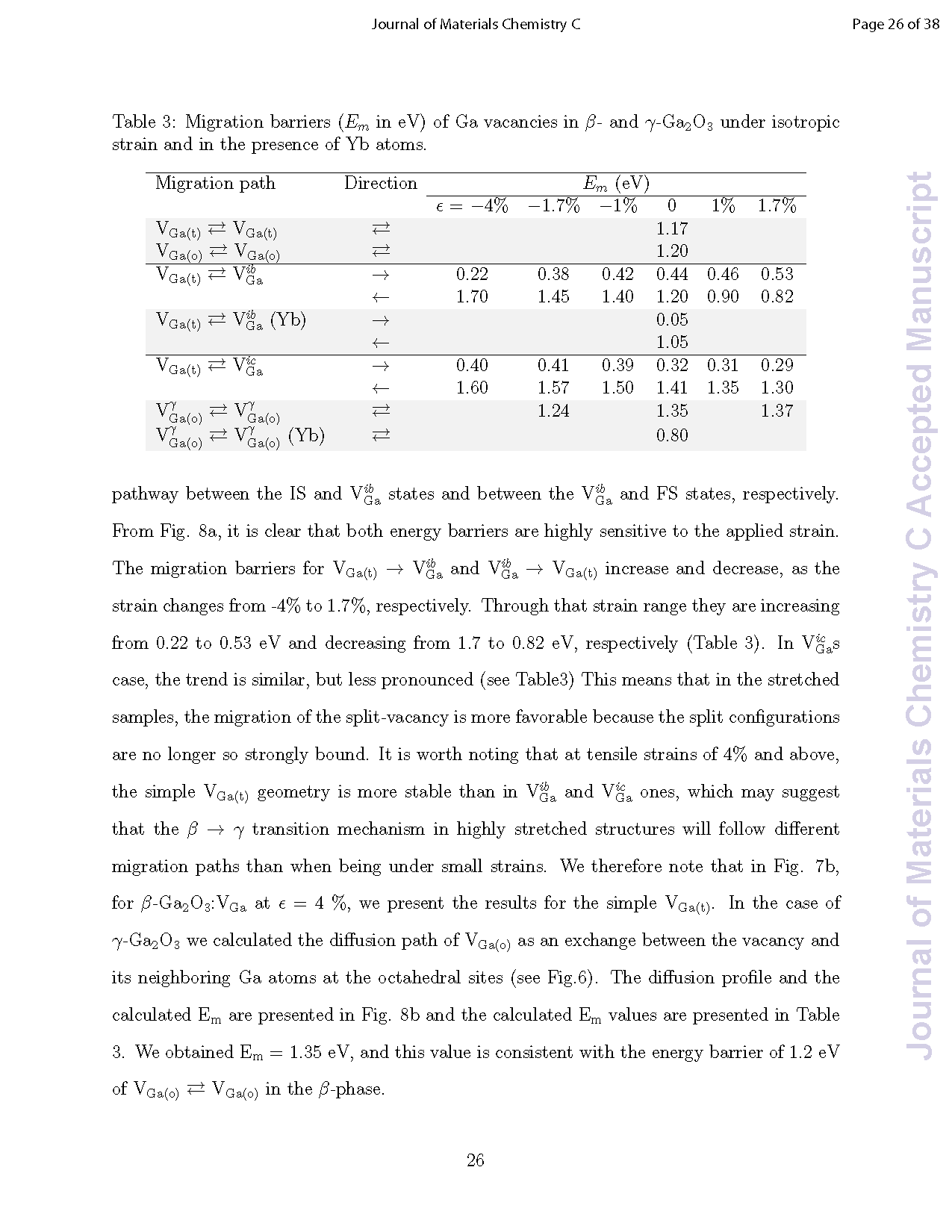
This study examines the phase transition from the monoclinic β phase to the defective spinel γ phase in Ga₂O₃:Yb, with particular emphasis on the role of strain, gallium vacancy (VGa) defects, and their complexes in this transformation. The formation of the γ-phase at fluences of 4 and 8·10¹⁴ Yb/cm² was confirmed by X-ray diffraction (XRD) and high-resolution transmission electron microscopy (HRTEM), and high-angle annular dark-field scanning transmission electron microscopy (HAADF-STEM). Numerical simulations of the 2θ/ω scans within dynamical diffraction theory show that the phase transformation is accompanied by a characteristic distribution of implantation-induced strain. Density Functional Theory (DFT) calculations performed within the GGA + U_{d,p} framework indicate that the phase transition is driven by the strain-induced reduction in the total energy difference between the γ and β phases, further promoted by impurities and VGa. Moreover, Nudged Elastic Band (NEB) calculations show that strain affects VGa migration in both structures, whereas Yb promotes the formation and migration of VGa and related complexes through lattice perturbations.
Highlights
Confirm the β-to-γ phase transition in Yb-implanted Ga₂O₃by XRD, HRTEM and HAADF-STEM.
Retrieve strain and static Debye-Waller factor depth profiles by simulating 2θ/ω scans within dynamical diffraction theory.
DFT calculations reveal that isotropic strain alone cannot trigger the transition in stoichiometric structures, but high Ga-vacancy concentration and interstitial Yb enable it under strong strain.
NEB calculations demonstrate that strain and Yb significantly affect Ga-vacancy migration barriers in both β and γ phases.
Conclusion
In conclusion, the β-to-γ phase transition was investigated in -201-surface-orientated single β-Ga₂O₃ crystals implanted with ytterbium. The depth profile of the strain in the implanted system was established from HRXRD using dynamical diffraction theory and corroborated by HRTEM images, with a maximum value of 2% at the β/γ interface. DFT calculations reveal that isotropic strain alone cannot induce the β-to-γ-phase transition in stoichiometric structures. However, at high concentrations of Ga vacancies and in the presence of interstitial Yb ions, the phase transition can be expected under strong compressive or tensile strain.
According to the present study, the defect-driven β-to-γ transition in Ga₂O₃ is closely related to the energetic cost of defect formation. The preferential formation of VGa and dopant–Ga-vacancy complexes in γ-Ga₂O₃ can attributed, at least in part, to the high concentration of intrinsic "native" Ga vacancies characteristic of the defective spinel structure. The lower energetic cost of forming additional VGa and related complexes in the γ-phase may contribute to reducing the energy difference between the two polymorphs, and this difference decreases even further under strong compressive or tensile strain. Furthermore, NEB calculations demonstrate that compressive or tensile strain significantly affect the VGa migration barriers in both structures, while Yb promotes the formation and migration of VGa-related complexes through additional lattice perturbations.
The proposed mechanism may shed new light on the β-to-γ phase transition not only in implanted but also in doped Ga₂O₃. The presented results show that the phase transition depends not only on the total energetic cost of VGa defects but also on the strain, which modifies the shape of the VGa diffusion barrier. The latter observation may be of practical importance for selection of growth conditions for gallium oxide layers and crystals.
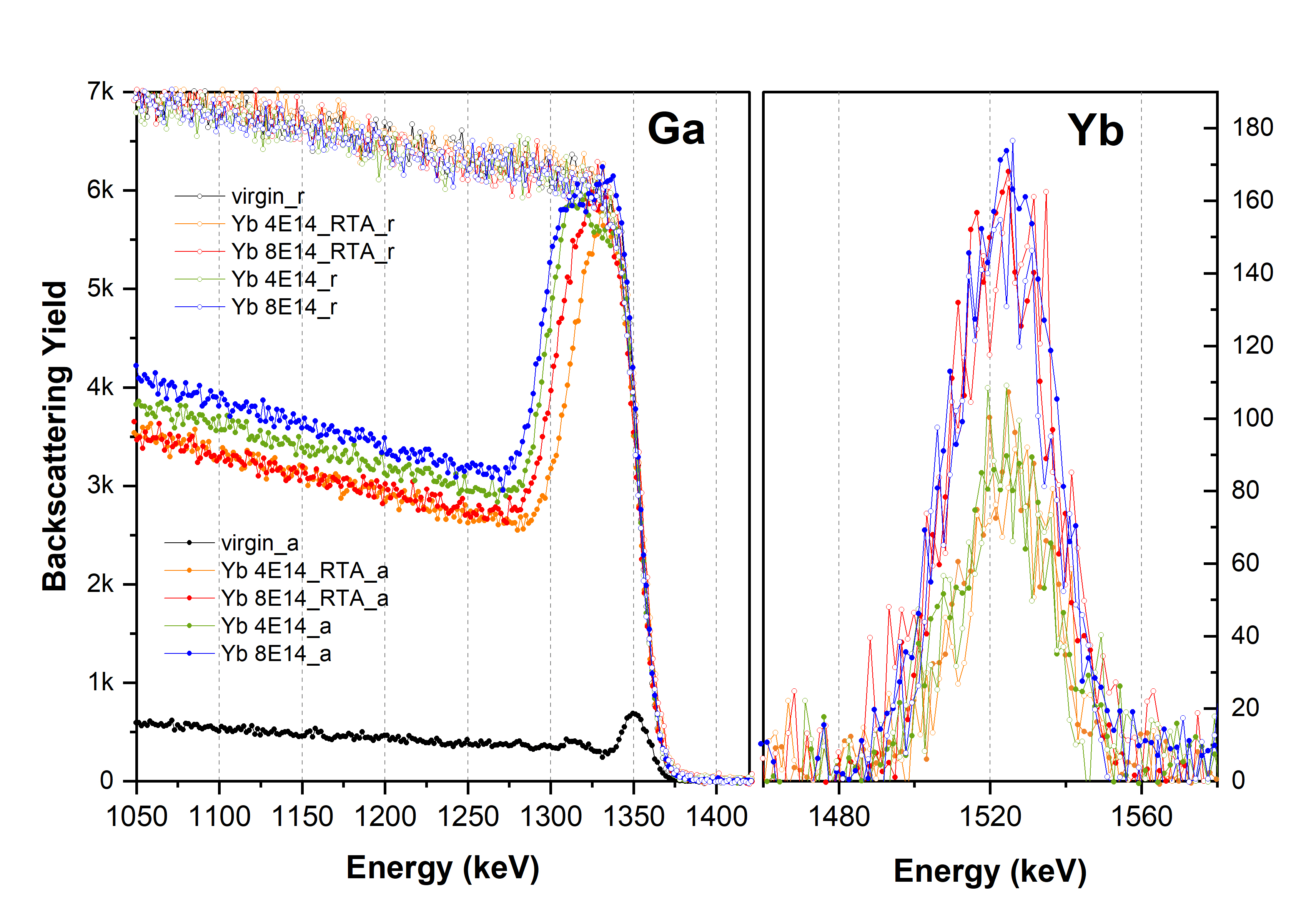
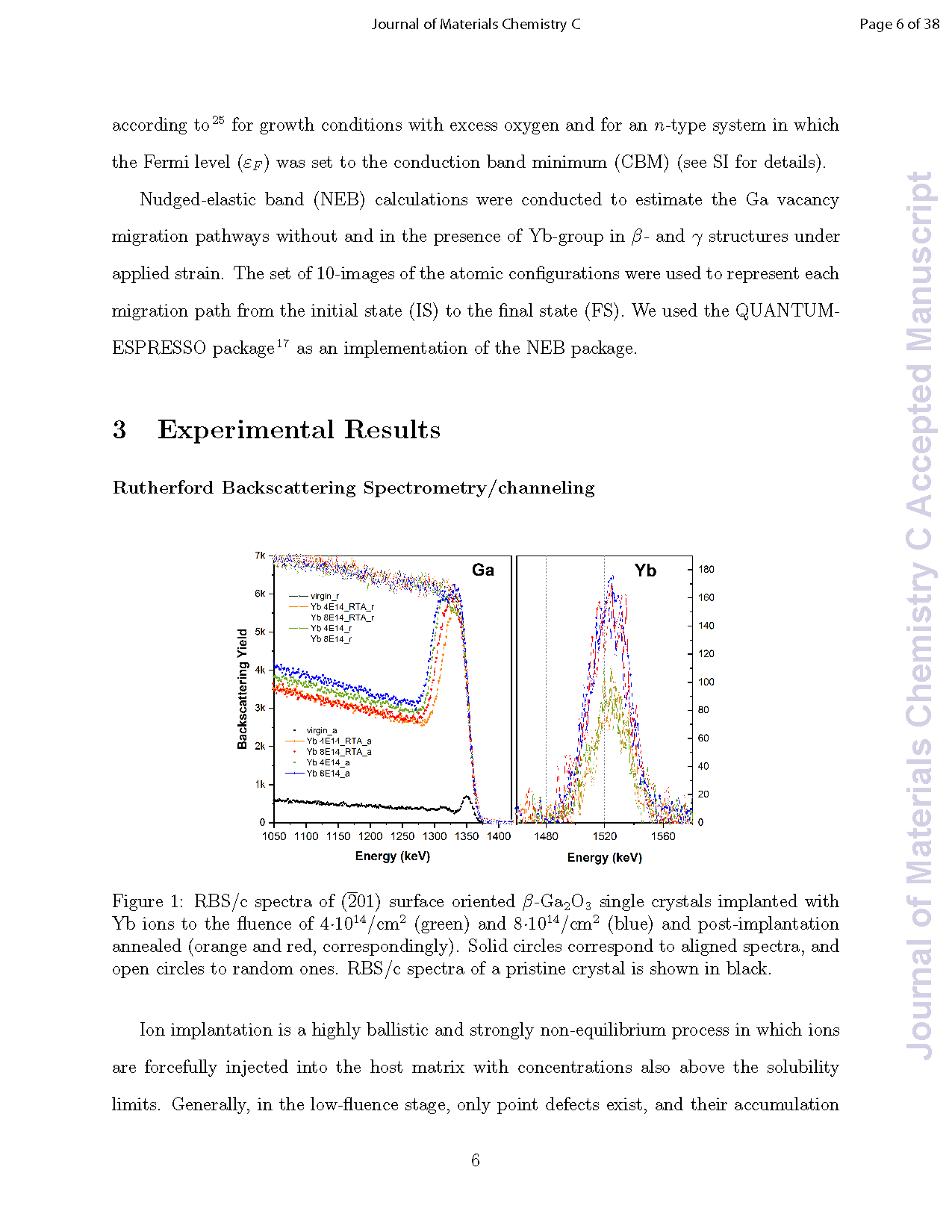
Figure 1: RBS/c spectra of (-201) surface oriented β-Ga₂O₃ single crystals implanted with Yb ions to the fluence of 4・10¹⁴/cm² (green) and 8・10¹⁴/cm² (blue) and post-implantation annealed (orange and red, correspondingly). Solid circles correspond to aligned spectra, and open circles to random ones. RBS/c spectra of a pristine crystal is shown in black.
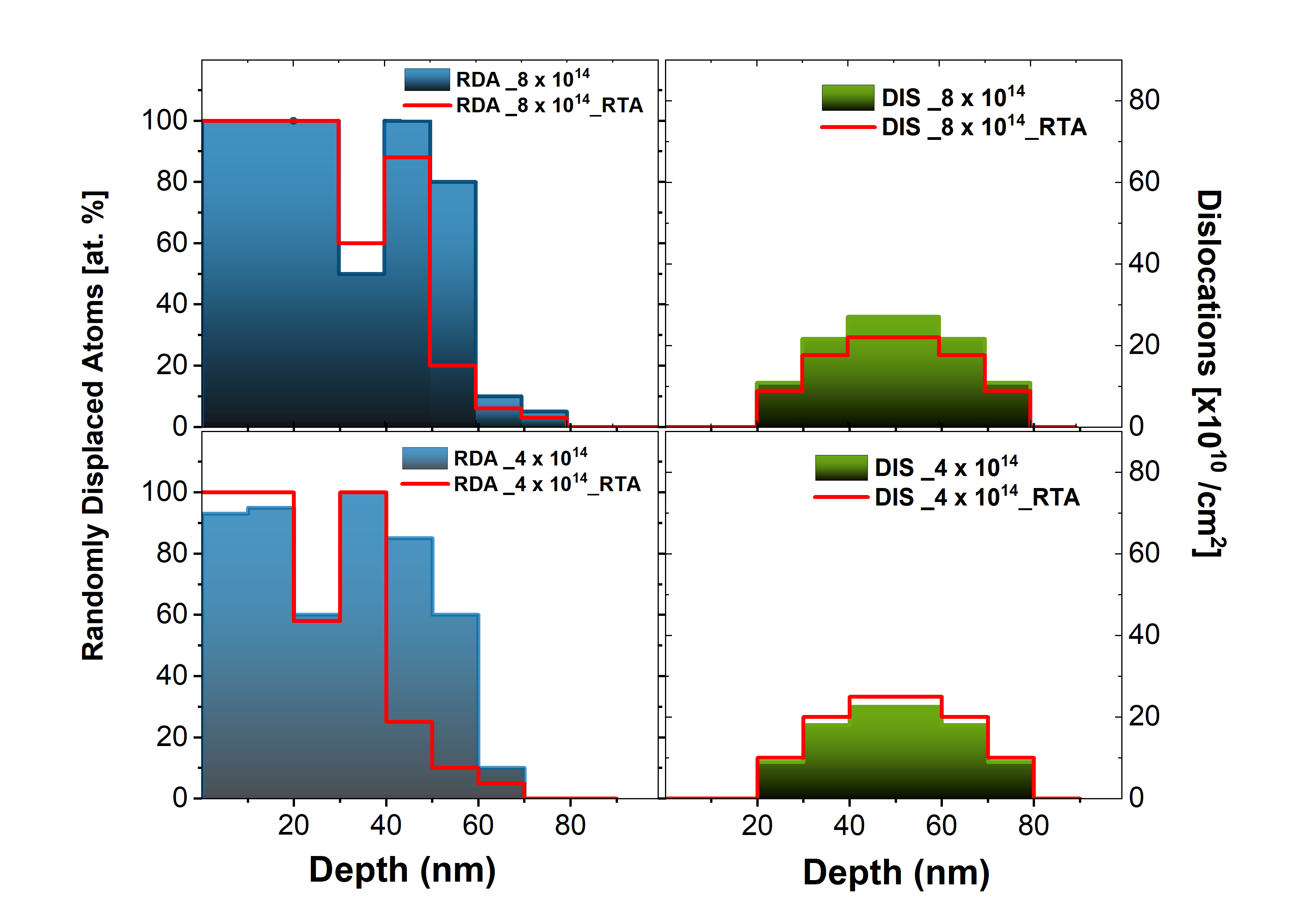
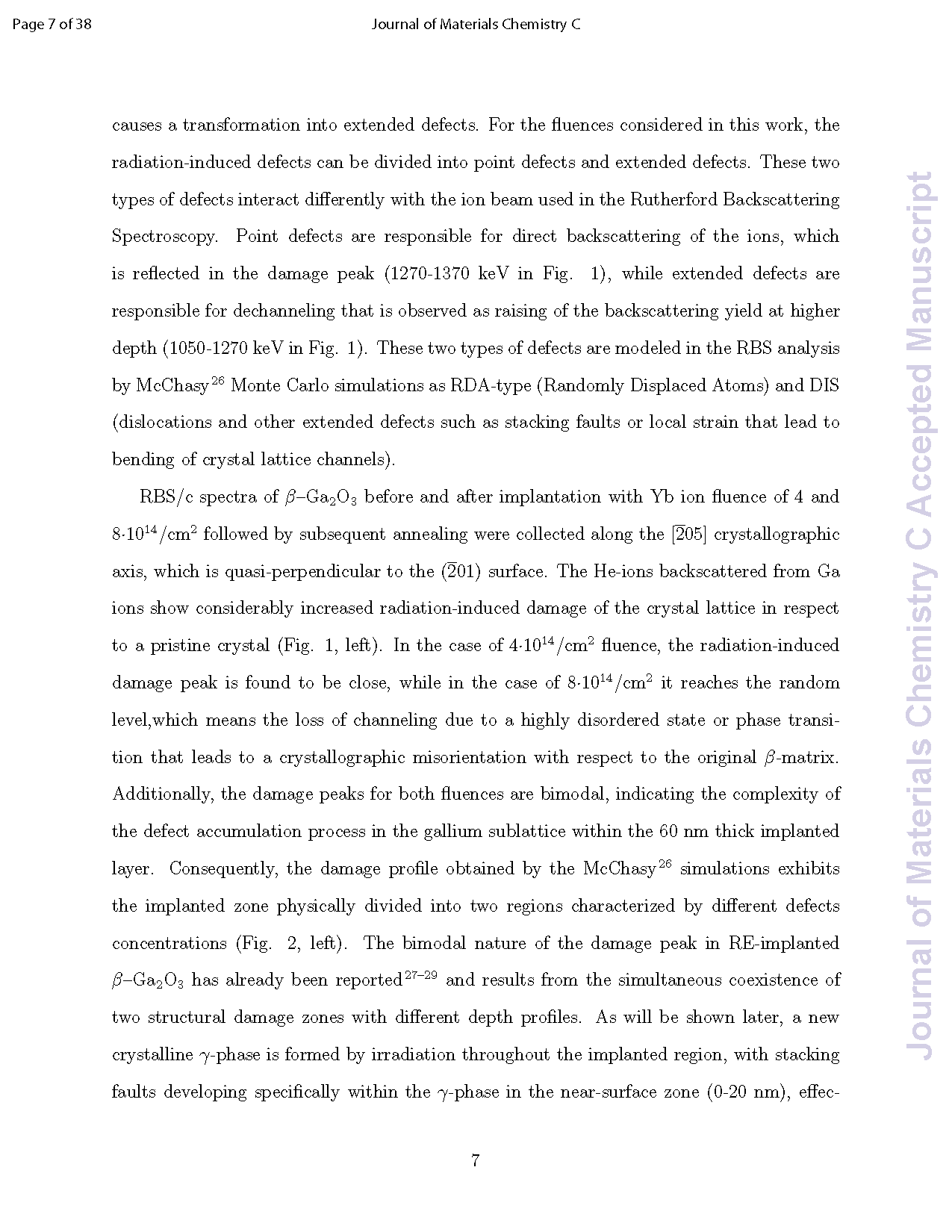
Figure 2: Defect distribution in β-Ga₂O₃ single crystals implanted with Yb ions; RDA-type (left) and DIS-type (right); Yb fluence of 8・10¹⁴/cm² (up) and Yb fluence of 4・10¹⁴/cm² (down). The distribution of defects after RTA is shown by the red line.
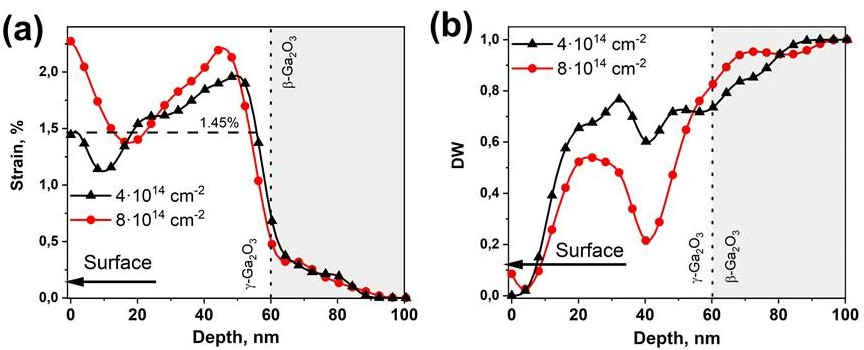
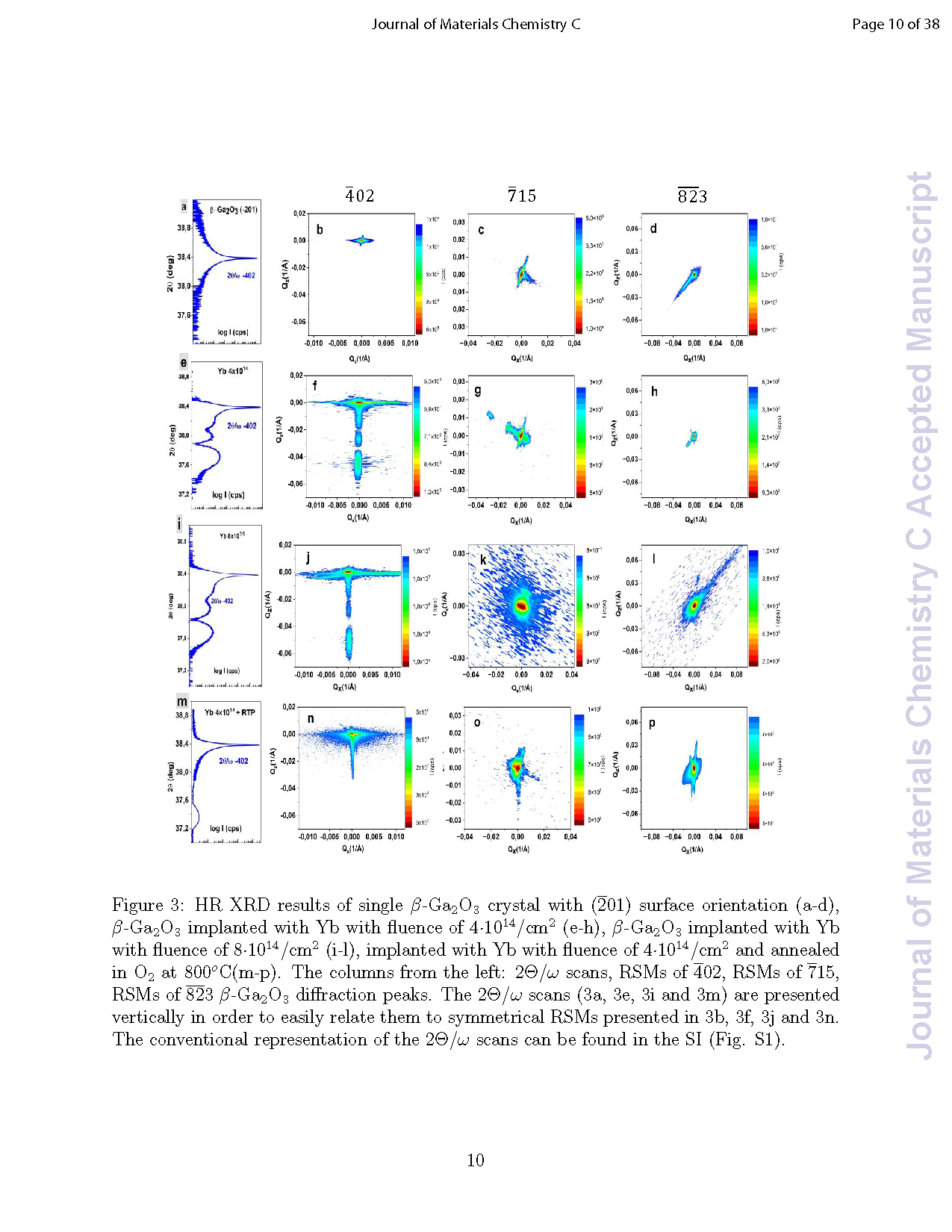
Figure 3: HR XRD results of single β-Ga₂O₃ crystal with (-201) surface orientation (a-d), β-Ga₂O₃ implanted with Yb with fluence of 4×10¹⁴/cm² (e-h), β-Ga₂O₃ implanted with Yb with fluence of 8×10¹⁴/cm² (i-l), implanted with Yb with fluence of 4×10¹⁴/cm² and annealed in O₂ at 800℃(m-p). The columns from the left: 2θ/ω scans, RSMs of (-402), RSMs of (-715), RSMs of (-8-23) β-Ga₂O₃ diffraction peaks. The 2θ/ω scans (3a, 3e, 3i and 3m) are presented vertically in order to easily relate them to symmetrical RSMs presented in 3b, 3f, 3j and 3n. The conventional representation of the 2θ/ω scans can be found in the SI (Fig. S1).
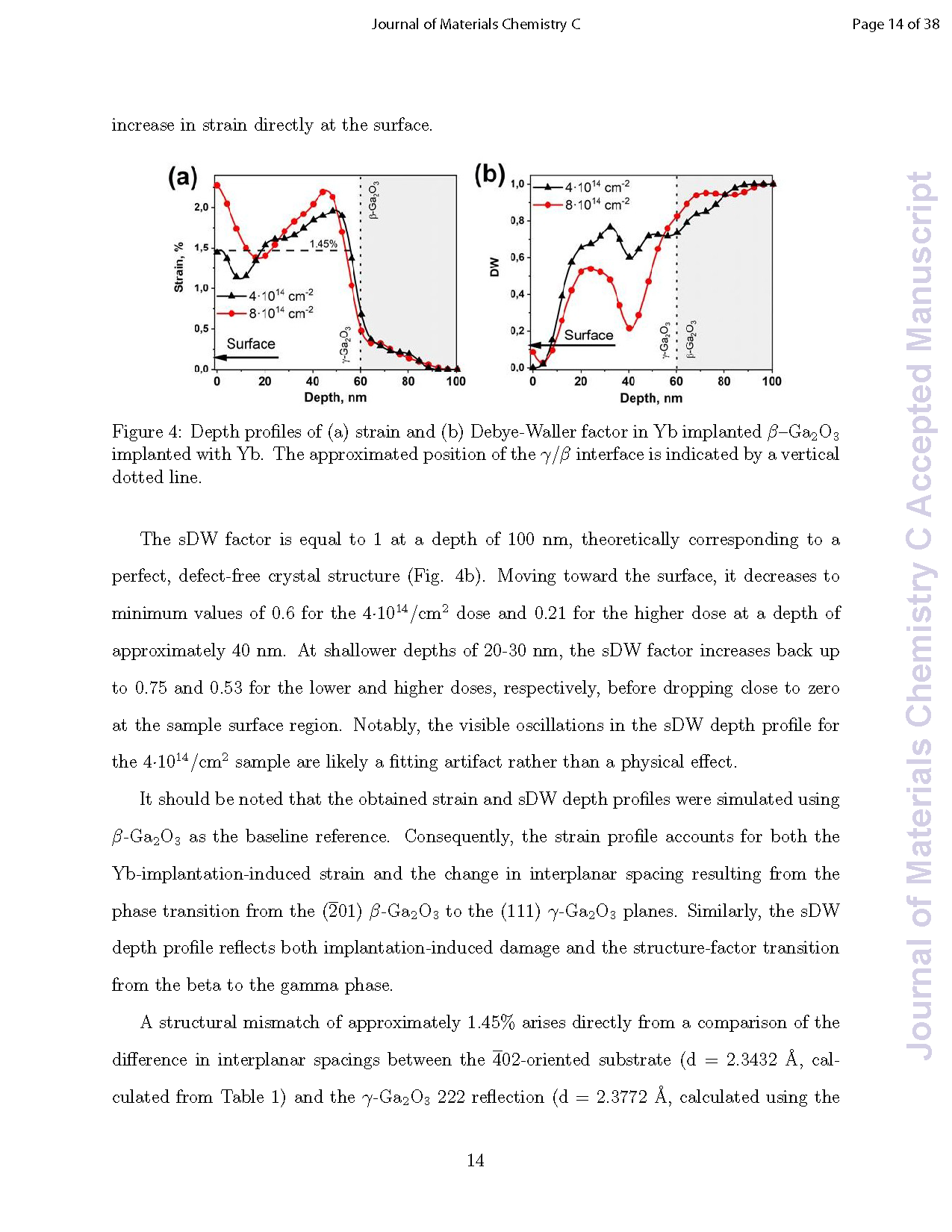
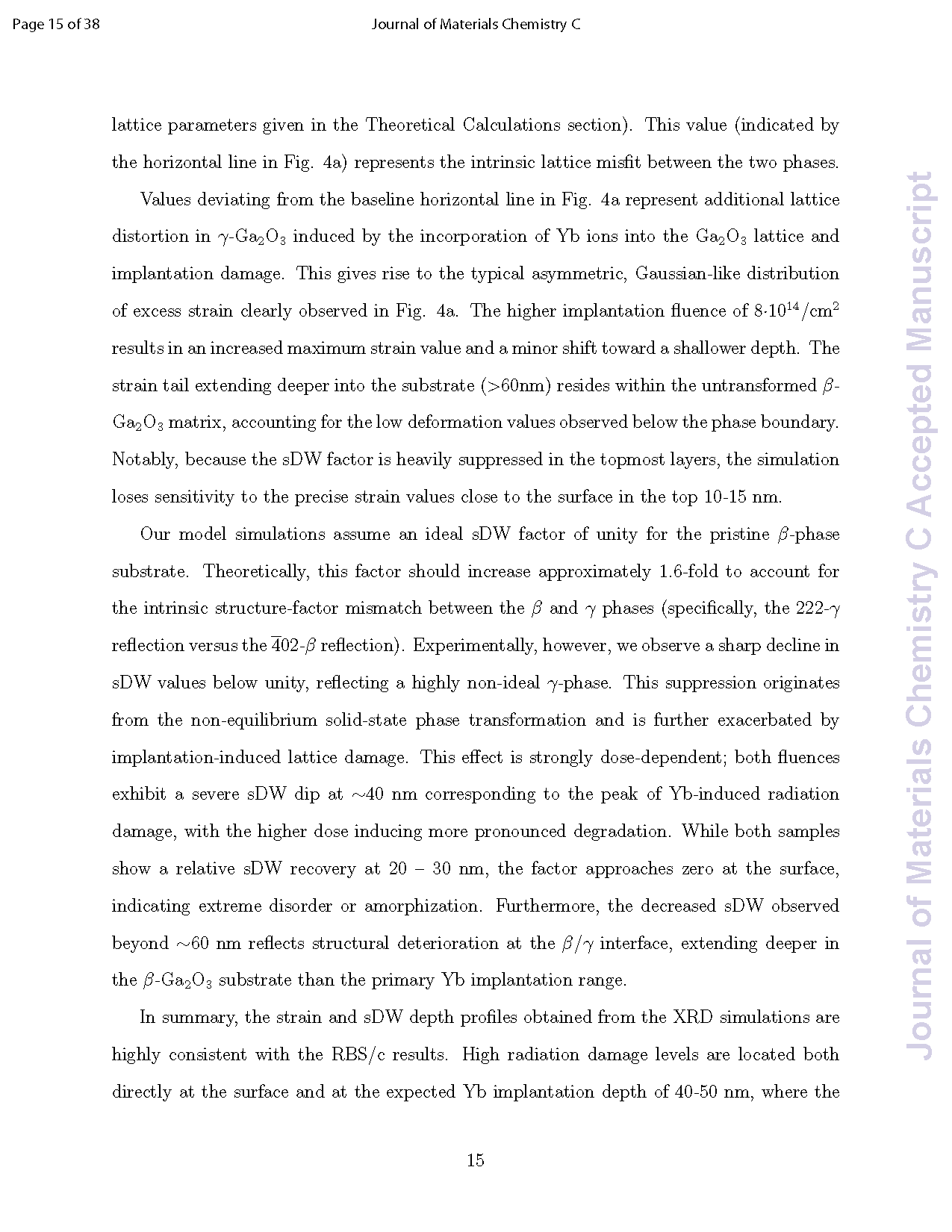
Figure 4: Depth profiles of (a) strain and (b) Debye-Waller factor in Yb implanted β-Ga₂O₃ implanted with Yb. The approximated position of the γ/β interface is indicated by a vertical dotted line.

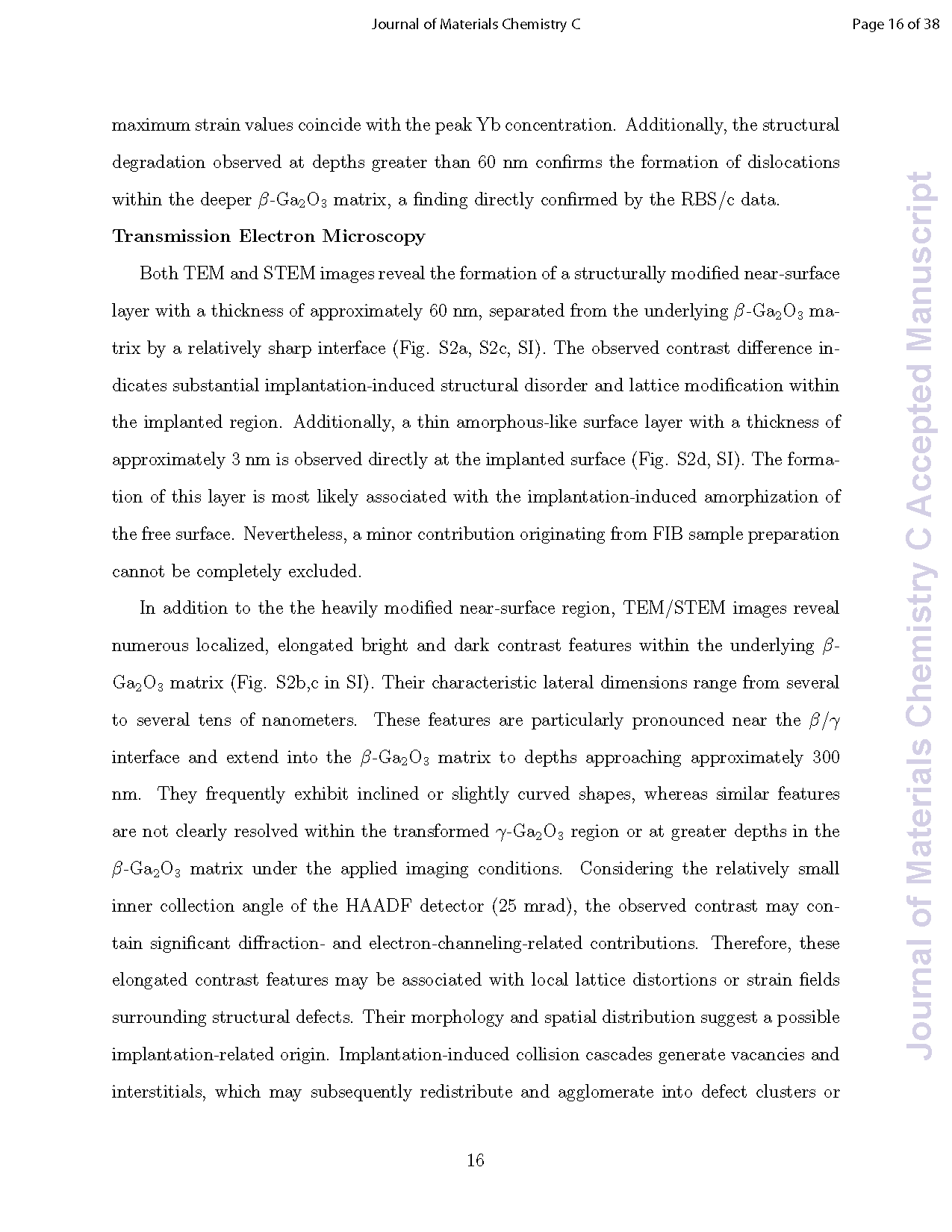
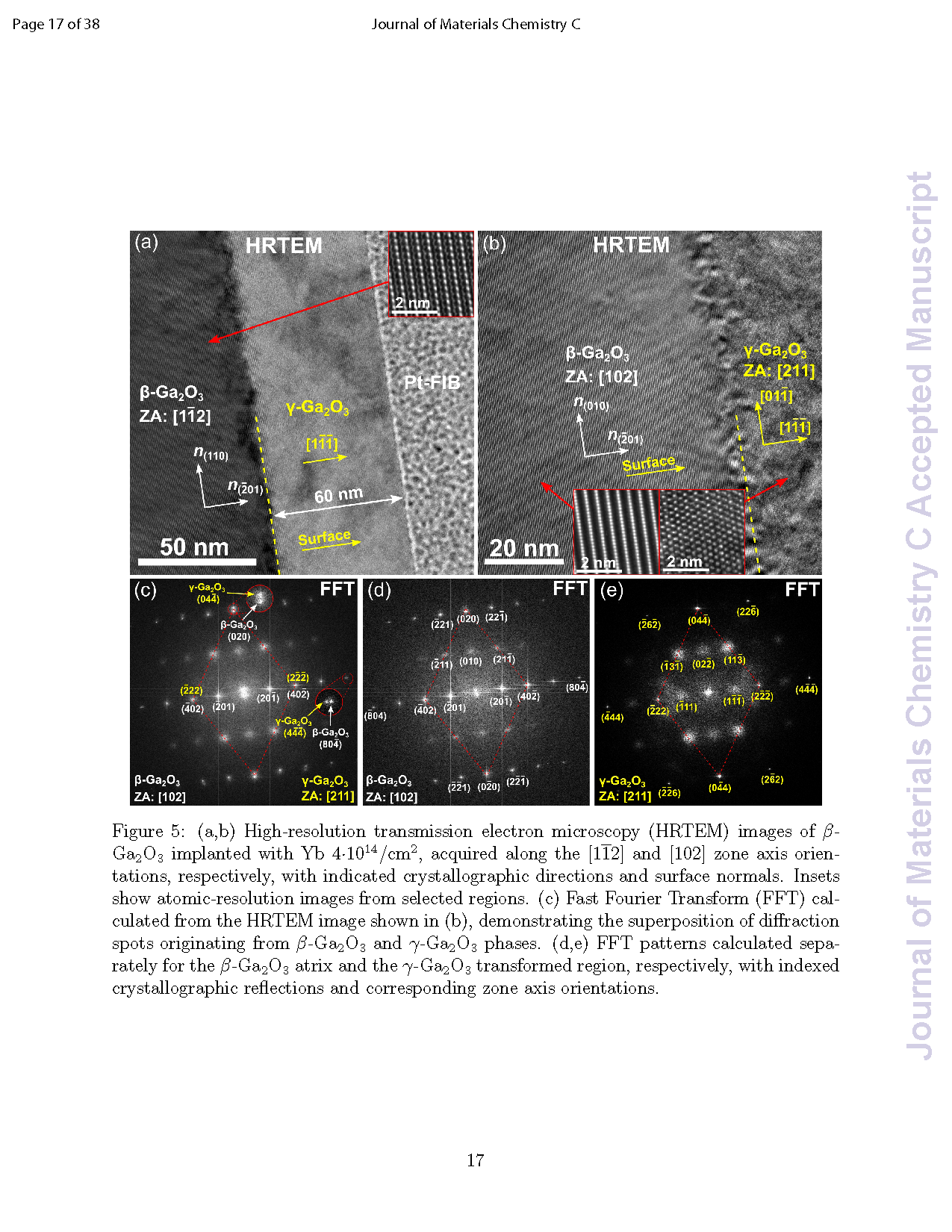
Figure 5: (a,b) High-resolution transmission electron microscopy (HRTEM) images of β-Ga₂O₃ implanted with Yb 4・10¹⁴/cm², acquired along the [1-12] and [102] zone axis orientations, respectively, with indicated crystallographic directions and surface normals. Insets show atomic-resolution images from selected regions. (c) Fast Fourier Transform (FFT) calculated from the HRTEM image shown in (b), demonstrating the superposition of diffraction spots originating from β-Ga₂O₃ and γ-Ga₂O₃ phases. (d,e) FFT patterns calculated separately for the β-Ga₂O₃ matrix and the γ-Ga₂O₃ transformed region, respectively, with indexed crystallographic reflections and corresponding zone axis orientations.
DOI:
doi.org/10.1039/D6TC02915A
Instruction
Official Account

Cooperation
Top