


Researchers from Zhejiang Sci-Tech University, Hangzhou City University and Zhejiang University have published a paper titled "Solar-Blind Polarization Sensitive Photodetection Based on β-Ga₂O₃ Microwires With Super-High Polarization Ratio (>5000) Enabled by Intrinsic and Morphological Anisotropy" in Laser & Photonics Reviews.
Background
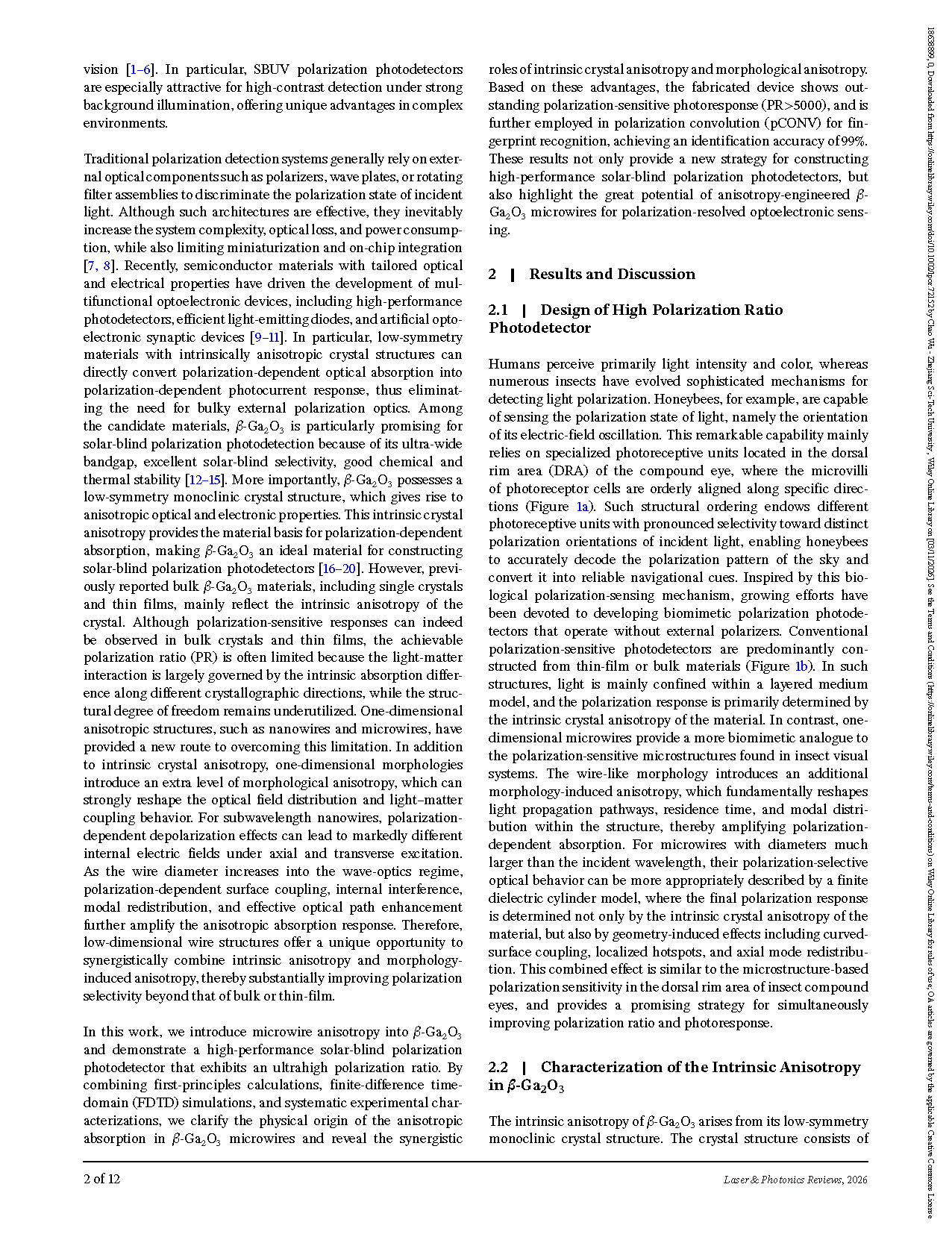
Solar-blind polarization photodetectors are highly desirable for next-generation intelligent sensing and imaging systems, yet achieving a high polarization ratio remains a major challenge for current devices. Traditional polarization detection systems generally rely on external optical components such as polarizers, wave plates, or rotating filter assemblies to discriminate the polarization state of incident light. Although such architectures are effective, they inevitably increase the system complexity, optical loss, and power consumption, while also limiting miniaturization and on-chip integration. Low-symmetry materials with intrinsically anisotropic crystal structures can directly convert polarization-dependent optical absorption into polarization-dependent photocurrent response, thus eliminating the need for bulky external polarization optics. Monoclinic β-Ga₂O₃ is particularly promising for solar-blind polarization photodetection because of its ultra-wide bandgap, excellent solar-blind selectivity, good chemical and thermal stability. More importantly, β-Ga₂O₃ possesses a low-symmetry monoclinic crystal structure, which gives rise to anisotropic optical and electronic properties. However, previously reported bulk β-Ga₂O₃ materials, including single crystals and thin films, mainly reflect the intrinsic anisotropy of the crystal, and the achievable polarization ratio (PR) is often limited. One-dimensional anisotropic structures, such as nanowires and microwires, introduce an extra level of morphological anisotropy, which can strongly reshape the optical field distribution and light-matter coupling behavior. In this work, we introduce microwire anisotropy into β-Ga₂O₃ and demonstrate a high-performance solar-blind polarization photodetector that exhibits an ultrahigh polarization ratio.
Abstract
Solar-blind polarization photodetectors are highly desirable for next-generation intelligent sensing and imaging systems, yet achieving a high polarization ratio remains a major challenge for current devices. Here, we report a solar-blind polarization photodetector based on mechanically exfoliated β-Ga₂O₃ microwires, in which intrinsic crystal anisotropy and morphology-induced anisotropy are synergistically combined to enable enhanced polarization-sensitive photoresponse. First-principles calculations reveal that the intrinsic anisotropic optical absorption of β-Ga₂O₃ originates from its low-symmetry monoclinic crystal structure, leading to polarization-dependent interband transitions. The finite-difference time-domain (FDTD) simulations reveal that the microwire morphology introduces additional polarization-dependent optical anisotropy. A simple metal-semiconductor-metal photodetector is constructed using a single β-Ga₂O₃ microwire, achieving outstanding solar-blind ultraviolet detection performance with an ultrahigh polarization ratio (PR) of 5200. Furthermore, by integrating the anisotropic photoresponse into a polarization convolution (pCONV) and combining it with an artificial neural network, high-accuracy fingerprint recognition is achieved with an accuracy of about 99%. This work establishes β-Ga₂O₃ microwires as a promising material for high-performance solar-blind polarization photodetection and highlights the effectiveness of morphology engineering in boosting polarization-sensitive optoelectronic performance.
Highlights
① The synergistic dual-anisotropy mechanism of β-Ga₂O₃ microwires is clarified: intrinsic monoclinic crystal anisotropy and morphology-induced anisotropy jointly amplify polarization-dependent optical absorption. FDTD simulations confirm that planar films introduce little morphological anisotropy while microwires markedly enhance polarization-selective absorption.
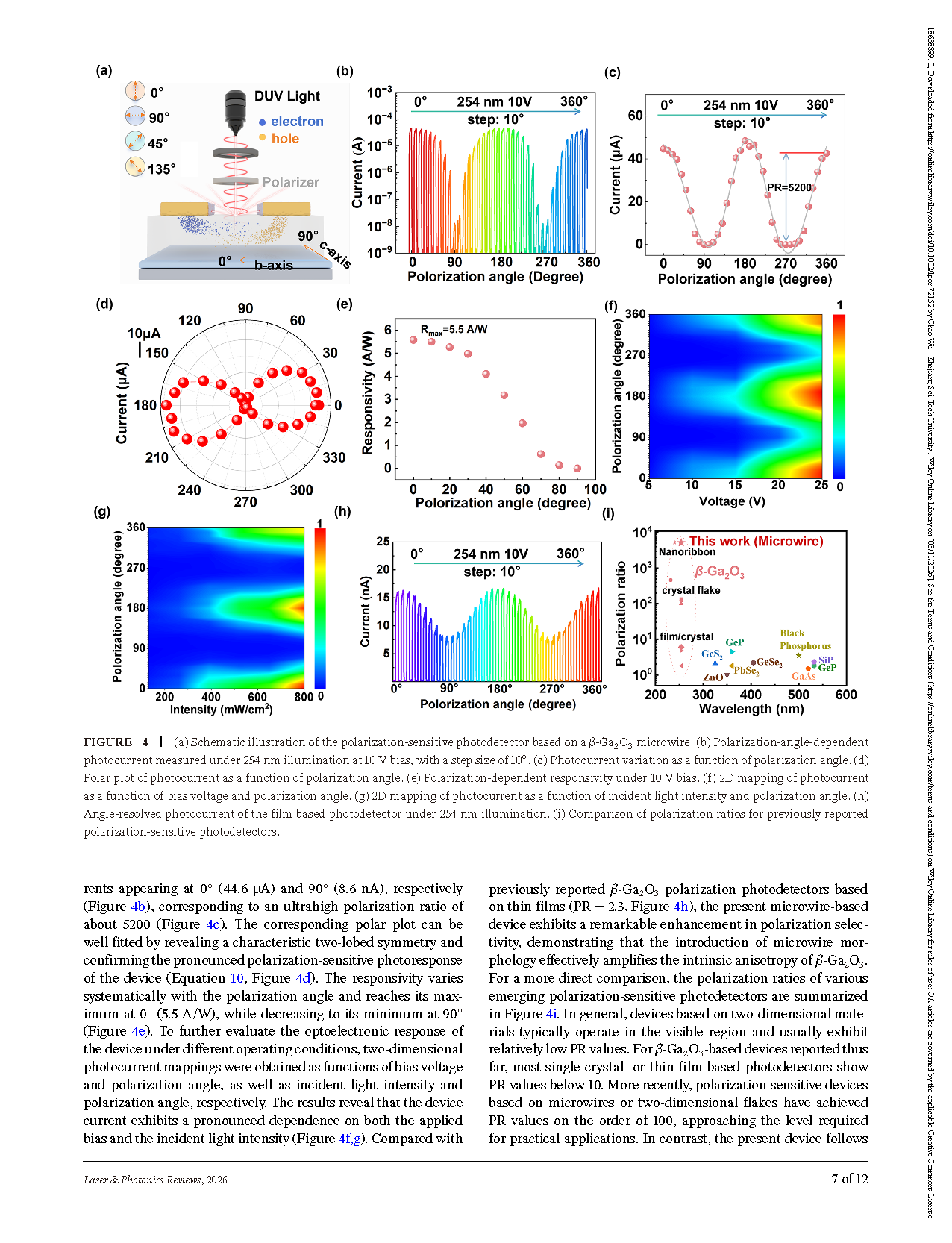
② A structurally simple MSM solar-blind polarization photodetector is fabricated based on a mechanically exfoliated β-Ga₂O₃ microwire, achieving an ultrahigh polarization ratio of 5200 under 254 nm illumination at 10 V bias, with photocurrent exhibiting pronounced two-lobed polar-plot response with polarization angle.
③ The device delivers outstanding solar-blind UV detection performance with a maximum responsivity of 5.5 A/W (at 0°), and systematic comparison with reported film, two-dimensional, and microwire polarization devices shows clear performance advantages.
④ The anisotropic photoresponse is incorporated into polarization convolution (pCONV) for multi-directional fingerprint feature extraction and fusion. Combined with an artificial neural network, pCONV-ANN reaches about 99% recognition accuracy, markedly outperforming sCONV (69%) and original images (55%).
⑤ Morphology-engineering is verified as an effective strategy to improve polarization-sensitive optoelectronic performance of β-Ga₂O₃, offering a new route toward high-performance solar-blind polarization photodetection and intelligent information sensing.
Conclusion
In summary, we have demonstrated a high-performance solar-blind polarization photodetector based on β-Ga₂O₃ microwires by synergistically exploiting intrinsic crystal anisotropy and morphology-induced anisotropy. First-principles calculations, polarized spectroscopic characterizations, and FDTD simulations consistently reveal that the intrinsic anisotropy of β-Ga₂O₃ originates from its low-symmetry monoclinic crystal structure, while the microwire geometry further amplifies the polarization-dependent optical response through curved-surface coupling, internal mode redistribution, localized field enhancement, and effective optical path modulation. In contrast to films, which mainly reflect intrinsic anisotropy and show limited dichroic response, the microwire architecture introduces a strong morphology-induced anisotropy that significantly enhances polarization selectivity. Based on a simple MSM device configuration, the as-fabricated β-Ga₂O₃ microwire photodetector exhibits outstanding solar-blind ultraviolet photoresponse with a polarization ratio of 5200, demonstrating a clear advantage over previously reported β-Ga₂O₃ thin-film and planar devices. Moreover, by incorporating the anisotropic device response into a pCONV, the extracted directional fingerprint features can be effectively enhanced, and an ANN-based recognition accuracy of about 99% is achieved. These results not only provide a clear physical picture for the origin of polarization-sensitive absorption in β-Ga₂O₃ microwires, but also offer a practical route toward high-polarization-ratio, high-responsivity polarization photodetectors for intelligent vision and information sensing.
Project Support
This work was supported by the National Natural Science Foundation of China (Nos. 62304205, 62605364, 62674208), Zhejiang Provincial Natural Science Foundation of China (LQ24F040002), the Science Foundation of Zhejiang Sci-Tech University (25062169-Y).
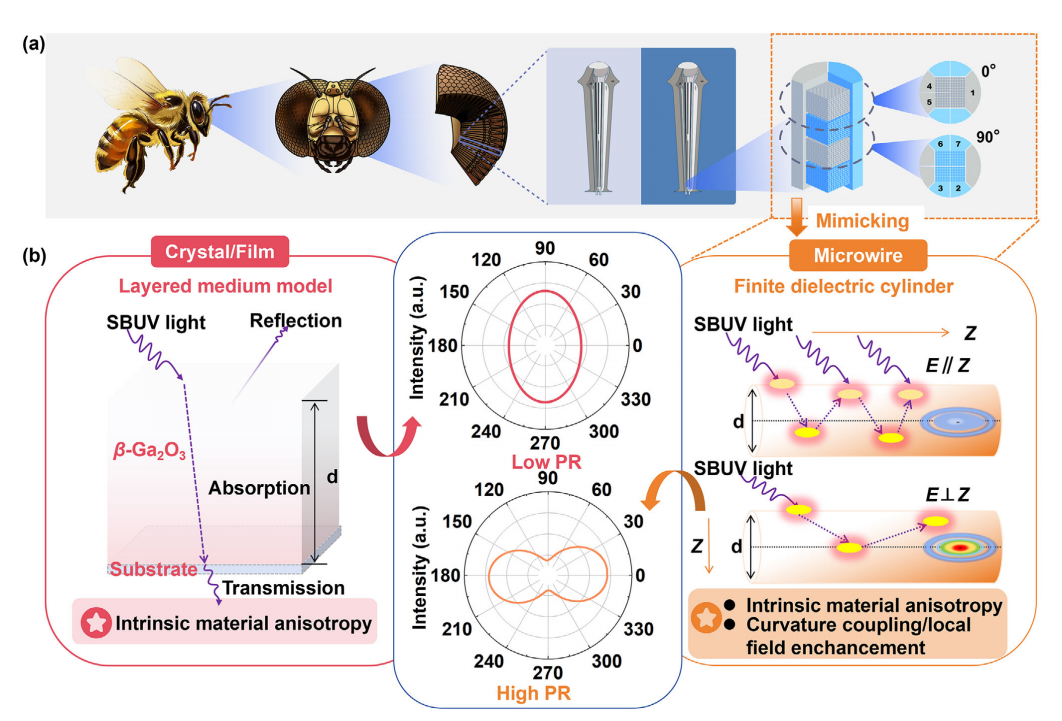
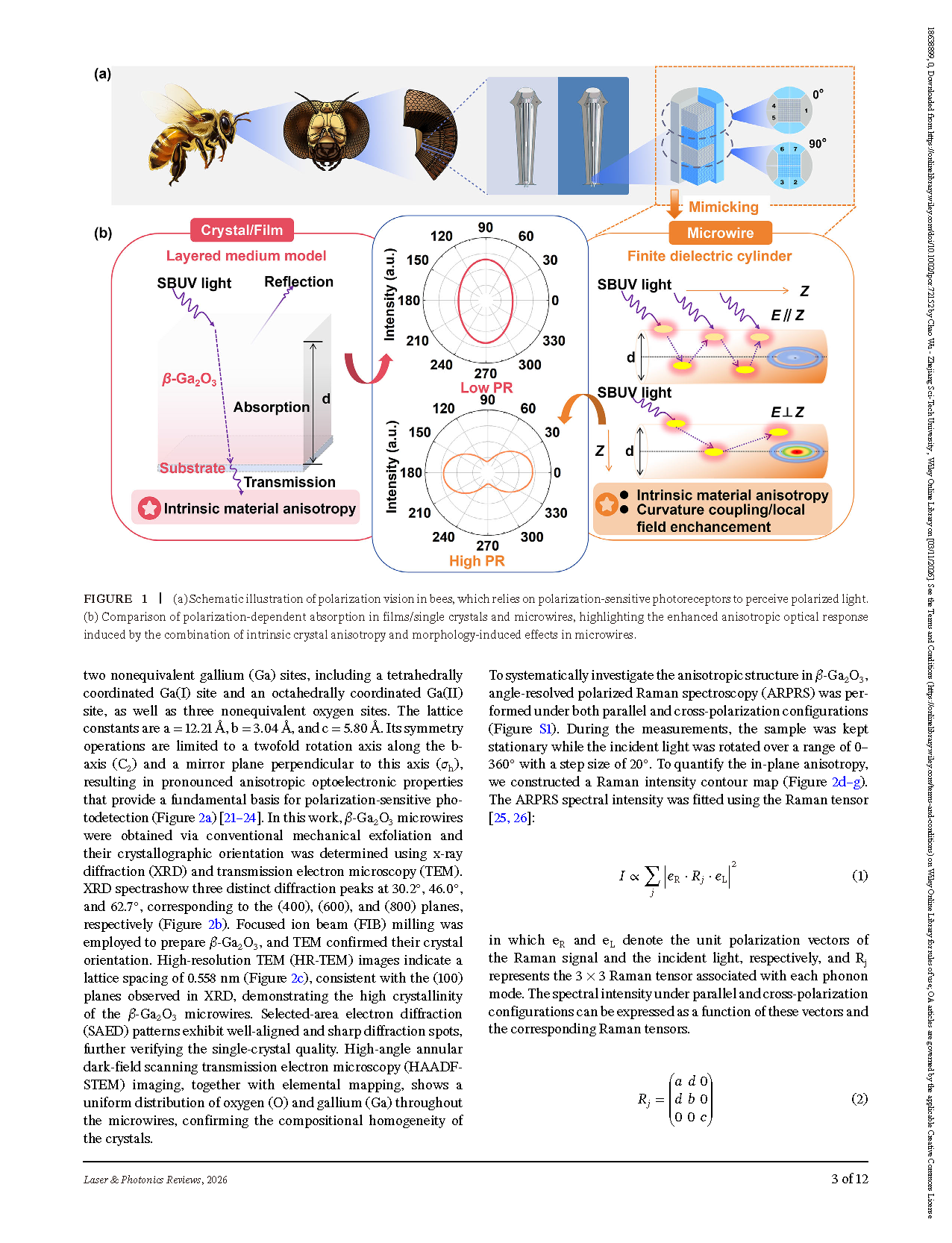
Figure 1. (a) Schematic illustration of polarization vision in bees, which relies on polarization-sensitive photoreceptors to perceive polarized light. (b) Comparison of polarization-dependent absorption in films/single crystals and microwires, highlighting the enhanced anisotropic optical response induced by the combination of intrinsic crystal anisotropy and morphology-induced effects in microwires.
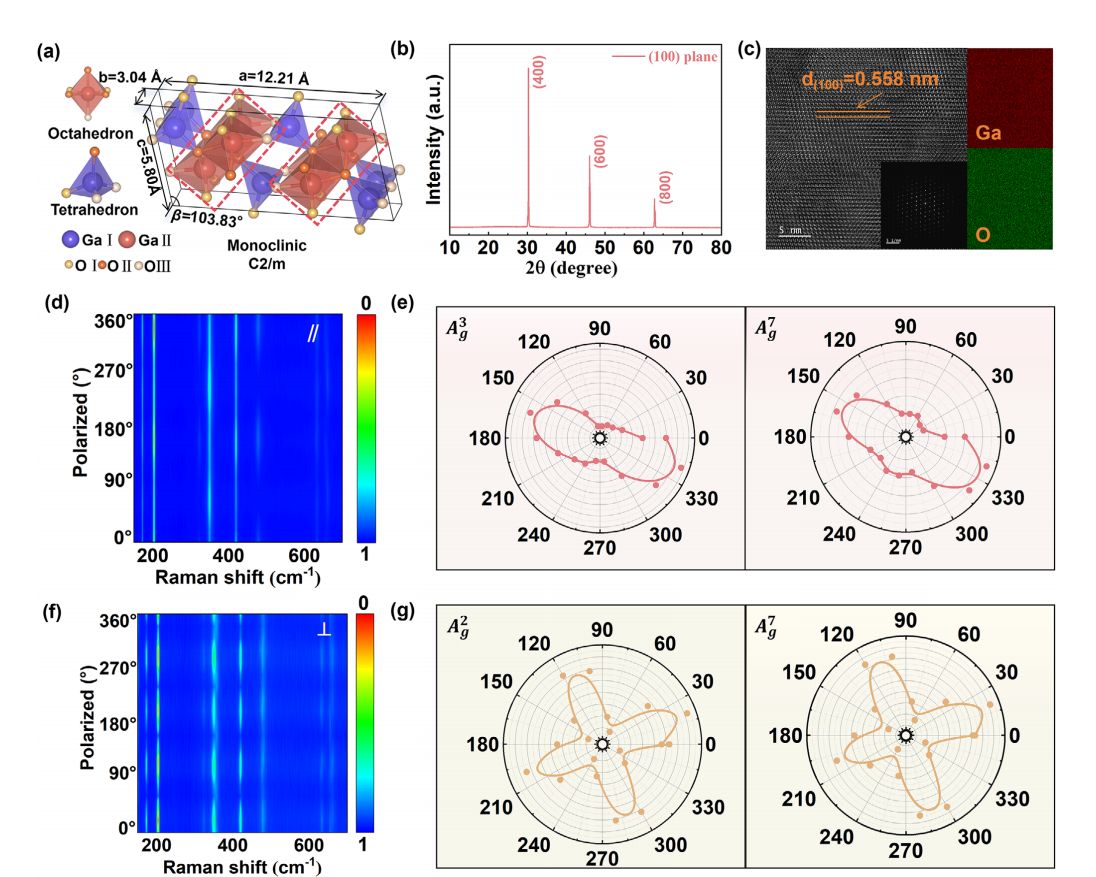
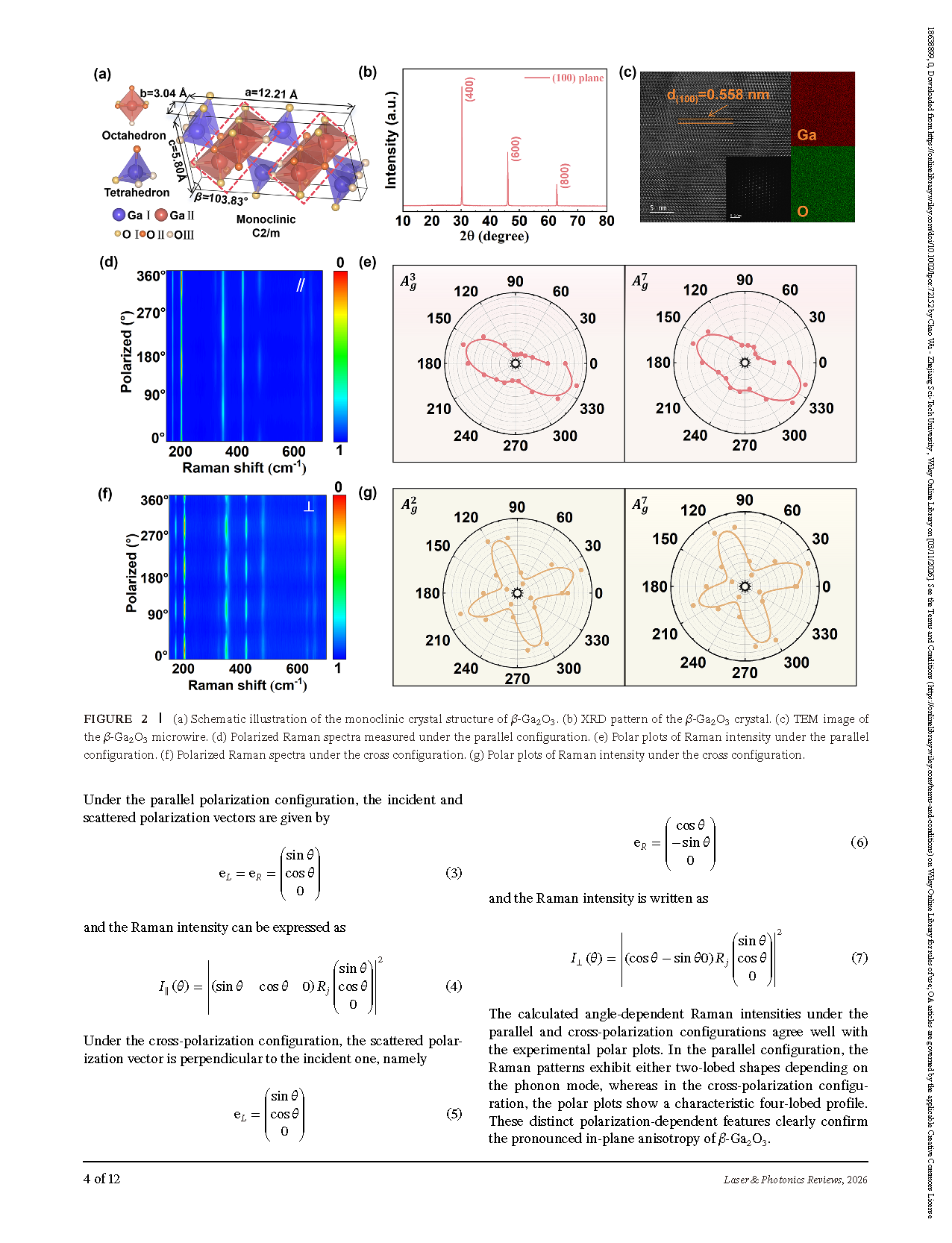
Figure 2. (a) Schematic illustration of the monoclinic crystal structure of β-Ga₂O₃. (b) XRD pattern of the β-Ga₂O₃ crystal. (c) TEM image of the β-Ga₂O₃ microwire. (d) Polarized Raman spectra measured under the parallel configuration. (e) Polar plots of Raman intensity under the parallel configuration. (f) Polarized Raman spectra under the cross configuration. (g) Polar plots of Raman intensity under the cross configuration.
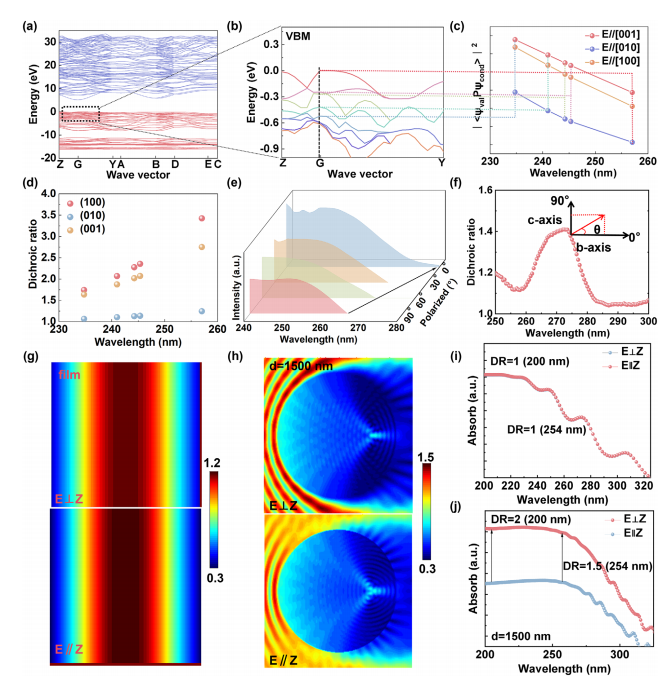
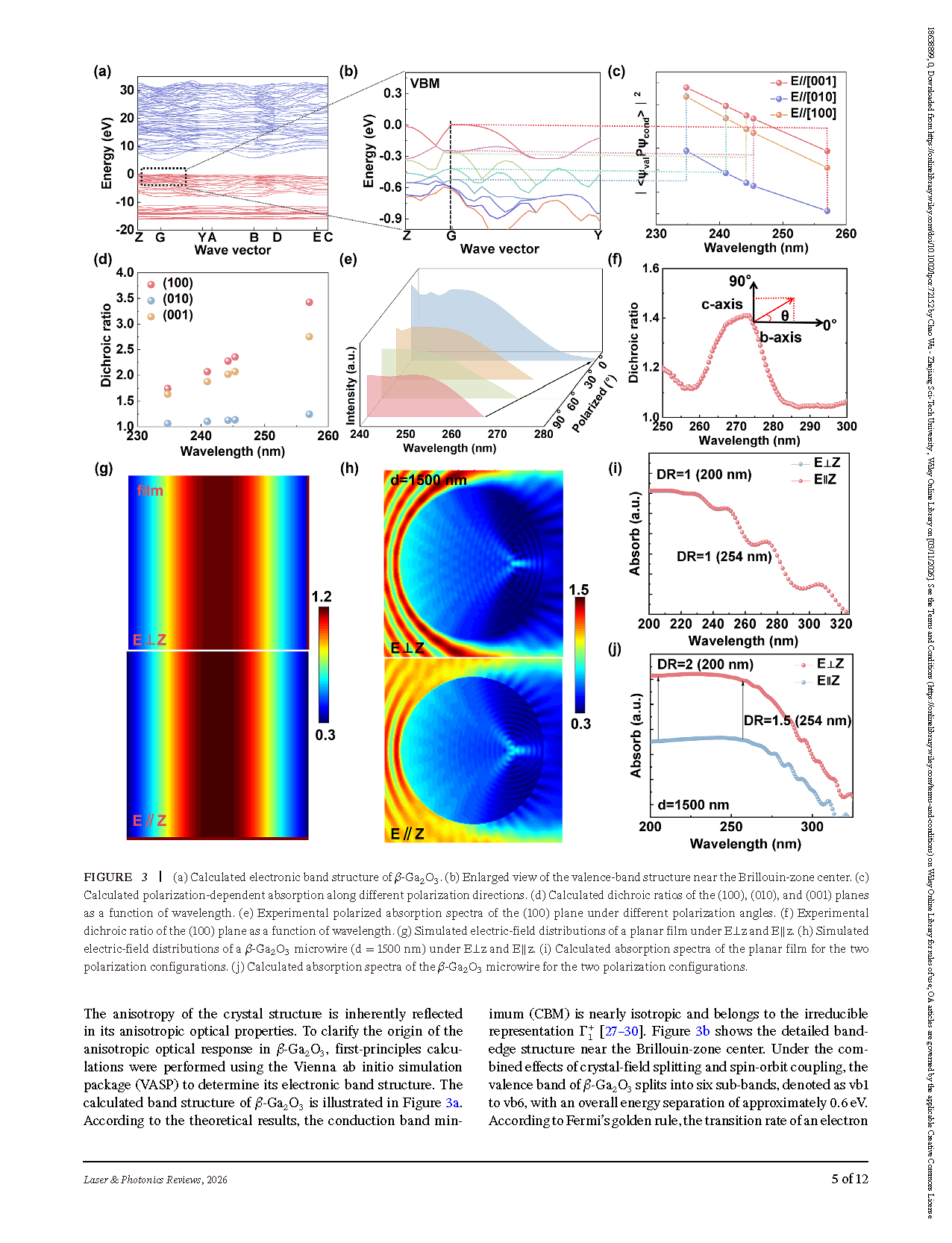
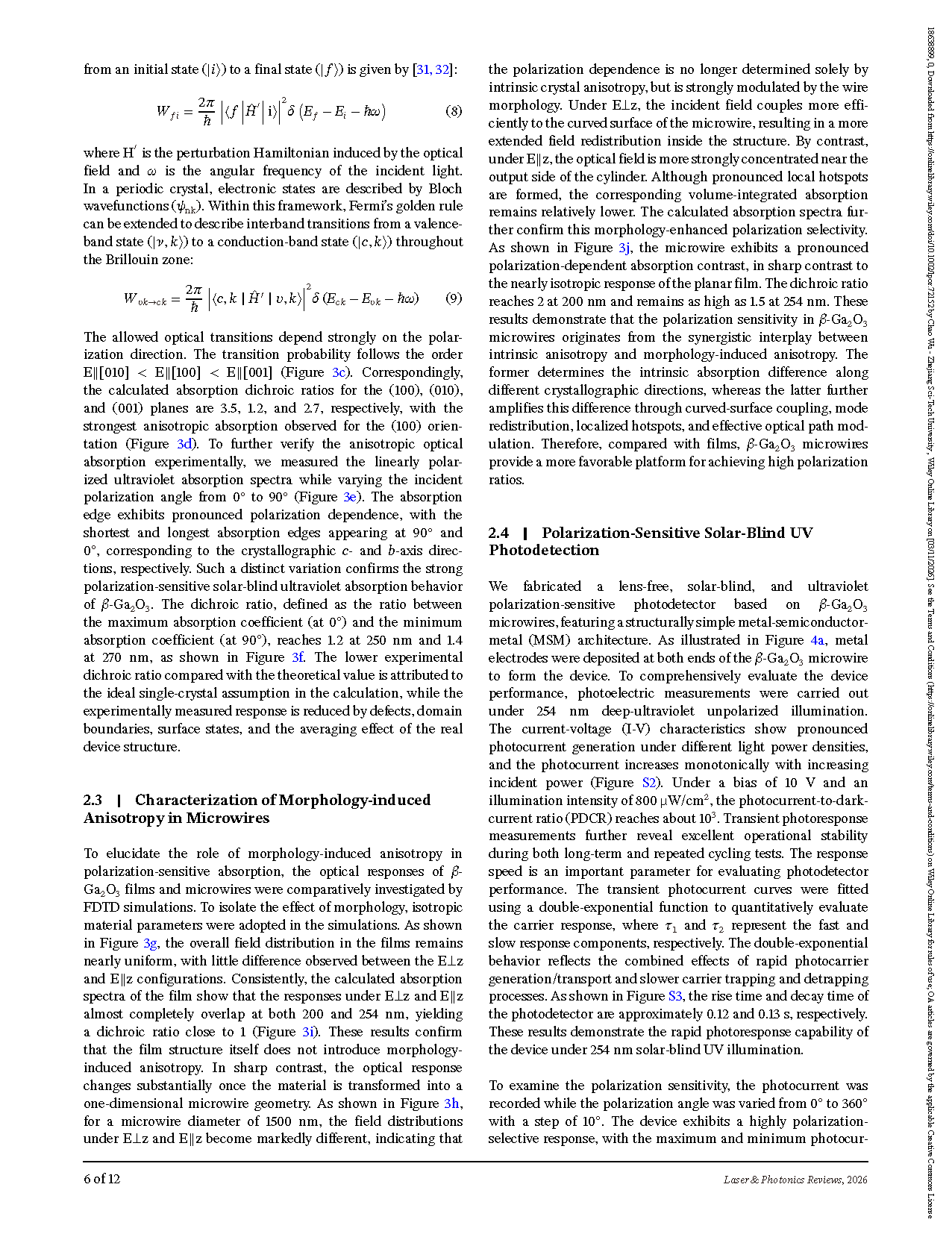
Figure 3. (a) Calculated electronic band structure of β-Ga₂O₃. (b) Enlarged view of the valence-band structure near the Brillouin-zone center. (c) Calculated polarization-dependent absorption along different polarization directions. (d) Calculated dichroic ratios of the (100), (010), and (001) planes as a function of wavelength. (e) Experimental polarized absorption spectra of the (100) plane under different polarization angles. (f) Experimental dichroic ratio of the (100) plane as a function of wavelength. (g) Simulated electric-field distributions of a planar film under E⊥z and E∥z. (h) Simulated electric-field distributions of a β-Ga₂O₃ microwire (d=1500 nm) under E⊥z and E∥z. (i) Calculated absorption spectra of the planar film for the two polarization configurations. (j) Calculated absorption spectra of the β-Ga₂O₃ microwire for the two polarization configurations.
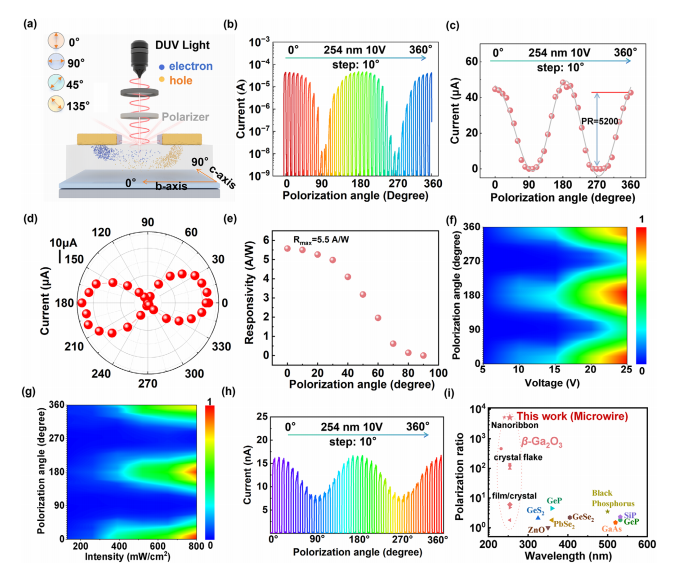
Figure 4. (a) Schematic illustration of the polarization-sensitive photodetector based on a β-Ga₂O₃ microwire. (b) Polarization-angle-dependent photocurrent measured under 254 nm illumination at 10 V bias, with a step size of 10°. (c) Photocurrent variation as a function of polarization angle. (d) Polar plot of photocurrent as a function of polarization angle. (e) Polarization-dependent responsivity under 10 V bias. (f) 2D mapping of photocurrent as a function of bias voltage and polarization angle. (g) 2D mapping of photocurrent as a function of incident light intensity and polarization angle. (h) Angle-resolved photocurrent of the film based photodetector under 254 nm illumination. (i) Comparison of polarization ratios for previously reported polarization-sensitive photodetectors.
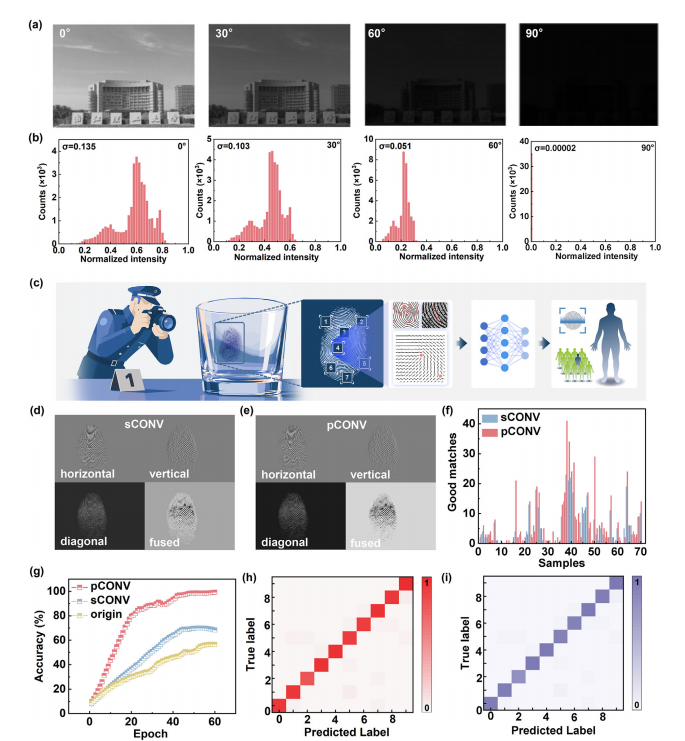
Figure 5. (a) Reconstructed images under incident polarization angles of 0°, 30°, 60°, and 90°. (b) Corresponding histograms of normalized grayscale intensity distributions for the reconstructed images at different polarization angles. (c) Schematic illustration of the polarization-dependent image sensing and fingerprint recognition process. (d,e) Direction-selective convolution results obtained by standard convolution and polarization convolution, respectively, including horizontal, vertical, diagonal, and fused feature maps. The fingerprint images were obtained from the FVC2002 database and were used exclusively for algorithm evaluation. (f) Comparison of the number of good matches extracted from different samples using sCONV and pCONV. (g) Recognition accuracy as a function of training epoch for the original images, sCONV-processed, and pCONV-processed images. (h,i) Confusion matrices of the ANN trained with sCONV-processed and pCONV-processed fingerprint images, respectively.
DOI:
10.1002/lpor.72152


Instruction
Official Account

Cooperation
Top